Sigma DC 17-70mm f/2.8-4 Macro OS HSM Lens
The Sigma 17-70mm f/2.8-4 Macro OS HSM is a 17–70mm f/2.8 lens designed for Canon EF, Nikon F, Sony A, Pentax K mount cameras. Check GearFocus for current availability, with buyer protection on every purchase.
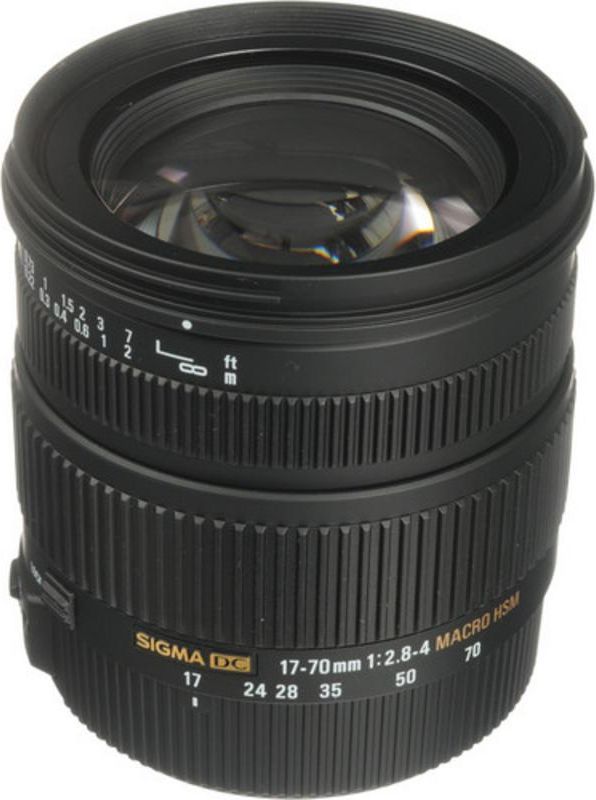
Sigma DC 17-70mm f/2.8-4 Macro OS HSM Lens
Get notified when one lists.
We'll text or email you the moment a Sigma DC 17-70mm f/2.8-4 Macro OS HSM Lens is listed on GearFocus.
Have a Sigma 17-70mm f/2.8-4 Macro OS HSM sitting in your bag?
You'd be the first listing for this model.
Serious buyers are already watching — list yours in minutes.
Available Now on GearFocus


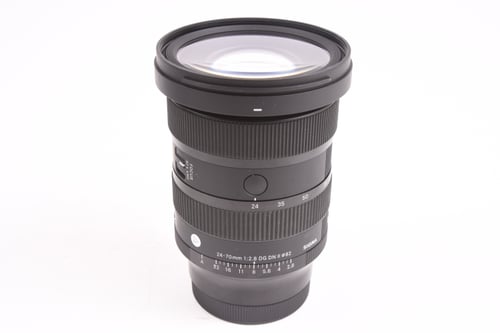


Lens Overview — Sigma 17-70mm f/2.8-4 Macro OS HSM
Key Features — Sigma 17-70mm f/2.8-4 Macro OS HSM
17-70mm APS-C Zoom Range: Covers wide-angle through short telephoto on APS-C sensors, equivalent to roughly 25-105mm in full-frame terms, making it a practical all-in-one lens for everyday shooting.
f/2.8 Maximum Aperture: Wide end opens to f/2.8, giving useful light-gathering capability and depth-of-field control compared to typical kit zooms.
Optical Image Stabilization: Built-in OS system compensates for camera shake during handheld shooting, particularly helpful at the longer end of the zoom range.
Macro Close-Focus Capability: Closer than average minimum focus distance allows frame-filling shots of small subjects without a dedicated macro lens.
HSM Autofocus Motor: Hyper Sonic Motor delivers fast, quiet autofocus and allows full-time manual focus override without switching modes.
Four-Mount Compatibility: Available in Canon EF, Nikon F, Sony A, and Pentax K mounts, covering the majority of APS-C DSLR systems.
Lens Specifications — Sigma 17-70mm f/2.8-4 Macro OS HSM
| Spec | Detail |
|---|---|
| Use Cases | Macro, Portrait, Travel, Product |
| Lens Type | Zoom |
| Format | APS-C |
| Zoom/Prime | Zoom |
| Focal Length | 17–70mm |
| Maximum Aperture | f/2.8 |
| Camera System | DSLR |
| Lens Mount | Canon EF, Nikon F, Sony A, Pentax K |
| Autofocus | Yes |
| Focus Type | Auto, Manual |
| Image Stabilization | Optical |
| Filter Thread | 72mm |
Description — Sigma 17-70mm f/2.8-4 Macro OS HSM
The Sigma DC 17-70mm f/2.8-4 Macro OS HSM is a zoom lens designed for APS-C format DSLR cameras, covering a 17–70mm focal length range that spans from wide-angle to short telephoto. With a maximum aperture of f/2.8 at the wide end, it provides meaningful exposure flexibility, particularly useful when the light drops. Built-in optical image stabilization assists with handheld shooting across the zoom range.
The lens supports both autofocus and manual focus, catering to photographers who switch between the two depending on the subject. Mount compatibility spans Canon EF, Nikon F, Sony A, and Pentax K, making it a viable option for a wide cross-section of APS-C DSLR users. A 72mm filter thread makes it straightforward to pair with standard filter systems.
Weighing 465g, it offers a reasonable balance of build and portability. The macro designation points to close-focus capability, rounding out what is already a versatile standard zoom for APS-C shooters.
Pros — Sigma 17-70mm f/2.8-4 Macro OS HSM
- ✓Maximum aperture of f/2.8 at the wide end offers useful light-gathering capability for an APS-C zoom
- ✓Focal length range of 17–70mm covers a versatile standard zoom spread for APS-C shooters
- ✓Built-in optical image stabilization helps reduce camera shake in handheld shooting
Cons — Sigma 17-70mm f/2.8-4 Macro OS HSM
- ✗Aperture narrows from f/2.8 to f/4 across the zoom range, limiting light at the telephoto end
- ✗At 465g, it may feel heavy for casual or travel use depending on the body pairing
- ✗Designed exclusively for APS-C format, so it is not usable on full-frame DSLRs
Reviews — Sigma 17-70mm f/2.8-4 Macro OS HSM
- Sigma 17-70mm f/2.8-4 DC Macro OS HSM | C review
DPReview - Sigma 17-70mm f/2.8-4 DC Macro OS Lens Review
The Digital Picture - Sigma 17-70mm f/2.8-4 DC Macro OS HSM C Lens Review
ePHOTOzine - Sigma 17-70mm f/2.8-4 DC Macro OS HSM Contemporary
Imaging Resource - Sigma 17-70mm f/2.8-4 DC Macro OS Review
WylunOne - Sigma 17-50mm f2.8 vs Sigma 17-70 f2.8-4 - Which Lens Should I Buy?
ArtoftheImage
Videos — Sigma 17-70mm f/2.8-4 Macro OS HSM
Sigma 17-70mm f/2.8-4 OS Macro 'C' lens review (with samples) — Christopher Frost