- Buyer protection on every order
Get the 1970s Film Look With Used Camera Filters
Bill Pryor
Oct 7, 2026

KEY TAKEAWAYS
- The short answer: 1970s film look filters sit in front of a modern lens and bend the image before the sensor ever sees it, producing bloom, halation, and softened contrast in-camera. Used diffusion and color-shift filters are the cheapest entry point, and a used Nikon F body is the reference-grade companion for anyone who wants the real thing alongside the digital imitation.
- The reference point: A Digital Camera World feature from September 25, 2026 showed a modern digital body producing images that read as unmistakably 1970s, entirely through an unusual filter set.
- The hero gear: The Nikon F Film Camera, a fully mechanical 35mm SLR that needs no battery and accepts the same front-element filters you screw onto your digital glass.
- Why used: Filters are glass and a threaded ring. They do not have firmware, shutters, or sensors to wear out, which makes the secondhand market unusually safe for this category.
- The honest limitation: No filter set replicates film grain structure. It replicates the optical behavior of 1970s glass and coatings, which is most of the look but not all of it.
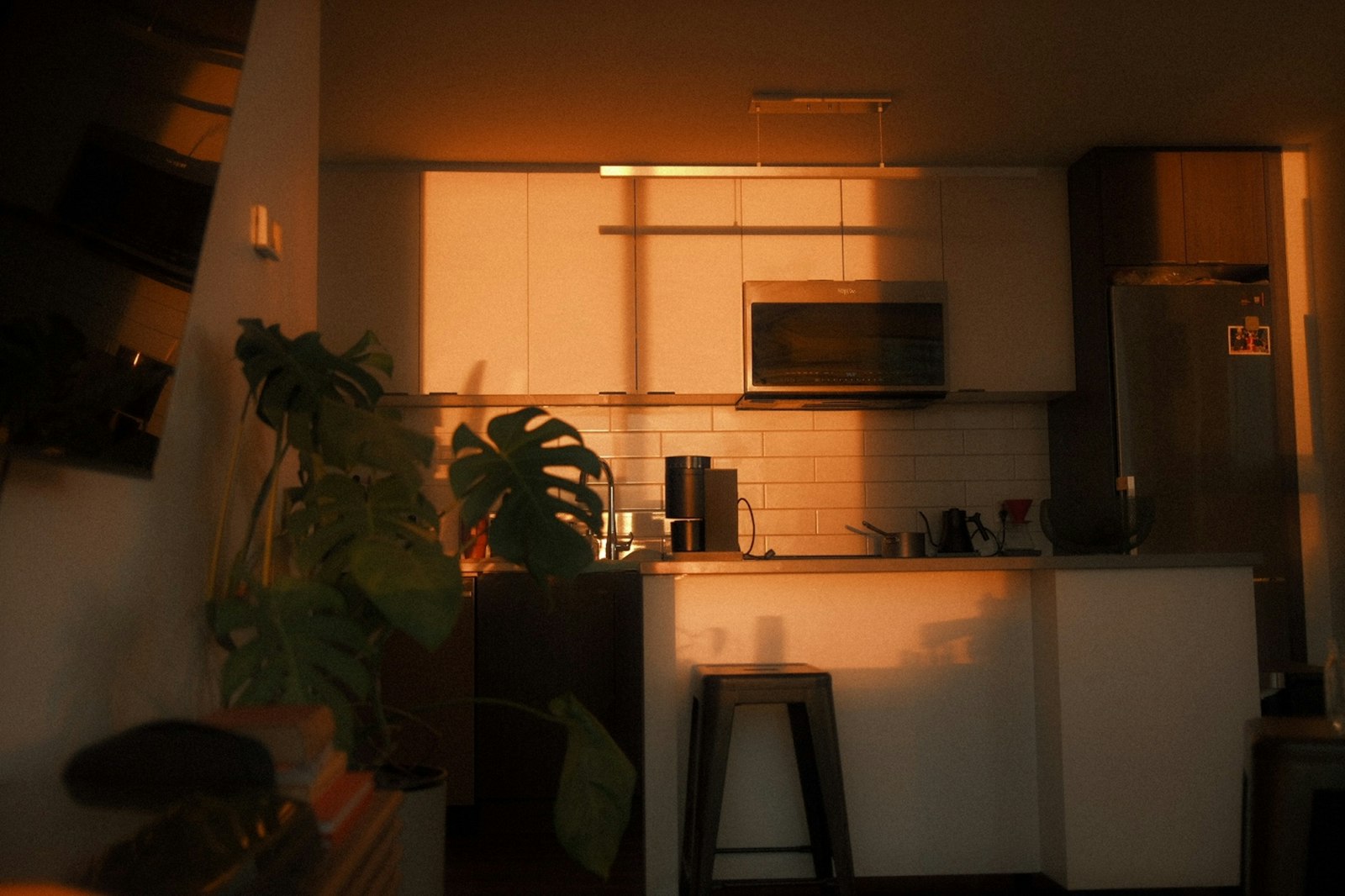
There is a particular quality to a photograph taken in 1974 that has nothing to do with the clothes or the cars in frame. Window light comes through a kitchen in late afternoon and the highlights do not stop cleanly. They swell. They leak sideways into the shadow under the cabinet, and the whole frame sits in a warm haze that nobody put there on purpose.
That haze was a limitation. Lens coatings were less effective, element counts were lower, and internal reflection was something manufacturers were still learning to control. Now it is a look people chase deliberately, which is why 1970s film look filters have become one of the more interesting corners of the used accessory market.
Here is the deal. You can buy that haze. It threads onto the front of whatever modern camera you already own, and it costs a fraction of what a vintage lens set does.
What Are 1970s Film Look Filters, Exactly?
They are optical filters that degrade the image in controlled, repeatable ways. That word “degrade” sounds like an insult. It is not. Every element of the 1970s aesthetic is a form of controlled degradation, and 1970s film look filters simply reintroduce it to glass that has been engineered to eliminate it.
The category breaks into three families. Diffusion filters scatter light across the frame, blooming highlights and lifting blacks. Color-shift filters push the overall balance warm or cool in a way that mimics period film stocks and the aging of those stocks. Streak and halation filters create directional flare from point sources.
Most people building a kit of 1970s film look filters start with diffusion, because it does the heaviest lifting. Strength is usually graded in fractions, running from barely perceptible up to a strength that turns a portrait into a memory.
The Digital Camera World piece that kicked off the current round of interest is worth reading in full: their writeup on photos that feel like the 1970s shot on a modern digital camera walks through exactly how far an unusual filter set can push a current sensor.
The Gear List: Building the Look
| Piece | Role in the look | What it stands in for |
|---|---|---|
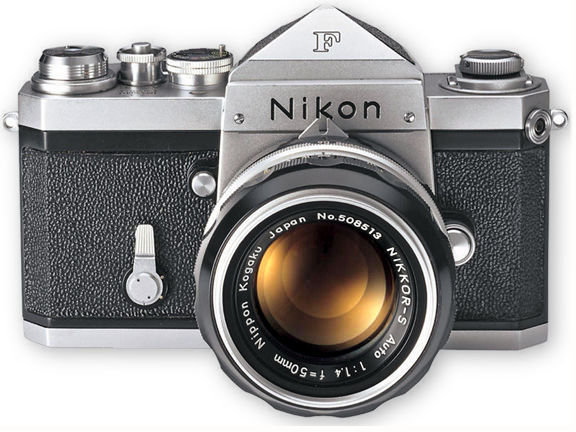
| Nikon F Film Camera (used) | Reference body. Fully mechanical, no battery, full-frame 35mm. Shoot the same filters on real film to calibrate your digital grade. | An original 1970s professional kit, which is what most of the images you are imitating were shot on. |
| Diffusion filter, light to medium strength | Highlight bloom, lifted shadows, reduced micro-contrast. The single biggest contributor. | Uncoated or single-coated vintage glass |
| Warming color-shift filter | Period color balance. Pushes skin tones toward the amber end without a grading pass. | Expired or period-specific film stock |
| Streak or halation filter | Directional flare from practicals, windows, and backlight | Internal reflection in older lens barrels |
| Step-up rings | Lets one filter diameter serve several lenses | Buying a filter per lens, which is how budgets die |
That Nikon F deserves a sentence of its own. GearFocus GearMaster data lists it at 147 x 98 x 89 mm and 685g, built from brass and steel, with a battery type of “None (mechanical operation).” It supports film speeds from ISO 6 to 6400, which covers essentially every stock you would want for this project.
Used Nikon F bodies come up on GearFocus regularly, and it is worth a look if the reference-shooting approach appeals to you.
Why 1970s Film Look Filters Are a Smart Used Buy
I have bought a lot of used gear badly. I ignored a shutter count once on a body that looked immaculate in photos, and it gave out eight months later in the middle of a session with the light doing exactly what I wanted. Lesson absorbed, expensively.
Filters do not have that failure mode. There is no shutter, no sensor, no firmware, no battery contact to corrode. A filter is a piece of coated glass in a threaded aluminum ring. The only real failure points are a scratched surface, a chipped edge, separated cement in a multi-element design, and a bent thread that will not mount.
All four are visible to the naked eye, which is why 1970s film look filters are one of the lowest-risk categories on the secondhand market. Check the glass against a window. Check the thread by hand. That is the inspection.
Condition language matters here more than usual. Remember that GearFocus items listed as Poor or As-Is are final sale with no returns. For everything else, the standard 48-hour verification window after delivery applies, and if the item is not as described you return it at no charge with the seller covering return shipping.
One more practical note on buying 1970s film look filters used: measure your filter thread before you shop. The number is printed on the front of your lens after a ⌀ symbol. Buy the largest diameter in your kit, then step-up rings for the rest.
How Do You Actually Shoot With 1970s Film Look Filters?
Diffusion needs something to diffuse. Point a filtered lens at flat, even, overcast light and you will get a muddy frame with no visible effect. The filter scatters highlights, so the frame has to contain highlights that are meaningfully brighter than their surroundings.
This is the mistake I made for an entire afternoon the first time I tried this. I shot a whole roll under a grey sky, got the files back, and could not tell the filtered frames from the unfiltered ones. The filter was working perfectly. I had just given it nothing to work with.
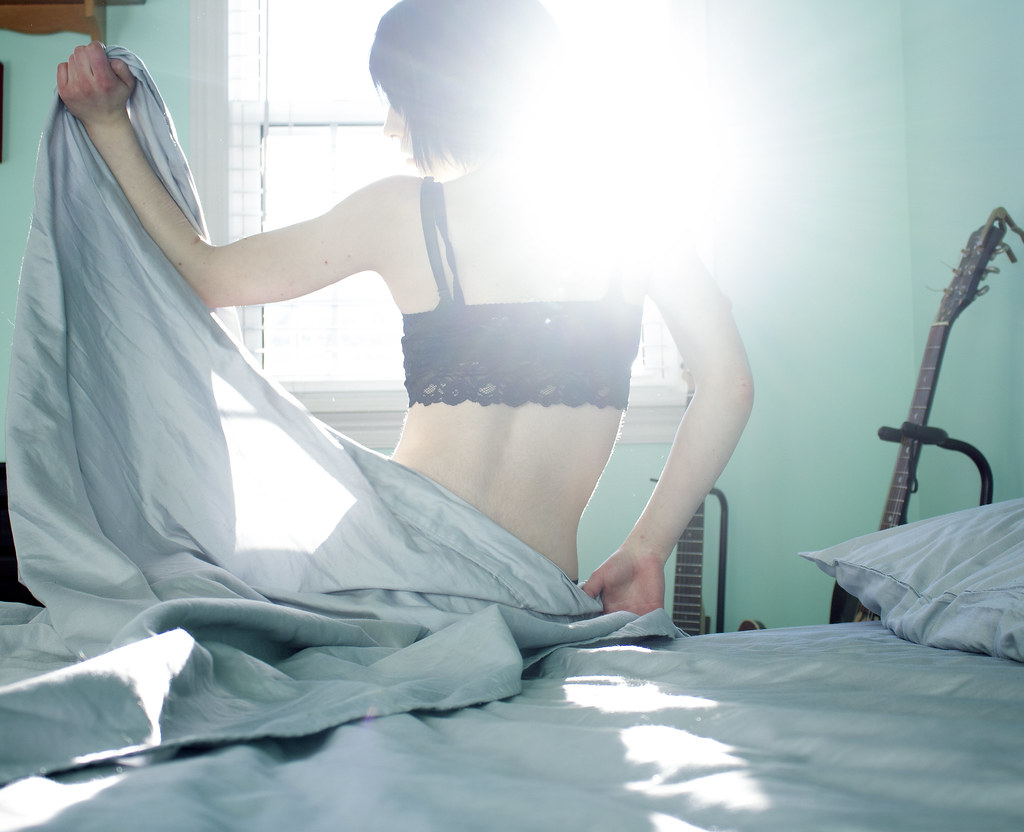
Backlight is the reliable answer. Put the sun, a window, or a practical lamp behind or beside your subject. Let it clip. The bloom you get from a blown highlight edge is the entire point of 1970s film look filters, and clipping is no longer the error it is in clean digital work.
Shoot wide open where the lens allows. Wider apertures increase the visible effect of most diffusion designs, and the shallower plane of focus reinforces the period feel. Stopping down to f/11 will mute the filter noticeably.
Expose a third to two thirds of a stop under your usual setting. Diffusion lifts shadow values on its own, and if you expose normally the frame will read washed rather than hazy. That distinction is subtle on the back screen and obvious on a calibrated display.
Matching the Filters to Your Lenses
Modern lenses fight you here. A current 50mm with eleven elements and nano-structure coating is engineered to suppress exactly the behavior you are trying to add back. You can still get there, but you will need stronger diffusion than someone shooting older glass.
If you already own vintage primes, use them. The filter and the lens compound. A single-coated prime from the right era with a light diffusion filter in front will outperform a modern lens with a heavy one, because the softening originates throughout the optical path rather than at a single plane.
Our rundown of Leitz Hektor cine primes and vintage glass on the used market covers that side of the equation in detail. Pairing period glass with 1970s film look filters is the fastest path to a convincing result.
For zooms, mind the front element. Some filters show vignetting at the wide end of a zoom range, particularly stacked ones. Test at your widest focal length before committing.
Shooting Film Alongside the Digital Files
This is the part most people skip, and it is the part that separates a convincing imitation from an approximate one.
Mount your 1970s film look filters on the Nikon F, load a roll, and shoot the same scene you just captured digitally. You now have a ground-truth reference. When you grade the digital file, you are matching a real photograph rather than a memory of one.
The F makes a good reference body specifically because it adds nothing. No metering computer deciding things for you, no autofocus, no stabilization, no weather sealing. GearMaster data is blunt about those absences: manual focus only, image stabilization listed as none, weather sealing listed as none.
Which means every variable except the film and the filter is under your direct control. For a calibration exercise, that is the feature, not the compromise.
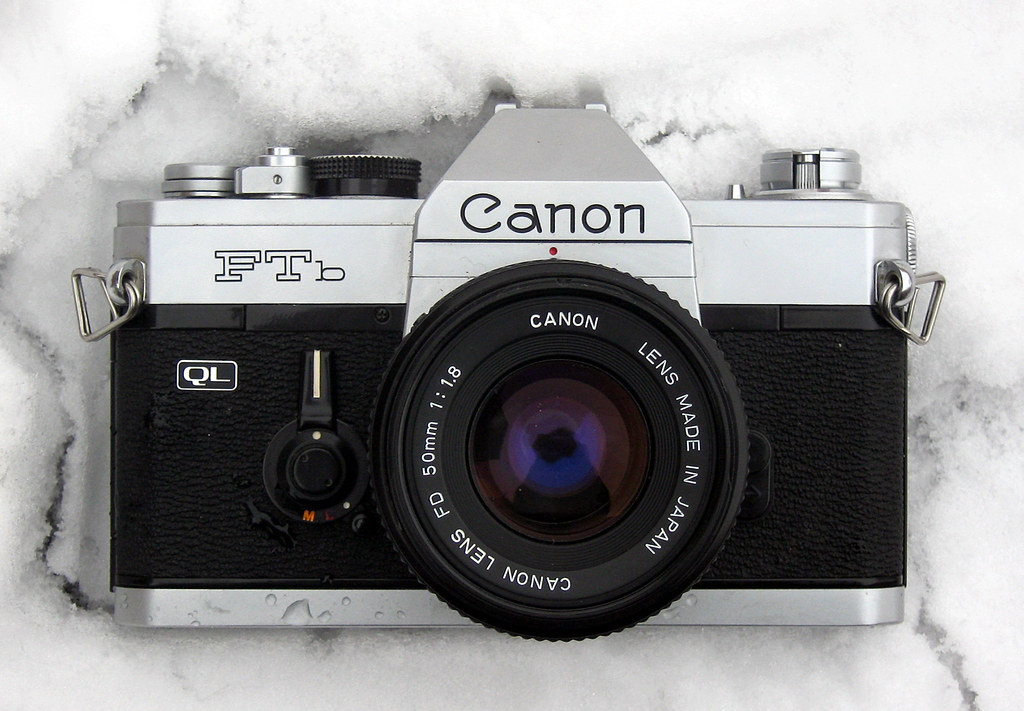
If you are new to shooting film and want a broader survey before committing, our guide to the best used film cameras you can actually buy right now covers bodies across several price tiers. And for something smaller and stranger, the vintage 110 film SLR guide gets into formats that carry their own built-in period character.
Timing Your Purchase This Fall
It is October 2026, which puts us about seven weeks out from the late-November deal season and the holiday gift window behind it. That matters for anyone assembling a set of 1970s film look filters.
Used accessory supply tends to loosen in the weeks after the holidays, when people clear out gear they received duplicates of or upgraded past. Supply tightens through November and December as buyers shop for gifts. If you are not in a hurry, January is historically the friendlier end of that cycle.
If you are buying as a gift, the opposite logic applies and you should move sooner. Filters are also unusually good gifts for this reason: a diffusion filter works on any lens with the right thread, so you do not need to know what body the recipient shoots.
Sellers, this cuts your way. If you have filters sitting unused in a drawer, the next eight weeks are when demand concentrates. GearFocus takes an 8.5% total fee, so you keep 91.5% of the sale price, which is meaningfully more than a generalist marketplace leaves you with.
BOTTOM LINE
- Nikon F Film Camera (used): The reference body. Mechanical, battery-free, 685g of brass and steel, ISO 6 to 6400. GearMaster page here.
- Diffusion filter: Start light to medium. This is the single most important of the 1970s film look filters and does most of the visible work.
- Warming color-shift filter: Period color balance in-camera, less grading afterward.
- Streak or halation filter: For directional flare off windows and practicals.
- Step-up rings: Buy the largest thread diameter in your kit and adapt down.
- Inspection checklist: Glass against a window for scratches, thread by hand for bends, edges for chips, multi-element designs for cement separation.
- Technique: Backlight your subject, shoot wide open, underexpose slightly, and do not bother on flat overcast days.
Final Thoughts on 1970s Film Look Filters
There is something satisfying about solving an aesthetic problem with glass instead of sliders. The effect lands in the file at the moment of capture, which means you commit, and committing produces better work than keeping every option open through three rounds of grading.
Start with one diffusion filter in your largest thread size. Shoot it for a month. Add the color-shift and the streak filter only when you know what the first one does in your hands. A set of 1970s film look filters assembled slowly, one tested piece at a time, will serve you better than a complete kit bought in an afternoon.
Used filters and vintage bodies turn up on GearFocus constantly, and the Nikon F is worth a look if the reference-shooting approach appeals. The haze is buyable. The judgment about when to use it still has to be earned.
FAQ
What camera gives you the 1970s look for less?
Any camera you already own, paired with 1970s film look filters. The look comes from the glass in front of the lens, not the body behind it. A used Nikon F adds a real-film reference point for calibration.
Do 1970s film look filters work on modern lenses?
Yes, though modern coatings resist diffusion more than vintage glass does. Expect to need a stronger filter strength on a current lens than you would on a single-coated prime from the period you are imitating.
Is it safe to buy filters used?
Filters have no electronics, shutters, or batteries to fail. Inspect for scratches, chipped edges, bent threads, and element separation. GearFocus items marked Poor or As-Is are final sale; everything else carries a 48-hour verification window.
Can software replicate 1970s film look filters?
Software approximates the color shift well and the optical bloom poorly. Diffusion scatters light across the actual frame in ways that depend on real highlight geometry, which plugins simulate rather than reproduce.
What filter thread size should I buy?
Check the ⌀ number printed on your lens front. Buy filters in the largest diameter across your kit, then use step-up rings for smaller lenses. One filter then covers several lenses.
Own one like this?
Make room for new gear in minutes.
