- Buyer protection on every order
Aputure STORM CS32 Launch: What It Means for Used High-Output Lights
Bill Pryor
Sep 21, 2026
KEY TAKEAWAYS
- What happened: Aputure introduced the Aputure STORM CS32 at IBC 2026, a 3,200W full-color point-source fixture that runs off a standard household outlet. It targets the same jobs as older high-output HMI and LED point sources, which means those fixtures start rotating out of rental and owner-operator inventories.
- Why used buyers should care: ARRI M18/M40 heads and Aputure Electro Storm CS15/XT26 units are the likely trade-ins. Supply tends to loosen after a headline launch.
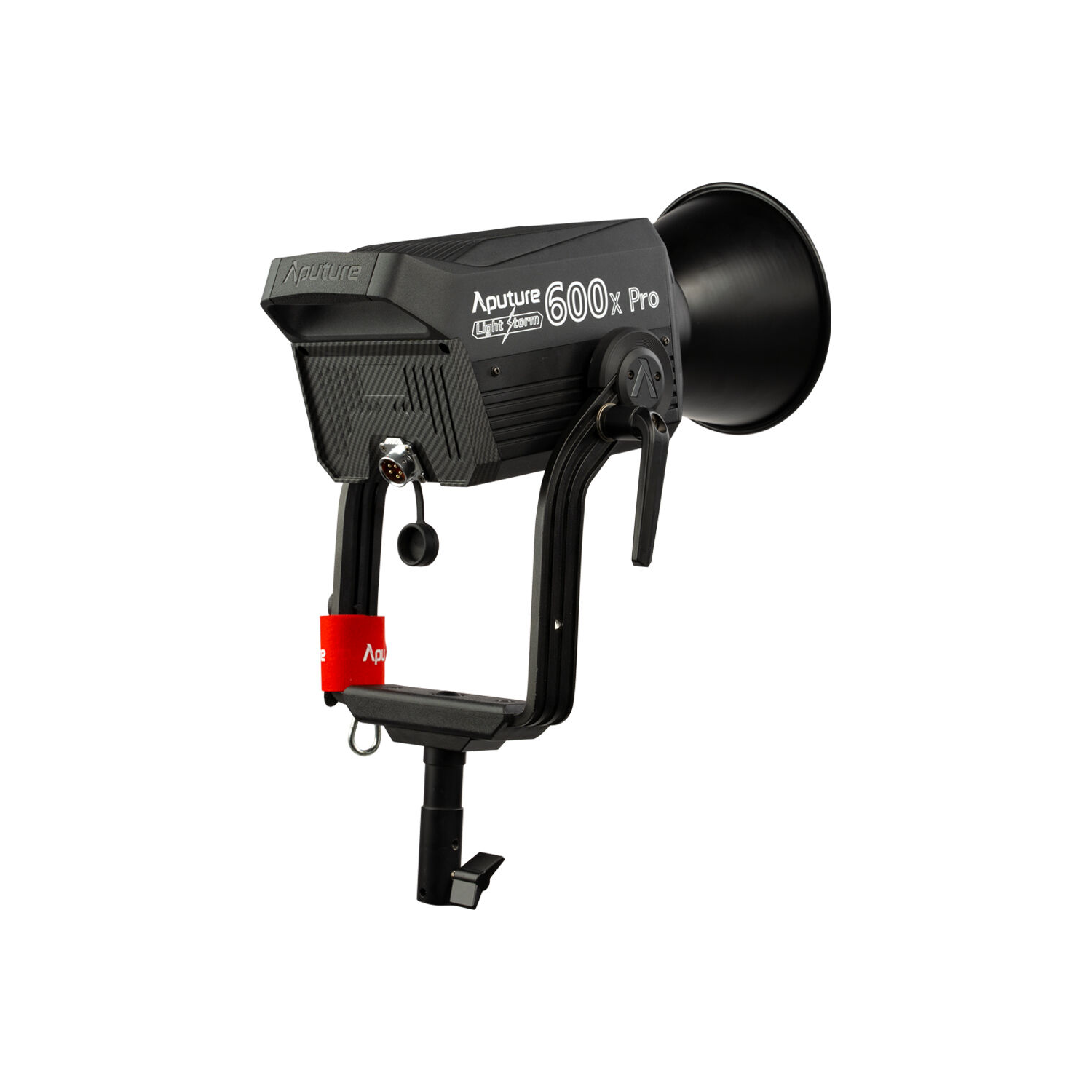
- Before you buy used lighting: check hour counts, ballast and driver condition, cable and header compatibility, and whether the seller still has the original reflector and yoke.
What Aputure Announced at IBC 2026
Aputure brought the Aputure STORM CS32 to IBC 2026: a 3,200W full-color point-source light that pulls from a household outlet instead of a dedicated distro run. CineD covered the reveal, and the pitch is blunt. This is a fixture built to stand in for the big HMI and LED point sources that have owned the high-output slot for years. The named comparisons in that coverage matter more than the spec sheet does for anyone shopping used. Aputure is positioning the Aputure STORM CS32 against ARRI M18 and M40 HMI heads and against its own Electro Storm CS15 and XT26. You can watch the full breakdown here: Aputure STORM CS32 Explained: 3,200W of Full Color From a Household Outlet. Here’s the part I’d underline. Power access is the thing that kills location lighting plans. A fixture in that output class that doesn’t demand a generator or a 60A tie-in changes the math for a lot of small crews, and that’s exactly the argument that convinces an owner-operator to sell what they already have.Why the Aputure STORM CS32 Pushes Older Fixtures Onto the Used Market
Nobody sells a working M18 the week a competitor ships. What actually happens is slower and more predictable. Rental houses re-spec their high-output shelf, owner-operators who bought an Electro Storm CS15 or XT26 decide one big fixture is enough, and units start appearing in listings over the following quarters. The Aputure STORM CS32 accelerates that because it’s aimed at a specific pain point rather than offering a general upgrade. If your reason for keeping an HMI was raw output, and the Aputure STORM CS32 delivers comparable punch without the power infrastructure, the HMI’s case gets thinner. Lighting gear holds value well compared with camera bodies, but it isn’t immune. I learned that the hard way with a set of tungsten fresnels I held onto too long, convinced they’d always be worth something. They were. Just less every year, and I never checked until I finally listed them. What this means practically: if you’ve been waiting for an M18 to come within reach, patience through late 2026 is probably rewarded. If you own an Electro Storm XT26 and it’s sitting idle, the window where demand is still strong is now, not after the Aputure STORM CS32 is on every rental shelf.What to Check Before Buying Any Used Point-Source Light
Where the Value Sits Now That the Aputure STORM CS32 Exists
Buyer Protection on a Used Fixture
Every GearFocus purchase carries a 48-hour verification window after delivery. If the fixture isn’t as described, you return it at no charge and the seller covers return shipping. Some sellers offer a 14-day no-questions-asked policy on top of that, though it excludes Poor and As-Is items. Anything listed Poor or As-Is is final sale. Most orders ship within 1 to 3 business days. For heavy lighting, use that 48 hours properly. Power the unit up, run it at full output, cycle the color range, listen to the fan.Conclusion
The Aputure STORM CS32 is a genuinely interesting fixture, but for most readers here the more useful story is downstream. Big launches loosen supply on the tier below, and the ARRI M18/M40 and Electro Storm CS15/XT26 heads are the ones to watch through the back half of 2026. Buy on condition, not on the headline. And if the Aputure STORM CS32 just changed what your current kit is worth, now’s a good time to find out.FAQ
What is the Aputure STORM CS32?
It’s a 3,200W full-color point-source LED fixture Aputure introduced at IBC 2026. Its headline feature is running from a household outlet rather than requiring dedicated power distribution, targeting jobs previously handled by large HMI heads.
Will the Aputure STORM CS32 make used HMI lights cheaper?
Likely over time. Rental houses and owner-operators tend to re-spec after a launch in this class, which increases used supply of fixtures like the ARRI M18 and M40. Expect gradual softening rather than an overnight drop.
What should I check before buying a used HMI or LED point source?
Hour count, lamp replacement history, ballast and header cable condition, fan noise at full output, and whether the yoke, reflector, and lens are included. Missing accessories often cost more than the discount you negotiated.
Photo: Ron Lach
Own one like this?
Make room for new gear in minutes.
