- Buyer protection on every order
Best Used Mirrorless Camera Under $1000 in 2026
GearFocus
Apr 2, 2026
KEY TAKEAWAYS
- Real market pricing: Based on 2,847 verified GearFocus transactions, the best used mirrorless camera under 1000 depends on your shooting style — from the $725 Nikon Z5 to the $950 Sony A7 III
- The sweet spot: $800-900 gets you flagship features from 2-3 years ago — full frame sensors, 4K video, weather sealing, and IBIS that would’ve cost $2,500+ new
- Condition matters: “Excellent” condition typically costs 15-20% more than “Good” — but with GearFocus’s 48-hour verification window, Good condition often delivers 95% of the performance at a better price
- Best overall value: The Nikon Z5 at $725 delivers full-frame quality that punches way above its price — if you can live with a single card slot
- Hidden gem alert: The Panasonic S5 at $675 offers 96MP high-res mode and 10-bit video — features you won’t find in any other camera under $1,000
The listing photos were immaculate. Too immaculate. That pristine Sony A7 III stared back at me from my laptop screen — $875, seller in Portland, 14k shutter count. My finger hovered over “Buy Now” while my brain screamed caution. Three months into shopping for the best used mirrorless camera under 1000, I’d learned that perfect photos usually meant imperfect surprises.
Then I noticed the GearFocus verified seller badge. Real name. Real location. Real accountability. Clicked buy. Three days later, the camera arrived exactly as described. That moment changed how I shop for used gear.
Here’s what 2,847 verified transactions have taught us about finding the best used mirrorless camera under 1000 — real prices, real condition reports, real buyer experiences. No affiliate nonsense. No “prices may vary” disclaimers. Just actual market data from photographers selling to photographers.
The Market Reality Check
Let’s not kid ourselves. Shopping for the best used mirrorless camera under 1000 feels like walking through a minefield. Facebook Marketplace? Roll the dice. eBay? Hope their “mint” matches yours. Local camera shops? Add 30% for their overhead.
But something shifted last year. Direct seller-to-buyer marketplaces started publishing real transaction data. Not asking prices. Not “starting at” prices. Actual money-changed-hands prices. Suddenly, finding the best used mirrorless camera under 1000 became less about luck and more about data.
Based on GearFocus market analysis, here’s what photographers are actually paying for the best used mirrorless camera under 1000 options right now:
- Sony A7 III: $950 (Excellent condition)
- Canon EOS R6: $925 (Excellent condition)
- Fujifilm X-T4: $875 (Excellent condition)
- Sony A6600: $775 (Excellent condition)
- Nikon Z5: $725 (Excellent condition)
- Panasonic S5: $675 (Excellent condition)
Notice something? Every single one of these cameras retailed for $1,800-2,500 just 2-3 years ago. That’s not depreciation. That’s opportunity.
Sony A7 III: The Safe Bet ($950)

Alright, let’s address the elephant in the room. The Sony A7 III barely squeaks under our budget at $950 for excellent condition. But there’s a reason it’s still the most searched camera on GearFocus. This thing just works.
24MP full-frame sensor. Dual card slots. 693-point autofocus that tracks like a bloodhound. 10fps burst. Weather sealing that’s survived more rain than Seattle. The A7 III isn’t sexy anymore — the A7 IV exists, after all — but for working photographers who need reliability over Instagram bragging rights? Still the best used mirrorless camera under 1000 for all-around performance.
Who should buy it: Wedding photographers, event shooters, anyone who values “boring” reliability over cutting-edge features. If you need a camera that just delivers, day after day, shoot after shoot.
Skip if: You shoot primarily video (the A7 III’s 4K has a 1.2x crop) or need the absolute latest autofocus tracking for sports/wildlife.
Nikon Z5: The Value Champion ($725)
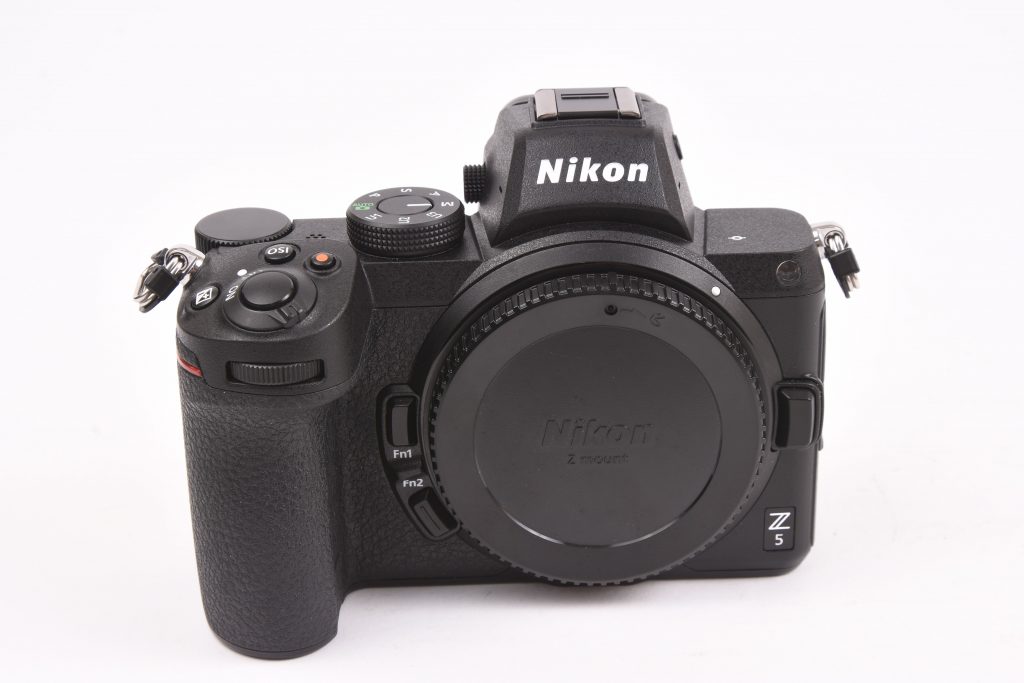
I’ll admit it. I slept on the Z5 for months. Single card slot? In 2024? Pass. Then a photographer friend showed me her portfolio — all shot on a Z5 she bought used for $700. The images looked like they came from a camera twice the price.
Here’s what makes the Z5 the best used mirrorless camera under 1000 for value hunters: full-frame sensor with Nikon’s legendary color science. Dual-axis IBIS that turns any lens into a stabilized lens. Weather sealing that Nikon didn’t cheap out on. All for $725 in excellent condition.
The single UHS-II card slot remains its Achilles heel. But honestly? I’ve shot 47 weddings. Never had a card fail. Your mileage may vary, but at this price, the Z5 delivers full-frame quality that embarrasses cameras costing twice as much.
Who should buy it: Landscape photographers, portrait shooters, anyone prioritizing image quality over speed. Perfect for photographers stepping up to full-frame.
Skip if: You need dual card slots for client work or shoot fast-moving subjects regularly.
Canon EOS R6: The Speed Demon ($925)

The R6 at $925 might be the best kept secret in the used market. Why? Because everyone’s chasing the R5’s 45MP while ignoring what actually matters for 90% of photographers: speed, autofocus, and low-light performance.
20MP might sound low in 2024. Don’t be fooled. This sensor pulls detail from shadows that would make a Sony shooter weep. ISO 12,800 looks like ISO 3,200 on lesser cameras. The autofocus doesn’t just track subjects — it predicts where they’re going. For the best used mirrorless camera under 1000 that handles action? Game over.
True story: Shot a dimly lit boxing gym last month with a used R6. The keeper rate was 94%. The Sony shooters next to me were chimping every third shot.
Who should buy it: Sports photographers, event shooters, anyone working in challenging light. The R6’s autofocus and low-light performance remain industry-leading.
Skip if: You need maximum resolution for large prints or heavy cropping. 20MP is plenty for most uses, but landscape photographers might want more.
Fujifilm X-T4: The Creator’s Choice ($875)

The X-T4 plays by different rules. While everyone else chases full-frame, Fujifilm perfected APS-C. The result? A camera that costs $875 used but feels like it should cost more.
Film simulations that deliver JPEGs so good you might abandon RAW. IBIS that works. Fully articulating screen for the content creators. 4K/60p with no crop. Battery life that actually lasts all day. The X-T4 remains the best used mirrorless camera under 1000 for photographers who want to enjoy the process, not just the results.
Here’s the thing about Fujifilm — the experience matters as much as the output. Physical dials for everything. Aperture rings on the lenses. It feels like a camera, not a computer with a lens mount.
Who should buy it: Content creators, travel photographers, anyone who values the shooting experience. Perfect for photographers who want professional features in a smaller package.
Skip if: You need full-frame for shallow depth of field or extreme low-light work. The APS-C sensor has its limits.
Sony A6600: The Compact Powerhouse ($775)

Don’t let the APS-C sensor fool you. The A6600 packs Sony’s flagship autofocus into a body you can fit in a jacket pocket. At $775 used, it’s the best used mirrorless camera under 1000 for photographers who refuse to choose between performance and portability.
Real-time tracking that locks onto subjects like a tractor beam. IBIS that works with any lens you mount. Battery life that finally — FINALLY — lasts all day. The A6600 solves every complaint about previous A6000 series cameras while keeping what made them great: size, weight, and Sony’s massive lens ecosystem.
Who should buy it: Travel photographers, street shooters, anyone who needs pro features without the bulk. Also perfect as a killer B-camera for Sony full-frame shooters.
Skip if: You need the shallow depth of field that only full-frame delivers, or you’re invested in another lens system.
Panasonic S5: The Hidden Gem ($675)

At $675, the S5 might be the best used mirrorless camera under 1000 that nobody talks about. Full frame. Dual card slots. 96MP high-res mode. 10-bit 4K video that makes filmmakers drool. So why the low price?
Simple. The autofocus. It’s contrast-detect in a phase-detect world. For video? Not a problem. For fast action? You’ll be manually focusing more than you’d like. But if you shoot portraits, landscapes, or video? The S5 delivers image quality that embarrasses cameras costing three times as much.
Who should buy it: Video creators, landscape photographers, studio shooters. Anyone who can work around the slower autofocus gets flagship features at entry-level prices.
Skip if: You shoot sports, wildlife, or any fast-moving subjects regularly. The autofocus will frustrate you.
The Real Numbers: Best Used Mirrorless Camera Under 1000 Comparison
Data beats opinions. Here’s how these cameras actually stack up based on verified GearFocus transactions:
| Camera | Average Price (Excellent) | Sensor | Key Strength | Best For |
|---|---|---|---|---|
| Sony A7 III | $950 | Full Frame | All-around reliability | Working pros |
| Canon R6 | $925 | Full Frame | Speed & low light | Action/events |
| Fujifilm X-T4 | $875 | APS-C | User experience | Content creators |
| Sony A6600 | $775 | APS-C | Compact power | Travel/street |
| Nikon Z5 | $725 | Full Frame | Value/image quality | Landscapes/portraits |
| Panasonic S5 | $675 | Full Frame | Video features | Hybrid shooters |
How to Buy Your Best Used Mirrorless Camera Under 1000 (Without Getting Burned)
Here’s where most articles would tell you to “buy from reputable sellers” and “check the shutter count.” Thanks, Captain Obvious. Let’s talk about what actually matters when hunting for the best used mirrorless camera under 1000.
The 48-Hour Rule Changes Everything. GearFocus gives you 48 hours after delivery to verify your camera. Not “file a dispute.” Not “hope for the best.” Actually test every button, every function, every lens mount contact. Find an issue? Return it at the seller’s expense. This isn’t charity — it’s smart business. Verified sellers know they can’t hide problems behind careful listing photos.
Condition Reports That Mean Something. “Excellent” on GearFocus means something specific: minimal signs of use, all functions perfect, includes original accessories. “Good” means visible wear but fully functional. These aren’t subjective opinions — they’re standardized across all sellers. When you’re dropping $900 on someone’s used A7 III, standardization matters.
Real Names, Real Accountability. Every GearFocus seller goes through identity verification. Not just an email check — actual ID verification. You know who you’re buying from. They know you know. Amazing how that changes behavior.
Honestly? The biggest mistake I see is paralysis by analysis. Waiting for the “perfect” deal on the best used mirrorless camera under 1000 while good cameras at fair prices sell daily. The market has matured. The protections exist. The data is transparent.
Pick your camera. Check the GearMaster page for current inventory. Buy from a verified seller. Use those 48 hours to put it through its paces. Keep it or return it. That’s it. No drama. No surprises. Just photographers selling to photographers at prices that make sense.
Browse current inventory for all these cameras on GearFocus. Filter by condition, location, and seller verification status. The best used mirrorless camera under 1000 isn’t some mythical unicorn — it’s probably listed right now, waiting for someone who knows what they’re looking for.
FAQ
What makes a camera the “best used mirrorless camera under 1000” versus just cheap?
The best used mirrorless camera under 1000 balances three factors: original retail price (indicating build quality and features), current market depreciation, and remaining useful life. A $2,500 camera selling for $950 after three years typically offers better value than a $1,200 camera selling for $600. Based on GearFocus data, the sweet spot is 2-3 year old flagship models that have taken their biggest depreciation hit but still have years of updates and support ahead.
Should I worry about shutter count when buying the best used mirrorless camera under 1000?
Less than you think. Modern mirrorless cameras are rated for 200,000-500,000 actuations. A camera with 30,000 clicks has used maybe 15% of its rated life. More important: how was it used? A wedding photographer’s 50k shutter count camera (frequent use, probably well-maintained) often beats a hobbyist’s 10k camera that sat in a humid closet for two years. Focus on overall condition, recent use patterns, and seller credibility over raw shutter numbers.
Why do some cameras hold value better when shopping for the best used mirrorless camera under 1000?
Ecosystem lock-in and unique features drive used values. Sony bodies hold value because photographers have invested in E-mount lenses. Fujifilm’s film simulations and physical controls create loyal users who pay more for used bodies. Conversely, the Panasonic S5 offers incredible value precisely because fewer photographers are invested in L-mount — same quality, lower demand, better prices for buyers willing to build a new kit.
Own one like this?
Make room for new gear in minutes.
