- Buyer protection on every order
Osmo Pocket 3 Value Guide: What Your Used Gimbal Camera Is Worth Now
Bill Pryor
Aug 12, 2026
KEY TAKEAWAYS
- The short answer: The Osmo Pocket 4P announcement on August 5, 2026 pushed a wave of trade-in units onto the used market, which softens Osmo Pocket 3 value in the short term. The Osmo Pocket 3 value proposition stays strong for buyers, because the 1-inch sensor, 4K/120fps capture, and 10-bit gimbal footage did not get worse overnight.
- Sellers: Listing early in a successor cycle beats waiting. Supply is climbing right now, and Osmo Pocket 3 value tends to erode fastest in the first few months after a replacement ships.
- Buyers: This is the best window in two years to get a 1-inch-sensor pocket gimbal camera without paying launch pricing.
- What holds Osmo Pocket 3 value: Complete kits, the Creator Combo accessories, low-wear gimbals, and an undamaged 2.0-inch screen.
- What kills it: Gimbal play, water exposure (there’s no weather sealing), and missing the USB-C audio adapter.
DJI dropped the Osmo Pocket 4P announcement on August 5, 2026: dual cameras, D-Log 2, wider dynamic range. Within days, creator forums filled with the same two posts. “Selling my Pocket 3, upgrading.” And right underneath it: “Is now a good time to buy one used?”
Both of those people are asking about Osmo Pocket 3 value from opposite sides of the same table. Here’s the honest read on where it’s headed.
Because this is the part nobody says out loud during a launch cycle: a successor does not make the previous camera worse. It makes it cheaper. Those are very different things, and confusing them is how people either panic-sell too low or sit on a listing for three months wondering why nobody is biting.
What Actually Happens to Osmo Pocket 3 Value After a Successor Launch
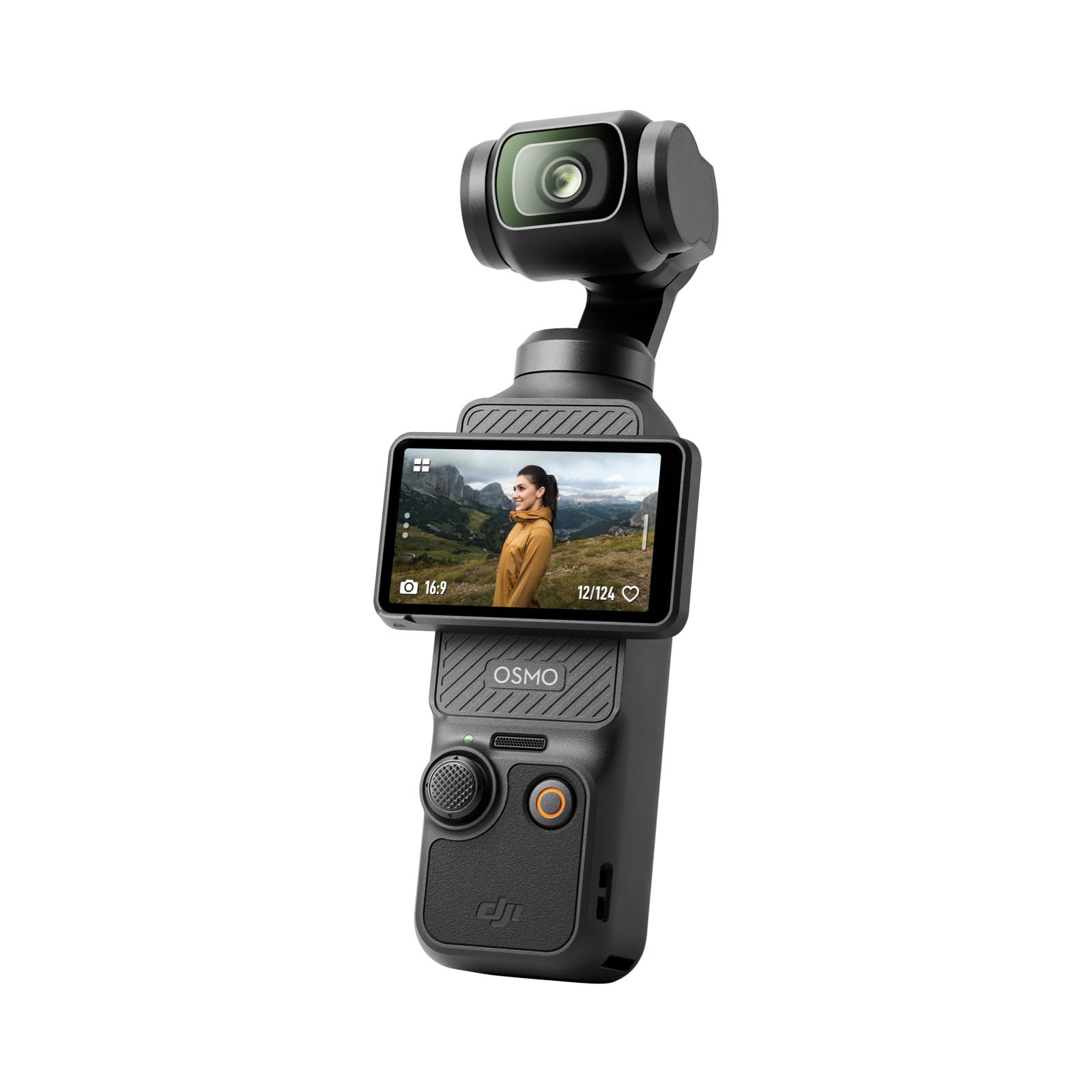
Used gear pricing follows supply, not sentiment. The Osmo Pocket 4P reveal did not change a single spec on the Pocket 3. What it changed was how many people decided, all in the same week, that they were done with theirs.
That’s the mechanism. Osmo Pocket 3 value drifts down because dozens of near-identical listings appear at once, and each seller is watching the other listings to decide their price. Nobody wants to be the highest one on the page.
The pattern generally runs in three phases:
- Announcement spike (now): Supply jumps as early adopters list ahead of the new unit shipping. Buyers hesitate, waiting to see how far prices fall.
- Shipping dip: Once the successor actually lands in hands, the second wave of sellers arrives. This is usually where Osmo Pocket 3 value hits its floor.
- Flattening: Supply thins, the remaining units are the well-kept ones, and pricing stabilizes at the new normal.
I misread this cycle myself once, on a body I’d been meaning to offload. I told myself I’d wait for the noise to die down. It did. So did the price. Waiting for a used market to recover from a successor launch is like waiting for milk to un-sour.
Why the Osmo Pocket 3 Value Case Is Stronger Than the Timing Suggests
Strip out the launch noise and look at what the camera is. According to GearFocus GearMaster data, the DJI Osmo Pocket 3 is built around a 1-inch sensor shooting 9.4 MP stills at up to 3840×2160 in 16:9, or 3072×3072 in 1:1 for the vertical-first crowd.
Video is where the Osmo Pocket 3 value really sits. It records 4K at up to 120fps with 10-bit color, across three profiles: Standard, D-Log M, and HLG. That is genuine grading latitude in a device you can forget is in your jacket.
The ISO range spans 50 to 16000. Stabilization is handled by a physical gimbal rather than electronic or in-body correction, so you keep your full field of view instead of paying the digital-IS crop tax.
None of that gets revoked when a successor ships. The Osmo Pocket 4P adds a second camera and D-Log 2, and for some workflows that matters a great deal. For a travel-focused shooter who wants stabilized 4K and 10-bit files, the Osmo Pocket 3 value equation barely moves.
How Much Is an Osmo Pocket 3 Worth Right Now?
Straight talk on this one: specific current used prices come from live marketplace data, not from a blog post’s guesswork, and this article isn’t going to invent numbers for you. GearFocus GearMaster data covers the specs and condition factors, and our Pricing Guide tracks verified sale prices as they happen.
What this article can give you is the framework that determines where in the range your unit lands. Osmo Pocket 3 value on the used market is driven by five things, roughly in order of impact:
- Gimbal condition. This is the single biggest lever. A gimbal with play in the yaw axis, a stutter on startup, or drift while panning tanks Osmo Pocket 3 value harder than cosmetic wear ever will.
- Screen health. There is no viewfinder of any kind on this camera. Framing lives entirely on the 2.0-inch touchscreen, so scratches and dead touch zones are functional damage, not blemishes.
- Kit completeness. The USB-C audio adapter, the handle, the wide-angle lens, the case. Missing accessories are the quiet Osmo Pocket 3 value killer because replacements cost real money.
- Moisture history. No weather sealing. A unit that has seen rain or beach spray is a risk buyers price aggressively.
- Battery and runtime honesty. Stating actual observed runtime instead of the spec sheet number builds trust and gets listings moved.
For a wider walkthrough of how to arrive at a real number rather than a hopeful one, our guide on what your used camera gear is really worth covers the process on any body, not just this one. And if you’d like to see how a full pricing breakdown reads when there’s a deep sales history behind it, the used Leica Q3 pricing guide is a good model for how condition tiers translate into dollars.
Osmo Pocket 3 Value by Condition Tier
Condition language on marketplaces is vague enough to be useless unless you translate it into what a buyer is actually inspecting. Here’s how the tiers map onto this specific camera.
| Condition | What it means on an Osmo Pocket 3 | Effect on value |
|---|---|---|
| Like New | Gimbal smooth and silent, screen unmarked, full Creator Combo accessories, original packaging | Top of the range; the listings that sell fastest |
| Excellent | Minor handling marks on the body, gimbal perfect, all core accessories present | Modest step down; strongest buyer sweet spot |
| Good | Visible wear, screen scratches that don’t obscure framing, one or two accessories missing | Meaningful discount; needs honest photos to move |
| Fair | Gimbal works but shows play or startup hesitation, screen scuffed, adapter missing | Sharp drop; buyers assume future repair cost |
| Poor / As-Is | Gimbal fault, moisture exposure, dead touch zones | Parts-value territory; final sale, no returns |
Notice how much of that table is about the gimbal and the screen. Those two components carry a disproportionate share of Osmo Pocket 3 value because neither is cheap to repair and both are impossible to fake in photos.
Should You Sell Your Osmo Pocket 3 Now or Hold?
If you have already committed to the Osmo Pocket 4P, sell now. Not next month. The Osmo Pocket 3 value curve is at its steepest decline right at the front of a successor cycle, and every week of “let me think about it” is a week of competing listings appearing above yours.
If you are not upgrading, there is no reason to sell at all. A camera you actually use has more Osmo Pocket 3 value in your hand than in someone else’s, and the pocket-gimbal category has no obvious replacement for what this thing does at its size.
The genuinely awkward case is the shooter who’s curious about the 4P but not committed. My blunt take: decide before the second wave hits. Half-deciding is how you end up selling into the floor instead of ahead of it.
One more piece of timing that people forget in August. Back-to-school demand runs through this month, and gifting season tightens supply of small, giftable creator cameras from November onward. Pocket gimbals sit squarely in that category. If you are selling, the current supply glut is working against you; if you are buying, it is the most buyer-friendly it’s likely to be for a while.
What This Means for Buyers Watching Osmo Pocket 3 Value Drop
Successor launches are the single best buying window in used gear, and this one is a textbook example. You are getting a 1-inch sensor, 10-bit color, 4K/120fps, and mechanical gimbal stabilization at a price the market is temporarily depressing for reasons that have nothing to do with the camera’s capability.
Two things to inspect before you commit, both drawn from the camera’s known limitations rather than from anyone’s hands-on test. First, run the gimbal through its full range and listen. Second, look at the screen at an angle under light, since with no viewfinder that panel is your only framing tool.
Also worth understanding: on GearFocus, the standard 48-hour verification window applies after delivery. If the unit isn’t as described, the return costs you nothing and the seller covers return shipping. That protection is exactly what makes buying into a soft Osmo Pocket 3 value window rational instead of reckless.
Used Osmo Pocket 3 units are coming up regularly on GearFocus right now, and if the specs above match what you shoot, this is the window worth watching. Browsing current listings costs nothing and tells you more about real Osmo Pocket 3 value than any article can.
The Older Osmo Pocket Complicates the Picture
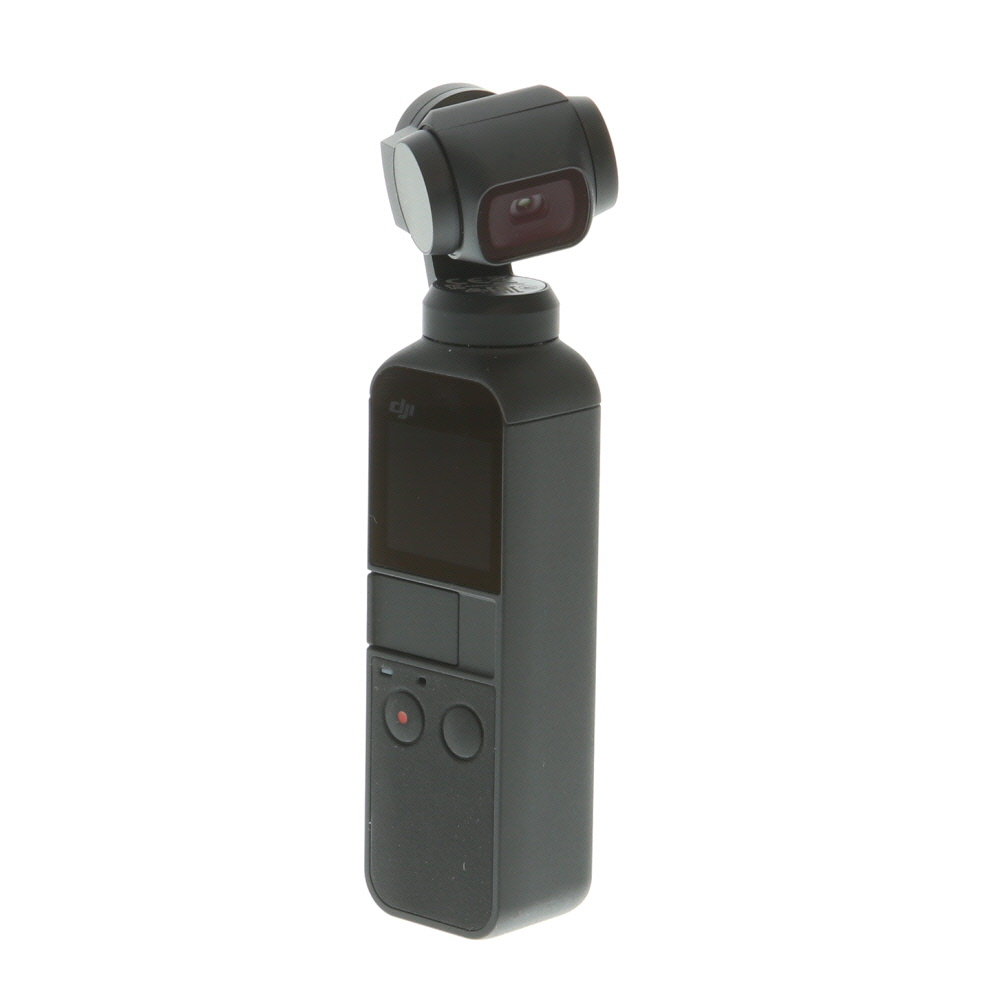
Worth a quick detour, because the original DJI Osmo Pocket still circulates and gets confused with the 3 in listings. Per GearFocus GearMaster data, it uses a 1/2.3-inch 12MP sensor, records 4K at up to 60fps, caps at 8-bit color, and tops out at ISO 3200.
That gap is enormous, and it protects Osmo Pocket 3 value from the bottom of the market. A first-generation Osmo Pocket is not a substitute for a 1-inch sensor with 10-bit D-Log M. Budget buyers who cross-shop them almost always come back to the 3.
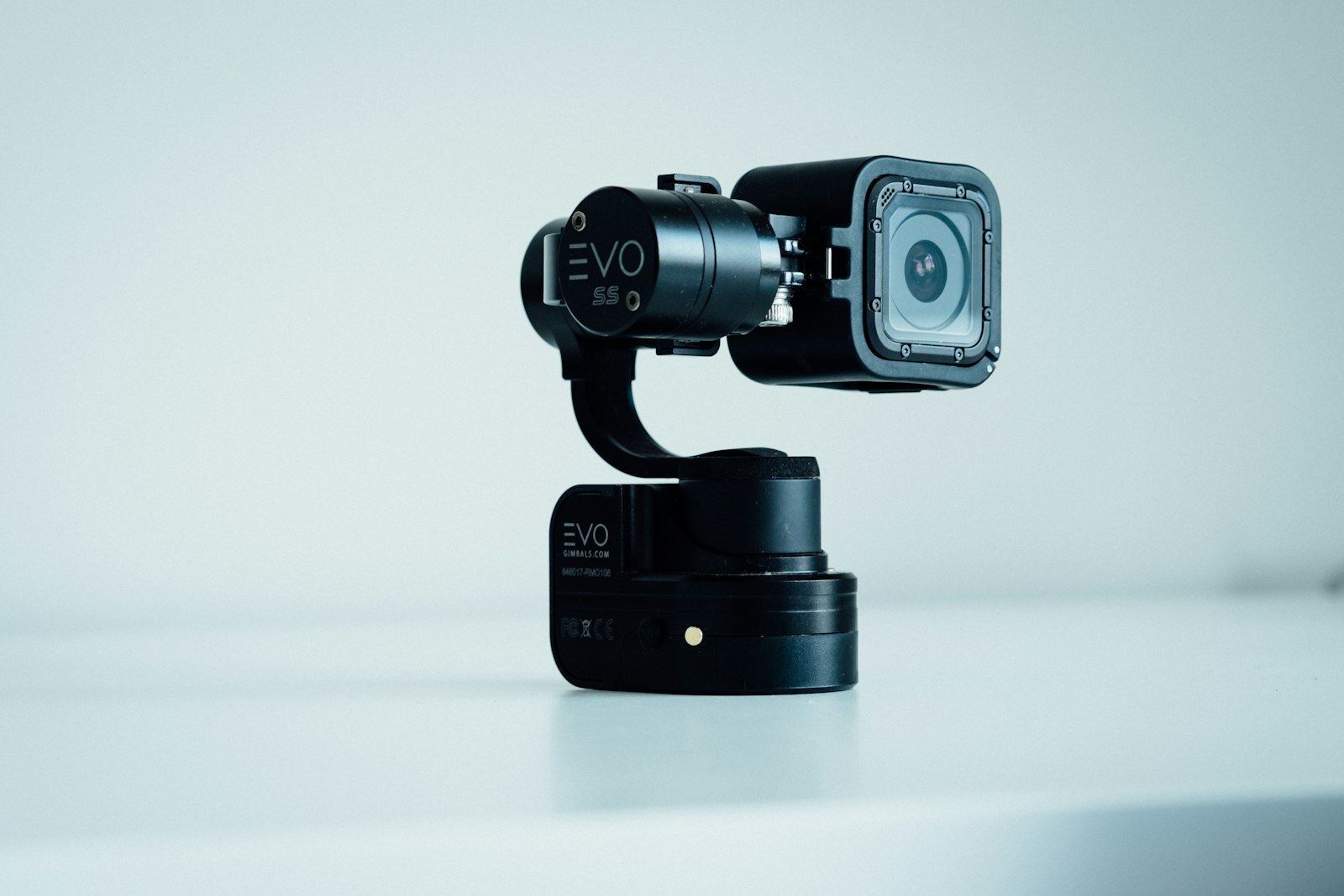
The practical upshot for sellers: if your listing is competing against first-gen units on price alone, you are competing wrong. Lead with the sensor size, the 10-bit profiles, and the 120fps ceiling. That’s what defends Osmo Pocket 3 value against a cheaper-looking alternative.
Selling Smart in a Successor Cycle
A few things that consistently separate the listings that move from the ones that linger, all of which protect Osmo Pocket 3 value:
- Photograph the gimbal from multiple angles, powered on and centered. Buyers scroll looking for exactly this.
- Lay out every accessory in one frame. Completeness is the easiest Osmo Pocket 3 value multiplier available to you.
- State observed battery runtime, not the spec.
- Disclose any moisture exposure. It will surface during the 48-hour verification window anyway, and a return costs you more than the honest discount would have.
- Price against the listings that are actually selling, not the aspirational ones sitting unsold.
Selling on GearFocus means keeping 91.5% of the sale price, since the total fee is 8.5%. On a pocket camera that margin is not trivial, and it’s a meaningfully bigger cut than generalist marketplaces leave you with. If you’re offloading ahead of a 4P purchase, listing it here keeps more of the Osmo Pocket 3 value in your pocket.
One more thing worth mentioning for the DJI-curious: GearFocus has run seller promotions around Osmo Pocket gear before, which is part of why this particular model has a lively community around it on the marketplace.
BOTTOM LINE
- Selling and upgrading? List now. Osmo Pocket 3 value declines fastest in the first weeks of a successor cycle.
- Not upgrading? Keep it. The specs did not change on August 5.
- Buying? This is the window. Inspect the gimbal and the screen, and use the 48-hour verification period.
- Protecting resale: Complete kit, clean gimbal, honest disclosure. Those three defend Osmo Pocket 3 value more than anything else.
- Fee math: 8.5% total on GearFocus, so 91.5% stays with the seller.
Successor launches don’t devalue cameras. They reprice them, temporarily, while a bunch of people make the same decision in the same week. The Osmo Pocket 3 value story in August 2026 is a supply story, not a capability story, and supply stories always correct once the wave passes. Whichever side of the transaction you’re on, understanding that timing is the whole game.
FAQ
Is the DJI Osmo Pocket 3 still worth buying used in 2026?
Yes. Per GearFocus GearMaster data it offers a 1-inch sensor, 4K at up to 120fps, and 10-bit color across Standard, D-Log M, and HLG profiles. The Osmo Pocket 4P launch lowers the price, not the capability.
Will Osmo Pocket 3 value keep dropping after the 4P ships?
Expect the steepest decline while trade-in supply peaks, then flattening as listings thin out. Predicting exact figures isn’t possible, but successor cycles reliably follow that shape on the used market.
What hurts Osmo Pocket 3 resale value the most?
Gimbal problems first, then screen damage, since there’s no viewfinder to fall back on. Missing accessories and any moisture exposure follow, because the camera has no weather sealing at all.
Should I sell my Osmo Pocket 3 before or after the 4P arrives?
Before, if you’ve already committed to upgrading. Listings multiply once the successor ships, and every additional competing listing pushes your achievable price lower.
Photo: Pok Rie
Own one like this?
Make room for new gear in minutes.
