- Buyer protection on every order
DJI Osmo Pocket 4P vs Osmo Pocket 3: Should You Buy Used?
Ysa Canlas
Oct 11, 2026
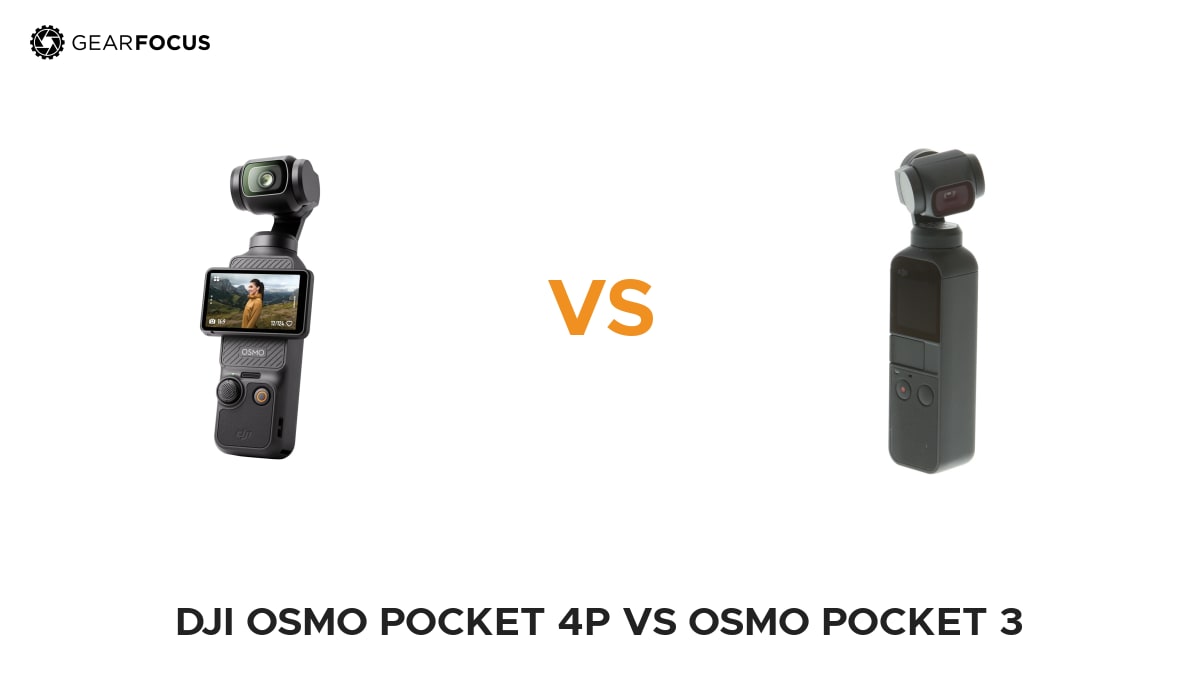
KEY TAKEAWAYS
- The short answer on Osmo Pocket 4P vs Pocket 3: the Pocket 4P launched September 29, 2026, which means used Osmo Pocket 3 bodies are hitting the market in volume right now. For most creators, the Pocket 3 at used pricing is the smarter buy unless a specific 4P feature is non-negotiable.
- The Pocket 3 spec sheet still holds up: 1-inch sensor, 9.4 MP stills, 4K at up to 120fps, 10-bit color, ISO 50 to 16000, per GearFocus GearMaster data.
- Gimbal stabilization, not digital IS: the Pocket 3 stabilizes mechanically, so there’s no crop penalty eating into the frame.
- Known limitations carry over: no weather sealing, no viewfinder, and audio input requires a USB-C adapter or the handle accessory.
- Upgrade cycle timing matters: successor launches historically soften used prices, and the pre-holiday window is when sellers list.
Here’s the decision a lot of people are sitting with this October. DJI shipped a new flagship pocket gimbal camera, the old one is suddenly everywhere on the secondhand market, and the question of Osmo Pocket 4P vs Pocket 3 stopped being theoretical about a week after launch.
The Osmo Pocket 4P was announced via DJI’s official launch video on September 29, 2026. That single event is what makes the Osmo Pocket 4P vs Pocket 3 conversation worth having at all, because new flagships push perfectly good previous-generation bodies into the used pipeline.
So this isn’t a spec war. It’s a value question. The real framing of Osmo Pocket 4P vs Pocket 3 is: what does the Pocket 3 still do well, and is that enough for what you shoot?
I’ll be upfront about something. I underestimated how much I’d use a pocket gimbal when I first got one. Thought it was a toy. Ended up reaching for it on travel days more than the mirrorless body sitting in my bag, because the thing that actually gets used is the thing that fits in a jacket pocket.
Osmo Pocket 4P vs Pocket 3: The Spec Comparison That Actually Matters
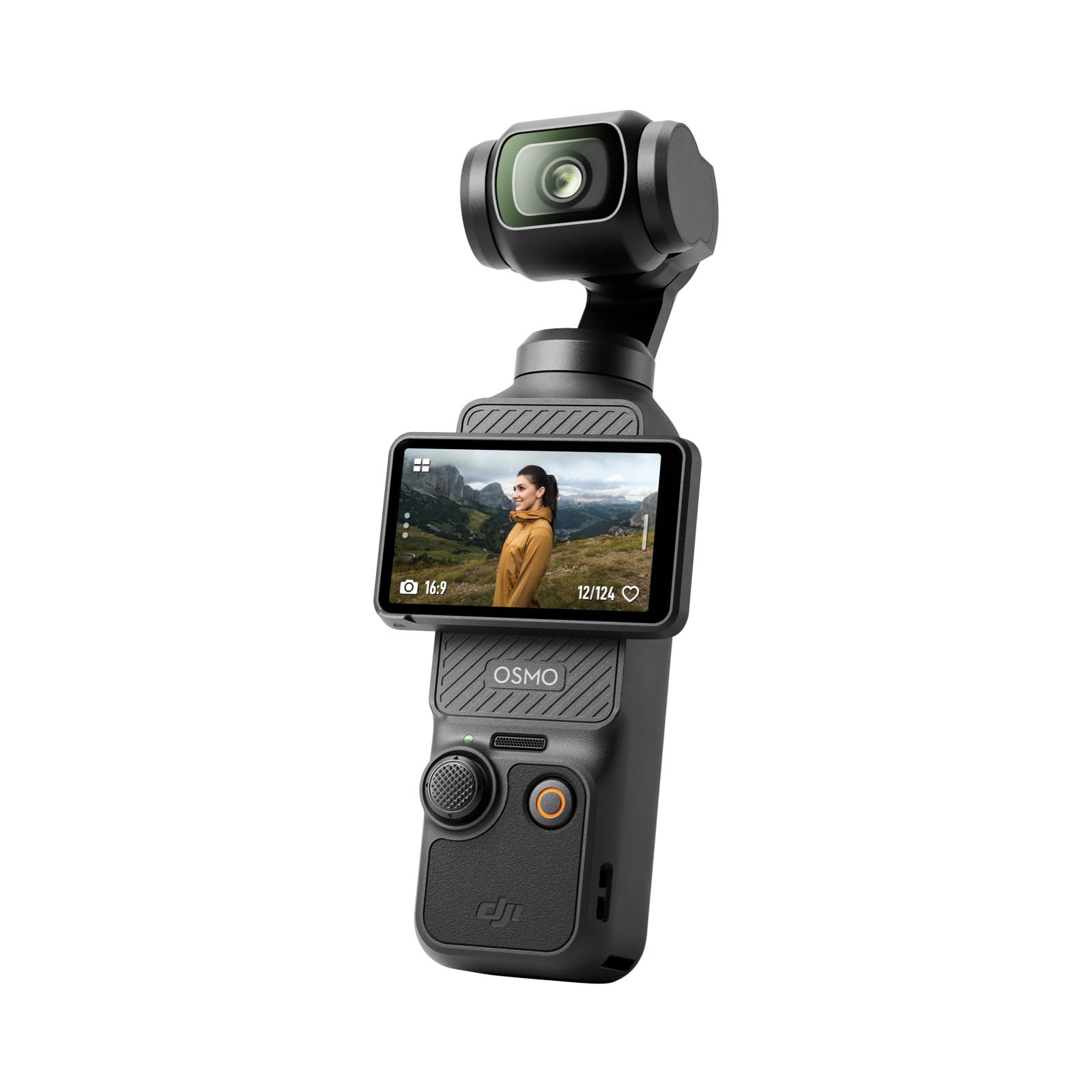
Before the table, one honest caveat that shapes every sentence below. The Osmo Pocket 4P is days old as of October 2026, and GearFocus GearMaster data covers the Pocket 3 and the original Osmo Pocket, not the brand-new model. So the Osmo Pocket 4P vs Pocket 3 comparison here is built on verified Pocket 3 numbers plus what DJI stated publicly at launch.
That’s the honest shape of this. Anyone publishing a full teardown-level Osmo Pocket 4P vs Pocket 3 spec battle this week is guessing on half of it.
| Spec | DJI Osmo Pocket 3 (verified) | DJI Osmo Pocket 4P |
|---|---|---|
| Sensor | 1-inch | Newly announced, Sept 29 2026 |
| Still resolution | 9.4 MP (3840×2160 16:9 / 3072×3072 1:1) | Not yet in GearMaster data |
| Max video | 4K up to 120fps | Not yet in GearMaster data |
| Color depth | 10-bit | Not yet in GearMaster data |
| Color profiles | Standard, D-Log M, HLG | Not yet in GearMaster data |
| ISO range | 50–16000 | Not yet in GearMaster data |
| Stabilization | Gimbal (mechanical) | Gimbal (mechanical) |
| Display | 2.0-inch touchscreen, no viewfinder | Not yet in GearMaster data |
| Weather sealing | None | Not yet in GearMaster data |
| Storage | microSD / microSDHC / microSDXC | Not yet in GearMaster data |
| Availability | Widely available used | New only, launch pricing |
Look at that right-hand column honestly. The Osmo Pocket 4P vs Pocket 3 question, as of early October 2026, is partly a question about buying something unproven versus something with a known track record and a used market behind it.
If you want the Pocket 3 numbers in full context, the DJI Osmo Pocket 3 GearMaster page lays out the verified specs without the marketing layer on top.
What the Osmo Pocket 3 Still Does Well
Strengths, stated plainly, from GearMaster data.
The 1-inch sensor is the headline. Pocket-sized cameras historically shipped with tiny sensors, and the jump to 1 inch is what made this category credible for real work rather than B-roll filler. ISO 50 to 16000 covers dim restaurants, overcast streets, and golden hour without a fight.
4K at up to 120fps with 10-bit color is the other half. Five-times slow motion at 4K from something that fits in a pocket is genuinely useful, and 10-bit means the grade doesn’t fall apart when you push it.
Three color profiles, Standard, D-Log M, and HLG, give real post-production latitude. D-Log M for anything you plan to grade. HLG when you want HDR delivery without a grading session. Standard when the clip ships straight to a client the same afternoon.
The gimbal matters more than people expect. Mechanical stabilization doesn’t crop your frame the way electronic IS does, so the 1-inch sensor stays a 1-inch sensor. That’s the Osmo Pocket 4P vs Pocket 3 detail that often gets skipped: both use gimbals, so neither is paying the digital-IS field-of-view tax.
Where the Pocket 3 Falls Short in an Osmo Pocket 4P vs Pocket 3 Comparison
Three limitations, and they’re real.
No weather sealing. The Pocket 3 is unsuitable for wet or dusty environments, full stop. Beach days, light drizzle, desert shoots. This is the limitation I’d weigh hardest in any Osmo Pocket 4P vs Pocket 3 decision, because it’s the one that can end a camera rather than just annoy you.
I learned this lesson on a different body, not a Pocket. Light mist, a few hours of shooting, and a mode dial that never turned smoothly again. Unsealed gear and weather is a wager, and the house wins often enough.
No viewfinder of any kind. Framing happens entirely on the 2.0-inch touchscreen. In harsh midday sun, that’s a squint-and-hope situation. For run-and-gun vlogging it’s fine, since the screen flips toward you anyway. For deliberate composition in bright conditions, it’s a genuine constraint.
Audio connectivity requires an adapter. No dedicated microphone or headphone jacks. Mic and headphone connections run through a USB-C adapter or the handle accessory. Factor that accessory into your total cost before the Osmo Pocket 4P vs Pocket 3 math looks settled, because a camera you can’t monitor audio on is a camera that produces unusable interviews.
How Does the Original Osmo Pocket Fit Into This?
Worth a detour, because the original is the cheapest entry point and some readers will find one first.
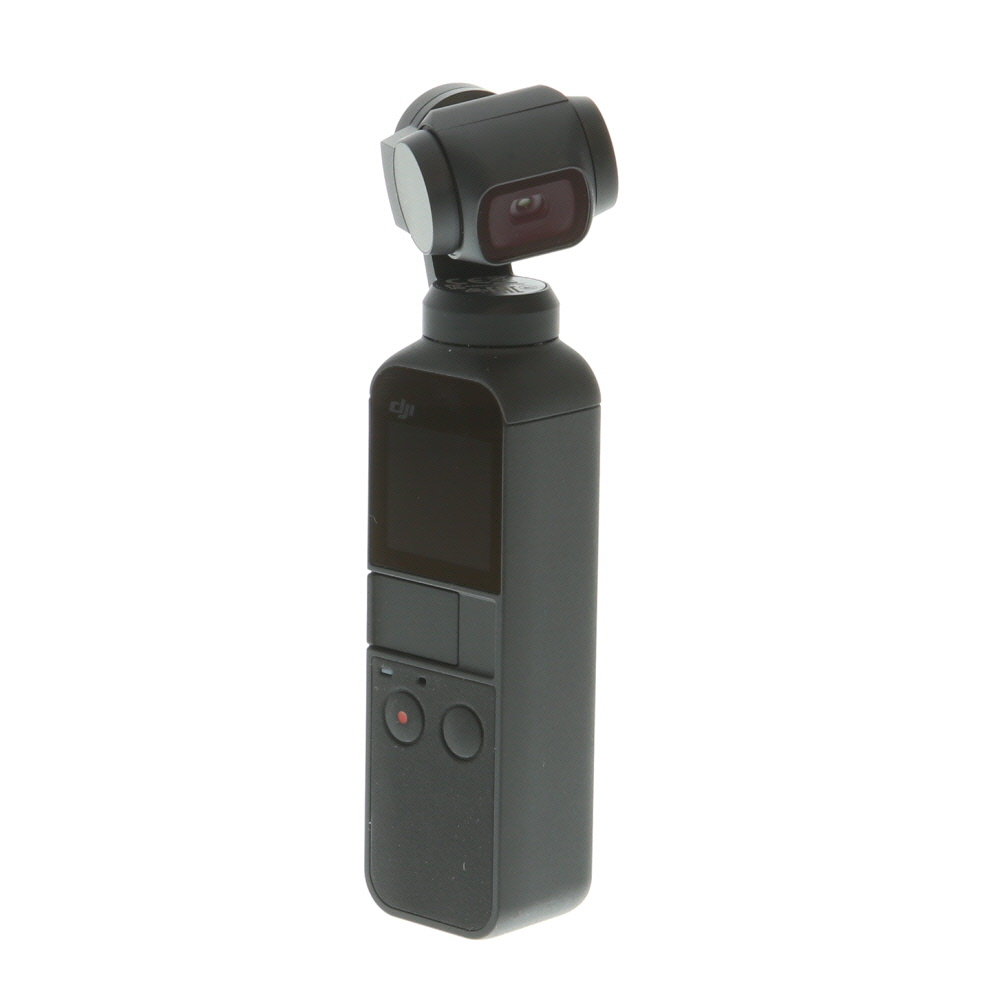
Per GearFocus GearMaster data, the original DJI Osmo Pocket runs a 1/2.3-inch, 12 MP sensor with 3-axis gimbal stabilization plus digital IS. It records 4K at 24, 30, and 60fps in MP4 or MOV, with 8-bit color and Standard plus Cinelike profiles. Stills top out at 4000×3000. It weighs 116g, measures 121.9 × 36.9 × 28.6mm, and the built-in battery is rated at 140 minutes.
The gaps are clear. ISO tops out at 3200 against the Pocket 3’s 16000. Eight-bit color versus 10-bit. Max 60fps versus 120fps. Also no weather sealing, same as the Pocket 3.
Still, 116g and 140 minutes of battery is a real proposition for a beginner or an adventure second body. The original Osmo Pocket GearMaster listing is worth a look if your budget sits well under what the Pocket 3 commands. It just isn’t the camera this Osmo Pocket 4P vs Pocket 3 article is really about.
Why the Osmo Pocket 4P Launch Changes Used Pricing
This is the part that actually determines what you should do.
Successor launches follow a pattern. A new flagship arrives, early adopters list their previous-generation bodies, supply climbs, and used prices soften over the following weeks. The Pocket 4P launch on September 29, 2026 started that clock. Which is why Osmo Pocket 4P vs Pocket 3 is being searched so hard right now rather than three months ago.
There’s a counter-pressure, though, and it’s seasonal. We’re in early October. Holiday gift season tightens supply on compact, giftable cameras, and pocket gimbals are about as giftable as camera gear gets. Two forces pulling opposite directions.
Practical read: the next few weeks are the overlap window where upgrade listings are arriving but gift-season demand hasn’t fully absorbed them. If you’re shopping the Osmo Pocket 4P vs Pocket 3 question as a buyer, that overlap is worth paying attention to.
I won’t predict specific numbers, because nobody honestly can. For current verified figures, the Osmo Pocket 3 value guide tracks what these are actually worth rather than what anyone guesses they’ll be worth.
Used Pocket 3 bodies come up on GearFocus regularly, and more of them are landing as upgraders move on. Worth setting eyes on if the Pocket 3 is where you’re leaning.
Which One Should You Buy?
Breaking the Osmo Pocket 4P vs Pocket 3 decision into actual buyer profiles.
Buy the used Pocket 3 if: you shoot travel and lifestyle content in reasonable conditions, you want 10-bit D-Log M footage to grade, 4K/120 slow motion is useful to you, and you’d rather put the price difference toward a mic adapter, spare microSD cards, and a second battery solution. This covers most people asking about Osmo Pocket 4P vs Pocket 3.
Buy the new Pocket 4P if: a specific documented 4P improvement solves a problem the Pocket 3 can’t, you need full warranty coverage, or you’re a professional billing clients who need current-generation gear. Watch DJI’s launch material and confirm the feature you’re paying for actually exists before committing.
Consider the original Osmo Pocket if: budget is the binding constraint, you’re learning the format, and 8-bit 4K/60 covers your delivery needs.
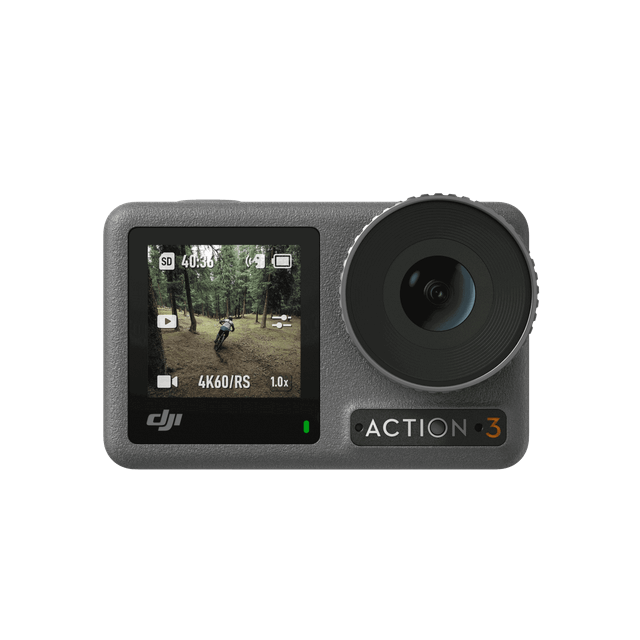
Reconsider the whole category if: you regularly shoot in rain, surf, or dust. Neither Pocket model is weather sealed. A sealed action camera is the honest answer there, and no amount of Osmo Pocket 4P vs Pocket 3 deliberation changes that.
Already own a Pocket 3 and leaning toward the upgrade? The guide to selling your Osmo Pocket 3 now that the Pocket 4 Pro is here walks through timing and listing strategy. Sellers keep 91.5% of the sale price on GearFocus, which is a meaningful gap versus generalist marketplaces.
What About Non-DJI Alternatives?
Fair question, since DJI isn’t the only name in stabilized pocket cameras in 2026. Competing pocket gimbals have arrived, and the Osmo Pocket 4P vs Pocket 3 framing can start to feel narrow if you haven’t looked sideways.
The decision logic holds regardless of badge. Sensor size sets your low-light ceiling. Color depth sets your grading headroom. Mechanical versus electronic stabilization determines whether you keep your full field of view. Weather sealing determines where you can safely shoot.
Run any competitor through those four filters and you’ll get a cleaner answer than any brand loyalty provides. If you want that comparison laid out directly, the Insta360 Luna Ultra vs DJI Pocket 4P breakdown covers whether the used Pocket 3 beats both.
Buyer Protection When Shopping Used
Short but it matters, because used gimbal cameras have moving parts and moving parts wear.
Every GearFocus purchase includes a 48-hour verification window after delivery. If the item isn’t as described, you return it at no charge and the seller covers return shipping. Seller identities are verified, not just account-aged.
Some sellers additionally offer a 14-day no-questions-asked return. That’s seller-specific, not platform-wide, and it excludes Poor and As-Is condition items. Items listed Poor or As-Is are final sale. Most orders ship within 1 to 3 business days.
For a gimbal camera, use those 48 hours properly. Run the gimbal through full range on all three axes. Record 4K/120 to confirm the sensor and processing are healthy. Check the touchscreen for dead pixels, since it’s your only framing tool.
BOTTOM LINE
- Verdict on Osmo Pocket 4P vs Pocket 3: for most creators in October 2026, the used Pocket 3 is the stronger value, because its verified 1-inch sensor, 4K/120, and 10-bit pipeline remain competitive while the 4P carries launch pricing.
- Pocket 3 strengths: 1-inch sensor, 9.4 MP stills, ISO 50–16000, 4K/120, 10-bit, Standard/D-Log M/HLG, mechanical gimbal with no crop penalty.
- Pocket 3 limitations: no weather sealing, no viewfinder, USB-C adapter required for mic and headphone connections.
- Budget alternative: original Osmo Pocket, 1/2.3-inch 12 MP sensor, 4K/60, 8-bit, 116g, 140-minute battery.
- Timing: the September 29, 2026 Pocket 4P launch is pushing used Pocket 3 supply up, while holiday gift season pulls the other way.
- Rule out both Pockets if you shoot in rain, surf, or dust. Neither is sealed.
One last thought on Osmo Pocket 4P vs Pocket 3. The best pocket camera is the one you actually carry, and both of these clear that bar easily. The Osmo Pocket 4P vs Pocket 3 choice is really about whether you want a known, verified, discounting platform or a brand-new one at full price. Used Pocket 3 bodies keep appearing on GearFocus as upgraders move on, and if you’ve got one sitting in a drawer, buyers are searching for it right now. Either way, know which of the four filters above actually binds for your work before you spend anything.
FAQ
Is the Osmo Pocket 3 still worth buying used in 2026?
Yes for most creators. Its verified 1-inch sensor, 4K/120 recording, 10-bit color, and ISO 50–16000 range remain competitive, and the Pocket 4P launch is increasing used supply right now.
What is the biggest difference in Osmo Pocket 4P vs Pocket 3?
Availability and pricing. The Pocket 4P launched September 29, 2026 at new pricing, while the Pocket 3 has an established used market with verified specs and a known track record behind it.
Is the Osmo Pocket 3 weather sealed?
No. GearFocus GearMaster data confirms no weather sealing, making it unsuitable for wet or dusty environments. Choose a sealed action camera if you shoot in rain, surf, or heavy dust regularly.
Can you connect an external microphone to the Osmo Pocket 3?
Yes, but not directly. There are no dedicated mic or headphone jacks. Both connections require a USB-C adapter or the handle accessory, so budget for that alongside the body.
Should I sell my Pocket 3 now that the Pocket 4P is out?
Successor launches typically increase used supply and soften prices over time, so earlier listings generally face less competition. Sellers keep 91.5% of the sale price on GearFocus.
Own one like this?
Make room for new gear in minutes.
