- Buyer protection on every order
Selling Your Used Sigma 50-150mm or 50-100mm After the Sigma 50-120mm F2.8 Launch
Bill Pryor
Oct 19, 2026
KEY TAKEAWAYS
- Act in the next few weeks: If you want to sell sigma 50-150mm glass at a strong price, list it before upgrade supply floods in. Sigma announced the $799 50-120mm F2.8 OS DC on October 8, 2026, and competing listings from upgraders typically arrive 30 to 90 days after a launch like that.
- Supply, not demand, is the risk: Nobody stopped wanting a fast APS-C telephoto. The problem is that everyone who owns one is suddenly thinking the same thing you are.
- Condition documentation is your margin: Hood, caps, tripod collar, original box, and honest wear photos separate a listing that moves from one that sits.
- You keep 91.5% on GearFocus: The total fee is 8.5%, which is meaningfully more in your pocket than generalist marketplaces leave behind.
- Price to sell, not to win an argument: The first listing at a fair number beats the fifth listing at the number you wish the lens was worth.
I packed a telephoto zoom for shipping last winter and realized halfway through that I’d lost the tripod collar sometime during a move. Not a disaster. But it knocked real money off what I could ask, and I had to rewrite the listing description at 11pm with a cup of cold coffee next to me, feeling slightly stupid about it.
That’s the energy of this post. Not a spec sheet. A practical read on what the new Sigma means for the lens sitting in your bag right now, and how to move it before the market gets crowded.
Here’s the situation. On October 8, 2026, DPReview covered Sigma’s new 50-120mm F2.8 OS DC, an APS-C fast telephoto zoom at $799. That price is the whole story. It lands squarely on top of what owners of older Sigma fast telephotos have been quietly holding onto, and it gives thousands of them a reason to finally upgrade.
Which means the question isn’t whether to sell sigma 50-150mm lenses and their cousins. It’s when, and how fast.
Why the $799 Launch Changes Your Timing
A new lens doesn’t destroy the value of an old one overnight. Launch-day panic is mostly noise. What actually moves the used market is the slow wave of upgraders who sell their old glass to fund the new body or lens.
That wave is predictable. Preorders go out, units ship, people shoot with the new thing for a week, and then the old lens goes up for sale. Call it 30 to 90 days from announcement. Which puts peak supply pressure somewhere between mid-November 2026 and early January 2027.
If you plan to sell sigma 50-150mm glass, that window is your enemy. You want to be the listing that’s already live and already seen when buyers start shopping, not listing number twelve in a crowded category.
There’s a second timing factor working in your favor right now. We’re heading into gift season. Buyers with a budget and a deadline shop differently than buyers browsing in February. They move faster and they haggle less, because the clock is the pressure, not your price.
So the calendar argument is simple. Supply is still relatively tight, demand is seasonally elevated, and the upgrade wave hasn’t fully landed. If you’re going to sell sigma 50-150mm gear this year, October and early November are the sweet spot.
What Actually Holds Value in a Fast Telephoto Zoom
Before you price anything, understand what buyers are actually paying for. It isn’t nostalgia. It’s the constant aperture and the stabilization, which are the two things cheap kit telephotos can’t match.
Look at how Sigma’s bigger fast telephotos are described in GearFocus GearMaster data. The Sigma 120-300mm F2.8 DG HSM OS holds a constant f/2.8 across its entire 120mm to 300mm range, with optical image stabilization built in. That constant aperture is the selling point: consistent exposure and subject separation without resetting anything as you zoom.
The same logic applies down the range. A fast APS-C telephoto earns its resale because it does something a slow variable-aperture zoom structurally cannot. When you write your listing to sell sigma 50-150mm glass, lead with that capability, not with the year it was made.
Compare that to a superzoom. GearFocus GearMaster data on the Sigma AF 50-500mm F4.5-6.3 DG OS APO HSM lists a maximum aperture of f/6.3 at the long end, which the data itself flags as a limitation for low light and autofocus. Versatile lens. Different buyer. Different price logic.
Understanding which bucket your lens sits in matters, because it tells you who to write the listing for. Fast telephoto buyers are sports shooters, event shooters, and portrait people. They care about aperture, stabilization, and autofocus reliability in that order.
How to Price When You Sell Sigma 50-150mm Glass
Pricing is where most sellers lose money, and almost always in the same direction. They anchor to what they paid, or to the highest comparable listing they can find, and then wonder why nothing happens for six weeks.
The number that matters is what comparable copies have actually sold for recently, not what they’re currently asking. Those are different numbers. Asking prices include every optimist in the market.
Use the GearFocus Pricing Guide to see where real transactions land for your model and condition tier. Then decide what you’re optimizing for: speed or ceiling. You rarely get both, and right now, with an upgrade wave building, speed is worth more than it usually is.
My blunt advice if you want to sell sigma 50-150mm glass before the supply surge: price at or slightly under the realistic market midpoint and be done. A lens that sells in nine days at a fair price beats one that sells in February after two price drops.
Here’s the mistake I made the first time I sold a telephoto. I listed high “to leave negotiating room,” got three lowball offers, got annoyed, and relisted at the price I should have started at. Net result: five weeks lost and the same money. Negotiating room is a tax you pay in time.
One more pricing note. Don’t price against the new $799 Sigma directly. Different lens, different mount situation, different buyer. Your competition is other used copies of lenses like yours, not the new release.
What Buyers Look For in Your Listing
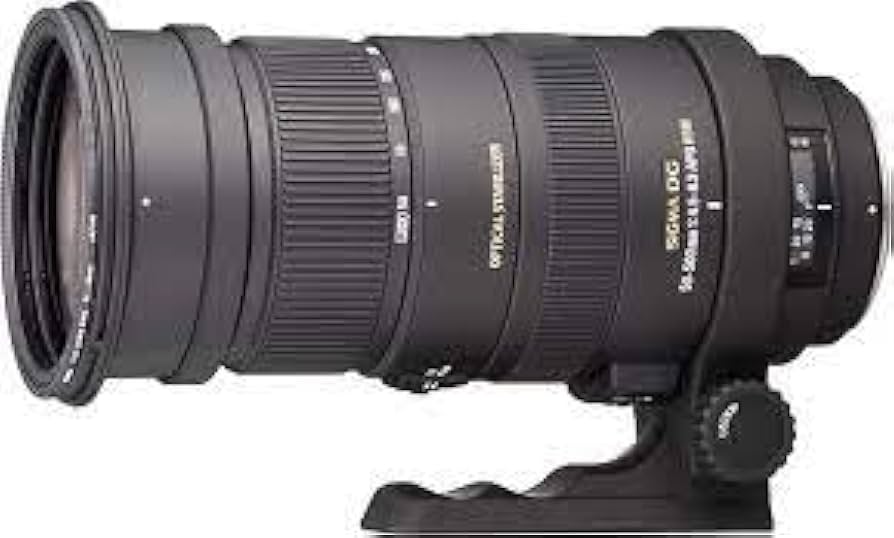
Used lens buyers are looking for reasons to say no. Your job is to remove every one of them before they have to ask.
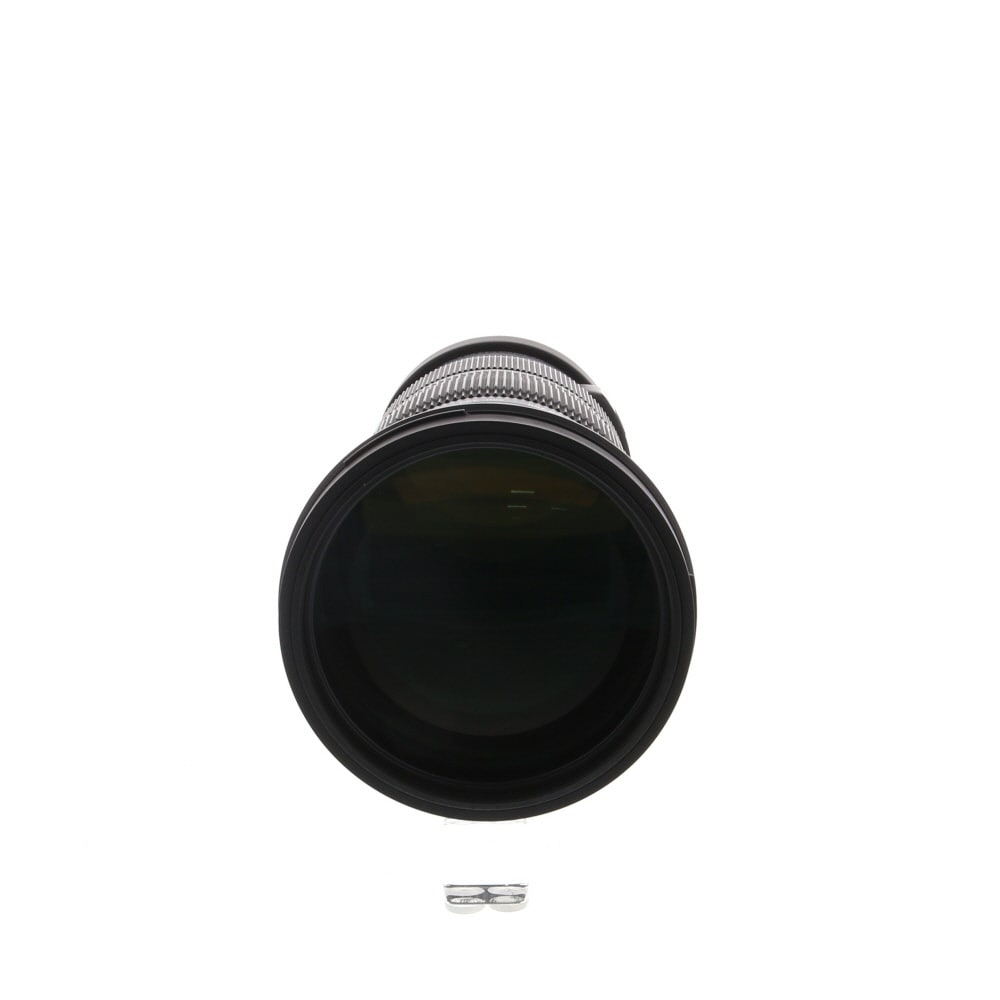
Photograph the lens in even, indirect light against a plain background. Front element straight on. Rear element. The mount contacts. The zoom and focus rings. The filter thread. If there’s a mark, shoot it clearly and mention it in the text.
Disclosing a scuff costs you almost nothing. Hiding one and having it discovered after delivery costs you the sale and the shipping both ways. Honesty is cheaper than it looks.
Include everything you have: front and rear caps, hood, tripod collar, case or pouch, original box, and documentation. Complete kits sell faster and command more. Missing hood? Say so up front and price accordingly.
For anyone planning to sell sigma 50-150mm lenses specifically, state the mount clearly in the title and the first line of the description. Mount confusion kills more lens sales than condition ever does.
Write out the actual focal length and aperture in full on first mention. Buyers search literally. A listing that says “Sigma 50-150mm F2.8” catches searches that a listing saying “Sigma fast tele zoom” never will.
Packing and Shipping Without Losing Sleep
Optical glass survives shipping fine when it’s packed properly, and it survives terribly when it isn’t. There’s no middle ground.
Caps on both ends. Lens in its original case or wrapped in bubble, then suspended in the center of a box with at least two inches of cushioning on every side. The lens should not shift if you shake the box. If it rattles, repack it.
Double-box heavier telephotos. For reference on how heavy “heavy” gets in this category, GearFocus GearMaster data puts the Sigma 120-300mm F2.8 at 3,390g and the 50-500mm at 1,970g. Anything in that weight class needs a box inside a box.
Most GearFocus orders ship within one to three business days, so have your materials ready before you list. Buying a box after the sale is how shipping deadlines slip.
On buyer protection: the standard GearFocus policy gives buyers a 48-hour verification window after delivery, and if the item isn’t as described, the return costs the buyer nothing and the seller covers return shipping. That’s an argument for accurate descriptions, not a reason to worry. Describe it right and the window closes quietly.
Should You Sell Sigma 50-150mm Glass or Keep It?
Not every lens should go. Run this check honestly.
If you’ve shot with it in the last six months and it’s doing a job, keep it. Resale timing is irrelevant for a working tool. A lens earning money is worth more than the cash it would convert to.
If it’s been in the bag unused since spring, that’s your answer. The value curve on older APS-C fast telephotos is going one direction over the next year, and sitting on the lens doesn’t change that.
If you’re funding the new Sigma, do the math with real numbers. What the old lens realistically nets you after the 8.5% GearFocus fee, against the $799 new price. Sellers keep 91.5% on GearFocus, which is a meaningful chunk more than generalist marketplaces leave you.
And if you’re on the fence about which direction the whole fast-zoom category is heading, we covered similar upgrade-wave dynamics in our look at the Sony 50-150mm f/2 and in selling a used 85mm after the Sigma 85mm F1.2 launch. Same pattern, different focal length.
The decision to sell sigma 50-150mm glass comes down to one question: is this lens a tool or an asset right now? Tools stay. Assets get managed.
Timing the Sale Around the Calendar
Seasonality is real on the used market, and most sellers ignore it completely.
Mid-October through November is strong. Gift buyers are active, budgets are open, and the upgrade supply from the Sigma launch hasn’t fully arrived. If you want to sell sigma 50-150mm gear at a good number, this is your window.
December gets noisy. Lots of listings, lots of shoppers, shipping deadlines compressing everything. Still workable, but the competition thickens.
January through February typically softens. Post-holiday wallets are thin and the upgrade wave is fully landed. If you miss the autumn window, you’re likely waiting until spring sports season brings telephoto demand back.
None of this is exotic. It’s the same seasonal rhythm every used market follows. But knowing it is the difference between selling into demand and selling into a pile.
A Realistic Sell Sigma 50-150mm Checklist
Work through this in order. It takes about an hour total and it’s the difference between a clean sale and a month of relisting.
First, test the lens on a body. Autofocus through the full zoom range, stabilization on and off, aperture blades stopping down smoothly. Note anything odd.
Second, clean it properly. Blower, then a microfiber on the elements. Wipe the barrel and the mount contacts. A clean lens photographs better and signals a careful owner.
Third, gather accessories. Caps, hood, collar, case, box. Lay them out and photograph the complete kit together in one shot.
Fourth, check the Pricing Guide and pick your number. Speed or ceiling. Commit to one.
Fifth, write the listing with the full model name, mount, condition honestly stated, and every flaw disclosed. Then post it. The same discipline applies whether you sell sigma 50-150mm glass or anything else in the bag.
BOTTOM LINE
- List now, not in January: Upgrade supply from the October 8, 2026 Sigma launch lands in roughly 30 to 90 days. Beat it.
- Price to the realistic midpoint: Negotiating room costs you weeks and earns you nothing.
- Document everything: Complete accessories, honest flaw photos, full model name and mount in the title.
- Pack like it’s going to be dropped: Double-box anything heavy, two inches of cushioning minimum, no rattle.
- Keep it if it’s working: A lens that’s earning is worth more than the cash it converts to.
- You keep 91.5%: The GearFocus fee is 8.5% total, and buyers get a 48-hour verification window that rewards accurate descriptions.
The new $799 Sigma is genuinely exciting, and that excitement is exactly why the older fast telephotos are about to get crowded on the used market. If you’ve been thinking about it, stop thinking. The decision to sell sigma 50-150mm glass gets worse every week you wait, not better. Clean it, photograph it, price it honestly, and put it up on GearFocus while the buyers are still looking and the competition is still thin. Fast telephoto buyers are out there right now, and they’d rather see your listing than the twenty that show up in December.
FAQ
How soon should I sell sigma 50-150mm lenses after a new launch?
Within four to six weeks of the announcement. Sigma announced the 50-120mm F2.8 OS DC on October 8, 2026, so listing through late October and November puts you ahead of the upgrade supply wave.
Will the new $799 Sigma crash used fast telephoto prices?
Not crash, but soften. The pressure comes from increased used supply as owners upgrade, not from collapsing demand. Fast constant-aperture zooms keep their buyers; there are just more copies competing.
What fee does GearFocus charge to sell sigma 50-150mm glass?
The total fee is 8.5%, so sellers keep 91.5% of the sale price. That’s meaningfully more than generalist marketplaces leave in your pocket on a lens in this price range.
Does a missing lens hood really affect resale value?
Yes. Complete kits sell faster and for more. Disclose a missing hood, collar, or cap up front and adjust your price rather than letting a buyer discover it after delivery.
Should I sell before or during the holidays?
Before. Mid-October through November combines active gift buyers with supply that hasn’t fully surged yet. December works but gets crowded; January typically softens until spring sports demand returns.
Own one like this?
Make room for new gear in minutes.
