- Buyer protection on every order
Selling Your Used 85mm Portrait Lens After the Sigma 85mm F1.2 Launch
Bill Pryor
Sep 20, 2026
KEY TAKEAWAYS
- The short answer: If you want to sell used 85mm lens glass at a strong price, list it in the next few weeks rather than after the Sigma 85mm F1.2 DG DN Art ships at $1,599. Announcement windows soften used f/1.4 and f/1.8 prices as owners upgrade and supply climbs.
- Supply is the enemy, not demand: Portrait shooters still want 85mm primes. The risk is dozens of near-identical listings landing the same month.
- Mount matters more than brand: Sony E and L-Mount sellers feel the F1.2 launch first. Canon EF, Nikon F, and Sony A DSLR copies move on a slower, separate clock.
- Keep more of the sale: Sellers keep 91.5% of the sale price on GearFocus, which is real money on a lens in the four-figure range.
- Timing bonus: Wedding season is winding down and holiday gifting is ramping. Late September is a genuinely good window to sell used 85mm lens inventory you are not shooting.
The lens was already in the padded envelope when I hesitated. Tape half-pulled, packing peanuts on the floor, the front cap sitting on the desk where I’d left it after wiping a smudge off the front element. That old 85mm had shot more headshots than I want to count, and I’d talked myself into keeping it three separate times.
Then Sigma announced a new 85mm F1.2. And suddenly the question wasn’t whether to sell. It was when.
That’s the whole game here. Deciding to sell used 85mm lens glass is easy. Getting the timing right is what separates a clean sale from a listing that sits for six weeks while you slowly cut the price.
What the Sigma 85mm F1.2 Launch Actually Does to Used Prices
Here’s the deal. New flagship glass doesn’t reduce demand for the older stuff. Portrait shooters still need an 85mm. What it does is flood the market with sellers at exactly the same time.
DPReview TV introduced Sigma’s 85mm F1.2 DG DN Art for Sony E and L-Mount at $1,599. That price point is the important part. It’s aspirational but not absurd, which means a lot of working shooters will actually pull the trigger, and every one of them has an f/1.4 or f/1.8 sitting in a drawer.
Multiply that across a few thousand photographers and you get the pattern every used market goes through after a headline launch: a wave of nearly identical listings hitting within the same 60-day stretch.
So if you plan to sell used 85mm lens glass this year, you are not racing the new lens. You are racing the other sellers.
Which 85mm Primes Are Actually Exposed
Not every 85mm is equally affected, and this is where a lot of sellers guess wrong. The F1.2 is a Sony E and L-Mount lens. That’s the blast radius.
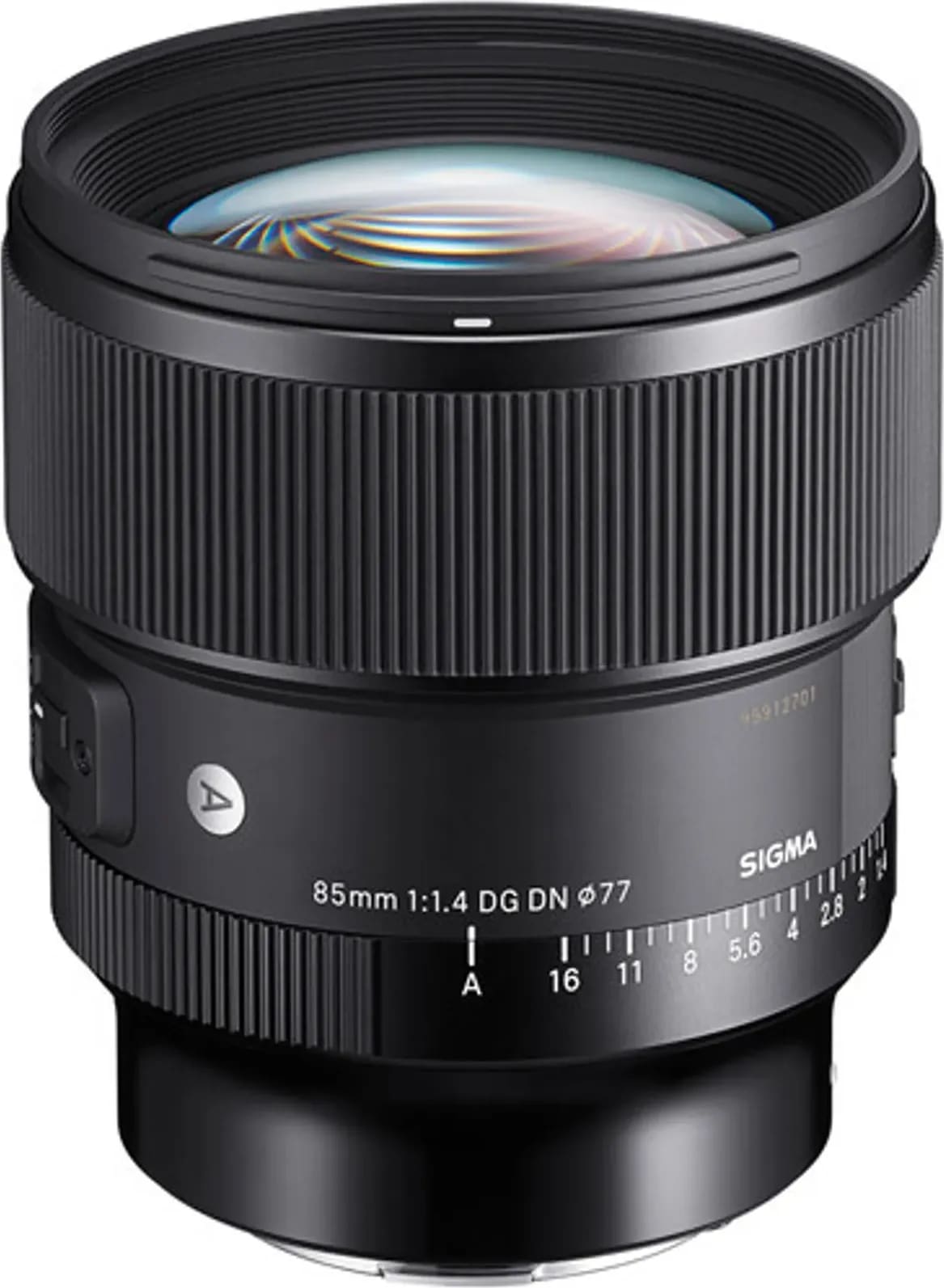
If you own a mirrorless-native 85mm in one of those two mounts, you are in the direct line. The Sigma 85mm F1.4 DG DN Art is the clearest case. According to GearFocus GearMaster data, it’s a full-frame mirrorless prime available in L-Mount and Sony E, 630g, 77mm filter thread, no image stabilization. It’s a terrific lens. It is also the exact lens a new F1.2 buyer already owns.
Panasonic shooters sit in the same boat by virtue of the mount. An L-Mount body owner comparing the F1.2 against whatever 85mm they’re using now is running the same math. Sony owners have even more options to trade away, which is part of why Sony E listings tend to stack up fastest after a launch.
DSLR-era copies are a different story. The Sigma 85mm F1.4 EX DG HSM covers Canon EF, Nikon F, Sony A, Pentax K, and Sigma SA, per GearFocus GearMaster data. It’s 725g, f/1.4, no stabilization, DSLR-only without an adapter. Nobody buying a $1,599 mirrorless F1.2 is cross-shopping that lens. Its buyers are budget portrait shooters on DSLR bodies, and that market moves on its own schedule.
Practical read: if you want to sell used 85mm lens glass in Sony E or L-Mount, move now. If it’s EF or F mount, you have more breathing room, but the holiday window is still the best one you’ll see this year.
How to Price When You Sell Used 85mm Lens Glass Right Now
I’ve made this mistake. Priced a lens at what I thought it was worth, based on what I paid, which is the single worst pricing anchor in existence. Your purchase price is not data. It’s nostalgia with a receipt.
Better approach, three steps:
- Start from the GearMaster page for your exact model. Mount, aperture, and generation all move the number. An EX DG HSM and a DG DN Art are not interchangeable pricing comps even though both are Sigma 85mm f/1.4 lenses.
- Price for the next 30 days, not the last 30. If a launch wave is coming into your mount, the comps you’re looking at are already slightly stale on the high side.
- Undercut the coming crowd by a little, not a lot. Being modestly under the going rate when supply is still thin beats being deeply under it when there are twenty competing listings.
The fee math matters here too. Sellers keep 91.5% of the sale price on GearFocus, an 8.5% total fee. On a lens in the four-figure range, that difference versus a generalist marketplace is the cost of a decent lighting modifier. Factor it into what you actually net before you decide a price is too low.
One more thing about the urge to wait for a better number: used prices usually soften after a successor launches, not before. Waiting for the market to come back to you is how a lens ages out of relevance in your closet. If you’ve decided to sell used 85mm lens glass, the decision has a shelf life.
What Buyers Actually Read in Your Listing
Buyers of used portrait primes are unusually detail-focused. They’re spending real money on an optic, and they can’t hold it first. Everything you leave out reads as something you’re hiding.
Cover these, in plain language:
- Mount, stated explicitly. “Sigma 85mm F1.4 DG DN Art, Sony E mount.” Not “Sigma 85 Art.” Multi-mount families like the EX DG HSM exist in five different mounts and buyers have been burned before.
- Glass condition, front and rear. Dust, haze, fungus, coating marks, scratches. Say the word “none” if it’s none. Silence is not the same as clean.
- Autofocus behavior. Does it hunt? Does it hit? Any firmware updates applied? Fast-aperture primes live and die on AF reliability.
- Aperture ring and focus feel. Smooth, gritty, any play in the barrel.
- What’s in the box. Both caps, hood, pouch, original packaging. Hoods alone can swing a sale, because replacements aren’t cheap.
- Cosmetic honesty. Paint wear on the mount, scuffs on the barrel. Photograph them rather than describing them.
Shoot the lens itself properly. You own an 85mm portrait lens; you know how to light an object. Neutral background, even light, one shot of each side, one of the front element angled to show there’s nothing lurking in there.
Buyers also care about the safety net. GearFocus runs a standard 48-hour verification window after delivery on every sale. If an item isn’t as described, the buyer returns it at no charge and the seller covers return shipping. That’s a reason to be accurate, not a reason to be vague. Describe honestly and that window is a formality.
Packing and Shipping Without Losing Sleep
This is where I actually learned the hard way. I once shipped a prime in a box that was technically big enough, with paper filler that settled in transit. It arrived fine. It also arrived rattling, and I spent three days waiting to find out whether I’d cost myself the sale.
Lenses need double-boxing. Caps on both ends, lens in its pouch or wrapped, that bundle inside a snug inner box, that box floating in two inches of cushioning inside an outer box. Nothing should shift when you shake it.
Most orders ship within 1-3 business days, so have your materials ready before you list rather than scrambling after a sale notification. Buyers notice slow shipping and they mention it.
Timing: Why Late September 2026 Is a Real Window
Two calendars are working in your favor right now.
First, wedding season is winding down. Shooters who ran May through October are finishing up, doing inventory, and deciding what they never reached for. That creates buyers who are actively rebuilding kits for next year.
Second, holiday gifting starts pulling on the used market in earnest by late October. Portrait glass is a classic gift purchase, and supply of good copies tightens as gifting season progresses. Listing before the rush means you’re the available option rather than one of many.
Put those together with the F1.2 announcement and the read is straightforward: right now is a better time to sell used 85mm lens glass in Sony E or L-Mount than December will be, and considerably better than next spring.
If you’re on the other side of this and thinking about buying instead, the same wave works in reverse. Our roundups on second-hand Sigma Art lens deals and the best used portrait lenses under $500 both cover where the value sits.
Should You Sell or Keep One 85mm in Reserve?
Honest answer: it depends on whether you shoot two bodies.
If you run a second camera at events, a spare 85mm earns its keep. Swapping bodies instead of lenses is faster and safer, and a well-worn f/1.4 is a fine backup even after you upgrade.
If you shoot one body, a second 85mm is a lens you dust. That’s the one to list. Plenty of working shooters have quietly moved to used glass specifically because the optical gap stopped mattering, which is exactly why there’s a buyer for yours.
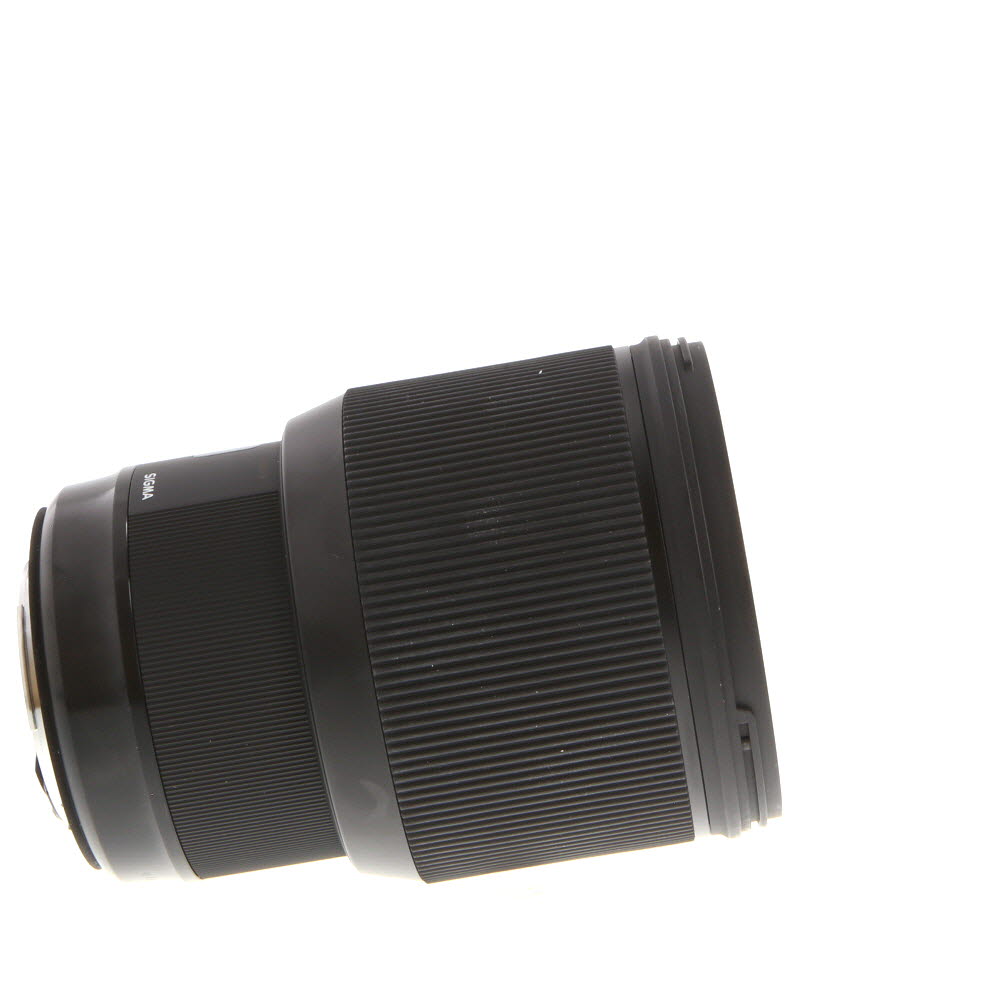
And if you have a DSLR-mount copy you’ve been meaning to offload, the F1.2 news barely touches it. That doesn’t mean keep waiting. It means you’re selling into normal demand instead of a supply wave, which is arguably the easier trade.
A Quick Worked Example
Say you own a DG DN Art in Sony E. You’ve decided to upgrade. You have two paths.
Path A: Sell now, before the F1.2 ships. Fewer competing listings in your mount. You price slightly under the current going rate, sell in days rather than weeks, and use the proceeds toward the new lens.
Path B: Wait until you’ve got the F1.2 in hand, then list. By then, everyone who bought one is doing the same thing. You’re now listing into the thickest part of the wave, and the only lever you have left is price.
Path A costs you a few weeks without an 85mm. Path B costs you money. Most shooters who sell used 85mm lens glass regularly will tell you the gap between those two paths is bigger than it looks.
If you’re ready to move, listing on GearFocus takes about as long as photographing the lens properly. And if you’d rather see what a selling push has looked like around here before, we’ve even run giveaways tied to listing gear.
BOTTOM LINE
- List before the F1.2 ships if your 85mm is Sony E or L-Mount. Supply, not demand, is what moves your price.
- Price from GearMaster comps for your exact mount and generation, never from what you originally paid.
- State the mount in the title. Multi-mount lens families confuse buyers and kill sales.
- Photograph the front element angled to the light. It answers the haze question before it’s asked.
- Double-box, nothing rattling, and have materials ready before you list.
- Keep 91.5% of the sale price and factor that into your net before you decide a number is too low.
- Be accurate and the 48-hour verification window is a formality, not a risk.
Conclusion
Nothing about the Sigma 85mm F1.2 makes your current 85mm a worse lens. It just changes who else is standing next to you in the market, and when. That’s the entire timing question, and it’s answerable.
The move is unglamorous: check your mount, pull comps for your exact model, write a listing that answers every question a suspicious buyer would ask, pack it so it can’t move, and get it up before the wave. Do that, and you’ll sell used 85mm lens glass at a number you’re happy with instead of a number you settled for. Buyers are already searching, and portrait primes have never stopped selling.
FAQ
Should I sell my 85mm before or after the Sigma 85mm F1.2 ships?
Before, if your lens is Sony E or L-Mount. Listings in those mounts will multiply as F1.2 buyers offload older primes, and heavy competing supply pushes prices down faster than demand recovers.
How do I price a used 85mm portrait prime to sell fast?
Pull comps from the GearMaster page for your exact model and mount, then price modestly under the current going rate. Undercutting slightly while supply is thin beats deep discounting once listings pile up.
Does the F1.2 launch affect Canon EF and Nikon F 85mm lenses?
Barely. The Sigma 85mm F1.2 DG DN Art is Sony E and L-Mount only, so DSLR-mount copies like the EX DG HSM keep selling into their own budget-portrait market on a separate timeline.
What details do buyers of used portrait lenses care about most?
Exact mount, glass condition front and rear, autofocus reliability, focus-ring feel, and included hood and caps. Missing hoods and vague condition notes are the two things that most often stall a sale.
What fees apply when I sell used 85mm lens glass on GearFocus?
Sellers keep 91.5% of the sale price, an 8.5% total fee. Every sale also carries the standard 48-hour buyer verification window after delivery, so accurate descriptions keep the process simple.
Own one like this?
Make room for new gear in minutes.
