- Buyer protection on every order
Sony A7R VI vs Medium Format: Should You Buy Used High-Resolution Gear?
Jake Bennett
Oct 20, 2026
KEY TAKEAWAYS
- The short answer: In the Sony A7R VI vs medium format debate, the 67MP Sony wins on speed, autofocus, and lens choice, while the 102MP Hasselblad X2D 100C wins on file depth and tonal rendering. Most working photographers are better served by the Sony body plus better glass.
- Resolution is not the deciding factor: 67MP versus 102MP is a smaller real-world gap than the sensor-size difference between the two formats.
- Used market reality: The attention around this matchup is already pushing owners of the Sony A7R V and Hasselblad X1D toward listing their bodies as upgrade talk heats up.
- Budget alternative: GearFocus GearMaster data shows the 61MP Sony a7R IVA still outputs 9504×6336 files, which covers most of what buyers actually need from high resolution.
- Workflow cost is the hidden line item: Medium format files, tethering habits, and lens prices add up long after the body purchase clears.
Why the Sony A7R VI vs Medium Format Question Is Suddenly Everywhere

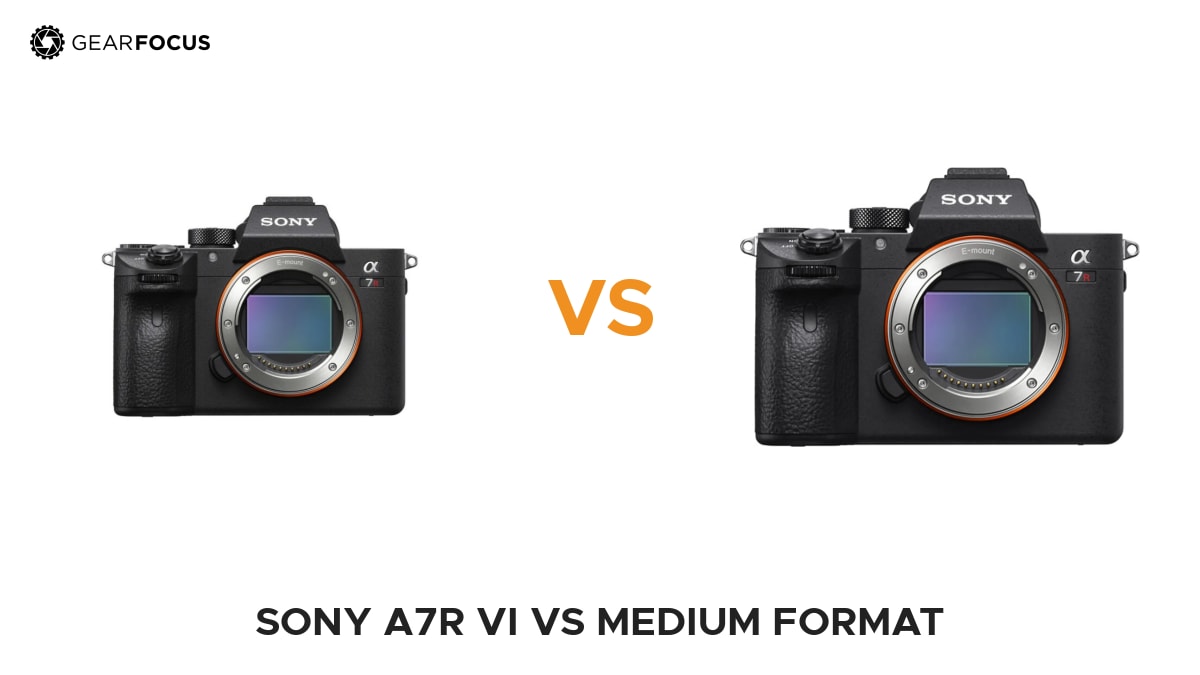
Matt Granger put the 67MP Sony A7R6 head to head with the 102MP Hasselblad X2D 100C in a video comparison that lit a fuse. Not because anyone expected a shock result. Because it forced a question a lot of photographers had been quietly avoiding.
Here’s the deal. For about a decade, “medium format” meant a wall most of us never climbed. The bodies cost more than a used car. The lenses cost more than the body. Then digital medium format got cheaper, full-frame got sharper, and the wall turned into a speed bump.
So now the Sony A7R VI vs medium format comparison is a real buying decision for working photographers, not a fantasy spreadsheet. And on the used market, that shift matters more than the specs do.
I’ll say upfront that I spent two years convinced I needed more megapixels than I had. Convinced. I budgeted for it, read every forum thread, built the whole justification. Then I printed a 30×40 from a 42MP file and could not find the limitation I had been arguing about. That was humbling in a useful way.
Sony A7R VI vs Medium Format: The Specs That Actually Decide It
| Factor | Sony A7R VI (67MP full-frame) | Hasselblad X2D 100C (102MP medium format) |
|---|---|---|
| Sensor format | 35mm full-frame | Medium format (larger than full-frame) |
| Resolution class | 67MP | 102MP |
| Primary strength | Autofocus, burst speed, lens ecosystem | Tonal depth, file latitude, rendering |
| Best suited to | Events, portraits, commercial, hybrid shooters | Studio, landscape, deliberate-pace work |
| Lens availability | Vast first-party and third-party E-mount selection | Limited native X-mount lineup |
| Used-market depth | Deep, with frequent listings across generations | Thin, specialist, slower turnover |
Look at that table and the Sony A7R VI vs medium format split stops being about pixel counts. It’s about what the camera is willing to do for you when conditions get uncooperative.
The Hasselblad X2D 100C is a deliberate instrument. It rewards photographers who compose slowly, work on a tripod, and care about how a file holds up when pushed three stops in post. Skin tones out of medium format have a smoothness that’s hard to fake, and the larger sensor area gives shadows somewhere to breathe.
The Sony is a working tool. It tracks a subject moving toward you, it fires fast enough to catch a reaction you did not see coming, and it mounts almost any lens you can name.
How Much Does the Resolution Gap Really Matter?
67MP to 102MP sounds enormous. Run the linear math and it shrinks fast. You’re gaining roughly a quarter more detail across each dimension, not a third more or half more. That’s a crop advantage and a billboard advantage. It is not a difference your client sees on a 27-inch monitor.
Which means the Sony A7R VI vs medium format question rarely gets settled on resolution alone. It gets settled on what you shoot and how you deliver it.
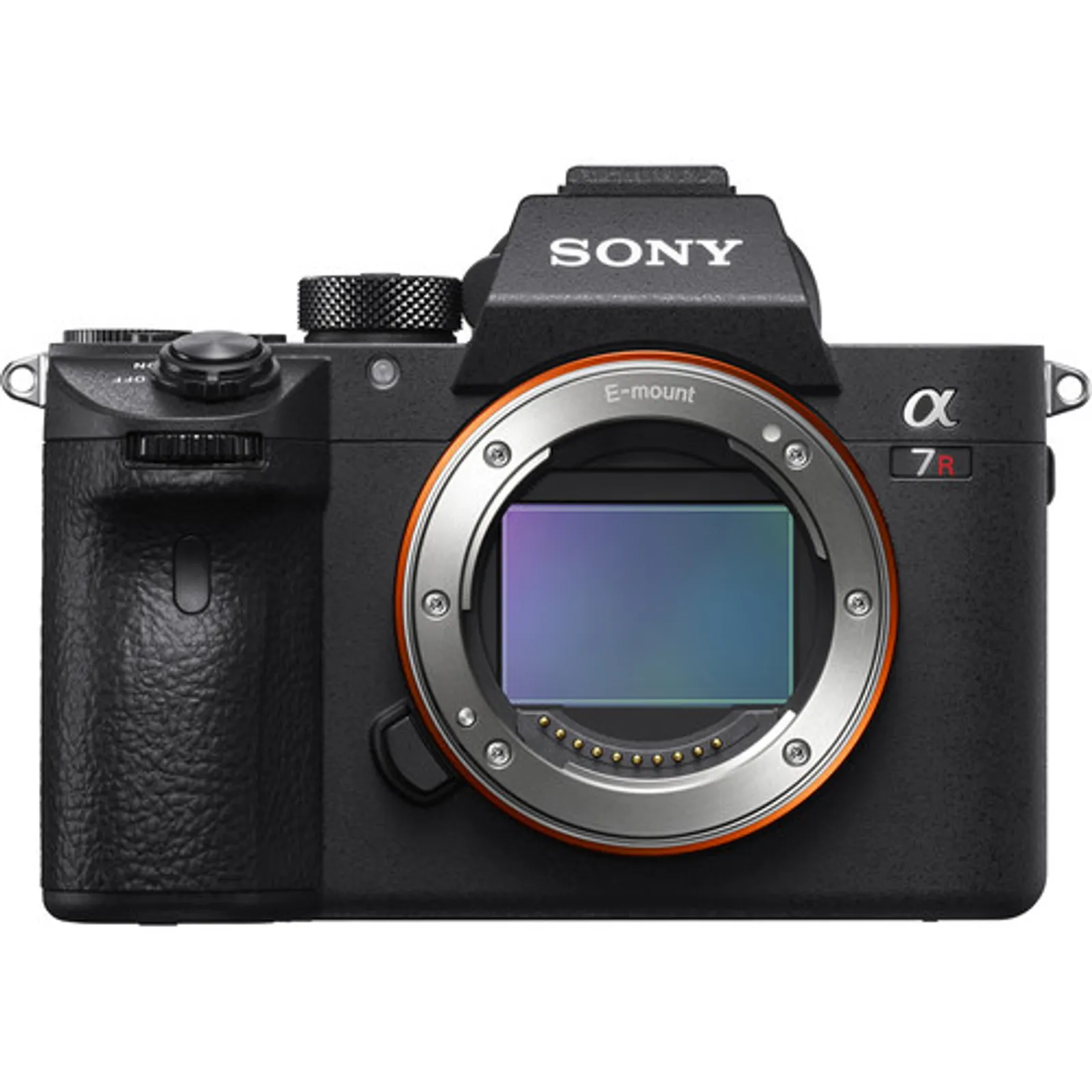
For context on where high resolution stops paying off, GearFocus GearMaster data on the Sony a7R IVA lists a 61MP sensor with a maximum output of 9504×6336 pixels and a 567-point hybrid autofocus system with Eye Detection AF, Animal Detection AF, and AI-based subject tracking. That’s a camera from a previous generation that already clears most commercial detail requirements.
The older Sony a7R IIIA sits a step below at 42.4MP with a maximum resolution of 7952×5304, 399 autofocus points, and 10fps continuous shooting. GearFocus GearMaster data flags its video limits honestly: 8-bit color and 4K capped at 24p and 30p.
Neither of those is the camera in this matchup. But they define the floor. If 61MP already covers your print sizes and crop habits, the Sony A7R VI vs medium format debate is being fought well above the line where your actual work lives.
Where Medium Format Still Wins Outright
Let me not undersell the Hasselblad. The Sony A7R VI vs medium format comparison is not a Sony sweep, and anyone telling you otherwise hasn’t printed from both.
Medium format files have a tonal roll-off that full-frame sensors approximate rather than match. Highlight-to-midtone transitions land softer. Color separation in subtle palettes, think skin against a warm-neutral backdrop, holds together under grading in a way that’s genuinely hard to replicate.
There’s also the shooting experience. The X2D’s interface is pared back to the point of being almost austere, and for some photographers that focus is the entire product. You’re not hunting through menus. You’re looking at the subject.
And for certain clients, “shot on Hasselblad” carries commercial weight. That’s not a technical argument. It’s still a real one if it closes bookings.
Where the Sony Wins and It Isn’t Close
Autofocus. That’s the headline. Modern Sony subject tracking locks onto an eye and stays there through movement, obstruction, and bad light. Medium format autofocus has improved enormously but it is not playing the same sport.
Burst rate is the second gap. Event coverage, kids, animals, anything with a decision window measured in fractions of a second. The Sony A7R VI vs medium format split here is structural, not a firmware update away.
Then there’s glass. E-mount gives you first-party G Master optics, Sigma, Tamron, and decades of adapted legacy lenses. Native medium format lineups are deliberately small and priced accordingly.
Video matters too. A hybrid shooter can deliver stills and motion from one Sony body. Medium format treats video as a courtesy feature at best.
Used R5 and A7R V bodies come up on GearFocus constantly, and if you’re weighing this upgrade, browsing what’s actually listed is a faster reality check than another spec sheet. Worth a look before you commit either direction.
The Workflow Cost Nobody Budgets For
Here’s where I made my second expensive mistake. I planned a high-resolution upgrade around the body price and forgot everything downstream.
102MP raw files are heavy. Your storage plan changes. Your backup plan changes. Your editing machine, if it’s three years old, suddenly feels four years older. Culling a full shoot goes from an afternoon to an evening.
The Sony A7R VI vs medium format calculation has to include that tail. A 67MP file is already demanding. A 102MP file is a different category of demanding, and it compounds across every job you shoot for the next three years.
Lenses are the other line item. Budgeting for one medium format body and assuming your existing glass transfers is a category error, because it doesn’t transfer at all. That’s a full system rebuild, not a body swap.
What This Means for the Used Market Right Now
October is an interesting moment for this. We’re heading into the gifting and year-end stretch, which historically tightens used supply as buyers get active and sellers hold until January.
The upgrade chatter around the Sony A7R VI vs medium format matchup is already moving inventory. Owners of the Sony A7R V and Hasselblad X1D are weighing whether to list now or wait, and that hesitation shows up as thinner selection.
If you’re buying, earlier in this window generally beats later. If you’re selling a high-resolution body, attention on the category is useful attention.
GearFocus sellers keep 91.5% of the sale price, an 8.5% total fee, which is meaningfully more than generalist marketplaces leave you with on a body in this price class. On a high-resolution camera, that spread is not a rounding error.
Have one to sell? Buyers comparing these systems are actively searching for the generation they’re trading out of.
Which One Should You Actually Buy?
Buy the Sony if you shoot anything that moves, deliver on deadline, work handheld, need video, or value a deep lens ecosystem. That covers most working photographers, which is why the Sony A7R VI vs medium format verdict leans the way it does for the majority.
Buy the Hasselblad if your work is studio or landscape, your pace is deliberate, your clients specify file depth, and you already have the storage and editing infrastructure to handle it. It is a specialist’s camera and it is superb at being one.
Buy neither, yet, if you’re upgrading from a 42MP or 61MP body purely for resolution. Put the money into glass or lighting. That’s the honest answer most upgrade posts won’t give you.
For the adjacent comparison a tier down, our breakdown of the Canon EOS R5 against the Sony A7R V on the used market covers the 45MP bracket where a lot of these buyers actually land.
And if you’re specifically weighing an A7R V to A7R VI jump rather than a format change, our sister site’s take on whether working photographers should upgrade addresses that narrower question.
BOTTOM LINE
- Sony A7R VI: Faster, more versatile, vastly better supported by lenses. The default recommendation in the Sony A7R VI vs medium format comparison for working pros.
- Hasselblad X2D 100C: Superior tonal rendering and file latitude, built for deliberate studio and landscape work.
- Resolution gap: 67MP to 102MP is roughly a quarter more linear detail, not a transformative leap.
- Hidden cost: Storage, editing hardware, and a full lens rebuild on the medium format side.
- Timing: Used high-resolution supply tightens through the year-end window; buy earlier, list while attention is high.
- Cheaper path: A used 61MP body already clears most real-world detail requirements.
Final Word
The Sony A7R VI vs medium format question looks like a technical argument and resolves as a workflow argument. Almost every time.
What you shoot, how fast you need to shoot it, what your editing machine can tolerate, and whether your lens collection survives the transition. Those four things decide it. Megapixel counts are the part that gets discussed and the part that matters least.
I’ve watched enough photographers chase resolution past the point of usefulness to be suspicious of my own impulses here. The camera that lets you work without friction beats the camera that produces a marginally better file you’ll never print large enough to appreciate.
Whichever way the Sony A7R VI vs medium format decision lands for you, the used market is where the math gets survivable. Verified sellers, transparent fees, and listings from photographers making the exact same calculation you are.
FAQ
Is medium format sharper than the Sony A7R VI?
At 102MP versus 67MP, medium format captures more detail, but the gap is roughly a quarter more linear resolution. The bigger difference is tonal depth and highlight roll-off, not per-pixel sharpness.
Do I need medium format for large prints?
Rarely. A 61MP file at 9504×6336 pixels, per GearFocus GearMaster data on the a7R IVA, already supports very large prints at normal viewing distances. Medium format helps most with heavy cropping and aggressive grading.
Which is better for weddings and events?
The Sony, without much debate. In the Sony A7R VI vs medium format matchup, autofocus tracking, burst rate, low-light capability, and lens flexibility all favor full-frame for unpredictable, fast-moving coverage.
Is a used Sony A7R IVA still worth considering instead?
Yes, for many buyers. It offers 61MP, 567-point autofocus with subject tracking, 10fps bursts, and 10-bit 4K with S-Log3, covering most commercial requirements at a fraction of current-generation pricing.
What does GearFocus charge sellers?
Sellers keep 91.5% of the sale price, an 8.5% total fee. All orders carry a standard 48-hour verification window after delivery, with free returns if an item is not as described.
Own one like this?
Make room for new gear in minutes.
