- Buyer protection on every order
Canon EOS R8 II Is Here: What It Means for Used Canon EOS R8 Prices
Bill Pryor
Sep 28, 2026
KEY TAKEAWAYS
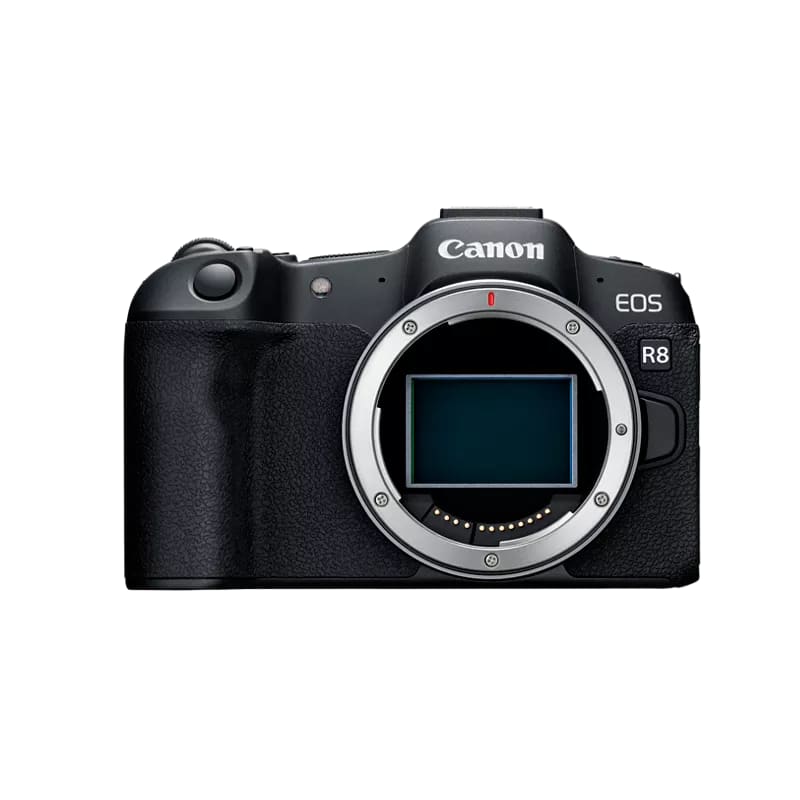
- What’s happening: With the Canon EOS R8 II now in the conversation, used Canon EOS R8 prices are expected to soften as first-generation owners upgrade and list their old bodies. More supply, same demand, downward pressure. That’s the whole trend in one sentence, and September 2026 is when it starts showing up.
- Why buyers care: The original R8 didn’t get worse. A 24MP full-frame sensor, 40fps burst, and 4897 autofocus points are still a lot of camera.
- Why sellers care: Waiting out a successor launch usually costs you more than listing early does. Timing beats hoping.
- The real trap: No in-body stabilization and a single card slot. Those limitations don’t change at a lower price, so buy accordingly.
DPReview TV put out a video on the Canon EOS R8 II, and one line in it is doing more work than the rest of the review combined: a successor launch tends to push previous-generation bodies onto the used market, and that supply bump puts pressure on pricing. Right now, that means used Canon EOS R8 prices are the thing worth watching if you shoot Canon or you’re thinking about starting.
This is the part of the cycle most people sleep through. The new camera gets the headlines. The old camera quietly gets cheaper. By the time the average buyer notices, the sharpest listings are already gone.
Let’s talk about what actually moves, and when.
Why Is the Canon EOS R8 II Launch Moving Used Canon EOS R8 Prices?
Simple mechanics. A successor arrives, a chunk of existing owners decide to upgrade, and their old bodies hit the used market in a cluster rather than a trickle. Supply spikes faster than buyer demand adjusts. Used Canon EOS R8 prices respond the way any market responds to a supply bump.
What matters is that this isn’t a quality event. It’s a calendar event. The original R8 shoots exactly as well the week after a successor launches as it did the week before.
Here’s the deal, though: the pressure on used Canon EOS R8 prices isn’t uniform. Clean, low-use bodies with the original box and a spare battery hold their ground far better than beaten kit. The soft listings are usually the ones missing pieces.
You can watch this play out on the DPReview TV discussion of the Canon EOS R8 II, where the used-market ripple gets more airtime than the spec sheet does. That’s telling.
What the Original R8 Still Does Well
Strip away the launch noise and look at the spec sheet. According to GearFocus GearMaster data, the Canon EOS R8 pairs a 24MP full-frame sensor with Canon’s DIGIC X processor, covering a native ISO range of 100 to 102400.
The autofocus is the headline. 4897 focus points, with Phase Detection, Dual Pixel AF, Eye Detection AF, and AI-based subject tracking working together. That’s a serious system at this tier, and it’s the reason the camera punched above its class when it arrived.
Burst runs up to 40fps. On a full-frame body. Video reaches 4K at up to 180fps with 10-bit color depth, and Canon Log 3 plus HDR PQ come along for post-production flexibility.
None of that degrades because a Mark II exists. Which is exactly why falling used Canon EOS R8 prices are interesting rather than alarming. The camera’s capability is fixed; only the number attached to it moves.
I ignored a generational shift once and paid full freight on a body three weeks before its replacement was announced. Rookie move. The camera was great. The timing was stupid, and I felt it every time I thought about the gap.
The Limitations That Don’t Get Cheaper
A lower price fixes affordability. It does not fix design decisions.
- No in-body optical stabilization: Only digital and electronic IS are available. Handheld video and slow-shutter stills lean entirely on stabilized lenses or technique.
- Single card slot: SD/SDHC/SDXC only, with no redundancy. For paid work where a card failure means a refund conversation, that’s a real consideration.
- Modest battery: Roughly 370 shots via LCD, around 220 via EVF. Extended sessions mean spares in the bag.
Those come straight from GearFocus GearMaster data, and they’re the honest counterweight to the excitement around used Canon EOS R8 prices. A great deal on the wrong camera is still the wrong camera.
If stabilization and dual slots are non-negotiable for how you work, the falling used Canon EOS R8 prices should not be what changes your mind. Budget upward instead.
How Used Canon EOS R8 Prices Typically Move After a Successor Lands
Three rough phases, and knowing which one you’re in is most of the game.
Phase one: the announcement window. Early upgraders list fast, often before the successor even ships. Supply climbs before buyer awareness catches up. This is usually where the most motivated sellers live.
Phase two: the shipping wave. Once the new body is in hands, the bulk of trade-in and resale volume arrives. Broadest selection, most competition among listings, and the phase where used Canon EOS R8 prices tend to find their new working level.
Phase three: settling. The flood thins out. Remaining inventory skews toward clean copies from people who waited. Used Canon EOS R8 prices stabilize, and the bargain window narrows.
Gifting season compresses all of this. Heading into late 2026, demand tightens through November and December while supply from upgraders doesn’t necessarily keep pace. If you’re buying, the stretch between now and early November is usually friendlier than mid-December. If you’re selling, listing before the holiday rush beats listing into January.
I’m not going to predict a specific number, and you should be skeptical of anyone who does. Direction is forecastable. Dollars aren’t.
Buying Into Falling Used Canon EOS R8 Prices Without Getting Burned
Ask for the shutter count. Always. It’s the single fastest read on how hard a body has worked, and a seller who dodges the question has answered it anyway.
Ask what comes with it. Original battery, charger, body cap, box. Bundled accessories are where a merely okay price turns into a genuinely good one, and they’re the reason two listings at similar used Canon EOS R8 prices can be worth very different amounts.
Check the sensor and mount in photos. Look for scuffing around the lens mount and any marks on the sensor at wide angles. Dust is normal. Scratches are not.
On GearFocus, seller identities are verified, and every purchase carries a 48-hour verification window after delivery. If the camera doesn’t match the description, you return it at no charge and the seller covers return shipping. That’s the standard policy, not a premium tier, and it’s what makes buying into a supply wave less of a gamble.
Worth reading alongside this: our Canon EOS R8 review goes deeper on how the body actually handles, and the Canon EOS R5 used buying guide covers the inspection checklist in more detail if you want the full routine.
Selling Your R8 Into This Window
If you’re upgrading, the instinct is to wait and see what happens to used Canon EOS R8 prices. Usually a mistake. Waiting means listing into peak supply, competing with everyone else who also waited.
List while the pool is still shallow. Photograph the body in real light, front and back, mount and sensor. State the shutter count in the description instead of making buyers ask. Include everything you have.
Sellers keep 91.5% of the sale price on GearFocus, which is a meaningful difference against generalist marketplaces when you’re already accepting softer used Canon EOS R8 prices. What you net matters more than what the listing says.
Have one sitting in a drawer? Buyers are actively searching, and R8 listings move. Listing it on GearFocus takes less time than the upgrade research did.
Where the R8 Sits Against the Rest of the Canon Lineup
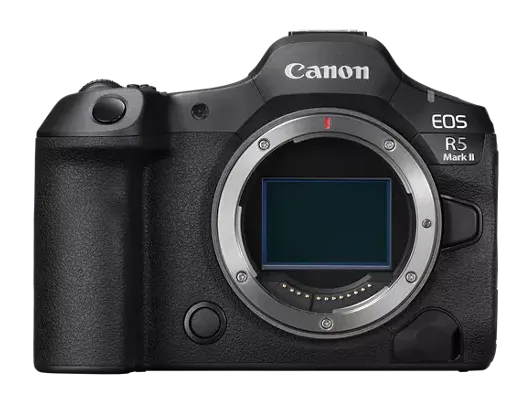
Context helps. The Canon EOS R5 Mark II is a different animal entirely: 45MP, 30fps burst, 1053 AF points, 8K video up to 60fps with Canon Log 2 and Log 3, per GearFocus GearMaster data. It’s also 738g, requires expensive CFexpress Type B media, and runs about 320 shots on a charge.
That’s a professional tool with professional costs attached. The R8 is the lightweight full-frame entry point, and GearMaster lists travel as its core use case for good reason.
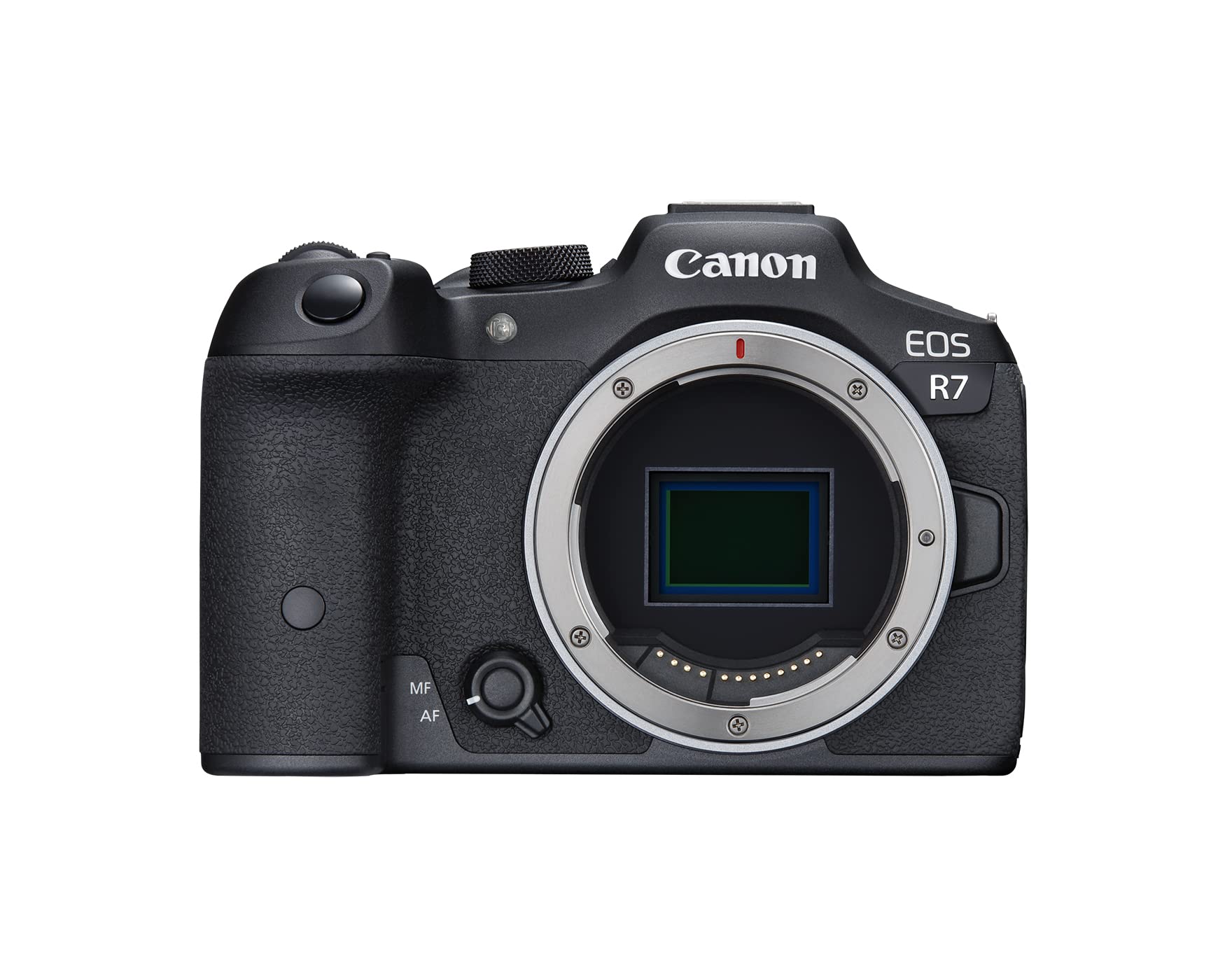
If you’re weighing the flagship tier instead, our Nikon Z8 vs Canon EOS R5 Mark II comparison covers that fight on the used market. For crop-sensor shooters, the Canon EOS R7 is the other side of the same budget question.
The honest framing: used Canon EOS R8 prices only matter if the R8 is the right camera for your work. Cheap and wrong is still wrong.
Who Should Actually Act on This
Buy now if: You want full-frame on a budget, shoot mostly stills or tripod-based video, and stabilized lenses are already in your kit. Softening used Canon EOS R8 prices are a straightforward win here.
Wait if: You need dual card slots or IBIS. No price drop solves that, and you’ll resent the compromise within a month.
Sell now if: You’ve already committed to upgrading. Every week you wait, more competing listings appear.
Hold if: The R8 is still doing your job. There is no reward for selling a working camera into a soft market just because a successor exists.
I’ve made that last mistake too. Sold a perfectly good body during an upgrade cycle, missed it inside of two months, and bought a replacement at a worse number than I sold at. Not my finest week.
What to Watch Through the Rest of 2026
Three signals. First, listing volume: when R8 bodies start appearing steadily rather than occasionally on GearFocus, phase two has arrived. Second, accessory bundling: when sellers start throwing in extra batteries and cards to stand out, competition is real. Third, holiday tightening: expect supply and used Canon EOS R8 prices to firm up as December closes in.
None of that requires a crystal ball. It requires checking listings once a week instead of once a quarter.
And if you’re sitting on the fence, remember that used Canon EOS R8 prices reflect market timing, not camera quality. The 4897-point autofocus system doesn’t know a Mark II exists.
Conclusion
A successor launch is the most predictable discount event in photography, and the expected slide in used Canon EOS R8 prices is this season’s version of it. Buyers get a full-frame body with 40fps burst and a genuinely deep autofocus system for less than it used to cost. Sellers get a clear signal to list early rather than late.
Neither side should overthink it. Know the limitations, check the shutter count, and move when the phase matches your goal. Used Canon EOS R8 bodies come up on GearFocus regularly, and the Canon EOS R8 GearMaster page is a reasonable place to start watching used Canon EOS R8 prices for yourself.
FAQ
Will used Canon EOS R8 prices drop after the R8 II launches?
Direction points down. Successor launches typically push previous-generation bodies onto the used market in volume, and that added supply pressures pricing. The size of the move depends on condition, included accessories, and how many owners upgrade.
Is the Canon EOS R8 still worth buying in 2026?
Yes, for the right shooter. GearFocus GearMaster data lists a 24MP full-frame sensor, 4897 autofocus points, 40fps burst, and 4K video up to 180fps in 10-bit. Capability didn’t change when a successor appeared.
Does the Canon EOS R8 have in-body image stabilization?
No. GearFocus GearMaster data confirms only digital and electronic IS are available, with no optical in-body stabilization. Handheld video and low-shutter-speed stills depend on stabilized lenses or solid technique to stay sharp.
Should I sell my R8 now or wait?
Generally list early. Waiting usually means selling into peak supply alongside every other upgrader. Listing before the bulk of trade-ins arrive means fewer competing listings and a stronger position on price.
Own one like this?
Make room for new gear in minutes.
