- Buyer protection on every order
Nikon Z9 on the Used Market as a New High-End Nikon Nears Launch
Bill Pryor
Jul 15, 2026
KEY TAKEAWAYS
- What it’s worth right now: A used Nikon Z9 in clean, working condition sits in premium flagship territory, but prices are poised to soften as a rumored high-end Nikon body pushes early adopters to sell and fund upgrades. Buying just after that launch is your leverage window.
- Shutter count doesn’t matter: The Z9 has no mechanical shutter. Actuations are irrelevant. Spend your inspection energy elsewhere.
- Check firmware first: Nikon shipped major feature updates for this body. A seller stuck on old firmware may signal neglect.
- Test both CFexpress slots: Dual-slot bodies get abused. Verify both read and write cleanly before money changes hands.
- Timing beats haggling: The dip follows the successor’s announcement, not the rumor. Watch listings pile up, then move.
A fast, high-end Nikon body is reportedly weeks away, according to Fstoppers. That single rumor is quietly rewriting what a used Nikon Z9 is worth in July 2026. Here’s the deal: flagship owners don’t wait. The second a faster body looks real, the wedding shooters and wildlife pros who bought a Z9 on day one start clearing shelf space to fund the upgrade. And when they list, buyers win.
I’ve watched this cycle play out with every flagship swap. Bodies that held their value like granite suddenly show up three, four, five at a time. The trick isn’t guessing the exact number. It’s knowing what a used Nikon Z9 should cost, what to inspect when you find one, and exactly when to pull the trigger.
Miss the timing and you overpay for a camera that’s about to get cheaper. So let’s get the timing, the value, and the inspection right.
What Is a Used Nikon Z9 Worth Right Now?
Straight answer: a used Nikon Z9 still commands serious money. This is a stacked-sensor flagship that shoots 8K video and rips through 20 frames per second in raw. It doesn’t get discounted like a mid-tier body just because it’s a couple of years old.
But “still expensive” and “holding steady” are two different things. Right now the used Nikon Z9 market is in a pre-dip holding pattern. Prices haven’t cracked yet, because the successor hasn’t actually launched. Rumors move sentiment. Announcements move prices.
When the new body drops, expect the pattern that follows every flagship transition:
- Listing volume spikes: Early adopters flood the market to fund upgrades. More supply, softer prices.
- Clean bodies dip first: The well-cared-for units are the ones enthusiasts sell to move up. Bargains show up in good condition, not just rough ones.
- Prices stabilize within a season: Once the initial rush clears, a used Nikon Z9 settles into a new, lower baseline and holds there.
I’ll be honest about a mistake I made early in my buying life: I chased a flagship the week the successor was rumored, not announced. Paid near-peak. Two months later the same body was noticeably cheaper. Patience is a discount you give yourself.
For a fuller breakdown of condition and value, our Nikon Z9 used buying guide digs deeper into what drives the price on this specific body.
Used Nikon Z9 Price by Condition Tier
Since there’s no fixed market figure to quote here, think in relative tiers rather than hard dollar amounts. Condition, included accessories, and firmware status move the needle far more than age on this camera.
| Condition Tier | What You’re Getting | Relative Value |
|---|---|---|
| Like-new / boxed | Full kit, all accessories, recent firmware, minimal wear | Highest, closest to flagship pricing |
| Good / working pro body | Cosmetic wear, fully functional, both slots verified | The sweet spot for most buyers |
| Fair / heavy use | Visible brassing, possible worn ports, still functional | Meaningful discount, buy with caution |
| Poor / As-Is | Unknown or partial function, sold final sale | Lowest, for experienced buyers only |
Notice what’s missing from that table: shutter actuations. That’s not an oversight. It’s the whole point of the next section.
What to Inspect on a Used Nikon Z9 (Shutter Count Is Moot)
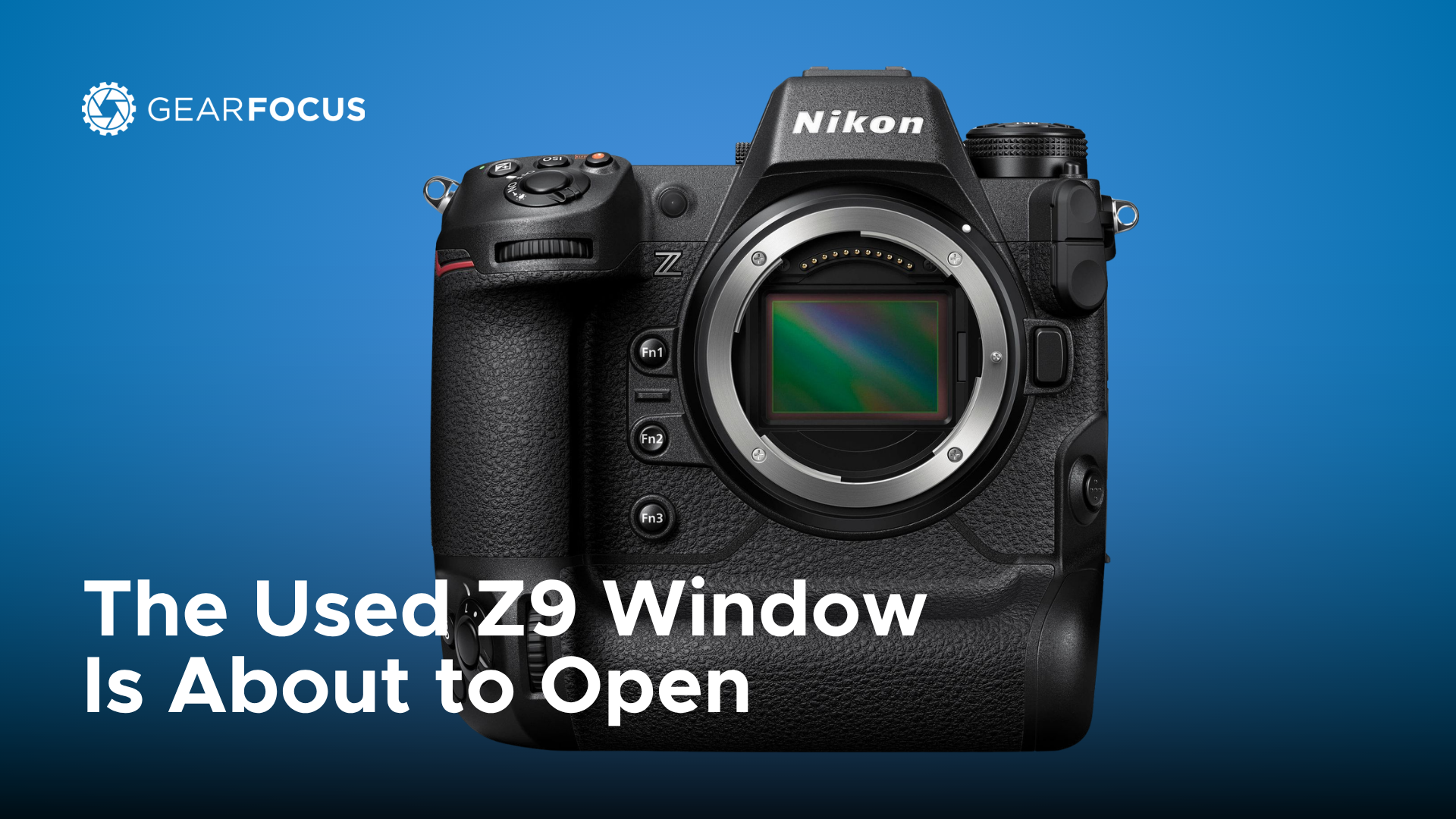
Here’s the thing that trips up buyers coming from DSLRs. The Nikon Z9 has no mechanical shutter. None. It’s fully electronic, driven by that stacked sensor. So the first question everyone reflexively asks, “what’s the shutter count,” is meaningless on this body.
A used Nikon Z9 with 400,000 exposures isn’t “worn out” the way a mechanical-shutter body would be. There’s no shutter mechanism to fatigue. That frees you to inspect what actually matters.
Check the firmware version. Nikon rolled out substantial firmware updates that added and refined features on this body. A seller running ancient firmware might just be lazy, or might be hiding that the camera hasn’t been powered on and cared for in a while. Ask for the current firmware version and confirm it against Nikon’s latest release on nikonusa.com.
Test both CFexpress card slots. Dual-slot pro bodies live hard lives. Bent pins, a slot that reads but won’t write reliably, intermittent card errors: these are the failures that turn a bargain into a paperweight. If you can, write and read back a full card in each slot before buying.
Inspect the ports and grip. The integrated vertical grip means twice the buttons and twice the wear. Check the USB-C, HDMI, and headphone/mic jacks. Flex the doors. Look for corrosion.
Look for impact and moisture clues. Sensor spots, fogging, or a rattle inside are all reasons to walk. On a used Nikon Z9, cosmetic brassing is normal on a working pro tool. Internal problems are not.
One more confession: I once skipped testing the second card slot on a used body because the seller “seemed trustworthy.” The slot was dead. Cost me a reshoot. Test everything, every time.
How to Time the Used Nikon Z9 Price Dip
Timing is where the real money lives on a used Nikon Z9 in 2026. Get this right and you save more than any inspection nitpick will ever earn you.
The mistake most buyers make: they act on the rumor. The rumor is what’s happening right now, and prices haven’t moved yet because supply hasn’t moved yet. Owners hold until they can actually place a pre-order for the new body. That’s your signal.
- Announcement, not rumor, triggers the dip. Watch for the official Nikon launch, then watch listings multiply over the following weeks.
- Let the first wave clear. The earliest sellers price emotionally and sometimes optimistically. The bargains come from the second wave, once competition sets in.
- Mind the seasonal squeeze. We’re deep in wedding season right now, which runs through October, and gift-buying demand tightens supply again in November and December. The cleanest buying window may land in that late-summer-into-early-fall gap.
Comparing where the Z9 sits against its siblings helps you sanity-check any price. Our look at what a used Nikon Z8 is worth in 2026 is worth a read, since the Z8 shares much of the Z9’s guts in a smaller shell and often trades against it directly.
On GearFocus, Z9 bodies come up regularly, and when the successor lands you can expect more of them, from verified sellers rather than anonymous accounts. Worth keeping an eye on your search if this body is on your list. Browse what’s listed and set your patience level accordingly.
Who Should Still Buy a Used Nikon Z9 Today?
The Z9 isn’t going obsolete because a faster body exists. Its strengths are still elite: blackout-free viewfinder, deep buffer, rugged build, 8K capture, and autofocus that tracks moving subjects reliably. For wildlife, sports, events, and hybrid shooters, it remains a top-tier tool.
Best suited to the shooter who wants flagship capability at a post-launch discount and doesn’t need to be first in line for the newest sensor. If resale value matters more to you than bleeding-edge specs, buying into the dip is smart money.
If the integrated grip and size feel like too much camera, the smaller used Nikon Z6 or the higher-resolution Nikon Z7 II might serve you better for less.
BOTTOM LINE
- Verdict: Hold and watch, then buy just after the successor’s official launch, not on the current rumor.
- Ignore shutter count: Electronic shutter means actuations are irrelevant on this body.
- Inspect: Firmware version, both CFexpress slots, ports, and any internal red flags.
- Best window: Late summer into early fall 2026, after the first sell-off wave clears.
- Buyer protection: GearFocus purchases carry a 48-hour verification window after delivery to confirm the item is as described.
The rumor of a faster Nikon is doing you a favor. It’s about to shake loose a fresh crop of clean flagship bodies from owners chasing the upgrade. Know what a used Nikon Z9 is worth, skip the meaningless shutter-count question, test the card slots and firmware, and time your buy to the announcement rather than the rumor. Do that, and a used Nikon Z9 becomes one of the smartest flagship values on the market this year.
FAQ
Is the used Nikon Z9 still worth buying in 2026?
Yes. It remains an elite flagship for sports, wildlife, and hybrid work, with 8K video and 20fps raw shooting. Buying just after the rumored successor launches gets you those capabilities at a softer price.
Does shutter count matter on a used Nikon Z9?
No. The Z9 uses a fully electronic shutter with no mechanical mechanism, so actuations are irrelevant. Focus your inspection on firmware version, both CFexpress slots, ports, and any signs of internal damage or moisture.
When will used Nikon Z9 prices actually drop?
The real dip follows the successor’s official announcement, not the current rumor. Owners sell to fund upgrades once they can pre-order, so watch listing volume climb in the weeks after launch, then buy.
What should I check before buying a used Nikon Z9?
Confirm the firmware is current against Nikon’s latest release, write and read a card in both slots, inspect all ports and doors, and rule out sensor spots, fogging, or internal rattles that signal impact damage.
Own one like this?
Make room for new gear in minutes.
