- Buyer protection on every order
Sony a7 IV vs a7 III on the Used Market After the a7 V Launch
Bill Pryor
Jul 11, 2026
KEY TAKEAWAYS
- The short answer: With the a7 V now out, used prices on both older bodies are drifting down as upgraders list their gear. In the used sony a7 iv vs a7 iii debate, the a7 IV is the better all-rounder for stills and video, while the a7 III remains the value pick if you mostly shoot photos and want to spend less.
- Why now matters: Successor launches loosen supply. More a7 IV and a7 III bodies hit the used market in the months after a new model ships.
- The a7 IV edge: Higher resolution, better autofocus, stronger video specs. It costs more used, and the gap is real.
- The a7 III edge: Proven, cheaper, and still a genuinely capable full-frame camera years after launch.
- Buyer protection: Every GearFocus purchase carries a 48-hour verification window after delivery, so a used body isn’t a leap of faith.
The listing photo showed a dusty grip, a battery door held shut with the faint memory of gaffer tape, and a shutter count that made me pause with my thumb over the button. Cold coffee. A quiet apartment. That familiar itch every buyer knows: is this the one, or do I wait for the next one? That’s the exact spot most people land in when they start weighing the used sony a7 iv vs a7 iii question, especially now that the a7 V has shipped and older bodies are starting to move.
Here’s the deal. A new Sony body doesn’t just add a camera to the lineup. It shakes loose hundreds of the previous generation as people upgrade. That’s what makes right now interesting if you’ve been eyeing either of these. The used sony a7 iv vs a7 iii comparison isn’t academic anymore. It’s a real budget decision with real dollars on the line.
I’ve owned both. I’ve also made the wrong call once, which we’ll get to.
Why the a7 V Launch Changed the Used Sony a7 IV vs a7 III Math
The a7 V arriving means downward pressure on used a7 IV and a7 III prices over the coming months. That’s not a hunch. It’s how camera markets always behave when a successor lands.
DPReview’s a7 V review flagged the obvious ripple: current a7 IV owners who want the newest thing will list their bodies, and some a7 III holdouts finally jump two generations at once. More supply, softer prices. Simple.
What that means for the used sony a7 iv vs a7 iii decision is timing suddenly matters. Buy too early and you pay a premium. Wait a beat and the market usually rewards you. Used prices typically soften after a successor launches, then stabilize once the initial wave of upgrade listings clears. As of July 2026, we’re early in that wave.
I’ll admit I got this wrong once with a different system. I bought the outgoing model the week its replacement was announced, convinced prices had already bottomed. They hadn’t. Two months of patience would’ve saved me real money. Lesson learned, and I pass it along freely.
How Much Does a Used Sony a7 IV vs a7 III Actually Cost?
The a7 IV commands a meaningful premium over the a7 III on the used market, and that gap reflects genuine spec differences, not just newer-is-pricier hype. Expect the a7 IV to sit noticeably higher, with the a7 III now firmly in value territory.
I’m not going to invent numbers here, because pricing moves week to week and the honest answer is: check current sales data before you buy. Our own used Sony a7 III pricing guide for 2026 breaks down where the a7 III has actually settled, and it’s the first thing I’d read before making an offer on either body.
When you’re running the used sony a7 iv vs a7 iii comparison on price, factor in the whole picture. A slightly cheaper body with a sky-high shutter count isn’t the deal it looks like. I ignored shutter count on my first used purchase years ago. The camera worked fine until it didn’t, and “didn’t” showed up in the middle of a job. Never again.
On GearFocus, both bodies come up regularly, and sellers keep 91.5% of the sale price thanks to the flat 8.5% fee, which is a big reason listings stay competitively priced here. Worth a look if either camera is on your shortlist.
Used Sony a7 IV vs a7 III: The Spec Differences That Actually Matter
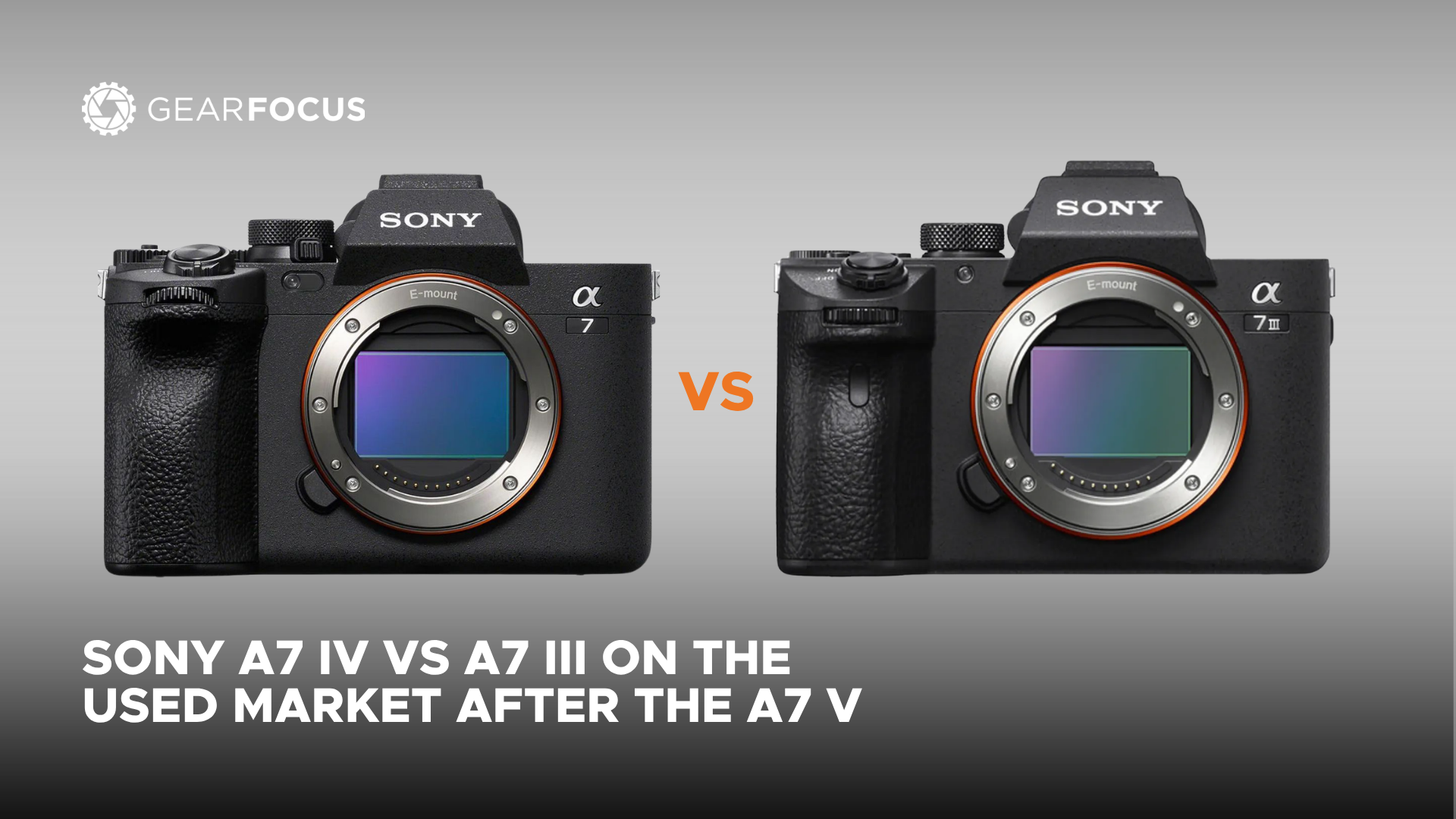
The a7 IV wins on resolution, autofocus, and video; the a7 III wins on price and simplicity. If you shoot hybrid photo-video work, the a7 IV justifies its premium. If you’re a stills-first shooter on a budget, the a7 III still delivers.
Let me break down where the used sony a7 iv vs a7 iii split really shows up in daily use.
| Feature | Sony a7 IV | Sony a7 III |
|---|---|---|
| Generation | Newer (Mark IV) | Older (Mark III) |
| Best for | Hybrid photo + video | Stills-first, budget-conscious |
| Autofocus | More advanced subject tracking | Still excellent, older system |
| Used price | Higher | Lower / value pick |
Resolution and autofocus are the two upgrades you’ll feel most. The a7 IV’s more modern AF makes eye tracking stickier, which matters if you shoot people who move: kids, events, anything unscripted. The a7 III’s autofocus is still very good. It’s just a generation behind.
Video is the other divider. The a7 IV pulls ahead for anyone doing serious hybrid work. If your video use is casual, the a7 III won’t hold you back much. This is the heart of the used sony a7 iv vs a7 iii question: you’re really deciding how much video and autofocus headroom you’re willing to pay for.
And honestly? Plenty of working shooters are still doing pro-level stills on the a7 III. Don’t let spec-sheet fever convince you that older means obsolete. It doesn’t.
Which Should You Buy in the Used Sony a7 IV vs a7 III Matchup?
Buy the a7 IV if you shoot video regularly, need the best autofocus, or want the longer runway before your camera feels dated. Buy the a7 III if you’re stills-focused and want to keep more money for glass. That’s the used sony a7 iv vs a7 iii decision in two sentences.
Here’s the part people underweight: lenses outlive bodies. If the price difference between the two cameras is the difference between owning one good lens or two, that math should weigh heavily. I’d rather have an a7 III and a sharp prime than an a7 IV and a kit zoom I’ll want to replace in six months. Spend where it lasts.
For a deeper side-by-side, our full Sony a7 IV vs a7 III used buying guide walks through the trade-offs shot type by shot type. And if you’re cross-shopping brands, the Nikon Z6 III vs Sony a7 IV used comparison is worth reading before you commit, because the a7 IV isn’t the only mid-range full-frame worth your attention.
Whichever way the used sony a7 iv vs a7 iii call goes for you, both bodies show up on GearFocus consistently, and the 48-hour verification window means you can confirm the camera matches its listing before you’re locked in. No leap of faith required.
Timing Your Used Sony a7 IV vs a7 III Purchase This Summer
Summer is prime buying and selling season for this exact matchup. Wedding season is in full swing, upgrade listings from a7 V buyers are landing, and travel shooters are either offloading or hunting. That combination usually means more choice for buyers.
If you’re selling, though, the calculus flips. The window right after a successor launches but before everyone else lists is when demand is still high and supply hasn’t fully caught up. If your a7 IV is headed for the door, sooner tends to beat later. Our guide on how to sell your used Sony a7 IV now covers the reasoning in more detail.
I confess I’ve sat on gear too long before, telling myself I’d “get around to listing it.” By the time I did, three newer bodies were competing with mine and I took a worse price. Gear depreciates while it sits in a drawer. That’s the uncomfortable truth nobody enjoys hearing.
The used sony a7 iv vs a7 iii dynamic cuts both ways depending on which side of the transaction you’re on. Read the season, then act on it.
The Bottom Line on Used Sony a7 IV vs a7 III
The a7 V’s arrival is the best thing to happen to the used sony a7 iv vs a7 iii shopper in a while. More bodies, softer prices, and two genuinely capable cameras to choose between. Pick the a7 IV if video and autofocus lead your priorities. Pick the a7 III if stills and value do. Neither choice is wrong; they’re just built for different shooters. Whatever you decide, both come up on GearFocus regularly, sellers keep 91.5% of the sale, and every purchase carries a 48-hour verification window so you can buy with your eyes open. Have one to sell? Buyers are actively searching right now.
FAQ
Is the used Sony a7 IV worth the extra money over the a7 III?
Yes, if you shoot video or need the best autofocus. The a7 IV offers higher resolution, more advanced subject tracking, and stronger video specs than the a7 III, which justifies its used premium for hybrid shooters. Stills-first photographers on a budget will find the a7 III delivers most of what they need for less.
Will used a7 IV and a7 III prices drop after the a7 V release?
Most likely, yes. Used prices typically soften in the months after a successor launches, because upgraders list their older bodies and increase supply. As of July 2026 we’re early in that wave, so patient buyers may benefit from waiting a beat, while sellers generally do better listing sooner rather than later.
Which is better for a beginner in the used Sony a7 IV vs a7 III comparison?
The a7 III is often the smarter first full-frame for beginners because it costs less used and leaves budget for lenses, which matter more long term. That said, the a7 IV’s better autofocus can make learning easier if you can stretch to it. Either body is a strong entry into full-frame.
Own one like this?
Make room for new gear in minutes.
