- Buyer protection on every order
What Was “Obsession” Shot On? The $403M Indie Hit
Ysa Canlas
Jul 7, 2026
Key Takeaways
- Budget was never the barrier. “Obsession” turned $750,000 into more than $403 million worldwide, a roughly 537x return and the highest gross of any film ever made for under $1 million.
- The look came from three choices, not expensive kit: fast glass shot wide open, a locked-off tripod, and a sensor that holds detail in deep shadow.
- Fast primes are the highest-impact buy. Vintage character glass or a modern f/1.4 prime gets you most of the “Obsession” look for a fraction of a rental package.
- Restraint beats spend. A locked tripod out-cinematics a gimbal for this style, and usually costs less used.
- The tooling is democratized. “Obsession” and “Backrooms” prove a theatrical look is now reachable on used gear. Verified sellers and a 48-hour “as described” window take the risk out of building the kit.
A first-time director shot a horror movie in 20 days, edited it himself, and turned $750,000 into the highest-grossing film ever made on a budget under $1 million. No franchise. No stars. No studio machine. Just a clear vision and a small, disciplined gear package.
That movie is “Obsession,” and it is the clearest proof yet of a shift every creator should be paying attention to: the barrier to a big-screen look is no longer the camera. It is the thinking behind it. Here is the movie, the moment it belongs to, and the used gear that gets you close to its look.
When a small movie breaks out, the easy assumption is that it got lucky or quietly spent more than it let on. Neither is true here. “Obsession” looks the way it does because of a short list of deliberate craft decisions, the kind any disciplined creator can study, copy, and afford. The logo on the side of the camera is the least interesting part of the story.
For anyone who buys and sells gear, that is the entire lesson. The distance between an amateur image and a theatrical one has quietly stopped being about budget and started being about judgment: which lens, which frame, which shadows to protect. The takeaways below are the shortcut. Here is what “Obsession” teaches, before we get into how it earned its place at the box office.
“Obsession” by the numbers
| Production budget | $750,000 |
| Shoot length | 20 days |
| Opening weekend | $17.2M (2,615 theaters) |
| Second weekend | $23.9M, up 39% (a record for a wide-release horror film) |
| Domestic gross | $245.3 million |
| International gross | $157.7 million |
| Worldwide gross | $403 million |
| Return on budget | ~537x |
| Distinction | Highest-grossing film ever made for under $1 million |
Sources: Box Office Mojo, Variety, TheWrap, Forbes (July 2026).
Read that last line again. For every dollar spent, the film has returned more than $530. Most studio tentpoles cost 10 to 100 times what “Obsession” did and never come close to that ratio. That gap is the entire story, and it is a gear story as much as a filmmaking one.
The movie: a simple wish, a brutal payoff
“Obsession” runs on one of the oldest premises in horror. Bear (Michael Johnston) is a shy music-store clerk with a years-long crush on his coworker and childhood friend, Nikki (Inde Navarrette). He cannot bring himself to tell her how he feels. Instead, he buys a kitschy antique trinket called a One Wish Willow, snaps it in half, and wishes that Nikki would love him more than anything in the world.
The wish works. That is the problem.
The Nikki who comes back is a hollow, obsessive replica, while the real Nikki is trapped inside, fully aware. What starts as a nice-guy fantasy curdles into a monkey’s-paw morality tale about infatuation, entitlement, and getting exactly what you asked for. Writer-director Curry Barker tells the whole thing from the perpetrator’s point of view, which is what gives it its bite.
Barker is not a film-school name. He is a 26-year-old former YouTube sketch comedian, half of the comedy duo “That’s a Bad Idea,” and the maker of the microbudget found-footage feature “Milk & Serial.” He wrote, directed, and edited “Obsession” himself, with Jason Blum on board as an executive producer. He is the latest name in the comedy-to-horror pipeline that runs through Jordan Peele and Zach Cregger.
The reviews: why it landed
Critics did not treat this as a scrappy curiosity. They treated it as one of the best horror films of the year.
IndieWire called it one of 2026’s best horror films and evidence of the “Cregger-ification” of modern horror. Empire said Barker is set for big things. The AV Club and RogerEbert.com both singled out Inde Navarrette’s lead performance, comparing her physical, unhinged turn to Isabelle Adjani in “Possession” and Toni Collette in “Hereditary.” That is rarefied company for a first theatrical lead.
The consensus across outlets: a simple, almost telegraphed premise, executed with so much control and formal confidence that it lands anyway. The horror comes from watching a social situation spiral, not from haunted-house mechanics. It is nasty, funny, and genuinely upsetting, and it stays with people for weeks.
For a marketplace built on gear, the interesting part is not the plot. It is that none of that praise is about spectacle. It is about vision, performance, and craft, all of which are budget-agnostic.
The gear logic: what “Obsession” was shot on
So what did that vision actually run on? Less than the praise would suggest.
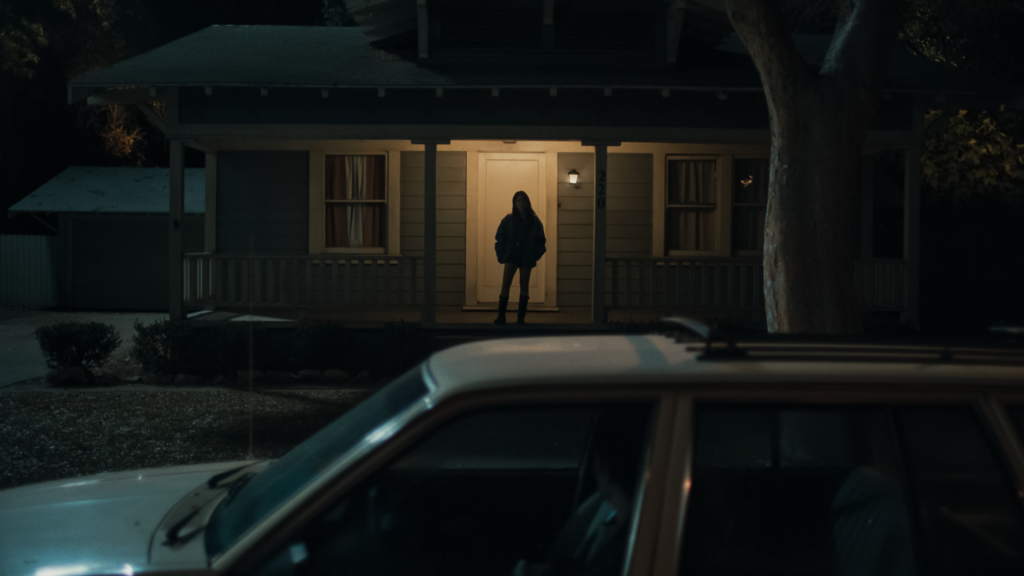
Cinematographer Taylor Clemons shot the film on an ARRI Alexa 35 with vintage Panavision Ultra Speed lenses, fast enough to open up to roughly T1.0 to T1.9, and shot almost the entire film wide open. Clemons cited David Fincher’s “Se7en” as a reference and deliberately underexposed to keep the world murky and dreadful, pushing the shadows until he worried he had gone too far (Focus Features).
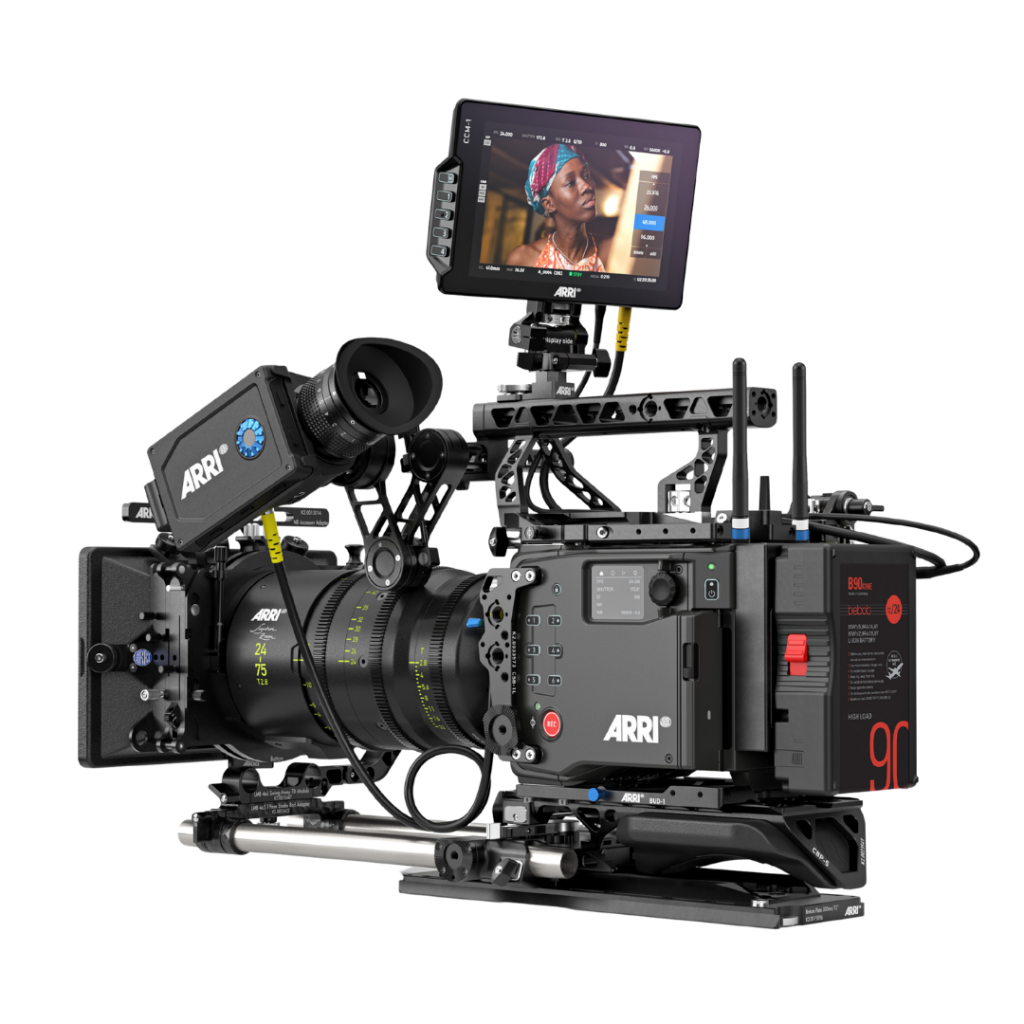
That is a rental package. You are not buying it. You do not need to. The look breaks into three decisions, and every one of them is reachable with used gear.
Pillar 1: fast glass, wide open
The “Obsession” look is built on shallow focus. Shooting wide open on fast lenses produces a razor-thin plane of sharpness and soft, swirling background blur. In horror, that blur is a weapon. The background is present but out of reach, so your eye stays locked exactly where the frame wants it.
You do not need Panavision primes to chase this. You need one fast lens, opened up.
On GearFocus, look for:
- Vintage fast primes. A Helios 44-2 58mm f/2 is the classic swirly-bokeh lens and costs a fraction of anything modern. Older Canon FD, Nikon Nikkor, and Takumar glass all deliver character wide open and adapt to almost any body.
- Modern fast primes. A 35mm or 50mm at f/1.4 gives you clean, controllable separation. Sigma Art, Viltrox, and Samyang options show up used regularly and outperform their price.
This is the single highest-impact buy for the look. Start here.
Pillar 2: the tripod matters more than the gimbal
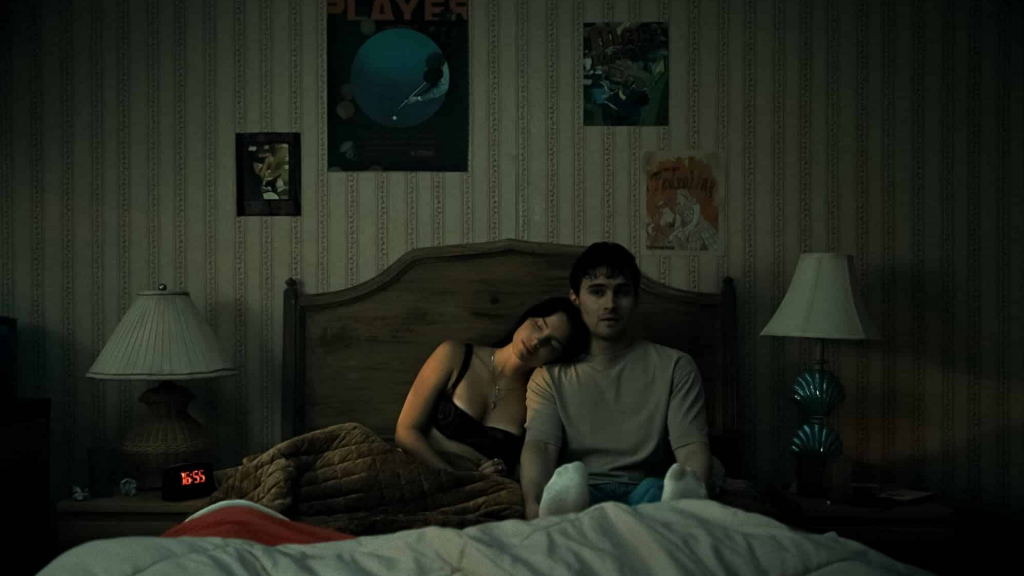
Almost every shot in “Obsession” sits on a locked-down tripod. No handheld, no gimbal drift. The frames are static and centered, often with an unsettling amount of headroom, which forces the audience to search the dark corners of the frame themselves (PetaPixel, Filmmakers Academy).
Most creators get this backwards. They spend on a gimbal to add movement, when the scarier, more controlled, more cinematic choice is to lock the camera off and let the composition do the work. Restraint reads as confidence on screen.
On GearFocus, look for:
- A solid tripod and fluid head. A used Manfrotto, Sachtler, or Miller head holds a rock-steady frame and gives you smooth, motivated moves when you want them. A good used fluid head beats a new gimbal for this style, and usually costs less.
Pillar 3: a sensor that holds the shadows
You can only underexpose on purpose if your camera keeps detail in the shadows instead of falling apart into noise. That is a dynamic-range question, and several affordable used bodies handle it well.
On GearFocus, look for:
- Super 35 and full-frame bodies with strong shadow latitude. A used Blackmagic Pocket Cinema Camera 6K, Canon C70, or Sony FX30 gives you cinema-grade dynamic range at a used price. For low light specifically, the Sony FX3 and a7S line hold clean shadows that let you underexpose by choice, not by accident.
The bigger shift: indie horror is rewriting the rules
Zoom out, because “Obsession” is not a fluke. It is the headline example of a genuine 2026 movement, and the gear is a large part of why.
The same month “Obsession” opened, 20-year-old YouTuber Kane Parsons released “Backrooms” through A24, made for under $10 million, and has since crossed $347 million worldwide, opening to $81.4 million over Memorial Day weekend (Variety). Two first-time directors, two microbudget horror films, three quarters of a billion dollars combined at the global box office in a single summer.
This has a long lineage. “Paranormal Activity” turned roughly $15,000 into $194 million. “The Blair Witch Project” built a phenomenon on a shoestring. “Terrifier” grew from a $35,000 short into a franchise. Horror has always been the genre where a small budget and a strong idea can outrun the studios.
What is new in 2026 is the tooling. As Bloody Disgusting put it in its mid-year wrap, low-budget indie horror is now seeing as much success as big studio-backed fare, and sometimes more. The cameras, lenses, and support gear that used to sit behind rental-house counters are now available used, at prices a solo creator can actually reach. The distance between a bedroom edit and a theatrical release has collapsed.
The real lesson: buy the vision, not the logo
Here is the thing the box-office numbers are actually telling you.
“Obsession” did not win because of the Alexa 35. It won because Barker knew exactly what he wanted and used a small, deliberate kit to get it. Fast glass wide open. A locked-off frame. A sensor he could trust in the dark. Those are decisions, not price tags.
The gear that executes those decisions is sitting on the used market right now, at a fraction of what a rental package costs. You can assemble a fast prime, a proper fluid head, and a capable body for less than the price of a single new flagship lens. The wall between you and a theatrical-grade image is thinner than it has ever been.
That is the whole point of a marketplace like this one. Every listing on GearFocus comes from a verified seller, and every “as described” purchase is protected by a 48-hour verification window, so you can build your kit without gambling on the gear. The barrier is no longer the camera. It is what you decide to do with it.
Browse the categories that build the “Obsession” look:
Own one like this?
Make room for new gear in minutes.
