- Buyer protection on every order
DJI Neo 2 Launch: Should You Sell Your Used DJI Neo Now?
Bill Pryor
Oct 30, 2026
KEY TAKEAWAYS
- The short answer: If you want to sell used DJI Neo gear for the most money, list it within the first few weeks of the Neo 2 arriving, before the wave of upgraders floods the market. Clean the aircraft, charge the batteries, photograph every accessory, and price it to move rather than to win an argument.
- Timing beats haggling: The first sellers out the gate set the price. Everyone after them follows it down.
- Your listing is the product: Drone buyers read descriptions obsessively. Flight count, crash history, prop condition, battery cycles. Say it all up front.
- Keep more of the sale: Sellers keep 91.5% of the sale price on GearFocus, which is a meaningfully bigger slice than most generalist marketplaces leave behind.
- Bundle, don’t strip: Spare props, extra batteries, and the original case make a 135 g drone feel like a complete kit, and complete kits sell faster.
The first time I packed a tiny drone for a sale, I did it wrong. Props still on, battery at 4%, no case, a photo taken on a kitchen counter under a yellow bulb. It sat. Then it sat some more. Eventually I relisted it with the props off, the battery topped up, and six honest photos in window light, and it was gone in days. Same drone. Same price range. Totally different listing.
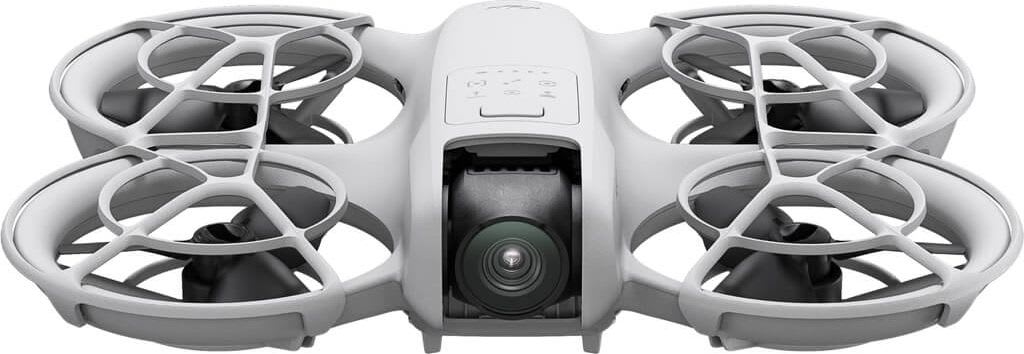
That lesson is sitting on a lot of desks right now. DJI has launched the Neo 2, and the headline features are palm takeoff and Apple Watch control on a lightweight filming drone. You can see the thing demonstrated in No Remote in Sight | DJI Neo 2, and the pitch is exactly what it sounds like: fly it without a controller, start it from your wrist.
Which means a lot of original Neo owners are about to become sellers. If that is you, the question is not whether to sell used DJI Neo hardware. It is when, at what number, and how to write the listing so a stranger trusts you enough to click buy.
When Should You Sell Used DJI Neo Gear After the Neo 2 Launch?
Early. Annoyingly early. Earlier than feels comfortable.
Successor launches follow a pattern on the used market, and it is not subtle. The announcement lands. Enthusiasts preorder. Those preorders arrive, and within two or three weeks the old units start hitting listings in bulk. Supply spikes, demand stays flat, and prices soften. The people who listed before that wave got the better number.
So the practical window to sell used DJI Neo units is now through the back half of this launch cycle, not after your Neo 2 shows up and you finally get around to it. I say this as someone who has absolutely gotten around to it three months late and eaten the difference.
There is a second timing layer in late 2026 worth naming. We are heading straight into holiday gift season, and small, cheap, giftable drones are exactly what people shop for in November and December. A palm-sized 135 g aircraft under a tree is an easy sell. That demand helps you. It does not cancel out the supply wave, but it cushions it. The overlap of those two forces is the sweet spot.
What Is a Used DJI Neo Actually Worth Right Now?
Nobody can hand you a guaranteed number, and anyone who does is guessing. What you can do is price against reality, and reality for a Neo is built out of four things.

Condition first. Drones get judged harder than cameras because they crash. A Neo with pristine prop guards and no scuffs on the arms is a different product than one that has kissed a tree. Buyers know this. Price accordingly.
Completeness second. The Neo uses internal storage, so there is no microSD to lose, but there are props, guards, cables, and batteries. A full kit commands more than a bare aircraft, every time.
Battery health third. According to GearFocus GearMaster data, the Neo flies roughly 18 minutes per charge when the battery is healthy. If yours is down to twelve, say so and price down. If you have two or three good packs, that is a real selling point.
Competition fourth. Your Neo is not only competing with other Neos. It is competing with everything else in the sub-$500 used drone shelf, and that shelf is crowded.
Who Buys a Used Neo, and Why That Shapes Your Price
Understand the buyer and the pricing gets easier. The person shopping to buy what you want to sell used DJI Neo gear for is usually one of three people.
The first is a complete beginner. They have never flown anything. They want something that will not cost a fortune when they inevitably hit a fence. The 135 g weight and the prop guards are the whole pitch for them.
The second is a social creator. They saw the vertical video spec and want it. GearFocus GearMaster data lists vertical 1080p at 1080×1920 up to 60fps on the Neo, which is purpose-built for the way people actually watch video now. This buyer cares about that one line more than everything else on the sheet.
The third is a traveler who already owns a bigger drone and wants a throw-in-the-bag option. They are the most price-sensitive of the three because it is a secondary purchase.
None of these people are paying a premium for nostalgia. All three are paying for convenience and a clean listing. That is the pricing lesson.
How the Neo Stacks Up Against What Else Is On the Shelf
Honest comparison helps your listing, because the buyer is making it anyway. The most common cross-shop is the DJI Mini 2, and the two aircraft are genuinely different tools.
| Spec | DJI Neo | DJI Mini 2 |
|---|---|---|
| Weight | 135 g | 249 g |
| Folded / body size | 130 × 157 × 48.5 mm | 138 × 81 × 58 mm folded |
| Sensor | 1/2-inch, 12 MP | 1/2.3-inch, 12 MP |
| Max video | 4K 30fps (4:3 and 16:9) | 4K up to 60fps |
| Vertical video | 1080×1920 up to 60fps | Not listed |
| Flight time | ~18 minutes | Up to 31 minutes |
| Subject tracking | AI-based tracking | None |
| Storage | Internal | microSD |
Specs above are from GearFocus GearMaster data.
Read that table like a seller, not a spec nerd. The Neo loses on flight time and frame rates. It wins on weight, on AI subject tracking, and on vertical video. So your listing should lead with the wins. Do not try to out-argue the Mini 2 on endurance. You will lose, and the buyer will notice you tried.
Worth a look at the DJI Neo GearMaster page before you write your description, just to make sure the specs you quote are the right ones. Nothing kills trust faster than a seller who lists a spec their drone does not have.
Writing a Listing That Makes Someone Trust You
Here is the part most people rush. Drone buyers are suspicious, and they should be. They cannot inspect flight hours, they cannot see a crash that got buffed out, and they have all read a horror story. Your job is to remove every reason for doubt before they have to ask.
Lead the description with condition and history in plain language. Approximate flight count or hours. Any crashes, including the embarrassing low-speed ones. Prop condition and whether you are including spares. Battery count and rough health. Whether the original case and cables are in the box.
Then photograph it properly. Daylight, plain background, eight to ten shots. Top, bottom, each arm, the camera and gimbal close up, the battery contacts, every accessory laid out together, and the serial label. A buyer who can see the gimbal clearly does not need to message you about the gimbal.
I skipped the accessory-layout photo on a listing once and spent four days answering the same question over and over. Take the photo. It costs you ninety seconds and saves you a week.
Pricing Strategy: Three Ways to Sell Used DJI Neo Hardware
There is no single correct number, but there are three coherent strategies, and picking one beats drifting between them.
Price to move. Set it at the low end of what comparable listings show, write a clean description, and expect it gone quickly. This is the right play during a successor launch, because every week you wait, the comparables drift down around you. Speed is a form of pricing.
Price to market. Sit right in the middle of comparable listings and wait for the buyer who values your specific bundle. Works best if you have extra batteries, the case, and genuinely clean condition. Expect a few weeks.
Price to the holidays. Hold through November and list into gift-shopping demand. This is the gamble. You get a more motivated buyer pool, but you are also competing against every other Neo owner who had the same idea plus whatever promotional pricing exists on new stock. I would only run this one if your kit is unusually complete.
Whichever you choose, do not list high and plan to negotiate. Drone buyers filter by price. A high number does not invite an offer, it just removes you from the search results they are actually looking at.
Fees, Returns, and What You Actually Take Home
Your sale price is not your payout, and the gap matters more on a sub-$500 item than it does on a $3,000 camera body. On a cheap drone, a few percentage points of fee is a real chunk of the money.
On GearFocus the fee is 8.5% total, so sellers keep 91.5% of the sale price. That is a meaningfully larger share than generalist marketplaces leave you with, and on small-ticket gear it is the difference between the sale feeling worth the hassle and not.
On returns, know the standard policy before you list so you are not surprised. Every sale carries a 48-hour verification window after delivery, and if the item is not as described, the buyer can return it at no charge with the seller covering return shipping. That is exactly why the honest-description advice above is not just ethics, it is self-interest. A listing that overstates condition comes back.
Some sellers offer a 14-day no-questions-asked return on top of that, but it is not platform-wide and it excludes items listed in Poor or As-Is condition as well as drones. Items listed Poor or As-Is are final sale with no returns at all.
Shipping-wise, most orders go out within one to three business days, so have a box, foam, and tape ready before your listing goes live rather than scrambling after it sells.
Packing a 135 g Drone So It Survives the Trip
A Neo weighs about as much as a deck and a half of cards. That makes it easy to ship and easy to destroy. The gimbal is the fragile part, every time.
Remove the props. Secure the gimbal with whatever retainer it came with, or improvise a soft wrap that stops it swinging. Put the aircraft in its case if you have one, then put that case inside a box with at least two inches of padding on every side. Batteries ship under lithium rules, so check the carrier’s requirements and label as required rather than guessing.
Then photograph the packed box before you seal it. If anything goes wrong in transit, that photo is the whole conversation.
Should You Sell Used DJI Neo Units or Just Keep Flying?
Genuine question, and the answer is not automatically sell.
Keep it if you fly it regularly and the Neo 2 features do not solve a problem you actually have. Palm takeoff and watch control are great, but if you already launch from your hand without drama and never wanted to pilot from your wrist, you are paying for convenience you have already got.
Sell it if it has been in a drawer since spring, or if the 18-minute flight time has become the main reason you stopped bothering. Dead gear in a closet is just depreciation with extra steps.
Sell it also if the Neo 2 money is coming out of your Neo. That is the most common case, and it is the one where timing matters most, because every week your old unit sits unlisted is a week the market is getting more crowded.
If you want more detail on how this specific launch is moving the market, the Neo 2 launch breakdown and what it means for used DJI Neo deals covers the buyer side of the same equation. And if you own other DJI gear with a successor on the horizon, the same logic applies in this timing guide for the Mavic 3 Pro.
A Worked Example of Getting It Right
Picture two identical Neos listed the same week.
Seller A posts three photos, writes “Used DJI Neo, works great, comes with charger,” and prices at the top of the comparable range. Seller B posts ten photos in daylight, lists approximate flight count, admits one soft landing in grass with no damage, confirms three batteries with honest health notes, includes the case and spare props, and prices at the lower-middle of the range.
Seller B sells in four days. Seller A is still answering messages in three weeks, by which point the comparables have drifted down and they are now priced above market without having changed a thing.
The difference was not the drone. It was the listing and the clock. That is the entire argument for how to sell used DJI Neo gear well, compressed into one example.
BOTTOM LINE
- List early in the Neo 2 cycle. Supply is about to rise; price follows supply.
- Disclose everything. Flight count, crashes, prop and battery condition. Honesty is also your return-policy insurance.
- Shoot eight to ten daylight photos, including the gimbal close up and all accessories laid out.
- Bundle the kit. Spare props, extra batteries, and the case meaningfully raise what buyers will pay.
- Lead with the Neo’s wins: 135 g weight, AI subject tracking, vertical 1080p at 60fps. Do not fight the Mini 2 on flight time.
- Keep 91.5% of the sale with the 8.5% GearFocus fee, and ship within one to three business days.
- Pack for the gimbal. Props off, gimbal secured, two inches of padding, photo before sealing.
There is a version of this where you wait, the Neo 2 arrives, you get busy, and your old aircraft sits in a drawer until next spring when it is worth noticeably less and competing against a year’s worth of other listings. That version happens constantly. The alternative takes an afternoon: clean it, charge the batteries, shoot the photos, write the honest description, pick a strategy, and post it. Buyers are actively searching for exactly this drone right now, and the ones shopping in late 2026 are motivated. If you have decided to sell used DJI Neo gear this cycle, getting the listing live on GearFocus while the window is open is the single highest-value thing you can do with the next hour.
FAQ
When is the best time to sell used DJI Neo drones after the Neo 2 launch?
As early in the launch cycle as you can manage. Used supply climbs once Neo 2 preorders ship and owners list their old aircraft, and prices soften as listings pile up. Early sellers set the price.
How do I price a used DJI Neo to sell fast?
Check comparable active listings, then price at the low end of that range rather than the top. Drone buyers filter by price, so an optimistic number removes you from their search results entirely instead of inviting offers.
Does including extra batteries actually help me sell used DJI Neo units faster?
Yes. GearFocus GearMaster data puts Neo flight time at roughly 18 minutes per charge, which is short. Extra packs directly address the drone’s biggest limitation, so buyers treat them as real added value, not filler.
What fees apply when I sell a drone on GearFocus?
The total fee is 8.5%, so sellers keep 91.5% of the sale price. On lower-priced items like a palm-sized drone, that percentage difference against generalist marketplaces is a meaningful share of your payout.
Can a buyer return a used drone after purchase?
The standard policy gives buyers a 48-hour verification window after delivery, with free return shipping covered by the seller if the item is not as described. Drones are excluded from the optional 14-day return tier.
Own one like this?
Make room for new gear in minutes.
