- Buyer protection on every order
Best Used Telephoto Lenses for Moon and Wildlife on Sony APS-C
GearFocus
Jul 12, 2026
KEY TAKEAWAYS
- Which telephoto lens is best for moon photography on the Sony a6700? For sharp lunar detail on the a6700, you want reach of at least 200mm, and ideally 400mm-plus once you factor the 1.5x crop. A used Sony 70-350mm f/4.5-6.3 G is the sweet spot for reach, stabilization, and portability, while a manual Samyang 135mm f/2 covers you if you also want stars.
- Crop factor is your friend: The a6700’s APS-C sensor turns a 350mm lens into a 525mm full-frame equivalent field of view. That extra reach is why the moon fills more of your frame.
- You do not need a full-frame GM lens. Native E-mount APS-C telephotos are lighter, cheaper used, and pair beautifully with this body.
- Stabilization matters at long focal lengths, and the a6700’s in-body stabilization stacks with lens OSS to keep handheld moon shots usable.
- Buy used and keep more when you sell. Telephoto glass holds value well, and on GearFocus sellers keep 91.5% of the sale price.
Half past ten, cold driveway, breath fogging the viewfinder. The moon was hanging low and orange over the neighbor’s roofline, close enough that it felt fake. I had the a6700 on a wobbly travel tripod and a long lens I’d bought used a week earlier, and my hands were shaking from the caffeine and the cold. First frame: mush. Second frame: still mush. Then I killed the OSS conflict, dropped my shutter, and there it were. Craters. Actual craters. That’s the moment the right sony a6700 telephoto lens stops being a spec sheet and starts being a reason to stay up late.
If you saw that viral moon shot floating around the Sony forums and thought “I want that,” you’re in the right place. The a6700 is a genuinely great lunar and wildlife body, but the lens does most of the heavy lifting. Let’s talk about which glass actually gets you there, what it costs used in 2026, and where people waste money.
Why the a6700 Is Quietly a Great Moon Camera
The a6700 punches above its size for reach, and that’s down to the crop sensor. Here’s the deal: its APS-C chip applies a 1.5x crop, so every millimeter of focal length works harder than it would on a full-frame body. A 300mm lens frames like a 450mm. A 350mm frames like a 525mm. For a subject as far away as the moon, that free magnification is a gift.
Add the in-body stabilization and fast, sticky autofocus inherited from Sony’s higher-end bodies, and you’ve got a camera that punches craters into your memory card with the right glass in front of it. If you want the full rundown on the body itself, our Sony a6700 review goes deep on the sensor and AF system.
The catch? The moon is brighter than beginners expect, and it moves faster than you’d think. I lost a whole first session shooting it like a night scene, three-second exposures, and got a glowing white blob every time. Rookie mistake. The moon is a sunlit rock. You expose it more like daylight. A good sony a6700 telephoto lens gives you the reach; your settings do the rest.
How Much Reach Do You Actually Need?
For a recognizable, detailed moon, aim for 300mm minimum and 400mm-plus if you can swing it. Below 200mm the moon is a small dot in a big black frame, and cropping in post only gets you so far before detail falls apart. That’s the honest answer nobody likes: reach beats megapixels here.
With the 1.5x crop, a 350mm lens already gives you a 525mm equivalent view, which is plenty to fill a good chunk of the frame and show real surface texture. Push past that with a longer lens or a teleconverter and the moon starts dominating the composition. The right sony a6700 telephoto lens is the difference between “nice dot” and “you can count the maria.”
One thing I got wrong early: I assumed I needed a wide aperture for the moon. I didn’t. The moon is bright, so you’re rarely shooting wide open. That frees you to pick slower, lighter, cheaper telephotos instead of chasing expensive fast glass you don’t need for lunar work.
The Best Sony a6700 Telephoto Lens Options for the Moon
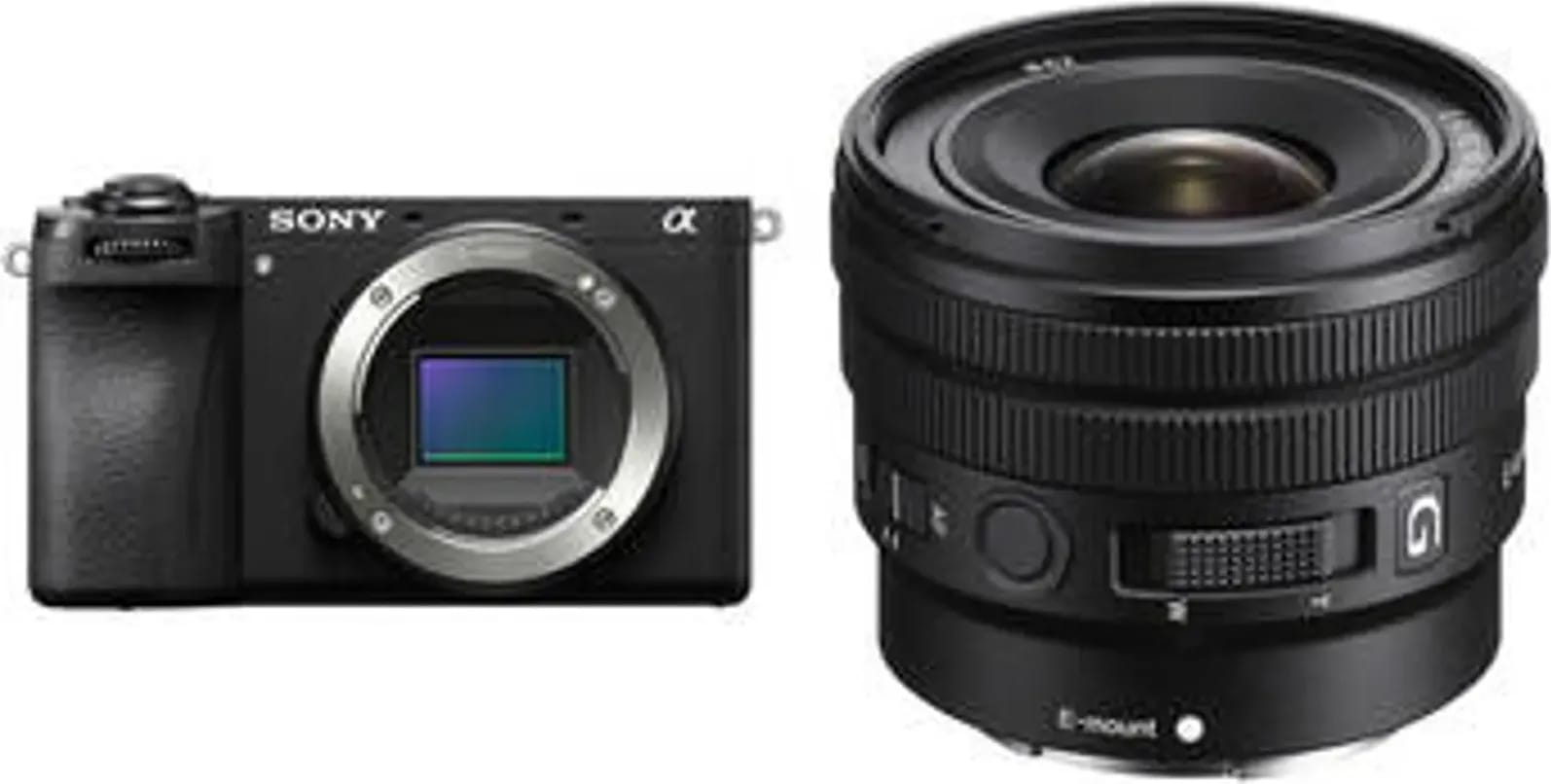
The best all-around sony a6700 telephoto lens for the moon is the Sony E 70-350mm f/4.5-6.3 G OSS, thanks to its reach, stabilization, and native E-mount fit. But depending on your budget and whether you also want wildlife or stars, a couple of other lenses deserve a hard look. Here’s how the main contenders stack up.
| Lens | Focal Length | Full-Frame Equivalent (1.5x) | Best For |
|---|---|---|---|
| Sony E 70-350mm f/4.5-6.3 G OSS | 70-350mm | 105-525mm | Moon + wildlife, best all-rounder |
| Sony E 55-210mm f/4.5-6.3 OSS | 55-210mm | 82-315mm | Budget entry, lighter reach |
| Samyang 135mm f/2 ED UMC | 135mm | 202mm | Moon + astrophotography, manual |
| Sigma 100-400mm f/5-6.3 DG DN | 100-400mm | 150-600mm | Maximum reach, wildlife crossover |
The Sony E 70-350mm f/4.5-6.3 G OSS is where I point most people. It’s a native APS-C telephoto, compact for its reach, and its OSS pairs with the body’s stabilization for handheld lunar frames when you don’t have a tripod handy. As a bonus, it doubles as a serious wildlife lens, which is why it shows up constantly in our roundup of the best used lenses for wildlife photography in 2026.
If your budget is tight, the Sony E 55-210mm f/4.5-6.3 OSS is the classic starter sony a6700 telephoto lens. At 210mm (315mm equivalent) the moon won’t fill the frame, but it’s a genuinely cheap way to learn lunar exposure before you commit to longer glass. I started here. No regrets, but I outgrew it fast.
Want the moon AND the Milky Way? The Samyang 135mm f/2 ED UMC is a manual-focus cult favorite. It’s not long enough to fill the frame with the moon, but that f/2 aperture makes it a star machine, and manual focus is no big deal when your subject is 240,000 miles away and not moving quickly. For more affordable E-mount picks across the board, our guide to the best used lenses for Sony E-mount under $1000 in 2026 is worth a scroll.
For the reach obsessives, the Sigma 100-400mm f/5-6.3 DG DN gives you a 600mm equivalent that turns the moon into a wall of craters. It’s a full-frame lens, so it’s bigger and heavier, but on the a6700 you’re getting monster reach for wildlife and lunar in one package. Used telephoto glass like this comes up on GearFocus regularly, and it holds value if you decide to move it on later. Worth a look if a long lens is on your list.
Settings and Setup That Actually Get You Craters
The right sony a6700 telephoto lens is half the battle; technique is the other half. Start manual: ISO 100, f/8 to f/11, shutter around 1/125 to 1/250, then adjust to taste. Because the moon is sunlit, you expose it far brighter than instinct suggests. If it looks like a featureless white disc, you’re overexposed, not underexposed.
Use a tripod if you have one, and here’s the trick that cost me a whole session: turn OFF lens OSS and in-body stabilization when the camera is locked down on a tripod. Stabilization systems can fight a stable base and introduce their own micro-blur. On a tripod, kill them. Handheld, keep them on. Simple rule, easy to forget.
Focus manually using the a6700’s focus magnifier, punch in on the terminator (that shadow line between light and dark), and nail the edge of a crater. Autofocus can hunt on a low-contrast bright disc, and manual focus with peaking gets you there faster. A 2-second self-timer or a remote kills shutter shake. That’s the whole recipe.
Buying Used Without Getting Burned
Telephoto lenses are ideal used-market buys because they hold up mechanically and hold their value well. When you’re shopping for a sony a6700 telephoto lens secondhand, check the front and rear elements for fungus and haze, test the zoom and focus rings for grit, and confirm OSS actually engages. On GearFocus, seller identities are verified, and the standard 48-hour verification window after delivery means you can confirm a lens is as described before you’re locked in.
That buyer protection matters more on glass than on almost anything else, because internal issues aren’t always obvious in listing photos. And if you decide to upgrade later, selling keeps most of the money in your pocket: sellers keep 91.5% of the sale price on GearFocus, meaningfully more than generalist marketplaces leave you with. If you’re still deciding between bodies, our Fujifilm X-T5 vs Sony a6700 comparison breaks down which APS-C system to build your lens kit around.
Final Frame
Moon photography on the a6700 is one of those rare things that looks hard and turns out to be mostly about reach and patience. Get a long enough lens, let the 1.5x crop do its magic, expose for daylight not darkness, and lock down your focus on the terminator. The Sony 70-350mm G is the all-rounder I’d hand most people, but any of these picks will get you craters. The best sony a6700 telephoto lens is the one that matches your budget and your other subjects, whether that’s wildlife, stars, or just that low orange moon over the rooftops. Used telephoto glass comes up on GearFocus constantly, so if lunar season is calling, it’s worth a browse before your next clear night.
FAQ
What is the best telephoto lens for moon photography on the Sony a6700?
The Sony E 70-350mm f/4.5-6.3 G OSS is the best all-around choice for most shooters. At 350mm it delivers a 525mm full-frame equivalent view on the a6700’s crop sensor, includes optical stabilization, and stays compact enough to carry. It also doubles as a strong wildlife lens, which makes it easy to justify.
Do I need a full-frame lens for the Sony a6700?
No. Native APS-C E-mount telephotos are lighter, cheaper used, and pair perfectly with the a6700. Because the moon is bright, you rarely need a fast, expensive full-frame lens. A slower APS-C telephoto with good reach and stabilization gets you excellent lunar detail for far less money and weight.
How far do you have to zoom to photograph the moon?
Aim for at least 300mm, and 400mm or more if you can. With the a6700’s 1.5x crop factor, a 350mm lens frames like 525mm, which is enough to fill a good portion of the frame with visible surface detail. Below 200mm the moon reads as a small dot.
Own one like this?
Make room for new gear in minutes.
