- Buyer protection on every order
DJI Osmo 360 II vs Used DJI Osmo 360: Is the Upgrade Worth It?
Bill Pryor
Oct 12, 2026
KEY TAKEAWAYS
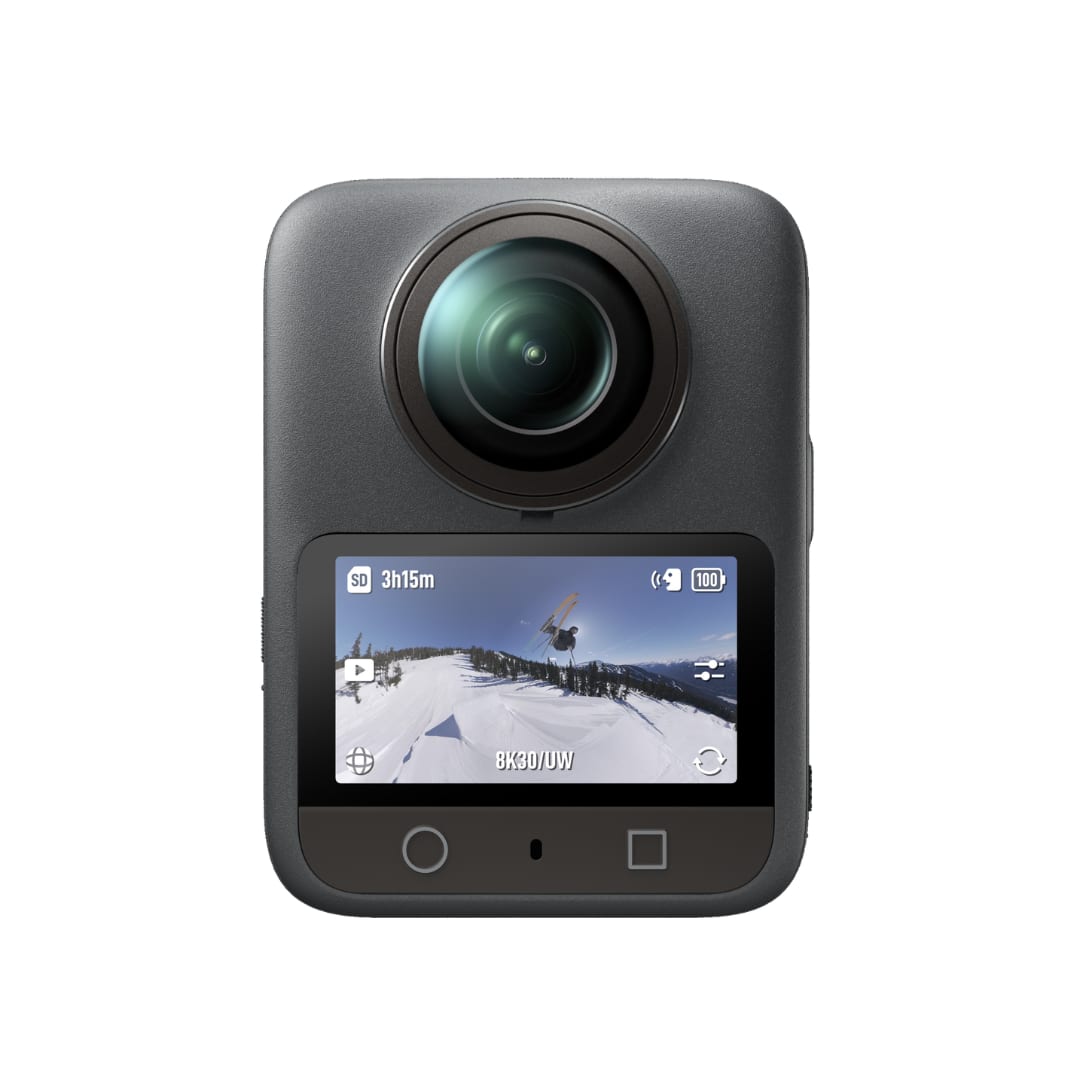
- The short answer: The DJI Osmo 360 II is the better camera, but the original Osmo 360 is about to become the better deal. If your work is 360 reframing for social, buy used and spend the savings on batteries and mounts. If you need the newest sensor and processing pipeline, buy new.
- Timing matters more than usual right now. DPReview TV went hands-on with the DJI Osmo 360 II in Vancouver on September 22, 2026, and every launch like that pushes a wave of trade-ins onto the used market weeks later.
- Used supply follows upgrade cycles, not calendars. Expect original Osmo 360 bodies to appear in volume as owners move to the DJI Osmo 360 II through the fall.
- Accessories are the hidden cost. A 360 camera without an invisible selfie stick, spare cells, and fast microSD cards is half a camera. Budget for the kit, not just the body.
- Whatever you buy, check the lens domes first. Scratched protective glass on a 360 camera shows up in every single frame, because every single frame includes both lenses.
There is a specific sound a 360 camera makes when it hits gravel. Dull, plasticky, and immediately followed by the sick feeling in your stomach as you turn it over to check which lens took the hit. I know that sound. I know it because I ran a pole-mounted 360 rig over a mountain bike trail for a summer and treated the thing like it was indestructible, which it was not.
That is the context I bring to the DJI Osmo 360 II question. Not spec sheets. Scratched domes and dead batteries at hour three.
The launch has done what launches always do. A new flagship arrives, the previous generation starts showing up in used listings, and a few thousand people simultaneously wonder whether the upgrade is worth the delta. DPReview TV put the DJI Osmo 360 II through a hands-on in Vancouver on September 22, 2026, and the internet has been arguing about it since.
So let’s make the decision properly. Not “which camera is better.” Which camera is better for you, at the price you will actually pay, in the fall of 2026.
DJI Osmo 360 II vs the Original: What Actually Changed?
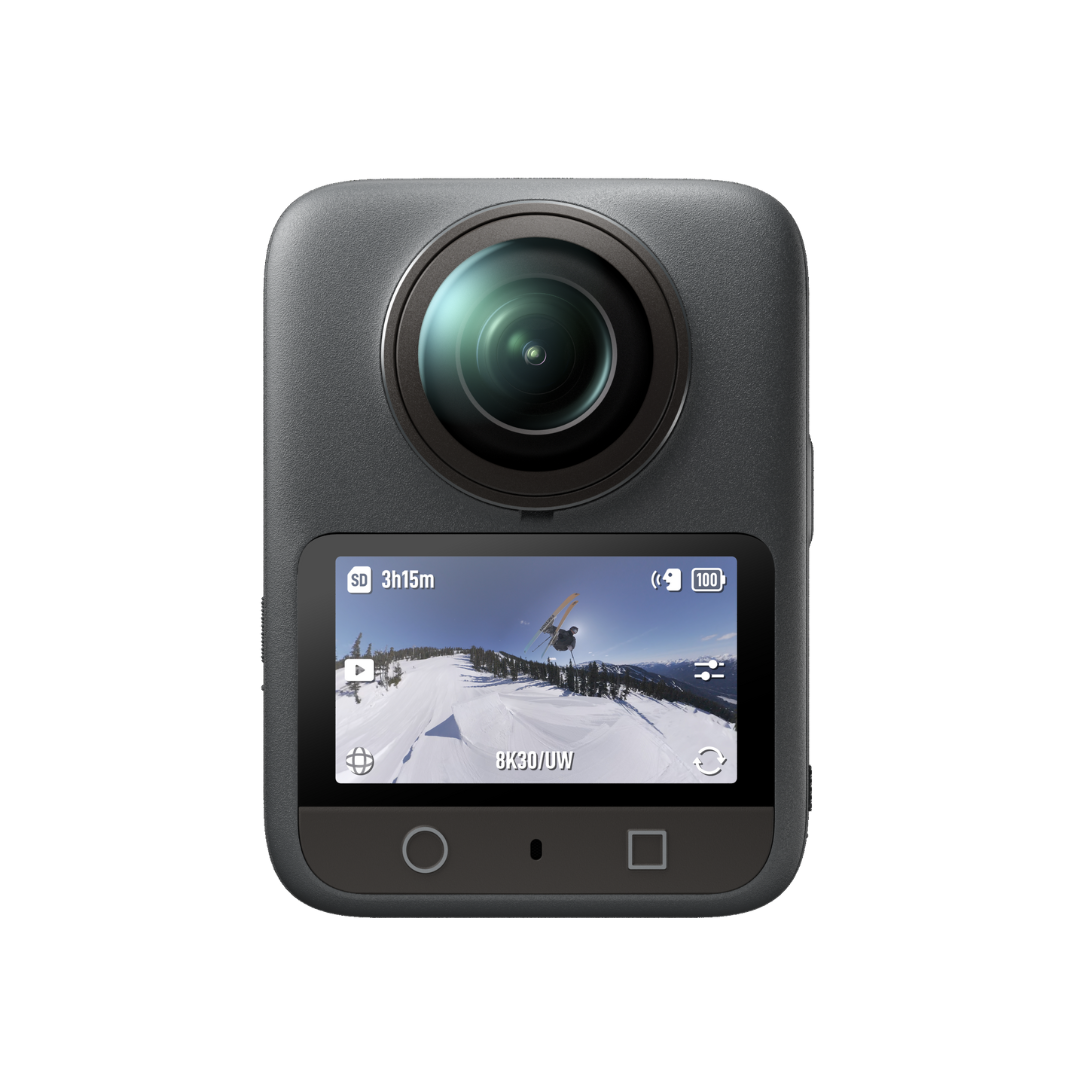
Generational updates in the 360 category tend to concentrate in four places: sensor and processing, stitching quality, battery endurance, and software. The body shape rarely moves much, because the form factor is already solved. Two lenses, a stick mount, a small screen.
That matters for this comparison more than it would for a mirrorless body. When Canon updates a full-frame camera, the ergonomics shift, the grip changes, the menu system reorganizes. When DJI updates a 360 camera, you are largely buying improved output from a device that handles the same way in your hand.
Which is good news for used buyers. The original Osmo 360 does not become awkward or obsolete the moment the DJI Osmo 360 II ships. It becomes cheaper.
The thing to interrogate is whether the improvements in the DJI Osmo 360 II land in the areas where your footage actually fails. If your 360 clips look soft because of stitching artifacts at the seam, a new processing pipeline helps enormously. If they look soft because you shot at dusk with a small sensor, a generational bump helps less than you want it to.
How Much Do You Really Save Buying the Original Used?
Here is where the honest answer is less satisfying than the confident one. Used 360 camera pricing moves fast in the weeks after a successor launches, and anybody quoting you a hard number in the first month of that window is guessing.
What is predictable is the shape of the curve. Used prices on a superseded flagship typically soften as trade-in volume rises, then stabilize once the upgrade wave passes. That window, right now, through the fall, is where the buying leverage sits.
We broke down the mechanics of that price movement in our piece on what the DJI Osmo 360 II launch means for used Osmo 360 prices, and the same pattern held when the Action line turned over. If you want the precedent, look at how used Osmo Action 5 and Action 4 prices behaved after the Action 6 announcement. Same manufacturer, same upgrade rhythm, same softening.
Original Osmo 360 units come up on GearFocus regularly, and that cadence usually picks up in the weeks after a headline launch like this one. Worth watching if the savings, not the spec bump, is what’s driving your decision.
The Comparison Table: DJI Osmo 360 II vs Used Osmo 360
| Decision Factor | DJI Osmo 360 II (new) | Original Osmo 360 (used) |
|---|---|---|
| Price position | Full current retail | Softening as upgrade trade-ins arrive |
| Warranty | Full manufacturer coverage | Varies by unit and age |
| Availability | New stock, launch-window supply | Rising through fall 2026 as owners upgrade |
| Accessory ecosystem | Current-generation mounts and cases | Widely available, often bundled by sellers |
| Best suited to | Creators who need the newest processing pipeline | Reframing-for-social shooters who prioritize value |
| Main risk | Paying launch pricing for incremental gains | Scratched lens domes and worn batteries |
No spec-by-spec sensor column here, and that is deliberate. GearMaster’s verified database does not yet carry full published specifications for either 360 model, and inventing numbers to fill a table is how comparison articles become useless. The decision factors above are the ones that actually change your outcome anyway.
If you want a sense of how DJI builds this class of camera, the verified DJI Action 360 Action Camera data on GearFocus is instructive. That camera runs a 1/2.3-inch sensor, 12MP stills at 4000×3000, 4K video to 60fps, H.264 and H.265 recording, an 8-bit pipeline with Standard and Cinelike profiles, and an ISO ceiling of 3200. That is GearFocus GearMaster data, and it sketches the family resemblance: small sensors, generous frame rates, grading latitude that runs out faster than you would like.
Who Should Buy the DJI Osmo 360 II New
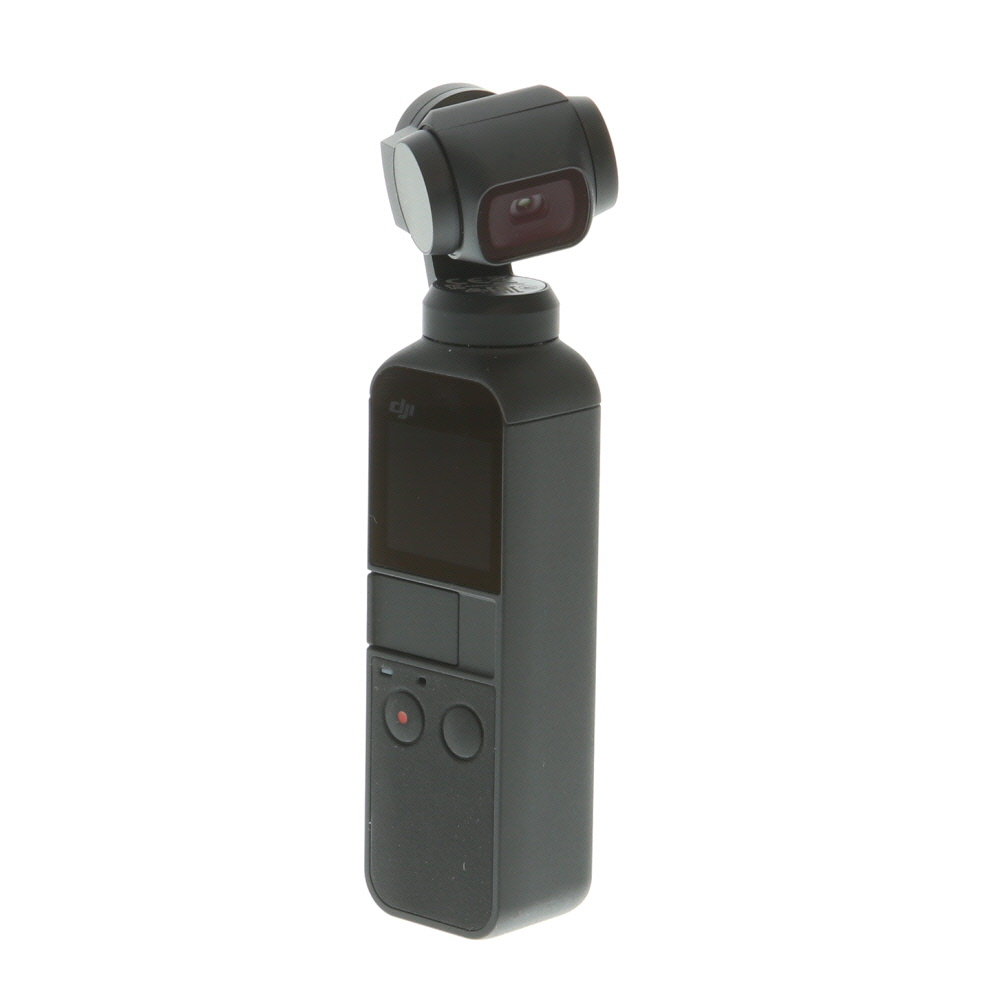
Buy new if you are shooting client work where the deliverable is a reframed vertical cut and the client will notice stitch lines. Improvements to the processing pipeline are worth real money when the output is the product.
Buy new if you need warranty coverage. Action and 360 cameras live hard lives. They get dropped, submerged, mounted to things moving at speed. Manufacturer coverage on a device you plan to abuse is not a luxury purchase.
Buy new if you are standardizing a multi-camera setup. Matching two DJI Osmo 360 II units for a multi-angle shoot is easier than matching a new one to a used one with a different firmware history and a differently worn set of domes.
And buy new if you simply want the current thing and have the budget. That is a legitimate reason. Nobody needs to justify wanting the new camera. The trap is pretending it is a value decision when it is a preference decision, because that is how people end up disappointed by a modest generational gain.
Who Should Buy the Original Osmo 360 Used Instead
Buy used if your 360 footage ends its life as a reframed 1080p or 4K flat clip on social. The reframing crop throws away most of the resolution advantage anyway. You are paying for pixels you will delete in post.
Buy used if this is your first 360 camera. The workflow is genuinely different from a conventional action cam, the software learning curve is real, and some people discover after two months that they do not enjoy reframing footage. Finding that out on a used body costs considerably less.
Buy used if you need two cameras and can only afford one new one. Two original Osmo 360 bodies covering two angles will beat one DJI Osmo 360 II covering one angle in most practical shoots. Coverage beats sharpness more often than gear forums admit.
Buy used if you are hard on equipment. I will confess to something here. I once mounted a 360 camera to a handlebar with a cheap third-party clamp because I was in a hurry and did not want to walk back to the car for the proper mount. It survived the ride. It did not survive the parking lot afterward, when the clamp let go on a curb. Expensive lesson about gear you cannot bear to damage.
What to Inspect Before Buying a Used Osmo 360
360 cameras have a failure mode that conventional cameras do not: both lenses are always in the shot. On a mirrorless body, a scuff on the front element might cost you a little contrast in backlight. On a 360 camera, a scratch on either dome appears in every frame of every clip, permanently, in a fixed position.
So the dome check comes first. Ask the seller for direct photos of both protective lenses under raking light, not ambient. Small marks hide well in soft lighting and show themselves the moment sun hits the glass.
Second, batteries. Cells in action cameras cycle hard and heat up during 4K capture. A pack that held a full session a year ago may hold two thirds of one now. Ask how many batteries are included and roughly how much the unit has been used.
Third, mounting hardware. The stick mount, the quick-release, the case. A bundle that includes an invisible selfie stick and a couple of spare cells is worth meaningfully more than a bare body, and sellers do not always price that correctly in your favor or theirs.
Fourth, firmware and account history. Ask that the camera be unlinked from the seller’s account before shipping. It is a two-minute job on their end and a frustrating afternoon on yours if they forget.
Is the DJI Osmo 360 II Worth the Upgrade if You Already Own the Original?
Different question from the one most of this article has been answering, and it deserves its own section because the math is genuinely different.
If you already own the original, your upgrade cost is not the retail price of the DJI Osmo 360 II. It is the retail price minus whatever your current body sells for. That gap is smallest right now, in the launch window, while used demand for the original is still warm and supply has not fully arrived.
Which creates an uncomfortable timing tension. Sell early and you capture a better price for your old body, but you are competing with every other upgrader who had the same idea. Wait, and supply thickens while your resale value thins.
My read: if you are upgrading anyway, list sooner rather than later. If you are undecided, the decision is probably no. Generational 360 upgrades tend to reward people with a specific unmet need, not people with general dissatisfaction.
Sellers keep 91.5% of the sale price on GearFocus, which is a meaningfully better split than generalist marketplaces where the platform takes a larger cut of gear it knows nothing about. If you are funding a DJI Osmo 360 II by moving your current body, that percentage is not a rounding error.
How the DJI Osmo 360 II Fits DJI’s Wider Lineup
Worth a moment, because a lot of people shopping for a DJI Osmo 360 II should probably be shopping for something else entirely.
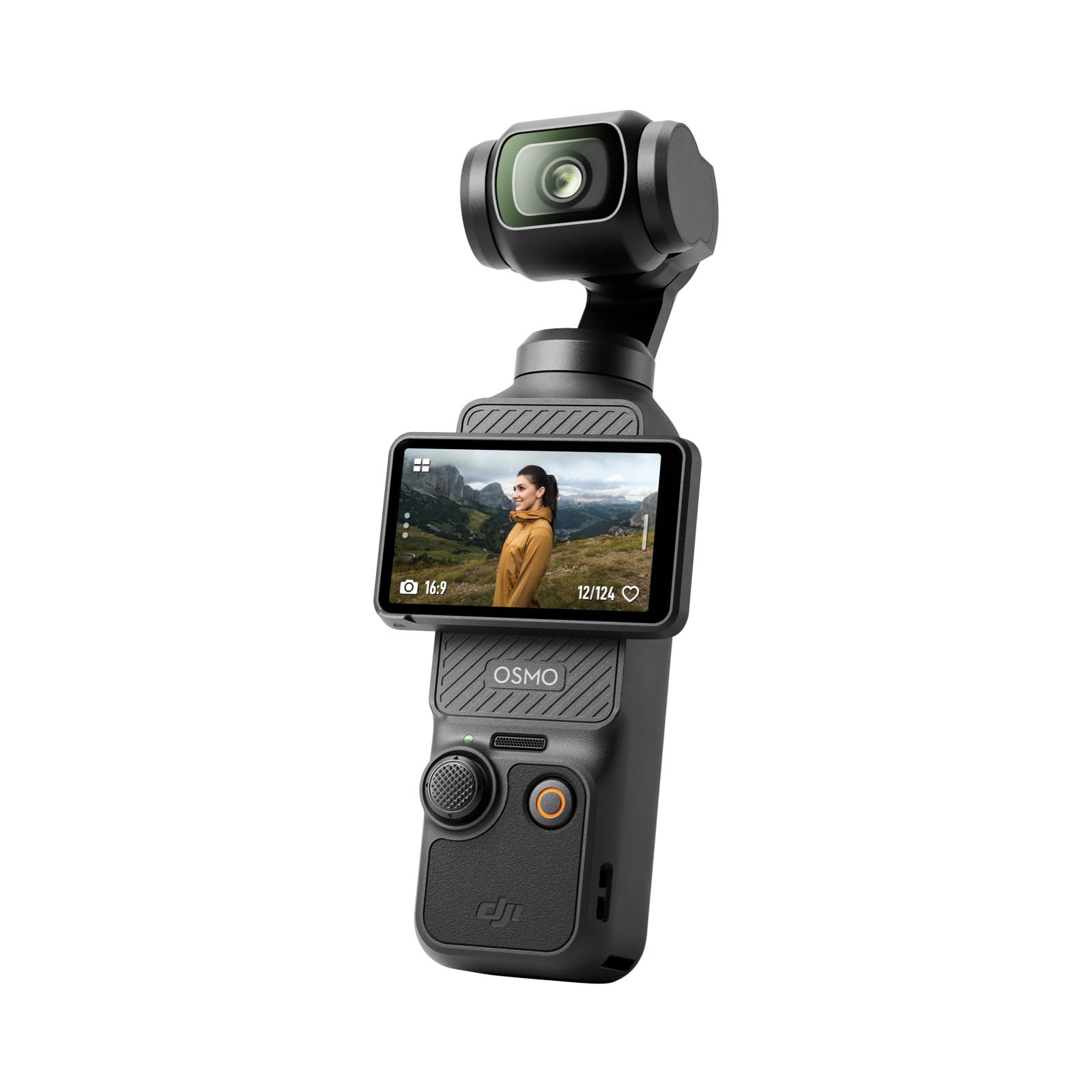
If what you actually want is smooth, stabilized, conventional video from a pocketable device, a gimbal camera serves you better than a 360 camera. GearFocus GearMaster data on the DJI Osmo Pocket lists a 1/2.3-inch 12MP sensor, 3-axis gimbal stabilization plus digital IS, 4K at 24, 30, and 60fps, a 140-minute battery rating, and a body weighing 116g at 121.9 x 36.9 x 28.6mm. No 360 reframing, no stitching, no learning curve. Just stabilized footage.
The tradeoff is documented in the same data: no weather sealing, an 8-bit color pipeline, and an ISO ceiling of 3200. A gimbal camera is not a rugged camera.
If you are weighing that fork seriously, our comparison of the Insta360 Luna Ultra versus the DJI Pocket 4P, and whether a used Pocket 3 beats both, covers it in depth. And if you decided against 360 capture entirely and want a conventional action cam, the used DJI Osmo Action 5 buying guide walks the same launch-cycle logic through a different product line.
The Accessory Math Nobody Runs First
Here is the part that catches people. A 360 camera body is maybe 60% of what you need to shoot with one.
The invisible selfie stick is not optional, it is the entire point of the format. Spare batteries are not optional, because 360 capture is power-hungry and a single cell does not survive a real shooting day. Fast, high-capacity microSD cards are not optional, because dual-lens capture writes a lot of data.
Run that total before you commit to the DJI Osmo 360 II at retail. For some buyers, the gap between new and used covers the entire accessory kit, which turns a body-versus-body comparison into a body-versus-complete-setup comparison. That is a different decision with a different answer.
Second confession, and this one still annoys me: I bought a 360 camera and then spent six weeks shooting without an invisible stick because I assumed the bundled tripod grip was fine. Every clip had my hand in it. Every single one. Six weeks of footage I could not reframe cleanly because I skipped a cheap accessory.
Buying Protection on Either Side of the Decision
Whichever way you land, know what happens if the thing arrives wrong. Every purchase on GearFocus carries a 48-hour verification window after delivery. If the camera is not as described, you return it at no charge and the seller covers return shipping.
Some sellers additionally offer a 14-day no-questions-asked return. That is seller-specific, not platform-wide, and it excludes drones and items listed in Poor or As-Is condition. Items over $1,500 carry a 15% restocking fee under that policy.
Poor and As-Is listings are final sale. Worth knowing before you chase the cheapest listing on the page.
Most orders ship within one to three business days, which for a fall shooting window is the difference between having the camera for foliage season and not.
BOTTOM LINE
- Buy the DJI Osmo 360 II new if: stitching quality is the deliverable, you need warranty coverage, or you are matching multiple bodies for a multi-angle setup.
- Buy the original used if: your output is reframed social video, this is your first 360 camera, you want two angles instead of one, or you are genuinely hard on gear.
- Already own the original? Upgrade only for a specific unmet need. If you do upgrade, list your current body early in the launch window, before supply thickens.
- Inspect before you buy: both lens domes under raking light, battery count and condition, included mounts and sticks, and confirmation the unit is unlinked from the seller’s account.
- Budget the full kit: invisible stick, spare cells, fast microSD. The accessory gap often equals the new-versus-used price gap.
Where This Leaves You
The DJI Osmo 360 II is the newer camera and it will, in measurable ways, produce better output than the model it replaces. That was never in question. What is in question is whether those gains land where your footage currently fails, and for a large share of 360 shooters, they do not.
The original Osmo 360 is about to get cheaper because a lot of people are answering that question with “yes, upgrade” and putting their old bodies up for sale. Their upgrade is your discount. That is how this market has always worked, and it is the most reliable value mechanism in used gear.
So decide honestly. If the DJI Osmo 360 II solves a problem you actually have, buy it and enjoy it. If you are mostly reacting to a launch video, take the savings, buy used, and put the difference into the sticks and batteries that will do more for your footage than a sensor revision ever will. Original Osmo 360 bodies come up on GearFocus steadily, and this fall they will come up more.
FAQ
Is the DJI Osmo 360 II worth it over a used original Osmo 360?
It depends on output. If clients see your stitching and reframing quality directly, the DJI Osmo 360 II justifies its price. If your clips end as reframed social video, a used original delivers nearly the same finished result for less.
Will used Osmo 360 prices drop after the DJI Osmo 360 II launch?
Used prices on superseded flagships typically soften as upgrade trade-ins reach the market, then stabilize once that wave passes. Expect original Osmo 360 supply to build through fall 2026 as owners move to the newer model.
What should I check when buying a used 360 camera?
Both lens domes under direct raking light, since scratches appear in every frame. Then battery count and condition, included mounts and invisible stick, and confirmation the seller unlinked the camera from their DJI account before shipping.
Should I sell my original Osmo 360 now or wait?
Sell early if you are upgrading. Resale values are strongest before trade-in supply thickens. Sellers keep 91.5% of the sale price on GearFocus, so timing the listing matters more than shaving the asking price later.
Is a 360 camera or a gimbal camera better for vlogging?
Gimbal cameras suit conventional vlogging with less post work. GearMaster data lists the DJI Osmo Pocket at 116g with 3-axis stabilization and 4K60. Choose 360 only if you genuinely want reframing flexibility.
Own one like this?
Make room for new gear in minutes.
