- Buyer protection on every order
Selling Your Sony FX3 or FX6 After the FX5 Launch: A Timing Guide
Bill Pryor
Aug 3, 2026
KEY TAKEAWAYS
- The short answer: If you want to sell used Sony FX3 bodies at a strong price, list before the FX5 ships in volume. Successor launches pull used prices down as owners upgrade and supply climbs. Clean, complete, honestly described listings posted early capture the buyers who move first.
- Timing beats haggling: The best price you will get is the one you ask for before the market floods, not the one you defend after.
- Completeness is money: Cage, batteries, XLR handle, original box. Bundled bodies move faster and hold value better than bare ones.
- Fees matter on a $2,000+ sale: GearFocus sellers keep 91.5% of the sale price, which is a meaningful chunk on a cinema body.
- Honesty is the fastest sales tool: Disclose the dents, the hours, the sensor dust. Buyers reward it, and the 48-hour verification window means surprises come back to you anyway.
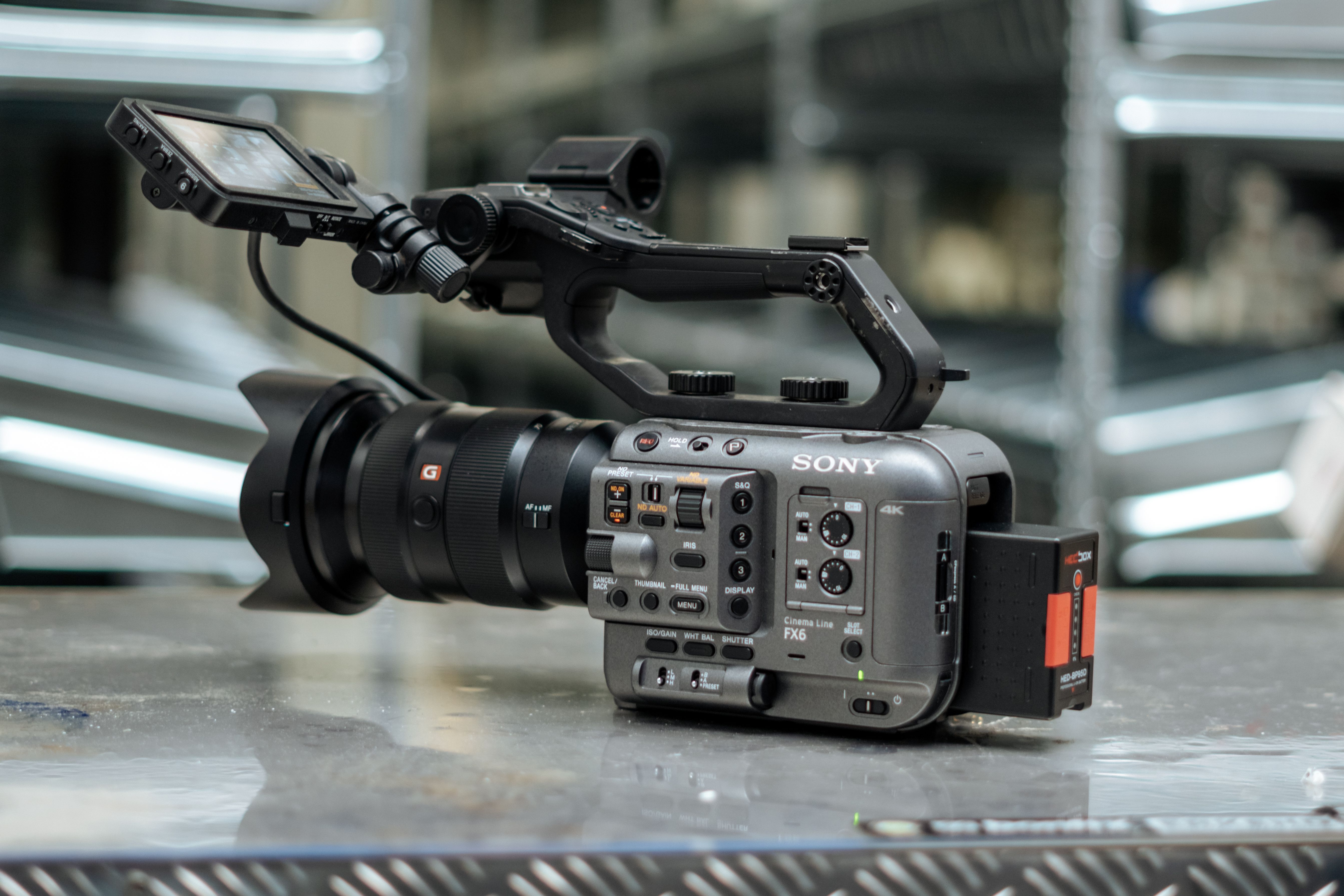
The FX3 in my Pelican case has a scuff on the top plate from a light stand that fell over during a corporate interview setup. I remember the sound. I also remember thinking, well, that’s the resale value gone. It wasn’t, as it turns out. But I’ve been thinking about that scuff a lot this week, because the reason to sell used Sony FX3 bodies right now has nothing to do with cosmetics and everything to do with the calendar.
Sony announced the FX5 with internal 16-bit RAW recording and low-light autofocus, and CineD’s coverage of the announcement lays out exactly why that matters to the rest of the lineup. Internal RAW was the thing FX3 and FX6 owners griped about for years. Now it exists a rung up the ladder.
You know what happens next. Owners upgrade. Bodies hit the market. Supply rises. Prices soften. That’s not doom, it’s just physics, and it’s completely manageable if you plan for it. This guide walks through how to sell used Sony FX3 bodies with the timing, pricing, and listing craft that keeps you on the good side of that curve.
Why Now Is the Window to Sell Used Sony FX3 Bodies
Here’s the deal with successor launches. The price slide doesn’t start when the new camera ships. It starts when the new camera is announced, because that’s when the decision gets made in a thousand different heads at once.
Some of those people place a preorder in July and list their FX3 in August. Some wait until the FX5 is physically in their hands. Some wait until they see what their body is going for and then panic. The sellers who do best are the first group. The ones who do worst are the third.
If you have already decided to sell used Sony FX3 gear this year, the argument for moving in the next few weeks is straightforward: you are competing against a smaller pool of listings today than you will be competing against in October. Fewer comparable bodies means less price pressure, and it means your listing does not have to be the cheapest one to get seen.
There is a second timing factor stacked on top of it. Late summer into fall is wedding and event season winding down and corporate Q4 budgets opening up. Shooters who deferred a camera purchase through the busy months start buying again in August and September. Demand is not soft right now. Supply just hasn’t caught up yet.
That gap is the window. It closes.
Pricing: What Actually Sets the Number

I priced my first cinema body wrong, and I priced it wrong in the direction nobody warns you about. I went too low. Sold in about nine hours, felt clever for exactly one day, then watched a comparable body with worse cosmetics sell for noticeably more the following week.
Speed is not the same thing as success. If your listing sells in under 24 hours, you left money on the table. That is a signal, not a victory lap.
When you set out to sell used Sony FX3 bodies, look at what comparable listings are actually asking, not what a single outlier posted. GearFocus Pricing Guide data is the honest starting point here because it reflects the platform’s real transaction history rather than wishful asking prices. Check it before you commit to a number.
Then adjust for the things that genuinely move the needle:
- Recording hours and thermal history: FX3 buyers care about heat management. A body that has lived on a gimbal in Arizona is a different product than one that has lived in a studio.
- Cosmetic condition: Cinema buyers are more forgiving than stills buyers about scuffs, because the camera is expected to work. They are much less forgiving about anything near the mount or the ports.
- What’s in the box: Original packaging, the XLR handle unit, extra NP-FZ100 batteries, a cage, and a top-plate monitor mount all add real value.
- Firmware and service history: Current firmware and any Sony Pro Support service records are worth mentioning explicitly.
Price with a little air in it. Not a lot. Ten percent of negotiating room reads as normal on a cinema body. Thirty percent reads as someone who doesn’t know what they have.
Should You Sell the FX6 Too?
If you own both, the honest answer depends on what the FX5 actually replaces in your workflow, and that’s a question only you can answer. But the market pressure applies to both bodies. The FX6 has more to lose in absolute dollars because it sits at a higher price point, which means a percentage slide costs more.
The FX3 has a different advantage: it is the compact hybrid body that a huge number of solo shooters want as a B-cam or a gimbal camera, and that demand does not evaporate because a higher-end sibling launched. There will still be a strong market to sell used Sony FX3 bodies into next year. It just won’t pay as well.
If you’re weighing the whole lineup, our breakdown of the best used Sony cinema cameras comparing the FX3, FX30, and FX6 is a useful reality check on where each body actually sits.
How to Write a Listing That Sells

Cinema buyers read differently than stills buyers. They are usually spending business money, often on a deadline, and they are scanning for reasons to disqualify you before they scan for reasons to buy.
Give them nothing to disqualify.
Lead with the specifics. Body only or kit. Approximate recording hours if you track them. Cosmetic grade in plain language. Whether it has ever been serviced or dropped. Put the disqualifying information first, not buried in paragraph four, because a buyer who finds a problem late feels misled even when you disclosed it.
Photograph it properly. You are a filmmaker. Act like it. Soft window light, neutral background, and shoot every side including the base plate and the mount. Photograph the flaws deliberately and in focus. A clear photo of a scuff sells better than no photo of a scuff, because the buyer’s imagination is always worse than reality.
Show the accessories laid out. One overhead shot of the body, handle, batteries, charger, cage, and box tells the value story faster than a paragraph does.
Write like a human. “Used for corporate and documentary work, always cased in transit, no drops” tells a buyer more about how the camera lived than any condition grade. That context is why people trust listings.
Our general guide on how to sell your used Sony cinema camera goes deeper on listing mechanics if you want the full walkthrough.
Shipping and Buyer Protection
Most GearFocus orders ship within one to three business days, and cinema bodies need more care than that timeline suggests. Double-box. Remove the battery. Put the body in its original foam or in cut foam, not in loose peanuts, and never ship with a lens mounted unless you have supported the mount independently.
The standard GearFocus policy gives buyers a 48-hour verification window after delivery. If the item is not as described, the return costs you the shipping. That sounds like a risk. It is actually the reason your listing works, because it is what lets a stranger send you thousands of dollars for a camera they cannot hold.
Describe accurately and the window is a non-event. I have never had one come back. Neither have most sellers who write honest listings.
Worth knowing: if you list an item as Poor or As-Is, it is final sale with no returns. That is a legitimate option for a beat-up body, and it should be reflected in the price.
What You Actually Keep When You Sell Used Sony FX3 Gear
Fees are boring right up until you do the arithmetic on a cinema body. On GearFocus, sellers keep 91.5% of the sale price. The total fee is 8.5%.
On a small lens, that difference between platforms is a coffee. On a $2,500 camera body, it is real money, and it is money you keep for doing exactly the same amount of work. When you compare offers or platforms as you decide where to sell used Sony FX3 bodies, run the net number, not the sale price. The net is what lands in your account.
The other quiet advantage is who you are selling to. GearFocus is built for photographers and filmmakers specifically, with verified seller identities rather than generic account-age checks. That means fewer tire-kickers, fewer lowball messages from people who don’t know what an FX3 is, and buyers who already understand why recording hours matter.
A Realistic Timeline
Here’s how I’d sequence it if I were selling this month.
This week: Clean the body, gather every accessory, find the box, check the firmware version, and shoot your photos. This is two hours of work and it is the highest-leverage two hours in the whole process.
Next week: Check Pricing Guide data, set your number with modest negotiating room, and list. Do not wait for a “better moment.” The better moment was already priced in when the FX5 was announced.
Two weeks in: If you have interest but no offers, adjust the price once, decisively. Small repeated drops signal desperation. One meaningful drop signals a seller who is serious.
Four weeks in: If it hasn’t moved, the problem is almost never the camera. It’s the photos, the description, or a price that ignored what comparable bodies are doing.
One more thing. If you are also clearing out hybrid bodies alongside the cinema kit, the same timing logic applies, and our guide to selling your used Sony A7-series camera covers that side of the lineup.
BOTTOM LINE
- List early: Supply rises after a successor announcement, so sell used Sony FX3 bodies before the FX5 ships in volume rather than after.
- Price from data, not hope: Use Pricing Guide figures as your anchor and build in about 10% of negotiating room.
- Bundle everything: Handle unit, batteries, cage, charger, original box. Complete kits sell faster and higher.
- Disclose flaws in the first paragraph: The 48-hour verification window makes honesty the efficient choice.
- Double-box and remove the battery: Ship within one to three business days and pack it like you would ship it to a client.
- Check the net: Keeping 91.5% on a cinema-body sale is a meaningful margin on a four-figure transaction.
The camera in your case did not get worse this month. It shoots exactly what it shot in June. What changed is the story the market tells about it, and stories move faster than gear does. That is the only real reason to sell used Sony FX3 bodies now rather than in December, and it is reason enough. Get your photos done, get your number right, and list it while the buyers still outnumber the sellers. Have one ready to go? List it on GearFocus and let the people actively searching for it find it first.
FAQ
When is the best time to sell used Sony FX3 bodies?
Before a successor ships in volume. The FX5 announcement started the clock, and used supply typically climbs as owners upgrade. Listing early means competing against fewer comparable bodies and holding a stronger price.
How do I price my FX3 to sell fast without losing money?
Start from GearFocus Pricing Guide data for comparable condition, then add roughly 10% of negotiating room. If your listing sells within a day, you priced too low. Two to three weeks is healthy.
Does the scuffed body hurt my sale much?
Less than you think on a cinema camera. Buyers expect working tools to show wear. Photograph the flaw clearly, describe it plainly, and price accordingly. Damage near the mount or ports matters far more than top-plate scuffs.
What accessories should I include when I sell used Sony FX3 gear?
The XLR handle unit, spare NP-FZ100 batteries, charger, any cage or top plate, and the original box. Complete kits sell faster and command more than bare bodies at the same condition grade.
What fee does GearFocus charge on a cinema camera sale?
Sellers keep 91.5% of the sale price, meaning a total fee of 8.5%. On a four-figure body that difference against generalist marketplaces is substantial, so compare your net proceeds rather than the listed price.
Photo: Hasan Gulec
Own one like this?
Make room for new gear in minutes.
