Used Drone Cameras and Gear for Aerial Photographers
Drone photographers need compact, stabilized aerial systems with large sensors and adjustable apertures for controlled exposure at altitude. The DJI Mavic 3, DJI Air 2S, and Autel Evo II Pro are the most capable consumer and prosumer options, while the DJI Inspire 2 with Zenmuse X7 represents the professional tier. For professional aerial work, the minimum viable standard is a 1-inch or larger sensor, a 3-axis gimbal with sub-degree stabilization, and adjustable aperture from f/2.8 to f/11 — drones below that sensor threshold lack the dynamic range and low-light capability that separates professional aerial images from hobbyist footage. GearFocus connects you with verified sellers offering used drones and aerial cameras starting from under $200, with 48-hour buyer protection on every purchase.
Browse Drone Photography and VIdeography GearUsed Drone Cameras and Gear for Aerial Photographers
Drone photographers need compact, stabilized aerial systems with large sensors and adjustable apertures for controlled exposure at altitude. The DJI Mavic 3, DJI Air 2S, and Autel Evo II Pro are the most capable consumer and prosumer options, while the DJI Inspire 2 with Zenmuse X7 represents the professional tier. For professional aerial work, the minimum viable standard is a 1-inch or larger sensor, a 3-axis gimbal with sub-degree stabilization, and adjustable aperture from f/2.8 to f/11 — drones below that sensor threshold lack the dynamic range and low-light capability that separates professional aerial images from hobbyist footage. GearFocus connects you with verified sellers offering used drones and aerial cameras starting from under $200, with 48-hour buyer protection on every purchase.
Browse Drone Photography and VIdeography GearWhat Drone Photography and VIdeography Photographers Need
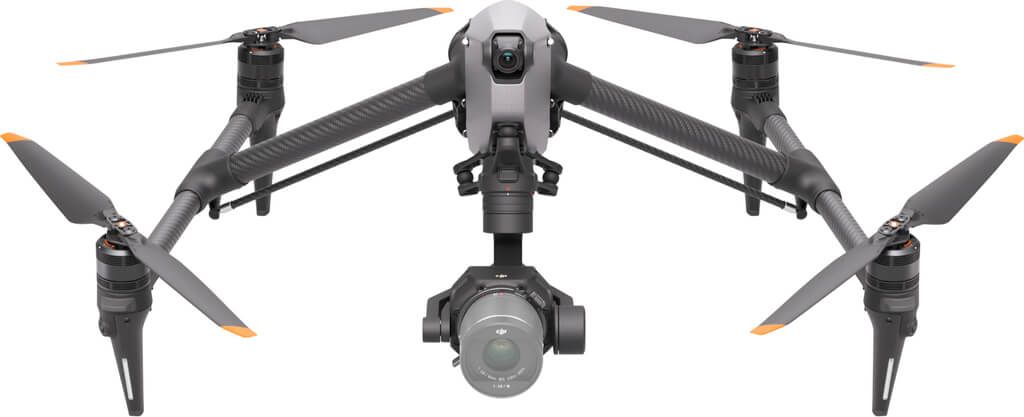
Drone photography sits at the intersection of piloting skill and photographic judgment. The gear matters, but so does understanding how aerial perspective changes compositional logic — you're working with compressed foregrounds, geometric patterns visible only from above, and light that changes faster than on the ground. For budget aerial work, the DJI Mini 3 and DJI Air 2S punch above their weight. The Air 2S in particular has a 1-inch sensor — the key threshold for serious image quality in a consumer drone — with adjustable aperture and strong dynamic range. The Autel Evo Nano+ is a compact alternative with solid video specs. Mid-range operators use the DJI Mavic 3 Cine, which shoots ProRes on a Micro Four Thirds sensor with a triple-camera system covering wide, medium, and telephoto perspectives. The DJI Inspire 3 is a step up for operators who need interchangeable lenses and cinema-grade output. At the professional tier, the DJI Inspire 2 with a Zenmuse X7 lens set supports Super 35 RAW recording with interchangeable DL-mount cinema lenses including a 50mm f/2.8. Large custom rigs using Freefly Alta frames with RED or ARRI cameras are the standard for Hollywood aerial work. Key specs to evaluate: sensor size (1-inch minimum for quality work), 3-axis gimbal stabilization, maximum video resolution and frame rates, and raw or log video profiles for post-production flexibility.
Recommended Drone Photography and VIdeography Gear
Budget Drone Photography and VIdeography Gear
Good stabilization, decent resolution, manageable price, simpler flight controls
Cameras
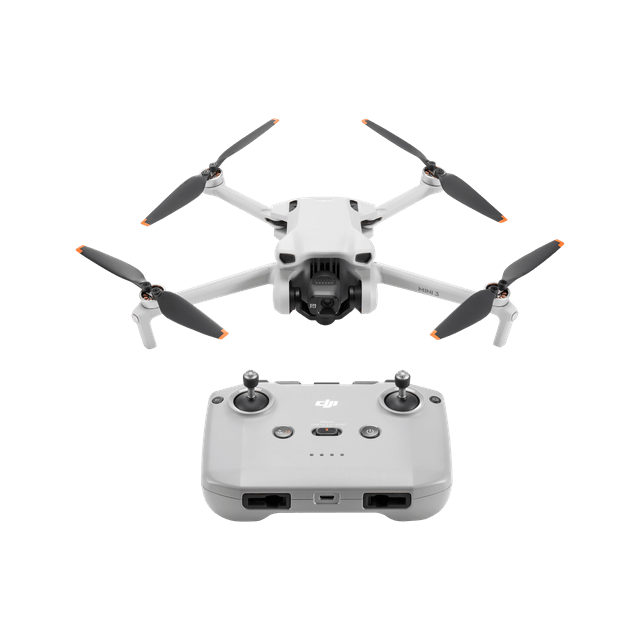
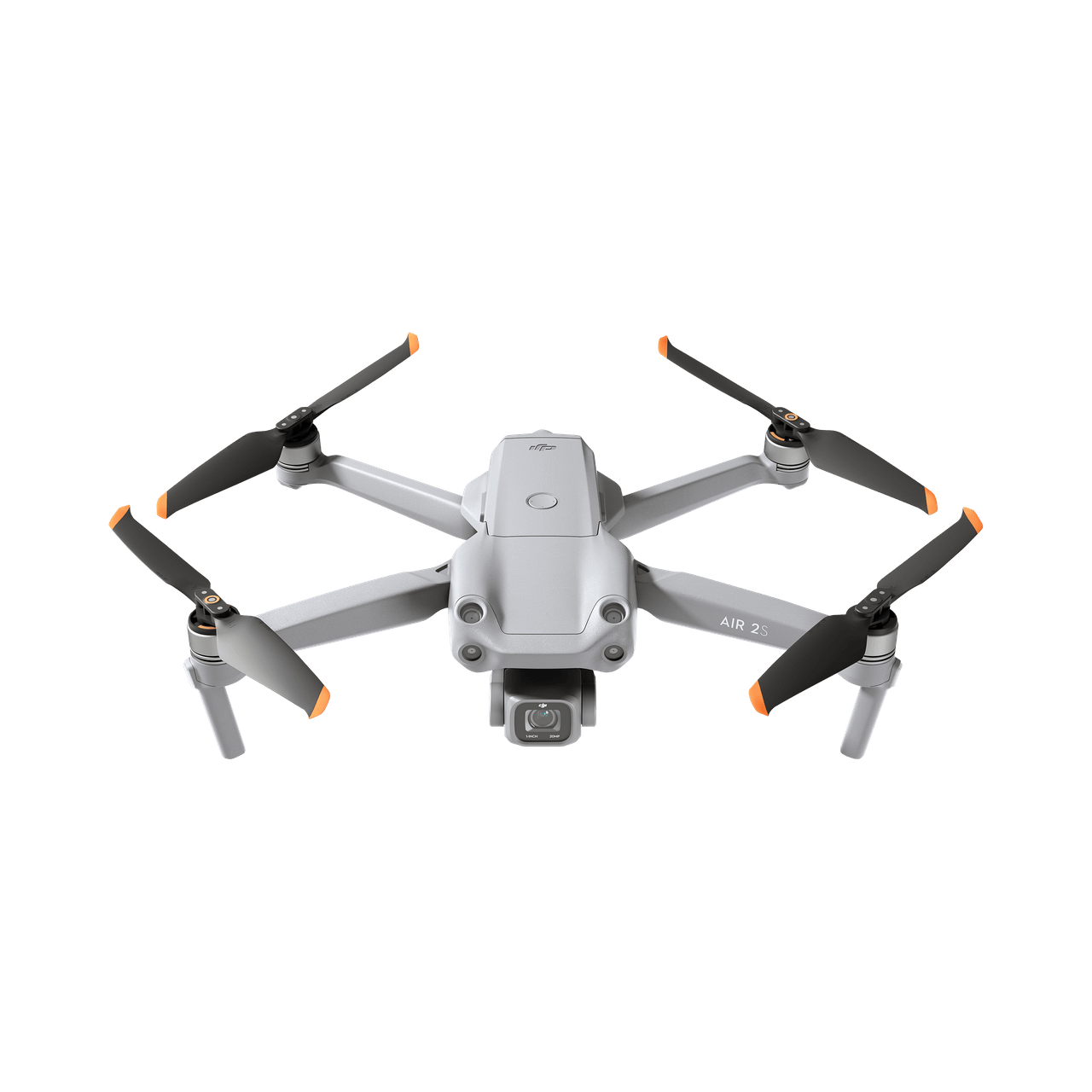
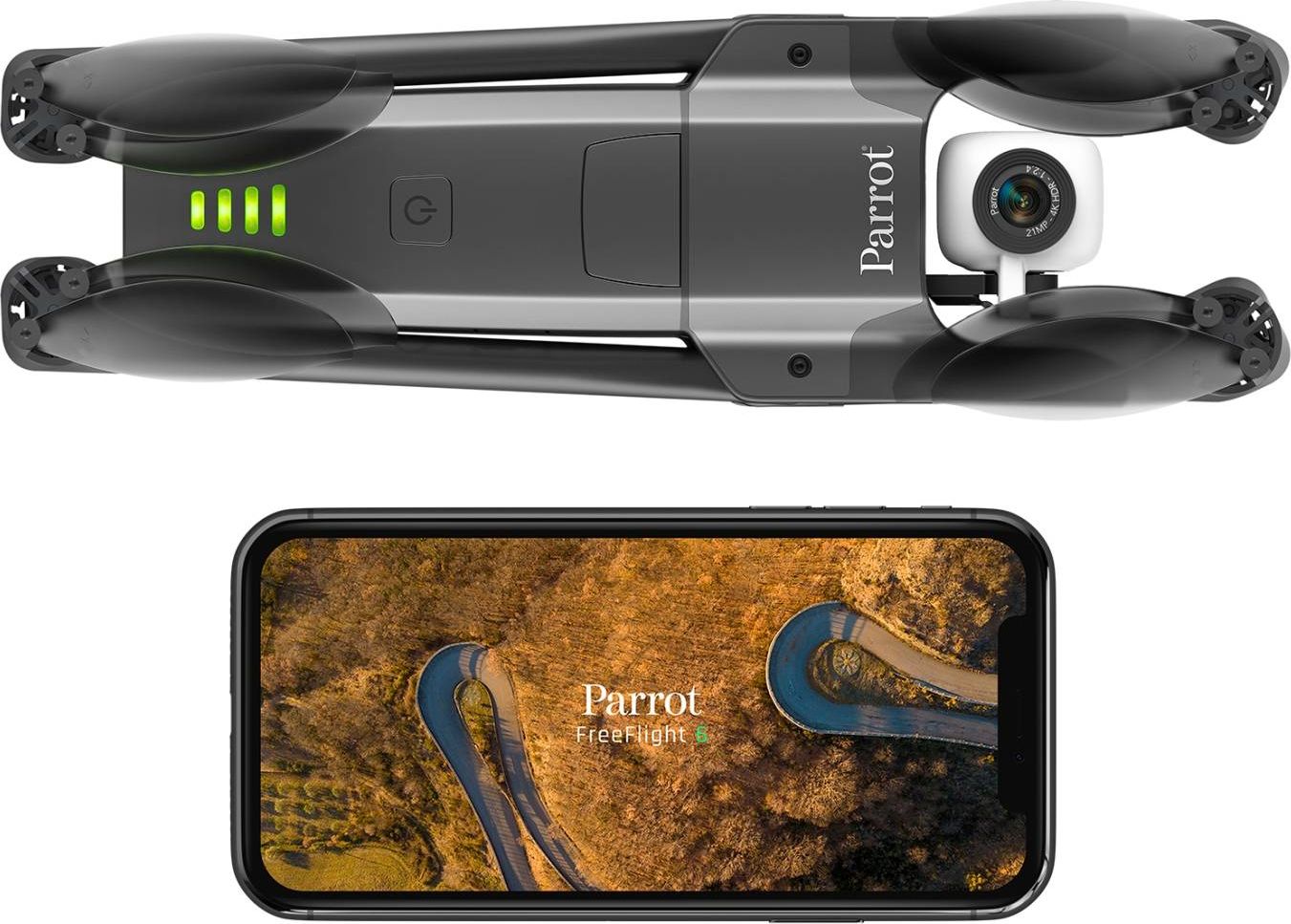
Lenses
DJI Mini 3 Pro integrated lens
DJI Air 2S integrated lens
Autel EVO Nano+ lens
Parrot Anafi lens
older DJI Mavic Pro lens
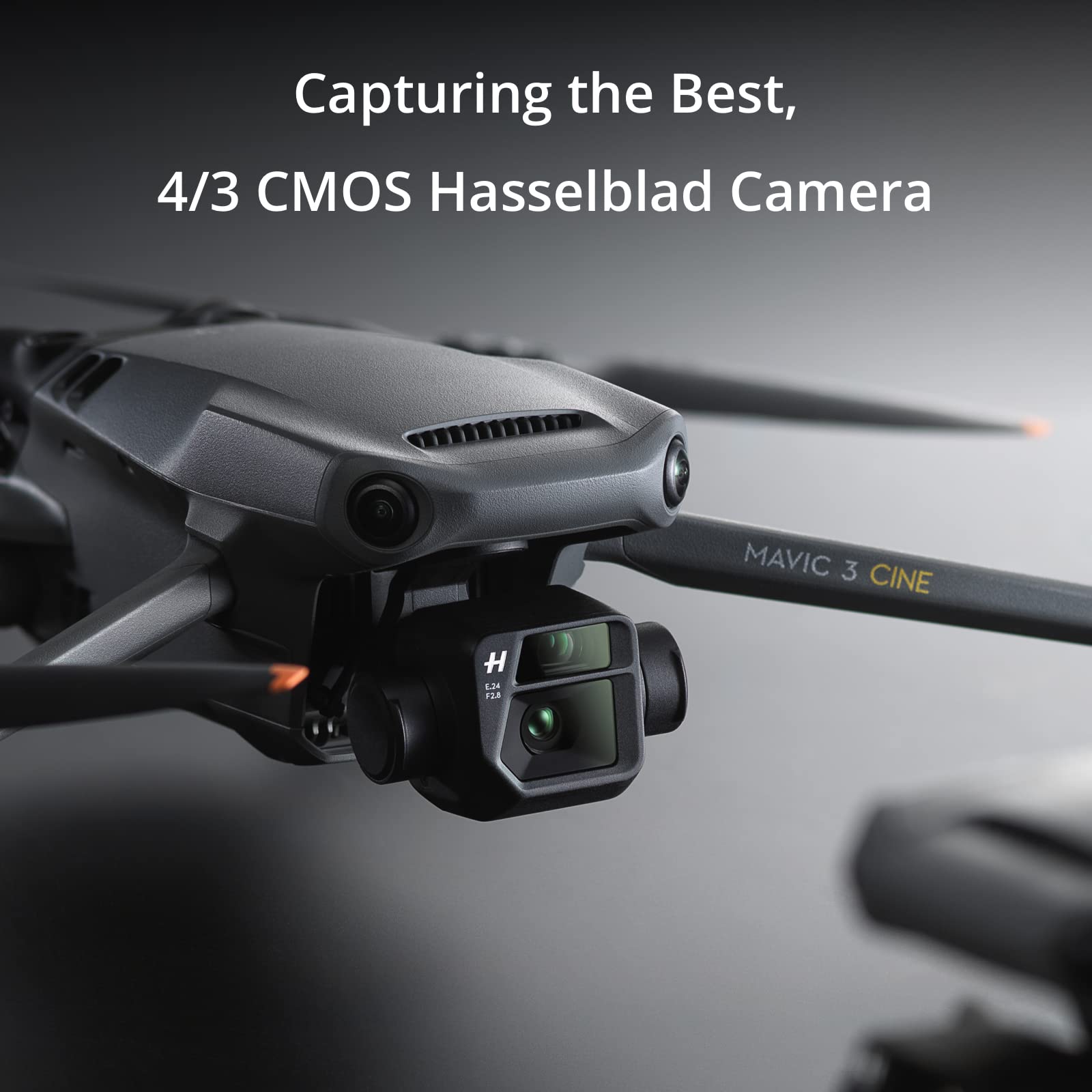
Drone Photography and VIdeography Gear on GearFocus
Why Drone Photography and VIdeography Photographers Choose GearFocus
GearFocus is the only camera marketplace where drone sellers are verified and every purchase includes 48-hour buyer protection — inspect your drone in the field before committing.
Verified Sellers Only
Every seller on GearFocus undergoes identity verification before listing gear. You know who you're buying from — not just an anonymous account.
48-Hour Buyer Protection
Inspect your gear within 48 hours of delivery. If the item doesn't match the listing description, return shipping is covered.
5% Fee vs. 13.6% on eBay
GearFocus charges a 5% platform fee. eBay averages 13.6% in fees. Sellers keep more — which means more competitive pricing for buyers.
What to Look For in Drone Photography and VIdeography Gear
Camera Sensor
1-Inch or Larger Sensor for High-Quality Aerial Imaging
Resolution
High Megapixel Count (20MP+ for Detailed Aerial Photos)
Autofocus
Fast & Reliable Autofocus for Moving Subjects
ISO Performance
Good Low-Light Performance (ISO 100-6400)
Lens Type
Fixed Wide-Angle Lens (24mm Equivalent Preferred)
Aperture
Adjustable Aperture (f/2.8 - f/11 for Exposure Control)
Shutter Speed
Electronic & Mechanical Shutter for Motion-Freezing
Stabilization
3-Axis Gimbal Stabilization for Smooth Footage
Flight Time
Long Battery Life (30+ Minutes Flight Time)
Weather Sealing
Wind & Weather Resistance for Outdoor Flights
Obstacle Avoidance
Multi-Directional Obstacle Sensors for Safety
Range
Long Transmission Range (8km+ for Long-Distance Shots)
Live Streaming
Real-Time 1080p/4K Video Transmission
Video Resolution
4K/60FPS or Higher for Professional Aerial Videography
RAW Support
RAW & D-Log/D-Cinelike for Maximum Post-Processing
Hyperlapse & Timelapse
Built-In Hyperlapse & Timelapse Modes
Flight Modes
Intelligent Flight Modes (Follow Me, Waypoints, Orbit)
Autonomous Features
Automated Takeoff, Landing, & Return-to-Home (RTH)
Connectivity
WiFi & Remote Controller Compatibility
Storage
Internal & MicroSD Storage (UHS-I, UHS-II Support)
Software Support
Compatibility with DJI Fly, Litchi, & Adobe Lightroom
Legal Compliance
FAA Remote ID & Geofencing Compliance
Ergonomics
Compact & Foldable Design for Travel & Portability
ND Filters
ND Filter Set (ND4, ND8, ND16, ND32) for Exposure Control
Legal Compliance
FAA Remote ID-Specific Compliance (Built-In Broadcast Module)
Navigation
GPS Waypoint Tracking (Advanced Autonomous Flight Planning)
FAQs
The DJI Mavic 3 is the most capable prosumer aerial photography drone — it has a Micro Four Thirds main sensor, Hasselblad color science, ProRes recording, and a 46-minute battery life. For budget shooters, the DJI Air 2S offers a 1-inch sensor with excellent dynamic range in a more compact form. The Autel Evo II Pro 6K is a strong alternative to DJI with a 1-inch adjustable aperture lens. Professional productions use the DJI Inspire 2 or Inspire 3 with interchangeable cinema lenses.
A 1-inch sensor is the minimum threshold for professional-quality aerial images. Cameras like the DJI Air 2S and Autel Evo II Pro use 1-inch sensors that deliver significantly better dynamic range and low-light performance than the smaller sensors in entry-level drones. The DJI Mavic 3 goes further with a Micro Four Thirds sensor. The DJI Inspire platform supports Super 35 cinema sensors via Zenmuse payloads. For real estate, landscape, or commercial work, 1-inch or larger is the right standard.
In the United States, commercial drone operators need an FAA Part 107 Remote Pilot Certificate. This requires passing a knowledge test and registering your drone (required for drones over 250g, which includes the DJI Air 2S and Mavic 3). The DJI Mini 3 weighs under 249g and has lighter regulatory requirements, but commercial work still requires a Part 107 certificate. Other countries have their own licensing requirements — check with your local aviation authority.
Used DJI Air 2S units typically sell for $600-800 on GearFocus. DJI Mavic 3 Cine (with ProRes) runs $1,500-2,000 used. The DJI Inspire 2 body alone starts around $2,000-2,500 used, with the Zenmuse X7 camera system adding another $2,000-3,000. Budget options like the DJI Mini 3 and Autel Evo Nano+ can be found for under $400 used. All GearFocus listings are from verified sellers with condition ratings and 48-hour buyer protection.
The DJI Mavic 3 is a consumer-to-prosumer folding drone designed for portability — it folds small, has a fixed lens system, and is operated by one person. The DJI Inspire 2 and Inspire 3 are professional cinema drones with elevated arms (allowing 360-degree camera rotation), interchangeable lenses via the Zenmuse X7 system, and the ability to carry a pilot and camera operator separately. The Inspire platform shoots Super 35 RAW, meets cinema standards, and is used on commercial productions. The Mavic 3 is for solo operators; the Inspire is for professional film crews.
Yes. The DJI Air 2S shoots 5.4K video at 30fps on a 1-inch sensor with adjustable aperture from f/2.8 to f/11, 12.6 stops of dynamic range, and records in H.264 and H.265 with D-Log M color profile for grading. For real estate, events, and commercial lifestyle shoots, the Air 2S is a fully professional tool. High-budget productions or projects requiring specific shallow depth of field may need to step up to the Mavic 3 Cine or Inspire 3 for larger sensor options.
Yes, when buying from a verified marketplace. GearFocus requires identity verification for all sellers and includes 48-hour buyer protection on every purchase — if a DJI Mavic 3 or DJI Air 2S arrives with gimbal damage, undisclosed crash history, or battery cells below usable capacity, you get a full refund with seller-paid return shipping. Unlike general marketplaces where drone condition can be misrepresented, GearFocus is built for the photography and filmmaking community, so sellers accurately describe flight time, propeller condition, and sensor status. GearFocus is the only camera marketplace where drone sellers are identity-verified on every transaction.