Used Camera Gear for Macro Photographers
Macro photographers need high-resolution sensors, precise autofocus with manual override capability, and true 1:1 macro lenses that reveal detail invisible to the naked eye. The standard for serious macro work is a 1:1 magnification lens in the 90-105mm range, a sensor of 30MP or higher for cropping latitude, and aperture control from f/2.8 to f/16 — shorter focal lengths force you too close to small subjects, and lower resolution limits how far you can crop before the image breaks down. The Canon EOS R5, Sony A7R IV, and Nikon Z7 II are the top mirrorless platforms, paired with dedicated macro glass like the Canon EF 100mm f/2.8L IS, Sony FE 90mm f/2.8 Macro G, or Sigma 105mm f/2.8 OS. GearFocus connects you with verified sellers offering used macro cameras and lenses starting from under $400, with 48-hour buyer protection on every purchase.
Browse Macro & Product Photography GearUsed Camera Gear for Macro Photographers
Macro photographers need high-resolution sensors, precise autofocus with manual override capability, and true 1:1 macro lenses that reveal detail invisible to the naked eye. The standard for serious macro work is a 1:1 magnification lens in the 90-105mm range, a sensor of 30MP or higher for cropping latitude, and aperture control from f/2.8 to f/16 — shorter focal lengths force you too close to small subjects, and lower resolution limits how far you can crop before the image breaks down. The Canon EOS R5, Sony A7R IV, and Nikon Z7 II are the top mirrorless platforms, paired with dedicated macro glass like the Canon EF 100mm f/2.8L IS, Sony FE 90mm f/2.8 Macro G, or Sigma 105mm f/2.8 OS. GearFocus connects you with verified sellers offering used macro cameras and lenses starting from under $400, with 48-hour buyer protection on every purchase.
Browse Macro & Product Photography GearWhat Macro & Product Photography Photographers Need
Macro photography demands resolution, precision, and patience. Unlike most genres, maximum resolution matters enormously — you're capturing detail at 1:1 magnification or greater, and every megapixel translates directly into printable detail. High-resolution sensors like those in the Sony A7R IV (61MP) or Fujifilm GFX 50S II (51MP medium format) give you room to crop and still deliver sharp, large prints. The lens is as critical as the camera. True macro lenses provide 1:1 magnification — meaning the subject is reproduced at life size on the sensor. Key options include the Canon EF 100mm f/2.8L IS Macro (with image stabilization for handheld shooting), the Nikon AF-S 105mm f/2.8G Micro (sharp across the entire magnification range), the Sony FE 90mm f/2.8 Macro G (autofocus and manual both excellent), and the Sigma 105mm f/2.8 OS Macro (compatible across multiple mounts). At the budget level, the Canon EOS RP or Sony A7 III paired with the Canon EF-S 60mm f/2.8 Macro or Tamron 90mm f/2.8 Di Macro gives you a capable macro rig for under $800 used. Mid-range shooters should consider the Canon EOS R6 Mark II or Sony A7 IV with the Canon EF 100mm f/2.8 Macro or Nikon AF-S 105mm f/2.8G. For product photography, depth of field control is everything — shoot at f/8 to f/11 for edge-to-edge sharpness, use a tripod, and use a remote shutter or self-timer to eliminate camera shake.
Recommended Macro & Product Photography Gear
Budget Macro & Product Photography Gear
High resolution, good color reproduction, moderate price, macro lens availability
Cameras
Canon EOS RP Mirrorless Camera
Market value: ~$1,299
View on GearFocus →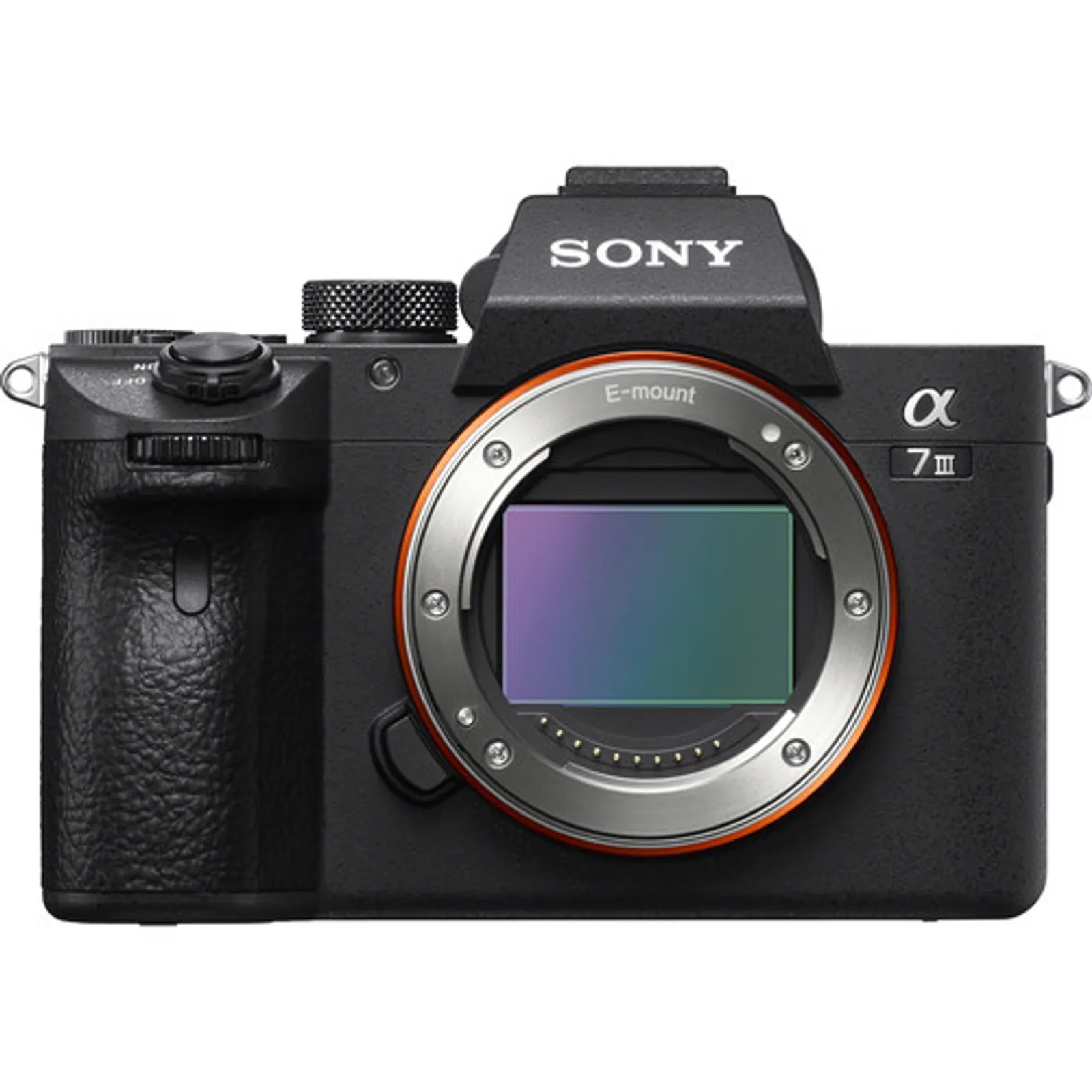
Sony Alpha 7 III Mirrorless Camera
Market value: ~$1,999
View on GearFocus →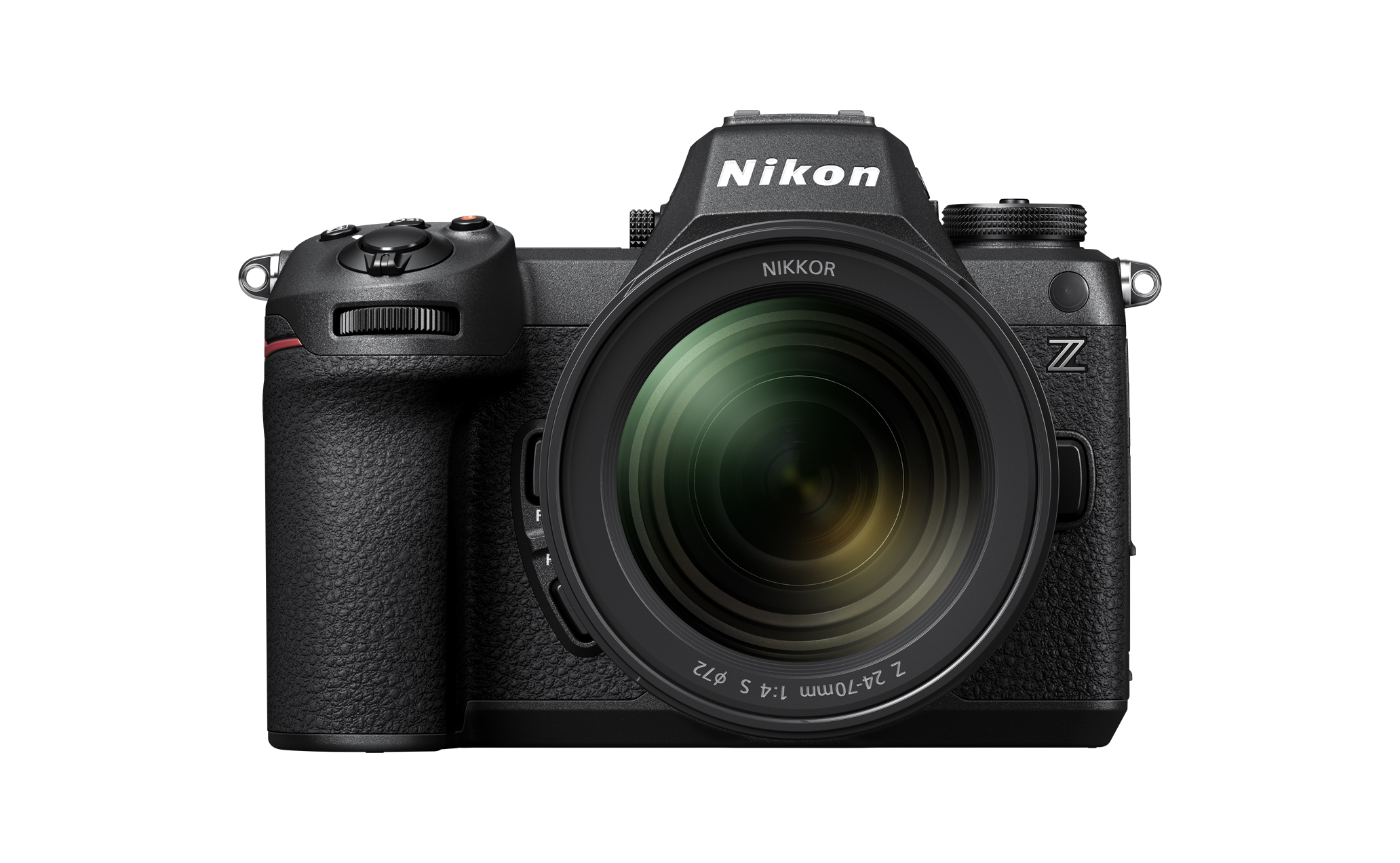
Nikon Z6 Mirrorless Camera
Market value: ~$1,999.99
View on GearFocus →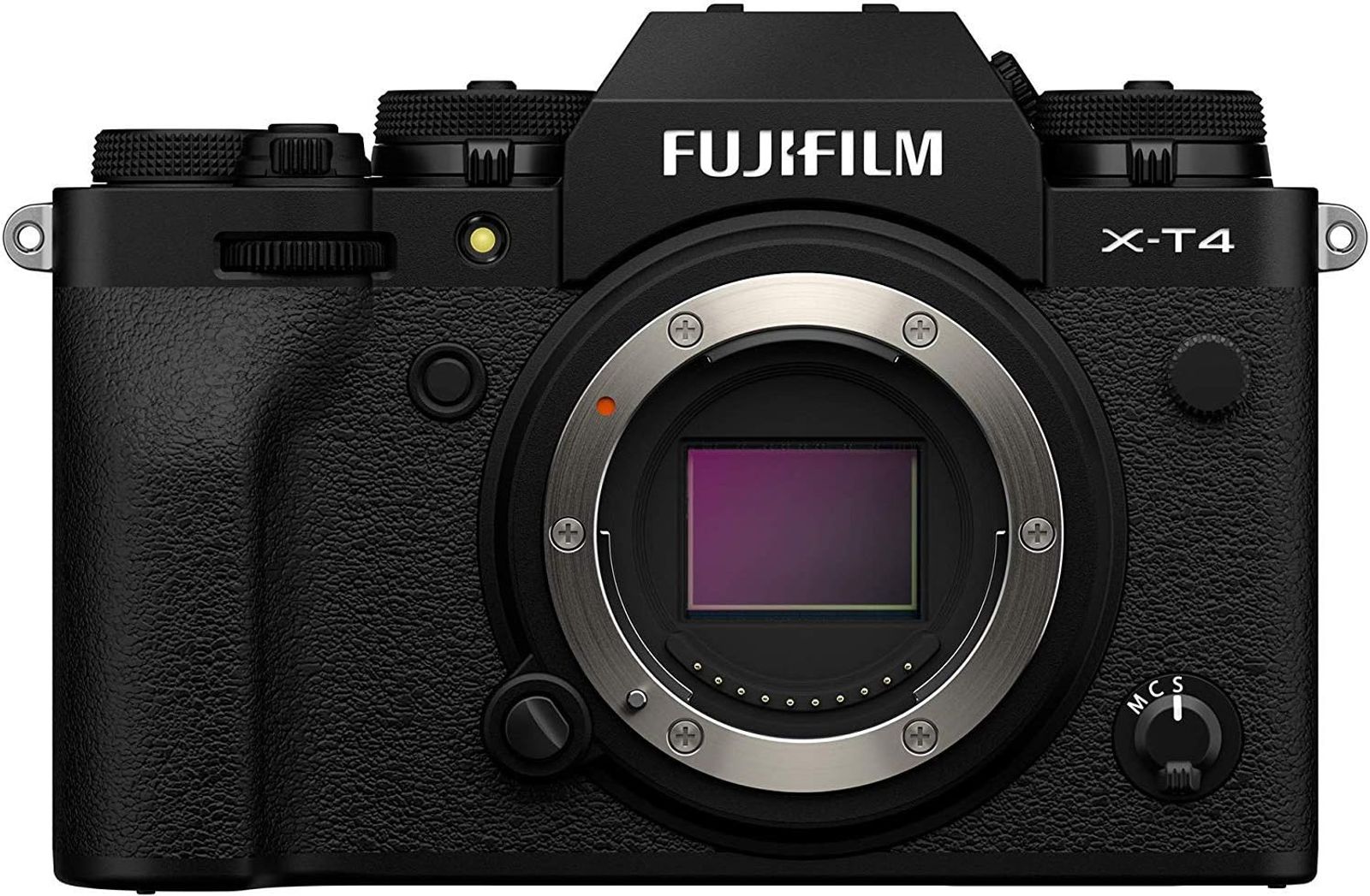
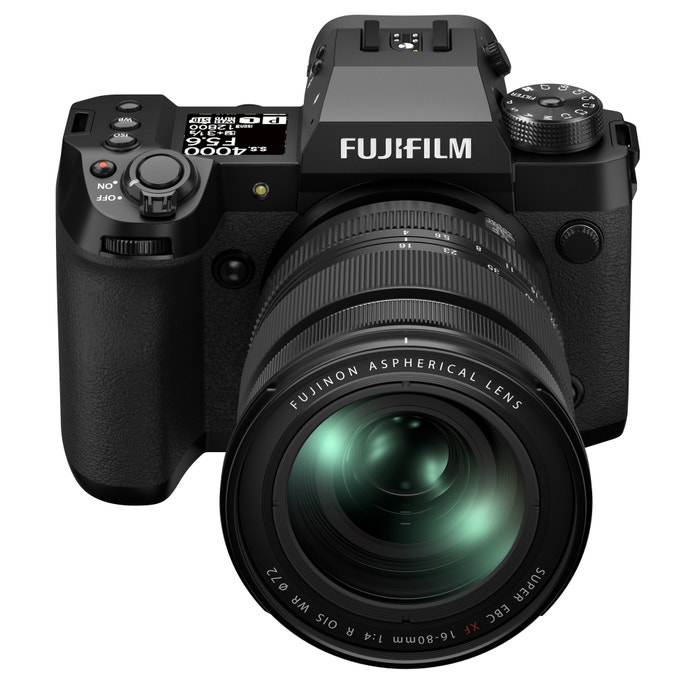
FUJIFILM X-T4 Mirrorless Camera
Market value: ~$2,199
View on GearFocus →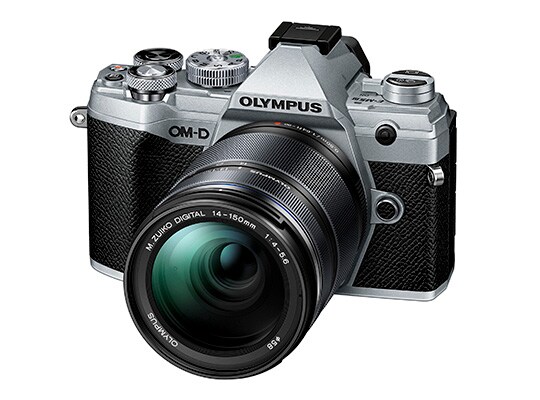
Olympus OM-D E-M5 Mark III Mirrorless Camera
Market value: ~$1,199
View on GearFocus →Lenses
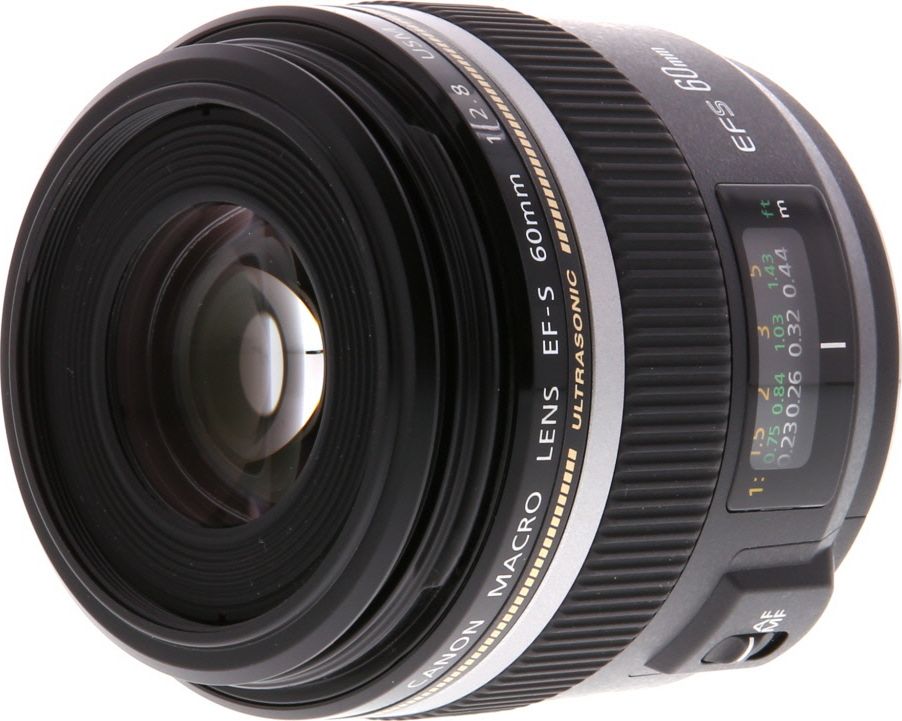
Canon EF-S 60mm f/2.8 Macro USM Lens
View on GearFocus →Nikon AF-S 40mm f/2.8G Micro
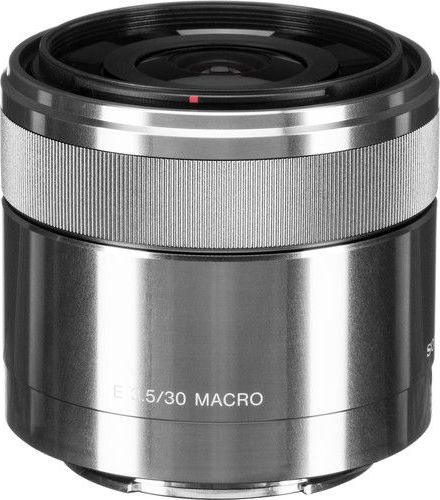
Sony E 30mm f/3.5 Macro Lens
Market value: ~$298
View on GearFocus →Fujifilm XF 60mm f/2.4 Macro
Tamron 90mm f/2.8 Di Macro
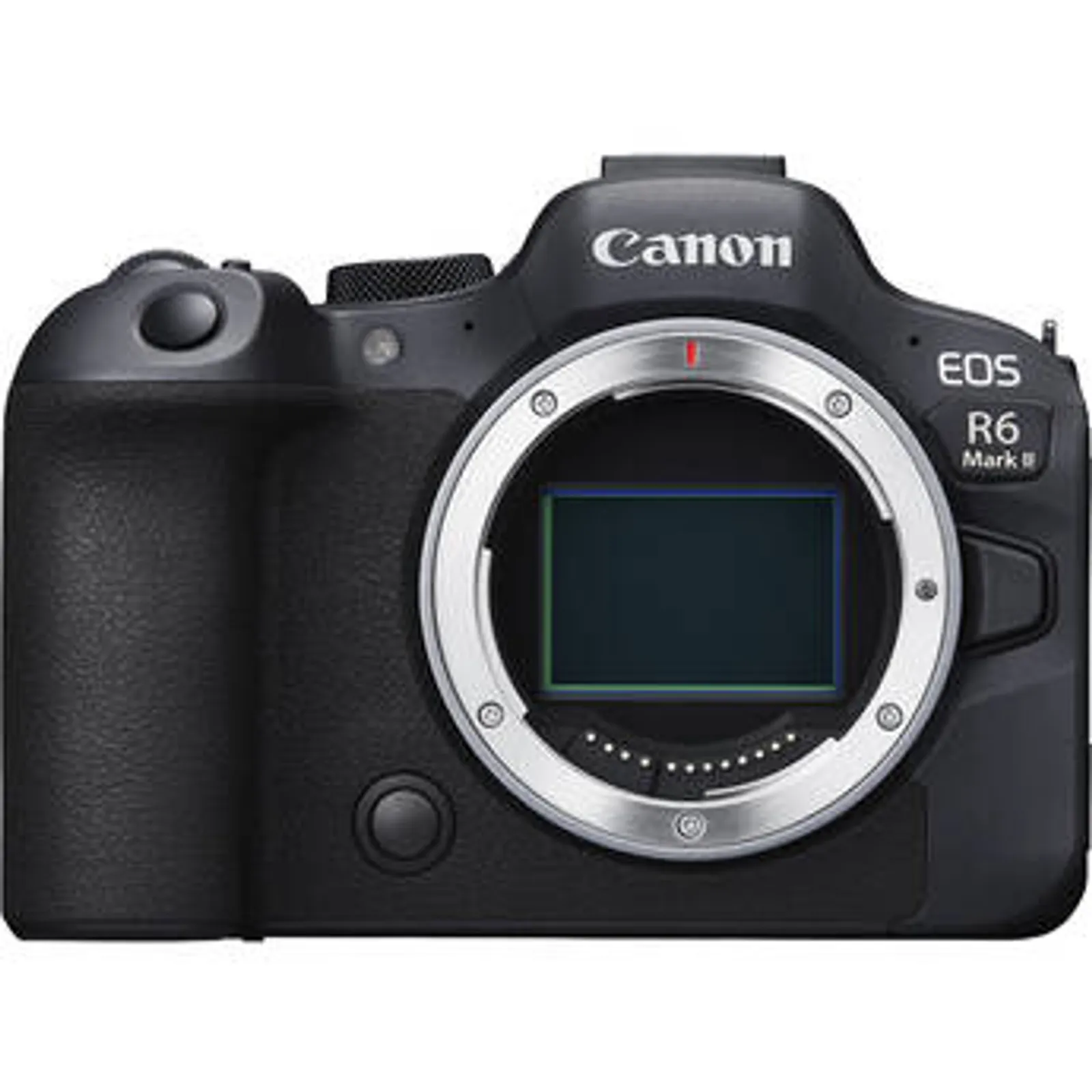
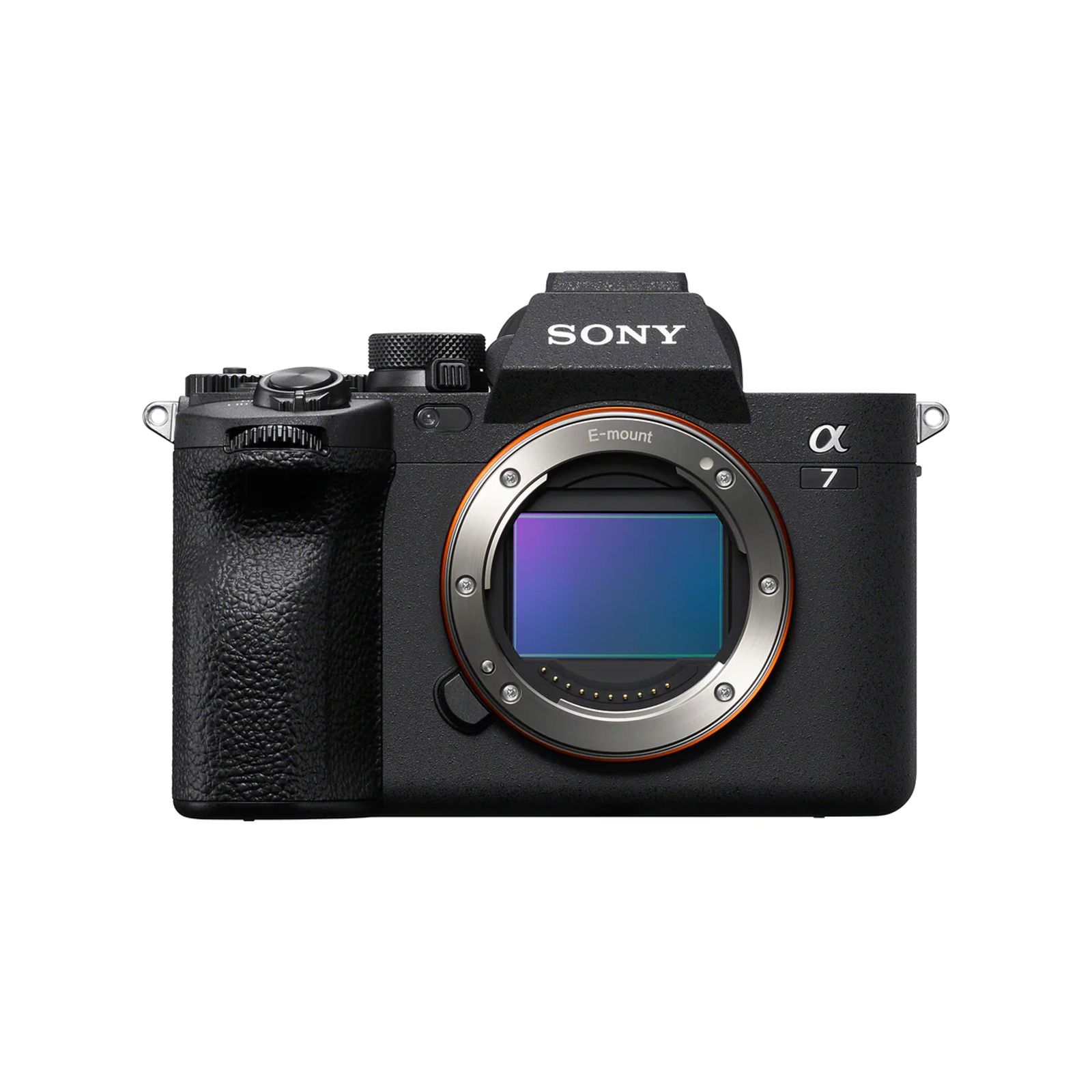


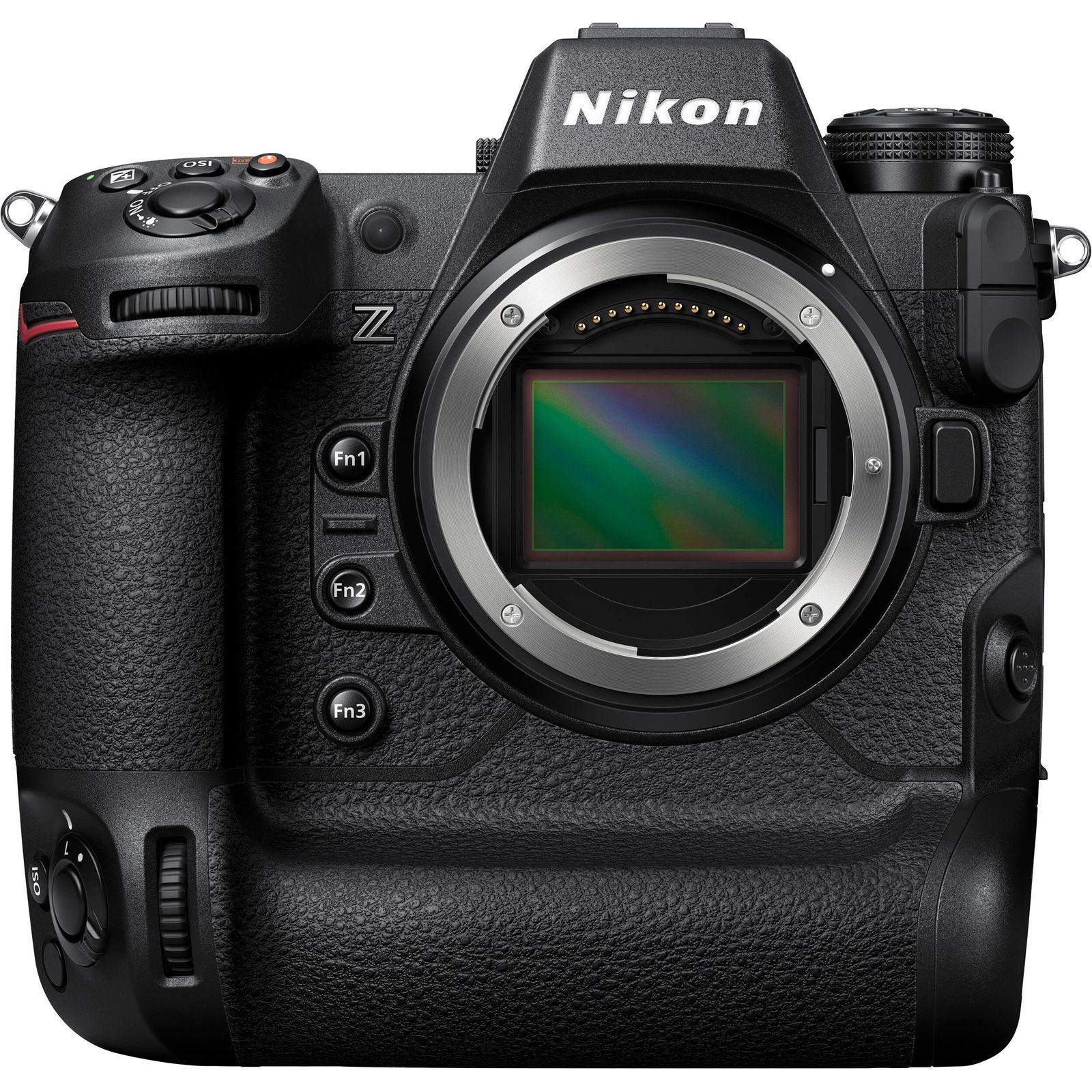
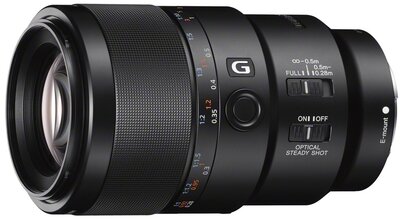
Macro & Product Photography Gear on GearFocus
Why Macro & Product Photography Photographers Choose GearFocus
Macro photography demands precision optics — the Canon MP-E 65mm, Nikon 105mm Micro, Sony FE 90mm f/2.8 Macro G — and condition accuracy on used macro glass matters more than in most genres because front element quality and internal fungus are decisive. GearFocus has 6,763 GearMaster product pages covering dedicated macro lenses with full specs, so buyers can evaluate listings against authoritative reference data before purchasing. Every seller is identity-verified, meaning condition descriptions on precision macro glass come with accountability behind them — not just a feedback score that doesn't reflect optical expertise. Unlike general marketplaces where macro lens listings come from anonymous accounts with no genre context, GearFocus sellers are photographers and videographers who understand what sharp macro optics actually require.
Verified Sellers Only
Every seller on GearFocus undergoes identity verification before listing gear. You know who you're buying from — not just an anonymous account.
48-Hour Buyer Protection
Inspect your gear within 48 hours of delivery. If the item doesn't match the listing description, return shipping is covered.
5% Fee vs. 13.6% on eBay
GearFocus charges a 5% platform fee. eBay averages 13.6% in fees. Sellers keep more — which means more competitive pricing for buyers.
What to Look For in Macro & Product Photography Gear
Camera Sensor
High-Resolution Full-Frame or APS-C Sensor (30MP+ Preferred)
Resolution
High Megapixel Count for Maximum Detail & Cropping
Autofocus
Precise Autofocus with Focus Peaking & Manual Override
Frame Rate
Lower FPS Acceptable (1-5 FPS for Still Subjects)
ISO Performance
Low ISO Performance (ISO 100-400 for Minimal Noise)
Lens Type
Macro Lenses with 1:1 Magnification (90mm, 100mm, 105mm)
Aperture
Variable Aperture (f/2.8 - f/16 for Depth of Field Control)
Shutter Speed
Electronic or Mechanical Shutter for Vibration-Free Shooting
Stabilization
In-Body Image Stabilization (IBIS) / Optical Stabilization for Handheld Macro Photography
Focus Stacking
In-Camera or Software-Based Focus Stacking Support
Weather Sealing
Weather-Sealed Camera & Lenses for Outdoor Macro Shots
Viewfinder
High-Resolution EVF for Precise Focusing
Screen Type
Fully Articulating LCD for Overhead & Low-Angle Shots
File Format
14-bit RAW for Maximum Editing & Color Accuracy
Lighting
TTL Flash Support for External Macro Flashes & LED Lights
Tripod Support
Compatible with Macro Focusing Rails & Tripod Mounts
Connectivity
Tethering Support for Precise Product Photography
Battery Life
Long Battery Life or External Power Option for Studio Work
Storage
Dual Card Slots for Backup & Large RAW File Storage
Software Support
Compatibility with Adobe Photoshop & Helicon Focus
Video Capabilities
4K/60FPS for Close-Up Detail & Slow Motion
Ergonomics
Lightweight But Stable Design for Handheld Precision
FAQs
The best macro cameras combine high resolution with precise autofocus. Top choices include the Sony A7R IV (61MP full-frame), Canon EOS R5 (45MP), and Nikon Z7 II (45.7MP). For budget shooters, the Canon EOS RP, Sony A7 III, and Fujifilm X-T4 all work well with dedicated macro lenses. Medium format options like the Fujifilm GFX 50S II deliver extraordinary detail for product and specimen photography. High megapixel count gives you cropping latitude at close focusing distances.
The Canon EF-S 60mm f/2.8 Macro, Nikon AF-S 40mm f/2.8G Micro, and Tamron 90mm f/2.8 Di Macro are all excellent entry-point macro lenses. The Tamron 90mm is widely recommended because it offers true 1:1 magnification, works on multiple mounts, and has good stabilization. For Sony mirrorless, the Sony E 30mm f/3.5 Macro is compact and affordable. All of these are available used on GearFocus for significantly less than retail.
90mm to 105mm is the most popular range for macro photography. This focal length gives you working distance — space between the lens and subject — which is critical for lighting small subjects and avoiding shadows. Shorter focal lengths like 60mm work but require you to get very close, which can startle insects or interfere with lighting. The Canon EF 100mm f/2.8L IS Macro, Nikon AF-S 105mm f/2.8G Micro, and Sony FE 90mm f/2.8 Macro G are the canonical choices in this range.
Yes, for most macro work a tripod is essential. At 1:1 magnification, even slight camera movement blurs the image. A sturdy tripod with a focusing rail allows precise repositioning without moving the entire camera. Some photographers use in-body image stabilization (IBIS) for handheld macro — the Canon EF 100mm f/2.8L IS Macro and Sony FE 90mm f/2.8 Macro G both have optical stabilization. But for maximum sharpness at the extremes of magnification, a tripod and remote shutter release are non-negotiable.
A true macro lens is optically designed for 1:1 reproduction — the subject is life-size on the sensor. A close-up filter is a supplementary lens that screws onto an existing lens to reduce minimum focusing distance. Macro lenses provide sharper images, better aberration control, and consistent performance across the magnification range. Close-up filters degrade image quality and may introduce distortion. For serious macro work, a dedicated lens like the Sigma 105mm f/2.8 OS or Canon EF 100mm f/2.8L IS is the right investment.
Most standard lenses have a minimum focusing distance that prevents true macro shooting. You can get closer by adding extension tubes (hollow rings that move the lens away from the sensor), reversing the lens with an adapter, or using close-up diopter filters — but all these approaches degrade image quality compared to a purpose-built macro lens. If macro is your primary use, buy the right tool: the Canon EF 100mm f/2.8 Macro, Nikon 105mm f/2.8G Micro, or Sony FE 90mm f/2.8 Macro G.
Yes, when buying from a verified marketplace. GearFocus requires identity verification for all sellers and includes 48-hour buyer protection on every purchase — if a Canon EF 100mm f/2.8L IS Macro or Sony FE 90mm f/2.8 Macro G arrives with fungus, optical decentering, or autofocus inconsistencies at 1:1 magnification, you get a full refund with seller-paid return shipping. Unlike general marketplaces, GearFocus sellers are photographers who know how to accurately describe glass condition, stabilization performance, and aperture blade quality — all critical for precision macro work. With real market pricing data, the Pricing Guide shows fair market value for dedicated macro glass.