Used Camera Gear for Portrait Photographers
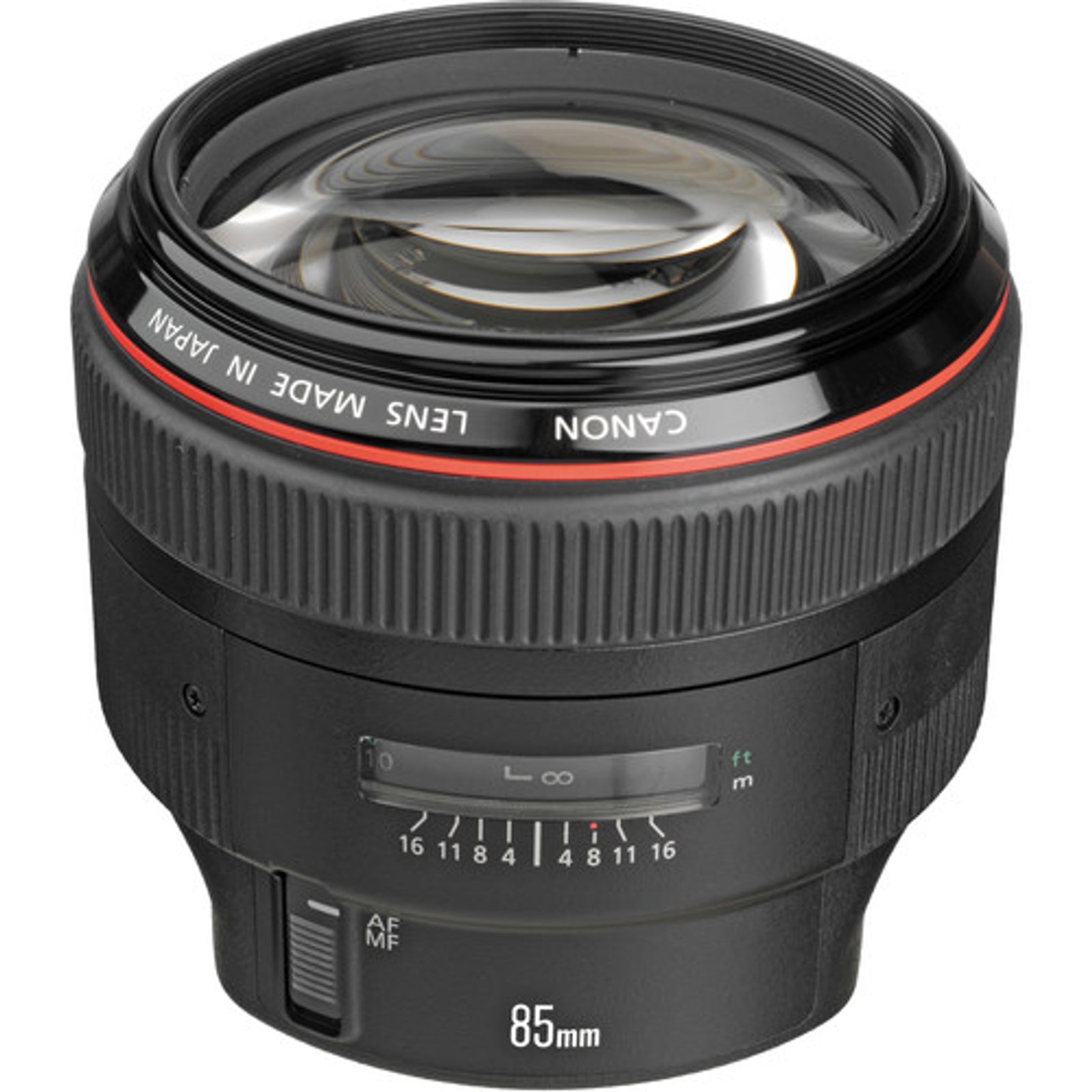
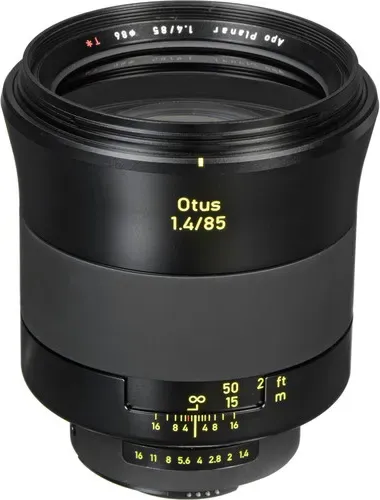
Portrait photographers need a camera with accurate eye autofocus and a fast prime lens in the 50-135mm range to achieve subject isolation and smooth background blur. For professional portrait work, you need a lens with f/1.4-f/2.0 maximum aperture on a full-frame sensor — this combination produces the shallow depth of field and skin rendering that separates professional portraits from snapshots. The Canon EOS R5, Sony A7 IV, Nikon Z8, and Fujifilm GFX 50S II are the leading bodies, while the Canon EF 85mm f/1.2L II, Sony FE 135mm f/1.8 GM, and Zeiss Otus 85mm f/1.4 are the benchmark portrait lenses. GearFocus connects you with verified sellers offering used portrait cameras and lenses starting from $150, with 48-hour buyer protection on every purchase.
Browse Portrait Photography GearUsed Camera Gear for Portrait Photographers
Portrait photographers need a camera with accurate eye autofocus and a fast prime lens in the 50-135mm range to achieve subject isolation and smooth background blur. For professional portrait work, you need a lens with f/1.4-f/2.0 maximum aperture on a full-frame sensor — this combination produces the shallow depth of field and skin rendering that separates professional portraits from snapshots. The Canon EOS R5, Sony A7 IV, Nikon Z8, and Fujifilm GFX 50S II are the leading bodies, while the Canon EF 85mm f/1.2L II, Sony FE 135mm f/1.8 GM, and Zeiss Otus 85mm f/1.4 are the benchmark portrait lenses. GearFocus connects you with verified sellers offering used portrait cameras and lenses starting from $150, with 48-hour buyer protection on every purchase.
Browse Portrait Photography GearWhat Portrait Photography Photographers Need
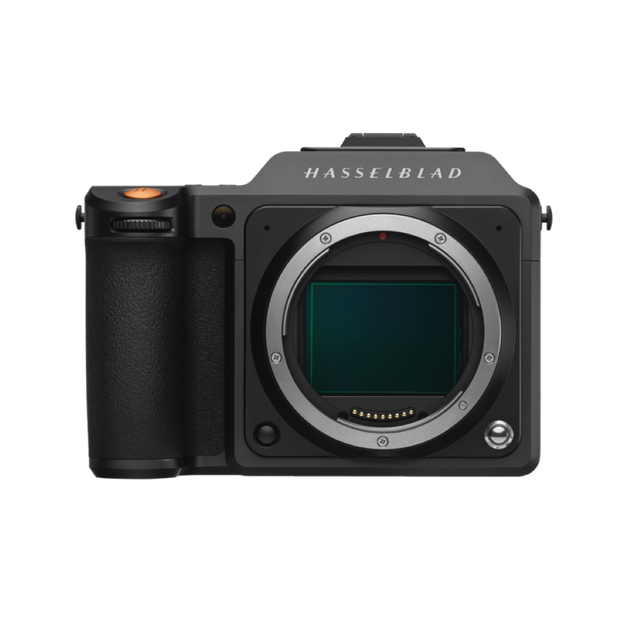
Portrait photography rewards two things above all else: lens quality and accurate eye autofocus. Budget shooters can get compelling results with an 85mm f/1.8 on a crop-sensor body — the Canon EOS R6 or Nikon Z6 II with a Canon EF 85mm f/1.8 USM or Nikon AF-S 85mm f/1.8G delivers shallow depth of field and clean subject separation at a fraction of pro pricing. At the midrange, the Fujifilm XF 56mm f/1.2 R and Sigma 50mm f/1.4 DG HSM Art produce exceptionally smooth bokeh that flatters subjects. Moving up to full-frame opens access to the Sony FE 135mm f/1.8 GM, which produces the most sought-after portrait rendering on the market. For studio work where resolution matters — large prints, editorial retouching — the Fujifilm GFX100S or Hasselblad X2D 100C provide 100MP captures that reveal texture invisible to smaller sensors. Eye AF is non-negotiable for high-volume portrait work: Sony's Real-Time Eye AF, Canon's Dual Pixel AF II, and Nikon's subject detection all track subjects reliably in both stills and video. In-body stabilization (IBIS) in bodies like the Canon EOS R5 and Nikon Z8 allows slower shutter speeds in natural light without motion blur.
Recommended Portrait Photography Gear
Budget Portrait Photography Gear
Full‐frame or APS‐C for versatility at lower cost
Cameras
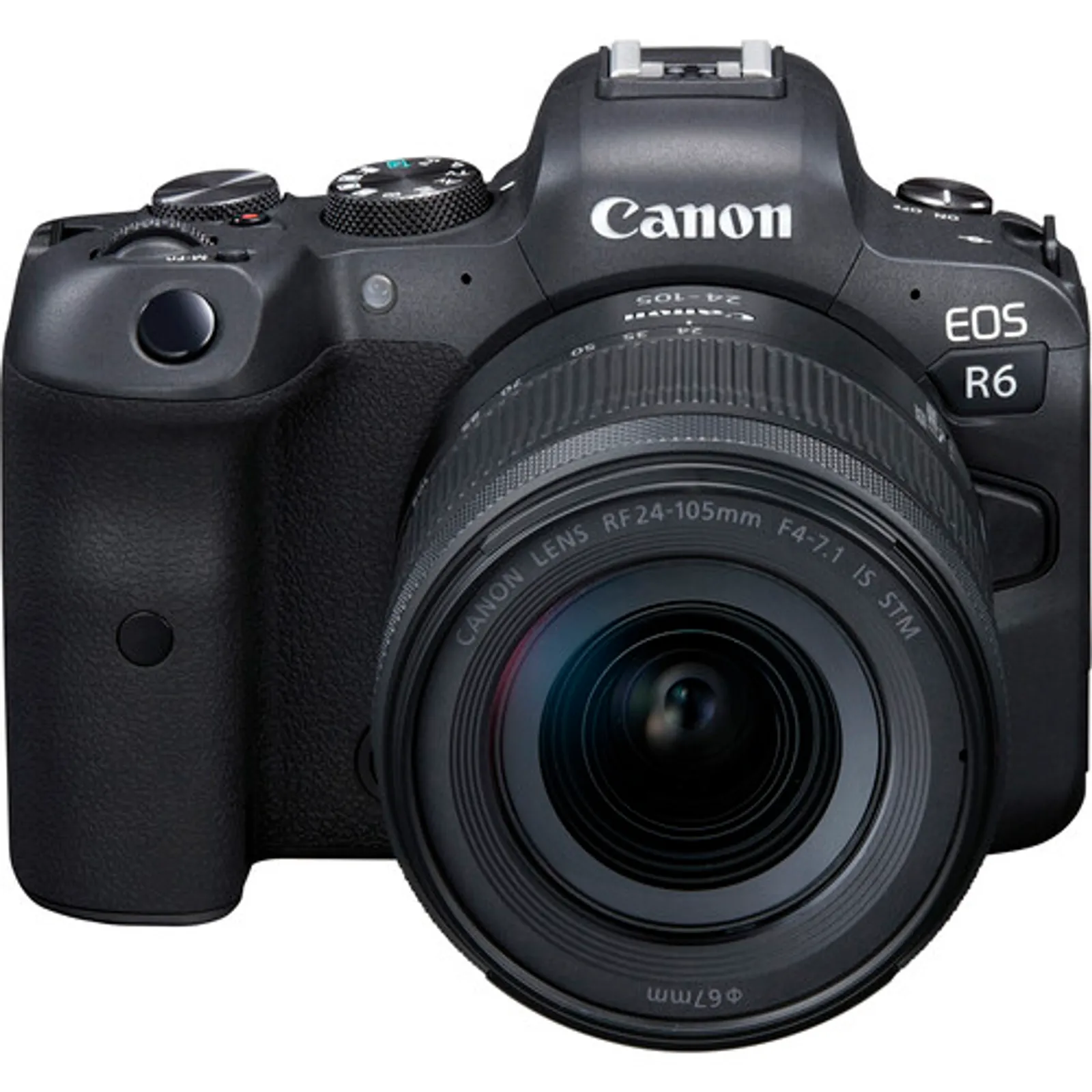
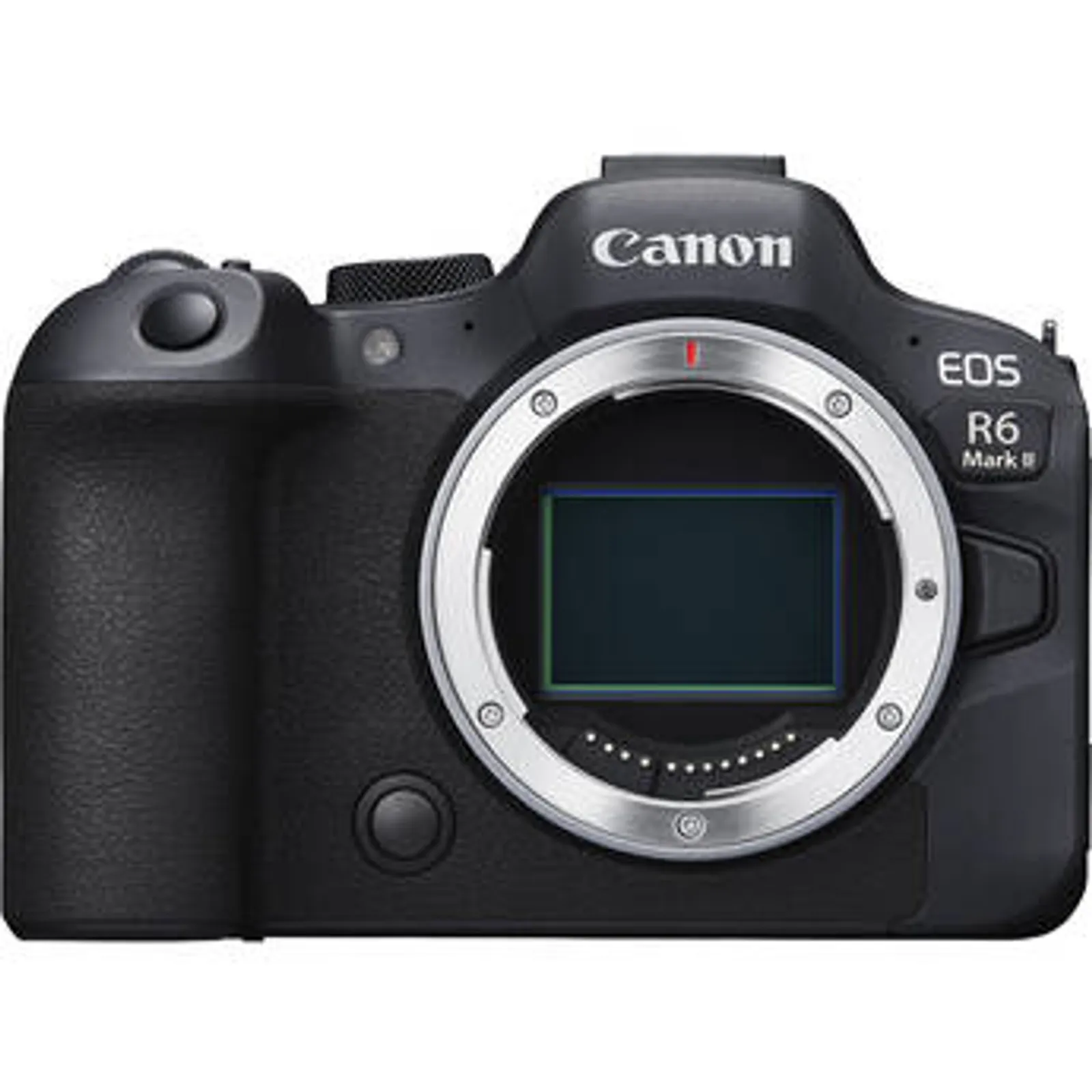
Canon EOS R6 Mirrorless Camera
Market value: ~$2,499
View on GearFocus →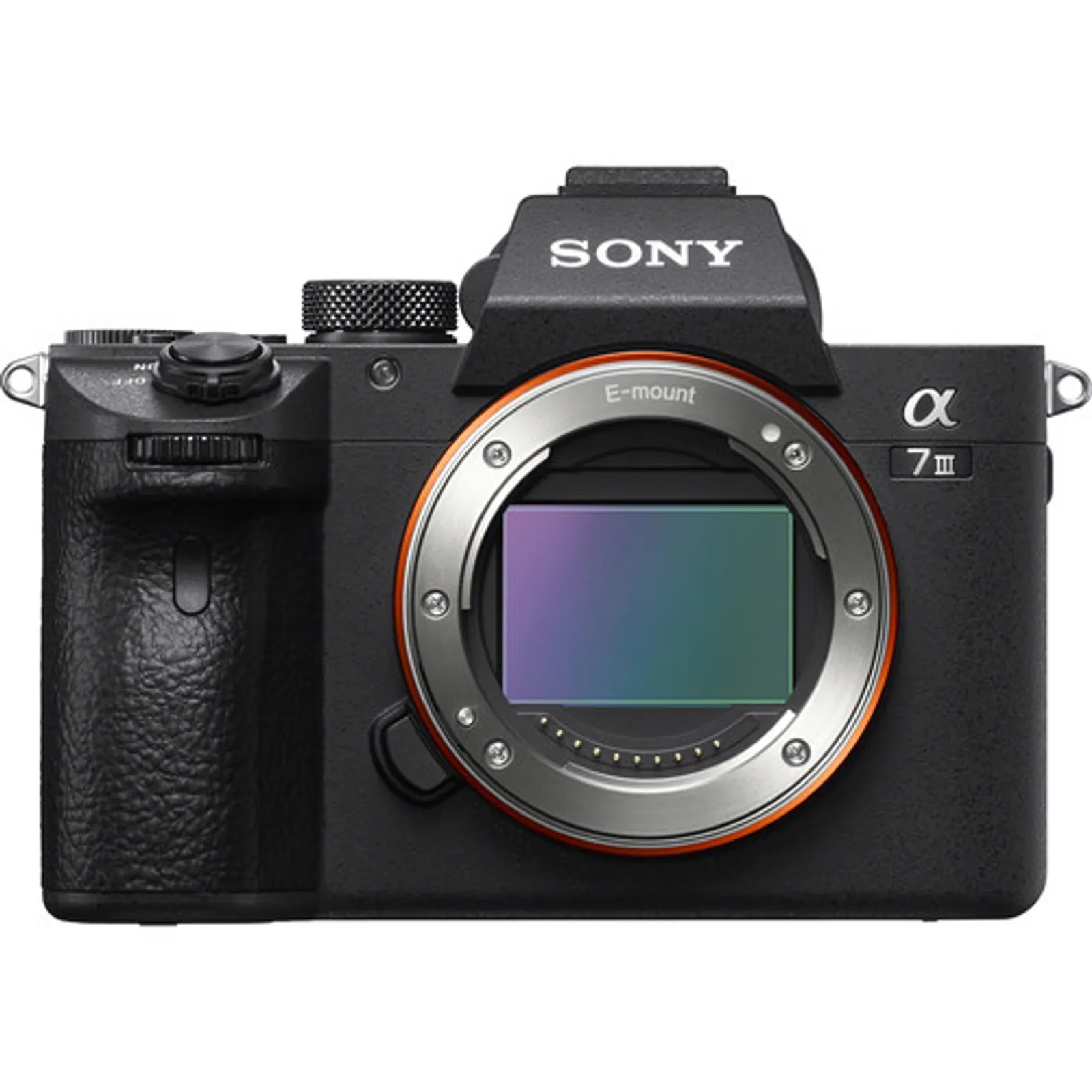
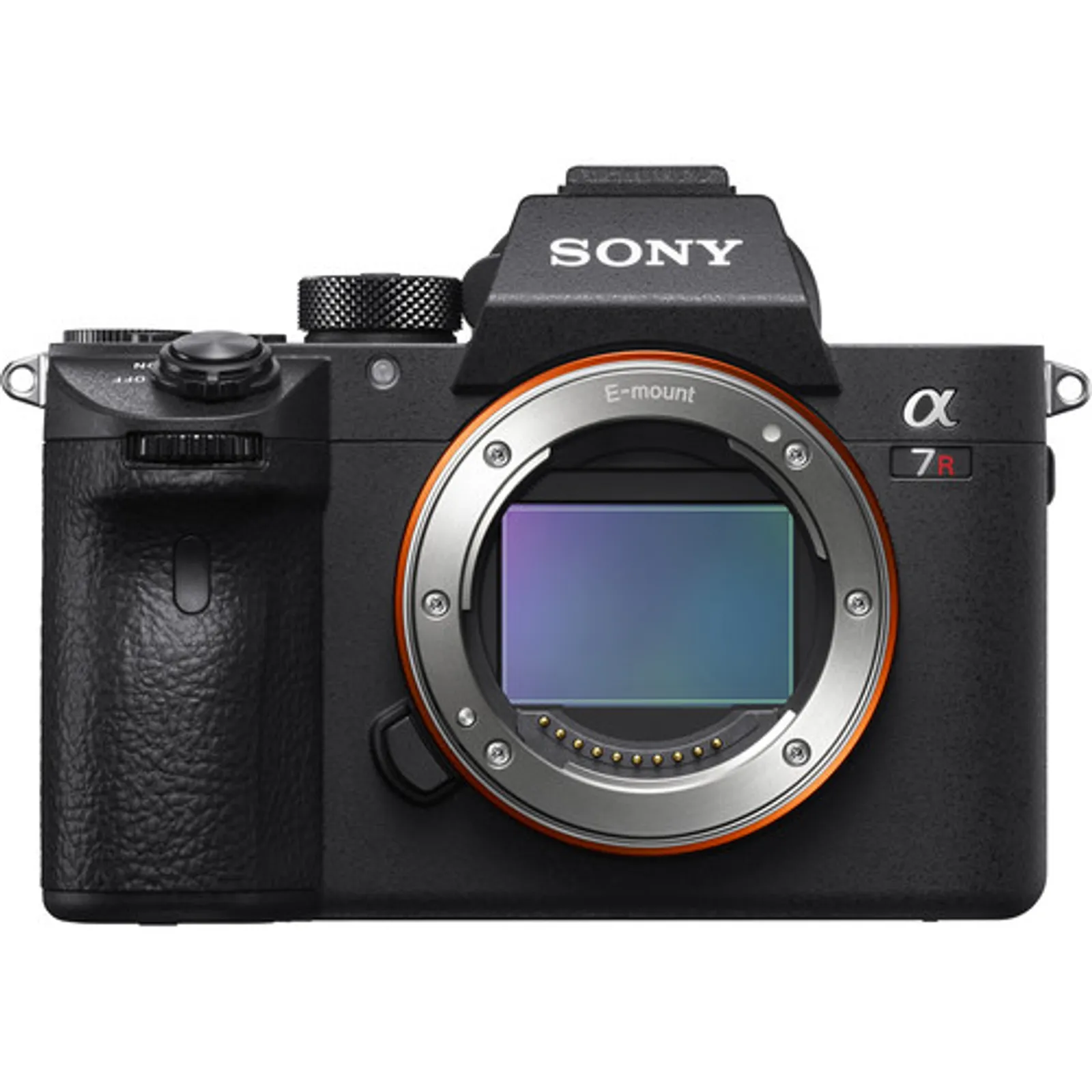
Sony Alpha 7 III Mirrorless Camera
Market value: ~$1,999
View on GearFocus →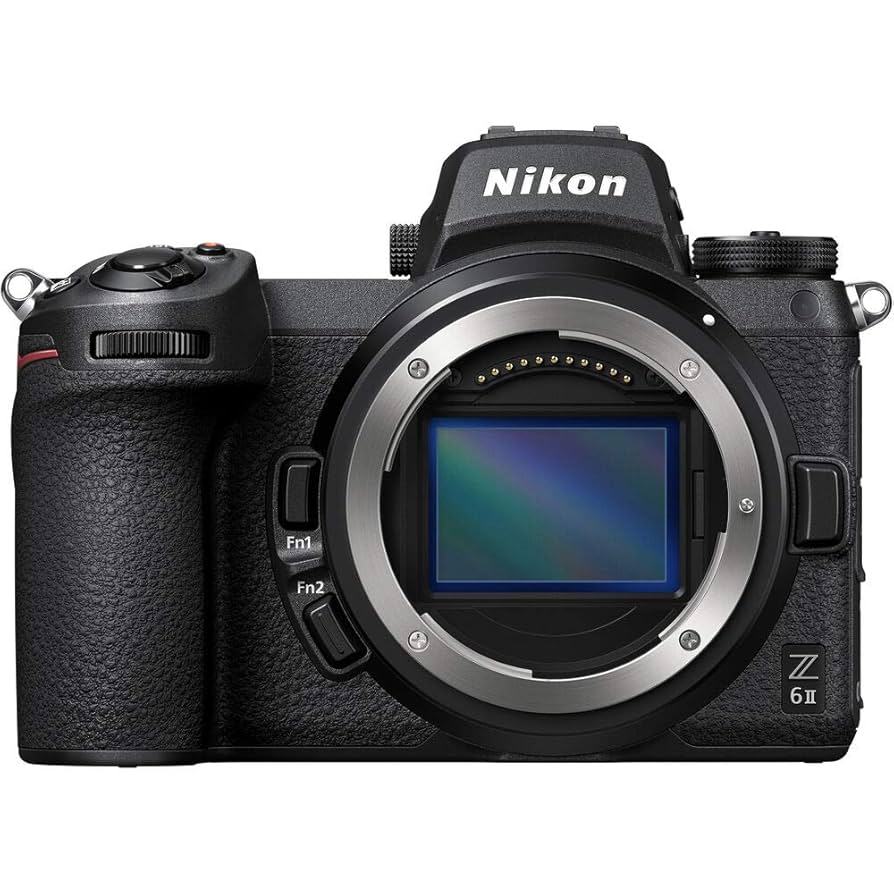
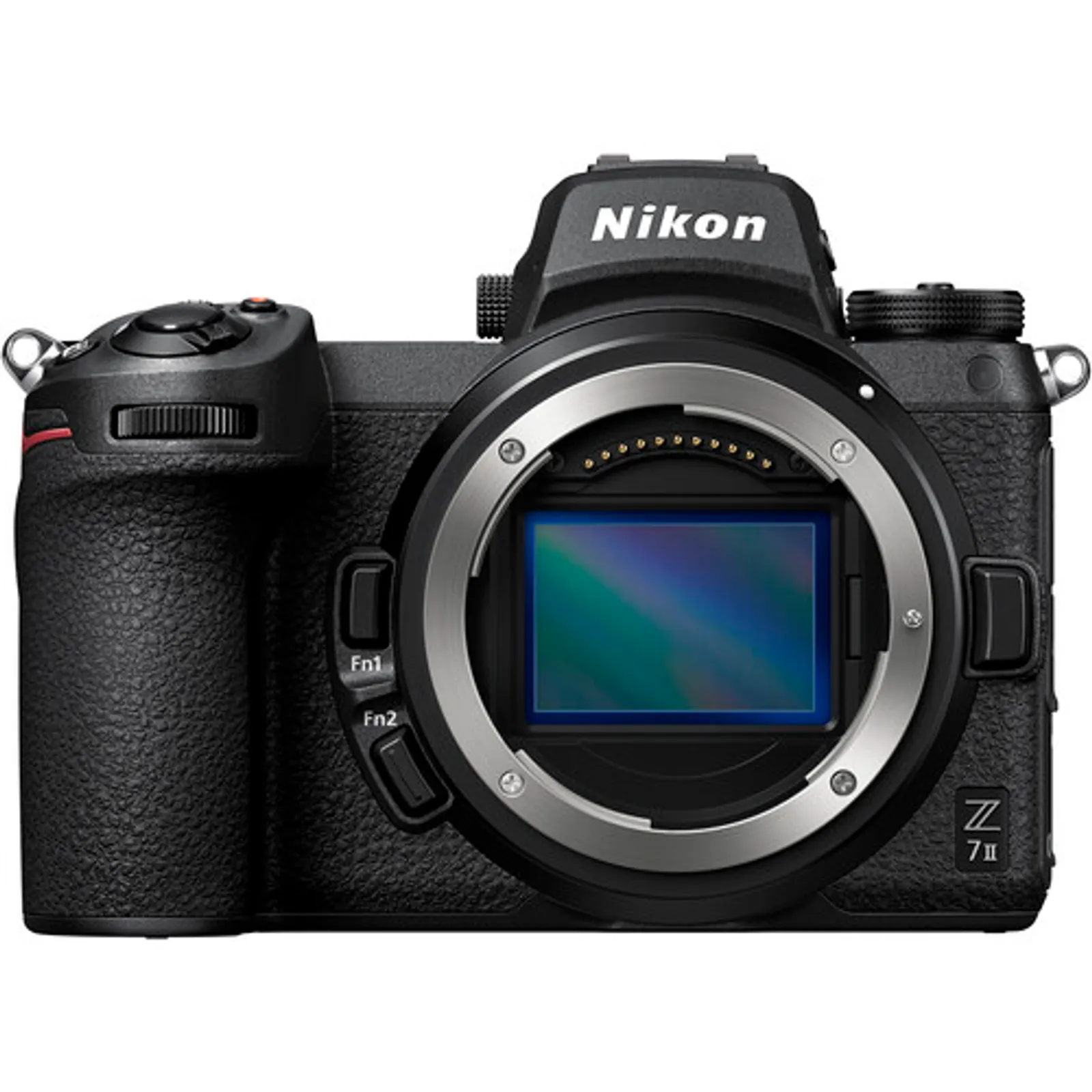
Nikon Z6II Mirrorless Camera
Market value: ~$1,999.95
View on GearFocus →Fujifilm X‐T4
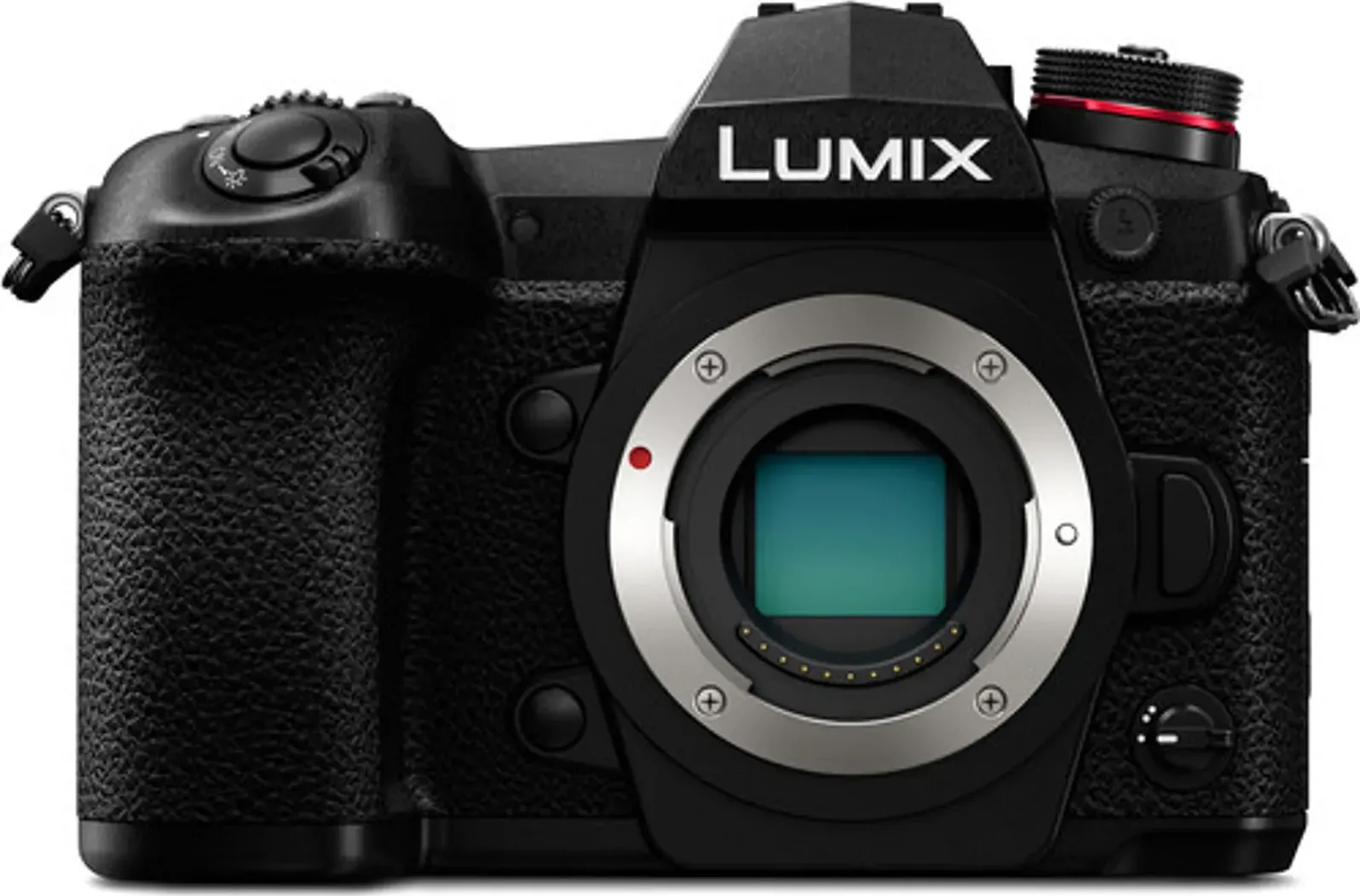
Panasonic LUMIX G9 Mirrorless Camera
Market value: ~$897
View on GearFocus →Olympus OM‐D E‐M1 Mark III
Pentax K‐1 Mark II (DSLR)
Lenses
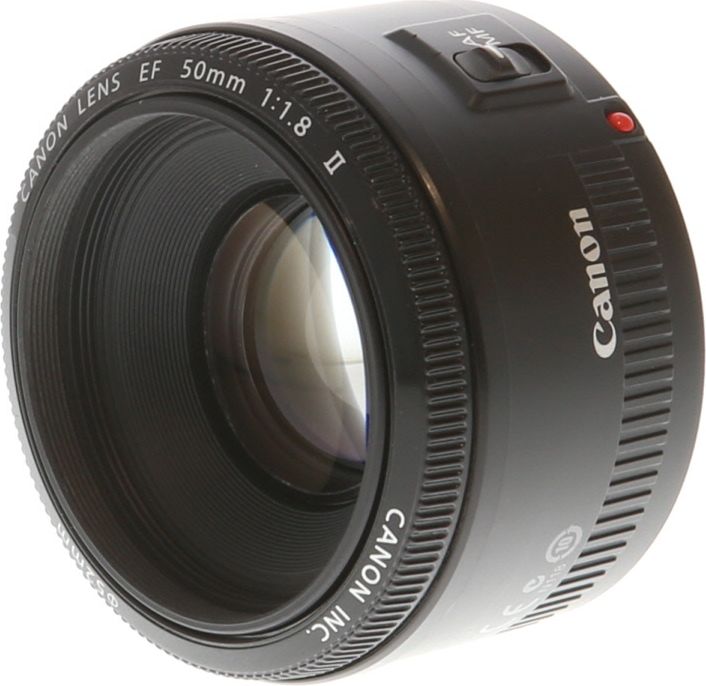
Canon EF 50mm f/1.8 STM Lens
View on GearFocus →Nikon AF-S 50mm f/1.8G
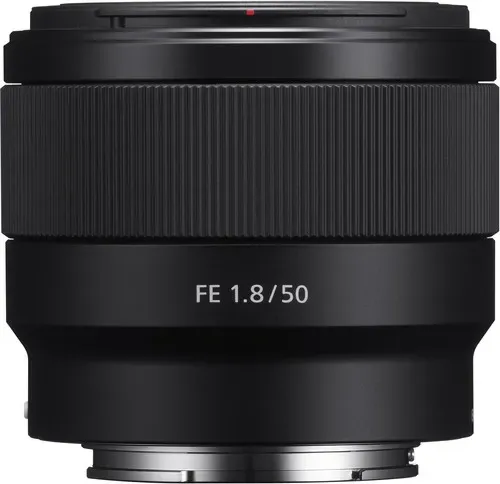
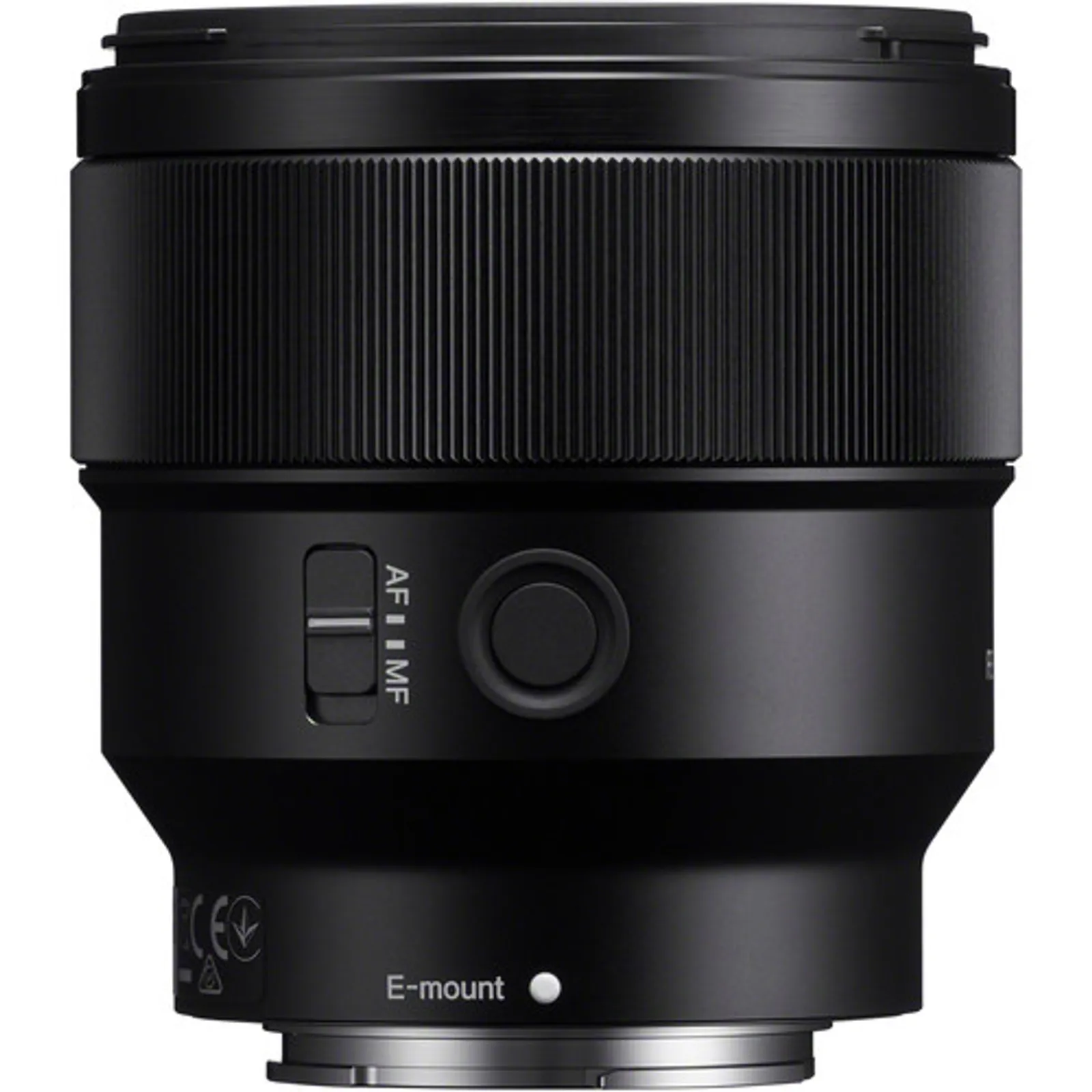
Sony FE 50mm f/1.8 Lens
Market value: ~$248
View on GearFocus →Fujifilm XC 35mm f/2
Panasonic Lumix 42.5mm f/1.7
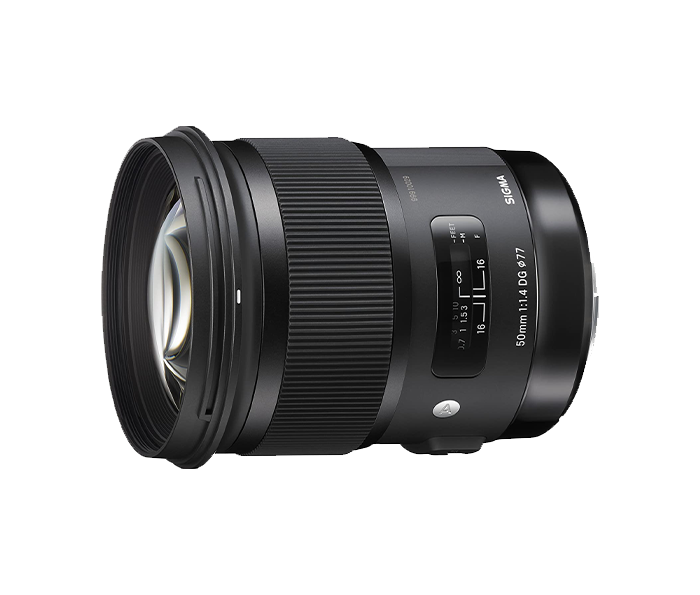
Sigma 56mm f/1.4 DC DN
Portrait Photography Gear on GearFocus
Why Portrait Photography Photographers Choose GearFocus
Portrait photographers invest in glass — 85mm and 135mm primes that depreciate sharply after the first owner but render identically to new — and GearFocus is where that secondary market lands. With 6,763 GearMaster product pages covering every major portrait lens, buyers can cross-reference full specs, MTF characteristics, and market pricing before purchasing a used Sony FE 135mm f/1.8 GM or Canon EF 85mm f/1.2L II. Sellers on GearFocus are identity-verified, not just account-rated — meaning condition descriptions on precision portrait glass come from people with accountability behind them. At 8.5% total fees versus eBay's 13.6%, portrait photographers selling their previous-generation glass keep significantly more on each transaction.
Verified Sellers Only
Every seller on GearFocus undergoes identity verification before listing gear. You know who you're buying from — not just an anonymous account.
48-Hour Buyer Protection
Inspect your gear within 48 hours of delivery. If the item doesn't match the listing description, return shipping is covered.
5% Fee vs. 13.6% on eBay
GearFocus charges a 5% platform fee. eBay averages 13.6% in fees. Sellers keep more — which means more competitive pricing for buyers.
What to Look For in Portrait Photography Gear
Camera Sensor
Full-Frame or APS-C Sensor (Better Depth of Field & Dynamic Range)
Resolution
High Megapixel Count (30MP+ for Detailed Portraits)
Autofocus
Fast & Accurate Eye Autofocus (Sony Real-Time Eye AF, Canon Dual Pixel AF)
ISO Performance
Good Low-Light Performance (ISO 100-6400 with Low Noise)
Lens Type
Prime Lenses with Wide Aperture (f/1.2 - f/2.8 for Background Blur)
Focal Length
Ideal Portrait Focal Lengths (50mm, 85mm, 135mm)
Bokeh
Good Lens Compression & Smooth Bokeh for Subject Isolation
Stabilization
In-Body Image Stabilization (IBIS) / Optical Stabilization for Handheld Shooting
Flash Compatibility
TTL Flash Support for Studio & On-Camera Flash
Color Science
Natural & Accurate Skin Tone Rendering (Canon Color Science, Fujifilm Film Simulations)
Connectivity
Tethering Support for Studio Work (USB-C or Wireless)
Frame Rate
High-Speed Burst Mode (5-10 FPS for Capturing Expressions)
Editing Support
14-bit RAW Support for Maximum Post-Processing Flexibility
Lighting Options
Sync Support for External Strobes & Speedlights
Weather Sealing
Weather-Resistant Body for Outdoor Portrait Sessions
Video Capabilities
4K Video with Shallow Depth of Field for Cinematic Portraits
Ergonomics
Comfortable Grip for Prolonged Shoots
File Storage
Dual Card Slots for Backup & Reliability
Battery Life
Long Battery Life (800+ Shots per Charge)
Software Support
Compatibility with Adobe Lightroom & Capture One
Customization
Custom Buttons for Quick AF & Exposure Adjustments
FAQs
The 85mm f/1.4 is the classic portrait focal length. The Sony FE 135mm f/1.8 GM, Canon EF 85mm f/1.2L II USM, and Zeiss Otus 85mm f/1.4 are the professional benchmarks. For budget shooters, the Canon EF 85mm f/1.8 USM, Nikon AF-S 85mm f/1.8G, and Sony FE 85mm f/1.8 deliver excellent results at under $400 used. The Sigma 50mm f/1.4 DG HSM Art is a popular alternative for tighter spaces.
Not necessarily. Crop-sensor cameras like the Fujifilm X-H2 with the XF 56mm f/1.2 R produce excellent portrait results. Full-frame bodies like the Sony A7 IV and Canon EOS R5 do provide better high-ISO performance and a wider selection of fast prime lenses, but the jump in quality from APS-C to full-frame matters less than the quality of the lens in front of the sensor.
85-135mm is the standard range for professional headshots — it provides enough working distance to avoid facial distortion and compresses the background effectively. The Canon EF 85mm f/1.8 USM and Nikon AF-S 85mm f/1.8G are the go-to budget options; the Nikon AF-S 105mm f/1.4E ED is widely regarded as one of the finest headshot lenses ever made.
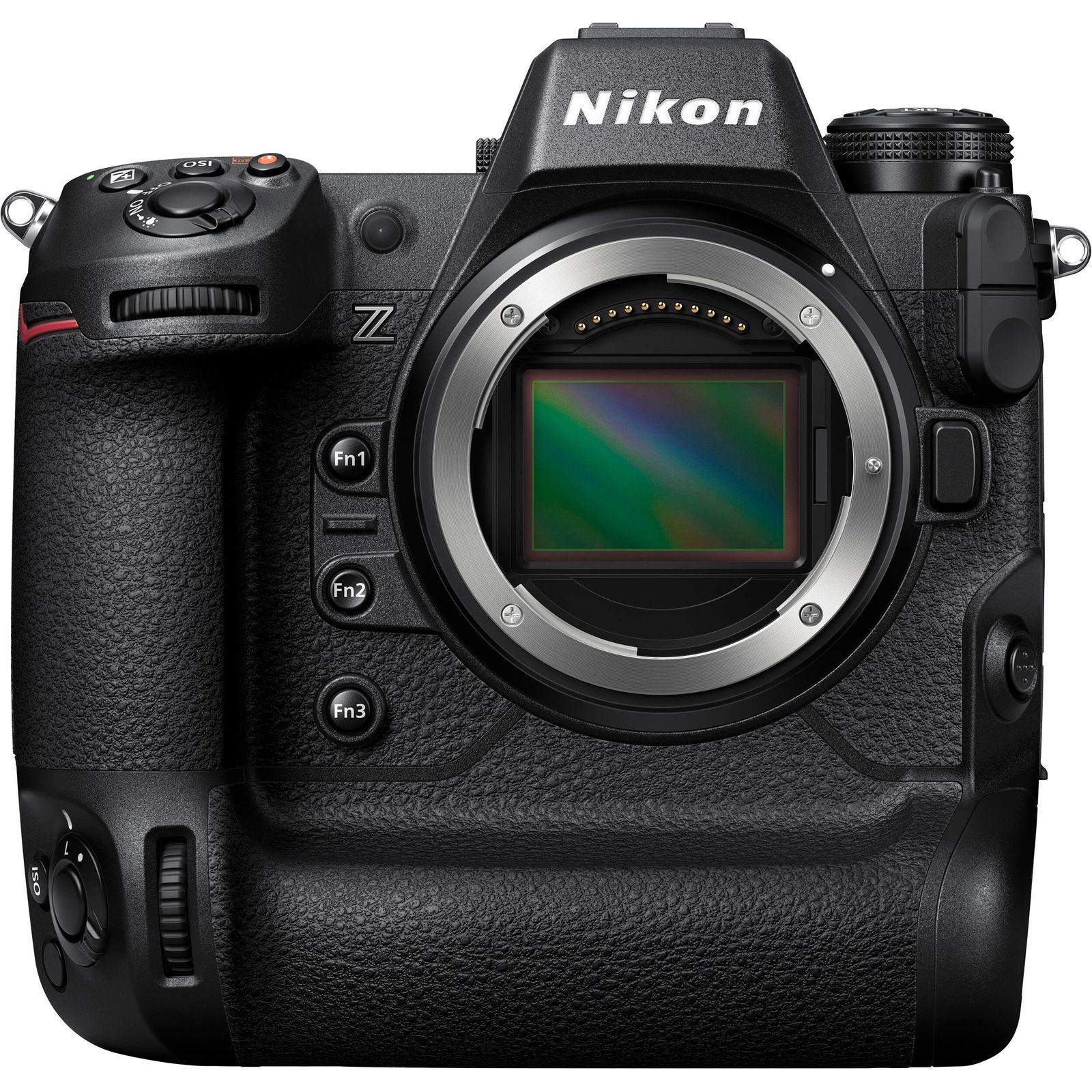
Yes — eye AF dramatically increases keeper rate, especially for moving subjects or environmental portraits. Sony's Real-Time Eye AF (available on the A7 IV, A7R III, and above) is widely considered the most reliable. Canon's Dual Pixel AF II in the EOS R5 and R6 Mark II and Nikon's eye detection in the Z8 and Z9 are also highly capable for professional portrait work.
In studios, the Fujifilm GFX100S and Hasselblad X2D 100C are favored for their 100MP resolution and exceptional skin tone rendering. For event portrait and editorial work, the Canon EOS R5, Sony A7 IV, and Nikon Z8 are the most common pro choices — fast enough for live events, resolute enough for large prints. The Nikon D850 remains a popular DSLR option among photographers who haven't transitioned to mirrorless.
A capable used portrait kit starts around $600-900: a used Sony A7 III or Canon EOS R6 body paired with a used Canon EF 85mm f/1.8 USM or Sony FE 85mm f/1.8. Adding a used prime like the Sigma 50mm f/1.4 DG HSM Art rounds out a two-lens portrait kit. Total investment under $1,500 gets you a setup used by working professionals daily.
Silent shutter mode is essential for sleeping newborns — the Sony A7 IV, Canon EOS R5, and Nikon Z8 all have fully electronic silent shutters. Pair any of these with an 85mm f/1.8 for individual portraits or a 50mm f/1.4 for environmental shots that include parents. IBIS helps when shooting in low-light nurseries without flash.
GearFocus is purpose-built for photographers buying and selling used camera gear. Every seller is identity-verified and every purchase includes 48-hour buyer protection — inspect your 85mm f/1.4 before committing. At 5% platform fees versus eBay's 13.6%, portrait photographers selling their previous lens to fund an upgrade keep significantly more of the sale. GearFocus's Pricing Guide shows real market values based on real market pricing data, so you know exactly what a used Canon RF 85mm f/1.2L should cost before you buy.