Used Camera Gear for Astrophotographers
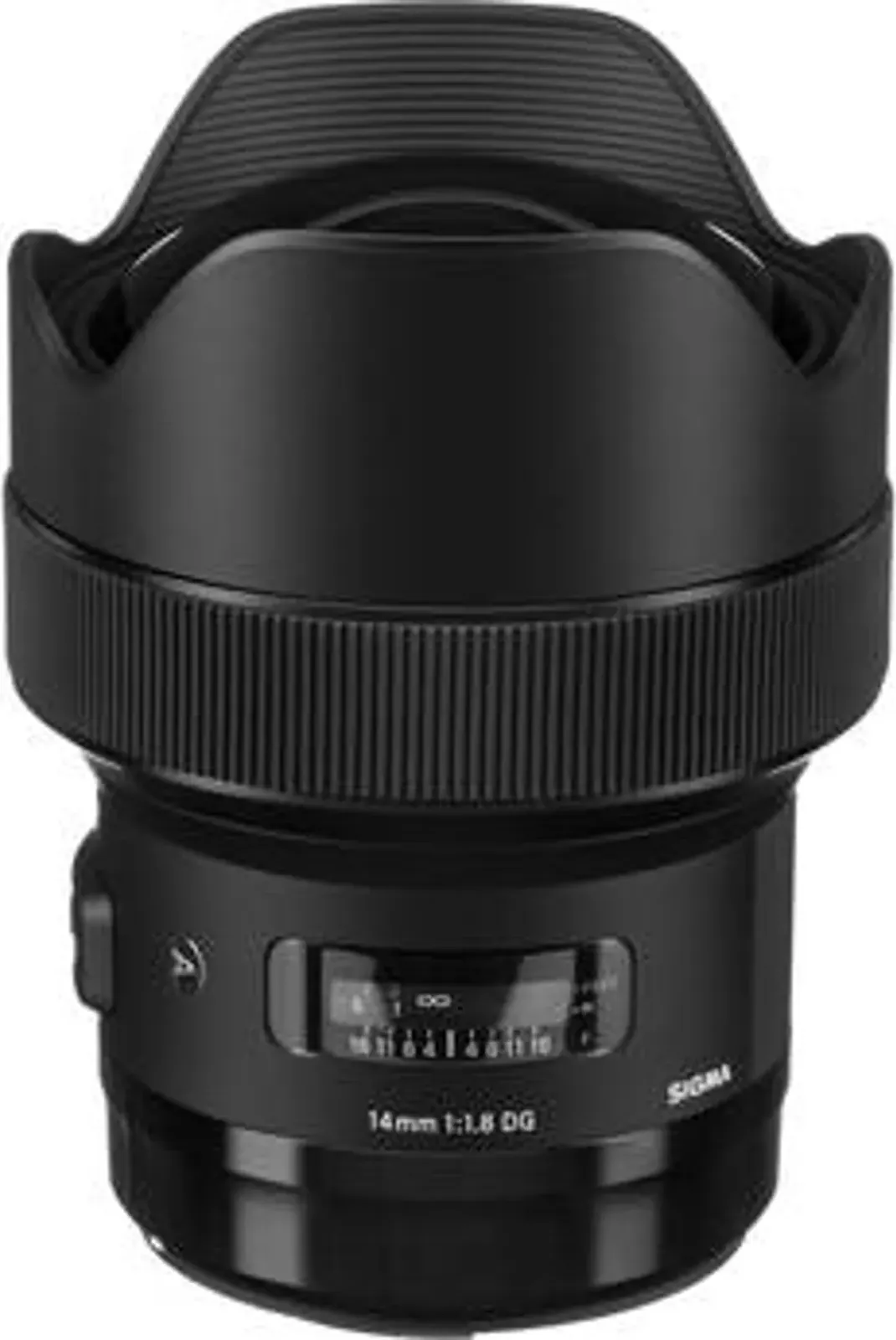
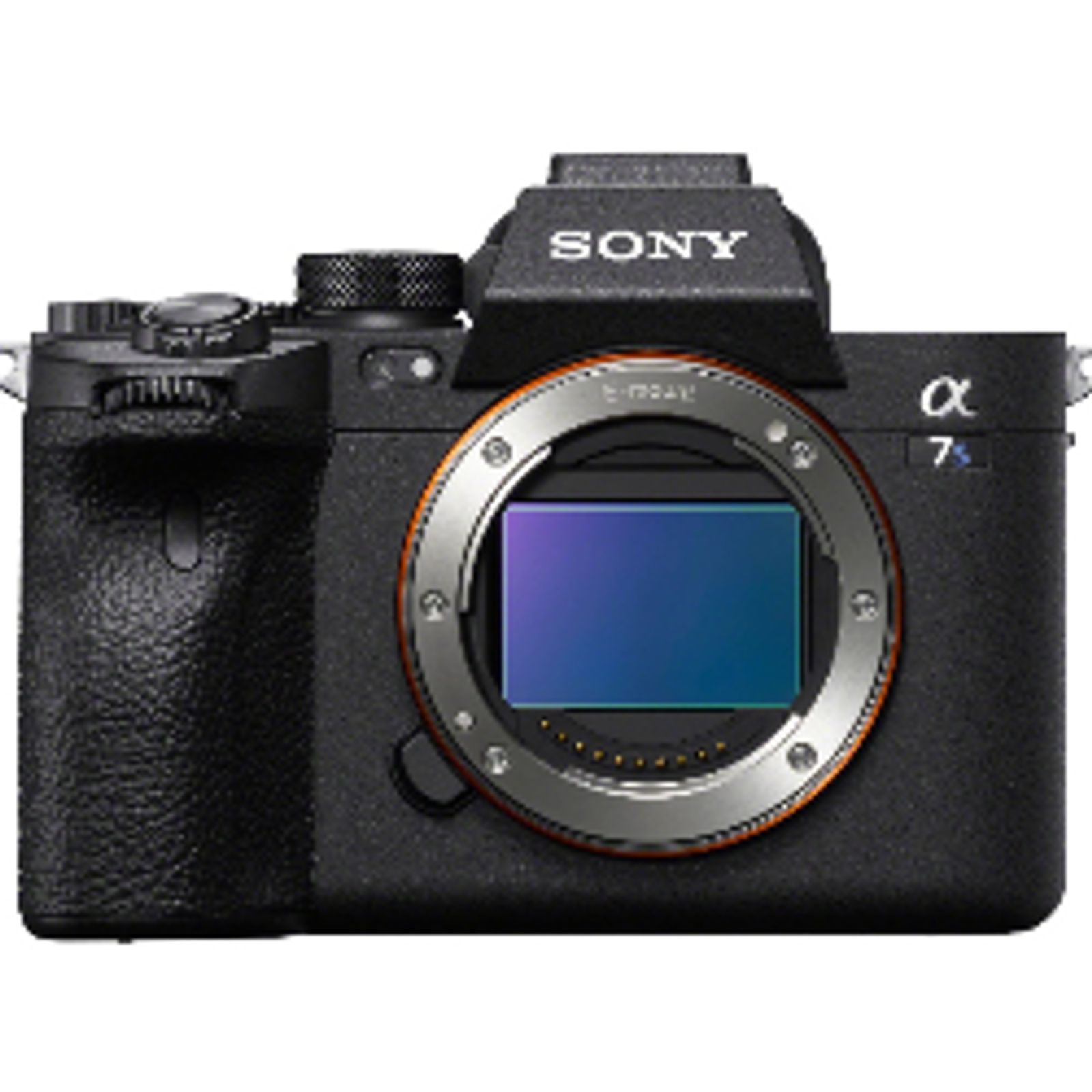
Astrophotographers need cameras with exceptional high-ISO performance, full manual controls, and fast wide-angle lenses — the combination that captures Milky Way arches, star trails, and deep-sky objects with minimal noise and maximum light. For Milky Way photography, the usable formula is the 500-rule for exposure time (500 ÷ focal length in mm), a lens at f/2.8 or wider, and a sensor that holds clean output at ISO 3200 — cameras or lenses that fall outside those parameters produce trailing stars or noisy skies. The Nikon D850, Sony A7S III, and Canon EOS Ra (modified for hydrogen-alpha wavelengths) are the benchmark cameras for serious night-sky work, paired with the Sigma 14mm f/1.8 DG HSM Art or Rokinon 14mm f/2.8 for maximum field coverage. GearFocus connects you with verified sellers offering used astrophotography cameras and lenses starting from $250, with 48-hour buyer protection on every purchase.
Browse Astrophotography GearUsed Camera Gear for Astrophotographers
Astrophotographers need cameras with exceptional high-ISO performance, full manual controls, and fast wide-angle lenses — the combination that captures Milky Way arches, star trails, and deep-sky objects with minimal noise and maximum light. For Milky Way photography, the usable formula is the 500-rule for exposure time (500 ÷ focal length in mm), a lens at f/2.8 or wider, and a sensor that holds clean output at ISO 3200 — cameras or lenses that fall outside those parameters produce trailing stars or noisy skies. The Nikon D850, Sony A7S III, and Canon EOS Ra (modified for hydrogen-alpha wavelengths) are the benchmark cameras for serious night-sky work, paired with the Sigma 14mm f/1.8 DG HSM Art or Rokinon 14mm f/2.8 for maximum field coverage. GearFocus connects you with verified sellers offering used astrophotography cameras and lenses starting from $250, with 48-hour buyer protection on every purchase.
Browse Astrophotography GearWhat Astrophotography Photographers Need
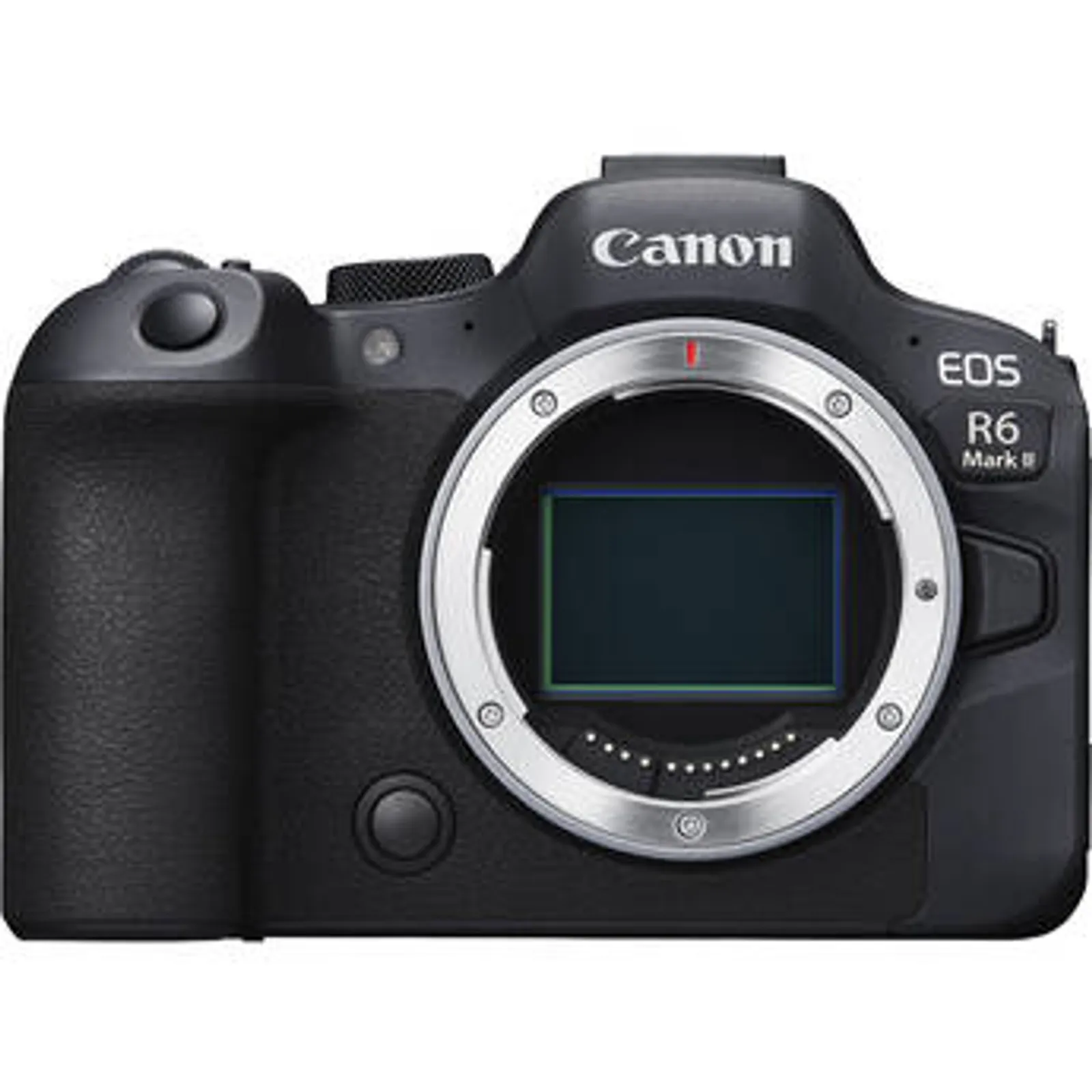
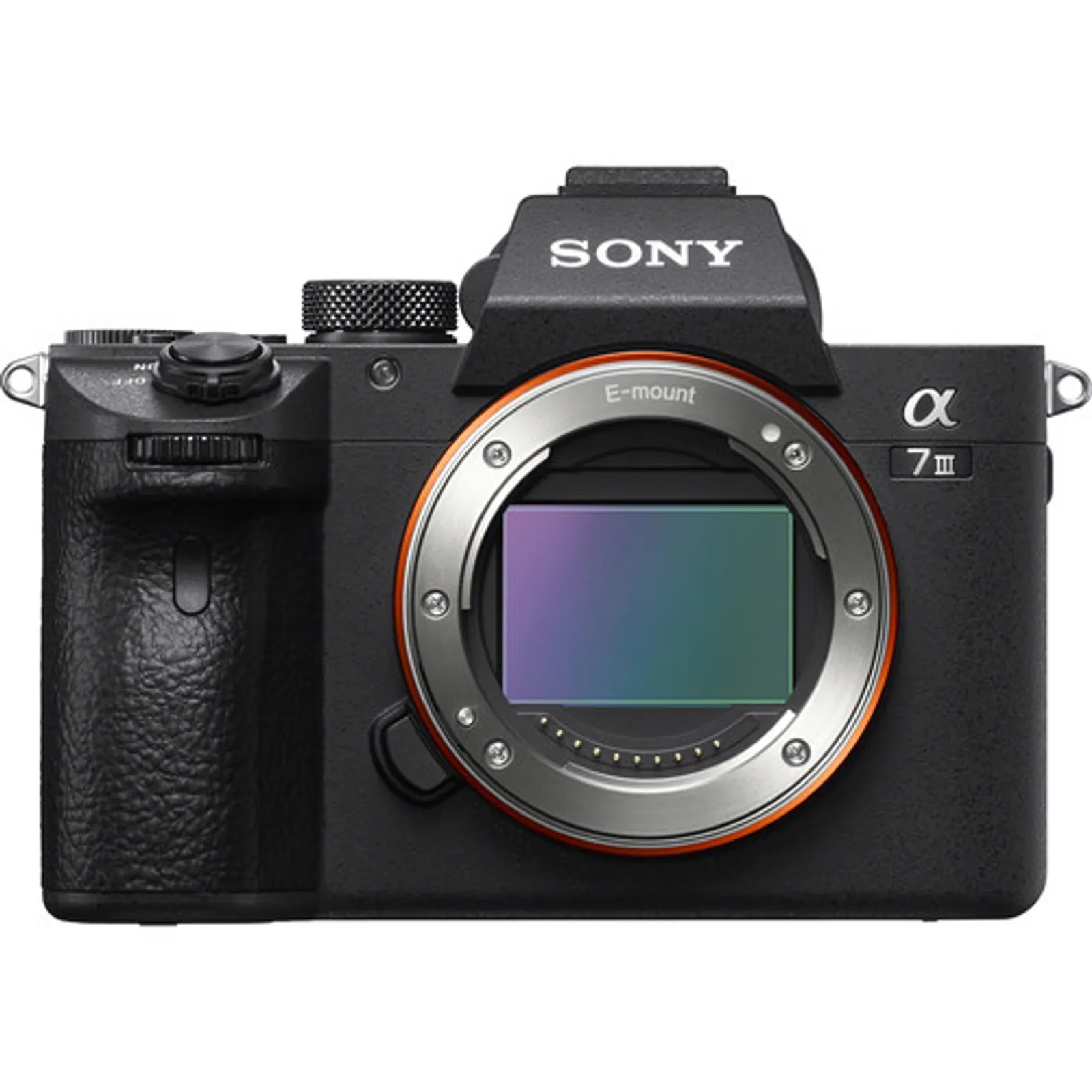
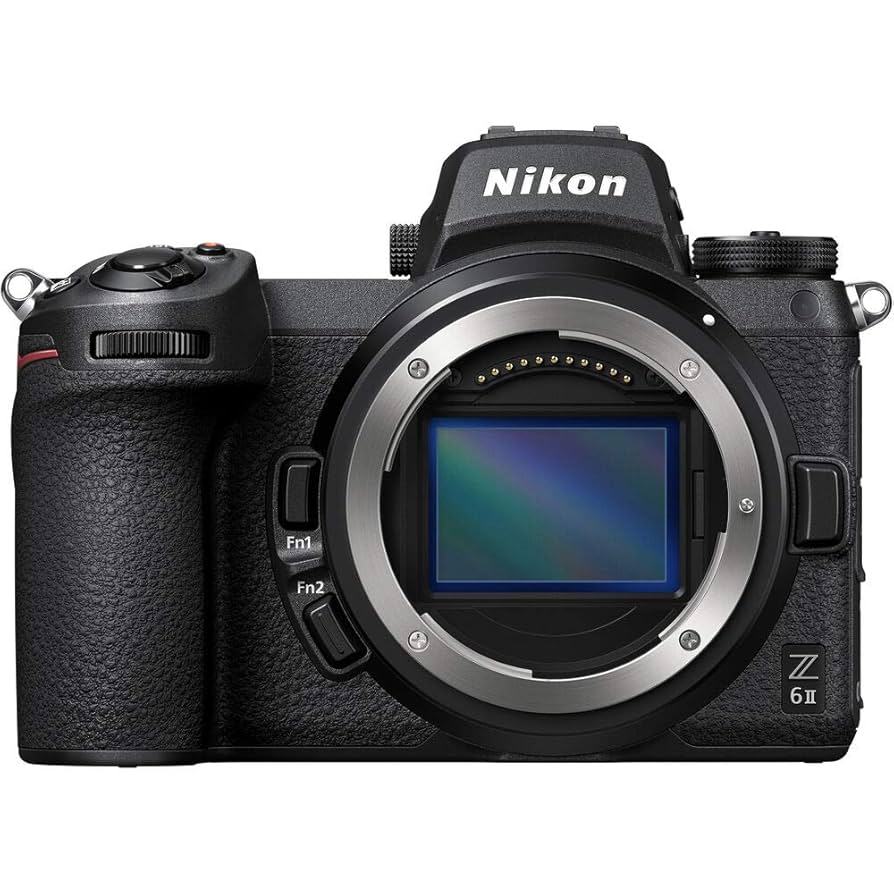
Astrophotography is the most technically demanding still photography genre, governed by physics: you need to gather as much light as possible before Earth's rotation blurs the stars. The 500-rule (500 divided by your focal length equals maximum exposure time before star trails appear) means a 14mm lens gives you roughly 35 seconds of exposure — enough time to collect meaningful light if your aperture is wide and your ISO is high. Budget shooters can start with the Sony A7 II or Panasonic Lumix S1, paired with the Rokinon 14mm f/2.8 — an affordable wide prime with acceptable coma correction for star shots. At the midrange, the Sony A7 III, Nikon Z6 II, and Canon EOS R6 Mark II offer substantially improved high-ISO performance. Moving to the pro tier, the Sony A7S III with its 12MP sensor and extraordinary ISO performance (usable to ISO 51200) is purpose-built for low-light capture. Dedicated astrophotography cameras are either stock cameras used with hydrogen-alpha filters, or modified cameras with the low-pass filter removed or replaced to pass H-alpha wavelengths — the Canon EOS Ra is the only factory-modified option from a major manufacturer. For deep-sky work, a motorized star tracker (like the iOptron SkyGuider or Star Adventurer) compensates for Earth's rotation and allows exposures measured in minutes rather than seconds, dramatically increasing signal quality. Weather sealing matters for overnight sessions in dew-prone environments.
Recommended Astrophotography Gear
Budget Astrophotography Gear
Solid ISO performance, full manual controls, decent battery, older but capable sensors
Cameras
Canon EOS R Mirrorless Camera
Market value: ~$1,799
View on GearFocus →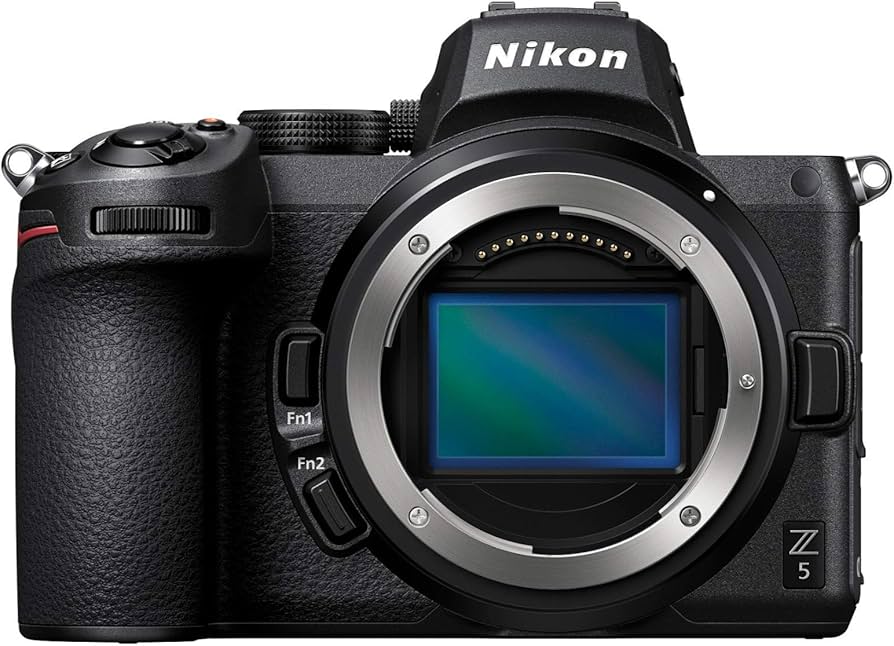
Nikon Z5 Mirrorless Camera
Market value: ~$1,096
View on GearFocus →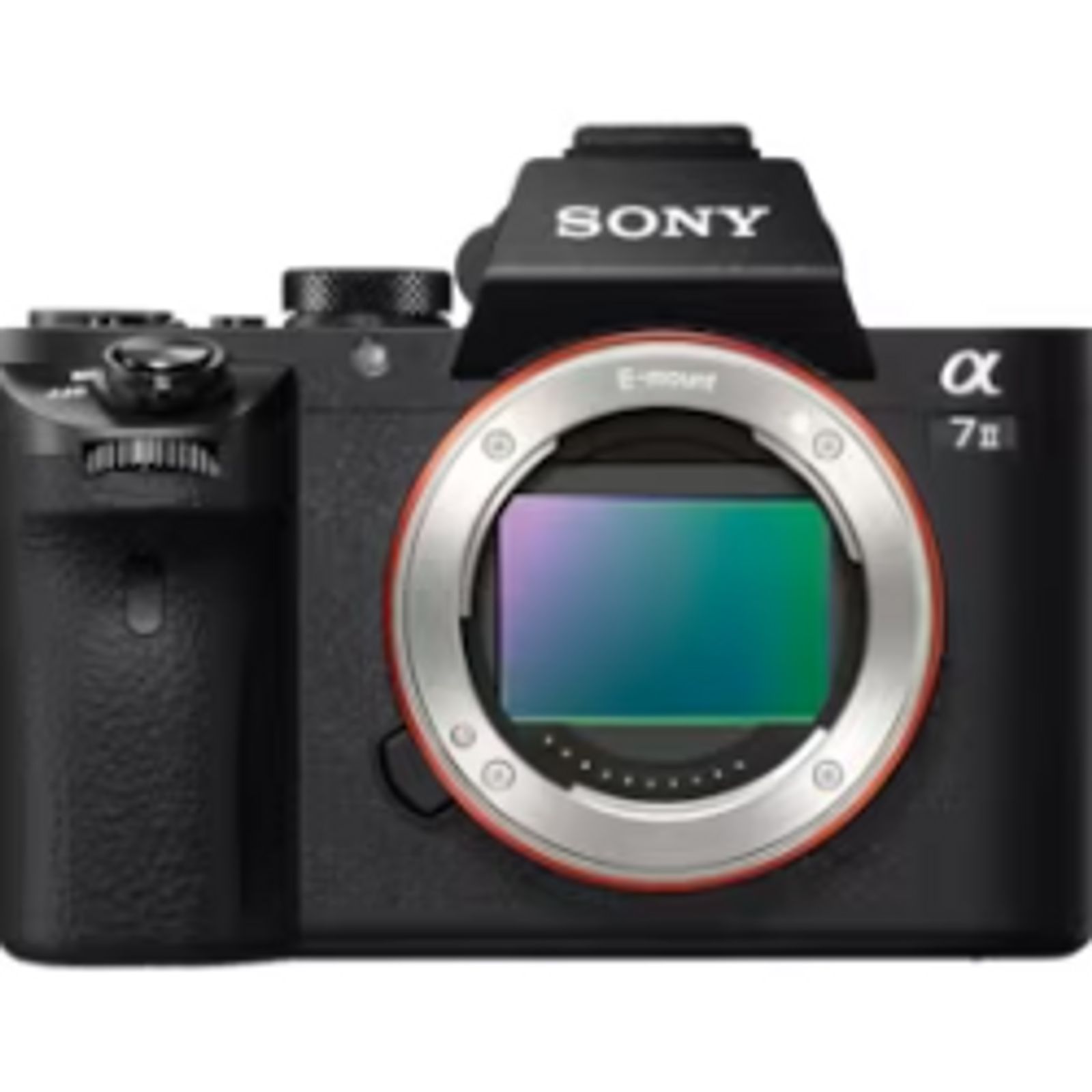
Sony Alpha 7 II Mirrorless Camera
Market value: ~$898
View on GearFocus →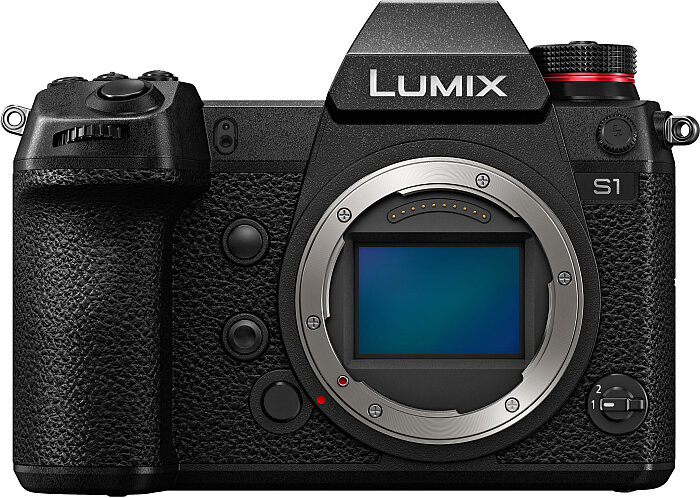
Panasonic LUMIX S1 Mirrorless Camera
Market value: ~$2,499
View on GearFocus →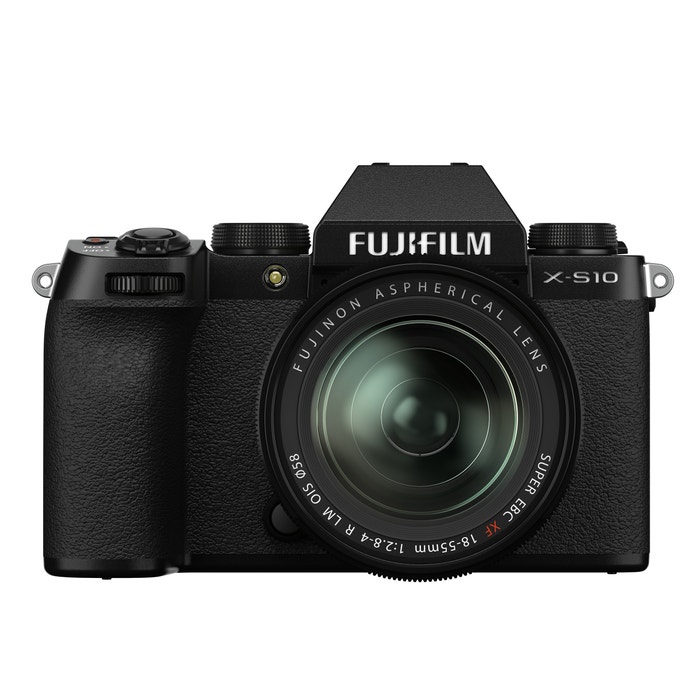
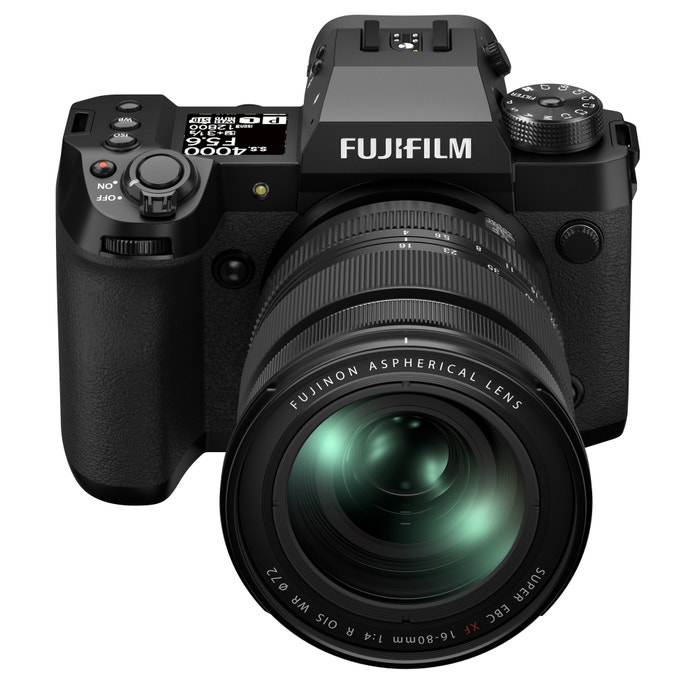
FUJIFILM X-S10 Mirrorless Camera
Market value: ~$999.99
View on GearFocus →Lenses
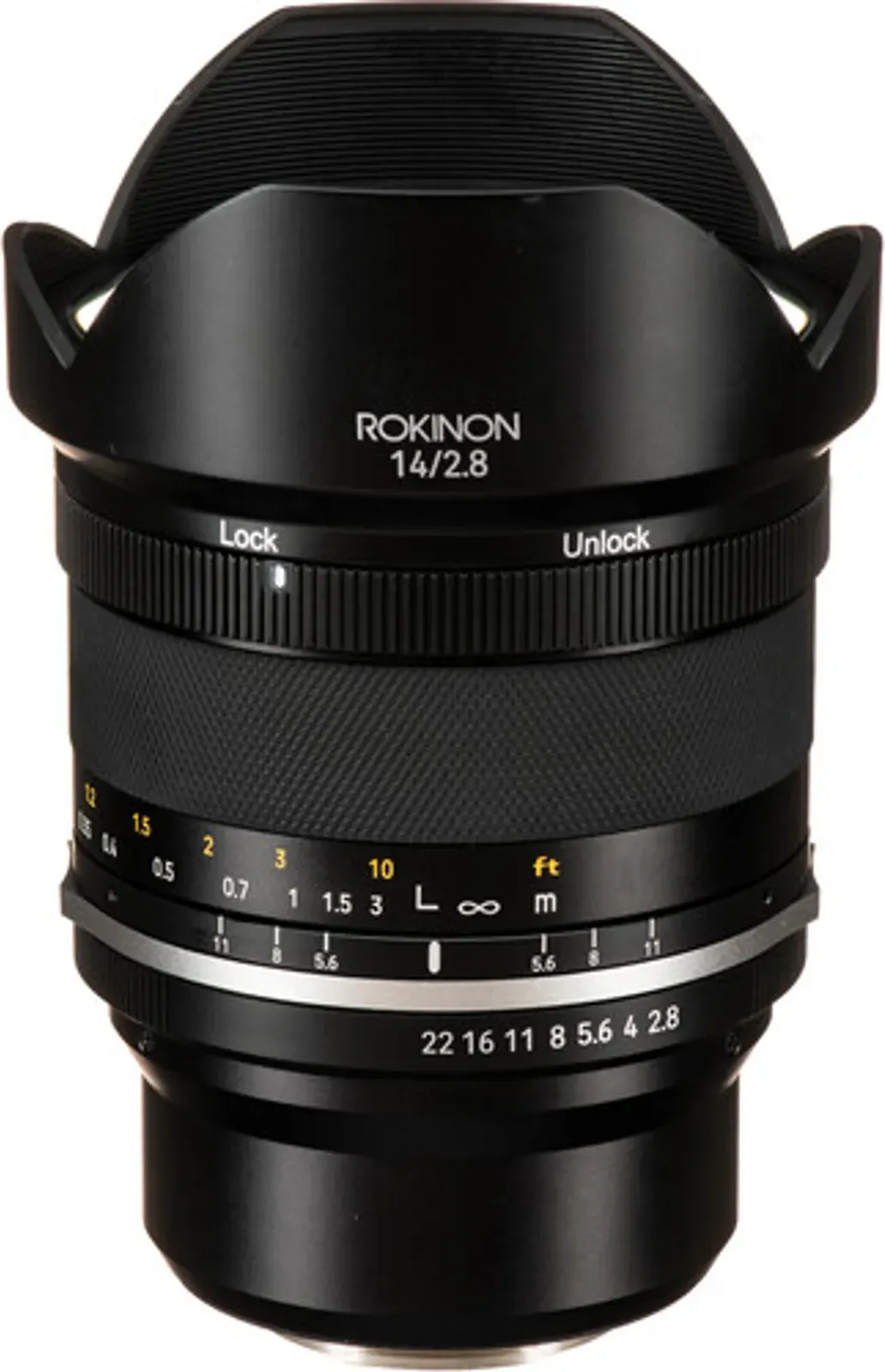
Rokinon 14mm f/2.8 II Lens
Market value: ~$299
View on GearFocus →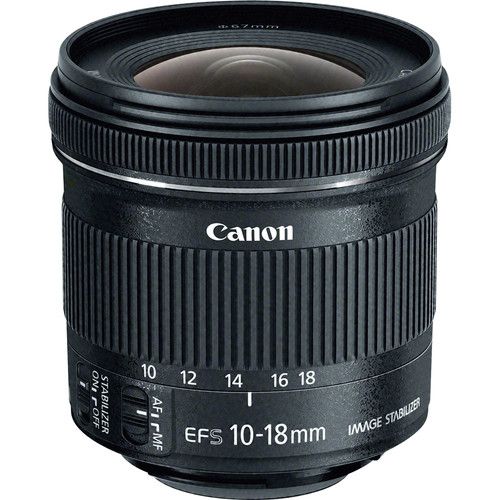
Canon EF-S 10-18mm f/4.5-5.6 IS STM Lens
Market value: ~$299
View on GearFocus →Nikon AF-P DX 10-20mm f/4.5-5.6
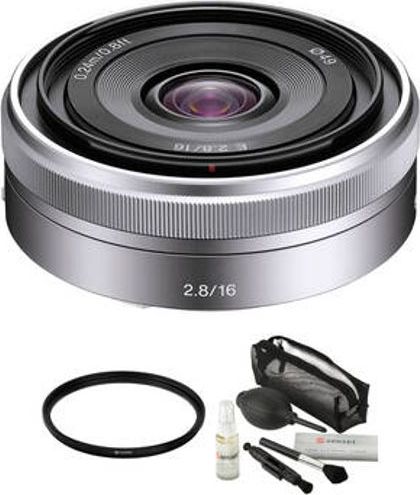
Sony E 16mm f/2.8 Lens
Market value: ~$251
View on GearFocus →Sigma 17-70mm f/2.8-4
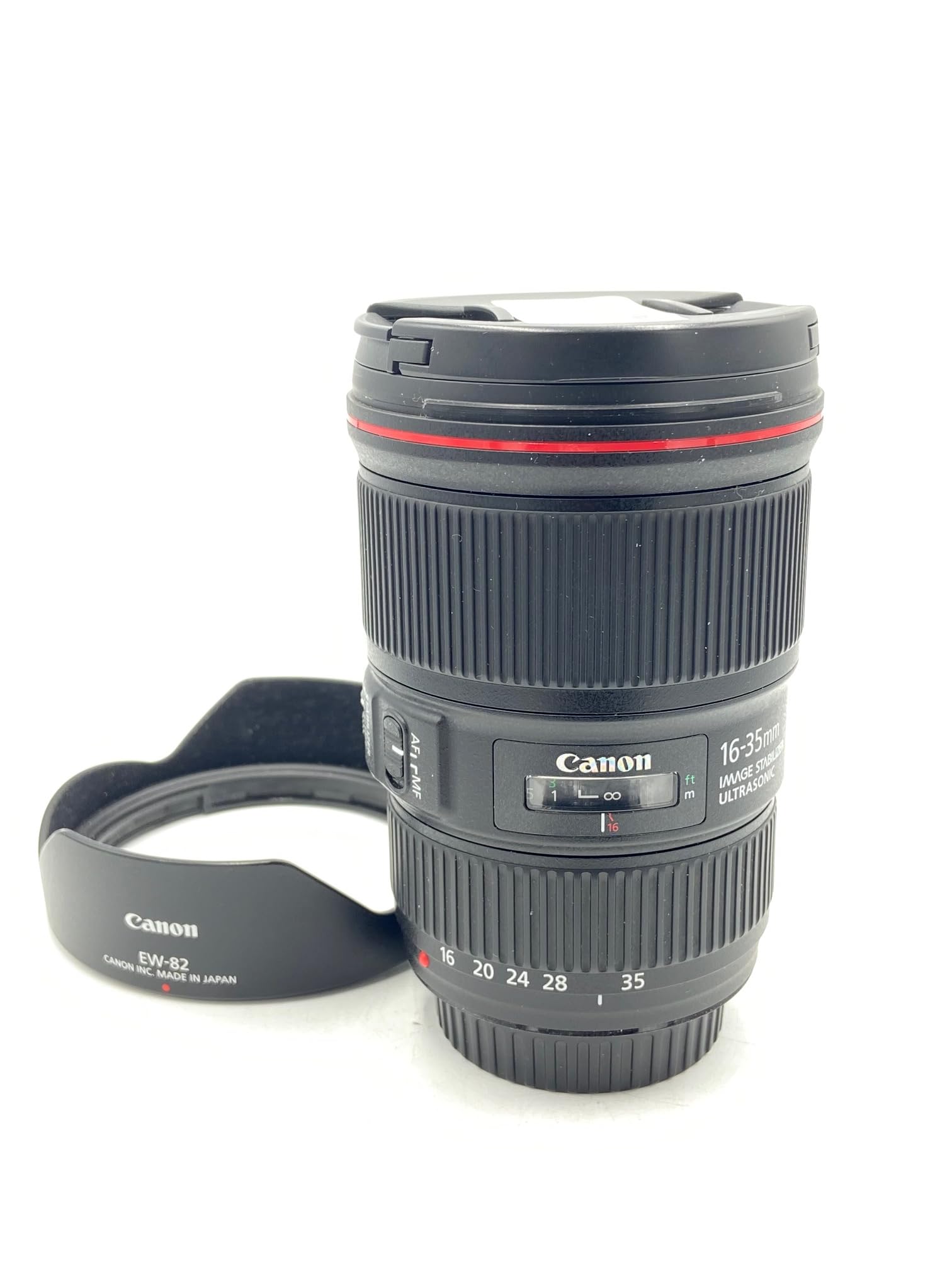
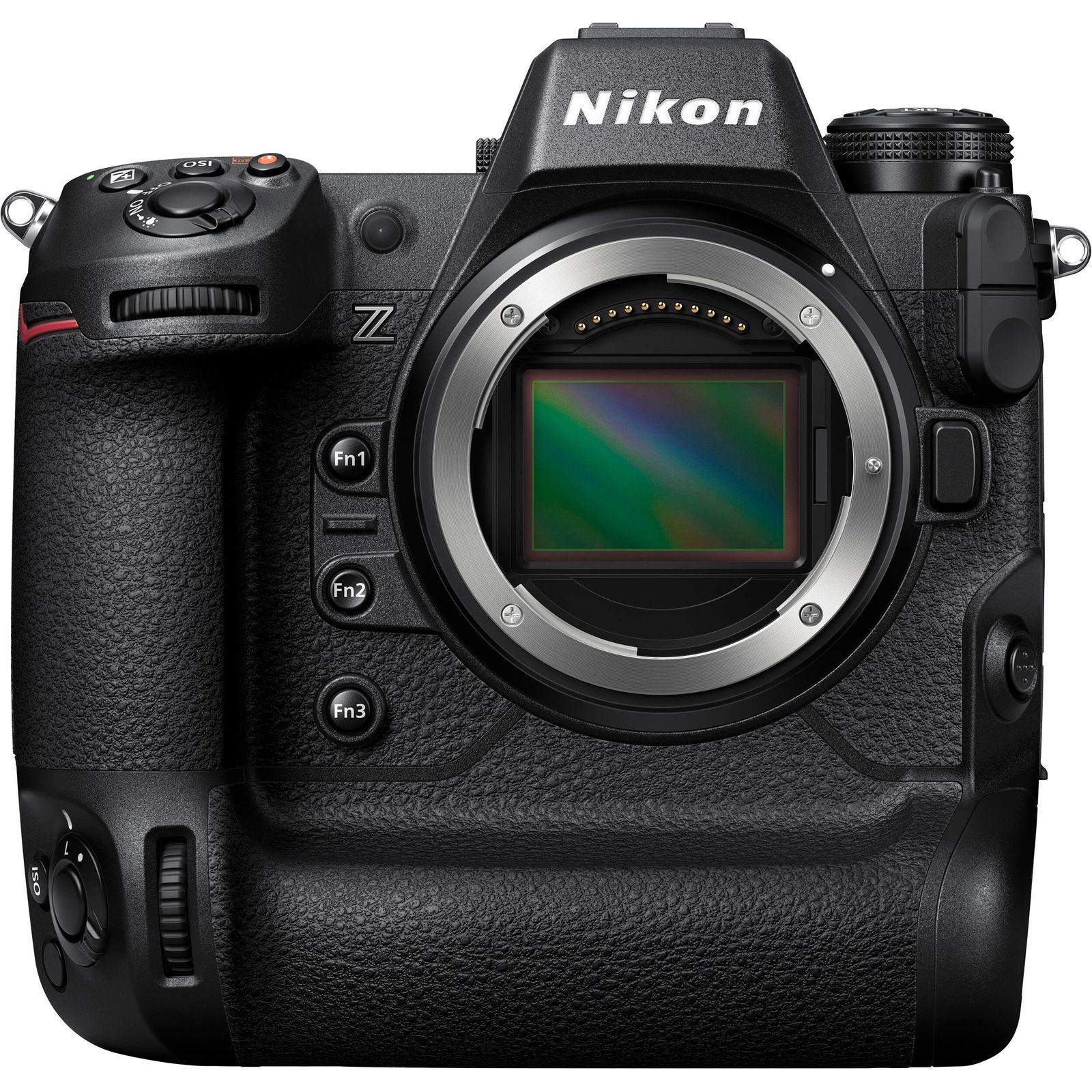
Astrophotography Gear on GearFocus
Why Astrophotography Photographers Choose GearFocus
Astrophotography gear — Sony A7S III, modified Canon EOS Ra, Sigma 14mm f/1.8 Art — is niche enough that condition history from a knowledgeable seller matters more than on any other genre. GearFocus has 6,763 GearMaster product pages covering the full-frame bodies and fast wide-angle primes used for night sky work, with enriched specs and market pricing that let buyers evaluate listings against real data. Every seller on GearFocus is identity-verified, not just account-rated — which matters when you're buying a camera that may have been modified for astrophotography and needs an honest description of what's been altered. Unlike eBay, where astrophotography listings compete with noise from general electronics sellers, GearFocus is a camera-specific marketplace where sellers understand the difference between stock and H-alpha-modified sensors.
Verified Sellers Only
Every seller on GearFocus undergoes identity verification before listing gear. You know who you're buying from — not just an anonymous account.
48-Hour Buyer Protection
Inspect your gear within 48 hours of delivery. If the item doesn't match the listing description, return shipping is covered.
5% Fee vs. 13.6% on eBay
GearFocus charges a 5% platform fee. eBay averages 13.6% in fees. Sellers keep more — which means more competitive pricing for buyers.
What to Look For in Astrophotography Gear
Camera Sensor
Full-Frame or APS-C Sensor with Low-Noise Performance
Resolution
High Megapixel Count (30MP+ for Detailed Star Shots)
ISO Performance
Excellent High ISO Performance (ISO 3200-12800+)
Lens Type
Fast Wide-Angle Lenses (14mm, 24mm, 35mm)
Aperture
Wide Aperture (f/1.4 - f/2.8 for Maximum Light Capture)
Shutter Speed
Bulb Mode & Long Exposure Support (30s+)
Stabilization
Tripod Mount Required (IBIS Less Relevant)
Weather Sealing
Weather-Sealed Camera & Lens for Outdoor Use
Viewfinder
High-Resolution EVF or Optical Viewfinder for Night Framing
Screen Type
Fully Articulating or Tilting LCD for Low-Angle Shots
Focus
Manual Focus Assist & Focus Peaking for Precision
File Format
14-bit or 16-bit RAW for Maximum Editing Flexibility
Noise Reduction
Long Exposure Noise Reduction & Dark Frame Subtraction
Bracketing
Auto Exposure Bracketing (AEB) for HDR Astro Shots
Star Tracking
Compatible with Star Trackers for Deep Sky Imaging
Interval Shooting
Built-in Intervalometer for Timelapse Star Trails
Connectivity
Built-in GPS for Geotagging & Night Planning
Battery Life
Extended Battery Life or External Power Support
Storage
Dual Card Slots for Large RAW File Storage
Software Support
Compatibility with Adobe Lightroom & DeepSkyStacker
Video Capabilities
4K/60FPS for Night Sky Motion Sequences
Ergonomics
Lightweight but Sturdy Build for Travel Shoots
FAQs
The Sony A7S III is widely considered the best general-purpose astrophotography camera due to its extraordinary high-ISO performance (clean through ISO 51200) and full-frame 12MP sensor optimized for light gathering. The Nikon D850 and Pentax K-1 Mark II are also highly regarded, and the Canon EOS Ra is the only factory-modified camera from a major manufacturer designed specifically for nebula and hydrogen-alpha capture.
A fast wide-angle lens — 14-24mm at f/2.8 or wider — is essential for Milky Way photography. The Sigma 14mm f/1.8 DG HSM Art is the most capable single Milky Way lens available, gathering more light than any f/2.8 alternative. Budget shooters use the Rokinon 14mm f/2.8 and Nikon AF-P DX 10-20mm f/4.5-5.6G VR as lower-cost starting points. The wider the aperture, the shorter the required exposure time before stars trail.
The target ISO for Milky Way photography is typically ISO 1600-6400 on modern full-frame cameras. The goal is the highest ISO that produces acceptable noise given your camera's sensor. The Sony A7S III, Nikon Z6 II, and Canon EOS R6 Mark II maintain clean output through ISO 6400. For deep-sky astrophotography with a tracker, you can use lower ISO values with longer exposures — ISO 800-1600 with multi-minute exposures stacked in post.
Preferred but not required. Full-frame sensors have physically larger pixels that gather more light per unit area, improving high-ISO performance. The Sony A7S III, Nikon D850, and Canon EOS R6 Mark II are the leading full-frame options. APS-C cameras like the Fujifilm X-T4 and Fujifilm X-H2 can produce excellent Milky Way images — the gap has narrowed significantly in recent generations. A high-quality wide prime lens matters as much as sensor size for casual astrophotography.
Start with these baseline settings: focal length as wide as possible (14-20mm), aperture as wide as available (f/1.8-f/2.8), ISO 3200-6400, and shutter speed calculated by the 500-rule (500 / focal length in full-frame equivalent). Set focus to manual and use live view to focus on a bright star. Shoot in RAW for maximum latitude in post. Use a remote shutter release or self-timer to avoid camera shake.
Not for Milky Way foreground compositions, but essential for deep-sky photography. A motorized star tracker (iOptron SkyGuider, Vixen Polarie) compensates for Earth's rotation, allowing exposures of 1-5 minutes rather than 15-30 seconds. This dramatically increases signal and allows shooting at lower ISOs with far less noise. For stacked Milky Way composites, a tracker enables technically superior images from even budget camera-lens combinations.
A used Sony A7 II or Canon EOS R body paired with a Rokinon 14mm f/2.8 or Sigma 17-70mm f/2.8-4 represents an accessible starting astrophotography kit. The Sony A7 II's full-frame sensor performs surprisingly well for its price point in low light, and the Rokinon 14mm f/2.8 is one of the most popular budget astro lenses due to its reasonable coma performance. Total investment under $700 used.
Yes, when buying from a verified marketplace. GearFocus requires identity verification for all sellers and includes 48-hour buyer protection on every purchase — if a Sony A7S III or Sigma 14mm f/1.8 arrives with hot pixels, oil on the aperture blades, or coma performance that doesn't match the listing, you get a full refund with seller-paid return shipping. Unlike general marketplaces, GearFocus sellers understand what matters for night sky work: sensor modification status, astronomical filter compatibility, and coating condition on wide primes. Buying used saves significantly on the high-cost bodies and fast glass astrophotography demands.