Used Camera Gear for Sports Photographers
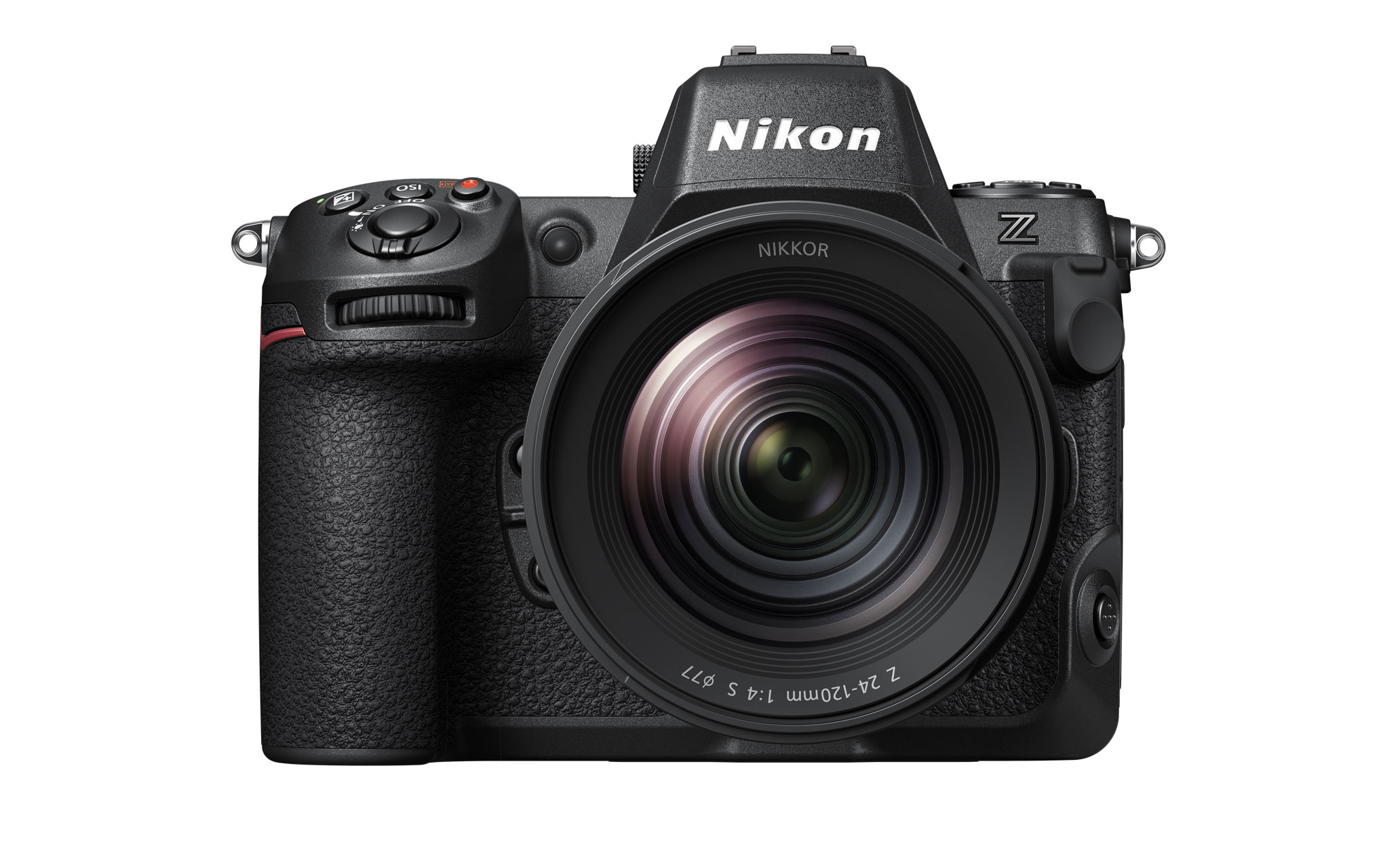
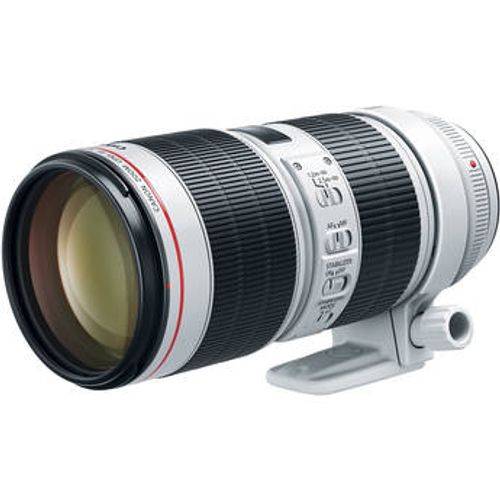
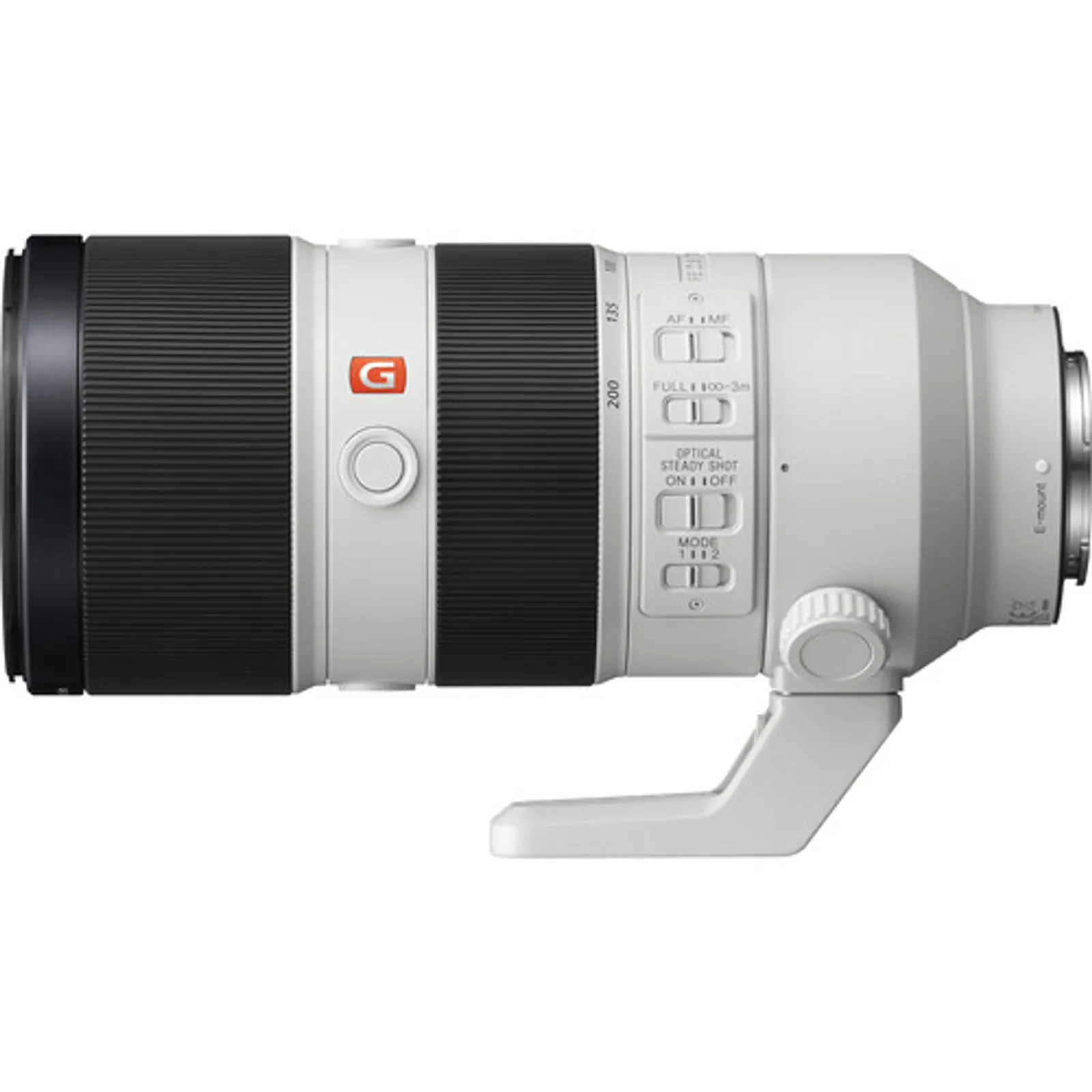
Sports photographers need cameras with the fastest burst rates, most advanced subject tracking autofocus, and the deepest buffers available — paired with telephoto lenses that reach 200-400mm with f/2.8 apertures for indoor and low-light action. The practical threshold for serious sports coverage is 10 FPS continuous burst, a 70-200mm f/2.8 telephoto, and a buffer deep enough to sustain 50+ raw frames — below those specs, decisive moments are lost and indoor arenas become unworkable. The Canon EOS R3, Nikon Z9, and Sony A1 lead the professional tier with 20-30 FPS, while the Canon EF 70-200mm f/2.8L IS III USM, Sony FE 70-200mm f/2.8 GM, and Nikon AF-S 70-200mm f/2.8E VR are the most widely used sports telephoto lenses. GearFocus connects you with verified sellers offering used sports cameras and telephoto lenses starting from $900, with 48-hour buyer protection on every purchase.
Browse Sports & Action Photography GearUsed Camera Gear for Sports Photographers
Sports photographers need cameras with the fastest burst rates, most advanced subject tracking autofocus, and the deepest buffers available — paired with telephoto lenses that reach 200-400mm with f/2.8 apertures for indoor and low-light action. The practical threshold for serious sports coverage is 10 FPS continuous burst, a 70-200mm f/2.8 telephoto, and a buffer deep enough to sustain 50+ raw frames — below those specs, decisive moments are lost and indoor arenas become unworkable. The Canon EOS R3, Nikon Z9, and Sony A1 lead the professional tier with 20-30 FPS, while the Canon EF 70-200mm f/2.8L IS III USM, Sony FE 70-200mm f/2.8 GM, and Nikon AF-S 70-200mm f/2.8E VR are the most widely used sports telephoto lenses. GearFocus connects you with verified sellers offering used sports cameras and telephoto lenses starting from $900, with 48-hour buyer protection on every purchase.
Browse Sports & Action Photography GearWhat Sports & Action Photography Photographers Need
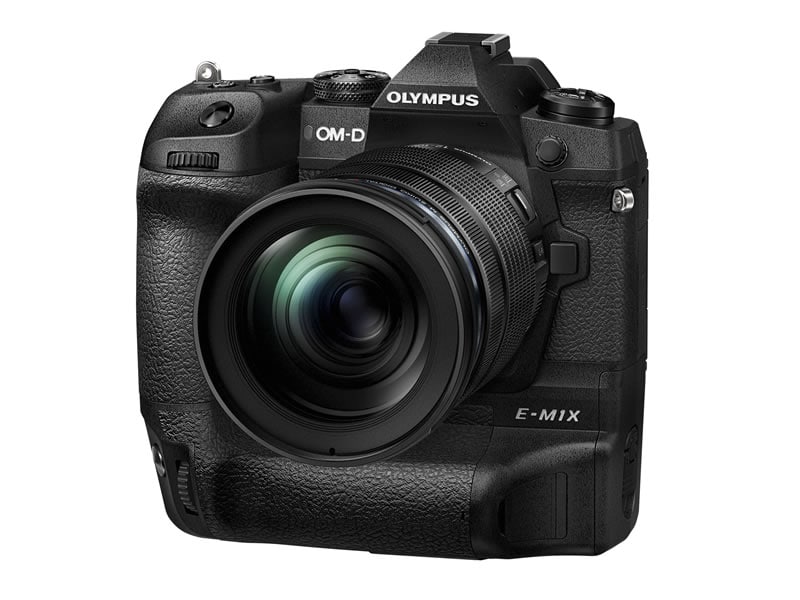
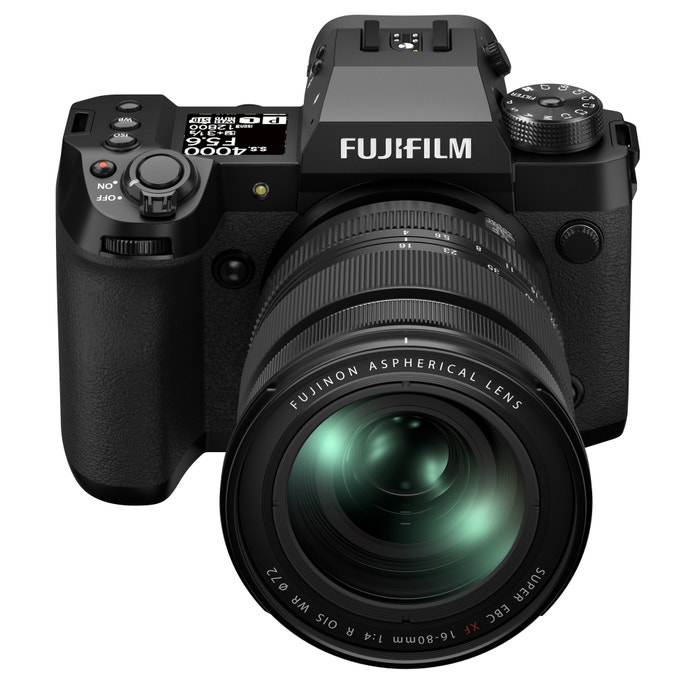
Sports photography is defined by speed — of the subject, the autofocus system, and the buffer clearing between bursts. At the entry level, the Canon EOS R6, Nikon Z6 II, and Sony A7 III all offer 10-14 FPS burst rates and reliable subject tracking adequate for recreational and scholastic sports. Budget telephoto coverage starts with the Nikon AF-P DX 70-300mm f/4.5-6.3G VR and Sigma 70-300mm f/4-5.6 — slower lenses that work in bright daylight but struggle indoors. As subjects get faster and venues get darker, the demands escalate. The midrange Olympus OM-D E-M1X with its 60 FPS electronic shutter, or the Fujifilm X-H2 with subject tracking, handles fast ball sports and track and field at accessible price points. For professional editorial and sports agency work, the Canon EOS R3's 30 FPS with eye/head/body tracking, the Nikon Z9's 45MP at 20 FPS, and the Sony A1's 50MP at 30 FPS set the standard. The 70-200mm f/2.8 is the indispensable sports telephoto — sharp enough for close-range athletes, fast enough for indoor arenas. For outdoor fields and tracks, a 300-400mm f/2.8 or 100-400mm f/4.5-5.6 extends your reach. Buffer depth matters as much as burst speed: a 10 FPS camera with a 200-frame RAW buffer outperforms a 30 FPS camera that fills its buffer in two seconds.
Recommended Sports & Action Photography Gear
Budget Sports & Action Photography Gear
Balanced speed, decent burst, moderate low-light performance
Cameras
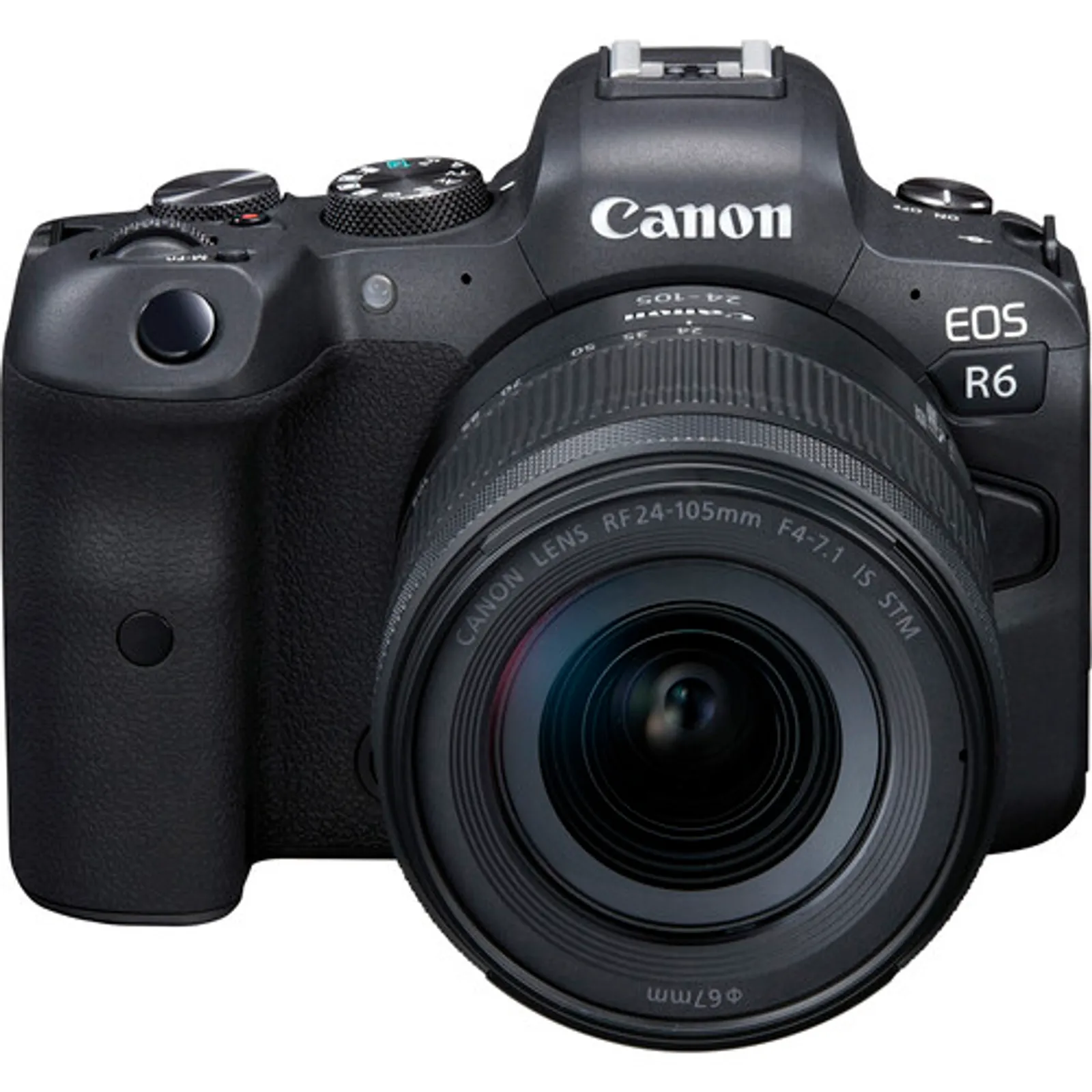
Canon EOS R6 Mirrorless Camera
Market value: ~$2,499
View on GearFocus →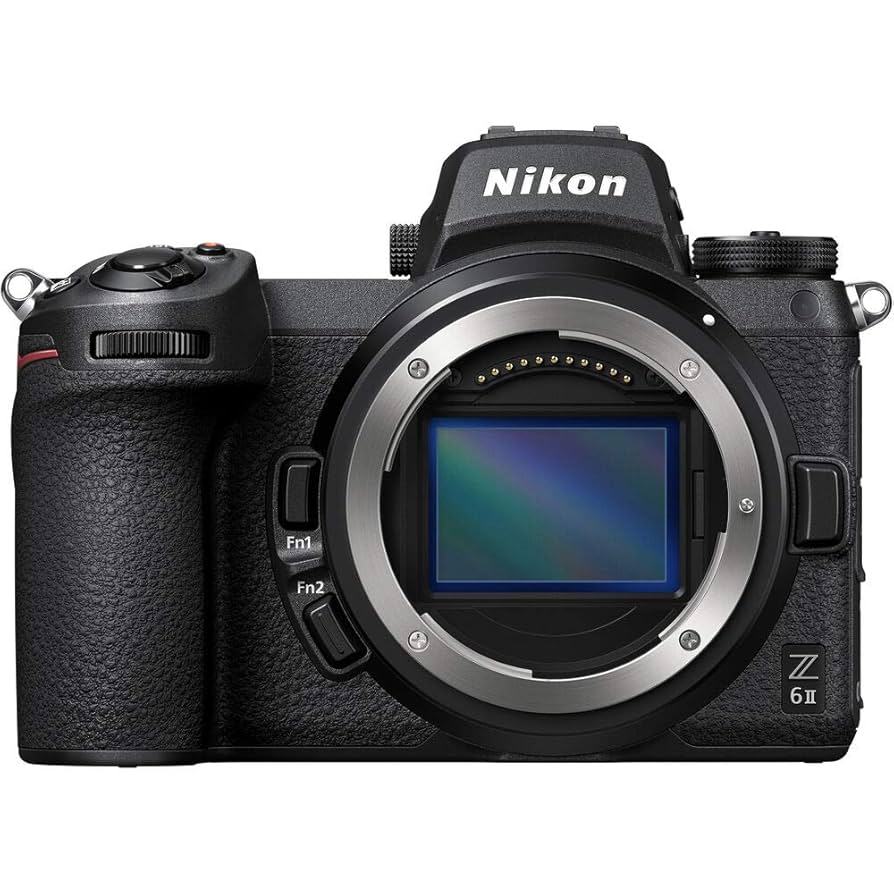
Nikon Z6II Mirrorless Camera
Market value: ~$1,999.95
View on GearFocus →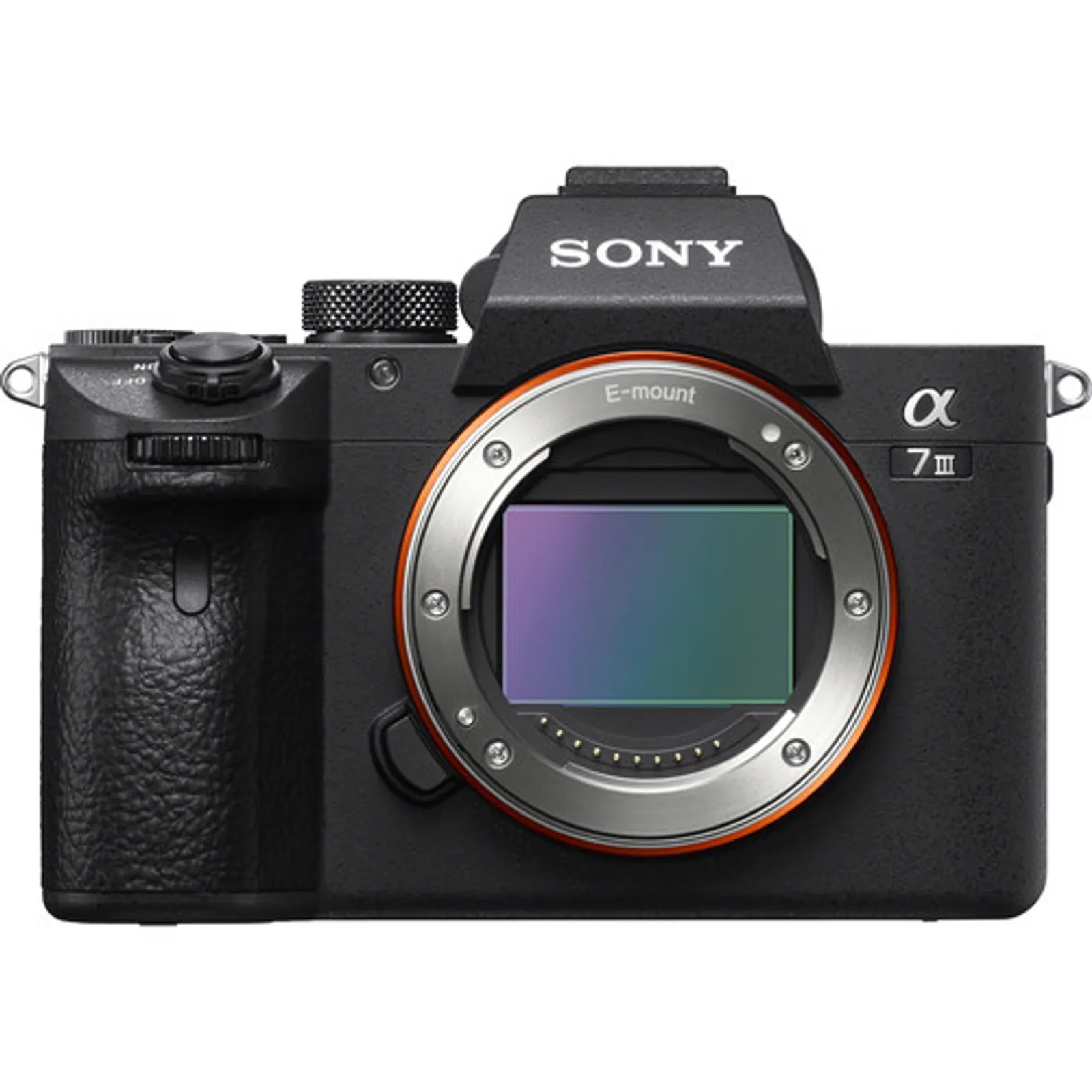
Sony Alpha 7 III Mirrorless Camera
Market value: ~$1,999
View on GearFocus →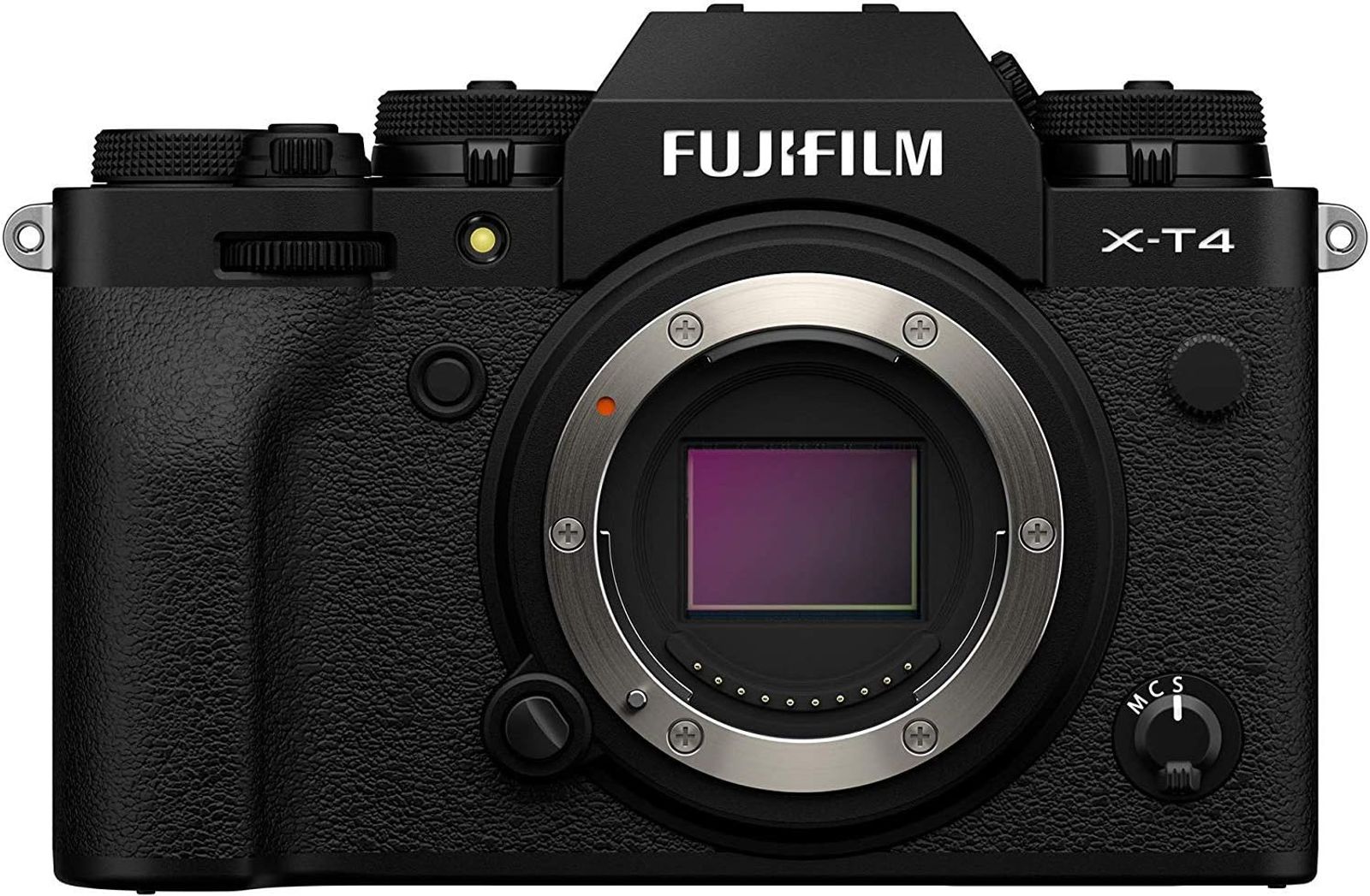
FUJIFILM X-T4 Mirrorless Camera
Market value: ~$2,199
View on GearFocus →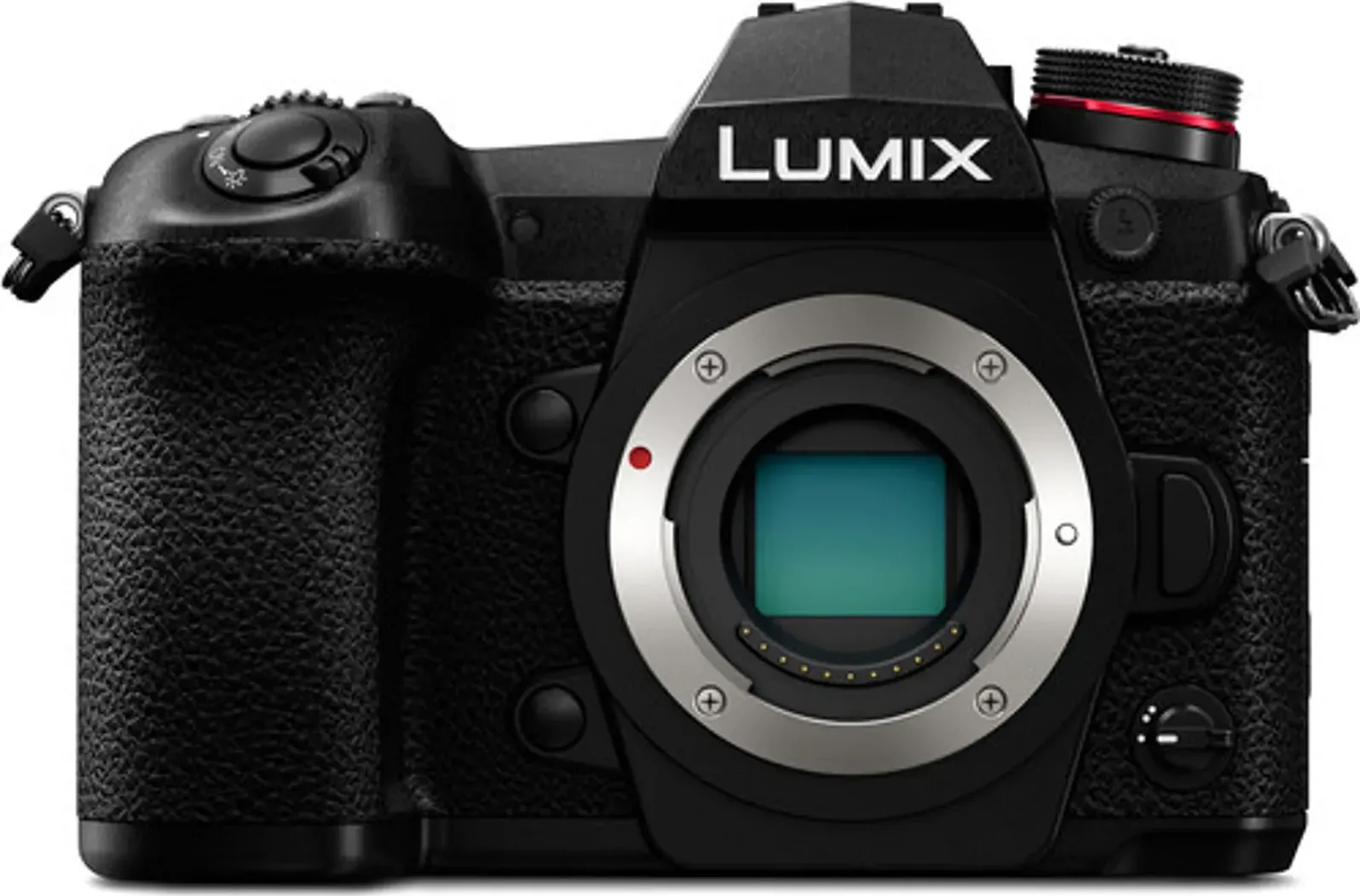
Panasonic LUMIX G9 Mirrorless Camera
Market value: ~$897
View on GearFocus →Lenses
Canon EF-S 55-250mm f/4-5.6 IS STM Lens
Market value: ~$299
View on GearFocus →Nikon AF-P DX 70-300mm f/4.5-6.3G VR
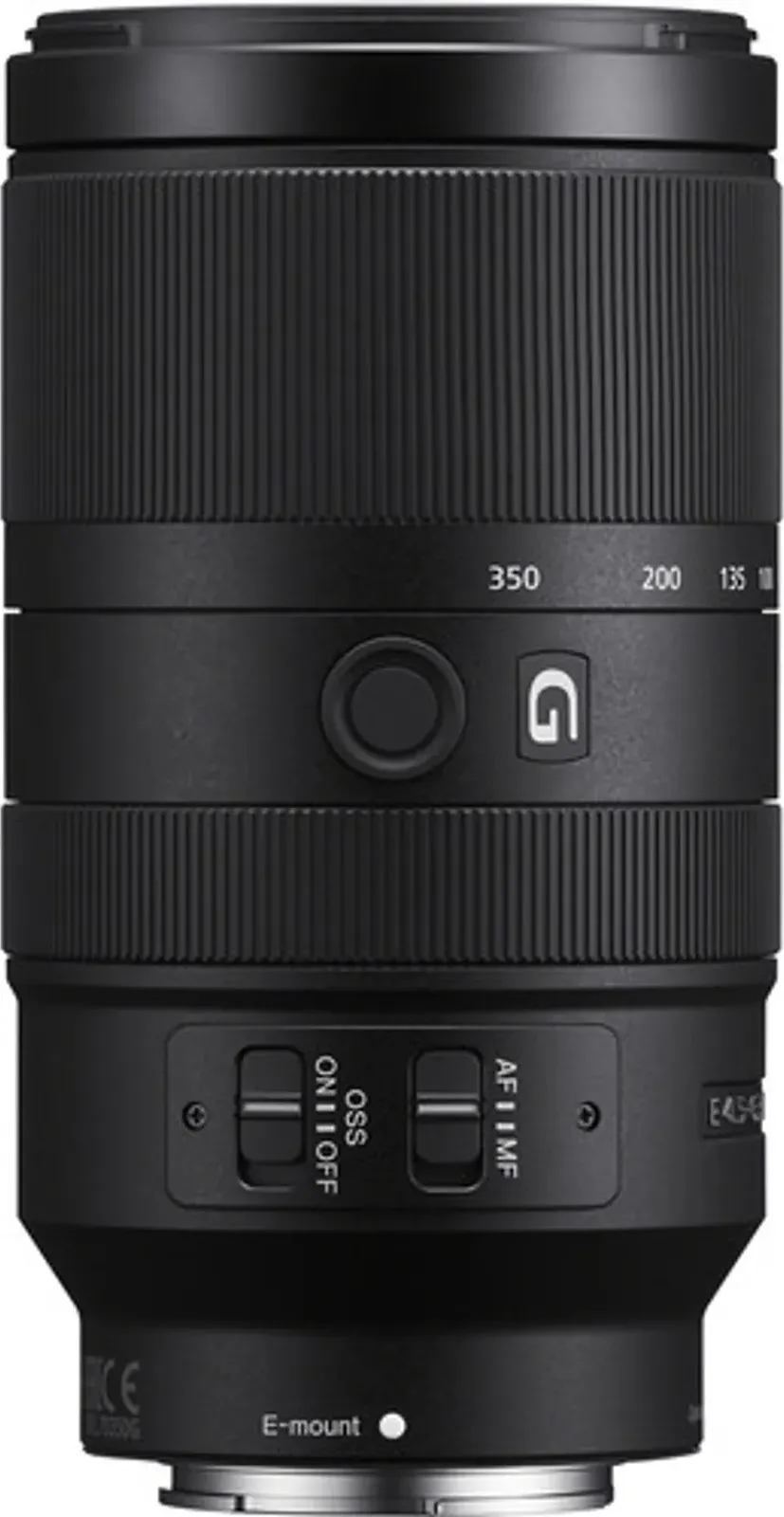
Sony E 70-350mm f/4.5-6.3 G OSS Lens
Market value: ~$998
View on GearFocus →Sigma 70-300mm f/4-5.6
Tamron 70-300mm f/4.5-6.3
Sports & Action Photography Gear on GearFocus
Why Sports & Action Photography Photographers Choose GearFocus
Sports photographers work their gear hard — 10 hours at a game, thousands of frames per event — and buying a used telephoto from a verified seller with real condition documentation is the difference between a working kit and a repair bill. GearFocus has market pricing data from thousands of real transactions, so when you're evaluating a used Canon EF 70-200mm f/2.8L IS III or Sony FE 400mm f/2.8 GM, you have actual market pricing, not guesswork. Every seller is identity-verified rather than just account-rated, meaning the working sports photographer who owned that 300mm f/2.8 before you is accountable by name. At 8.5% total fees versus eBay's ~13.8%, sellers on GearFocus retain more per transaction — which keeps professional-grade sports telephoto glass priced competitively in the secondary market.
Verified Sellers Only
Every seller on GearFocus undergoes identity verification before listing gear. You know who you're buying from — not just an anonymous account.
48-Hour Buyer Protection
Inspect your gear within 48 hours of delivery. If the item doesn't match the listing description, return shipping is covered.
5% Fee vs. 13.6% on eBay
GearFocus charges a 5% platform fee. eBay averages 13.6% in fees. Sellers keep more — which means more competitive pricing for buyers.
What to Look For in Sports & Action Photography Gear
Camera Sensor
Fast APS-C or Full-Frame Sensor for Speed & Cropping
Resolution
20MP+ for Balance of Speed & Detail
Autofocus
Advanced Subject Tracking & AI-Powered Autofocus
Frame Rate
High Burst Shooting (10-30 FPS for Capturing Motion)
Buffer Depth
Large Buffer for Continuous Shooting (50+ RAWs)
ISO Performance
Excellent High ISO Performance (ISO 100-12,800)
Lens Type
Fast Telephoto Zoom Lenses (70-200mm, 100-400mm)
Aperture
Wide Aperture (f/2.8 - f/4 for Light Gathering)
Shutter Speed
Fast Mechanical & Electronic Shutter (1/8000s+)
Silent Shutter
Electronic Shutter for Silent Shooting
Stabilization
In-Body Image Stabilization (IBIS) / Optical Stabilization for Reducing Motion Blur
Weather Sealing
Durable & Weather-Sealed Body for Outdoor Sports
EVF
High-Resolution EVF (3.6M+ Dots for Precise Framing)
File Format
14-bit RAW for Maximum Editing Flexibility
Customization
Custom Buttons for Quick AF & Focus Mode Switching
Battery Life
Long Battery Life (800+ Shots for Extended Shoots)
Storage
Dual Card Slots for Backup & Fast Write Speeds
Connectivity
Built-in WiFi & Ethernet for Fast Image Transfer
Software Support
Compatibility with Adobe Lightroom & Capture One
Video Capabilities
4K/120FPS Video for Slow-Motion Sports Footage
Tripod Mount
Arca-Swiss Compatibility for Monopods & Gimbals
Pre-Capture Buffering
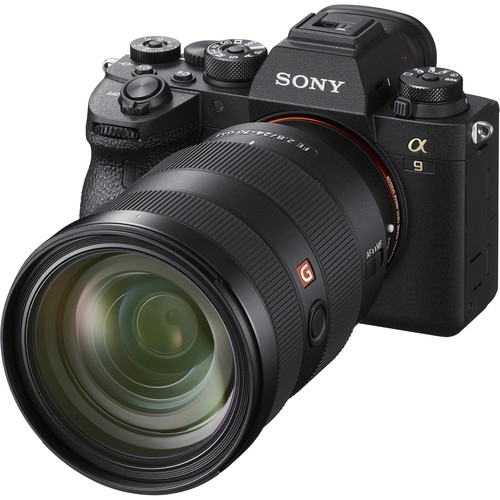
Pre-Capture Mode (Canon R3, Sony A9 III)
FAQs
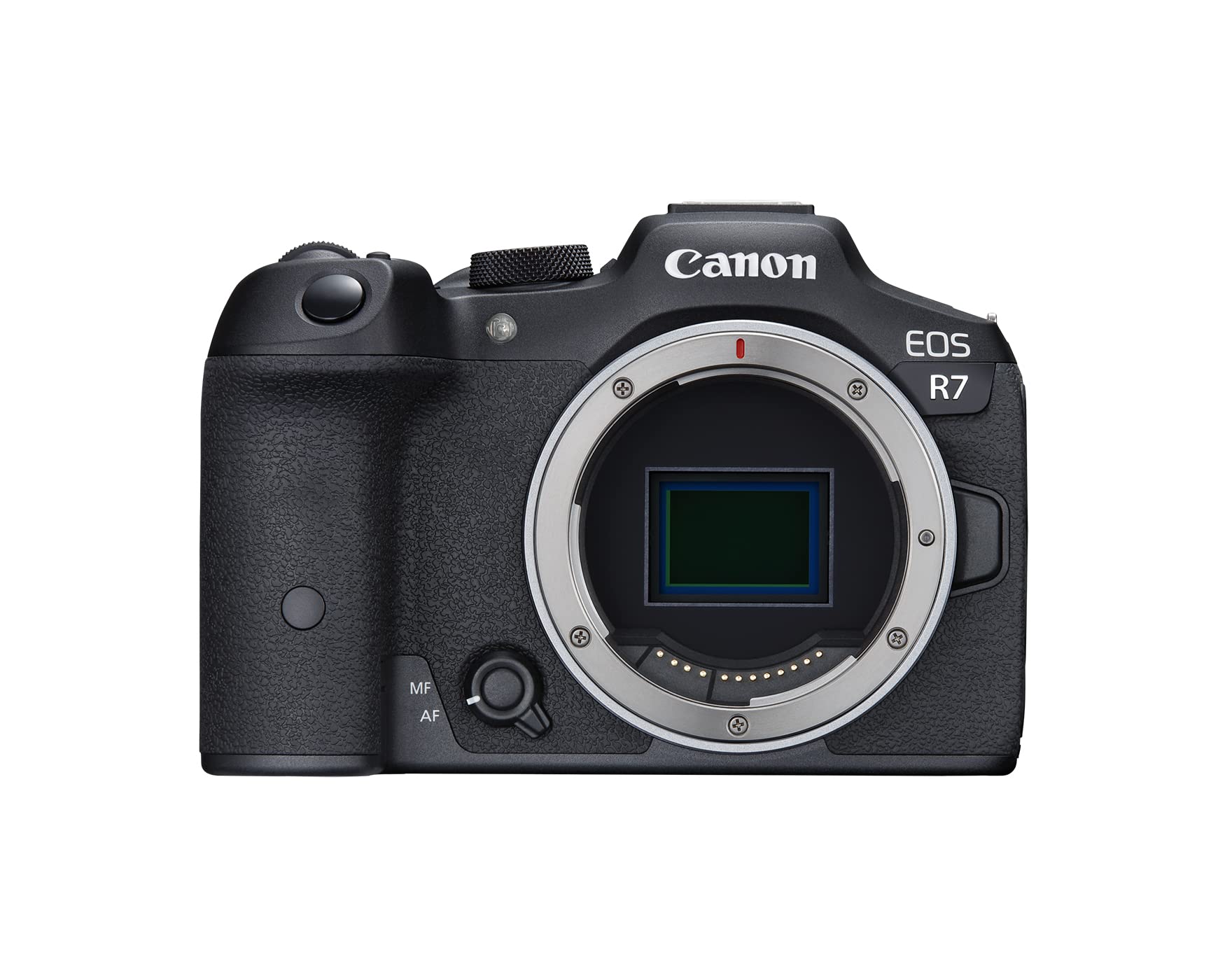
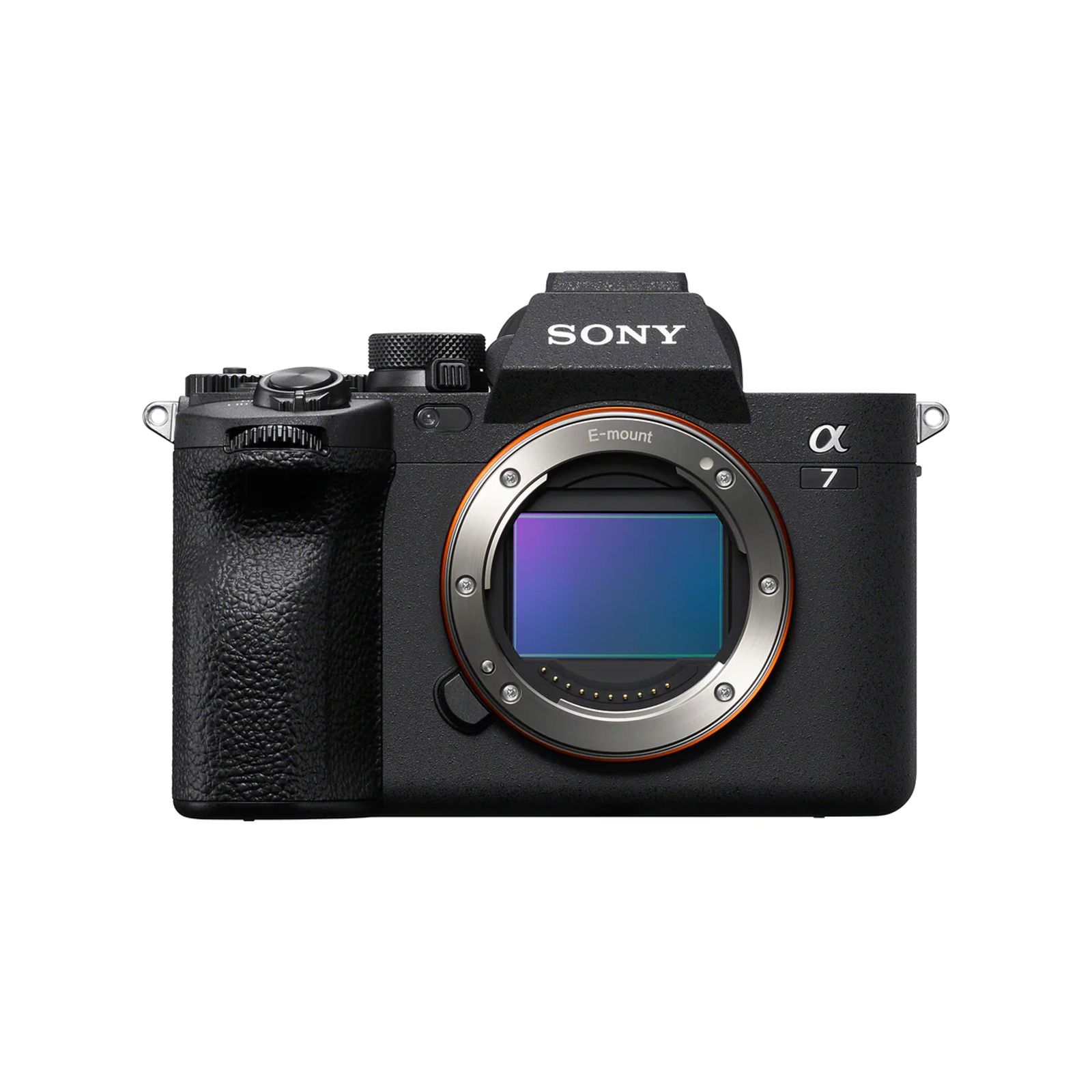
The Canon EOS R3, Nikon Z9, and Sony A1 are the cameras used by sports agency photographers and editorial photojournalists at major events. All three offer 20-30 FPS burst rates, AI-driven subject tracking, and professional weather sealing. The Canon 1D X Mark III (DSLR) remains in use among photographers who have not transitioned to mirrorless. For semi-professional and scholastic sports, the Canon EOS R7, Nikon Z6 II, and Sony A7 IV are the step-down choices.
The 70-200mm f/2.8 is the single most-used lens in sports photography — it covers soccer, basketball, baseball, and most track events with a fast aperture for indoor use. The Canon EF 70-200mm f/2.8L IS III USM, Sony FE 70-200mm f/2.8 GM, and Nikon AF-S 70-200mm f/2.8E VR are the industry standards. For longer fields (football, motorsport), a 300mm or 400mm f/2.8 or a 100-400mm zoom extends reach.
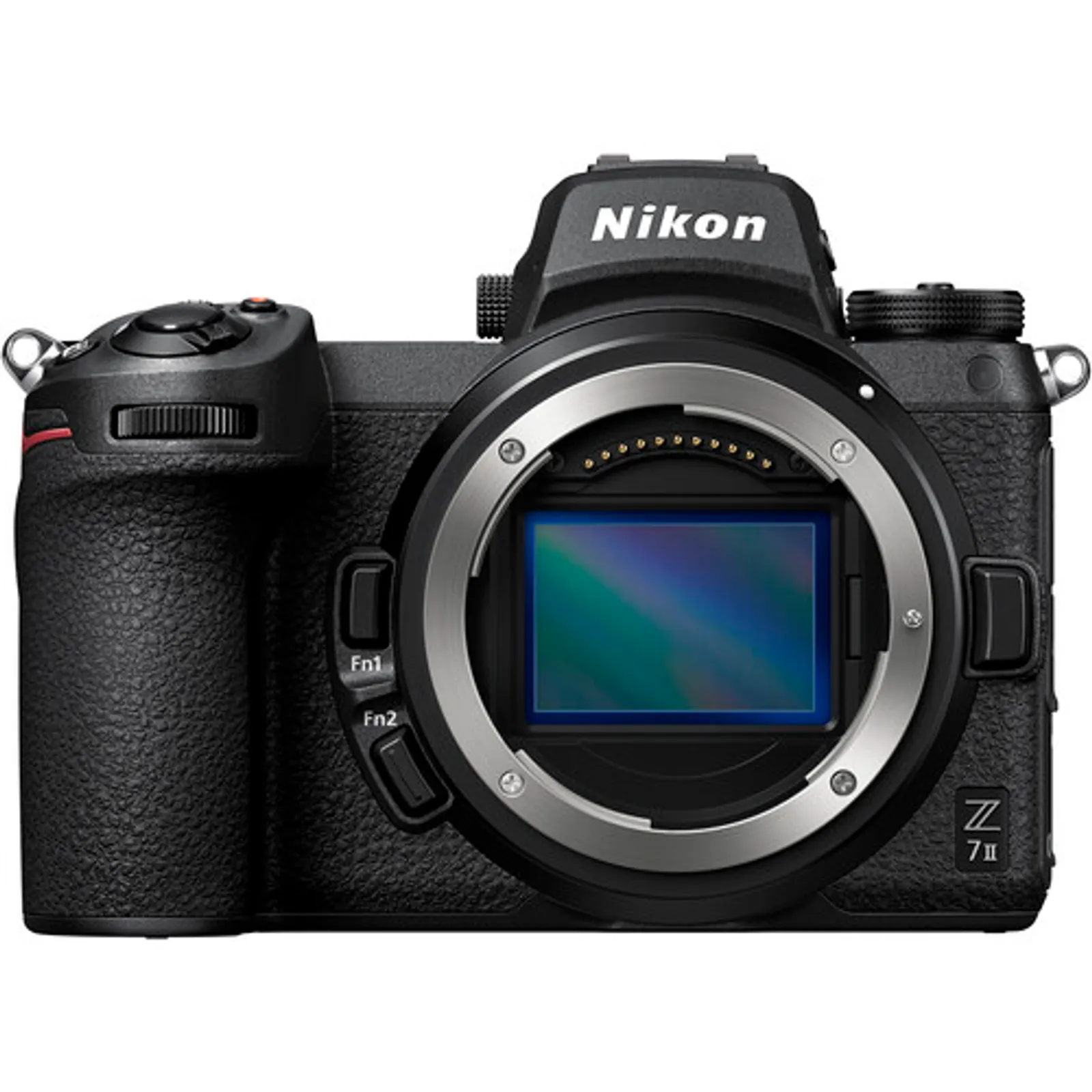
10 FPS is the practical minimum for capturing peak action moments in most sports. At 10 FPS, you're guaranteed to capture within 50ms of any peak — enough for most sports. 20 FPS halves that window to 25ms. 30 FPS, offered by the Canon EOS R3 and Sony A1, provides near-certainty of capturing even the fastest decisive moments. For team sports like basketball and soccer, 12-14 FPS cameras like the Canon EOS R6 Mark II and Nikon Z7 II are widely used professionally.
Yes — autofocus tracking speed and reliability are the most important factors in a sports camera after burst rate. Modern AI-driven systems (Sony Real-Time Tracking, Canon iTR AF X, Nikon 3D Tracking) track subject heads, eyes, and bodies through complex backgrounds. The Canon EOS R3, Nikon Z9, and Sony A1 have the most advanced subject tracking available. In midrange cameras, the Olympus OM-D E-M1X's Pro Capture mode and subject tracking are surprisingly capable for sports at lower cost.
Indoor sports require the combination of a fast aperture lens and a camera with excellent high-ISO performance. A Sony A7 III or Canon EOS R6 Mark II paired with the Sony FE 70-200mm f/2.8 GM or Canon EF 70-200mm f/2.8L IS III USM handles most gymnasium and arena scenarios. At ISO 3200-6400, these bodies produce clean files with the f/2.8 lens providing enough shutter speed (1/500s+) to freeze motion. APS-C bodies like the Fujifilm X-H2S provide extra effective reach at the cost of some low-light performance.
Outdoors in bright sunlight, yes — a 55-250mm or 70-300mm kit telephoto zoom with image stabilization can capture sports adequately. Indoors or at dusk, the variable aperture (f/5.6 at the long end) of kit lenses forces ISOs that produce unacceptable noise or shutter speeds too slow to freeze motion. Moving to an f/2.8 zoom or fast prime is the single biggest quality upgrade for indoor and low-light sports work.
The Canon EOS R6, Nikon Z6 II, and Sony A7 III represent the best value entry points for sports photography — all available used under $1,200 and all capable of 10-14 FPS with reliable subject tracking. Paired with a used Sigma 70-300mm f/4-5.6 or Nikon AF-P DX 70-300mm f/4.5-6.3G VR for outdoor sports, or a fast 50mm or 85mm f/1.8 for indoor sports at shorter distances, these systems cover most non-professional sports scenarios.
Yes, when buying from a verified marketplace. GearFocus requires identity verification for all sellers and includes 48-hour buyer protection on every purchase — if a Canon EOS R3 or Sony A1 arrives with autofocus tracking issues or a lower burst rate than advertised, you get a full refund with seller-paid return shipping. Unlike general marketplaces, GearFocus sellers are photographers who accurately report shutter actuations, buffer performance, and weather seal condition on high-cycle sports bodies. The Pricing Guide, built from real market pricing data, shows real-world market values for professional sports cameras before you commit.