- Buyer protection on every order
Selling Your Nikon Z5 or Z5 II: Timing Your Sale After the Z5IIC Launch
Bill Pryor
Oct 4, 2026
KEY TAKEAWAYS
- The short answer: Selling nikon z5 bodies works best in the pre-order window, before Z5IIC units actually ship and trade-in stock floods the used market. List now, price at the honest middle of the range, and photograph the body properly. Waiting for shipping day costs sellers leverage.
- Two different cameras, two different timelines: The original Z5 and the Z5II age at different speeds. The older body feels the pressure sooner.
- Spec honesty sells faster than spec hype: Buyers already know the Z5 caps 4K at 30fps in 8-bit. Say it yourself.
- Fees matter at this price tier: Sellers keep 91.5% of the sale price on GearFocus, which is real money on a sub-$1,500 body.
- Shutter count is the single biggest trust lever in any used Nikon listing. Lead with it.
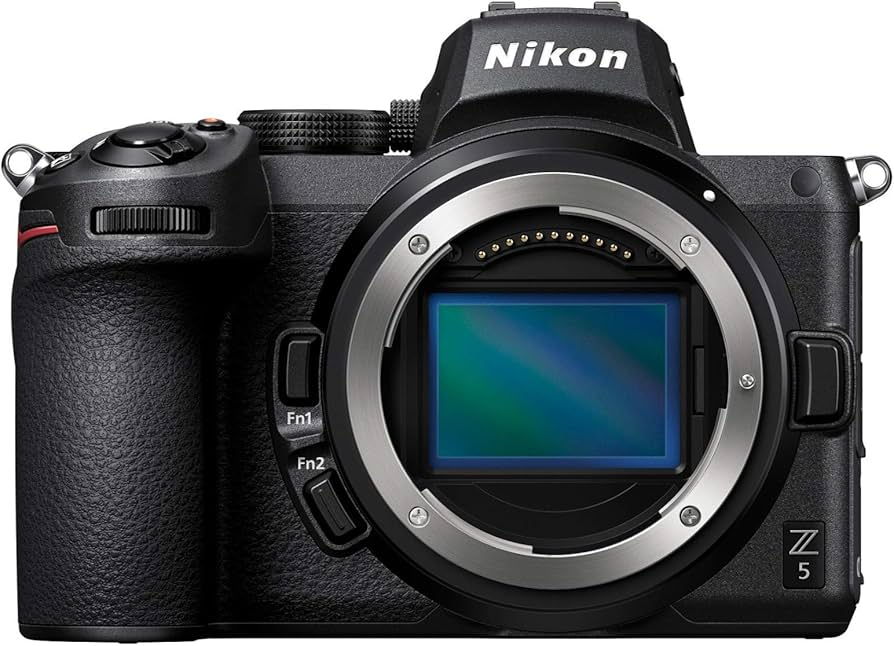
The box was still in my closet. That’s the part that surprised me, because I’m not a box person, but there it was on the top shelf behind a dead softbox and a roll of gaffer tape, and the foam insert was intact, and the little cardboard sleeve for the strap I never used was still folded the way Nikon folded it.
I pulled it down, wiped the dust off with my sleeve, and set my Z5 inside it. The body dropped in with that soft foam sound. And I sat there on the floor of the closet thinking the exact thought every Nikon owner is thinking in October 2026: how long do I actually have before this is worth less than it is today?
Here’s the situation. Nikon opened pre-orders for the compact full-frame Z5IIC, and Digital Camera World has the full pre-order rundown. Pre-orders mean upgraders. Upgraders mean trade-ins. Trade-ins mean supply. This guide is about getting in front of that wave rather than under it.
Why Timing Matters So Much When Selling Nikon Z5 Bodies Right Now
There’s a rhythm to used camera prices after a launch announcement, and it’s not a cliff. It’s a slope with two steep parts.
The first dip happens on announcement day, when a chunk of owners decide in principle that they’re upgrading. The second, bigger dip happens when units actually ship, because that’s when the trade-in boxes physically go out the door and listings stack up all at once.
Right now we’re in the gap between those two. Pre-orders are live. Shipping hasn’t flooded anything yet. For anyone selling nikon z5 gear, that gap is the most valuable real estate on the calendar, and it does not stay open long.
I learned this the expensive way with a different system entirely. I sat on a body for two months after a successor was announced because I kept telling myself I’d use it for one more project. I didn’t use it for one more project. I used it for zero projects and sold it into a market that had three times the competing listings it had when I first thought about it.
The Z5 and the Z5II Are Not in the Same Position
People lump these together because of the name. Don’t. If you’re selling nikon z5 hardware, which generation you own changes the entire strategy.
Per GearFocus GearMaster data, the original Nikon Z5 Mirrorless Camera is built on a 24.3MP full-frame sensor with the EXPEED 6 processor, ISO 100 to 51200, and a 273-point hybrid phase and contrast detection AF system with Eye, Face, and Animal Detection. It shoots 4.5fps continuous and records 4K up to 30fps in 8-bit. It has sensor-shift IBIS and a 3690k-dot EVF.
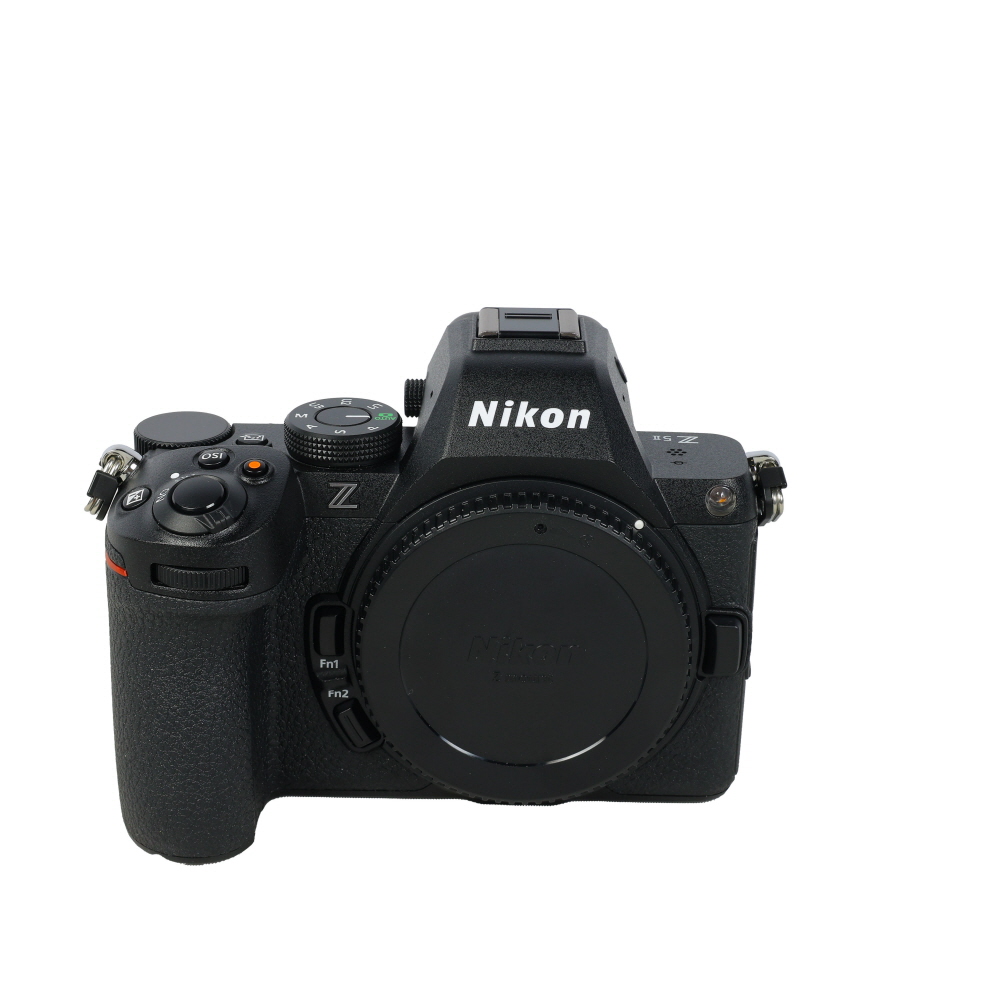
The Nikon Z5II Mirrorless Camera keeps the 24.3MP full-frame sensor and the same ISO 100 to 51200 range, but moves to Dual EXPEED processing. Autofocus stays at 273 points and adds eye tracking and subject tracking alongside Eye and Face Detection. Burst climbs to 6fps, and video gets 10-bit 4K at up to 30fps with Flat and Standard profiles. Stabilization is 5-axis in-body.
That 10-bit jump is the whole ballgame for video buyers. An original Z5 cannot grade like a Z5II, and no listing copy fixes that. So the older body competes on price and the newer body competes on capability, which means two completely different approaches to selling nikon z5 gear depending on what’s in your bag.
How Should You Price When Selling Nikon Z5 Gear This Month?
Start with the GearFocus Pricing Guide for your exact model and condition tier, not with what you paid, and not with what you emotionally believe the camera is worth. Those two numbers are almost never the real one.
Then adjust for three things, in this order.
Condition, honestly graded. Not “excellent because I was careful.” Excellent because the rubber grip has no lift, the mount shows no brassing, and the screen has no scratch you can feel with a fingernail.
Shutter count. A low-count Z5 is a different product from a high-count Z5 at the same cosmetic grade. Nikon buyers in particular ask about this before they ask about anything else.
Timing pressure. If you need the money for a Z5IIC pre-order, you’re on a clock, and a clock costs you a few percent. Price at the honest middle of the range rather than the top, because the top of the range is where listings sit for six weeks.
One more thing on fees, since it changes your net. Sellers keep 91.5% of the sale price on GearFocus, an 8.5% total fee, which is meaningfully more take-home than generalist marketplaces where photo gear competes with phone cases. On a full-frame body that spread is not a rounding error.
What Buyers Actually Look For in a Used Nikon Listing
I’ve bought more used gear than I’ve sold, and I can tell you exactly what makes me close a tab.
Stock product photos. Instant no. If the listing shows Nikon’s press render instead of the actual body, I assume there’s something on that body the seller doesn’t want me to see. It might not even be true, but I’m not going to be the one who finds out.
Here’s what works instead when selling nikon z5 bodies, and none of it requires a studio:
- Six photos, flat light, neutral background: top, bottom, both sides, back, and the lens mount with the cap off.
- A screen shot of the shutter count: literally photograph the menu or the info readout. This single image does more for buyer confidence than three paragraphs of description.
- Close-ups of the flaws: every one of them. The paint chip on the corner. The scuff on the baseplate. Photograph it, mention it, and move on.
- What’s included, itemized: battery count, charger or cable type, strap, body cap, original box, SDXC/SDHC card if you’re including one.
- Specs stated plainly: 24.3MP full-frame, ISO 100–51200, 273-point hybrid AF, IBIS. From GearMaster, not from memory.
And say the limitations out loud. On a Z5, that’s 4.5fps burst and 8-bit 4K capped at 30fps. On a Z5II, it’s 6fps and the tilting screen rather than a fully articulating one. Naming the weaknesses yourself reads as confidence. Hiding them reads as a problem you’ll hear about after delivery.
Packing and Shipping Without Losing Sleep
Double box. I know. Everyone says it and almost nobody does it, and then someone’s Z5 arrives with a cracked EVF housing because a single-wall carton met a conveyor belt.
Body in a sealed bag, bubble wrap around the bag, that package suspended in the center of an inner box with at least two inches of fill on every side, and that inner box inside a larger outer box. Batteries go in the box, not loose, per carrier rules. Tape every seam.
Most orders ship within 1 to 3 business days, so have your materials ready before you list rather than scrambling after the sale notification lands. And know the standard buyer protection: there’s a 48-hour verification window after delivery, and if the item isn’t as described, the buyer returns it at no charge and the seller covers return shipping. Which is another argument for photographing every flaw. Accurate listings almost never come back.
The Calendar Argument for Listing in October
October is a genuinely good month to be selling nikon z5 gear, and not only because of the Z5IIC.
Holiday gift season starts stirring in November. Buyers who’ve been researching full-frame all year start converting, and a well-priced used body is the classic “I finally pulled the trigger” purchase. Getting your listing live before that rush means you’re established when demand arrives, rather than competing with every trade-in that lands in December.
There’s also the successor effect running the other direction. Used prices typically soften once a successor actually ships and trade-in volume hits. Gifting season tightens supply. Those two forces are about to collide, and the window where they overlap favors whoever listed early.
If you’re torn between selling nikon z5 bodies now versus in January, the honest read is that January has you selling into the same inventory everyone else dumped in December, plus the post-holiday spending hangover. That’s a worse room.
A Worked Example: Two Sellers, Same Camera
Let’s make this concrete.
Seller A lists a Z5 at the top of the range, uses two photos, writes “excellent condition, barely used,” and doesn’t mention shutter count. The listing sits. Three weeks in, four more Z5 listings appear as pre-order upgraders start clearing shelves. Seller A drops the price. Drops it again. Eventually sells below where the honest middle would have landed on day one.
Seller B lists the same camera at the honest middle, posts six photos plus a shutter count screenshot, itemizes the included battery and charger, and writes one line acknowledging the 4.5fps burst limit for anyone considering it for sports. Sells in days, at asking, with no back-and-forth.
Same camera. Same market. The difference was entirely in the framing, which is the part of selling nikon z5 gear that’s fully under your control.
If You’re Selling Nikon Z5 Gear to Fund the Upgrade
A few tactical notes for the pre-order crowd specifically.
Don’t sell your only body before the replacement arrives if you have paid work on the calendar. I did this once. One client, one date, one camera in transit. I rented. The rental cost ate most of what I’d gained by selling early, which is a lesson I only needed once.
If you shoot full-frame and crop, consider whether the crop body stays. The Nikon Z50II pulls different duty than a full-frame Z5, and the two aren’t necessarily redundant.
And if you’re selling a Z5II rather than an original Z5, remember the 10-bit video story. Buyers paying for a Z5II are often paying specifically for Flat profile 10-bit 4K. Lead with that in the listing rather than burying it under sensor specs that match the older body anyway.
Context Worth Reading Before You List
This pattern isn’t unique to Nikon. The same timing logic applies whenever a successor shows up, and we’ve walked through it on other systems in the Sony FX3 and FX6 timing guide.
For Nikon owners specifically, the Z9 used market piece covers how the high end behaves under launch pressure, and the Z6 II pricing guide for 2026 shows the mid-tier version of the same curve.
And if you want to understand your buyer’s mindset, read the Nikon Z5 used buying guide. Knowing what the purchase side is being told is genuinely useful when you’re writing the listing they’ll read.
Common Mistakes When Selling Nikon Z5 Cameras
Three I see constantly.
Overgrading condition. “Mint” means mint. If there’s a mark, it isn’t mint. Overgrading is how a smooth sale turns into a return inside the 48-hour verification window.
Bundling junk to justify a higher price. A third-party strap and a scratched filter don’t add value. They add clutter to the listing and doubt about what else is being padded. Sell clean.
Writing for yourself instead of the buyer. Nobody cares that it was your travel camera in 2023. They care about count, condition, included items, and whether the AF does Animal Detection. Keep the nostalgia in the closet with the box.
That last one is the hardest, honestly. I’m still bad at it. I wrote three sentences of backstory into a listing last year and had to delete all of it because it read like a eulogy for a camera that still worked fine.
BOTTOM LINE
- List during the pre-order window, not after Z5IIC units ship and trade-ins stack up.
- Six photos minimum, plus a shutter count screenshot. Non-negotiable.
- Price at the honest middle of the Pricing Guide range for your condition tier.
- State the limits yourself: 4.5fps and 8-bit 4K on the Z5, 6fps and a tilting screen on the Z5II.
- Keep 91.5% of the sale price on GearFocus, and don’t sell your only body before the replacement lands.
- Double box it. Every time.
The window for selling nikon z5 bodies into a thin, hungry market is open right now and will not be open in December. If you’ve been circling this decision, selling nikon z5 gear today beats selling nikon z5 gear into a pile of January trade-ins. Get your shutter count screenshot, grade the body honestly, and put it in front of buyers who are already searching. Selling nikon z5 cameras well is mostly just refusing to wait.
FAQ
Should I sell my Nikon Z5 before the Z5IIC ships?
Generally yes. Pre-order periods pull upgraders forward, and used inventory climbs once replacement units actually arrive. Listing during the pre-order gap means fewer competing listings and less downward price pressure on your body.
How do I price a used Nikon Z5 to sell fast?
Use the GearFocus Pricing Guide for your exact model and condition tier, then list at the honest middle of that range rather than the ceiling. Top-of-range listings sit. Middle-of-range listings with full photos move quickly.
Does shutter count really affect what I get?
Significantly. Nikon buyers ask about it before anything else, and a documented low count separates your listing from identical cosmetic grades. Photograph the count readout and include it. It costs nothing and builds immediate trust.
What fee does GearFocus charge sellers?
The total fee is 8.5%, so sellers keep 91.5% of the sale price. On a full-frame body that difference versus generalist marketplaces is real money, not a rounding error on your final net.
Is the Z5II holding value better than the original Z5?
The Z5II offers Dual EXPEED processing, 6fps burst, and 10-bit 4K with Flat and Standard profiles, per GearFocus GearMaster data. Those video capabilities give it a distinct buyer pool the older 8-bit Z5 cannot serve.
Own one like this?
Make room for new gear in minutes.
