Used Film Camera Gear for Analog Photographers
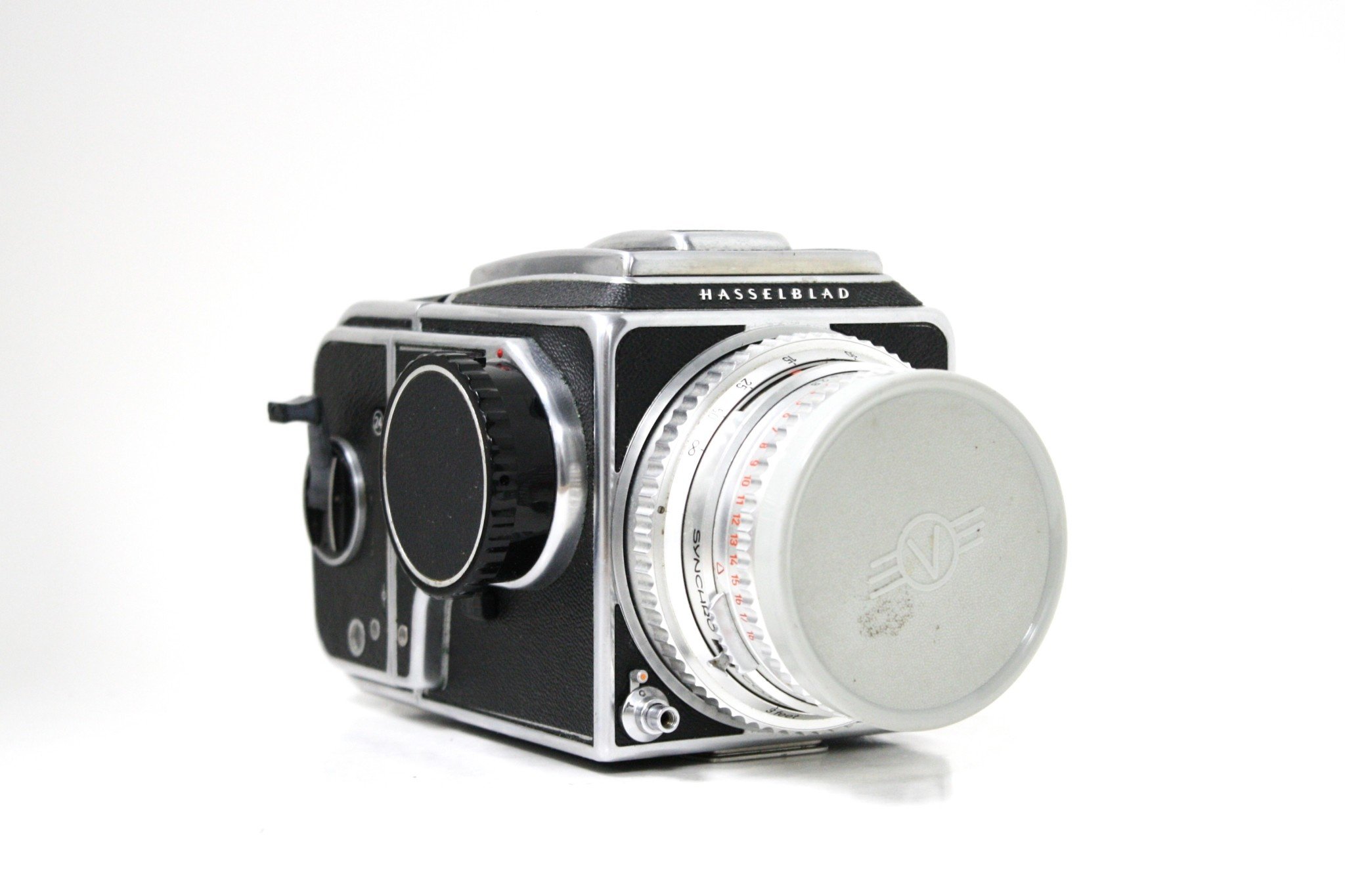
Film photographers need cameras with reliable mechanical shutters, manual exposure controls, and compatibility with the film format they shoot — 35mm, medium format (120), or large format. The guiding principle for choosing a film camera is format first: 35mm gives you the portability and economy to shoot freely and learn fast, while medium format (6x4.5cm to 6x7cm) provides 3-5x the frame area for detail, tonal gradation, and large-print quality that no 35mm negative can match. The Canon AE-1, Nikon FM2, and Leica M6 are the most sought-after 35mm bodies. For medium format, the Hasselblad 500C/M and Mamiya RZ67 Pro II are the professional benchmarks. GearFocus connects you with verified sellers offering used film cameras starting from $80 with 48-hour buyer protection.
Browse Film Photography (Analog) GearUsed Film Camera Gear for Analog Photographers
Film photographers need cameras with reliable mechanical shutters, manual exposure controls, and compatibility with the film format they shoot — 35mm, medium format (120), or large format. The guiding principle for choosing a film camera is format first: 35mm gives you the portability and economy to shoot freely and learn fast, while medium format (6x4.5cm to 6x7cm) provides 3-5x the frame area for detail, tonal gradation, and large-print quality that no 35mm negative can match. The Canon AE-1, Nikon FM2, and Leica M6 are the most sought-after 35mm bodies. For medium format, the Hasselblad 500C/M and Mamiya RZ67 Pro II are the professional benchmarks. GearFocus connects you with verified sellers offering used film cameras starting from $80 with 48-hour buyer protection.
Browse Film Photography (Analog) GearWhat Film Photography (Analog) Photographers Need
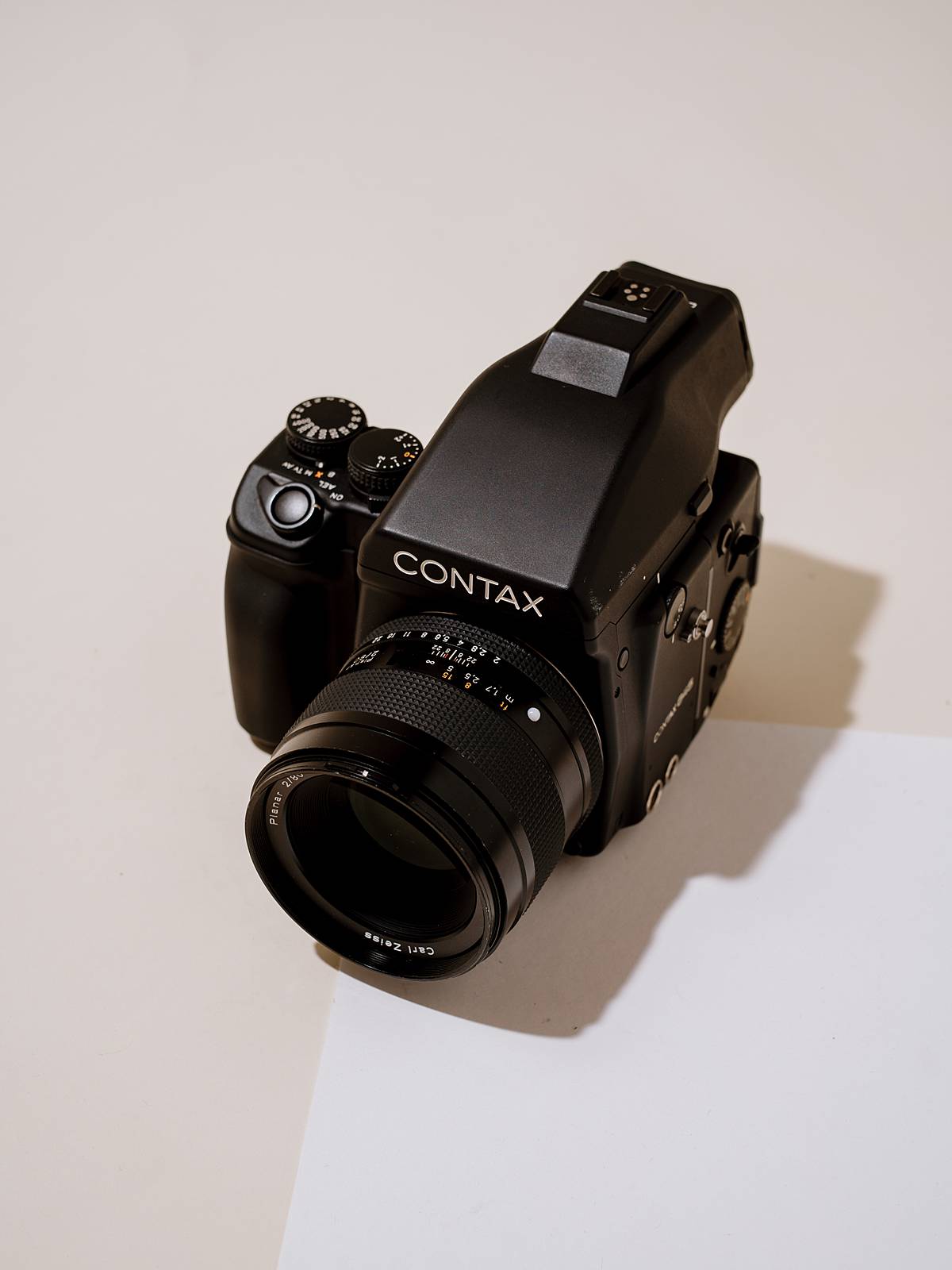
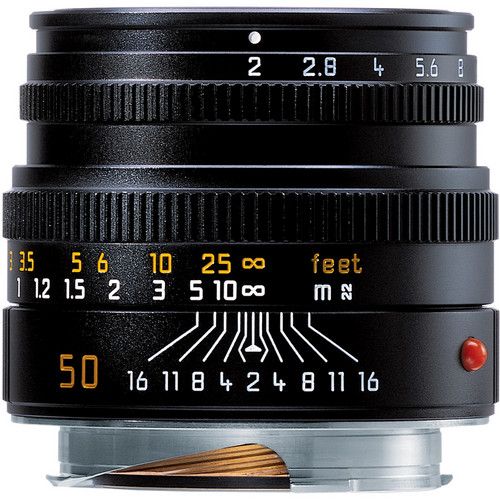
Film photography is experiencing genuine resurgence — and GearFocus is one of the primary marketplaces where working analog gear changes hands. Understanding what gear you need depends entirely on format and intent. For 35mm SLR shooting, the Canon AE-1 and Nikon FM2 remain the most popular entry points — they're mechanically robust, have extensive lens ecosystems, and their image quality is limited only by the film you load. The Pentax K1000 is even simpler: no electronics, no batteries needed for shutter operation, and a built-in meter. Lenses for 35mm are inexpensive relative to their quality — the Canon FD 50mm f/1.8, Nikon Series E 50mm f/1.8, and Olympus Zuiko 50mm f/1.8 all provide excellent results for under $100 used. The midrange opens into medium format and more sophisticated 35mm bodies. The Olympus OM-1, Nikon F3, and Canon A-1 are step-ups in 35mm. The Pentax 67 and Mamiya RB67 introduce 6x7cm medium format — the same image area used for magazine covers and commercial work for decades. Lenses at this tier include the Mamiya-Sekor C 80mm f/2.8 and Nikon AI-S 35mm f/2. Professional film photography centers on the Leica M6 (the definitive rangefinder), Hasselblad 500C/M (6x6 medium format), and Mamiya RZ67 Pro II (6x7 studio work). These are mechanical instruments with resale value that has appreciated — the Leica M6 in particular commands high prices even used. The Leica Summicron-M 50mm f/2 and Zeiss Planar T* 50mm f/1.4 are the standard pairings at the pro level.
Recommended Film Photography (Analog) Gear
Budget Film Photography (Analog) Gear
Extremely low cost, often plastic build, lens imperfections, experimental vibe
Cameras
Holga 120
Lomography Simple Use
Agfa Box Camera
thrift-store finds
Lenses
Canon FD 50mm f/1.8
Nikon Series E 50mm f/1.8
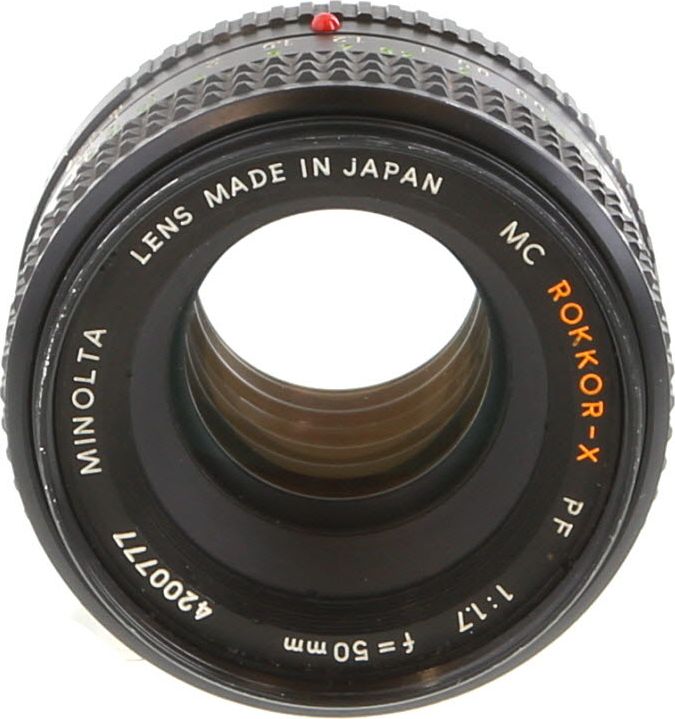
Minolta 50mm f/1.7 Lens
View on GearFocus →Pentax-M 50mm f/1.7
Olympus Zuiko 50mm f/1.8
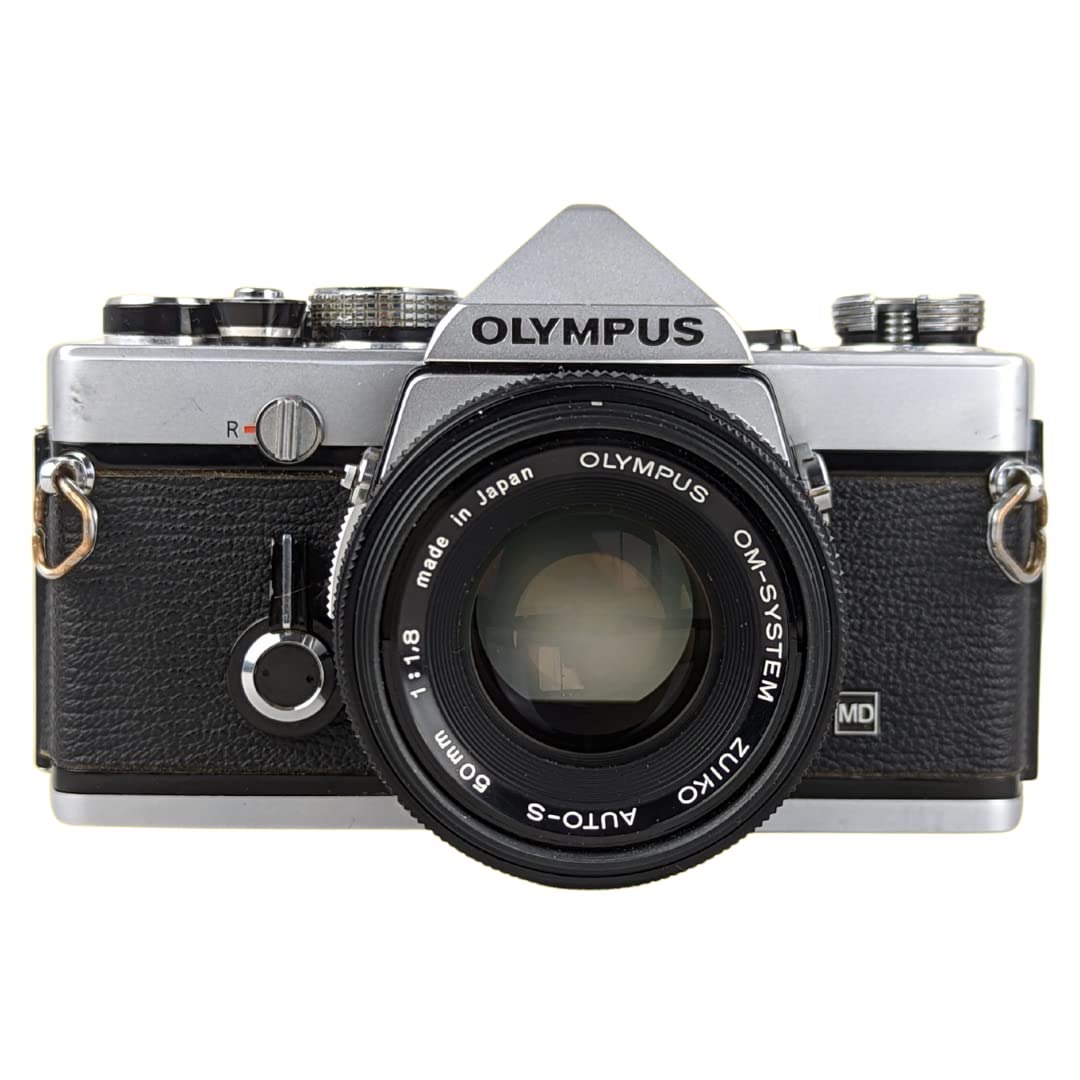
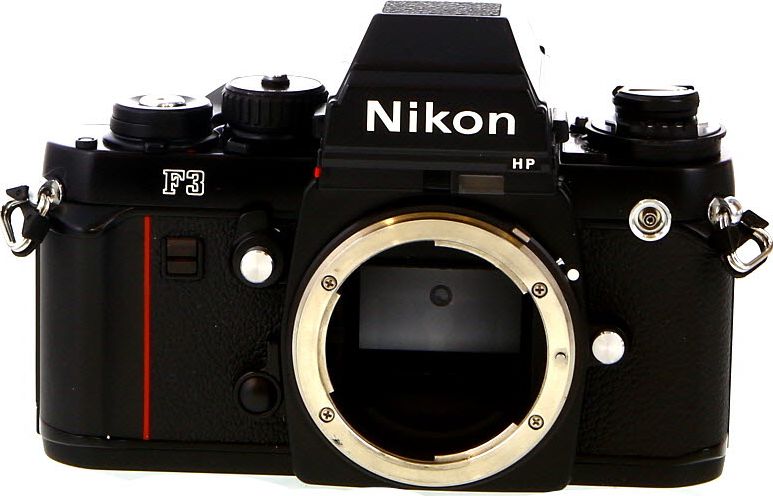
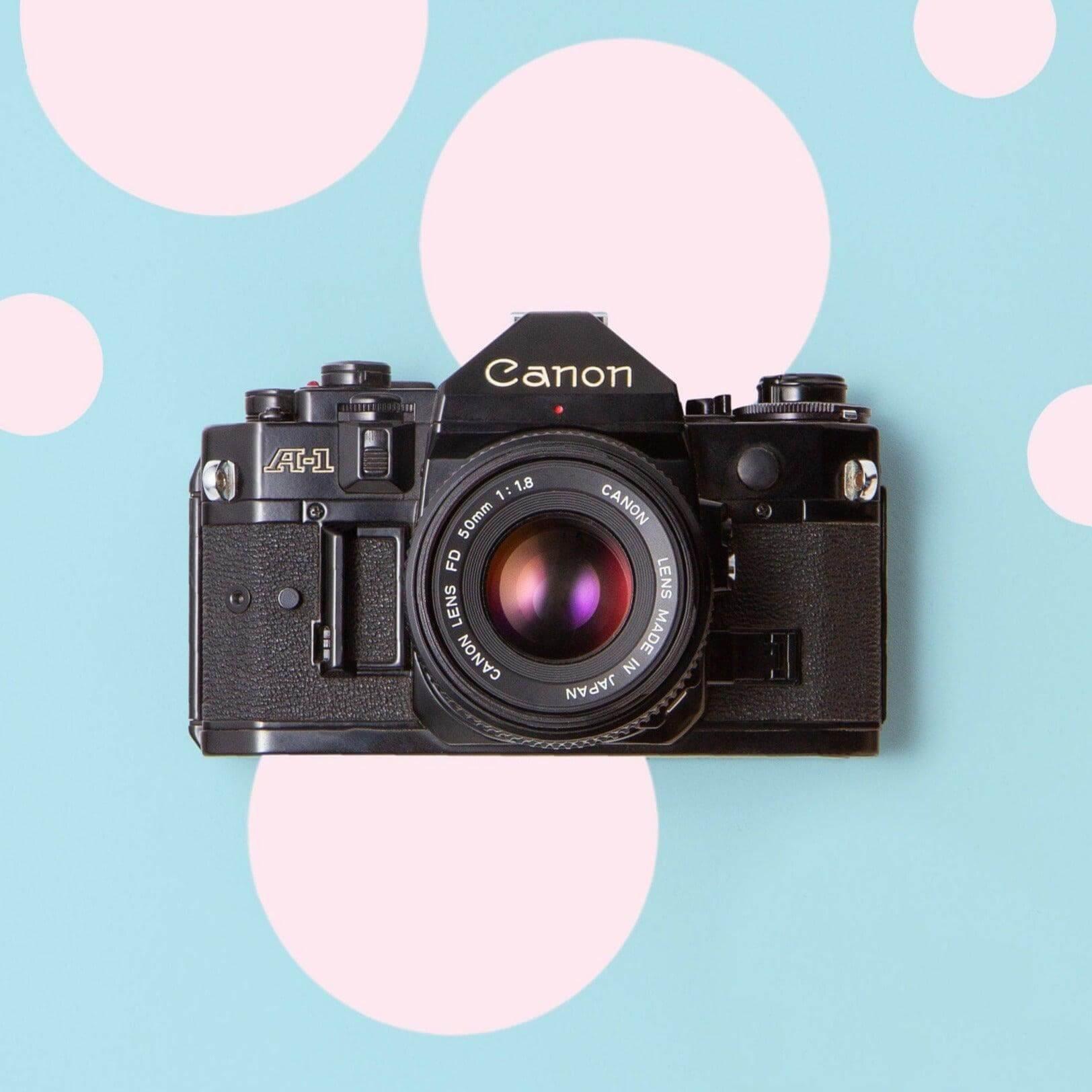
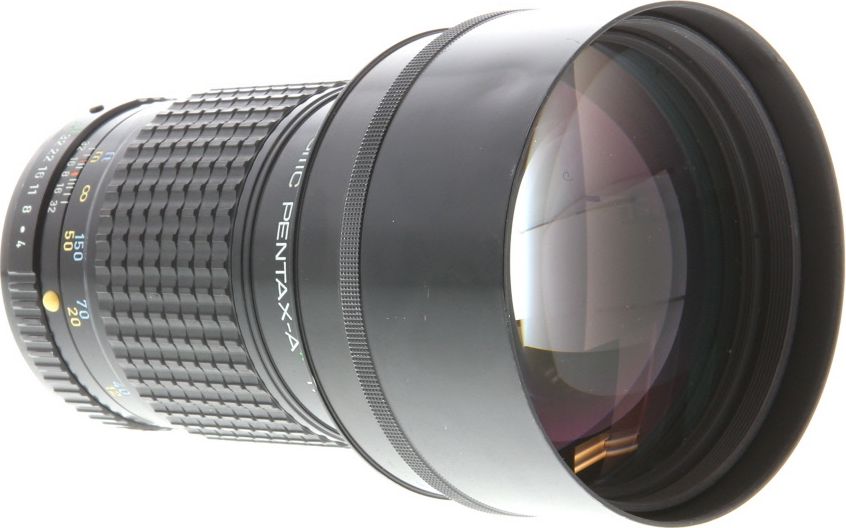
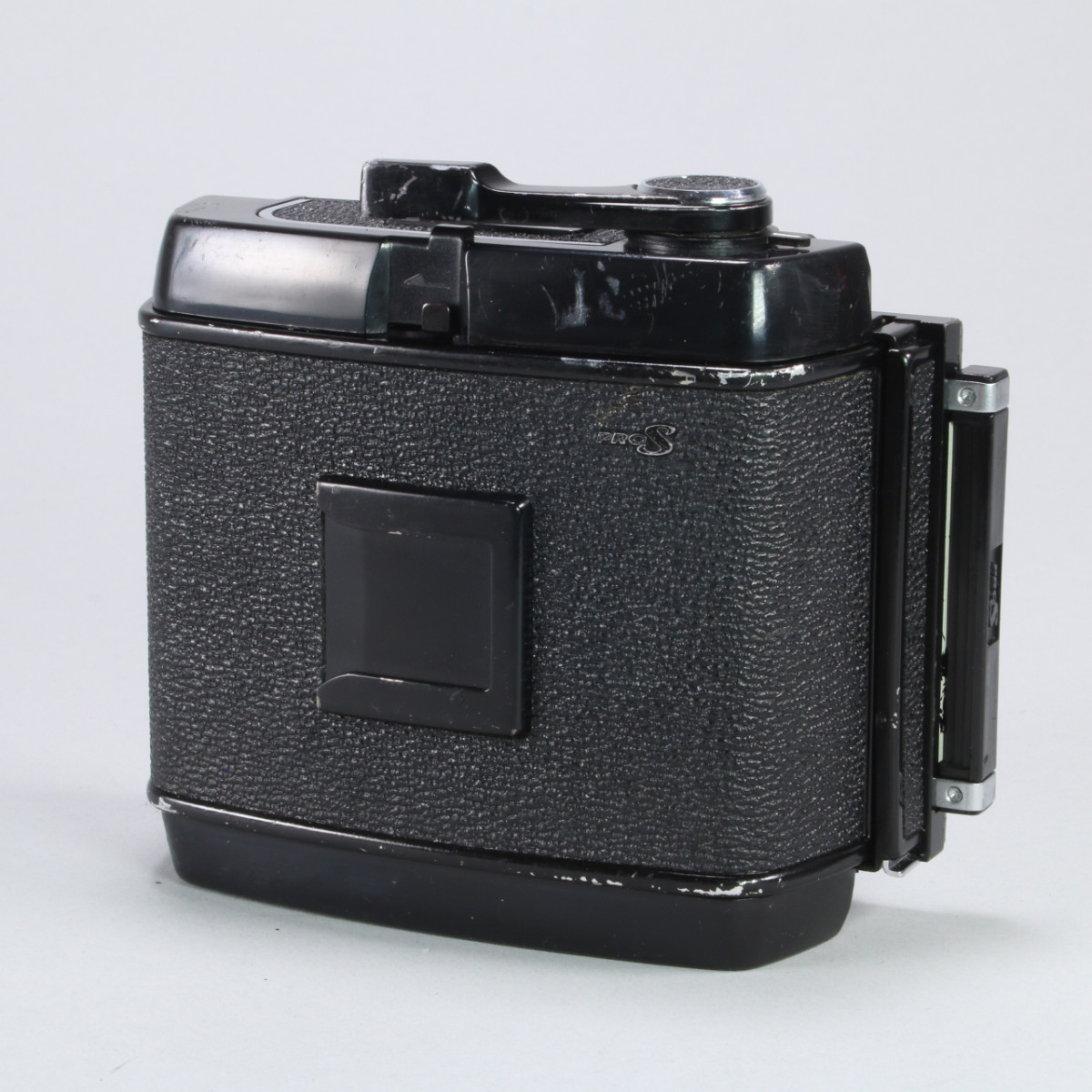
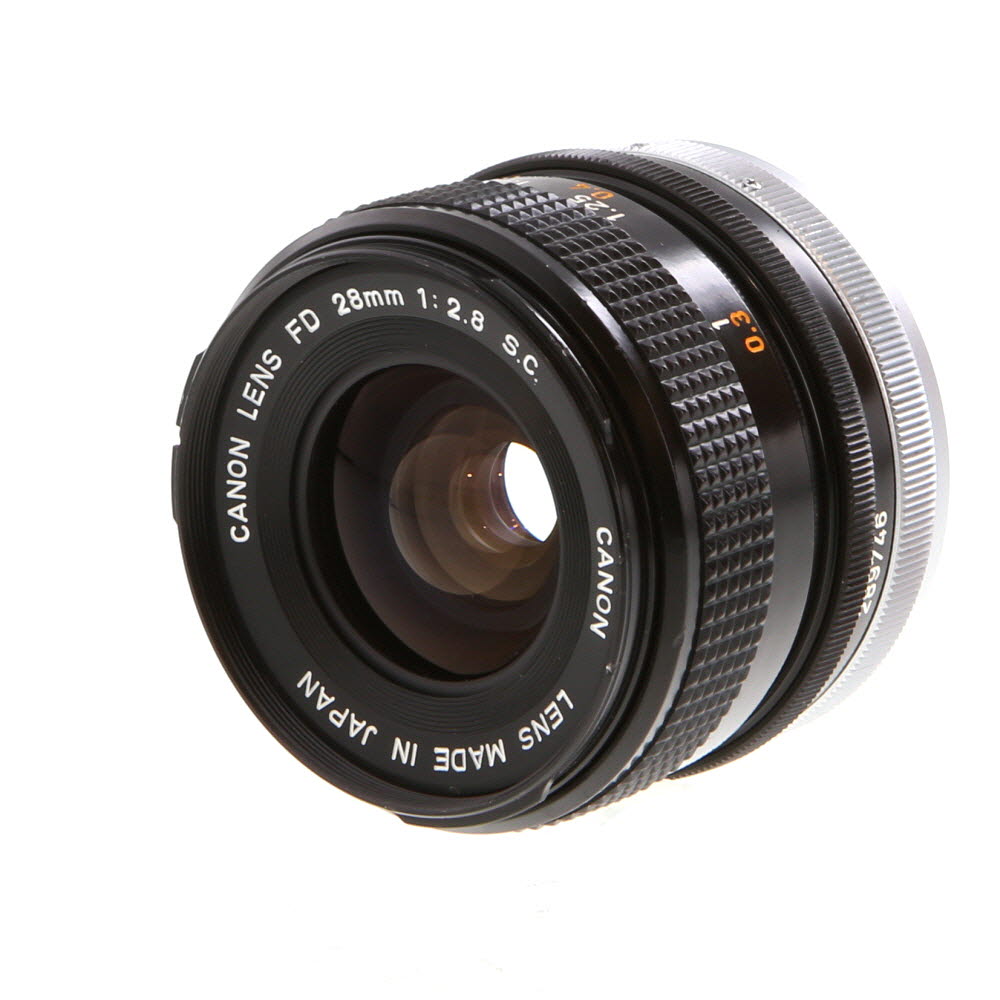
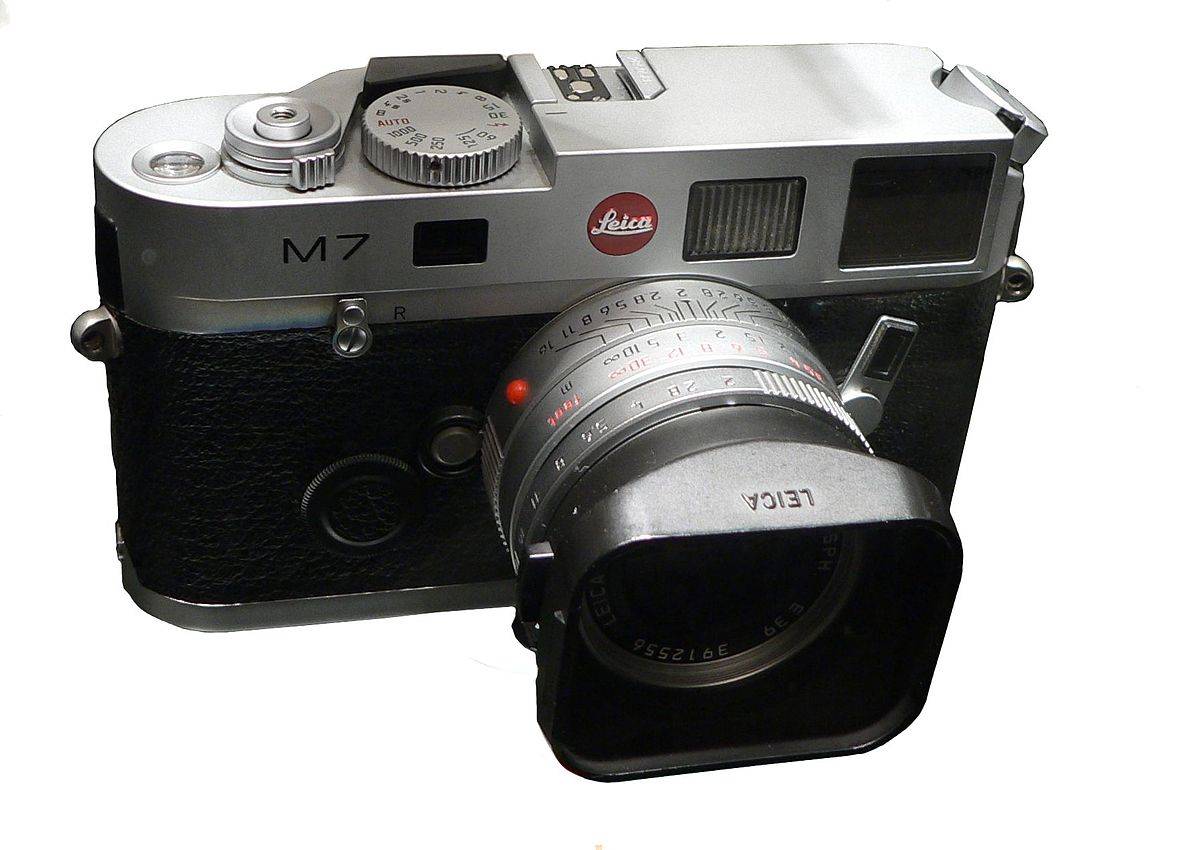
Film Photography (Analog) Gear on GearFocus
Why Film Photography (Analog) Photographers Choose GearFocus
Film cameras require trust in the seller — mechanical shutters, light seals, and meter accuracy all matter. GearFocus's verified sellers and 48-hour buyer protection make it a safer source for working film gear than general marketplaces.
Verified Sellers Only
Every seller on GearFocus undergoes identity verification before listing gear. You know who you're buying from — not just an anonymous account.
48-Hour Buyer Protection
Inspect your gear within 48 hours of delivery. If the item doesn't match the listing description, return shipping is covered.
5% Fee vs. 13.6% on eBay
GearFocus charges a 5% platform fee. eBay averages 13.6% in fees. Sellers keep more — which means more competitive pricing for buyers.
What to Look For in Film Photography (Analog) Gear
Camera Type
35mm, Medium Format, or Large Format Film Cameras
Film Format
Compatibility with 35mm, 120mm, or 4x5 Film
Lens Type
Manual Focus Lenses with Mechanical Aperture Control
Shutter Type
Mechanical or Electronic Shutter for Exposure Control
ISO Control
Dependent on Film Stock (ISO 50-3200)
Exposure Control
Full Manual or Aperture/Shutter Priority Modes
Light Meter
Internal or External Handheld Light Meter Compatibility
Focus System
Manual Focus with Rangefinder or SLR Viewfinder
Viewfinder
Optical Viewfinder with Frame Lines or Focusing Screen
Film Advance
Manual Film Advance Lever or Motorized Winder
Film Rewind
Manual or Automatic Rewind Mechanism
Multiple Exposure
Support for In-Camera Multiple Exposures
Flash Sync
Hot Shoe or PC Sync Port for External Flashes
Shutter Speed Range
1/4000s - Bulb Mode for Long Exposures
Battery Type
Button Cells, AA Batteries, or Fully Mechanical Operation
Build Quality
All-Metal or Composite Body for Durability
Film Loading
Easy Loading System for Quick Film Changes
Lens Mount
Brand-Specific or Universal M42, Leica M, Nikon F
Accessories
Compatible with Film Scanners & Darkroom Equipment
Development Process
Support for Home or Lab Film Development
Archiving
Negatives & Contact Sheet Printing for Storage
FAQs
The Canon AE-1 is the most recommended 35mm film camera for beginners — it's mechanically proven over decades, has aperture-priority autoexposure for learning without full manual commitment, and accepts the complete Canon FD lens ecosystem. The Nikon FM2 is the alternative for those who want a fully manual mechanical camera with no reliance on electronics — it fires at any speed without a battery. The Pentax K1000 is the simplest option: shutter-speed and aperture dials, a match-needle meter, nothing else. All three are available used on GearFocus.
35mm film uses a 36x24mm frame (the same as a 'full-frame' digital sensor). Medium format film uses larger formats — most commonly 6x4.5cm, 6x6cm, or 6x7cm. A 6x7 negative from a Mamiya RB67 or Pentax 67 has roughly 4.5x the area of a 35mm frame, producing dramatically more detail and smoother tonal gradations when enlarged. The tradeoff: medium format cameras are larger, film costs more per shot, and the camera systems are heavier. For studio portraiture, landscape printing, and commercial work, medium format is the professional standard. For documentary, street, and travel, 35mm wins on portability.
The Leica M6 is widely considered the finest 35mm rangefinder ever built — its mechanical shutter, precise rangefinder patch, and compatibility with the complete M-mount lens system (spanning 70+ years of lenses) make it a genuinely useful instrument, not just a collectible. The caveat is price: used M6 bodies now command $1,800 to $3,000+ depending on condition. For photographers committed to rangefinder shooting, it's worth the investment — M6 bodies retain value and the Leica Summicron-M 50mm f/2 paired with it produces results that are simply not replicable digitally at equivalent quality. For casual film shooters, a Nikon FM2 or Canon AE-1 serves all the same practical needs at a tenth the price.
Kodak Gold 200 and Kodak ColorPlus 200 are the most affordable color films for everyday shooting. Kodak Ultramax 400 is preferred in lower-light conditions and gives you more flexibility in fast-moving situations. For the classic film look that drives most of the current analog revival, Kodak Portra 400 is the professional standard — natural skin tones, fine grain, and excellent exposure latitude. Fujifilm Superia 400 and Kodak Ektar 100 are popular alternatives. For black and white, Kodak Tri-X 400 and Ilford HP5 are the benchmarks — both are forgiving, push-processable, and widely available.
Key checks when buying a used film camera: (1) Shutter fires at all speeds without sticking or sounding irregular. (2) Light seals are intact — look for deteriorated foam around the film door edges. (3) The viewfinder is clear without fungus or separation. (4) The meter responds to light changes if the camera has one. (5) The film advance feels smooth without grinding. GearFocus verified sellers provide condition descriptions that address these points. The 48-hour buyer protection period gives you time to run a test roll and confirm the camera functions before the sale is final.
A rangefinder (like the Leica M6 or Nikon SP) focuses by aligning two images in a viewfinder patch — you turn the focus ring until a double image snaps into alignment, indicating correct focus. An SLR (like the Nikon FM2 or Canon AE-1) uses a mirror and prism to show you exactly what the lens sees, with focus confirmed by visual sharpness or a split-prism aid in the viewfinder. Rangefinders are smaller, quieter, and faster to focus in the 28–90mm range. SLRs are more versatile for telephoto and macro work where through-the-lens viewing matters. Leica photographers historically prefer rangefinders; most photojournalists and sports shooters used SLRs.
Yes — many vintage film lenses are compatible with modern digital bodies via adapters. Canon FD lenses adapt well to Sony E-mount and Micro Four Thirds bodies. Nikon AI/AI-S lenses adapt to Sony, Fuji, and Canon RF with manual focus. M42 thread-mount lenses (Pentax-M, Minolta) adapt to nearly every modern system. Leica M-mount lenses are prized for adaptation to Sony A7 series bodies. The Vintage Helios 44-2 58mm f/2, for example, is frequently adapted to digital mirrorless cameras for its characteristic swirly bokeh. Adapters preserve manual focus operation but rarely support autofocus or electronic aperture control.
Yes, when buying from a verified marketplace. GearFocus requires identity verification for all sellers and includes 48-hour buyer protection on every purchase — if a Canon AE-1, Nikon FM2, or Leica M6 arrives with a sticky shutter, deteriorated light seals, or a meter that doesn't match the described condition, you get a full refund with seller-paid return shipping. Unlike general auction sites where mechanical condition is difficult to verify from photos alone, GearFocus sellers are part of the photography community and accurately describe shutter function, viewfinder clarity, and light seal integrity. The 48-hour window gives you time to run a test roll before committing.