Used Camera Gear for Beginner Photographers
Beginner photographers need a camera with automatic modes, clear controls for learning manual exposure, and a versatile kit lens that covers everyday shooting. The best beginner camera is one with an intuitive menu system, in-body image stabilization, and a kit lens versatile enough to cover 24-105mm equivalent — beyond those basics, diminishing returns set in fast. The Canon EOS Rebel T7, Nikon D3500, and Sony A6000 are the recommended starting points — each delivers excellent image quality, intuitive menus, and wide accessory availability. GearFocus connects you with verified sellers offering used beginner cameras starting from $150, with 48-hour buyer protection on every purchase.
Browse Beginner Photography & Video GearUsed Camera Gear for Beginner Photographers
Beginner photographers need a camera with automatic modes, clear controls for learning manual exposure, and a versatile kit lens that covers everyday shooting. The best beginner camera is one with an intuitive menu system, in-body image stabilization, and a kit lens versatile enough to cover 24-105mm equivalent — beyond those basics, diminishing returns set in fast. The Canon EOS Rebel T7, Nikon D3500, and Sony A6000 are the recommended starting points — each delivers excellent image quality, intuitive menus, and wide accessory availability. GearFocus connects you with verified sellers offering used beginner cameras starting from $150, with 48-hour buyer protection on every purchase.
Browse Beginner Photography & Video GearWhat Beginner Photography & Video Photographers Need
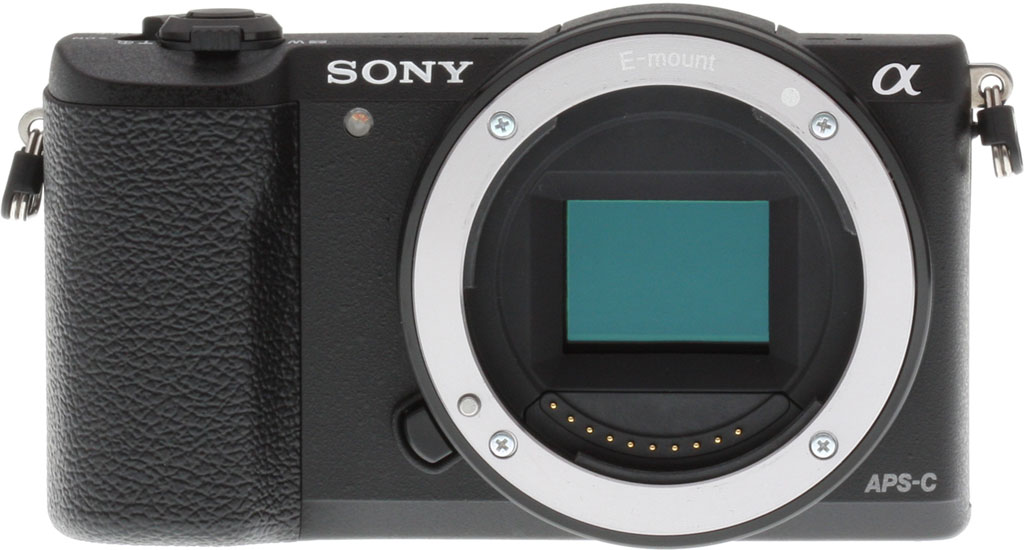
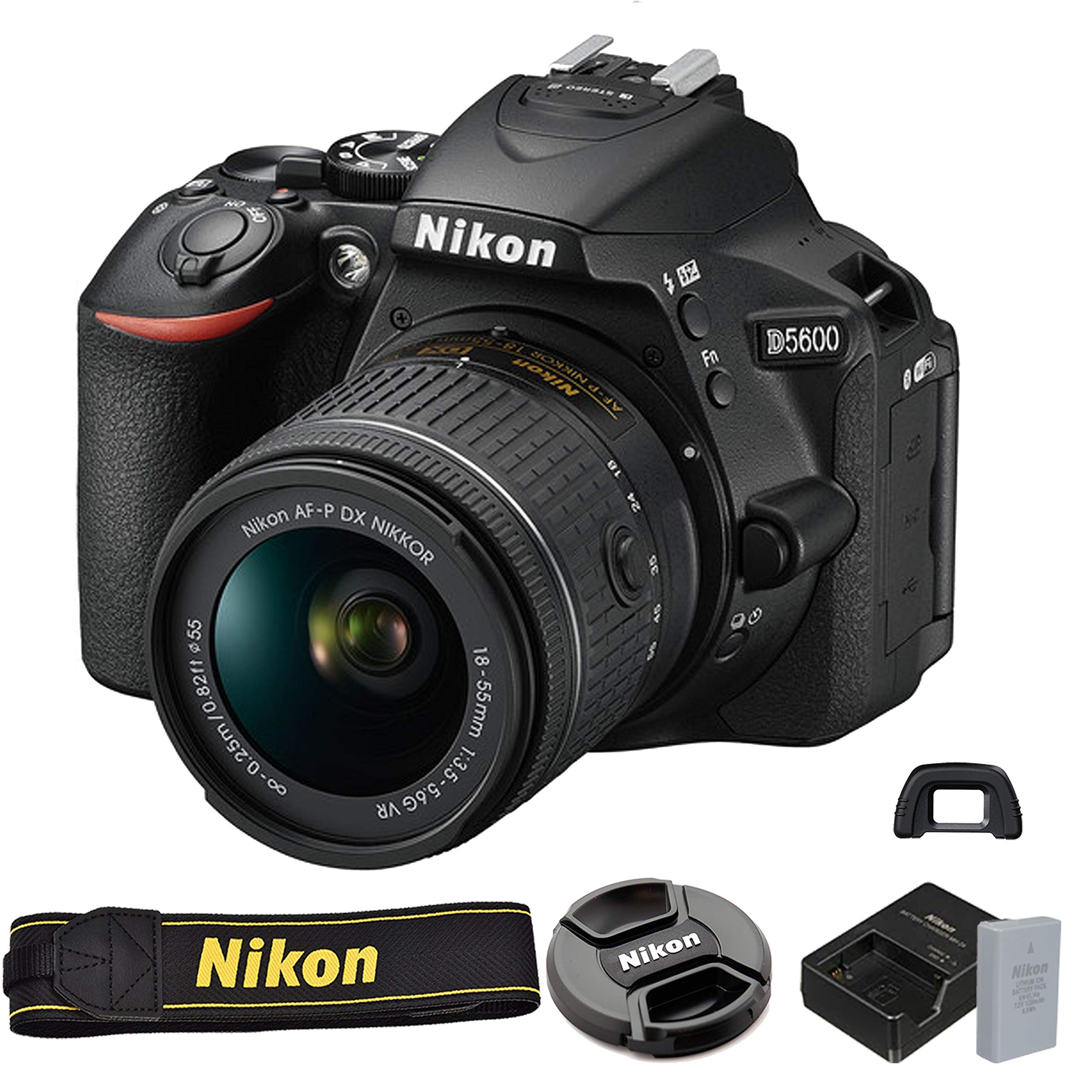
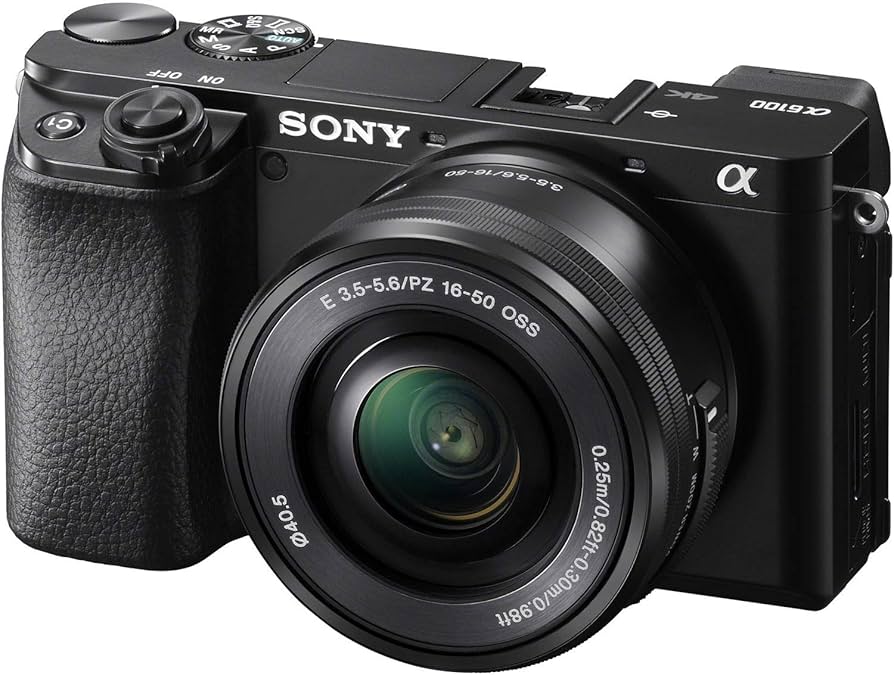
The best beginner camera is the one you'll actually use. That means prioritizing ease of use, available learning resources, and a lens ecosystem you can grow into — not the highest specifications. At the entry level, the Canon EOS Rebel T7, Nikon D3500, and Sony A5100 are the most popular starting points: all produce 20MP+ images, include kit lenses covering 18-55mm, and have excellent online tutorials and communities built around them. Canon and Nikon's DSLR ecosystems in particular have decades of affordable lenses available used. If you're committed to mirrorless from the start, the Sony A6000 and Fujifilm X-A7 are compact, beginner-friendly APS-C cameras with articulating screens helpful for self-portraits and vlogging. Moving up, the Canon EOS Rebel T8i, Nikon D5600, and Sony A6100 add face and eye detection autofocus — valuable for photographing people without manually tracking focus. At the upper end of beginner-appropriate gear, the Canon EOS RP, Nikon Z50, and Sony A6400 are mirrorless bodies that grow with you into more serious work. Resist the temptation to over-buy at the start — the best investment is in learning the fundamentals with any capable body, then upgrading when specific limitations start holding back your work.
Recommended Beginner Photography & Video Gear
Budget Beginner Photography & Video Gear
Low cost, kit lenses included, user-friendly modes, decent image quality
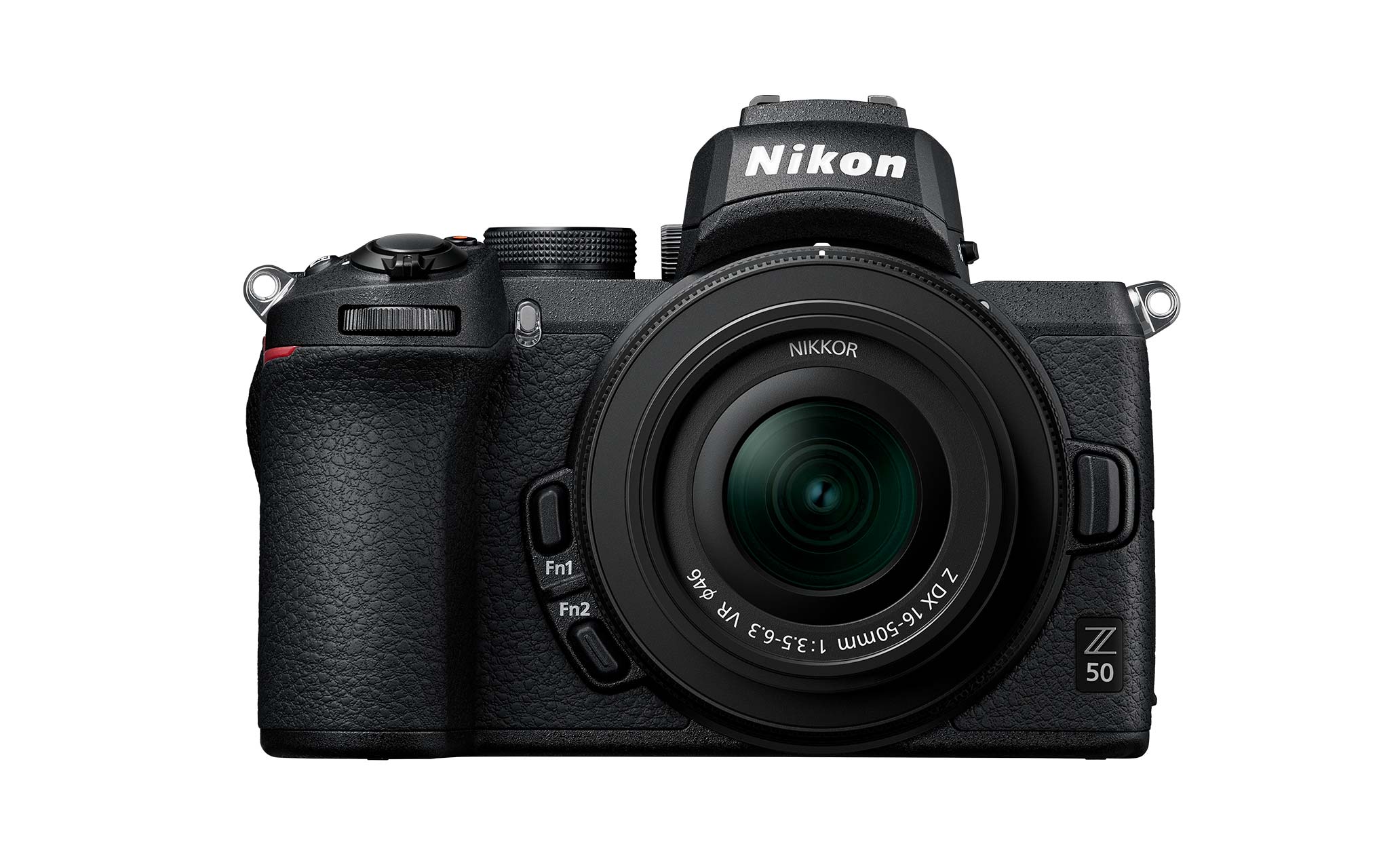
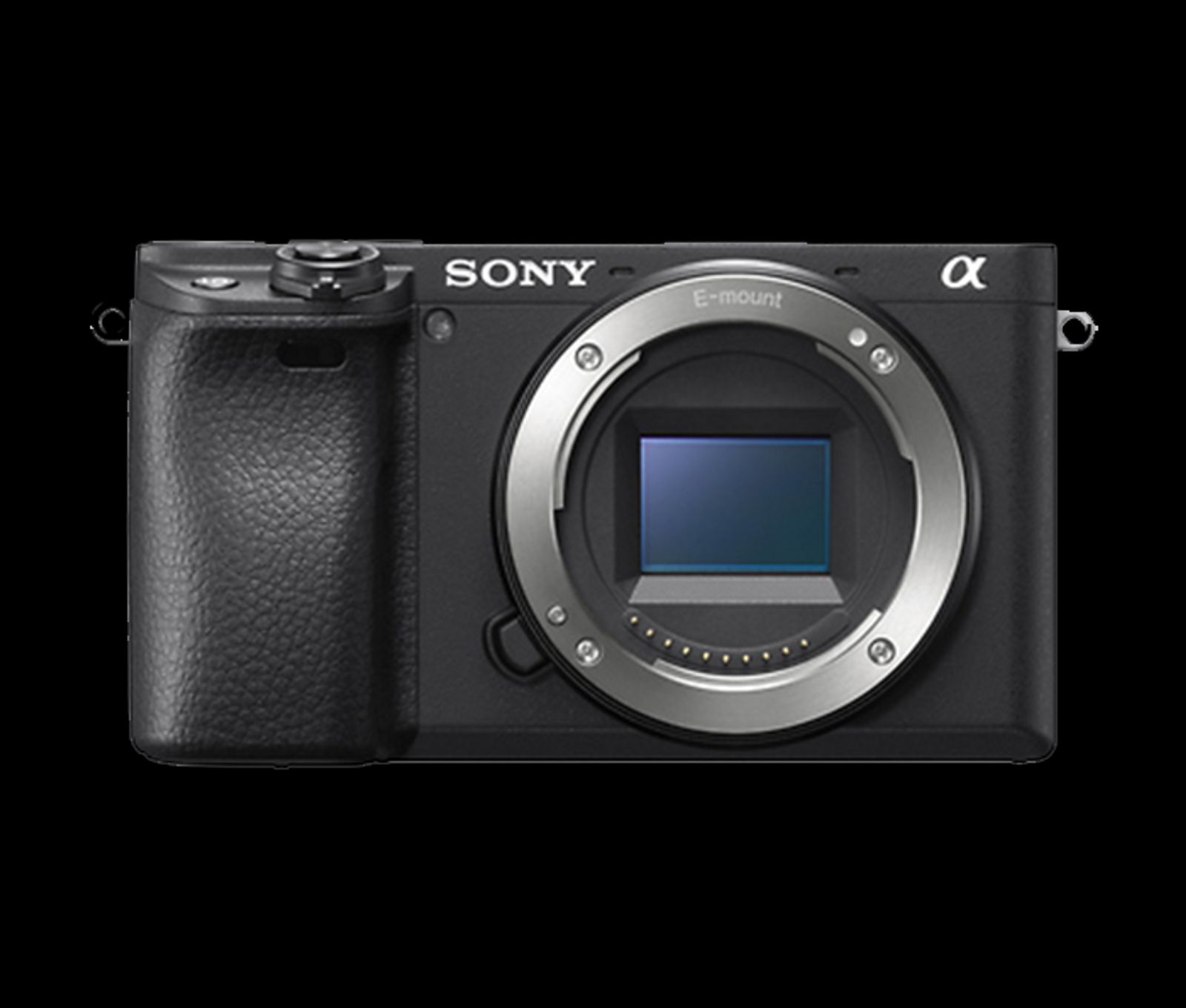
Cameras
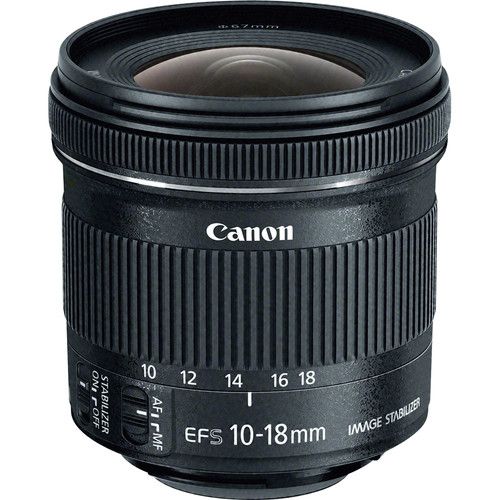
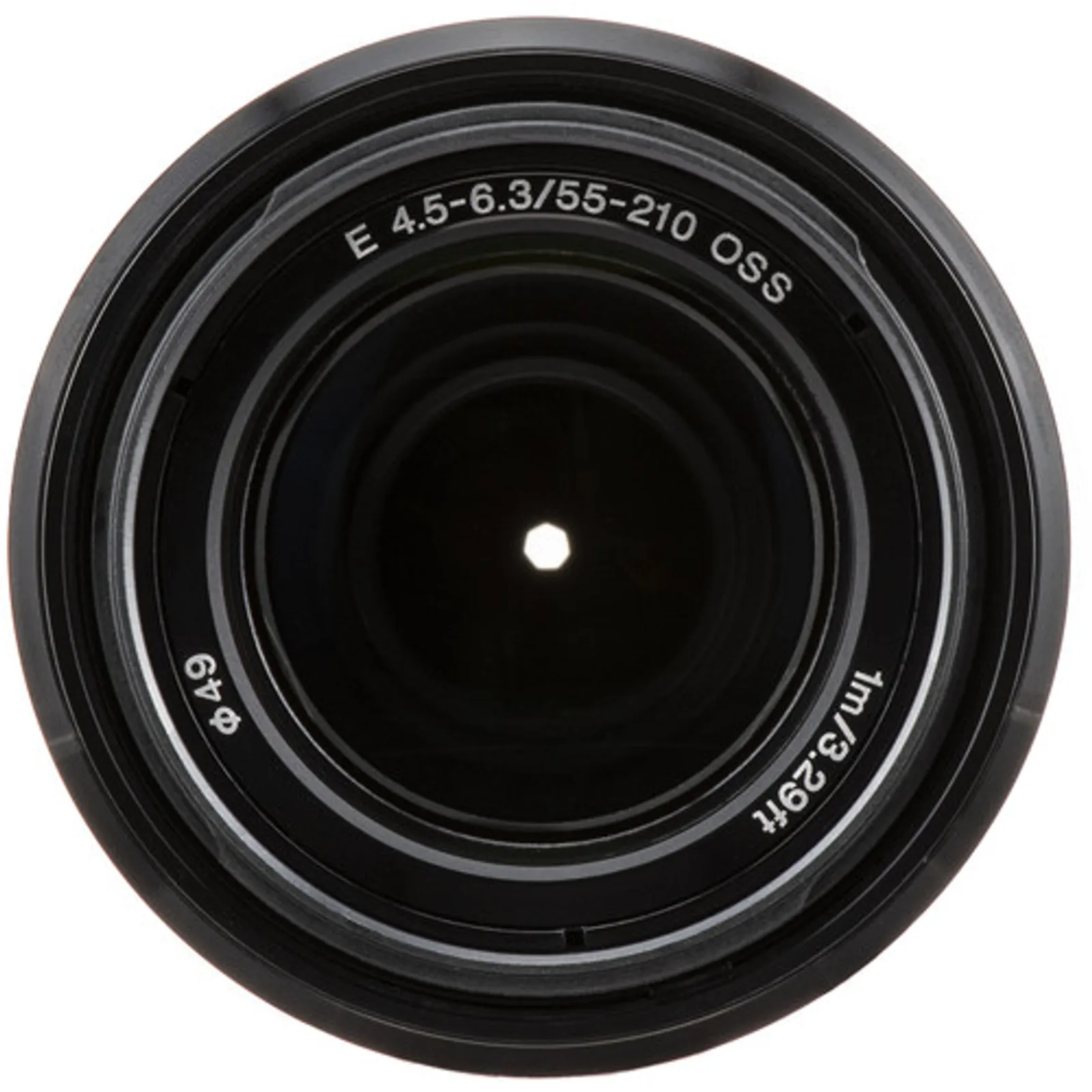
Lenses
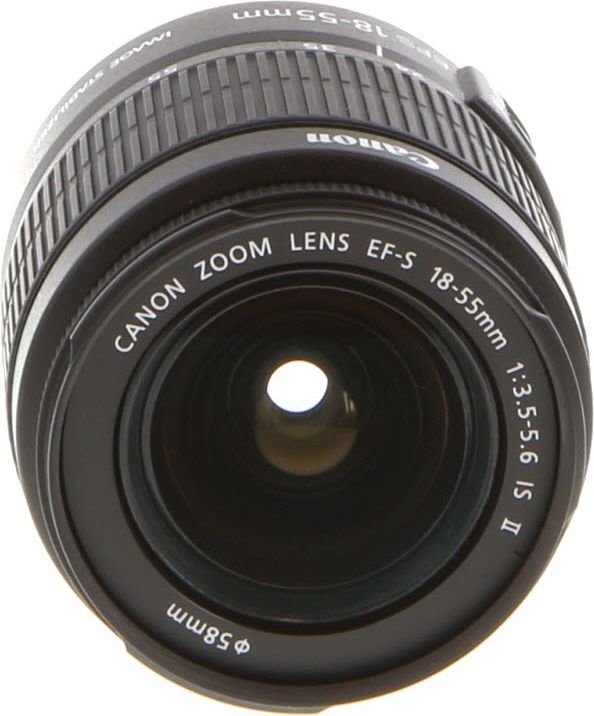
Canon EF-S 18-55mm f/3.5-5.6 Lens
View on GearFocus →Nikon AF-S 18-55mm f/3.5-5.6
Sony E 16-50mm f/3.5-5.6
Fujifilm XC 16-50mm f/3.5-5.6
Panasonic 14-42mm f/3.5-5.6
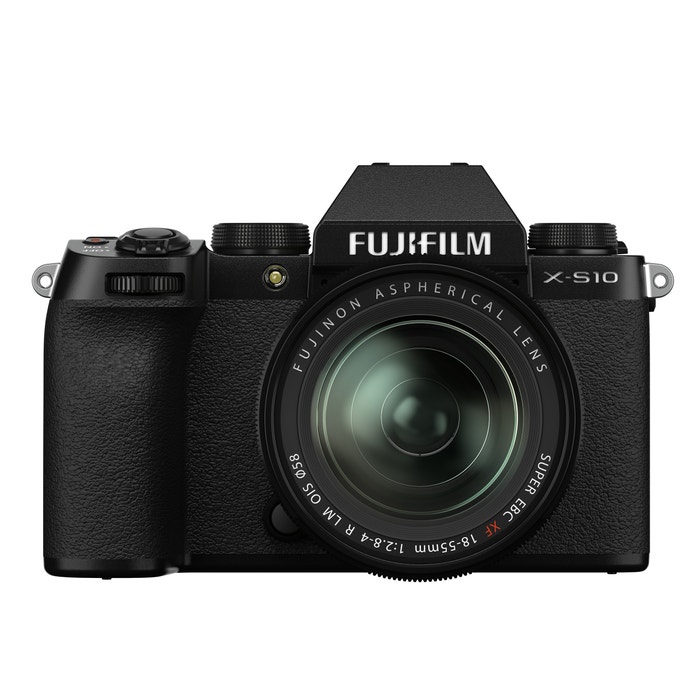
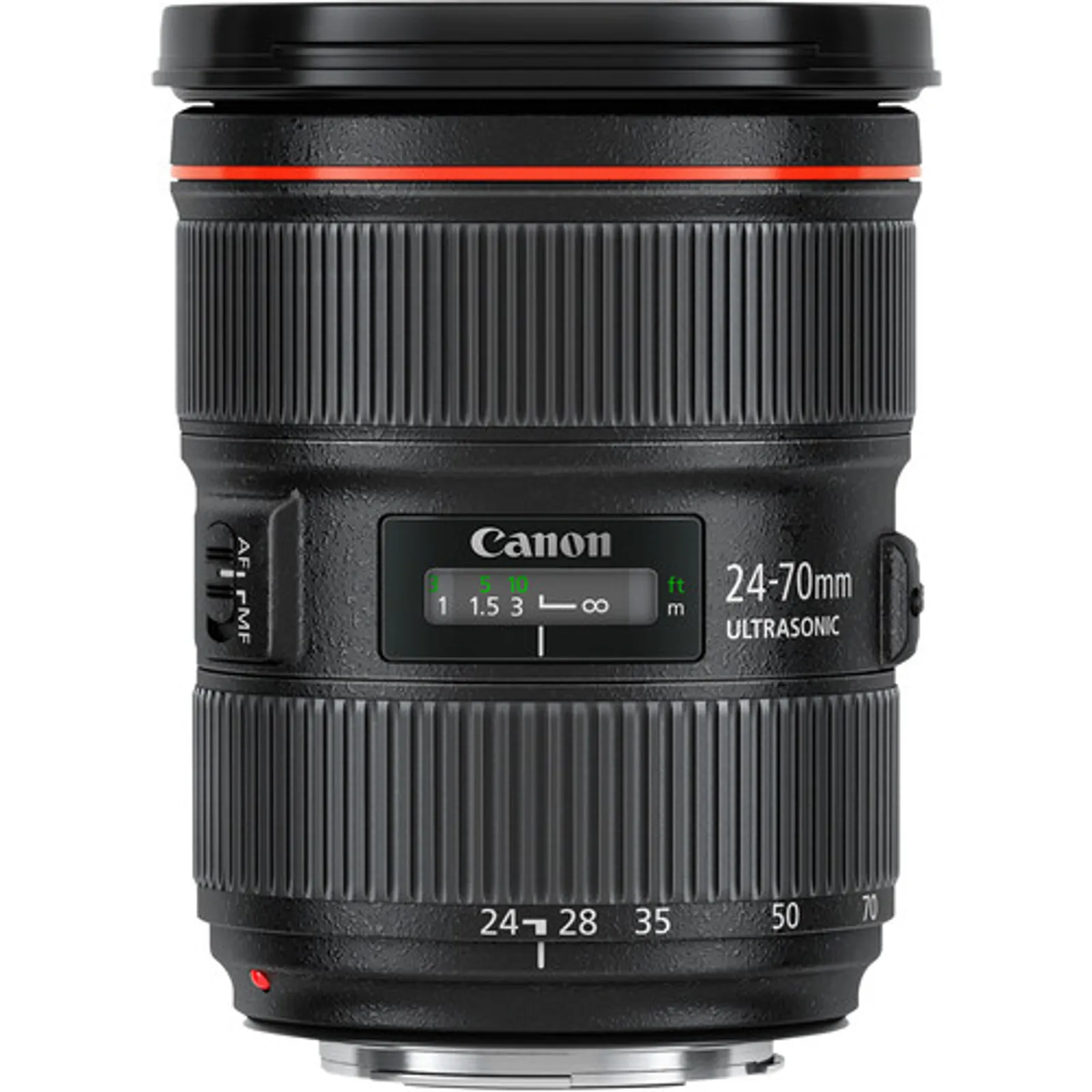
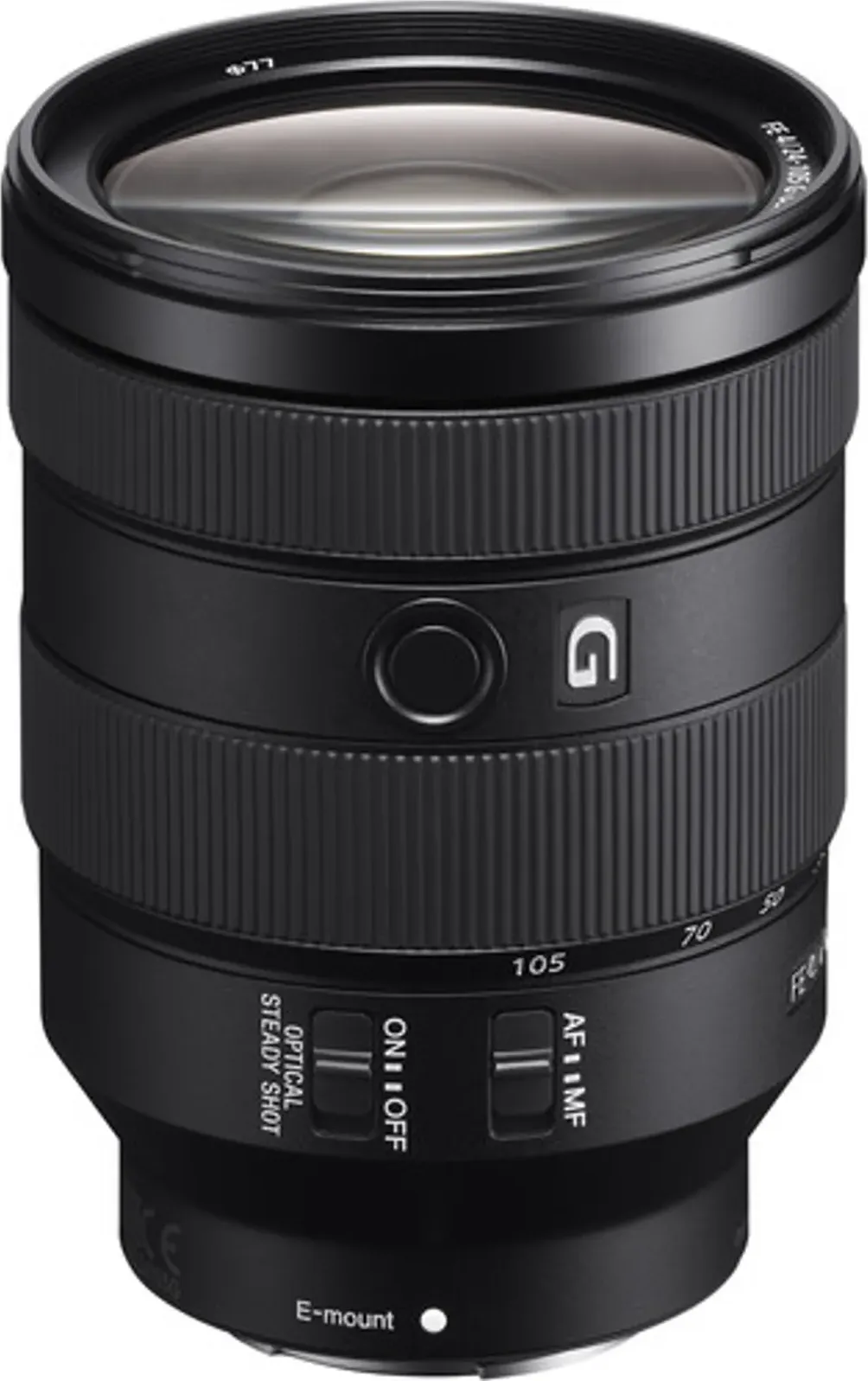
Beginner Photography & Video Gear on GearFocus
Why Beginner Photography & Video Photographers Choose GearFocus
First-time camera buyers face two risks: overpaying for gear and getting misrepresented condition — GearFocus addresses both. With real market pricing data in the Pricing Guide database, beginners can see what a Canon EOS Rebel T7 or Nikon D3500 actually sells for before they commit, rather than trusting any one listing. Every seller on GearFocus is identity-verified, not just rated by previous buyers, so condition descriptions on beginner bodies and kit lenses carry accountability that anonymous general marketplace listings don't. At 8.5% total platform fees versus eBay's 13.6%, sellers pass more of the value to buyers — which is why entry-level gear on GearFocus prices competitively for the condition rating.
Verified Sellers Only
Every seller on GearFocus undergoes identity verification before listing gear. You know who you're buying from — not just an anonymous account.
48-Hour Buyer Protection
Inspect your gear within 48 hours of delivery. If the item doesn't match the listing description, return shipping is covered.
5% Fee vs. 13.6% on eBay
GearFocus charges a 5% platform fee. eBay averages 13.6% in fees. Sellers keep more — which means more competitive pricing for buyers.
What to Look For in Beginner Photography & Video Gear
Camera Sensor
APS-C or 1-Inch Sensor for Good Image Quality & Affordability
Resolution
20MP+ for High-Quality Images Without Large File Sizes
Autofocus
Easy-to-Use Autofocus with Face & Eye Detection
ISO Performance
Good Low-Light Performance (ISO 100-6400)
Lens Type
Kit Zoom Lens (18-55mm, 15-45mm) for Versatile Shooting
Aperture
Variable Aperture (f/3.5 - f/5.6 for Budget Flexibility)
Stabilization
Basic Digital or Optical Stabilization for Handheld Shooting
Screen Type
Fully Articulating or Tilting LCD for Easy Framing
Audio Input
Built-in Microphone & 3.5mm Mic Input for Entry-Level Audio
Video Resolution
1080p/60FPS Minimum, 4K Preferred for Future-Proofing
Frame Rate
30FPS Standard, 60FPS for Smooth Motion
File Format
RAW & JPEG Support for Basic Photo Editing
Connectivity
Bluetooth & WiFi for Easy Photo Transfers to Smartphones
Power Supply
USB-C Charging for Convenient Battery Recharging
Storage
SDXC Card Support for Affordable & Readily Available Storage
Software Support
Compatible with Adobe Lightroom, Photoshop, iMovie
Beginner Modes
Scene Modes & Auto Settings for Easy Learning
Customization
Simple Menu System for Easy Navigation
Tripod Mount
Standard 1/4"-20 Thread for Tripod Compatibility
Touchscreen Controls
Intuitive Touchscreen for Quick Adjustments
Live View
Bright LCD for Framing in Different Lighting Conditions
FAQs
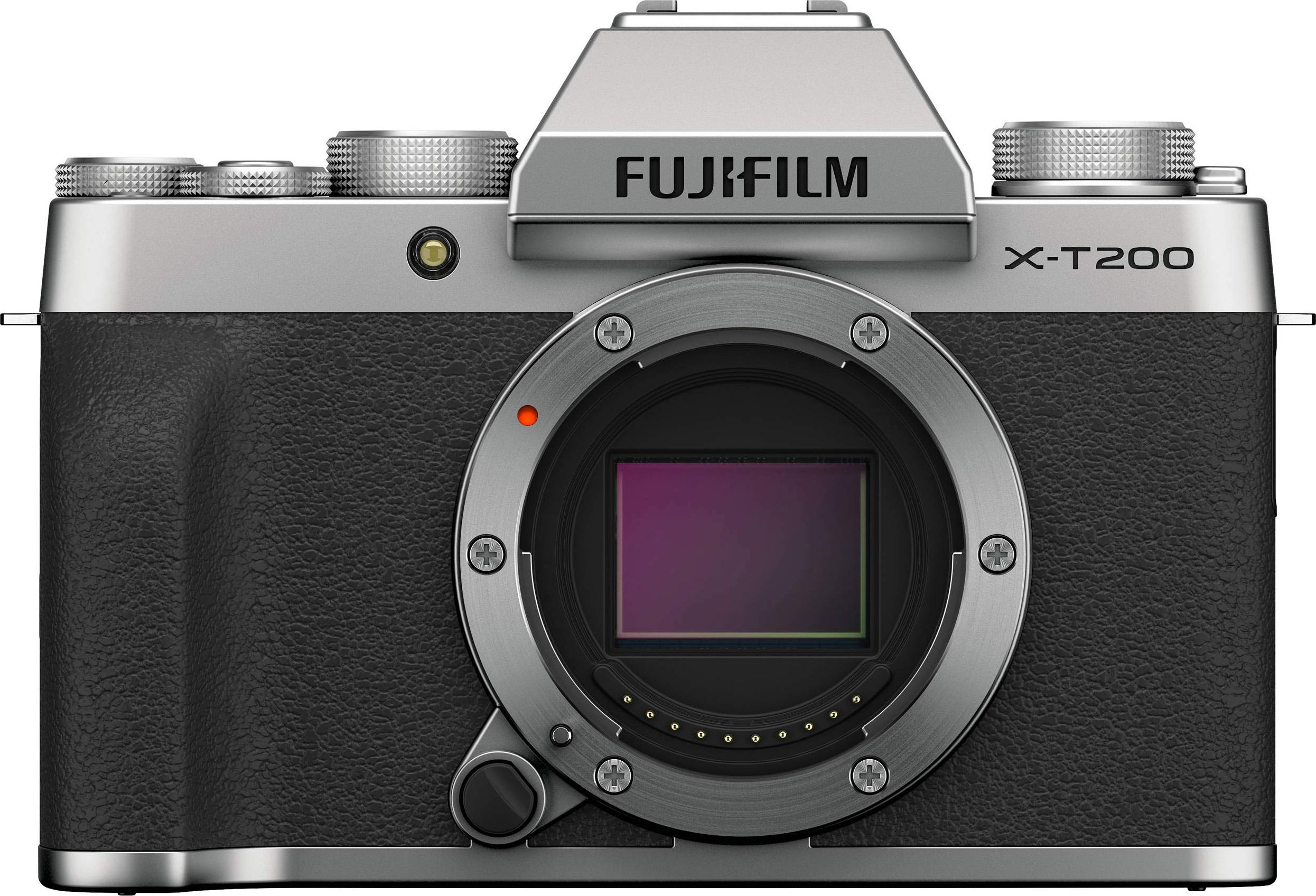
The Canon EOS Rebel T7, Nikon D3500, and Sony A6000 are the most recommended starting cameras for beginners. All three have intuitive controls, strong online communities, and excellent kit lenses included. If you prefer mirrorless, the Sony A6100 and Fujifilm X-T200 are capable beginner options with modern autofocus. Buying used cuts the entry cost significantly — a used Rebel T7 with kit lens can be found under $300.
Either works well for learning. DSLRs like the Canon EOS Rebel T7 and Nikon D3500 have longer battery life, wider used lens selection at low prices, and optical viewfinders some beginners find easier to learn composition with. Mirrorless cameras like the Sony A6100 or Fujifilm X-T200 are more compact with live exposure preview in the viewfinder — useful for learning how aperture, shutter speed, and ISO affect your images before you shoot.
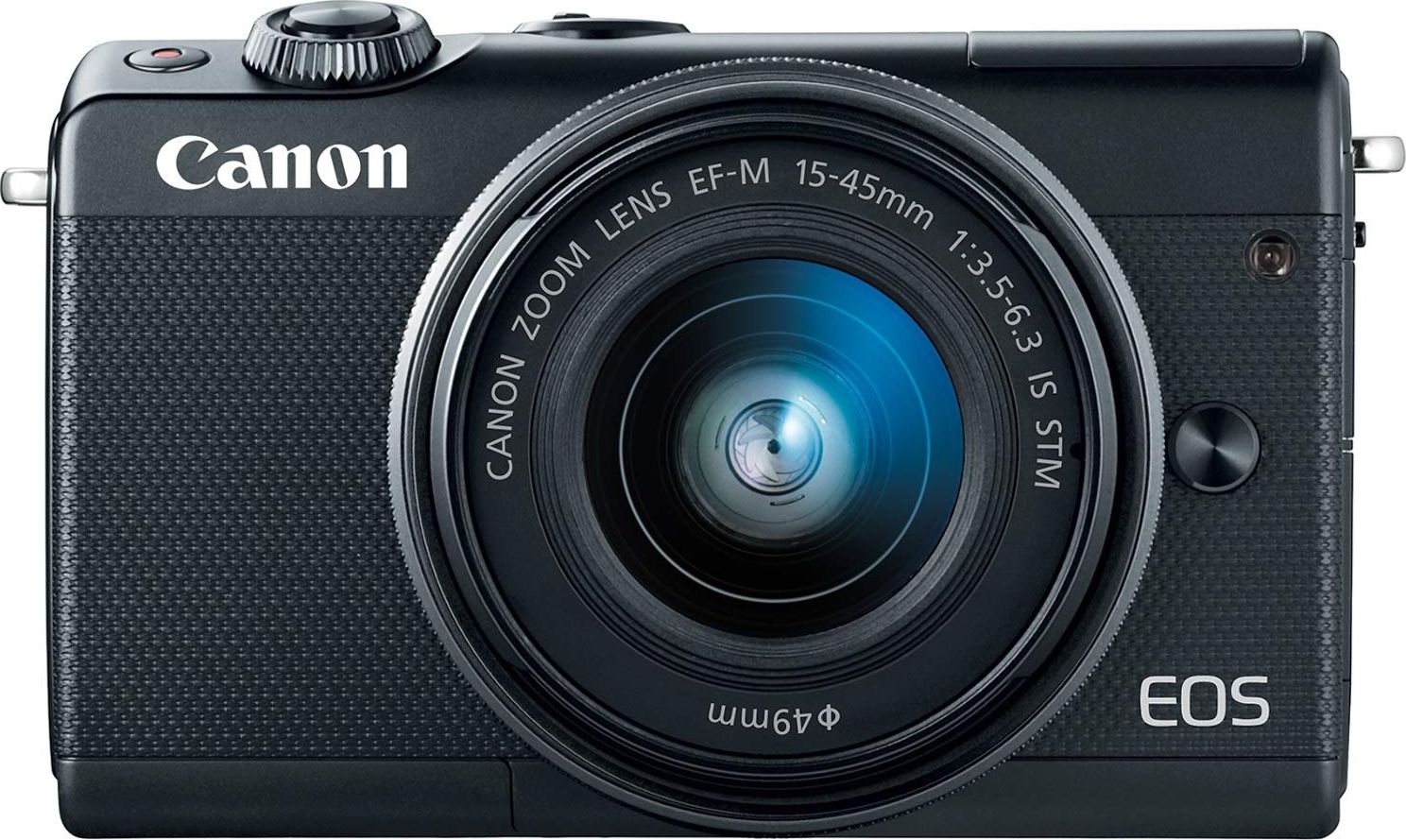
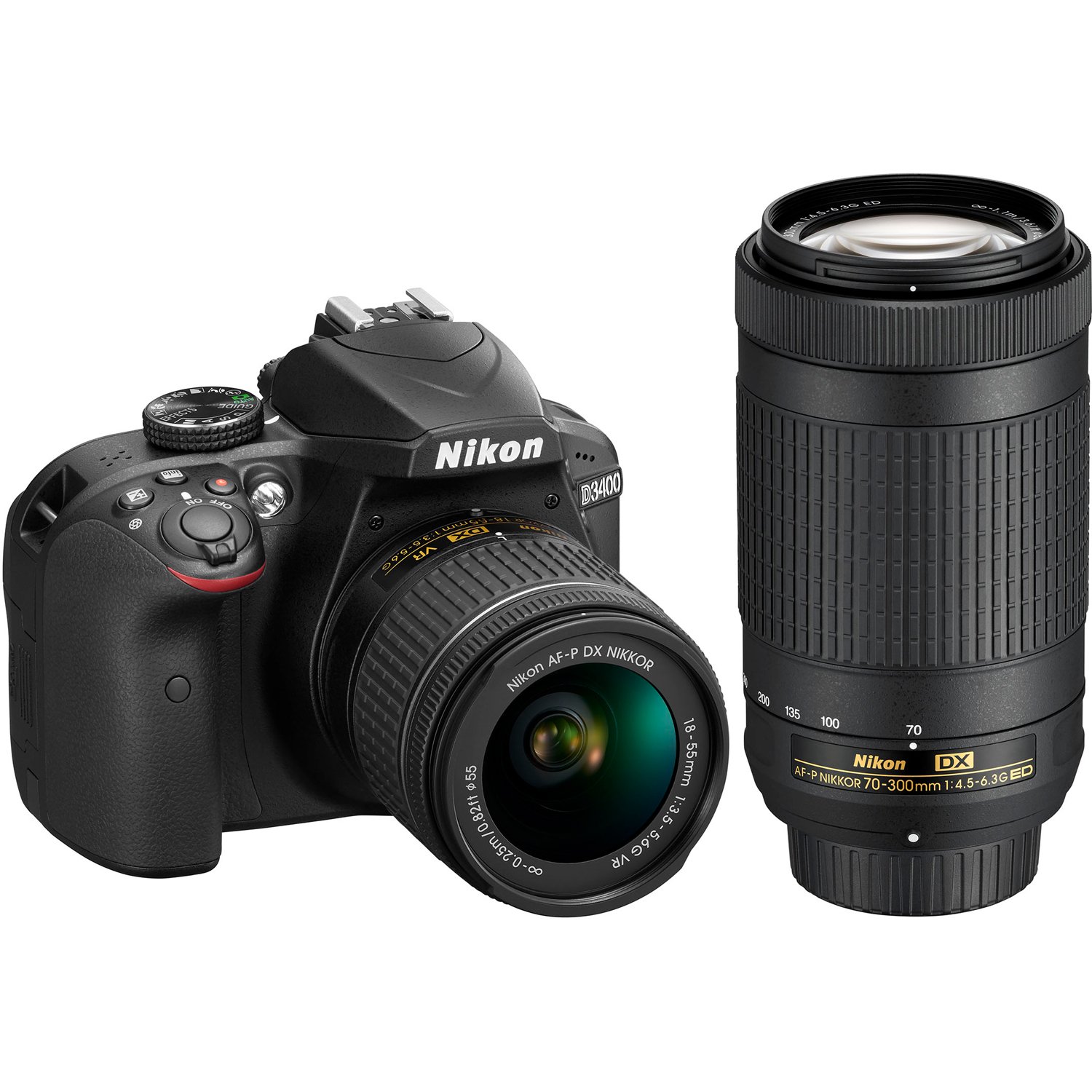
No. Camera fundamentals — composition, light, timing — determine image quality far more than gear at the beginner level. A used Canon EOS M100, Nikon D3400, or Sony A5100 produces images indistinguishable from a $3,000 camera for standard daylight shooting. The limitation of budget cameras appears in low light and fast action — situations most beginners aren't shooting until they've developed the underlying skills anyway.
The 18-55mm kit lens included with most beginner cameras covers portraits, landscapes, and everyday shooting adequately for learning. Once you've outgrown it, a 50mm f/1.8 (Canon EF 50mm f/1.8 STM, Nikon AF-S 50mm f/1.8G, or Sony FE 50mm f/1.8) is the best second lens — inexpensive used, sharp, and teaches you to think about focal length and depth of field.
Start with Aperture Priority (Av/A) mode, which lets you control depth of field while the camera handles shutter speed. Learn how aperture affects background blur and how ISO affects grain. Once comfortable, move to Manual mode. Cameras like the Canon EOS Rebel T8i, Nikon D5600, and Panasonic G85 have guided modes and on-screen help that explain settings while you shoot — useful for self-directed learning.
A used Canon EOS Rebel T7 or Nikon D3500 with the 18-55mm kit lens can be found for $200-300 on GearFocus. Adding a used 50mm f/1.8 prime ($80-120) gives you a two-lens kit covering most scenarios for under $500 total. This combination is used by working photographers daily and gives beginners room to grow without premature upgrades.
Helpful, not essential. An articulating or tilting LCD makes low-angle shots, overhead compositions, and vlogging noticeably easier — the Canon EOS Rebel T8i, Sony A6100, and Fujifilm X-T200 all include one. If you plan to do any self-filming or creative angles, prioritize cameras with a fully articulating screen from the start.
Yes, when buying from a verified marketplace. GearFocus requires identity verification for all sellers and includes 48-hour buyer protection on every purchase — if a Canon Rebel T7 or Sony A6000 arrives with a sticky shutter or scratched sensor, you get a full refund with seller-paid return shipping. Unlike general marketplaces like eBay or Facebook Marketplace, GearFocus is built exclusively for photography gear, so condition ratings mean the same thing to every seller. Beginners can find starter kits with included kit lenses from verified sellers, making GearFocus the safer first step into used gear.