Used Vintage Cameras and Collectible Gear on GearFocus
Vintage camera collectors seek early digital bodies with distinctive rendering, classic film cameras with mechanical craftsmanship, and rangefinders with legacy lens compatibility. The clearest distinction in vintage collecting is between cameras valued for their rendering (the Fujifilm X-Pro1's X-Trans I sensor, the Leica M9's CCD tonality, the Helios 44-2's swirly bokeh) versus cameras valued for mechanical artistry and lens ecosystem access — the first group depreciates once nostalgia fades, while the second (Leica M6, Hasselblad 500C/M, Nikon FM2) tends to hold or gain value because the glass remains useful indefinitely. The Nikon Df, Fujifilm X-Pro1, and Olympus PEN-F are popular retro-styled digital bodies. The Leica M9, Contax G2, and Hasselblad 500 series are the prestige film collectibles. GearFocus connects you with verified sellers offering used vintage cameras starting from $50 with 48-hour buyer protection.
Browse Vintage Cameras GearUsed Vintage Cameras and Collectible Gear on GearFocus
Vintage camera collectors seek early digital bodies with distinctive rendering, classic film cameras with mechanical craftsmanship, and rangefinders with legacy lens compatibility. The clearest distinction in vintage collecting is between cameras valued for their rendering (the Fujifilm X-Pro1's X-Trans I sensor, the Leica M9's CCD tonality, the Helios 44-2's swirly bokeh) versus cameras valued for mechanical artistry and lens ecosystem access — the first group depreciates once nostalgia fades, while the second (Leica M6, Hasselblad 500C/M, Nikon FM2) tends to hold or gain value because the glass remains useful indefinitely. The Nikon Df, Fujifilm X-Pro1, and Olympus PEN-F are popular retro-styled digital bodies. The Leica M9, Contax G2, and Hasselblad 500 series are the prestige film collectibles. GearFocus connects you with verified sellers offering used vintage cameras starting from $50 with 48-hour buyer protection.
Browse Vintage Cameras GearWhat Vintage Cameras Photographers Need
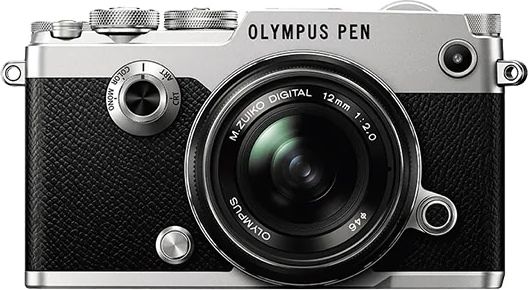
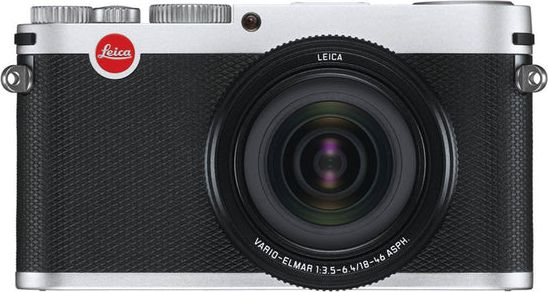
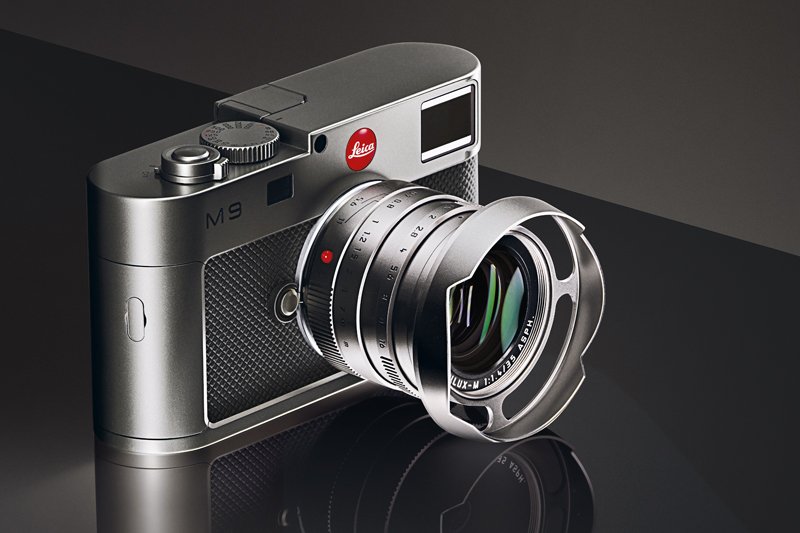
Vintage camera collecting spans two distinct interests: classic film cameras valued for their mechanical artistry and distinctive image output, and early digital cameras with rendering characteristics unavailable in modern systems. For collectors of early digital bodies, the Fujifilm X-Pro1 and Sony NEX-7 are among the most interesting — both produce images with color rendering and 'look' that Fujifilm's and Sony's current sensors don't replicate. The Nikon Df is a modern sensor in a retro body, giving you current image quality with the handling of a 1970s Nikon FM. The Leica Digilux 2 remains a collector's item for its CCD sensor rendering. Budget vintage digital collecting starts with the Canon EOS 10D, Nikon D70, and Minolta Maxxum 7D — early DSLRs that now sell for under $100 and produce images with early-era digital characteristics. Paired with vintage M42 lenses like the Industar-50 or Helios 44-2, these cameras produce images that are genuinely distinctive. Midrange film collecting centers on the Fujifilm X-Pro2, Olympus PEN-F, and Leica X Vario — cameras with retro aesthetics that function as daily shooters. At the professional level, the Leica M9 (the first full-frame Leica digital M) and Contax G2 are the most sought-after collectibles in working condition. The Hasselblad 500 series (500C/M) is the prestige medium format film collectible — used regularly by professional photographers for decades. Vintage lenses like the Takumar 55mm f/1.8, Minolta Rokkor-X 50mm f/1.4, and Carl Zeiss Planar T* 50mm f/1.4 are the most traded collectible glass.
Recommended Vintage Cameras Gear
Budget Vintage Cameras Gear
Low-cost legacy digital bodies, limited resolution but nostalgic color profiles
Cameras
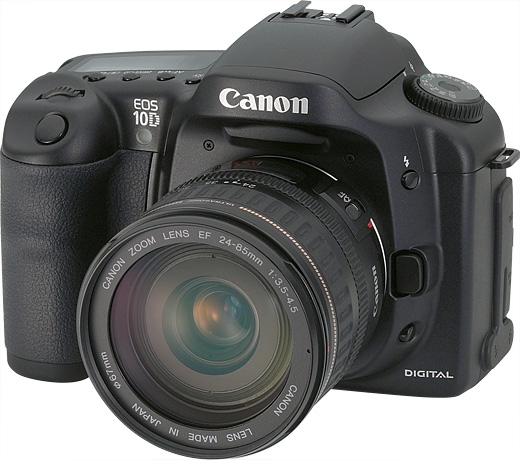
Canon EOS 10D DSLR Camera
Market value: ~$1,500
View on GearFocus →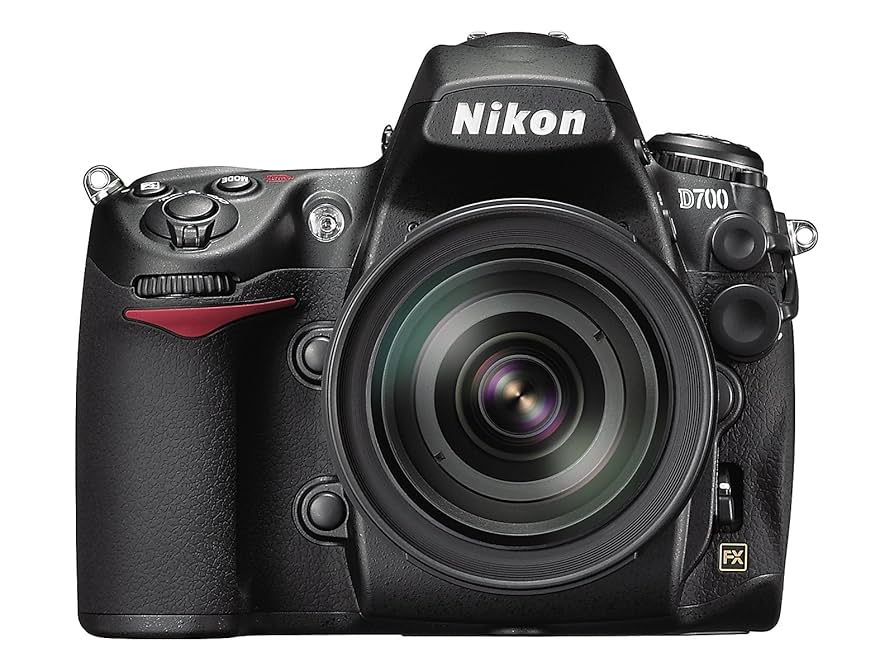
Nikon D700 DSLR Camera
Market value: ~$2,999
View on GearFocus →older Sony Alpha A100
Minolta Maxxum 7D
used marketplace finds
Lenses
Industar-50 50mm f/3.5
Helios 44-2 58mm f/2
Sears 50mm f/1.7 M42
Pentacon 50mm f/1.8
Yashica ML 50mm f/2
Vintage Cameras Gear on GearFocus
Why Vintage Cameras Photographers Choose GearFocus
Vintage camera collectors — Leica M rangefinders, early Hasselblad V-system bodies, pre-AI Nikon F lenses — are buying at price points where condition authenticity and seller knowledge are decisive. GearFocus has 3,000+ identity-verified sellers, meaning every vintage listing comes from an accountable individual rather than an anonymous account — a structural trust advantage over general auction platforms and Facebook Marketplace. With 6,763 GearMaster product pages covering classic camera systems, collectors can cross-reference original specifications, production dates, and known variants before evaluating any used listing. GearFocus's 48-hour buyer protection with seller-paid return shipping gives collectors time to verify shutter curtain condition, rangefinder calibration, and cosmetic authenticity before the transaction finalizes.
Verified Sellers Only
Every seller on GearFocus undergoes identity verification before listing gear. You know who you're buying from — not just an anonymous account.
48-Hour Buyer Protection
Inspect your gear within 48 hours of delivery. If the item doesn't match the listing description, return shipping is covered.
5% Fee vs. 13.6% on eBay
GearFocus charges a 5% platform fee. eBay averages 13.6% in fees. Sellers keep more — which means more competitive pricing for buyers.
What to Look For in Vintage Cameras Gear
Camera Type
35mm Film, Medium Format, Large Format, or Early Digital Cameras
Film Format
Compatibility with 35mm, 120mm, 4x5, or Instant Film
Lens Type
Manual Focus Lenses with Classic Optical Coatings
Shutter Type
Mechanical Leaf or Focal Plane Shutter
ISO Control
Film-Based ISO Control (Dependent on Film Stock)
Exposure Control
Full Manual or Semi-Automatic Metering Modes
Light Meter
Internal Selenium, CdS, or External Handheld Meter Compatibility
Focus System
Rangefinder, SLR, Twin Lens Reflex (TLR), or Zone Focusing
Viewfinder
Optical Viewfinder or Ground Glass for Framing
Film Advance
Manual Advance Lever, Knob, or Motorized Winder
Film Rewind
Manual Rewind Crank or Automatic Rewind Mechanism
Multiple Exposure
Support for Double or Multiple Exposures
Flash Sync
Hot Shoe or PC Sync Port for Vintage Flash Units
Shutter Speed Range
1/4000s - Bulb Mode for Long Exposures
Battery Type
Button Cells (PX625, LR44), AA Batteries, or Fully Mechanical Operation
Build Quality
Classic Metal or Bakelite Construction for Durability
Film Loading
Manual Film Loading with Spool or Cartridge Systems
Lens Mount
Brand-Specific Mounts (Leica M, Nikon F, Pentax K, Contax/Yashica)
Accessories
Compatible with Vintage Lenses, Filters, & External Meters
Development Process
Works with Darkroom or Film Scanning Methods
Archiving
Supports Negative & Slide Scanning for Digital Preservation
FAQs
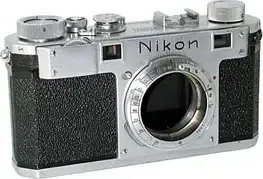
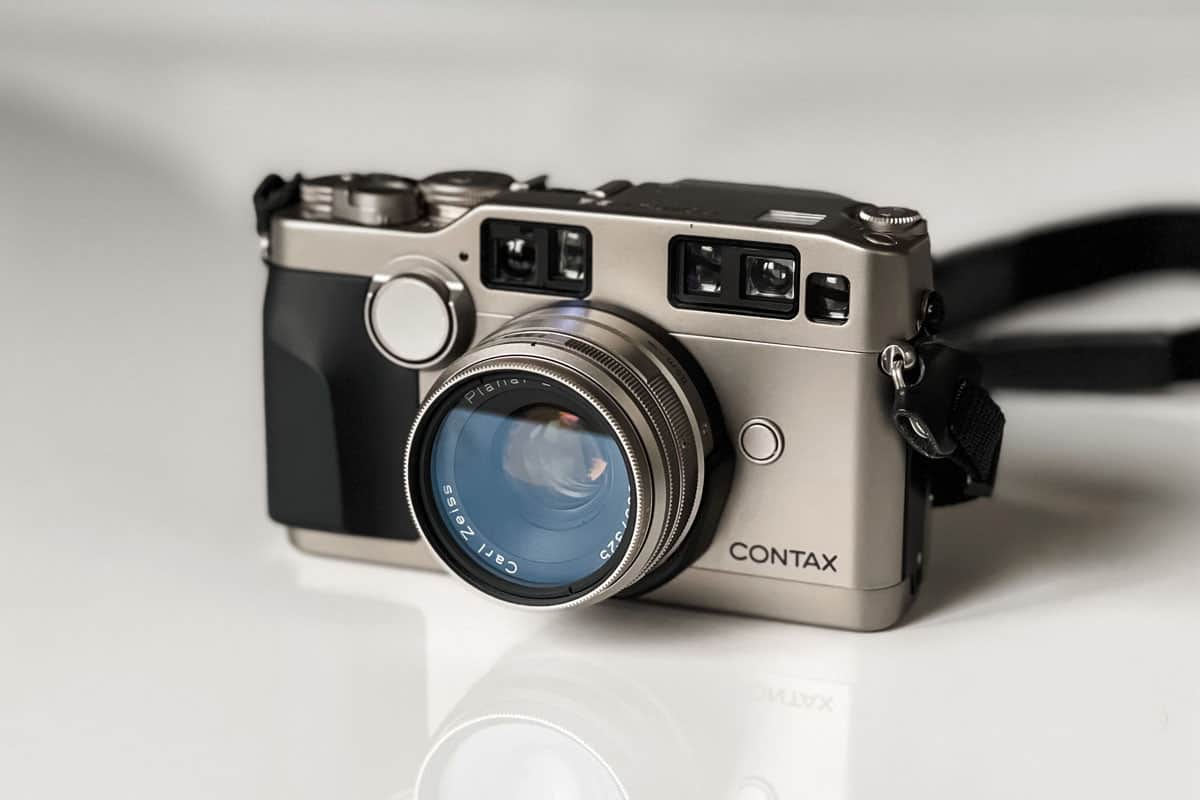
The most valuable vintage cameras combining collectibility and usability: Leica M6 (35mm rangefinder, appreciating value), Hasselblad 500C/M (6x6 medium format, professional standard for decades), Contax G2 (autofocus rangefinder with Zeiss lenses), Nikon SP (1950s rangefinder, very rare), and the Rolleiflex TLR series (twin-lens reflex, distinctive square format). For early digital collecting: the Fujifilm X-Pro1 (X-Trans I sensor rendering), Leica M9 (first full-frame digital Leica M), and Nikon Df (retro-styled with current sensor). Cameras with native lens systems and active repair ecosystems hold value best.
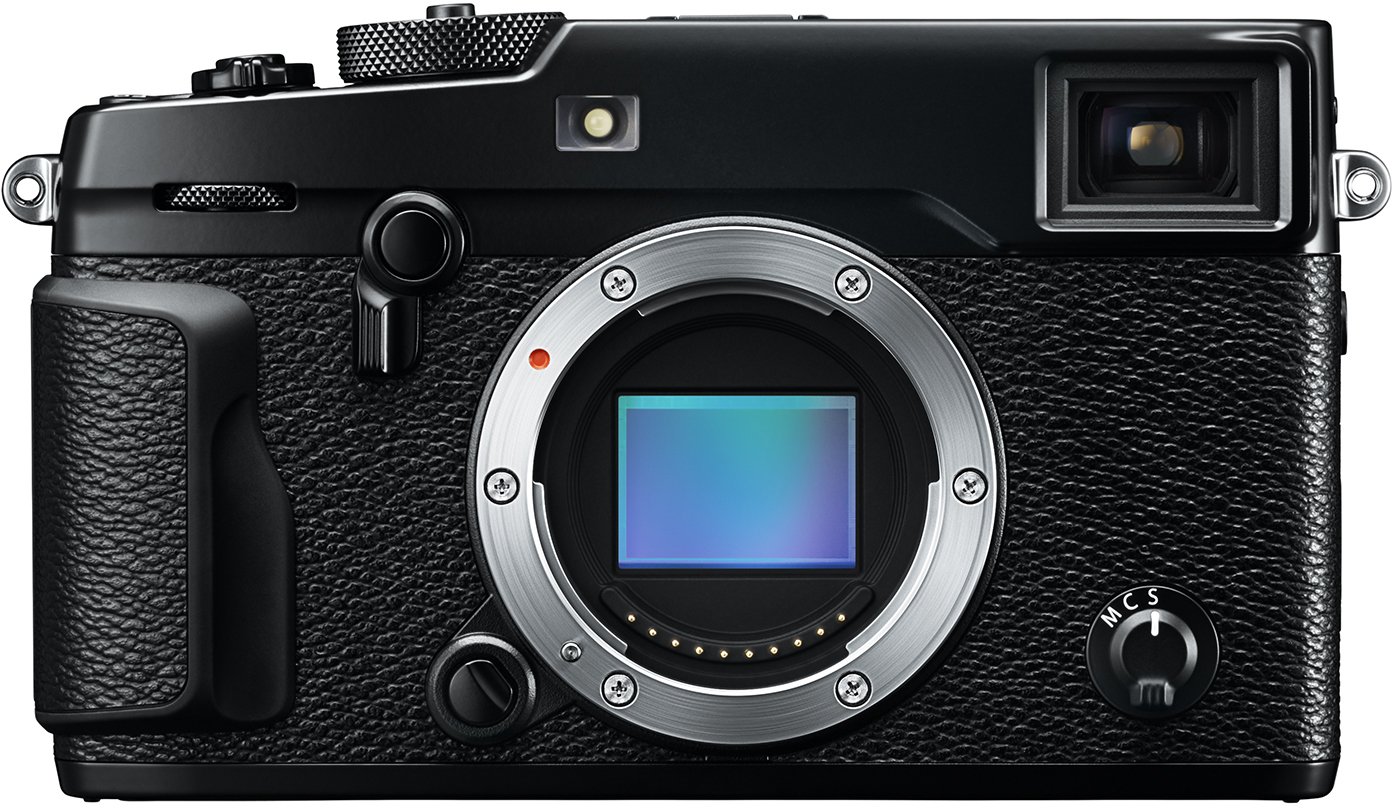
The Fujifilm X-Pro1 was the first camera with Fujifilm's X-Trans sensor — a non-Bayer color filter array designed to reduce moiré without an optical low-pass filter. Used examples sell for $200–$400 and produce color rendering that Fujifilm's current sensors don't fully replicate, particularly the X-Trans I's characteristic 'film-like' rendering that many photographers find more appealing than technically superior modern sensors. The optical/electronic viewfinder hybrid and rangefinder-style body also make it a practical daily shooter. It's a working collector's camera, not a display piece.
The Takumar 55mm f/1.8 (M42 mount, Pentax) is the most popular entry-level vintage lens — exceptional optical quality, radioactive thorium glass that warms the rendering slightly, and widely available for $40–$80 used. The Helios 44-2 58mm f/2 is prized for its swirly bokeh characteristic. The Minolta Rokkor-X 50mm f/1.4 offers excellent sharpness and character at low prices. At the premium level, the Carl Zeiss Planar T* 50mm f/1.4, Leica Summicron-R 35mm f/2, and Voigtlander Nokton 58mm f/1.4 are the most sought-after. All adapt to modern mirrorless bodies via inexpensive adapters.
Some vintage cameras have appreciated significantly: Leica M6 prices have roughly tripled over a decade, Hasselblad 500C/M systems have held value, and the Contax G2 with Zeiss lenses commands a premium. However, most vintage cameras are not reliable financial investments — they depreciate, require maintenance, and can develop faults that make them unsaleable. The better framing is total cost of ownership: a Canon AE-1 bought for $100 that gives you years of use and sells for $120 is a good deal, not a speculative play. Leica and Hasselblad are the exceptions where collector demand has driven genuine appreciation.
The Nikon Df (2013) is a full-frame DSLR with a 16.2MP sensor from the Nikon D4 mounted in a body styled after Nikon's 1970s FM series. Dedicated ISO, shutter speed, and exposure compensation dials replace menu-driven controls. It accepts all AI and AI-S Nikon F-mount lenses without adapters. The Df's appeal is handling — photographers who grew up on mechanical Nikons find it more intuitive than modern menu-heavy bodies. Image quality from the D4 sensor is very strong. Used Df bodies sell for $1,000–$1,400 and represent a legitimate daily shooter for photographers who value analog-style controls.
Rangefinder cameras (Leica M6, Contax G2, Nikon SP) use a separate viewfinder with a rangefinder patch for focusing — you see slightly more than the lens captures, making them excellent for anticipating the moment. They're quieter, smaller, and faster to focus in the 28–90mm range. SLR cameras (Nikon FM2, Canon AE-1, Olympus OM-1) show you exactly what the lens sees via mirror and prism. SLRs work for any focal length including telephoto and macro. Most classic film photographers shot both — a Leica for street work, a Nikon SLR for wildlife and sports.
Basic maintenance: clean the viewfinder with lens-safe cloths, check and replace light seals if deteriorated (foam kit costs $5–$15), and exercise the shutter at all speeds periodically to prevent sticking. For CLA (clean, lubricate, adjust) service on precision rangefinders like the Leica M6, use a qualified technician — DIY service on Leicas risks misaligning the rangefinder patch. For SLRs like the Nikon FM2 or Canon AE-1, mirror damper replacement and light seal replacement are DIY-accessible. Store cameras with the lens cap on, aperture blades open, and in a dry environment. Silica gel in the storage container prevents fungus growth on glass elements.
Yes, when buying from a verified marketplace. GearFocus requires identity verification for all sellers and includes 48-hour buyer protection on every purchase — if a Leica M9, Contax G2, or Hasselblad 500C/M arrives with undisclosed sensor corrosion, rangefinder misalignment, or mechanical faults not described in the listing, you get a full refund with seller-paid return shipping. Unlike general auction sites where vintage camera condition is frequently misrepresented, GearFocus sellers are from the photography community and understand what CLA status, rangefinder patch accuracy, and light seal condition mean to a serious collector. With 5% platform fees, sellers price more honestly than on higher-commission platforms.