Used Camera Gear for Travel Vloggers
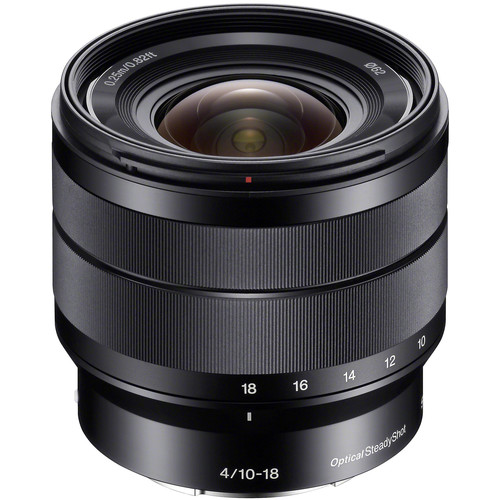
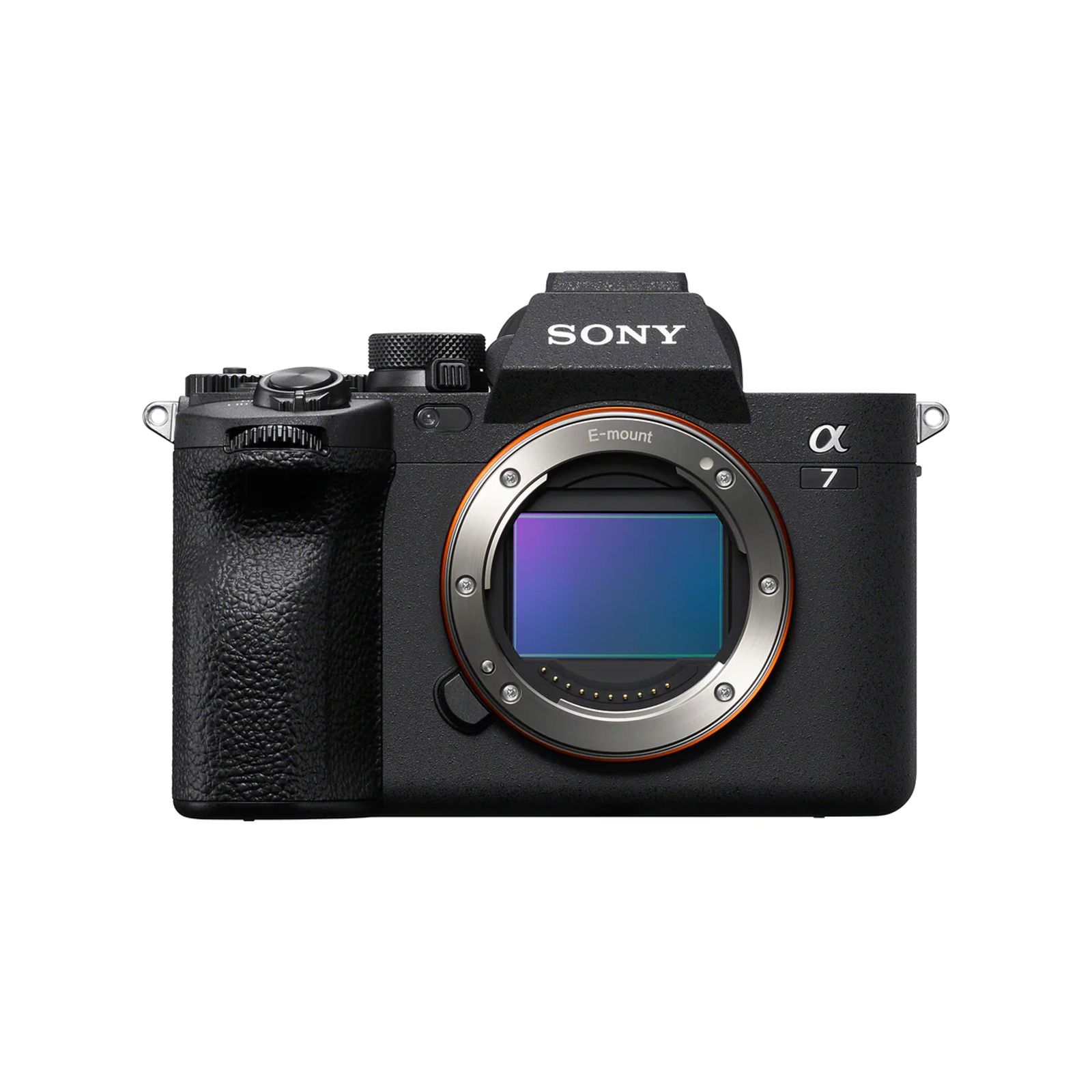
Travel vloggers need cameras that balance portability with video quality — compact enough to carry through airports, capable enough to shoot in mixed lighting conditions, and equipped with fully articulating screens for self-recording. The practical threshold for a capable travel vlogging kit is a body under 600g with in-body stabilization of at least 5 stops, 4K video capability, and a flip-out touchscreen — cameras missing any of those three features impose real compromises on location that no editing workaround can fix. The Sony A7C, Fujifilm X-S10, and Canon EOS RP are strong all-around travel vlogging platforms, paired with versatile wide zooms like the Sony E 10-18mm f/4 or Fujifilm XF 18-55mm f/2.8-4. GearFocus connects you with verified sellers offering used travel vlogging cameras starting from under $250, with 48-hour buyer protection on every purchase.
Browse Travel & Vlogging GearUsed Camera Gear for Travel Vloggers
Travel vloggers need cameras that balance portability with video quality — compact enough to carry through airports, capable enough to shoot in mixed lighting conditions, and equipped with fully articulating screens for self-recording. The practical threshold for a capable travel vlogging kit is a body under 600g with in-body stabilization of at least 5 stops, 4K video capability, and a flip-out touchscreen — cameras missing any of those three features impose real compromises on location that no editing workaround can fix. The Sony A7C, Fujifilm X-S10, and Canon EOS RP are strong all-around travel vlogging platforms, paired with versatile wide zooms like the Sony E 10-18mm f/4 or Fujifilm XF 18-55mm f/2.8-4. GearFocus connects you with verified sellers offering used travel vlogging cameras starting from under $250, with 48-hour buyer protection on every purchase.
Browse Travel & Vlogging GearWhat Travel & Vlogging Photographers Need
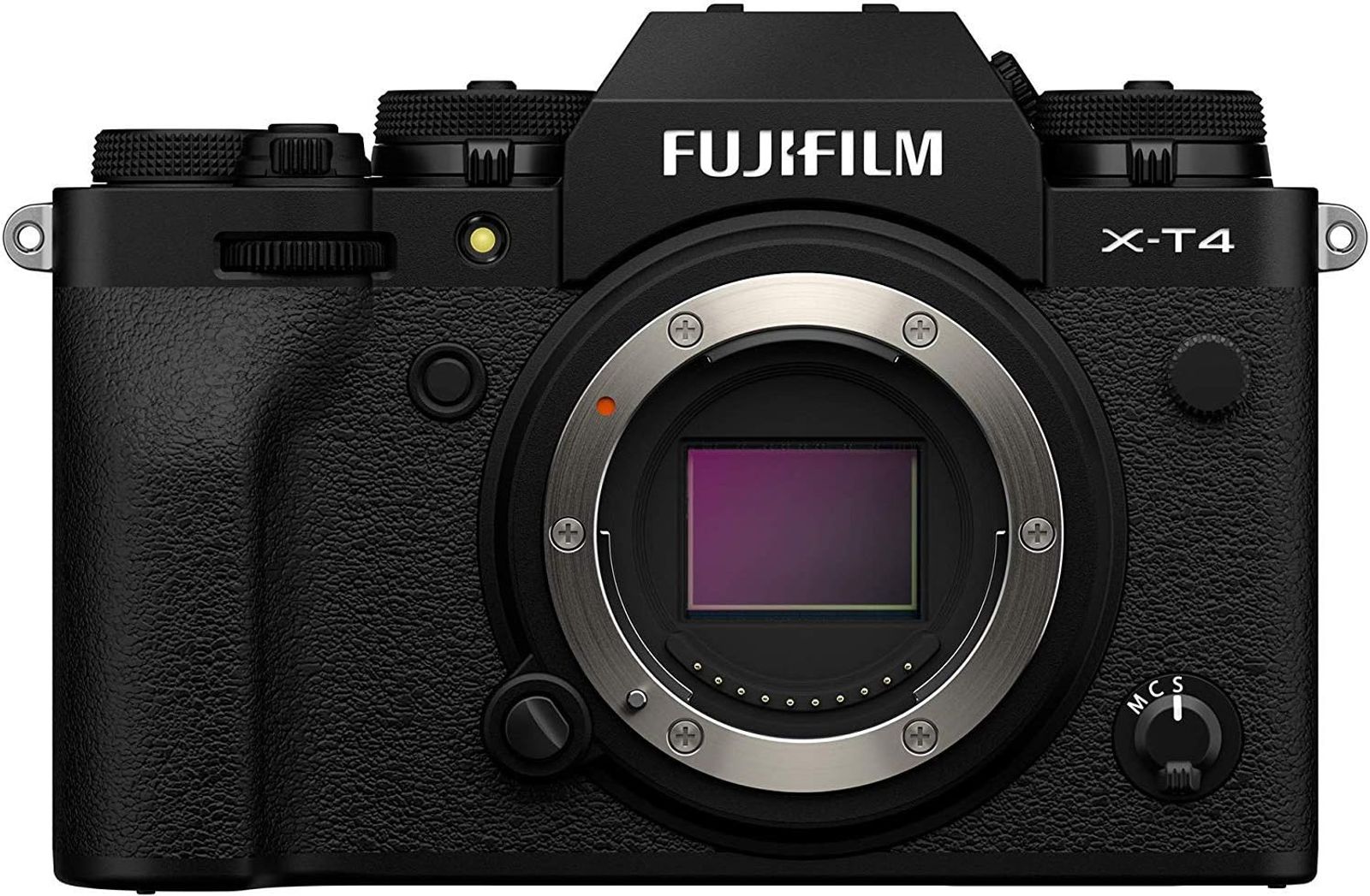
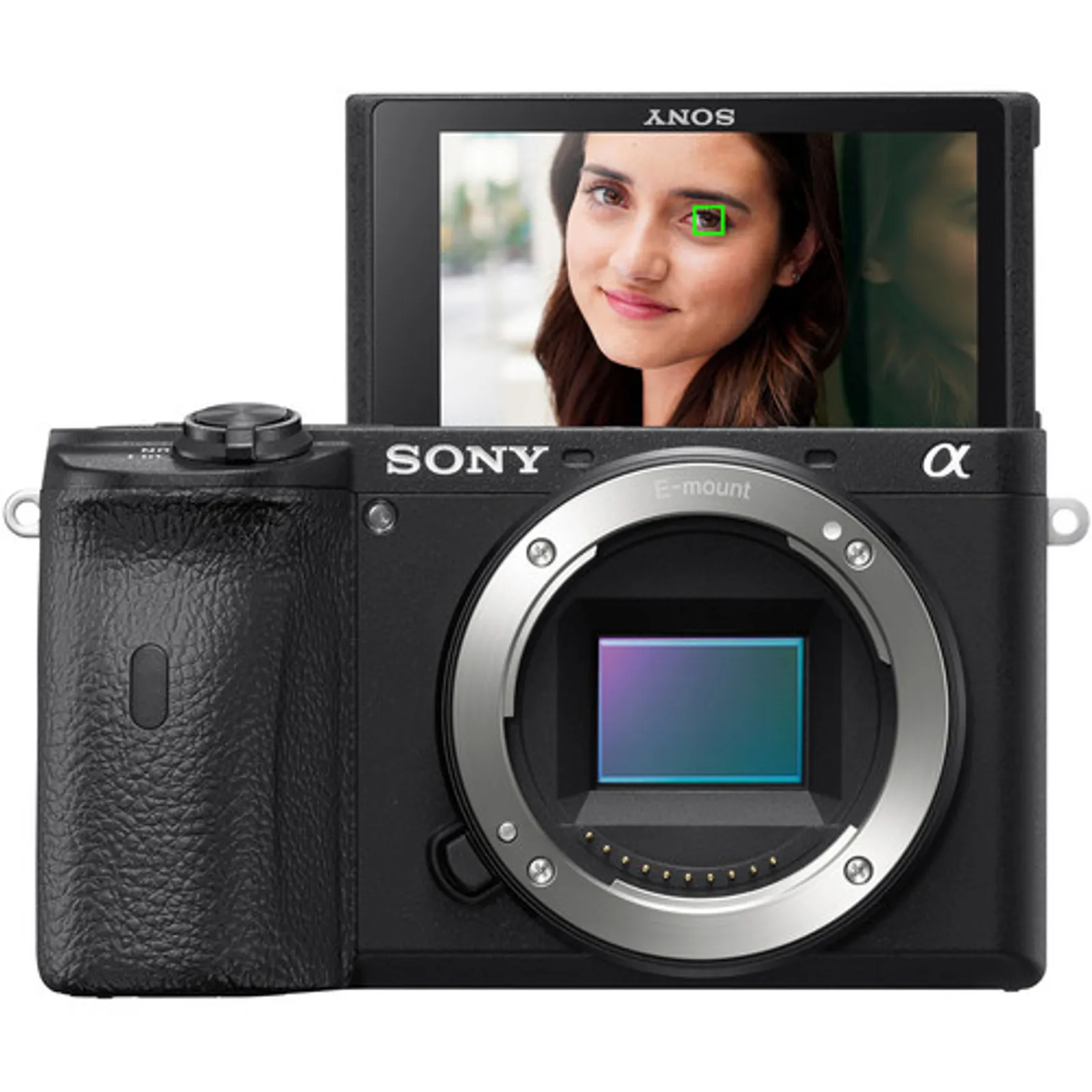
Travel vlogging punishes heavy gear. You're carrying this equipment through airports, crowded markets, mountain trails, and cramped train compartments — every gram matters. The best travel vlogging cameras share three traits: a compact form factor with weather sealing, in-body image stabilization (IBIS) for smooth handheld footage without a gimbal, and a fully articulating touchscreen for self-shooting. At the budget tier, the Canon M50 Mark II and Sony ZV-E10 are purpose-built for vlogging — both have flip screens, good autofocus, and basic 4K video. Pair them with a Canon EF-S 18-55mm IS STM or Sony E 16-50mm for versatile coverage. Mid-range travel vloggers have settled on the Fujifilm X-T4, Sony A6600, and Canon EOS R10 as the sweet spot — all offer IBIS, excellent autofocus, and articulating screens. The Fujifilm XF 18-55mm f/2.8-4 and Panasonic Leica 12-60mm f/2.8-4 give you wide-to-short-telephoto coverage in a single compact lens. For full-frame quality without excessive weight, the Sony A7C is the most popular choice — it packages full-frame sensors and Sony's excellent Eye-AF into a body not much larger than an APS-C camera. The Canon RF 15-35mm f/2.8L IS or Sony FE 16-35mm f/2.8 GM provides cinematic wide coverage for landscapes and environmental shots. Battery life is critical on location — bring two or three batteries minimum, and consider USB-C charging compatibility for recharging from power banks during transit.
Recommended Travel & Vlogging Gear
Budget Travel & Vlogging Gear
Compact, affordable, user-friendly for quick setups, good video features
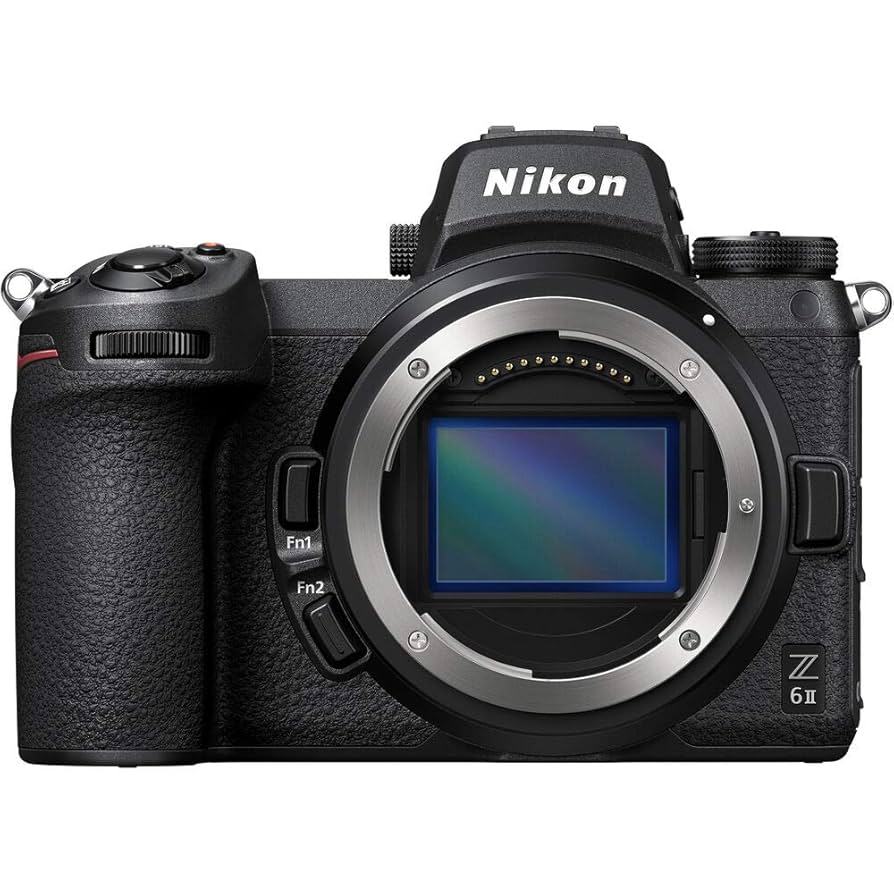
Cameras
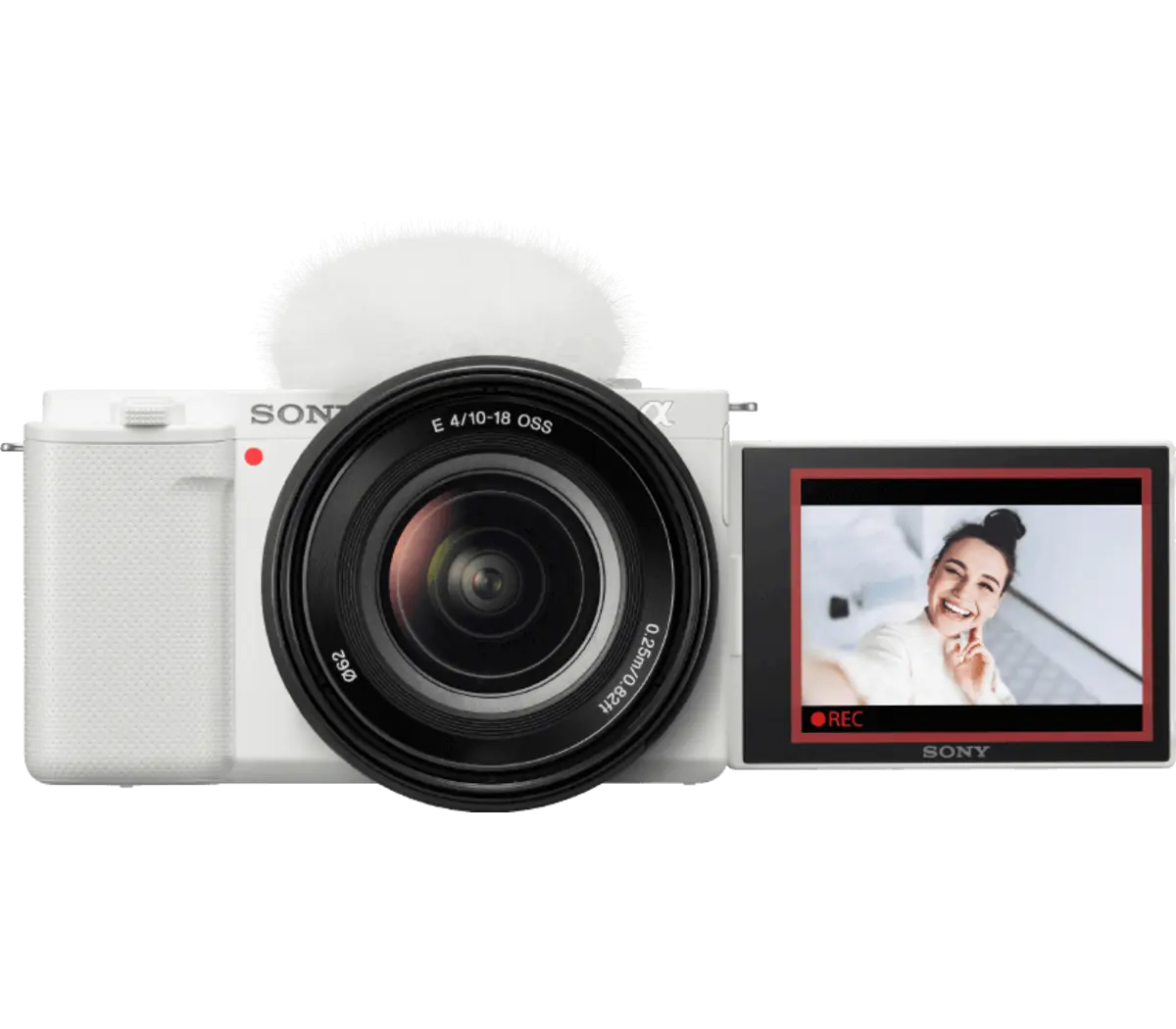
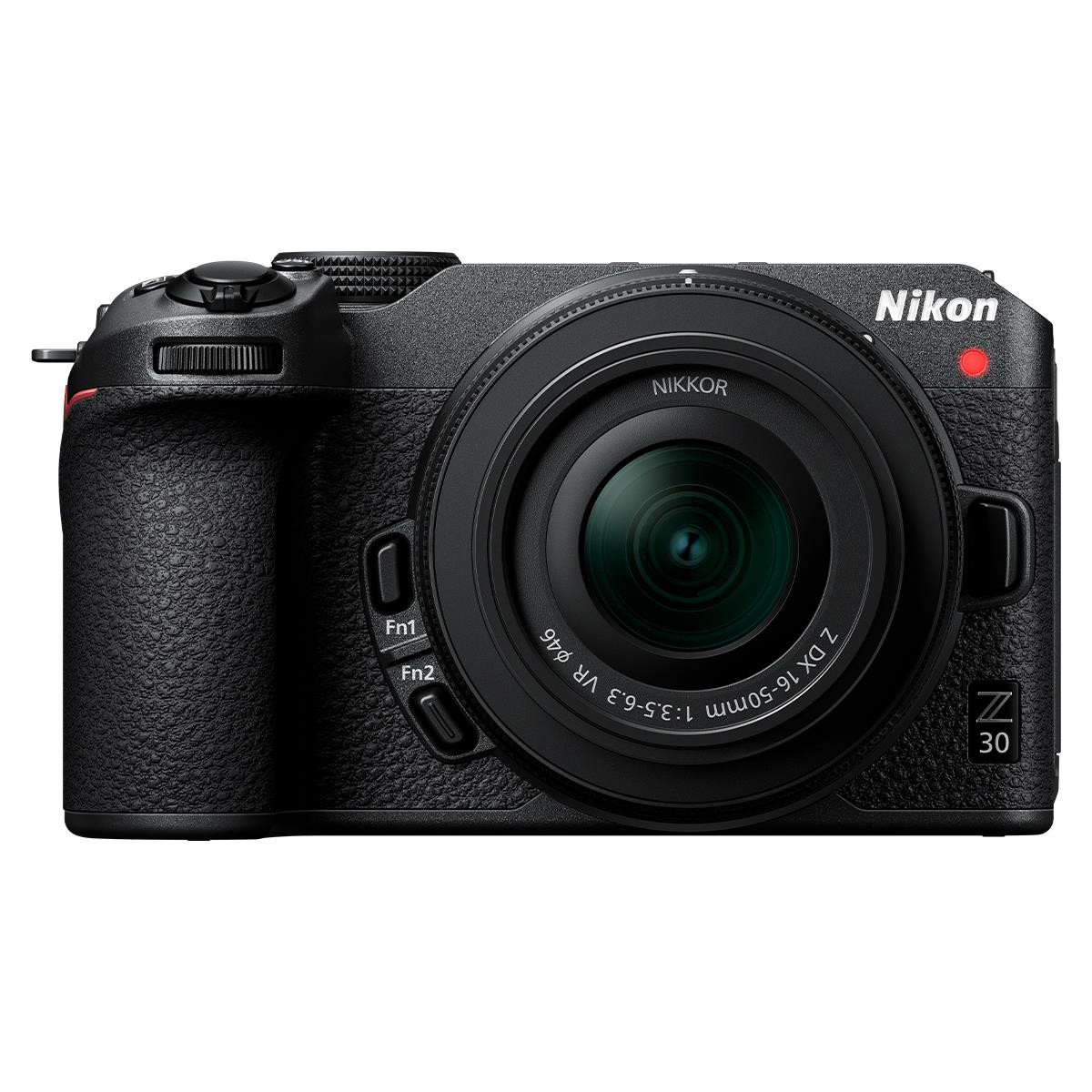
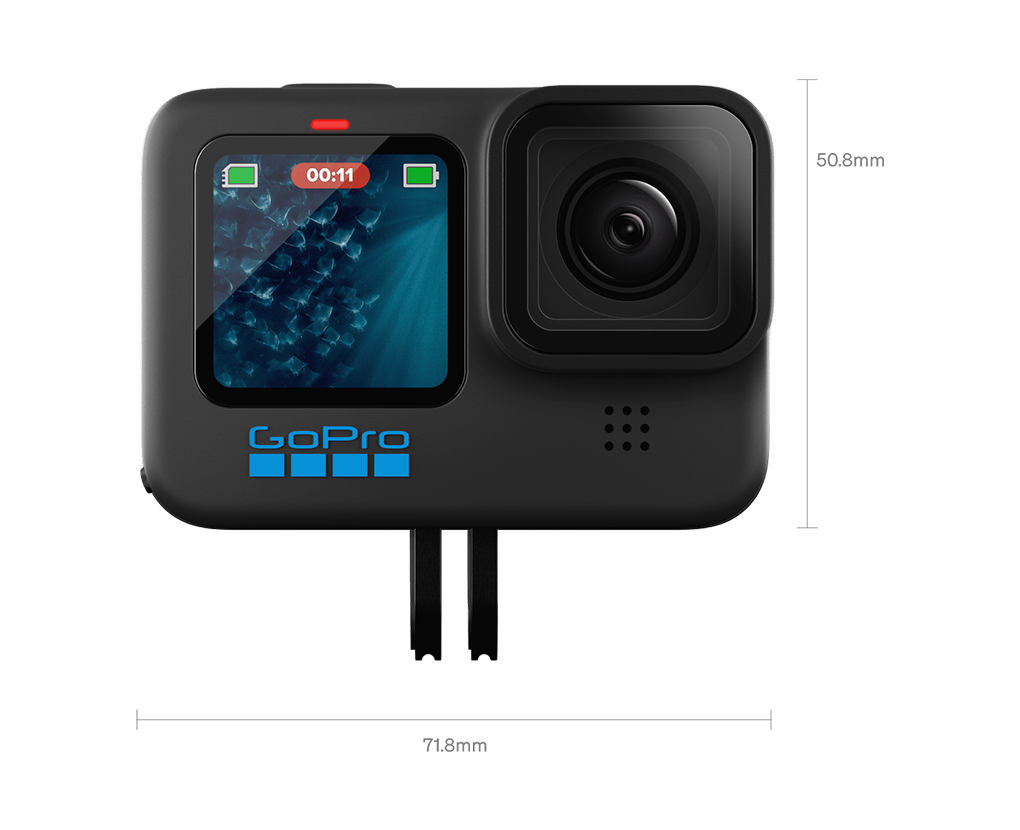
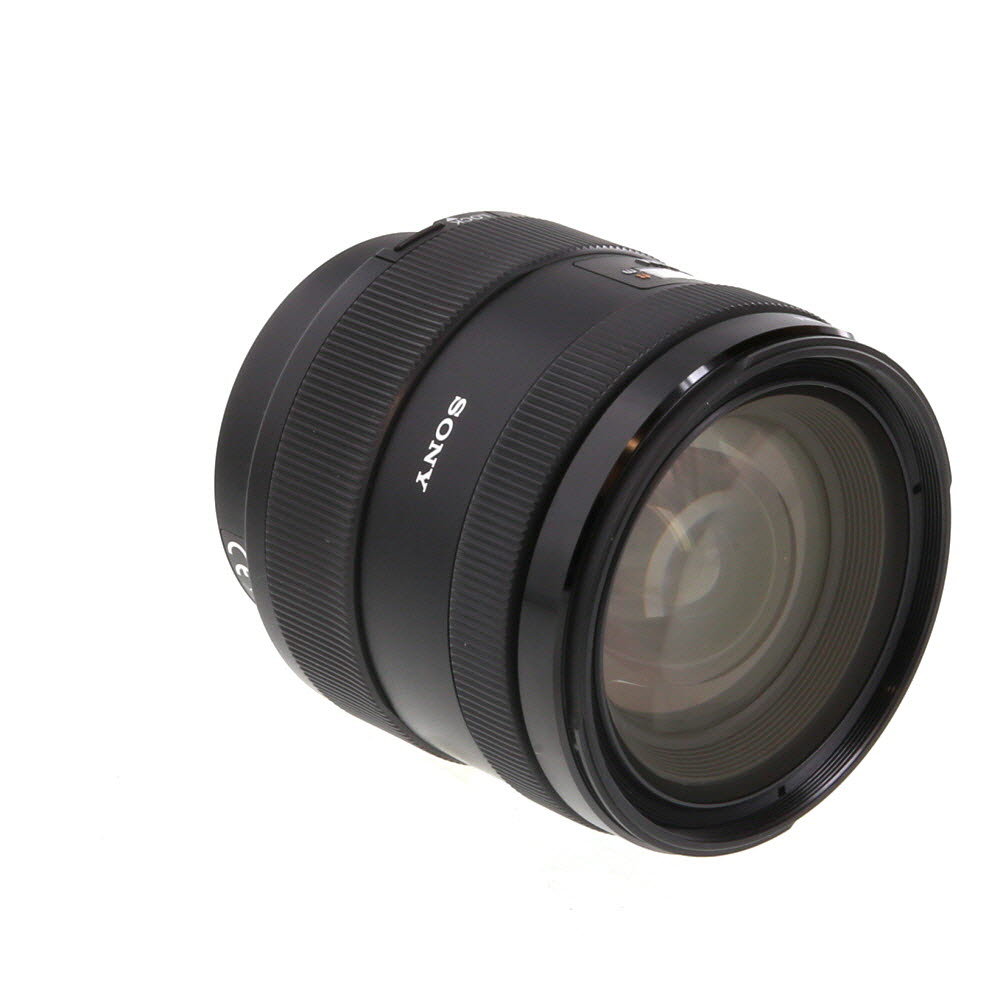
Lenses
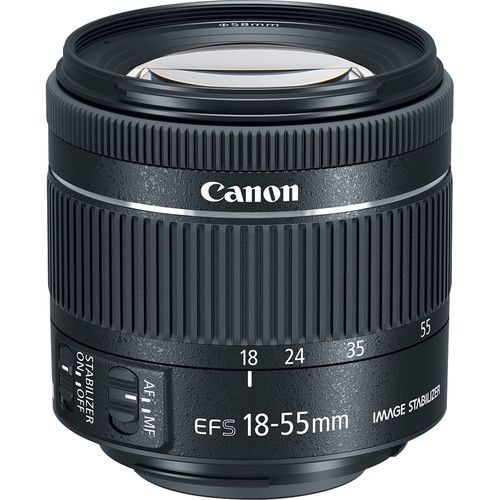
Canon EF-S 18-55mm f/4-5.6 IS STM
Market value: ~$249
View on GearFocus →Nikon AF-P 18-55mm f/3.5-5.6G VR
Sony E 16-50mm f/3.5-5.6
Fujifilm XC 15-45mm f/3.5-5.6
Panasonic Lumix G Vario 12-32mm
Travel & Vlogging Gear on GearFocus
Why Travel & Vlogging Photographers Choose GearFocus
Travel vloggers upgrade frequently as Sony ZV-E10, Canon EOS M50 Mark II, and Fujifilm X-S10 cycles shorten — and GearFocus captures that turnover from creators who used these cameras in the field rather than on a shelf. With market pricing data from thousands of real transactions, buyers can see what a used Sony ZV-E1 or Canon EOS R8 actually trades for before committing to a listing. Every seller is identity-verified, not just feedback-rated, so condition descriptions on cameras that have traveled internationally — temperature extremes, humidity, carry-on miles — come with real accountability. GearFocus is a camera-specific marketplace built by creators, which means vlogging camera listings come from people who understand flip-out screens, in-body stabilization performance, and real-world battery life.
Verified Sellers Only
Every seller on GearFocus undergoes identity verification before listing gear. You know who you're buying from — not just an anonymous account.
48-Hour Buyer Protection
Inspect your gear within 48 hours of delivery. If the item doesn't match the listing description, return shipping is covered.
5% Fee vs. 13.6% on eBay
GearFocus charges a 5% platform fee. eBay averages 13.6% in fees. Sellers keep more — which means more competitive pricing for buyers.
What to Look For in Travel & Vlogging Gear
Camera Sensor
Compact APS-C or Full-Frame Sensor for High-Quality Video
Resolution
At Least 20MP for High-Quality Stills & Video Thumbnails
Autofocus
Fast & Reliable Eye & Face Tracking Autofocus
ISO Performance
Good Low-Light Performance (ISO 100-6400)
Lens Type
Wide-Angle & Zoom Lenses for Versatile Framing (16-35mm, 24-70mm)
Aperture
Fast Aperture (f/1.8 - f/2.8 for Low Light & Bokeh)
Stabilization
In-Body Image Stabilization (IBIS) / Optical Stabilization for Smooth Handheld Footage
Screen Type
Fully Articulating Touchscreen for Self-Recording
Audio Input
External Mic Input for High-Quality Audio Recording
Video Resolution
4K/30FPS Minimum, 4K/60FPS Preferred for Smooth Footage
Slow Motion
1080p/120FPS or Higher for Cinematic Slow Motion
Live Streaming
Direct Live Streaming Capabilities via WiFi or USB
File Format
10-bit LOG & HDR Video for Better Color Grading
Portability
Compact & Lightweight Design for Easy Travel
Battery Life
Long Battery Life (500+ Shots or Extended Video Time)
Connectivity
Built-in WiFi & Bluetooth for Quick File Transfers
USB Charging
USB-C Charging Support for On-the-Go Power
Storage
High-Speed Memory Card Support (UHS-II, CFExpress)
Software Support
Compatibility with Adobe Premiere Pro & Final Cut Pro
Weather Sealing
Weather Resistance for Outdoor & Travel Shoots
Customization
Custom Buttons for Quick Adjustments in the Field
Tripod Mount
Arca-Swiss & Quick Release Compatibility for Vlog Setups
FAQs
The best travel vlogging cameras balance portability, video quality, and self-shooting features. Top picks include the Sony A7C (full-frame, compact, excellent autofocus, articulating screen), Fujifilm X-S10 (IBIS, flip screen, excellent film simulations), and Canon EOS R10 (lightweight, reliable Eye-AF, great video). Budget travelers do well with the Sony ZV-E10 or Canon M50 Mark II. The non-negotiables: a fully articulating touchscreen, in-body stabilization or good optical stabilization, and reliable face/eye autofocus.
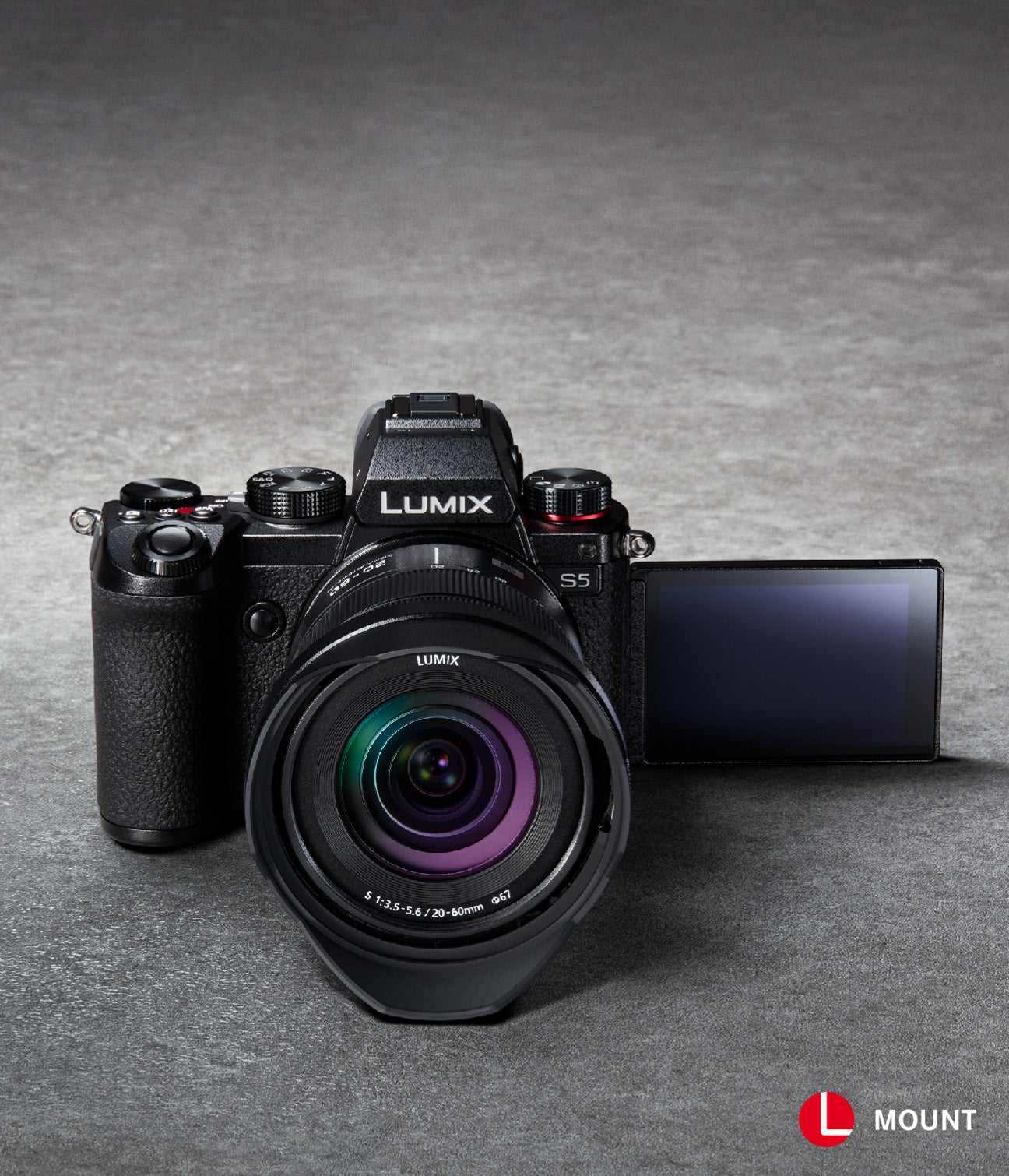
Not necessarily. Cameras with strong IBIS — like the Sony A7C, Fujifilm X-T4, and Panasonic Lumix S5 — produce smooth handheld footage without a gimbal for walking shots. A gimbal adds bulk and requires charging, but delivers smoother motion for fast walking, running, or vehicle shots. Many travel vloggers use IBIS alone or rely on electronic stabilization in post-processing. If you're shooting in moving vehicles or want cinematic motion shots, a small gimbal like the DJI OM series adds capability without excessive weight.
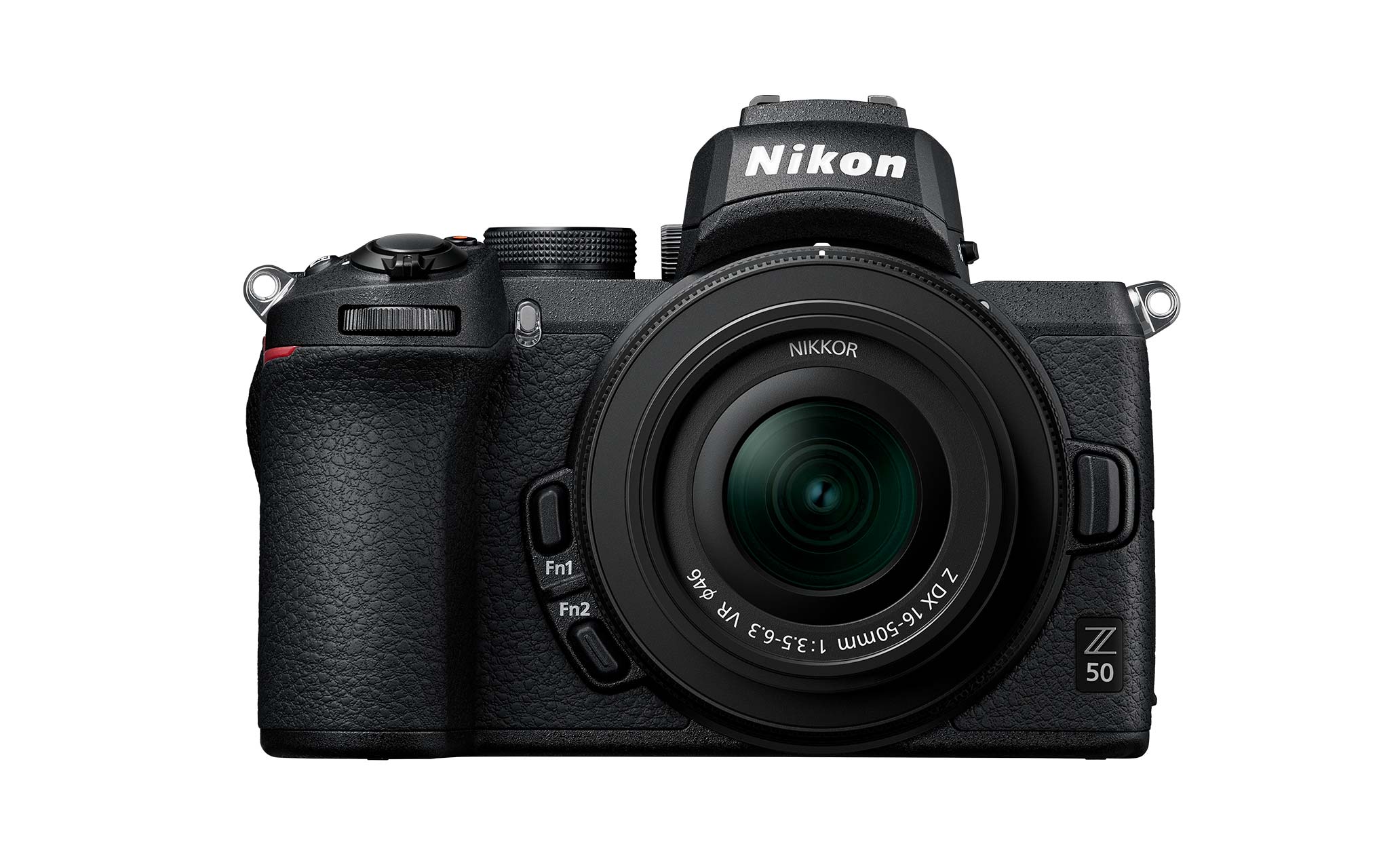
Wide lenses between 16-35mm are the standard for travel vlogging — they cover landscapes, cityscapes, and self-shooting (where you need enough width to frame yourself at arm's length). Strong choices include the Sony E 10-18mm f/4 (for APS-C Sony bodies), Fujifilm XF 18-55mm f/2.8-4 (versatile and compact), Canon RF 15-35mm f/2.8L IS (full-frame Canon), and Sony FE 16-35mm f/2.8 GM (full-frame Sony). On a budget, the Nikon Z DX 16-50mm f/3.5-6.3 VR packs flat for travel.
1080p is sufficient for most YouTube travel vlogs, but 4K gives you more flexibility in post — you can crop in to simulate a zoom or stabilize footage digitally without losing resolution. Cameras like the Sony A7C, Fujifilm X-S10, and Canon EOS R10 all shoot 4K internally. If you're uploading to YouTube, 4K content also benefits from YouTube's better compression codec (VP9) at high resolutions. Shoot 4K, deliver 4K or downscale to 1080p — the extra data gives your edit more options.
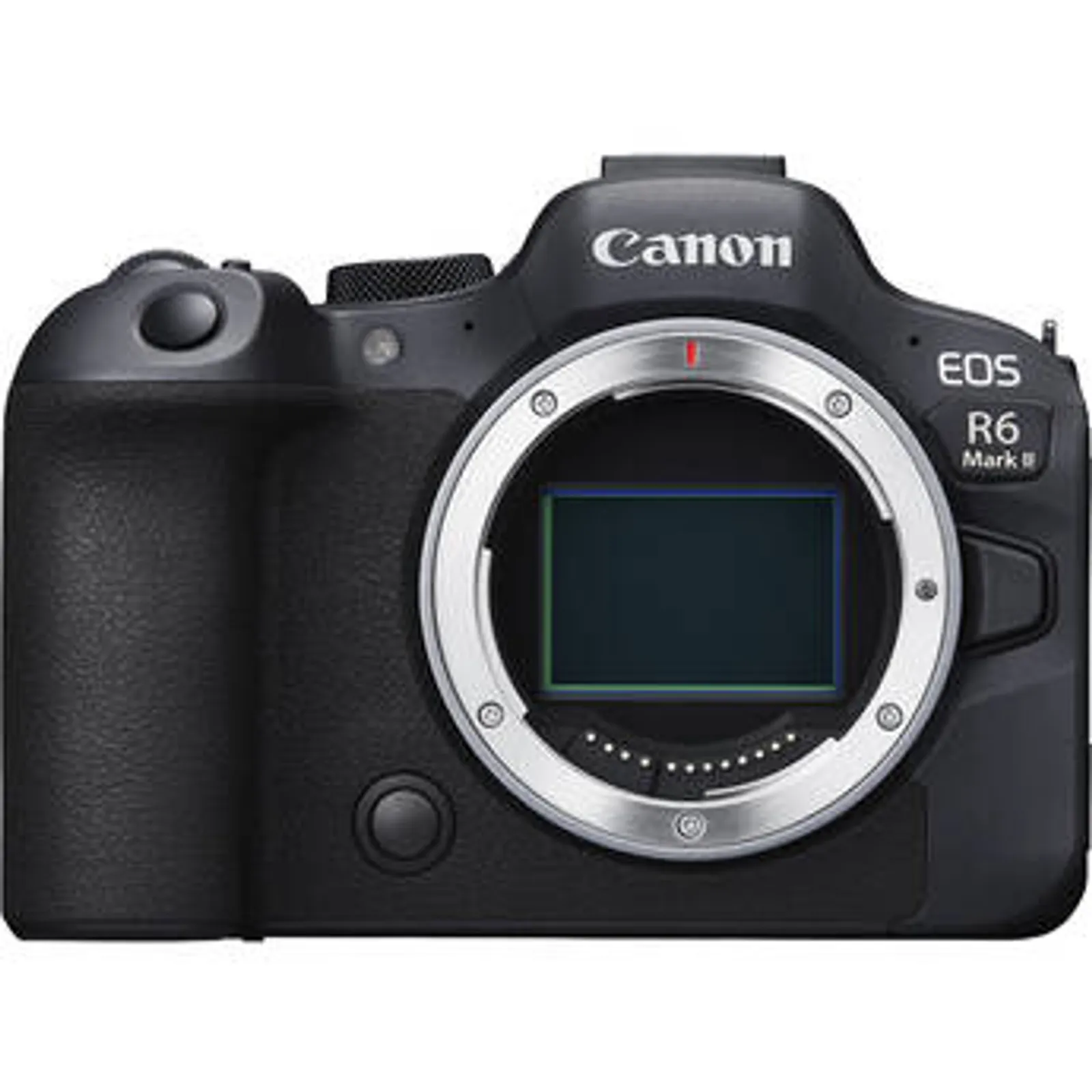
Very important if you travel to unpredictable conditions. Dust, rain, and humidity are constant challenges when shooting outdoors. Cameras with weather sealing — like the Fujifilm X-T4, Sony A6600, and Canon EOS R6 Mark II — can handle light rain and dusty environments without internal damage. If you're shooting in extreme environments (rain forests, deserts, boat trips, heavy rain), weather sealing is non-negotiable. Budget cameras like the Sony ZV-E10 or Canon M50 Mark II have minimal weather sealing and need protection in harsh conditions.
Yes. A used Sony A7C, Fujifilm X-T4, or Canon EOS R6 in good condition shoots identically to a new one — sensors don't wear out from use the way mechanical parts do. Professional travel creators regularly use cameras that are two to four generations old. What matters is image quality, stabilization, and autofocus — all of which hold up in used gear bought from verified sellers. GearFocus carries recent used travel cameras with 48-hour buyer protection, giving you time to verify performance before committing.
Yes, when buying from a verified marketplace. GearFocus requires identity verification for all sellers and includes 48-hour buyer protection on every purchase — if a Sony A7C or Fujifilm X-S10 arrives with IBIS issues, a cracked articulating screen, or autofocus tracking problems, you get a full refund with seller-paid return shipping. Unlike general marketplaces, GearFocus is built for the camera community, so sellers know what articulating screens, weather sealing, and USB-C charging mean to travel creators. Travel vlogging cameras turn over frequently on GearFocus as creators upgrade, keeping recent bodies available at competitive used prices.