Used Camera Gear for Concert & Event Videographers
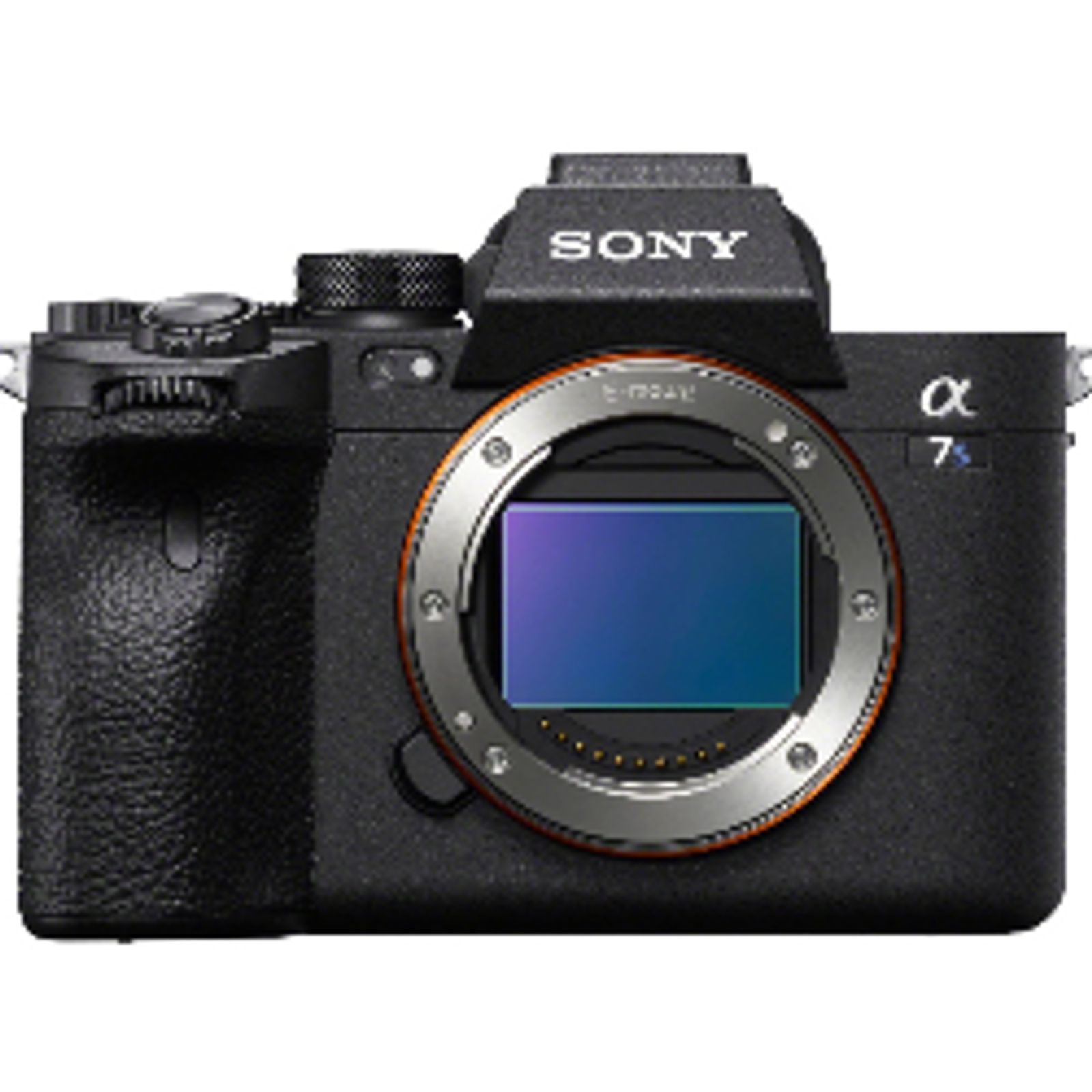
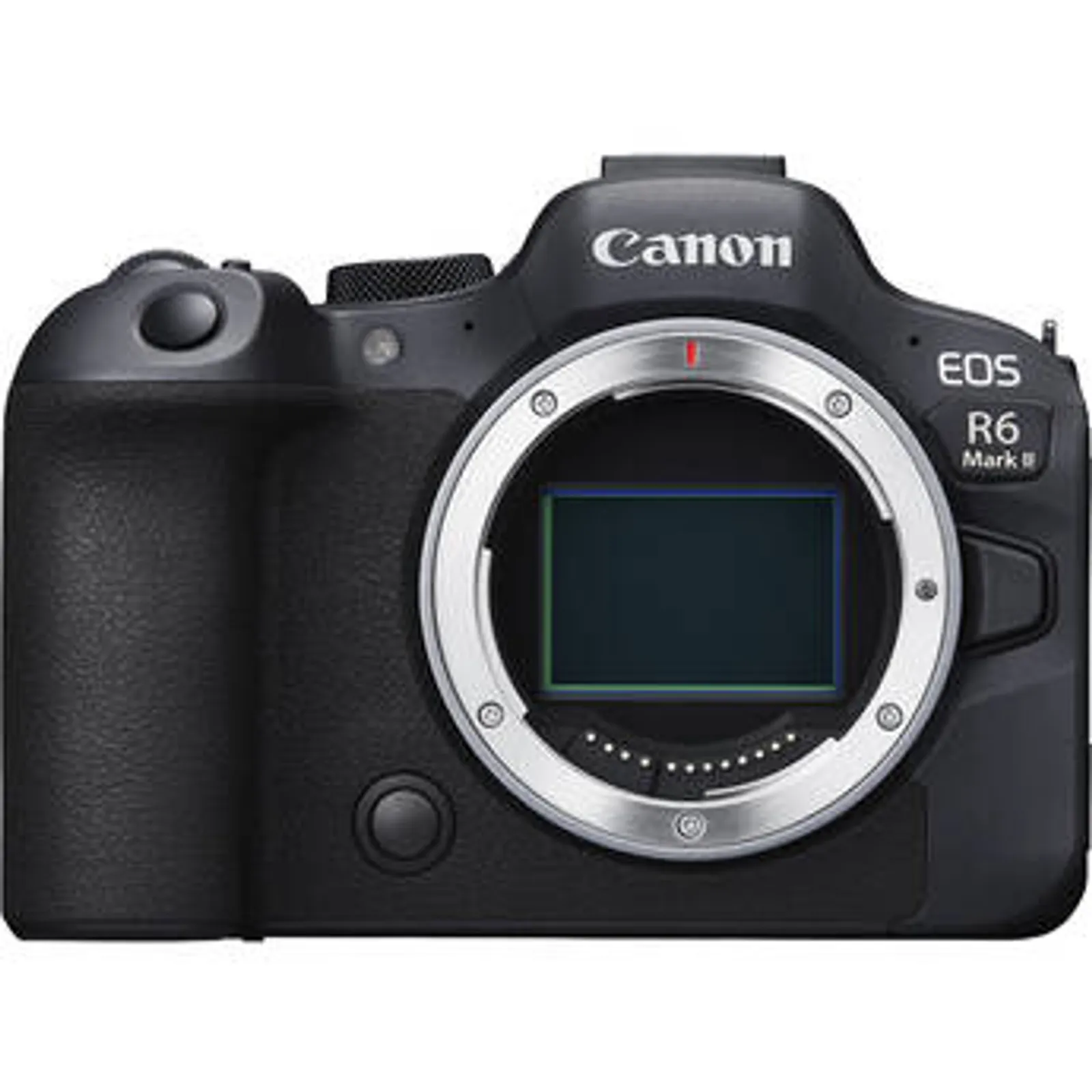
Concert videographers need cameras with exceptional high-ISO performance, fast autofocus for tracking moving performers, and 10-bit 4:2:2 internal recording for color grading under unpredictable stage lighting. The minimum viable concert camera is one that holds clean footage at ISO 6400, shoots 4K with 10-bit color internally, and has face or subject tracking that operates reliably in the split-second transitions between stage lighting changes — cameras that fail any of those thresholds produce footage that cannot be corrected in post. The Sony A7S III and Canon EOS R6 Mark II are the most popular choices at the midrange, while the Sony FX6 and Canon EOS C300 Mark III anchor the professional tier. GearFocus connects you with verified sellers offering used concert videography cameras starting from $400 with 48-hour buyer protection.
Browse Concert & Event Videography GearUsed Camera Gear for Concert & Event Videographers
Concert videographers need cameras with exceptional high-ISO performance, fast autofocus for tracking moving performers, and 10-bit 4:2:2 internal recording for color grading under unpredictable stage lighting. The minimum viable concert camera is one that holds clean footage at ISO 6400, shoots 4K with 10-bit color internally, and has face or subject tracking that operates reliably in the split-second transitions between stage lighting changes — cameras that fail any of those thresholds produce footage that cannot be corrected in post. The Sony A7S III and Canon EOS R6 Mark II are the most popular choices at the midrange, while the Sony FX6 and Canon EOS C300 Mark III anchor the professional tier. GearFocus connects you with verified sellers offering used concert videography cameras starting from $400 with 48-hour buyer protection.
Browse Concert & Event Videography GearWhat Concert & Event Videography Photographers Need
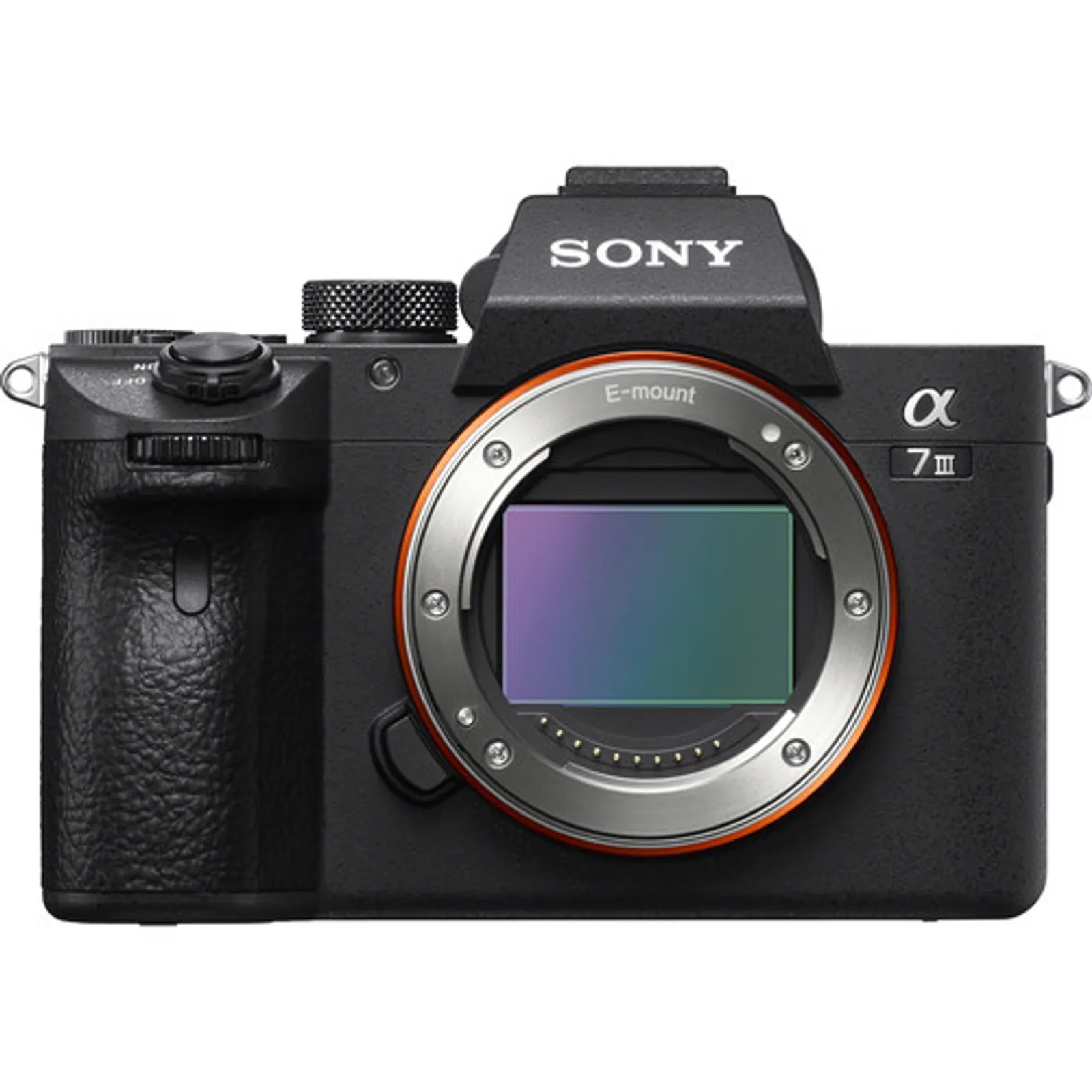
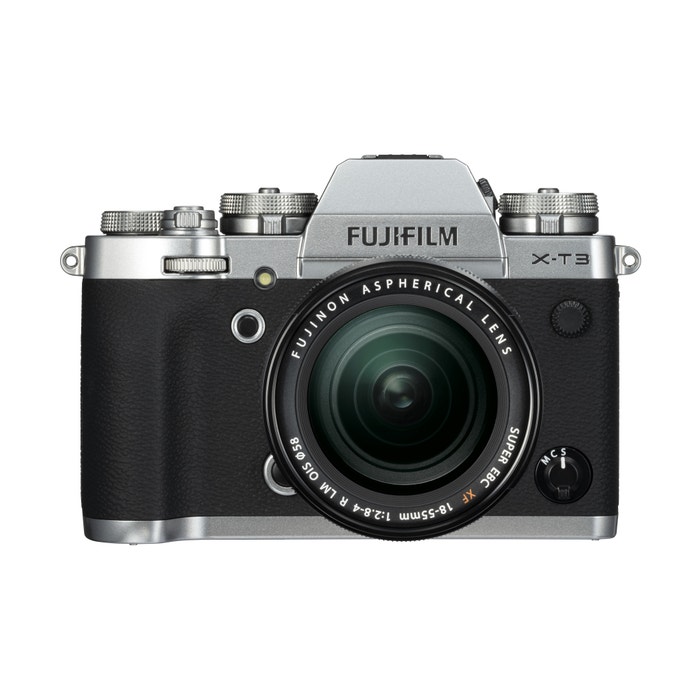
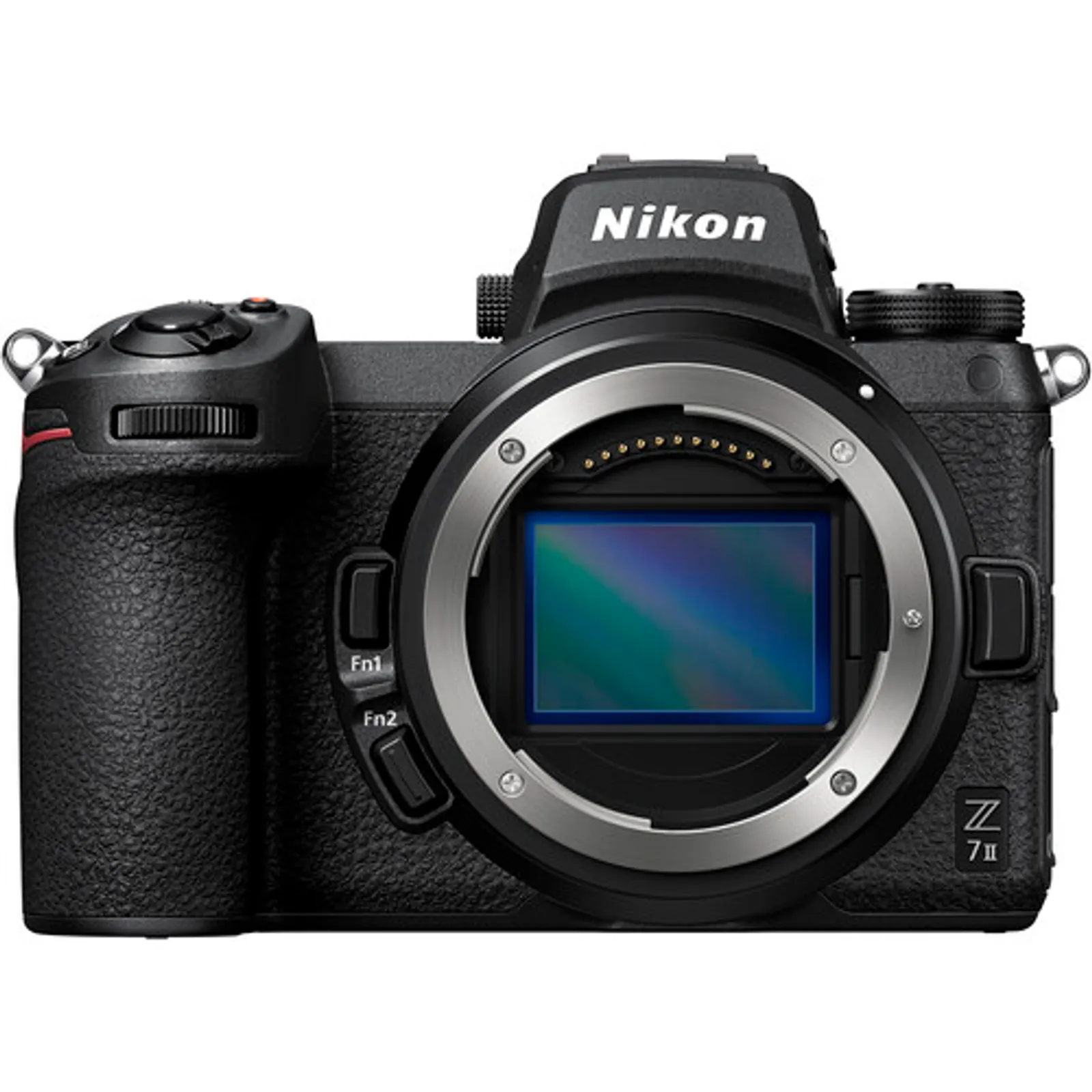
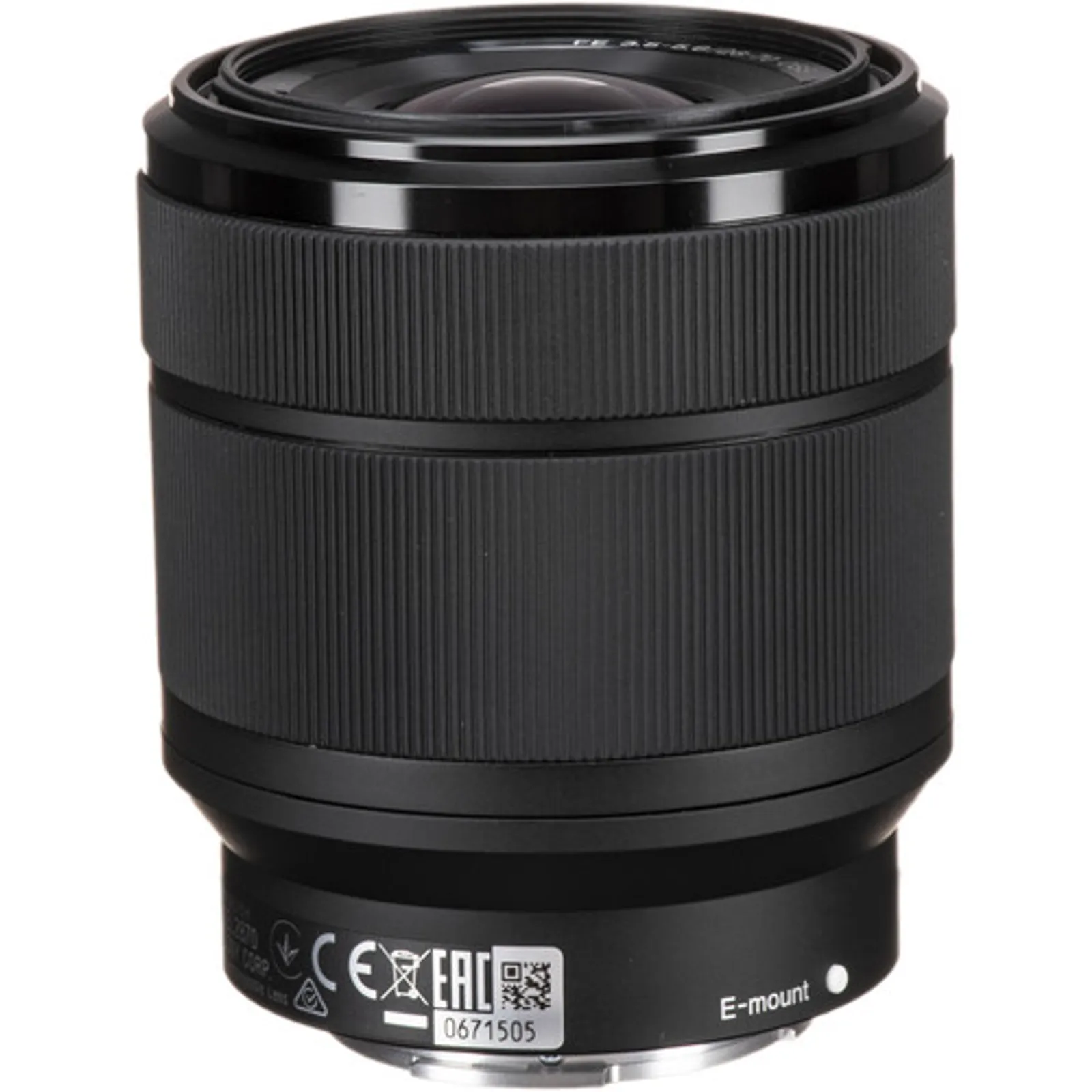
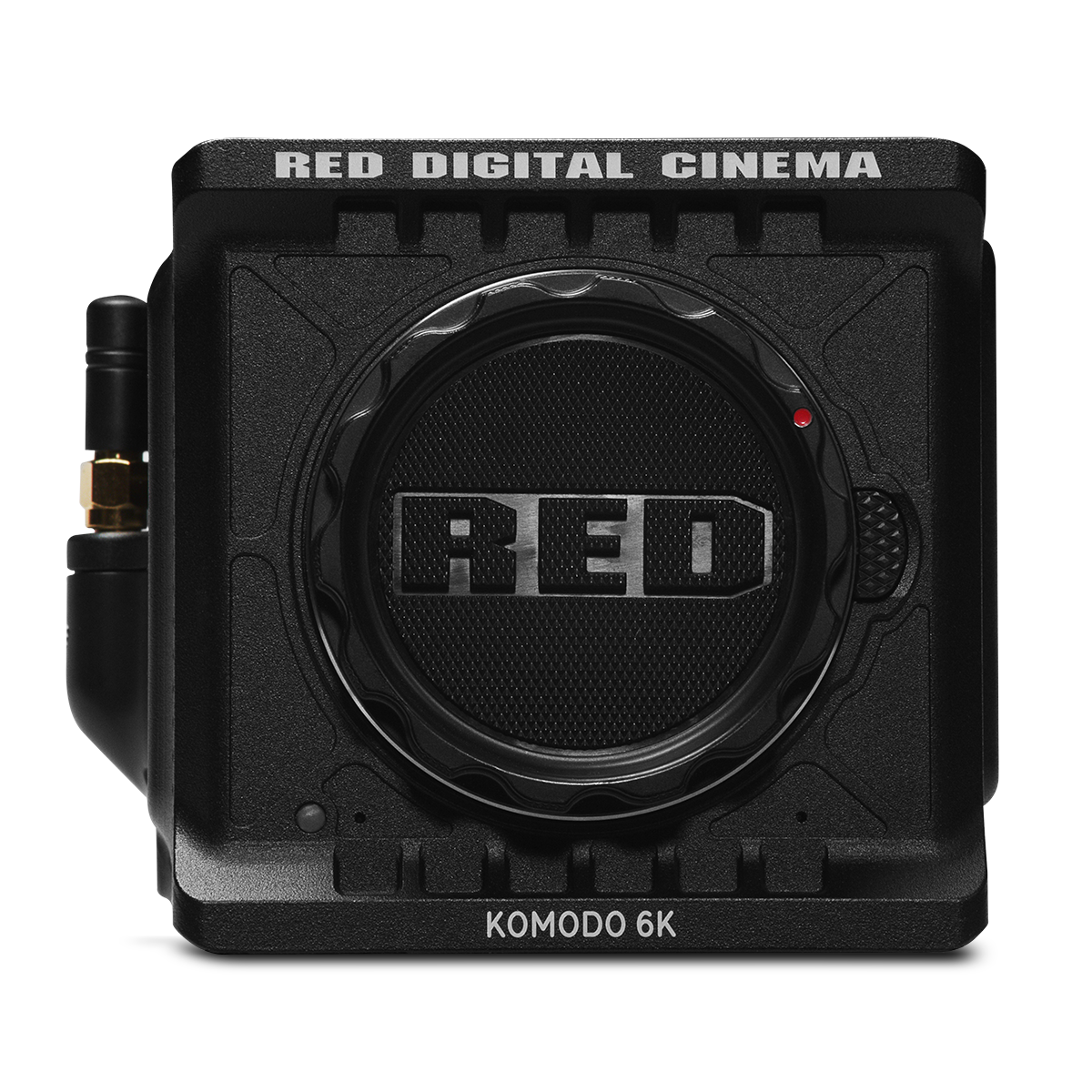
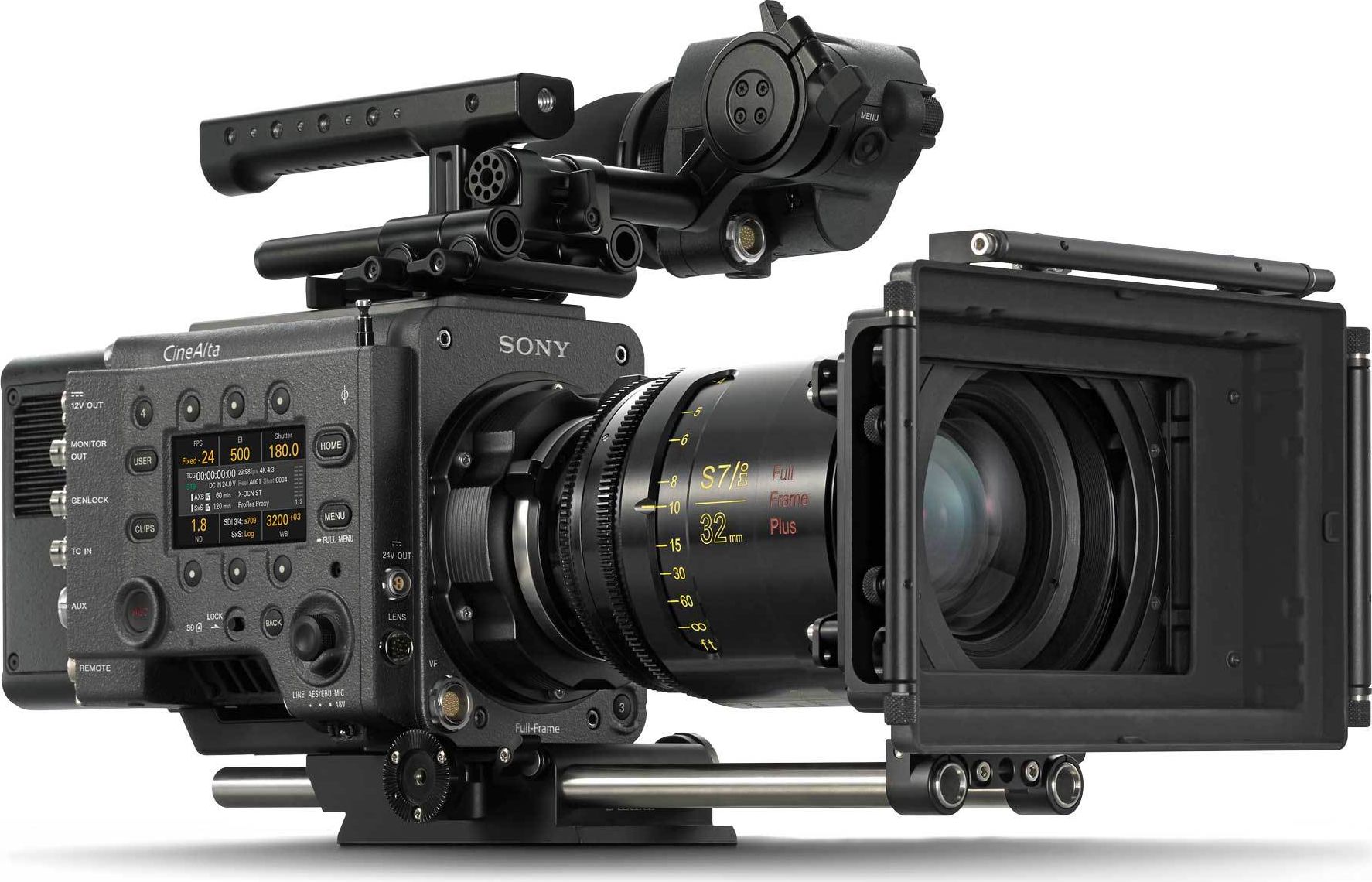
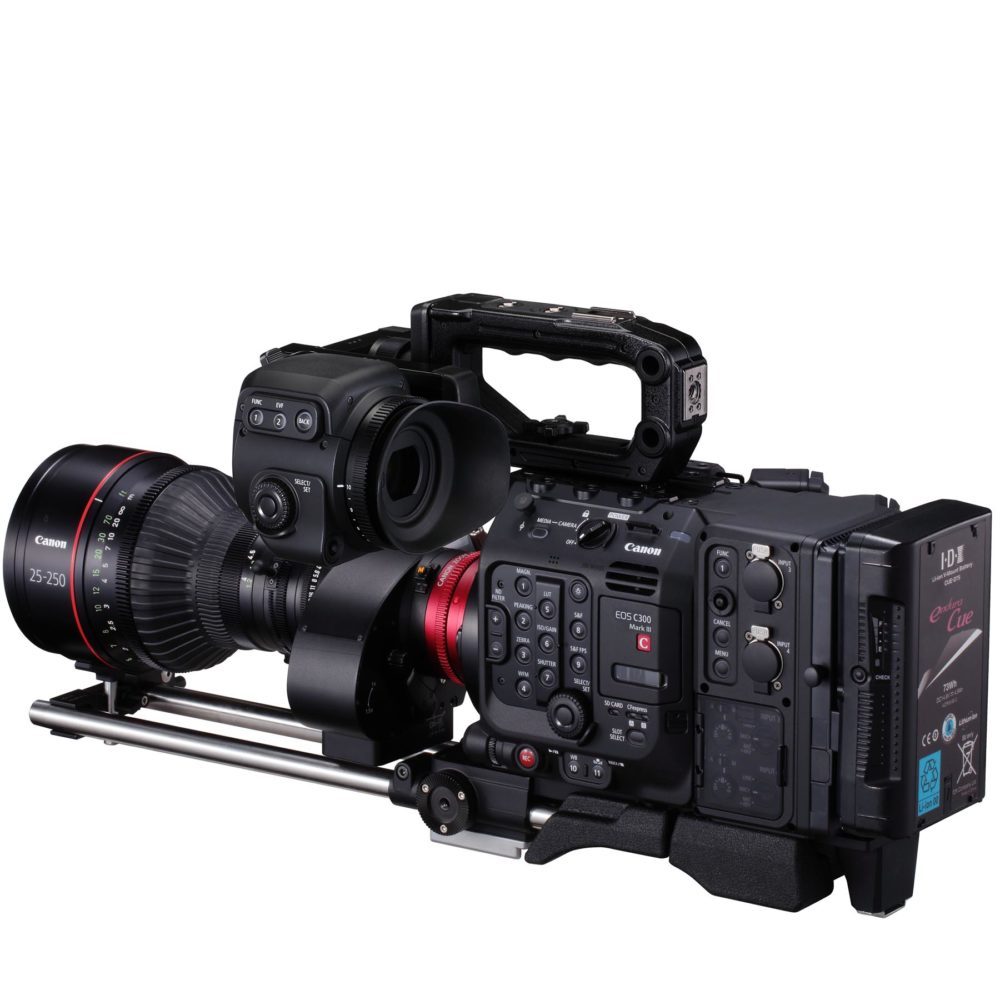
Shooting live performances demands gear that handles the most hostile photographic conditions: strobe lights, deep shadows, rapidly moving subjects, and no second takes. Your camera must perform at ISO 6400 to ISO 25,600 without introducing noise that ruins the edit. At the budget tier, the Sony A7 III and Fujifilm X-T3 give you solid 4K output and usable high-ISO performance for a fraction of new prices. Step up to the midrange and the Sony A7S III becomes the benchmark — its dual native ISO and 12.1MP sensor is engineered specifically for low-light video. The Canon EOS R6 Mark II and Nikon Z6 II are strong alternatives with reliable eye-tracking autofocus. For lenses, fast zooms covering 24–70mm and 70–200mm are the standard concert kit. The Canon EF 24-70mm f/2.8L II and Nikon AF-S 70-200mm f/2.8E cover most stage distances. If you're shooting from a fixed position, a Sony FE 24-70mm f/2.8 GM paired with a 70-200mm f/2.8 covers you from front-of-stage to back-of-house. Pro productions use cinema cameras — the RED KOMODO, Canon EOS C300 Mark III, or Sony VENICE — paired with cine lenses like the Fujinon MK 18-55mm T2.9. Buying used on GearFocus puts these within reach without the new-market premium.
Recommended Concert & Event Videography Gear
Budget Concert & Event Videography Gear
Solid low-light, sufficient audio input, moderate cost, workable slow-motion
Cameras
Lenses
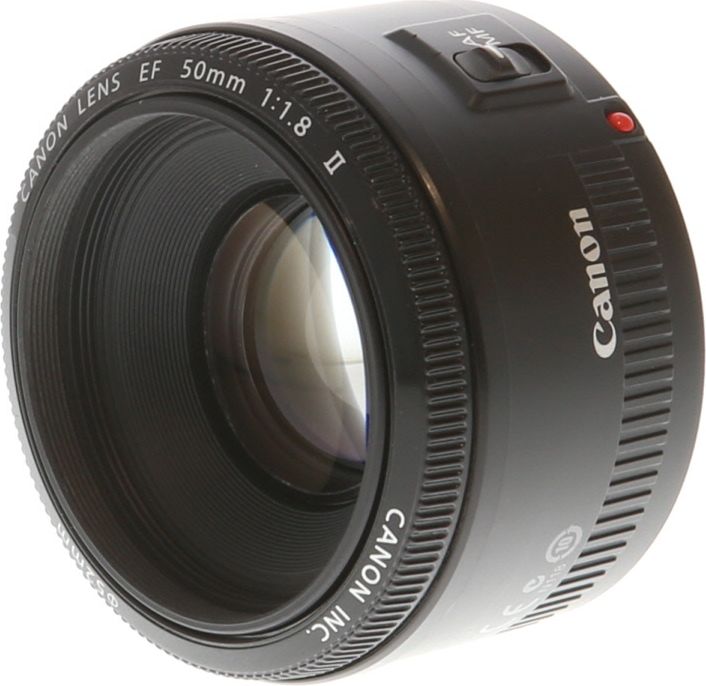
Canon EF 50mm f/1.8 STM Lens
View on GearFocus →Nikon AF-S 50mm f/1.8G
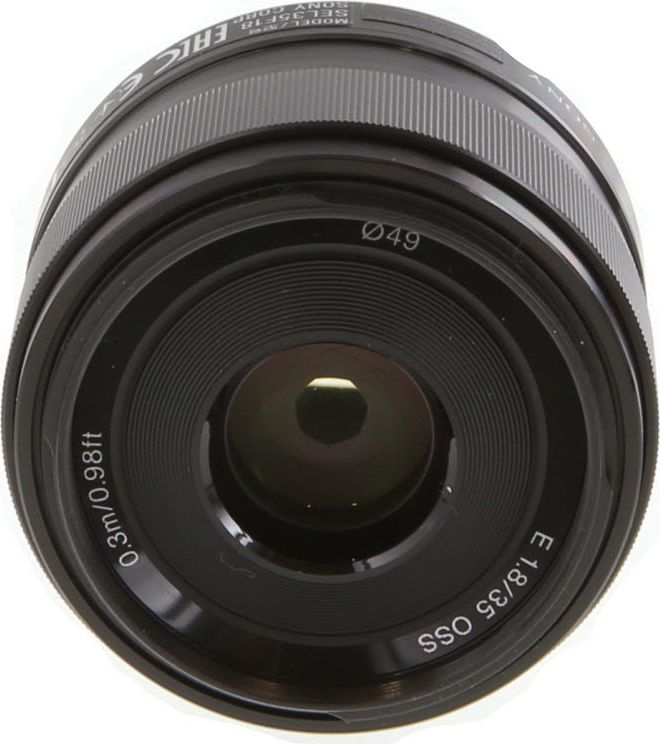
Sony E 35mm f/1.8 OSS Lens
View on GearFocus →Sigma 17-70mm f/2.8-4
Tamron 17-50mm f/2.8
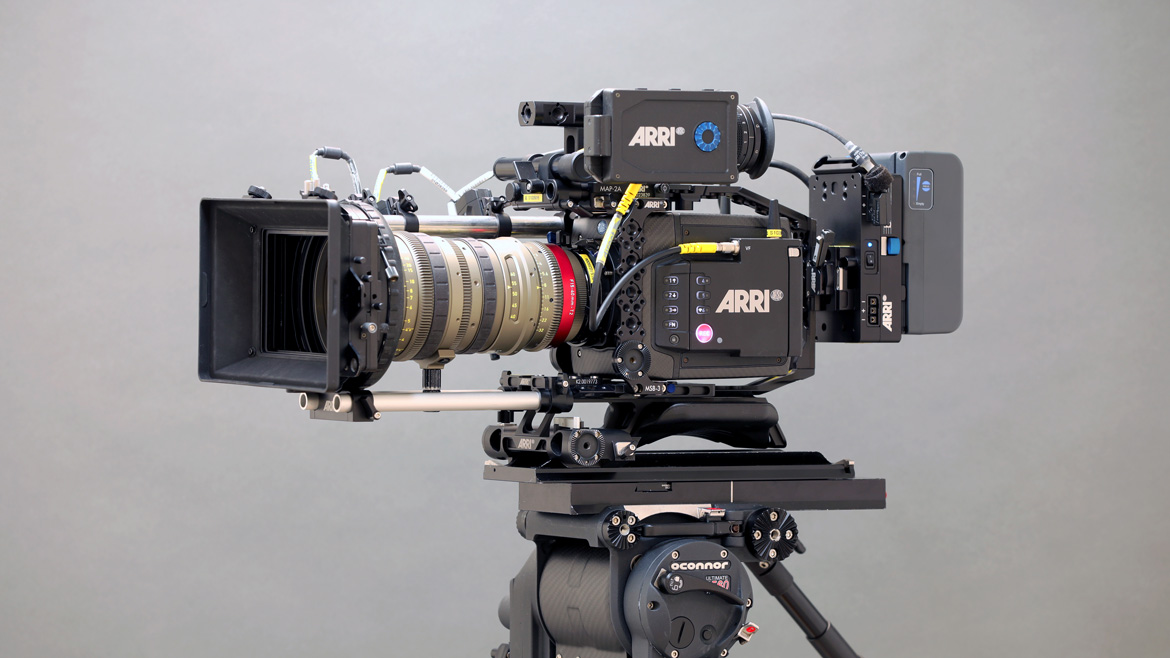
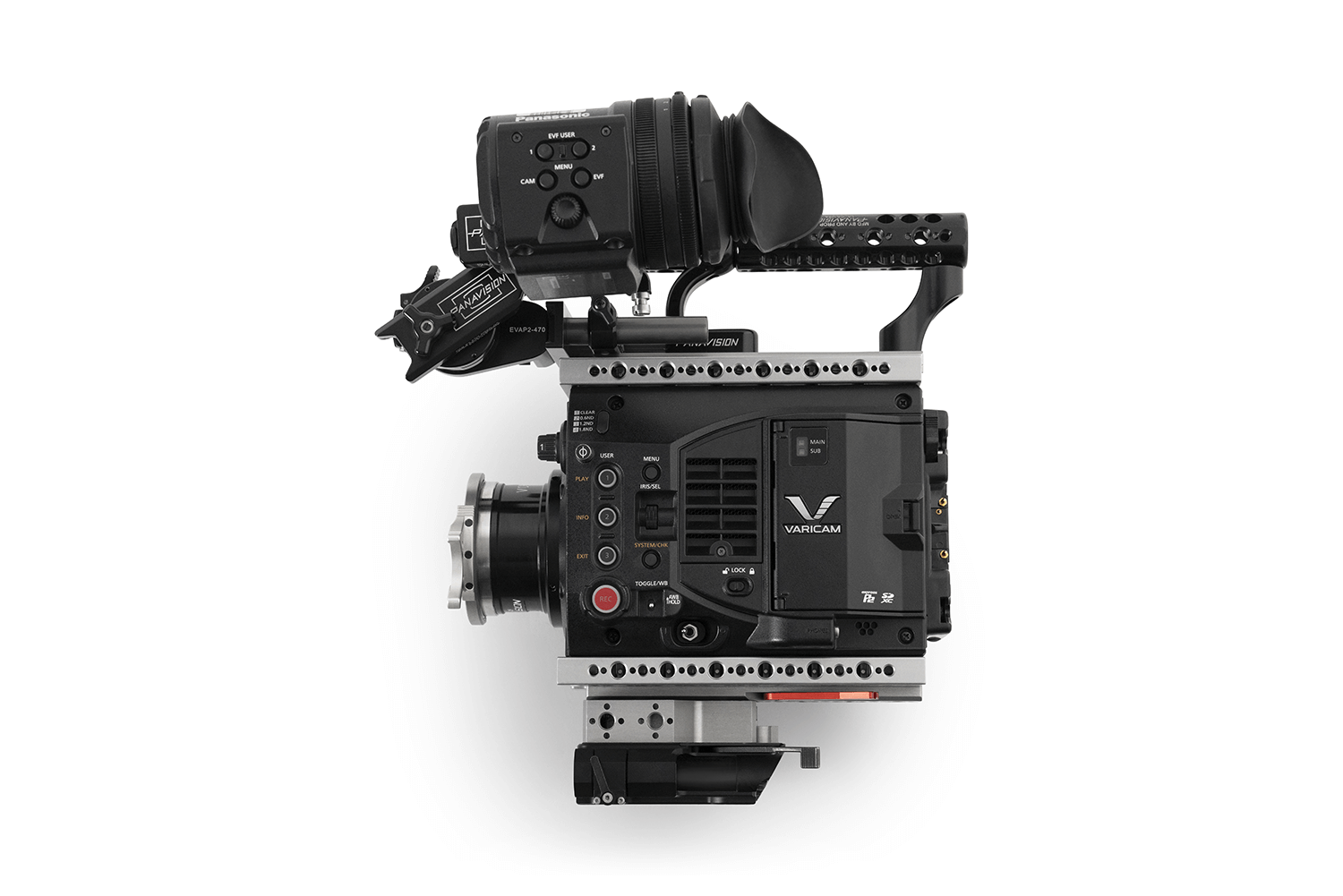
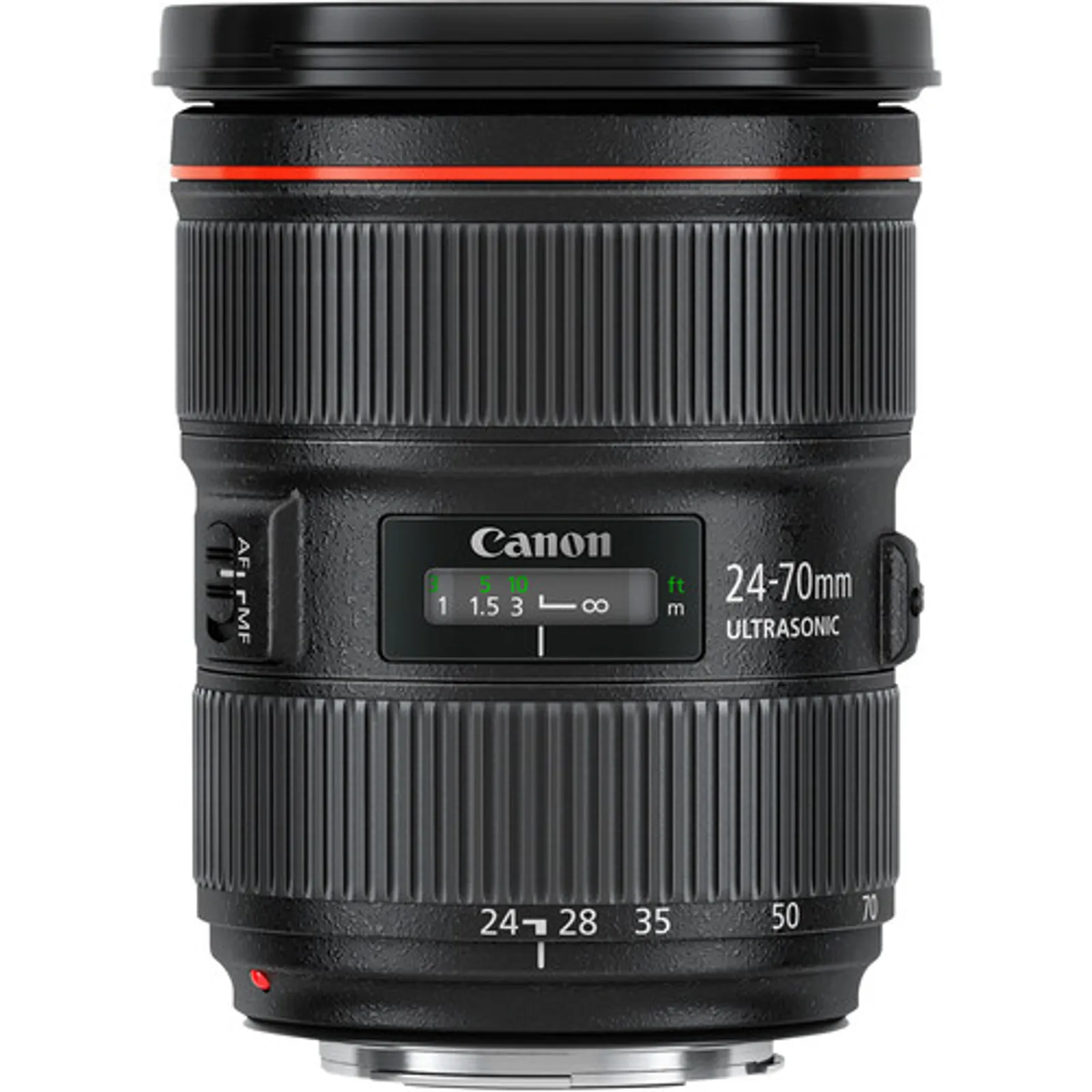
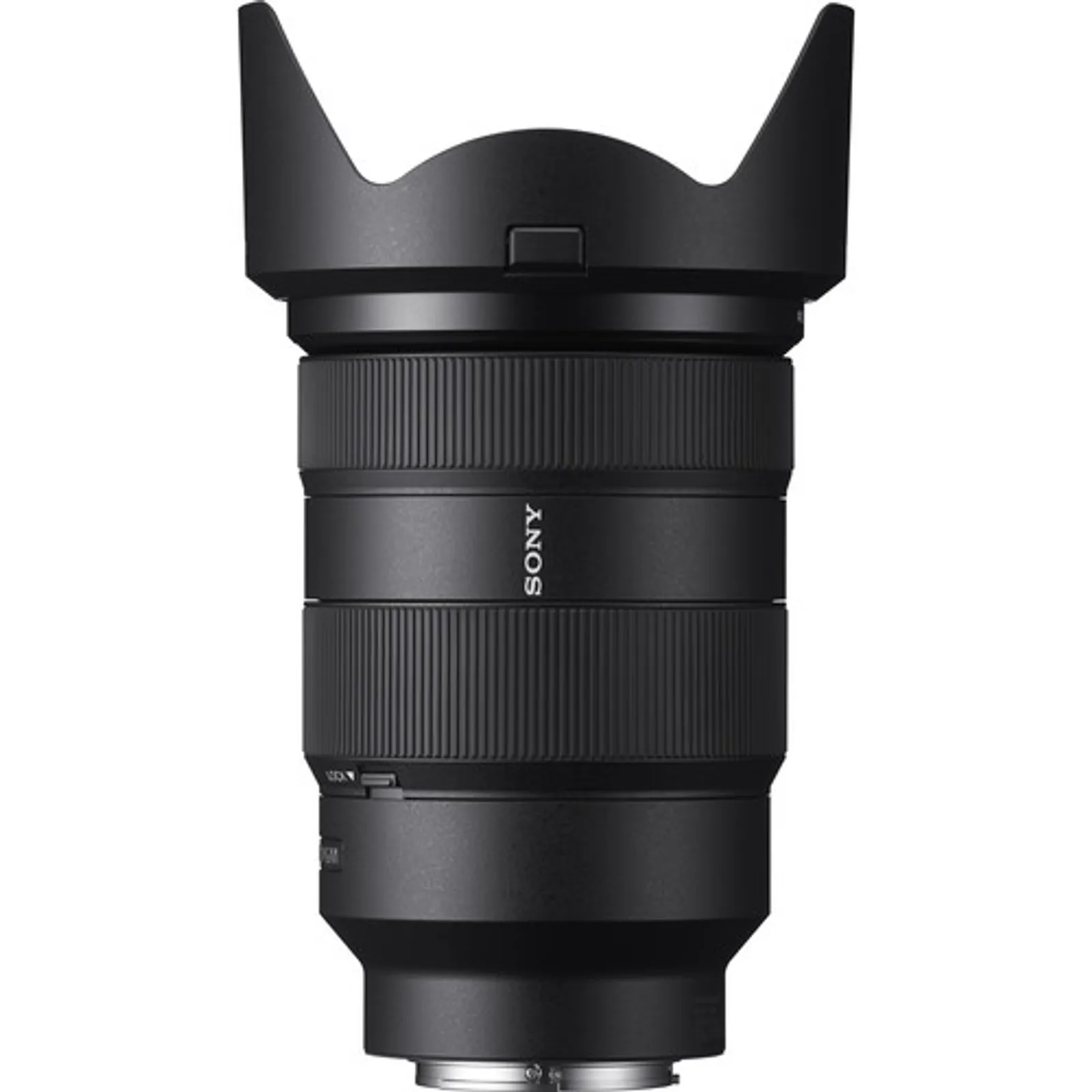
Concert & Event Videography Gear on GearFocus
Why Concert & Event Videography Photographers Choose GearFocus
GearFocus connects you with verified sellers specializing in professional video gear — so you can find a used Sony A7S III or Canon EOS C300 Mark III that's been properly maintained, not a mystery box from a general marketplace.
Verified Sellers Only
Every seller on GearFocus undergoes identity verification before listing gear. You know who you're buying from — not just an anonymous account.
48-Hour Buyer Protection
Inspect your gear within 48 hours of delivery. If the item doesn't match the listing description, return shipping is covered.
5% Fee vs. 13.6% on eBay
GearFocus charges a 5% platform fee. eBay averages 13.6% in fees. Sellers keep more — which means more competitive pricing for buyers.
What to Look For in Concert & Event Videography Gear
Camera Sensor
Full-Frame or Super 35 for High Dynamic Range
Resolution
4K Minimum, 6K+ Preferred for Future-Proofing
ISO Performance
Excellent High ISO Performance (ISO 6400-25,600) for Low-Light Conditions
Autofocus
Fast & Reliable Eye & Face Tracking Autofocus for Moving Performers
Frame Rate
4K/120FPS for Slow-Motion Capturing of Performances
Shutter Speed
1/500s+ for Reducing Motion Blur in Fast-Paced Events
Color Science
Accurate Color Reproduction for Stage Lighting
Video Format
10-bit 4:2:2 Internal Recording for High-Quality Color Grading
External Recording
ProRes RAW & BRAW Output via HDMI/SDI
Audio Input
XLR & 3.5mm Mic Inputs for Clean Live Sound Capture
Stabilization
In-Body Image Stabilization (IBIS) / Optical Stabilization, Gimbal, or Shoulder Rig Support for Handheld Shooting
Low-Light Performance
Dual Native ISO for Better Performance in Dark Environments
Connectivity
WiFi, Ethernet & SDI for Remote Monitoring & Live Streaming
Live Streaming
Direct Streaming Capabilities for YouTube, Facebook Live, & Twitch
Power Supply
V-Mount & USB-C Power Delivery for Extended Shoots
Storage
CFExpress, SSD, or CFast 2.0 for High-Bitrate Recording
Customization
Assignable Function Buttons for Quick Adjustments
Weather Sealing
Weather-Resistant Build for Outdoor & Arena Events
Ergonomics
Comfortable Handheld Design for Extended Filming Periods
Editing Features
Advanced Noise Reduction for Handling Stage Lighting Grain
Tripod Mount
Arca-Swiss & Quick-Release Plate Compatibility
FAQs
The Sony A7S III is widely considered the best camera for concert videography at the prosumer level. Its 12.1MP sensor is optimized for sensitivity over resolution, delivering clean footage at ISO 12,800 and beyond — exactly what stage lighting demands. The Canon EOS R6 Mark II is a strong alternative with better autofocus tracking. For productions with bigger budgets, the Sony FX6 and Canon EOS C300 Mark III offer cinema-grade dynamic range and 10-bit internal recording. All three are available used on GearFocus.
A fast zoom in the 24–70mm range paired with a 70–200mm f/2.8 covers most concert shooting scenarios. The Canon EF 24-70mm f/2.8L II and Sony FE 24-70mm f/2.8 GM are the workhorses. From a fixed position in the pit or balcony, the Nikon AF-S 70-200mm f/2.8E gives you enough reach to isolate performers. For run-and-gun work where you carry one lens, the Fujifilm XF 16-55mm f/2.8 is a versatile midrange option.
Most concerts require a camera that performs cleanly at ISO 3200 to ISO 12,800. Venues with dramatic stage lighting often push you to ISO 6400 or higher. The Sony A7S III is the gold standard here, rated usable to ISO 102,400. The Panasonic GH5S, which has a 10.2MP sensor designed for sensitivity, is a popular budget alternative. Cameras with dual native ISO — like the Sony FX6 or Canon EOS C300 Mark III — give you a second clean base ISO typically at ISO 4000 or ISO 12,800.
4K is the current professional minimum for concert video — it gives you room to reframe in post, match commercial deliverable specs, and future-proof your archive. Cameras like the Sony A7S III and Canon EOS R6 Mark II shoot 4K internally with 10-bit color. If you're shooting for streaming platforms or documentary use, 4K/60fps or 4K/120fps slow-motion adds significant production value. 1080p is still acceptable for live streaming, but not for broadcast or commercial delivery.
The Blackmagic Pocket 6K Pro is a capable concert camera with exceptional dynamic range and RAW recording, but it has real tradeoffs in this environment. Its autofocus is mediocre compared to Sony or Canon, which matters when tracking moving performers. Battery life is short. The sensor's low-light performance is solid but not class-leading. Where it excels is image quality in controlled conditions — if you're on sticks with a pulling focus, the Pocket 6K Pro's color science and dynamic range justify the workflow.
Use a shutter speed of 1/500s or faster to freeze fast performer movement without motion blur artifacts. Set aperture to f/2.8 or wider to maximize light intake. Start ISO at 3200 and adjust based on venue lighting — many venues are darker than they appear on stage. Shoot in a LOG profile (S-Log3, C-Log3, or V-Log) for maximum dynamic range, especially when stage lighting is high-contrast. Use 4K at 24fps for cinematic delivery or 60fps if you need slow-motion replay options.
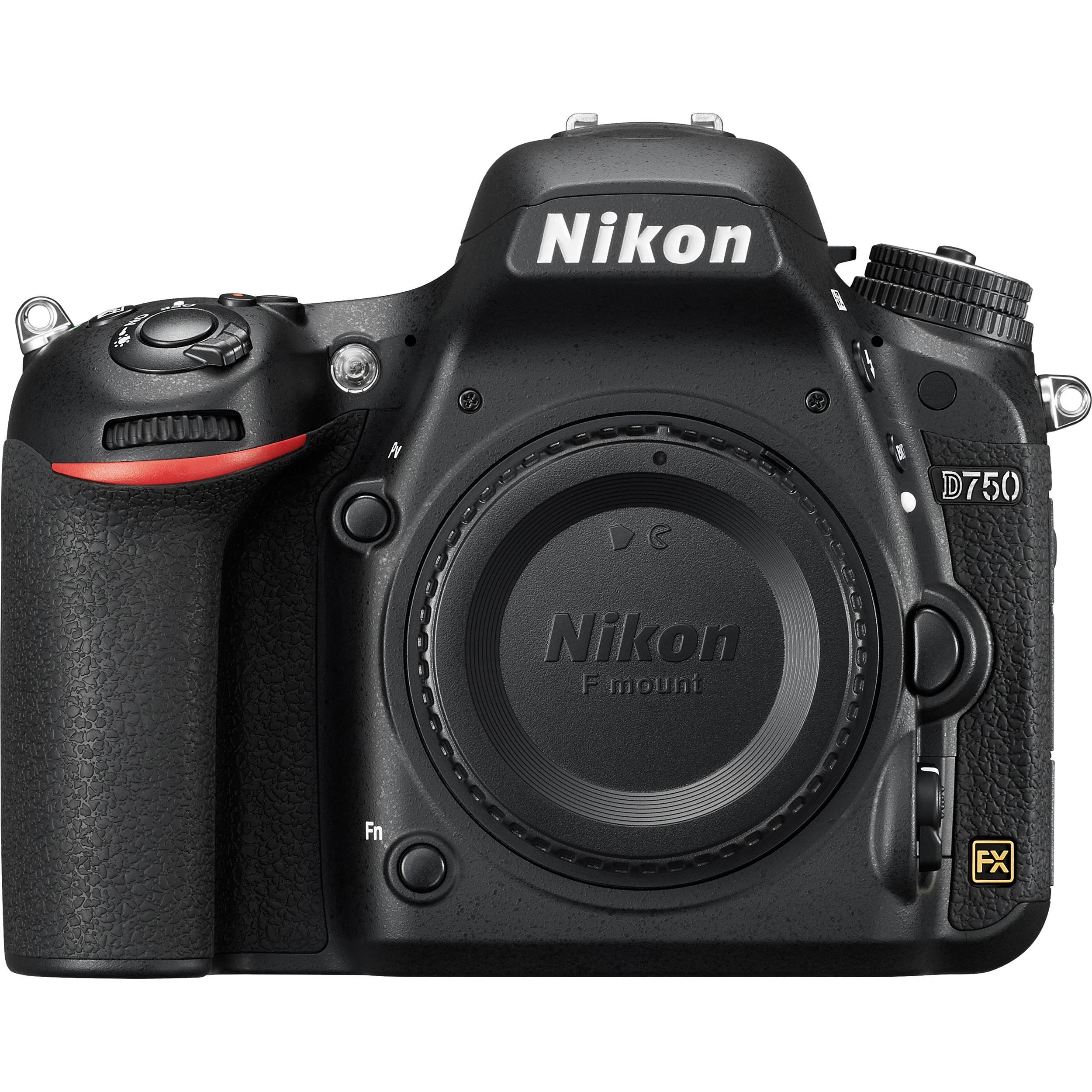
Yes, and the Nikon D750 remains a popular budget choice for concert video — its full-frame sensor handles ISO 3200 comfortably and it accepts the full range of Nikon AF-S glass including the 70-200mm f/2.8. The Canon EOS 5D Mark IV is another workhorse at the DSLR tier. The main disadvantages vs mirrorless are the lack of phase-detect video autofocus (most DSLRs use slow contrast-detect in live view) and no 10-bit internal recording. For venues where you can prefocus and let it ride, DSLRs are entirely workable.
Yes, when buying from a verified marketplace. GearFocus requires identity verification for all sellers and includes 48-hour buyer protection on every purchase — if a Sony A7S III or Canon EOS R6 Mark II arrives with high-ISO noise performance below the listing description or autofocus tracking issues in low light, you get a full refund with seller-paid return shipping. Unlike general marketplaces, GearFocus is built for the photography and video community, so sellers understand what dual native ISO and 10-bit internal recording mean in a live venue. With 5% platform fees, sellers price more competitively than on general auction sites.