Used Cinema Cameras and Lenses for Indie Filmmakers
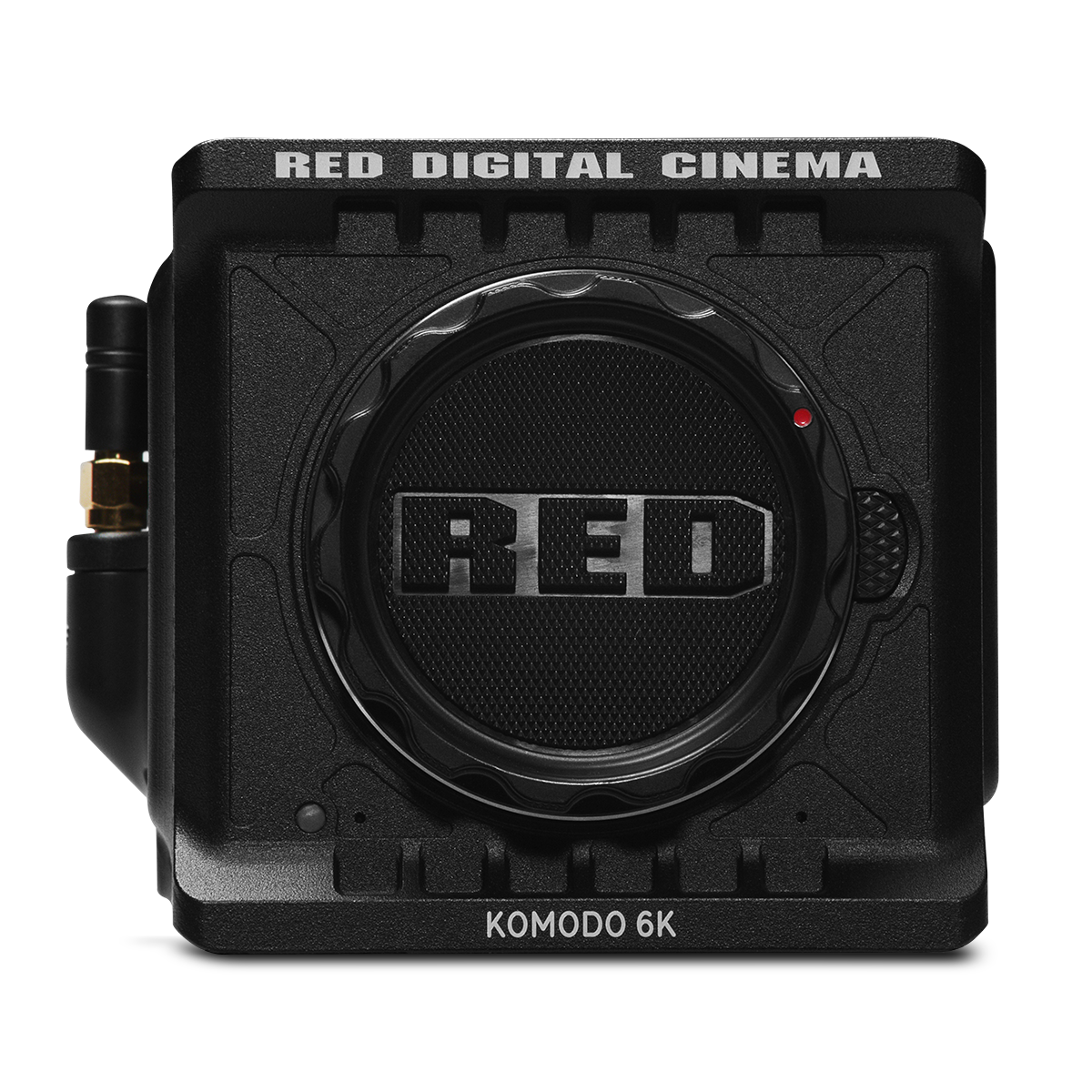
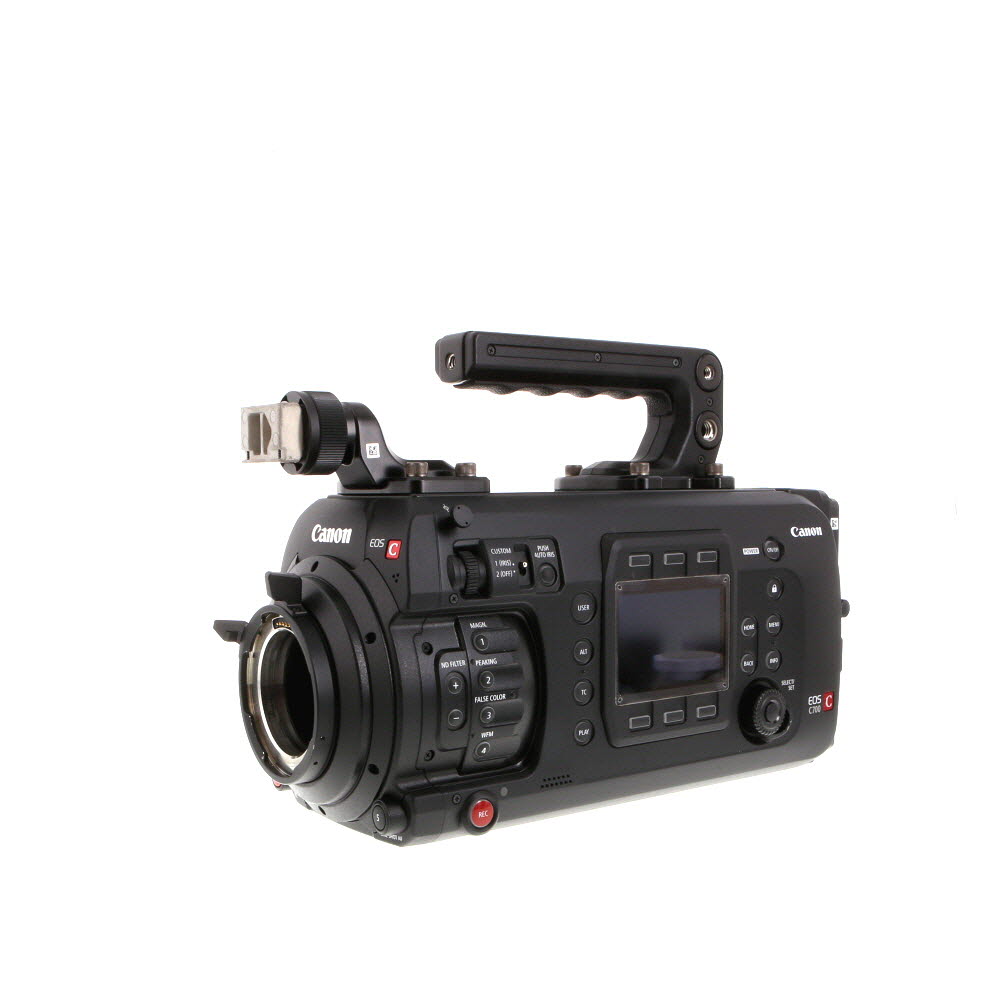
Indie filmmakers need cameras that deliver cinematic depth of field, dynamic range of 12 stops or more, and interchangeable lens mounts compatible with affordable cine glass. The threshold that separates indie film quality from prosumer video is a Super 35 or larger sensor, 12+ stops of dynamic range recorded in RAW or log, and a lens mount compatible with T-stop-rated cinema primes — below those specs, footage lacks the tonal latitude and rendering that cinematographers and colorists expect. The Blackmagic Pocket 6K, Sony A7S III, and Canon EOS R are the most popular entry and mid-range platforms, while the RED KOMODO, Blackmagic URSA Mini Pro, and Canon EOS C70 represent accessible professional cinema options. GearFocus connects you with verified sellers offering used indie filmmaking cameras starting from under $300, with 48-hour buyer protection on every purchase.
Browse Indie Filmmaking GearUsed Cinema Cameras and Lenses for Indie Filmmakers
Indie filmmakers need cameras that deliver cinematic depth of field, dynamic range of 12 stops or more, and interchangeable lens mounts compatible with affordable cine glass. The threshold that separates indie film quality from prosumer video is a Super 35 or larger sensor, 12+ stops of dynamic range recorded in RAW or log, and a lens mount compatible with T-stop-rated cinema primes — below those specs, footage lacks the tonal latitude and rendering that cinematographers and colorists expect. The Blackmagic Pocket 6K, Sony A7S III, and Canon EOS R are the most popular entry and mid-range platforms, while the RED KOMODO, Blackmagic URSA Mini Pro, and Canon EOS C70 represent accessible professional cinema options. GearFocus connects you with verified sellers offering used indie filmmaking cameras starting from under $300, with 48-hour buyer protection on every purchase.
Browse Indie Filmmaking GearWhat Indie Filmmaking Photographers Need
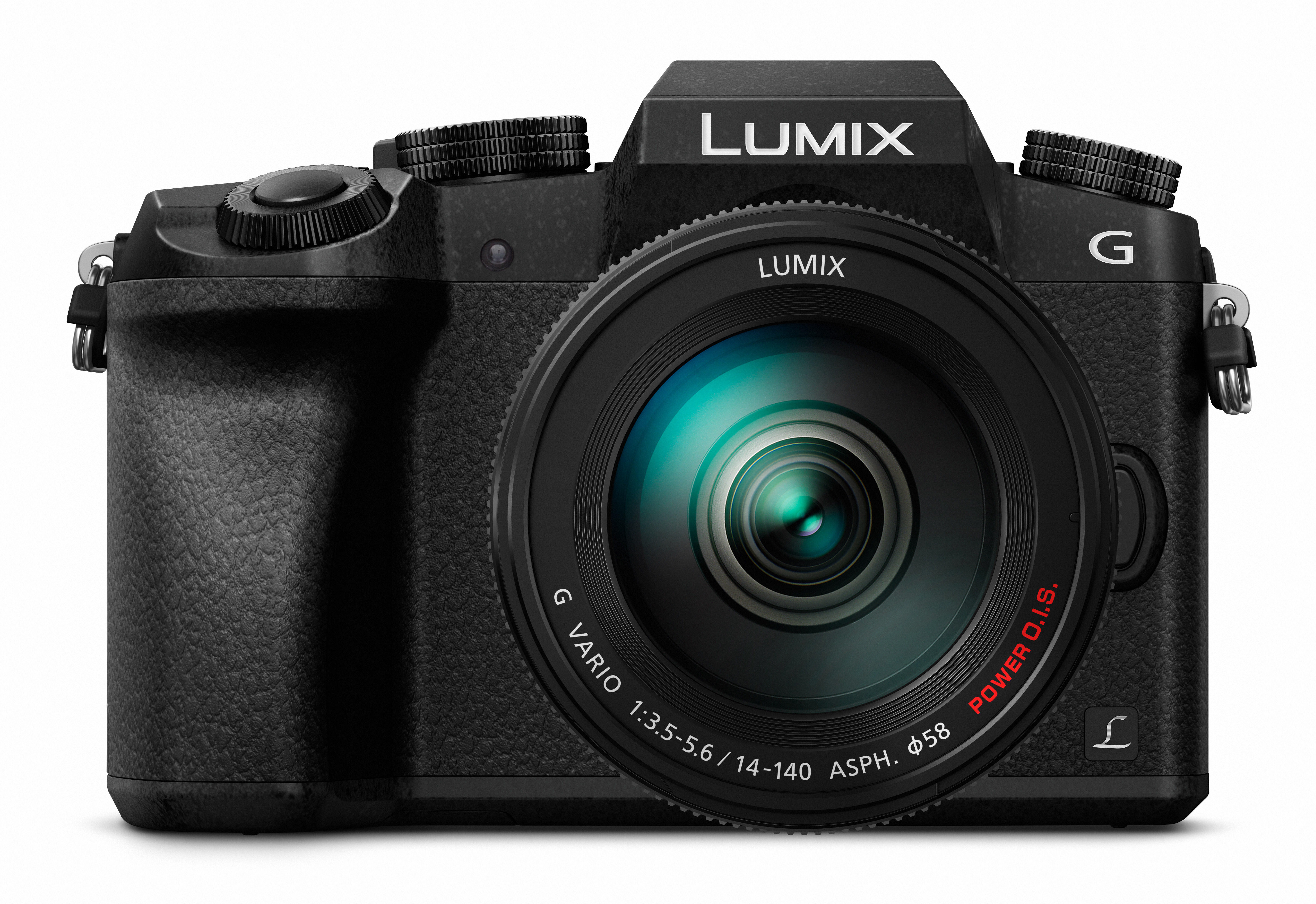
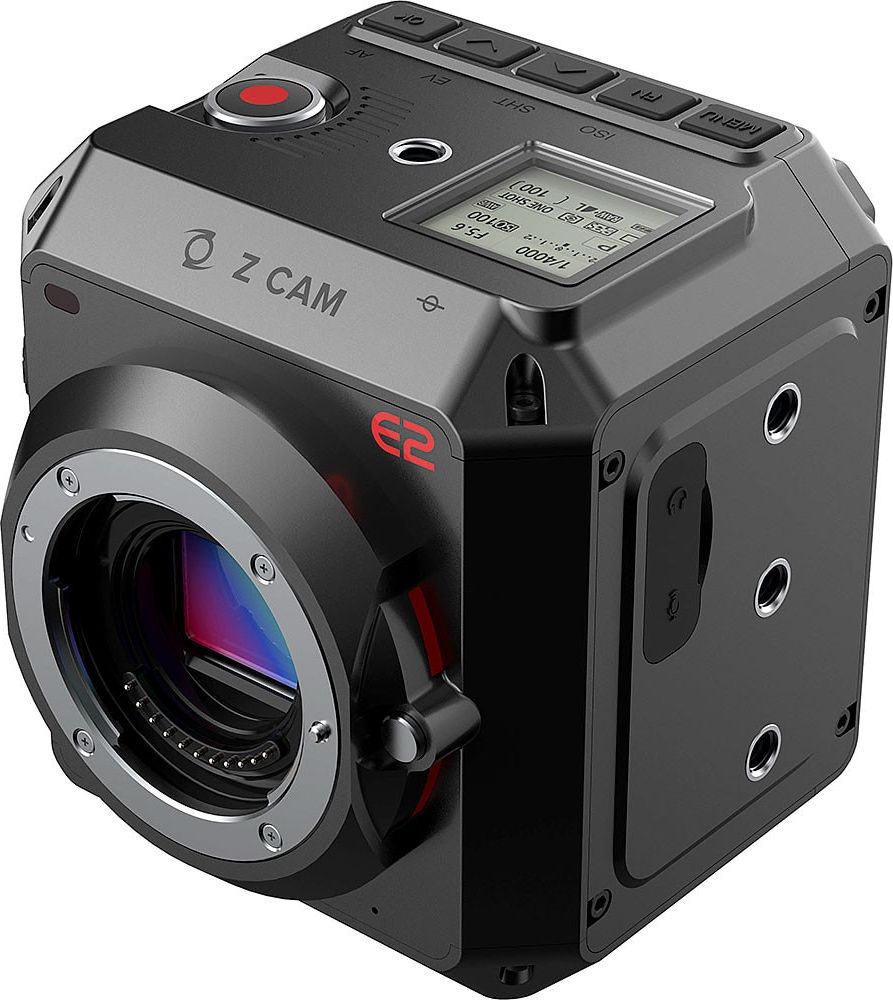
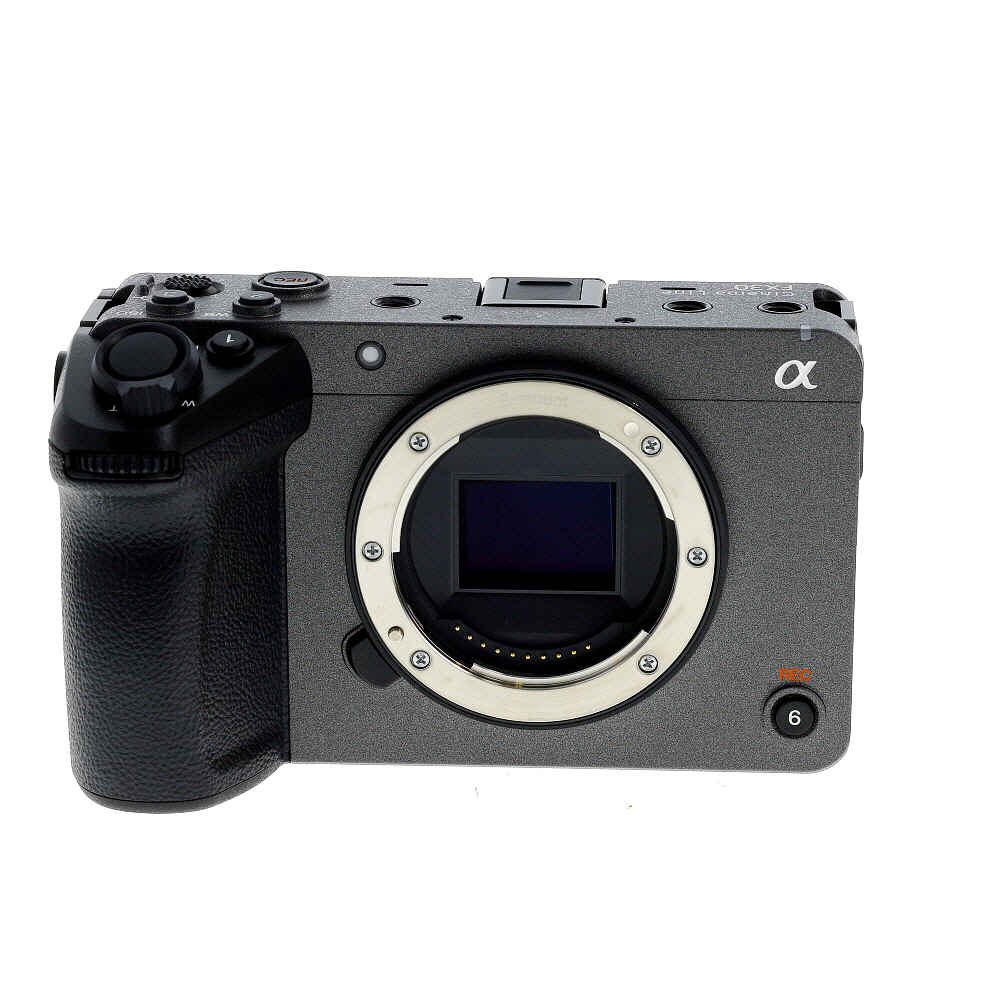
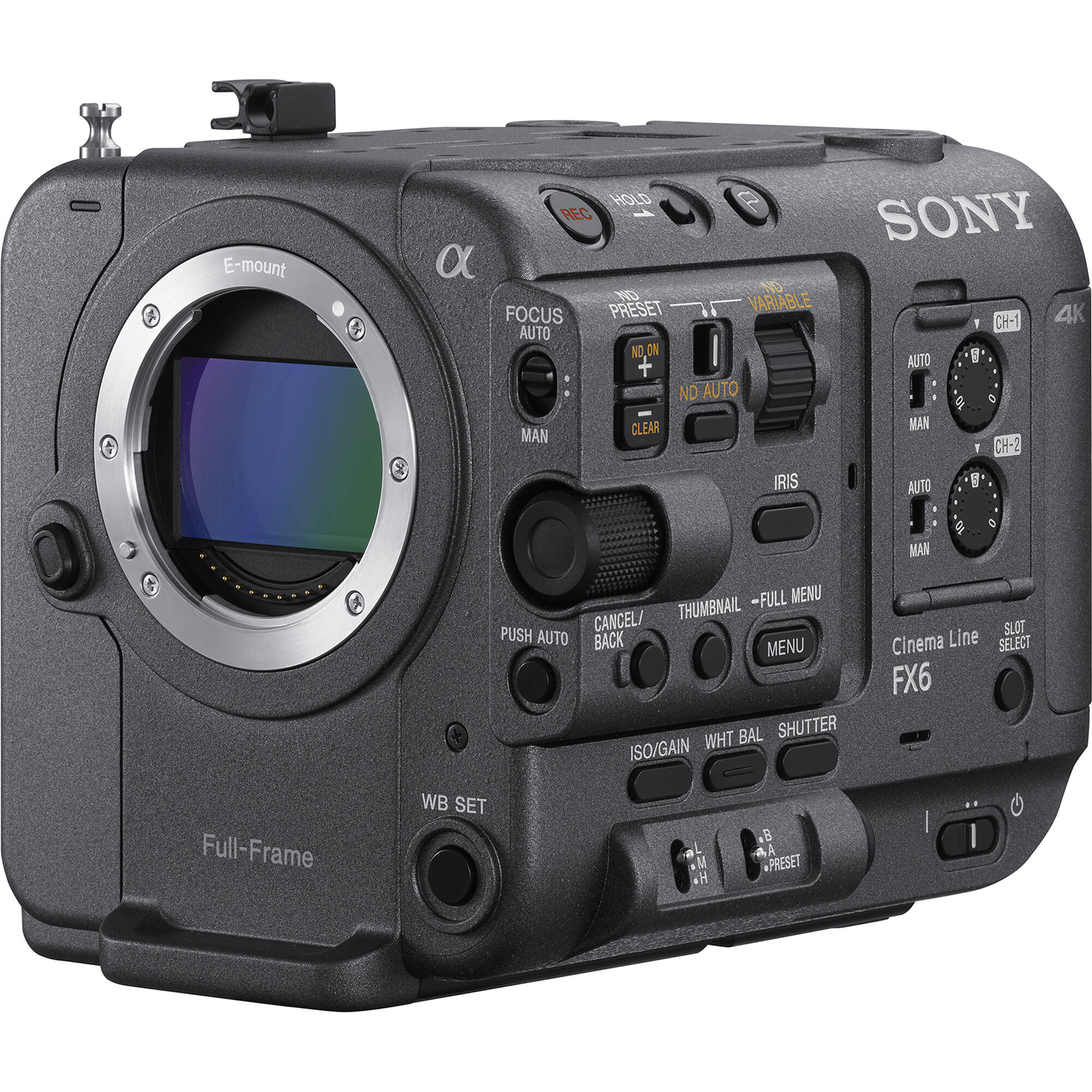
Indie filmmaking requires maximizing production value within a tight budget, which means choosing cameras that punch above their price point in dynamic range, resolution, and lens compatibility. The most important decisions are sensor size (Super 35 or larger for cinematic depth of field), dynamic range (12+ stops to handle high-contrast natural light), and mount compatibility (EF, E-mount, or PL for access to affordable cine glass). At the budget tier, the Blackmagic Pocket 4K and Panasonic G7 give you 4K shooting with interchangeable lenses for under $400 used. Pair them with a Rokinon Cine DS kit (24mm, 35mm, 50mm T1.5) or Meike Cine 35mm T2.2 for manual-focus prime coverage at minimal cost. The Canon EF 50mm f/1.8 vintage lenses from Nikon's Series E line also work well on adapted mounts. Mid-range indie productions have gravitated toward the Sony FX30 and Z CAM E2 — both Super 35 cinema cameras under $2,000 used with clean log footage and broad lens compatibility. The Sigma 18-35mm f/1.8 Art (photo-modded for cinema) and Tokina Cinema 11-16mm T3 give you wide-to-standard coverage with cinematic rendering. For professional indie work, the RED KOMODO, Blackmagic URSA Mini Pro, and Canon EOS C70 are the benchmark cameras — RAW recording, high dynamic range, and cinema lenses like the Zeiss CP.2 primes, Canon CN-E prime set, or Sigma Cine prime set. The Fujinon MK 50-135mm T2.9 is an outstanding cine zoom for run-and-gun filmmaking. Remember the 180-degree shutter rule — set your shutter speed to double your frame rate (1/48s at 24fps) for natural motion blur that matches how film cameras render movement.
Recommended Indie Filmmaking Gear
Budget Indie Filmmaking Gear
Affordable 4K, workable in low-light, minimal external gear needed
Cameras
Lenses
Rokinon Cine DS kit (24,35,50)
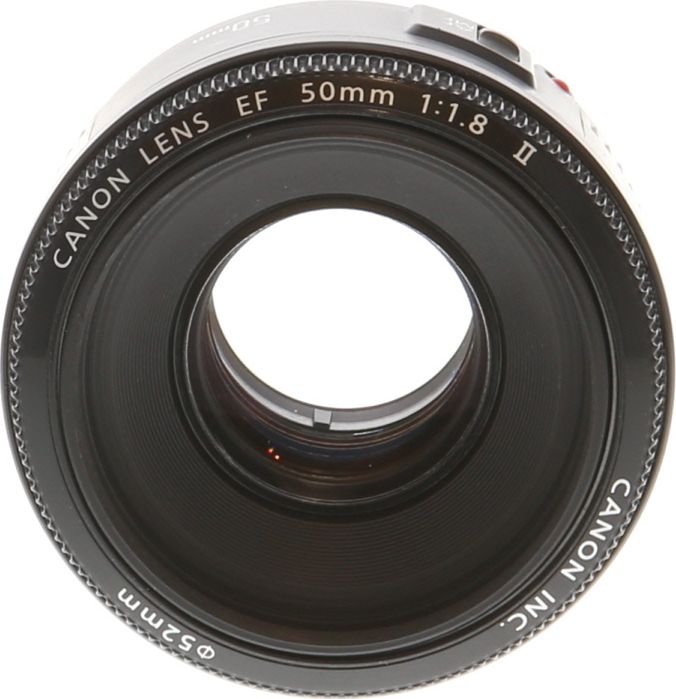
Canon EF 50mm f/1.8 II Lens
View on GearFocus →Nikon Series E 50mm f/1.8 (vintage)
Sigma 17-50mm f/2.8
Meike Cine 35mm T2.2
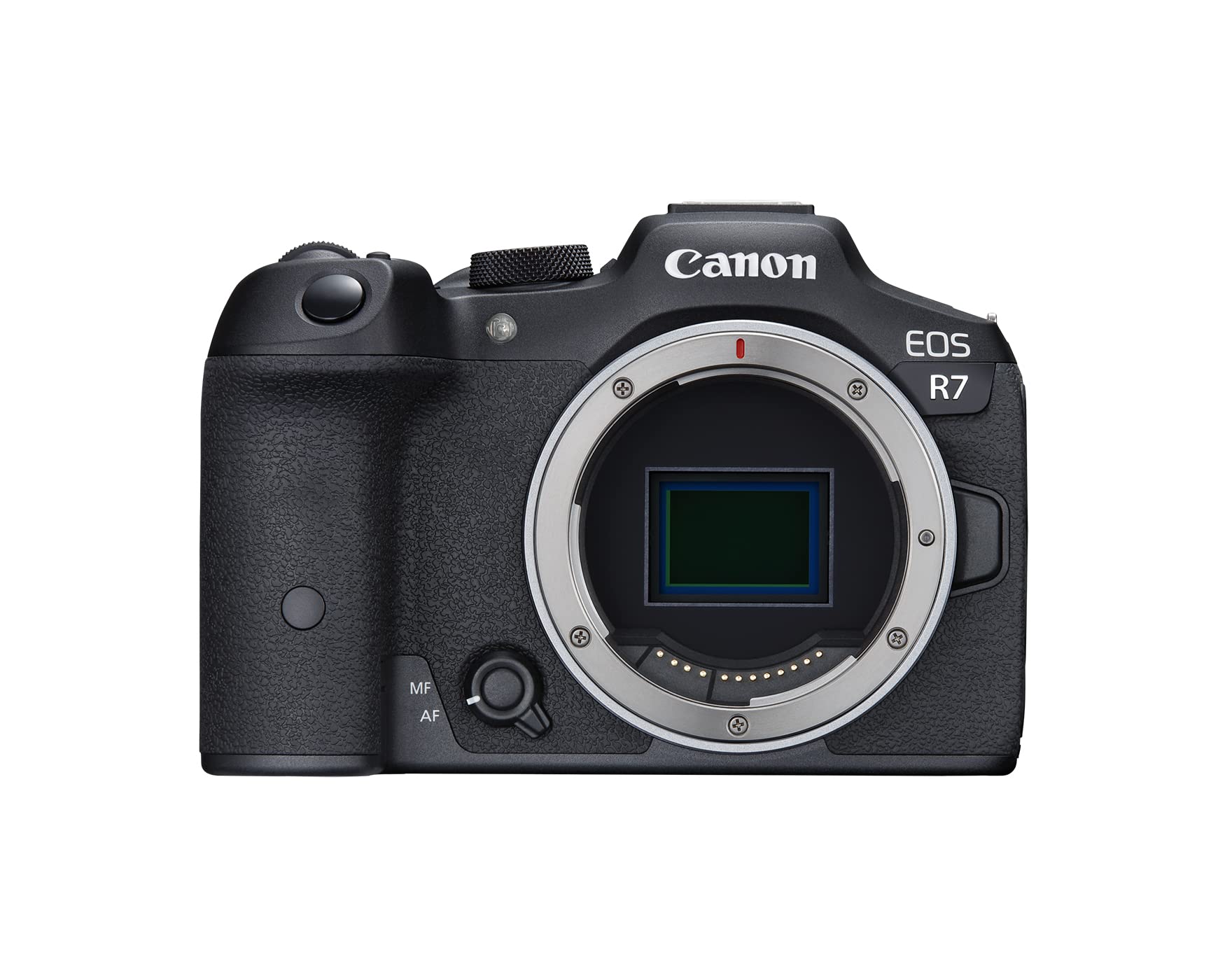
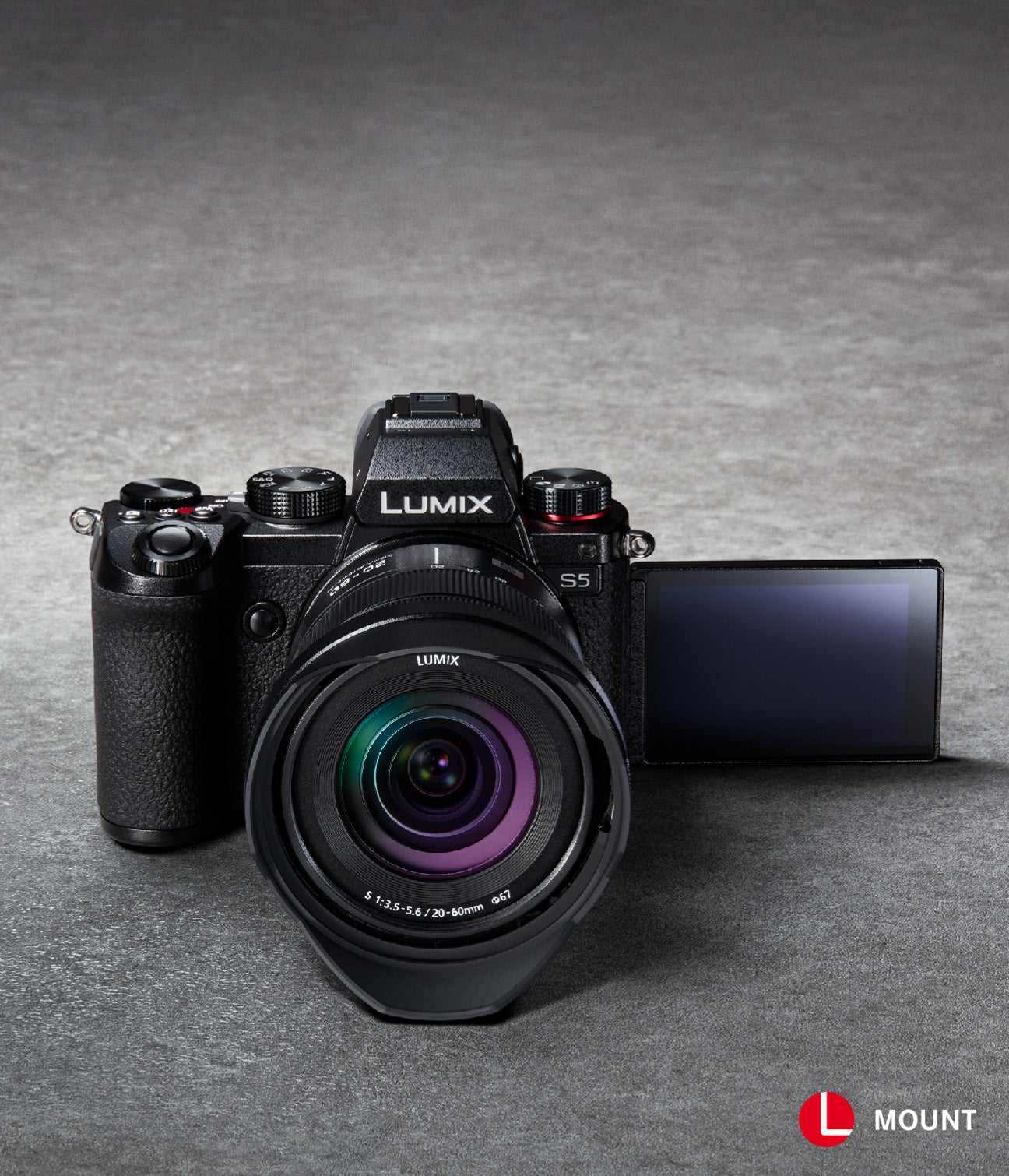
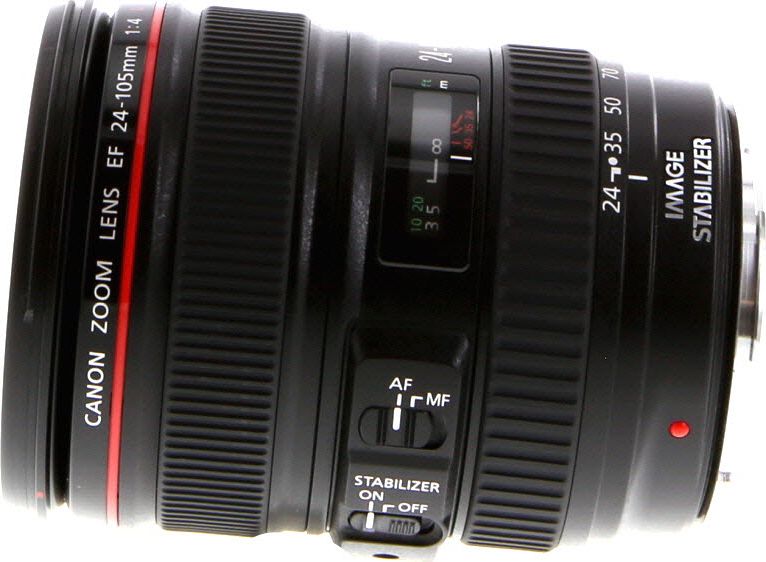
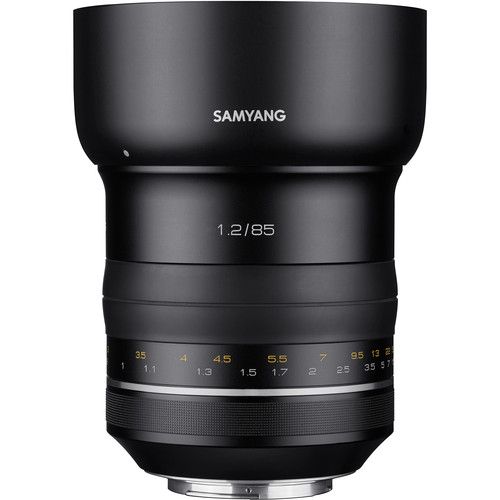
Indie Filmmaking Gear on GearFocus
Why Indie Filmmaking Photographers Choose GearFocus
Indie filmmakers run on production budgets where a used Blackmagic URSA Mini Pro 4.6K or RED KOMODO at post-production pricing is the difference between shooting and not shooting. GearFocus has 49,000+ historical camera sales on record, giving filmmakers real pricing data on cinema bodies before negotiating — not auction results from general marketplaces where camera gear competes with electronics noise. Every seller is identity-verified, not just rated, meaning production histories and condition descriptions on professional cinema gear carry accountability. At 8.5% total fees versus eBay's 13.6%, indie filmmakers selling between projects retain significantly more per transaction — which keeps professional cinema gear priced realistically for the next production team.
Verified Sellers Only
Every seller on GearFocus undergoes identity verification before listing gear. You know who you're buying from — not just an anonymous account.
48-Hour Buyer Protection
Inspect your gear within 48 hours of delivery. If the item doesn't match the listing description, return shipping is covered.
5% Fee vs. 13.6% on eBay
GearFocus charges a 5% platform fee. eBay averages 13.6% in fees. Sellers keep more — which means more competitive pricing for buyers.
What to Look For in Indie Filmmaking Gear
Camera Sensor
Full-Frame or Super 35 Sensor for Cinematic Depth of Field
Resolution
4K Minimum, 6K+ Preferred for Post-Production Flexibility
Dynamic Range
At Least 12+ Stops for High Dynamic Range Scenes
ISO Performance
Dual Native ISO for Low-Noise Performance in Low Light
Lens Type
Interchangeable Lenses (24mm, 50mm, 85mm, Zoom 18-35mm)
Aperture
Fast Aperture (T1.5 - T2.8 for Low-Light & Bokeh Control)
Shutter Angle
180° Shutter Rule Support for Natural Motion Blur
Stabilization
Gimbal & Rig Compatibility for Handheld & Motion Shots
Screen Type
Fully Articulating LCD or External Monitor Support
Audio Input
3.5mm & XLR Inputs for External Audio Recording
Video Resolution
10-bit 4:2:2 Internal Recording for Color Grading
Slow Motion
4K/120FPS or Higher for Creative Slow Motion
Log Profiles
LOG Recording (S-Log3, C-Log2, V-Log) for Post-Production
External Recording
ProRes & BRAW Support for Maximum Quality
Aspect Ratio
Anamorphic Support for Widescreen Cinematic Look
Connectivity
WiFi & Bluetooth for Wireless Monitoring & Control
Power Supply
USB-C Power Delivery or External Battery Options
Storage
CFExpress, SSD, or CFast 2.0 for High Bitrate Footage
Software Support
Compatible with DaVinci Resolve, Adobe Premiere Pro
Lighting Control
DMX Lighting Control for Studio Productions
Weather Sealing
Durable & Weather-Resistant Build for Outdoor Shoots
Customization
Custom Function Buttons & LUT Monitoring Support
Tripod Mount
Arca-Swiss & Quick-Release Plate Compatibility
FAQs
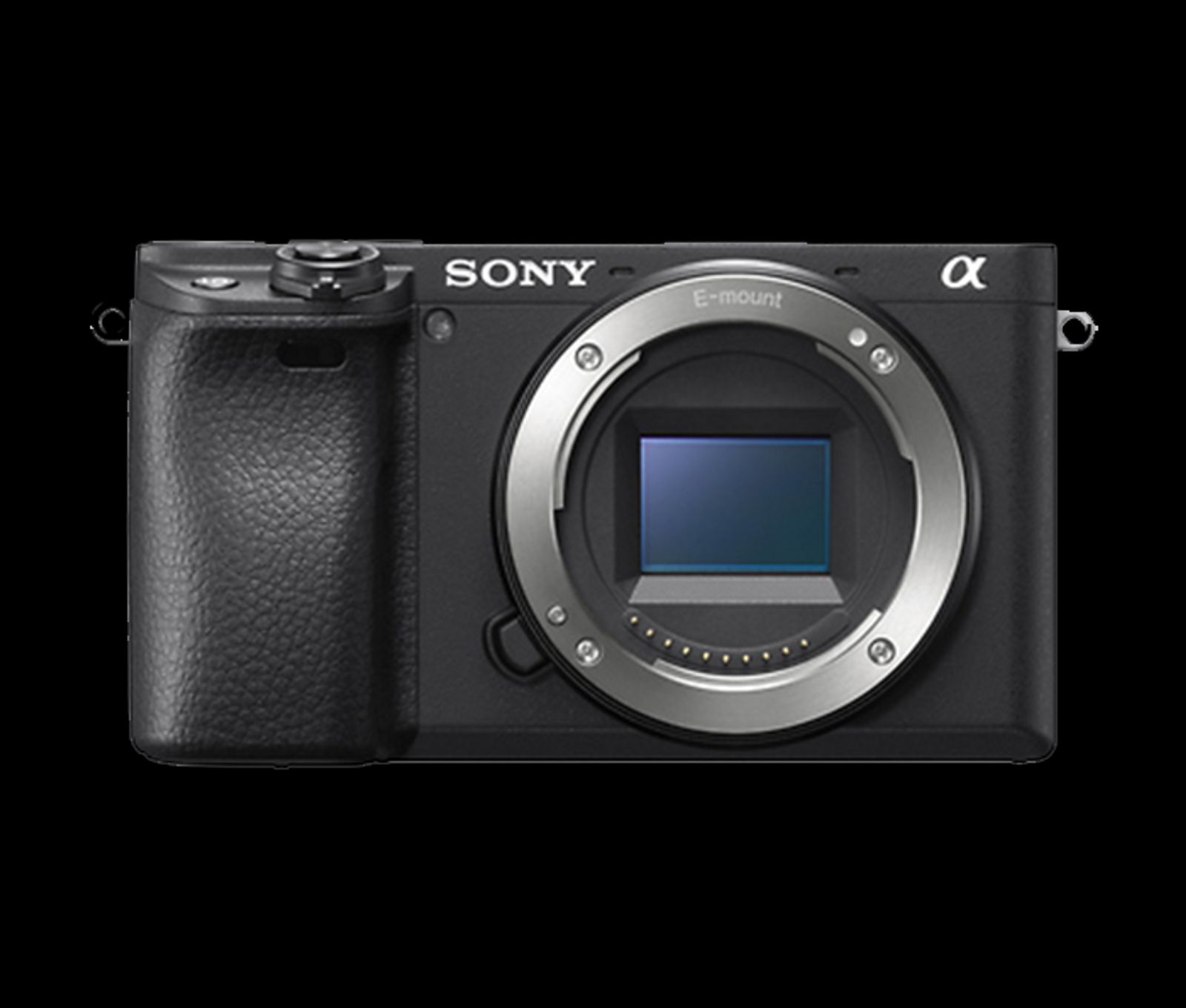
The Blackmagic Pocket 4K is the most widely recommended budget cinema camera for indie filmmakers — it shoots 4K RAW, has 13 stops of dynamic range, and accepts EF-mount lenses. The Panasonic G7 and Sony A6400 are even more affordable options that shoot 4K with log profiles. For slightly more, the Sony FX30 and Z CAM E2 are purpose-built cinema cameras with Super 35 sensors, professional audio inputs, and cinema-grade output — available used for $800-1,400. All offer the dynamic range and resolution needed for festival-quality work.
Indie filmmakers typically use fast prime lenses — 24mm, 35mm, 50mm, and 85mm — for creative depth of field control. Budget-friendly cinema options include the Rokinon Cine DS series (T1.5, EF mount), Meike Cine primes, and vintage photo lenses like the Nikon Series E 50mm f/1.8 adapted to modern mounts. Mid-range options include the Sigma 18-35mm f/1.8 Art (exceptional sharpness and speed), Canon EF 24-105mm f/4L for documentary-style zoom work, and Samyang XP 85mm f/1.2. For professional sets, the Zeiss CP.2 primes and Canon CN-E series maintain color consistency across focal lengths.
Dynamic range is the camera's ability to capture detail in both highlights and shadows simultaneously — measured in stops. A scene with bright window light and dark shadows might span 14 stops. Cameras with 12+ stops of dynamic range can capture both without blowing out the window or crushing the shadows to black. The Blackmagic Pocket 6K claims 13 stops, the RED KOMODO achieves 16+ stops. In filmmaking, high dynamic range means you can shoot in mixed natural and artificial light, match exposures between setups, and give your colorist maximum data for grading in post.
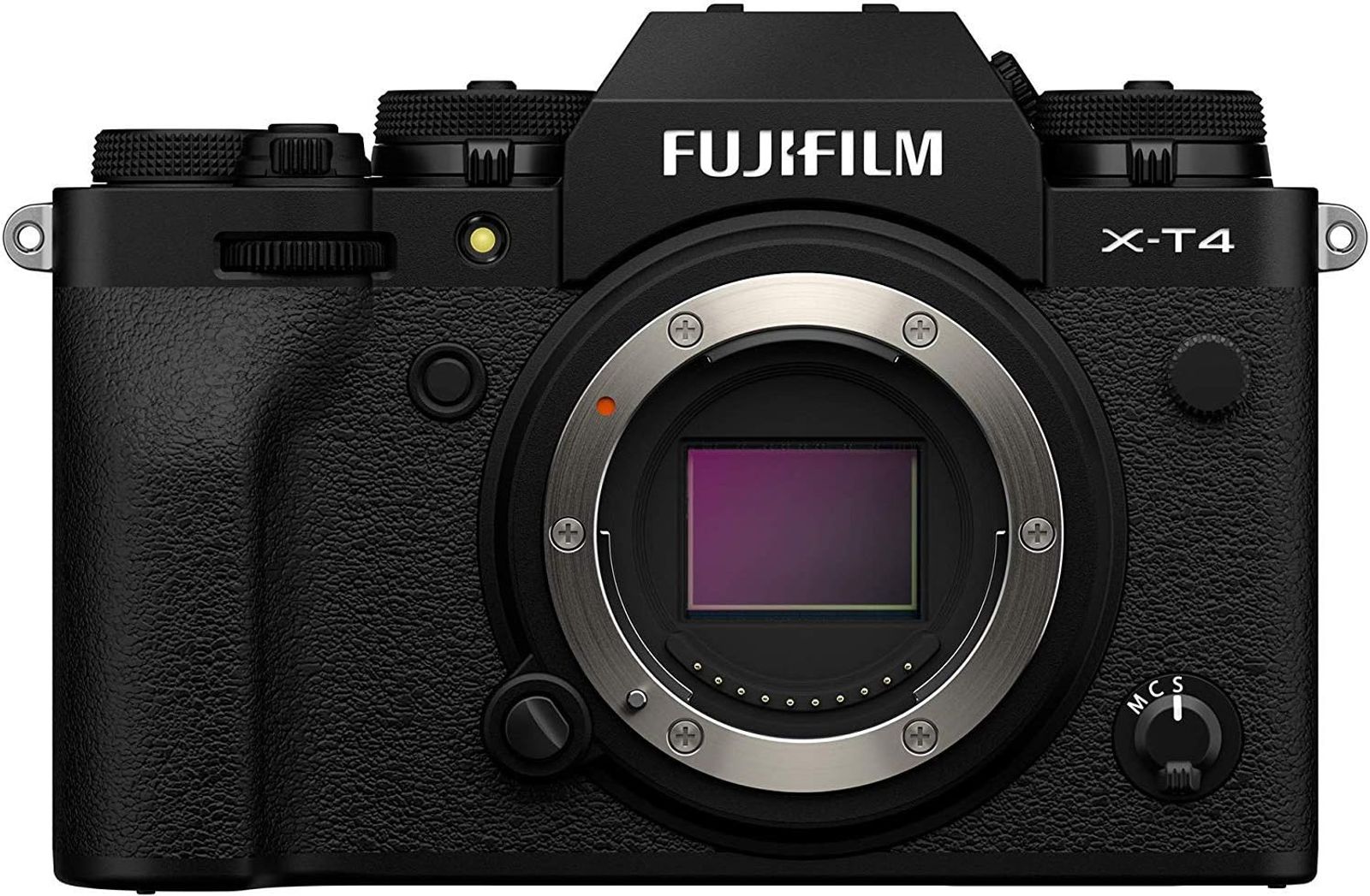
No — but cinema cameras solve specific problems that matter on set. Purpose-built cinema cameras like the Blackmagic Pocket 6K or Canon EOS C70 have built-in ND filters, log video profiles, timecode, and better heat management for extended takes. Mirrorless cameras like the Sony A7S III or Fujifilm X-H2 can match cinema quality in controlled conditions but may lack professional I/O, overheat in long recording sessions, and have fewer rigging points. For short films and web content, a capable mirrorless is sufficient. For features and long-form productions, a cinema camera is worth the investment.
The 180-degree shutter rule states that your shutter speed should be double your frame rate for natural-looking motion blur — the same motion rendering as traditional film cameras. At 24fps, set your shutter to 1/48s. At 30fps, use 1/60s. At 60fps (for slow motion), use 1/120s. Deviating from this — using faster shutters — creates a "staccato" look where motion appears artificially sharp and choppy. Using slower shutters creates blur that looks like camera movement problems. Most professional cinema cameras make 180-degree shutter angle a direct setting rather than requiring you to calculate shutter speed.
The Blackmagic Pocket 4K has a Micro Four Thirds sensor shooting 4K in BRAW (Blackmagic RAW) with 13 stops of dynamic range. It accepts MFT and adapted lenses. The Blackmagic Pocket 6K has a Super 35 sensor shooting 6K BRAW with the same 13 stops, using Canon EF-mount lenses natively. The 6K's Super 35 sensor produces shallower depth of field more like traditional cinema cameras, and accepts a wider range of affordable EF-mount cine lenses without crop factor. The Pocket 4K is the budget entry; the 6K is the better cinema tool for filmmakers with an EF lens collection.
Yes, when buying from a verified marketplace. GearFocus requires identity verification for all sellers and includes 48-hour buyer protection on every purchase — if a Blackmagic Pocket 6K or RED KOMODO arrives with sensor noise above spec, mount damage, or RAW recording issues, you get a full refund with seller-paid return shipping. Unlike general marketplaces, GearFocus sellers understand what dynamic range, codec flexibility, and mount compatibility mean on a production budget. Cinema gear depreciates fast between projects — with real market pricing data in the Pricing Guide, you can verify fair market value before committing to any body or lens.