Used Cinema Cameras and Lenses for Cinematic Filmmakers
Cinematic filmmakers need cameras with at least 13 stops of dynamic range, 4K or higher recording, and log profiles for color grading — paired with cinema prime or zoom lenses with T-stop ratings for consistent exposure across a set. The threshold for professional cinematic work is 13+ stops of dynamic range, 4K internal recording, and a log profile (BRAW, S-Log3, or C-Log3) — below those specs, the footage lacks the latitude needed for serious color grading. The Blackmagic Pocket 4K, Sony FX3, and Canon EOS R5C are the most accessible cinema-capable bodies, while the Rokinon Cine DS 35mm T1.5 and Sigma 18-35mm T2 Cine cover essential focal lengths for narrative work. GearFocus connects you with verified sellers offering used cinema cameras and lenses starting from $600, with 48-hour buyer protection on every purchase.
Browse Cinematic Filmmaking GearUsed Cinema Cameras and Lenses for Cinematic Filmmakers
Cinematic filmmakers need cameras with at least 13 stops of dynamic range, 4K or higher recording, and log profiles for color grading — paired with cinema prime or zoom lenses with T-stop ratings for consistent exposure across a set. The threshold for professional cinematic work is 13+ stops of dynamic range, 4K internal recording, and a log profile (BRAW, S-Log3, or C-Log3) — below those specs, the footage lacks the latitude needed for serious color grading. The Blackmagic Pocket 4K, Sony FX3, and Canon EOS R5C are the most accessible cinema-capable bodies, while the Rokinon Cine DS 35mm T1.5 and Sigma 18-35mm T2 Cine cover essential focal lengths for narrative work. GearFocus connects you with verified sellers offering used cinema cameras and lenses starting from $600, with 48-hour buyer protection on every purchase.
Browse Cinematic Filmmaking GearWhat Cinematic Filmmaking Photographers Need
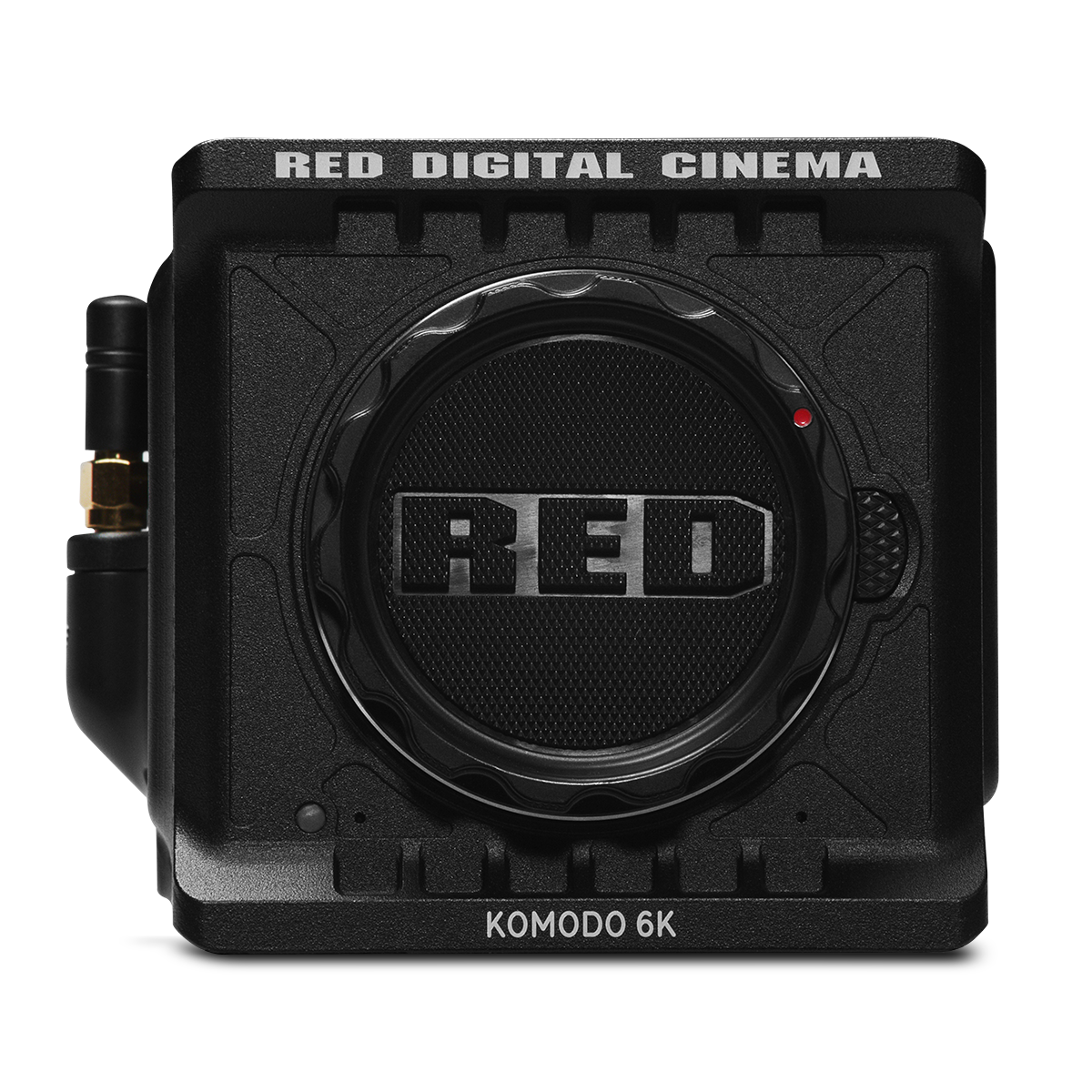
Cinematic filmmaking is defined by three technical pillars: dynamic range, codec quality, and color science. The Blackmagic Pocket 4K is the entry point that reshaped what a budget cinema camera could do — Blackmagic RAW recording, 13 stops of dynamic range, and a Super 35 sensor for under $1,000 used. The Sony FX3 offers a full-frame sensor with dual native ISO, S-Log3, and a form factor that works handheld or rigged. Step up to the RED KOMODO or Blackmagic URSA 4.6K G2 for projects requiring 6K resolution and ProRes RAW or BRAW delivery. Lens choice for narrative work centers on consistency: cinema lenses have clickless aperture rings (important for smooth exposure transitions), T-stop markings for accurate light measurement, and matched focus breathing across a set. The Rokinon Cine DS kit (24mm, 35mm, 50mm T1.5) is the most popular entry-level cinema lens set. The Sigma 18-35mm T2 Cine is a midrange zoom that covers most narrative situations. At the professional level, Zeiss Compact Prime CP.3 sets and Cooke S4 primes define the cinematic look used in major productions. Stabilization matters as much as the camera: a gimbal or shoulder rig transforms handheld into intentional camera movement. The Panasonic S1H's IBIS combined with gimbal operation is one of the most flexible setups for run-and-gun narrative.
Recommended Cinematic Filmmaking Gear
Budget Cinematic Filmmaking Gear
4K or 6K resolution, decent dynamic range, smaller rigs, acceptable internal recording
Cameras
Blackmagic Pocket 4K
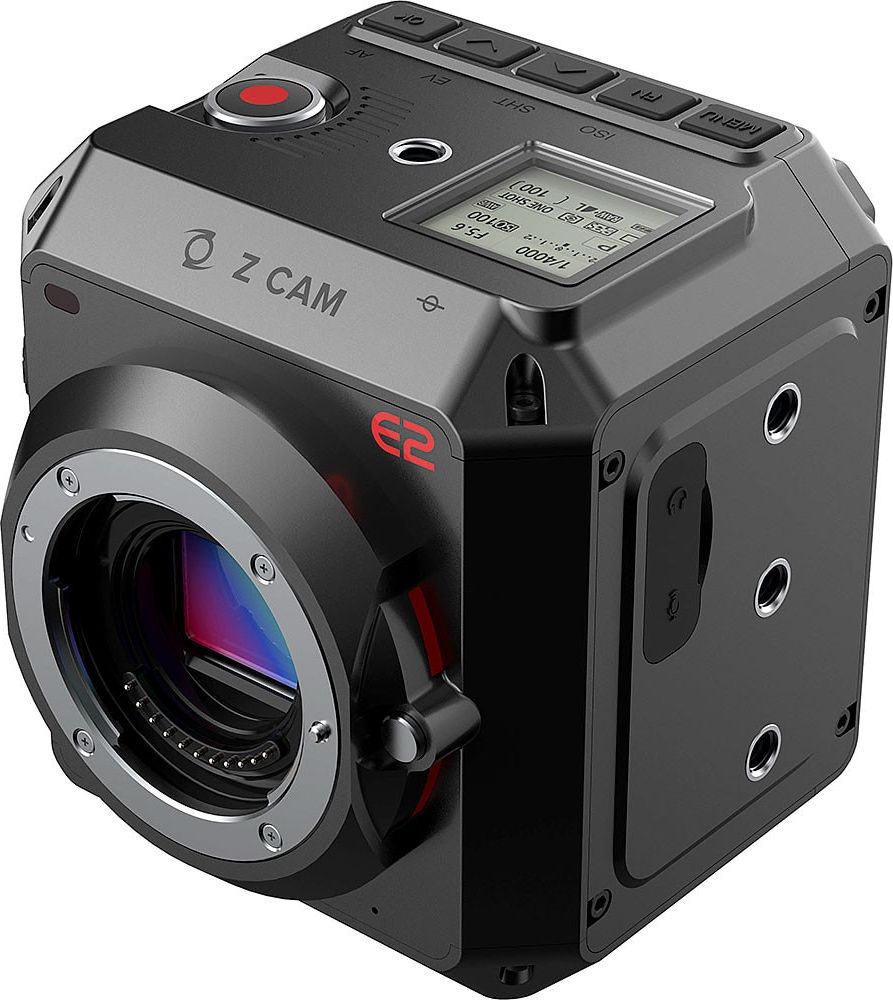
Z-Cam E2 Cinema Camera
Market value: ~$1,999
View on GearFocus →Panasonic GH5S
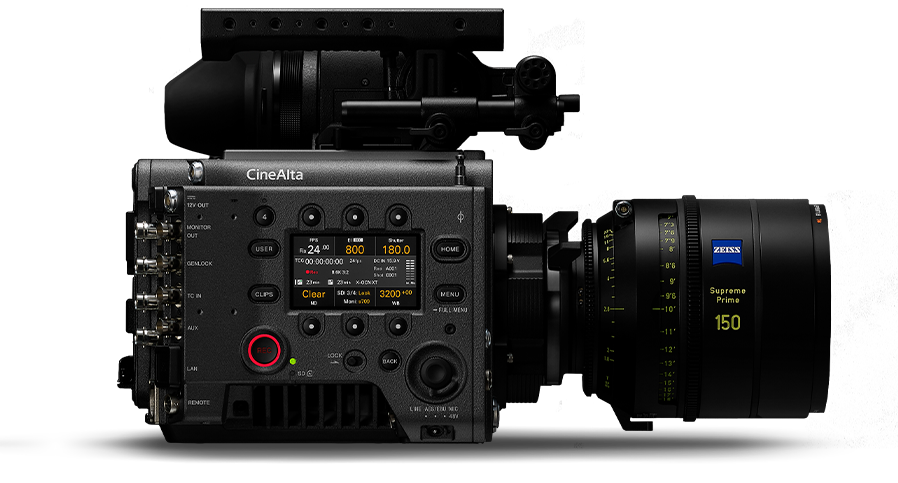
Canon EOS R5C
Sony FX3 Cinema Camera
Market value: ~$3,900
View on GearFocus →Lenses
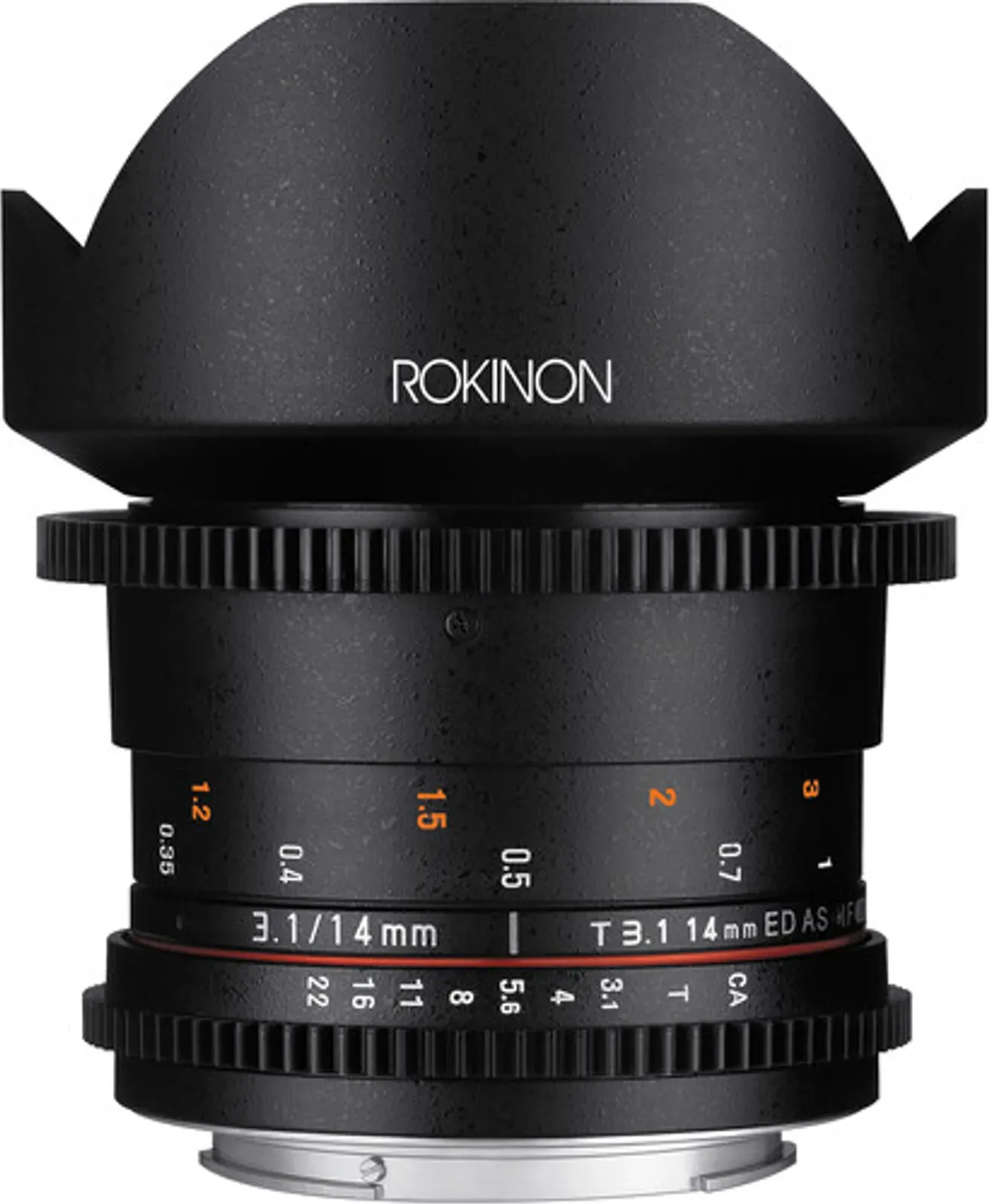
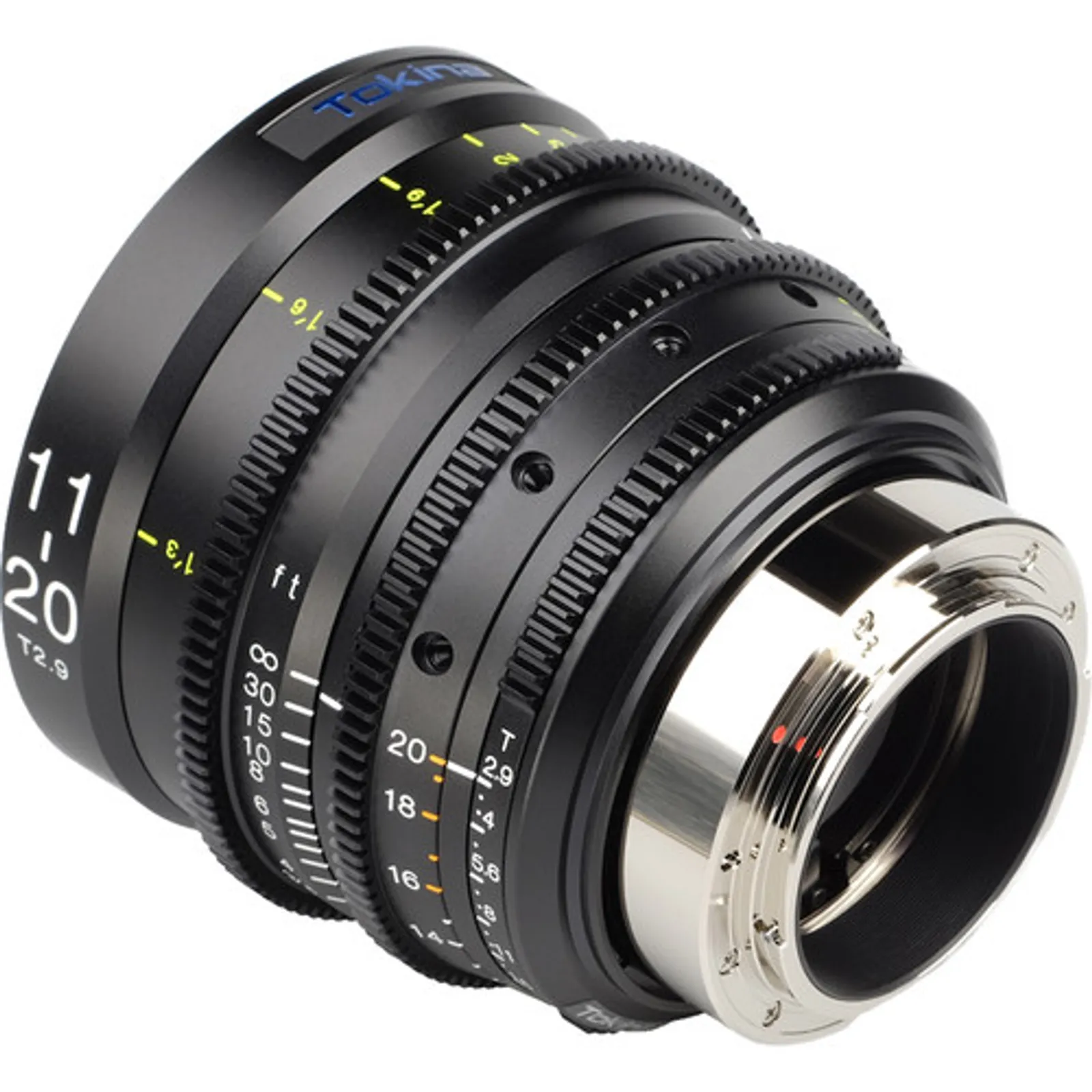
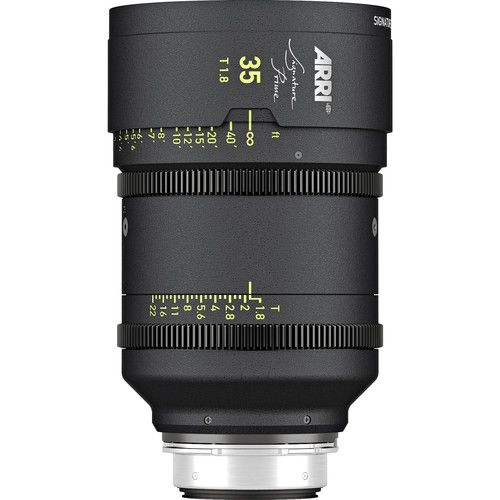
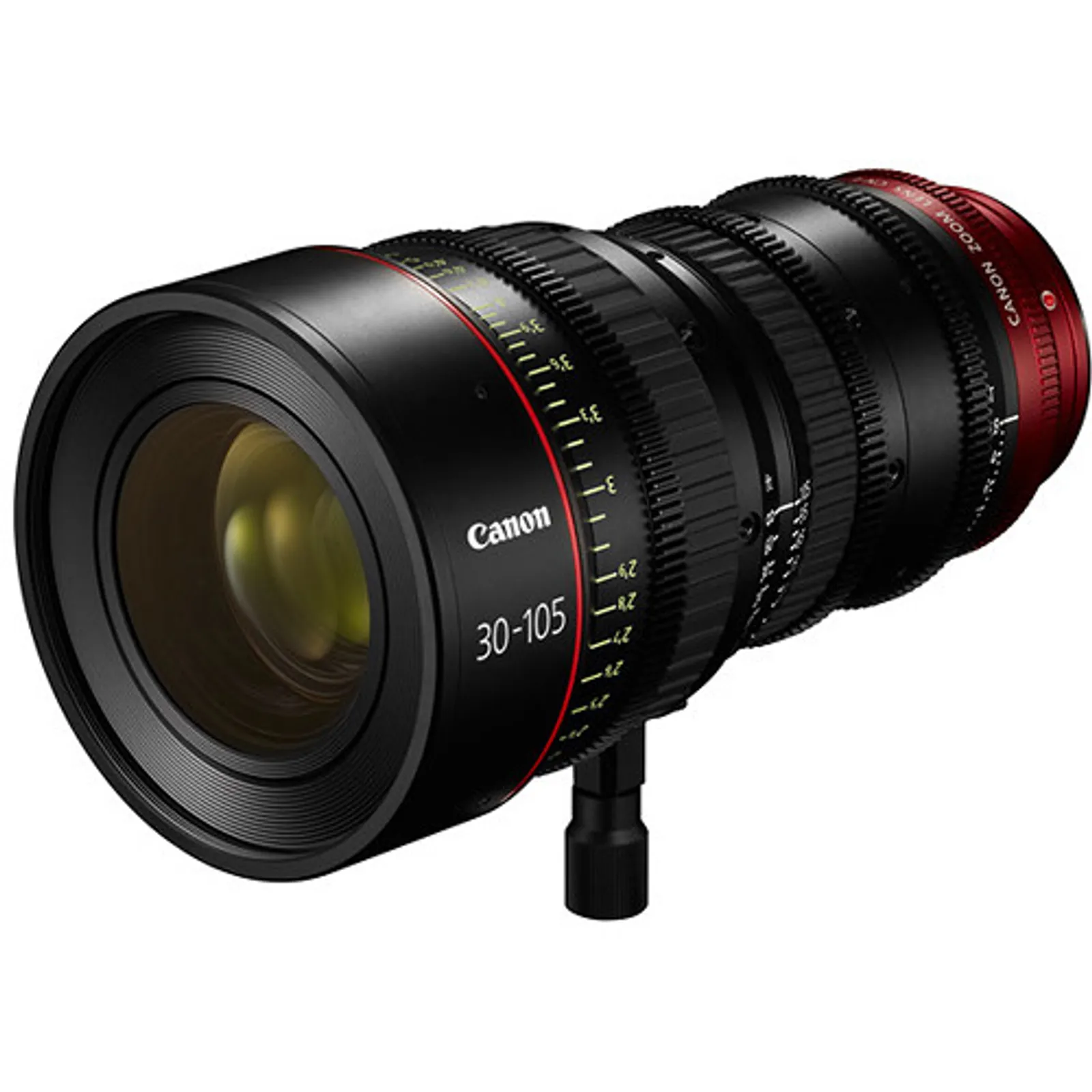
Rokinon Cine DS 35mm T1.5
Meike Cine 25mm T2.2
Samyang Cine 50mm T1.5
Viltrox 85mm T2.0
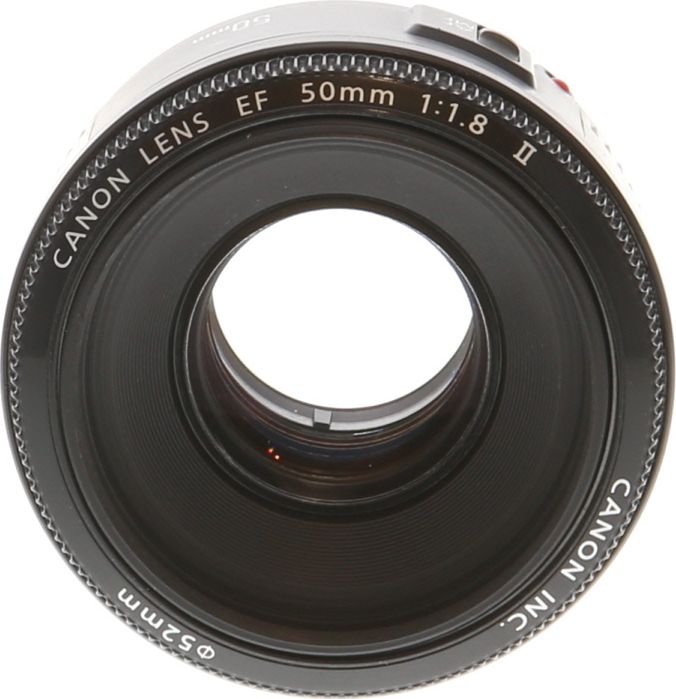
Canon EF 50mm f/1.8 II Lens
View on GearFocus →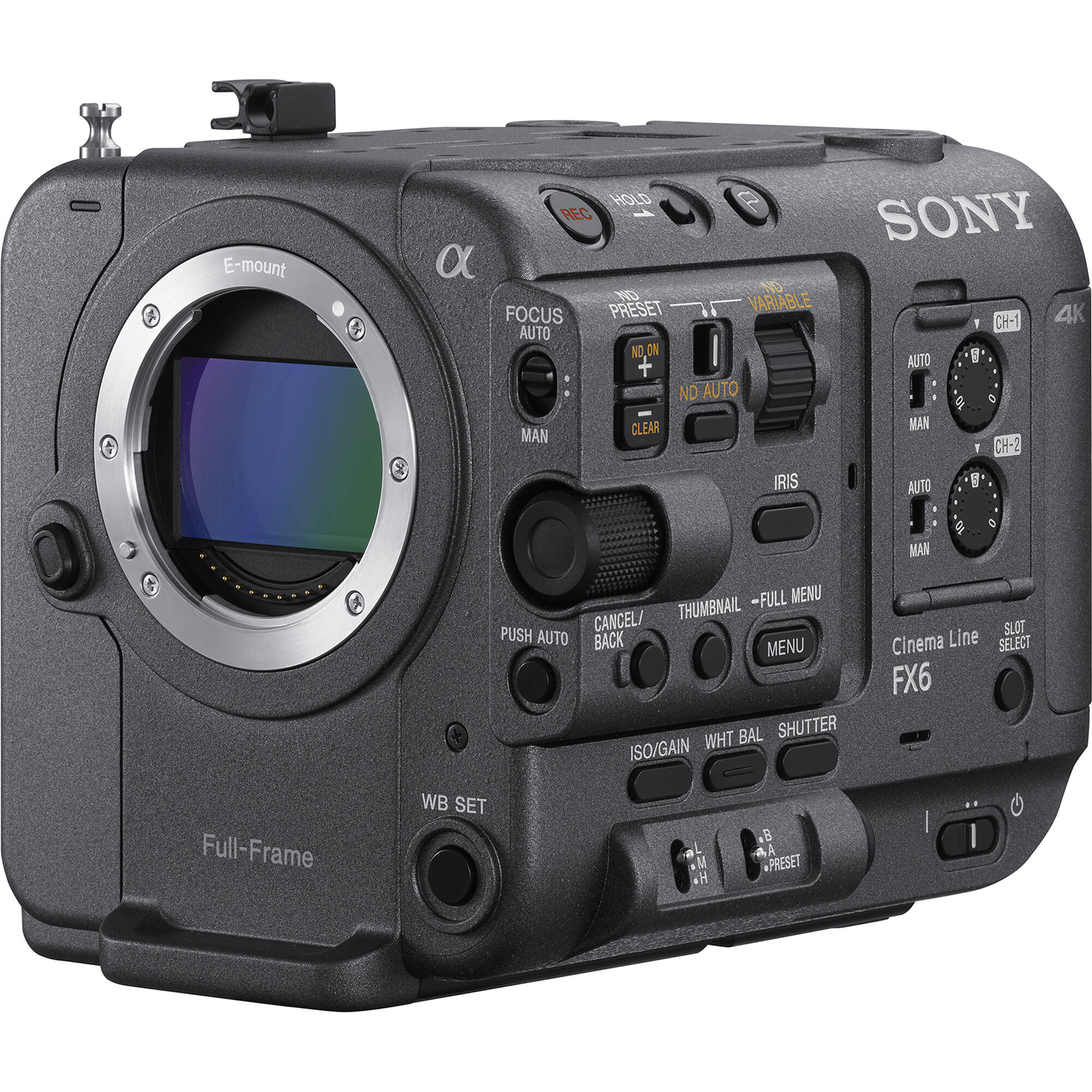
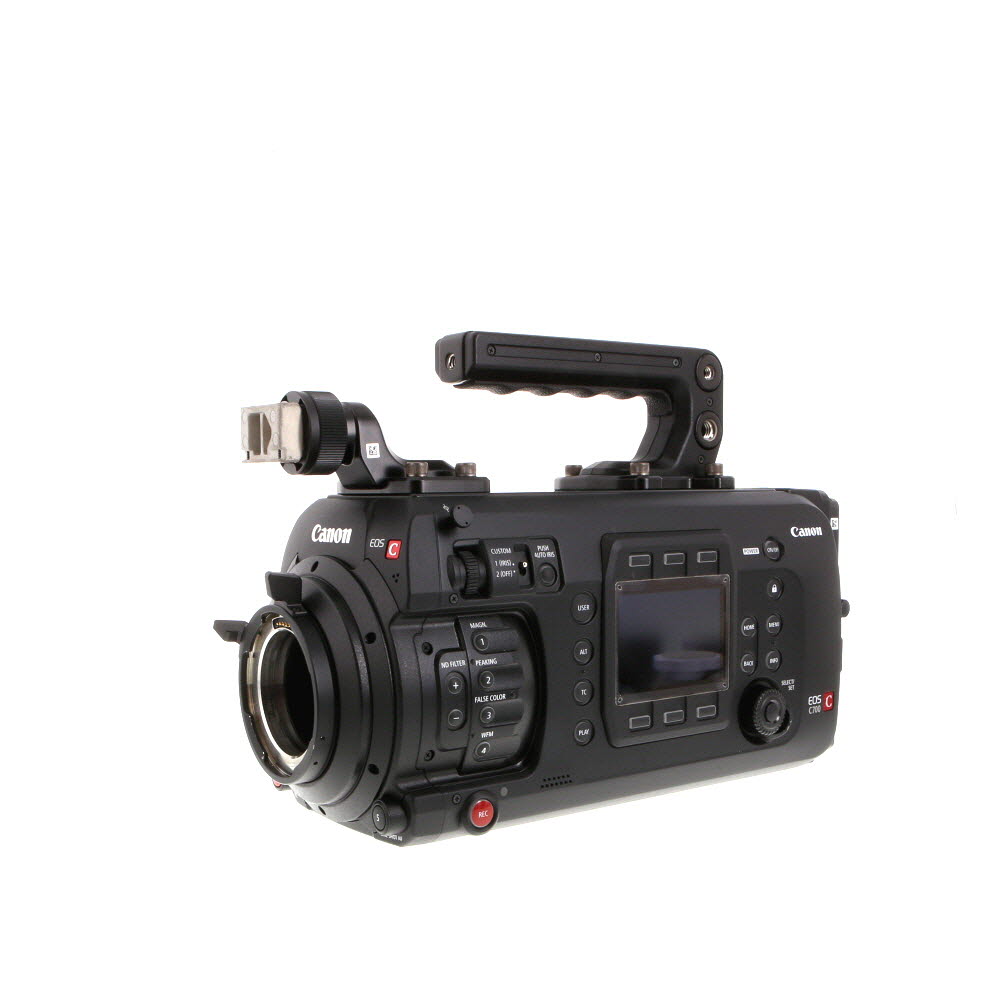
Cinematic Filmmaking Gear on GearFocus
Why Cinematic Filmmaking Photographers Choose GearFocus
Cinema gear — Blackmagic bodies, RED KOMODO, Sony FX3 — turns over between productions, and GearFocus captures that inventory from sellers who are working filmmakers, not general resellers. With 6,763 GearMaster product pages covering cinema cameras and lenses, buyers can verify specs like dynamic range ratings, codec support, and T-stop values against manufacturer data before purchasing used. Every seller on GearFocus is identity-verified, meaning the professional who shot with your potential Blackmagic URSA 4.6K G2 is accountable by name — not just a username. KEH and MPB buy cinema gear outright at 50-70% of market value; GearFocus sellers set their own price and keep market-rate proceeds, which means more inventory flows through the platform at realistic pricing.
Verified Sellers Only
Every seller on GearFocus undergoes identity verification before listing gear. You know who you're buying from — not just an anonymous account.
48-Hour Buyer Protection
Inspect your gear within 48 hours of delivery. If the item doesn't match the listing description, return shipping is covered.
5% Fee vs. 13.6% on eBay
GearFocus charges a 5% platform fee. eBay averages 13.6% in fees. Sellers keep more — which means more competitive pricing for buyers.
What to Look For in Cinematic Filmmaking Gear
Camera Sensor
Full-Frame or Super 35 Sensor for Shallow Depth of Field
Resolution
6K+ Preferred for Maximum Image Quality & Cropping Flexibility
Dynamic Range
At Least 13+ Stops for High Contrast Scenes
ISO Performance
Dual Native ISO for Low-Noise Performance in Various Lighting
Lens Type
Cinema Prime & Zoom Lenses (24mm, 50mm, 85mm, 18-35mm)
Aperture
Fast Aperture (T1.5 - T2.8 for Cinematic Depth of Field)
Shutter Angle
180° Shutter Rule Support for Natural Motion Blur
Stabilization
Gimbal & Rig Compatibility for Smooth Cinematic Movement
Screen Type
External Monitor & EVF Support for Professional Monitoring
Audio Input
XLR Inputs or Dedicated Audio Recorder Compatibility
Video Resolution
12-bit RAW or 10-bit 4:2:2 Internal Recording for Color Grading
Slow Motion
4K/120FPS or Higher for Slow-Motion Cinematic Shots
Log Profiles
LOG Recording (S-Log3, C-Log2, V-Log) for Maximum Dynamic Range
External Recording
ProRes RAW & BRAW Output via HDMI/SDI
Aspect Ratio
Anamorphic Support for Widescreen Cinematic Look
Connectivity
Timecode Sync & Remote Monitoring Options
Power Supply
V-Mount or Gold Mount Battery Compatibility
Storage
CFExpress, SSD, or CFast 2.0 for High Bitrate Footage
Software Support
Compatible with DaVinci Resolve, Adobe Premiere Pro
Lighting Control
DMX Lighting Control Support for Studio Productions
Weather Sealing
Rugged & Weather-Resistant Build for Outdoor Filmmaking
Customization
Assignable Function Buttons & LUT Monitoring Support
Tripod Mount
Arri Rosette & Quick-Release Plate Compatibility
FAQs
The Blackmagic Pocket 4K and Sony FX3 are the best entry-level cinema cameras. The Pocket 4K shoots Blackmagic RAW with 13 stops of dynamic range — grade results that look indistinguishable from footage shot on cameras costing three times as much. The Canon EOS R5C adds full-frame coverage and Canon's excellent color science. All three are available used on GearFocus.
A modern mirrorless camera like the Sony A7S III, Canon EOS R5C, or Panasonic S1H can produce genuinely cinematic results. Cinema cameras like the RED KOMODO or Blackmagic URSA 4.6K G2 offer advantages in codec flexibility, color depth, and ergonomics for rigged productions — but many short films, web series, and independent features are shot entirely on mirrorless. The camera matters less than the lens in front of it and the lighting behind the scene.
Cinema lenses differ from photo lenses in three key ways: they use T-stop ratings (actual measured transmission) instead of f-stop approximations, they have smooth de-clicked aperture rings for seamless exposure changes, and they're designed for consistent focus breathing across a matched set. For professional narrative work, cinema primes like the Rokinon Cine DS series or Zeiss CP.3 set provide these properties. For solo or micro-budget shoots, adapted photo lenses work — especially Sigma Art primes, which are widely cine-modded.
A minimum of 12-13 stops of dynamic range is required to handle the contrast typical of natural light scenes — holding highlights in windows while retaining shadow detail in faces. The Blackmagic Pocket 4K claims 13 stops; the Sony FX3 and FX6 claim 15+ stops; the ARRI ALEXA LF, the benchmark of the industry, exceeds 14 stops. Log recording profiles (S-Log3, BRAW, C-Log) are how cameras maximize their dynamic range for grading.
24fps is the standard cinematic frame rate — it produces natural motion cadence the eye associates with movies. 180-degree shutter rule (shutter speed = double the frame rate) creates natural motion blur at 24fps. Higher frame rates — 60fps, 120fps — are used for slow-motion inserts, typically of action or detail shots. The Sony FX3, Blackmagic Pocket 6K Pro, and Canon EOS R5C all support high-speed frame rates for slow-motion capture.
There is no single best lens — the choice depends on focal length, production scale, and budget. The Rokinon Cine DS 35mm T1.5 is the most widely used budget cinema prime. The Sigma 18-35mm T2 Cine covers a useful range for interior documentary-style narrative. The Zeiss Compact Prime CP.3 set is the professional benchmark for indie features. Canon CN-E primes are used on commercial and broadcast productions requiring EF-mount compatibility.
Yes — the Blackmagic Pocket 4K has been used as A-camera on commercially released productions, music videos, and documentary features. Its BRAW codec and 13-stop dynamic range produce grade results comparable to cameras costing significantly more. Limitations include short battery life, no in-body stabilization, and the absence of professional audio inputs (resolved with the 6K Pro variant). It remains one of the highest-value cinema cameras available on the used market.
Yes, when buying from a verified marketplace. GearFocus requires identity verification for all sellers and includes 48-hour buyer protection on every purchase — if a Blackmagic Pocket 4K or Sony FX3 arrives with sensor issues, dead pixels, or undisclosed recording limitations, you get a full refund with seller-paid return shipping. Unlike general marketplaces, GearFocus sellers are part of the filmmaking community and accurately describe dynamic range performance, codec support, and rig compatibility. With real market pricing data recorded, the Pricing Guide shows what professional cinema bodies actually sell for — not inflated retail comparisons.