Used Cameras and Lenses for Documentary Filmmakers
Documentary filmmakers need run-and-gun cameras that handle unpredictable lighting, deliver reliable autofocus for uncontrolled subjects, have strong in-body or optical stabilization for handheld shooting, and record high-quality audio via built-in or external XLR inputs. The practical requirements for professional documentary coverage are a camera with phase-detect autofocus capable of tracking subjects in mixed lighting, 4K internal recording in a log profile, and at minimum one XLR input or a compatible XLR handle — missing any of those means sacrificing either image quality or audio reliability in the field. The Canon EOS C70, Sony FX3, Blackmagic Pocket 6K Pro, and Panasonic GH5 cover the full range from field-ready mirrorless hybrids to professional cinema bodies. GearFocus connects you with verified sellers offering used documentary cameras starting from under $300, with 48-hour buyer protection on every purchase.
Browse Documentary Filmmaking GearUsed Cameras and Lenses for Documentary Filmmakers
Documentary filmmakers need run-and-gun cameras that handle unpredictable lighting, deliver reliable autofocus for uncontrolled subjects, have strong in-body or optical stabilization for handheld shooting, and record high-quality audio via built-in or external XLR inputs. The practical requirements for professional documentary coverage are a camera with phase-detect autofocus capable of tracking subjects in mixed lighting, 4K internal recording in a log profile, and at minimum one XLR input or a compatible XLR handle — missing any of those means sacrificing either image quality or audio reliability in the field. The Canon EOS C70, Sony FX3, Blackmagic Pocket 6K Pro, and Panasonic GH5 cover the full range from field-ready mirrorless hybrids to professional cinema bodies. GearFocus connects you with verified sellers offering used documentary cameras starting from under $300, with 48-hour buyer protection on every purchase.
Browse Documentary Filmmaking GearWhat Documentary Filmmaking Photographers Need
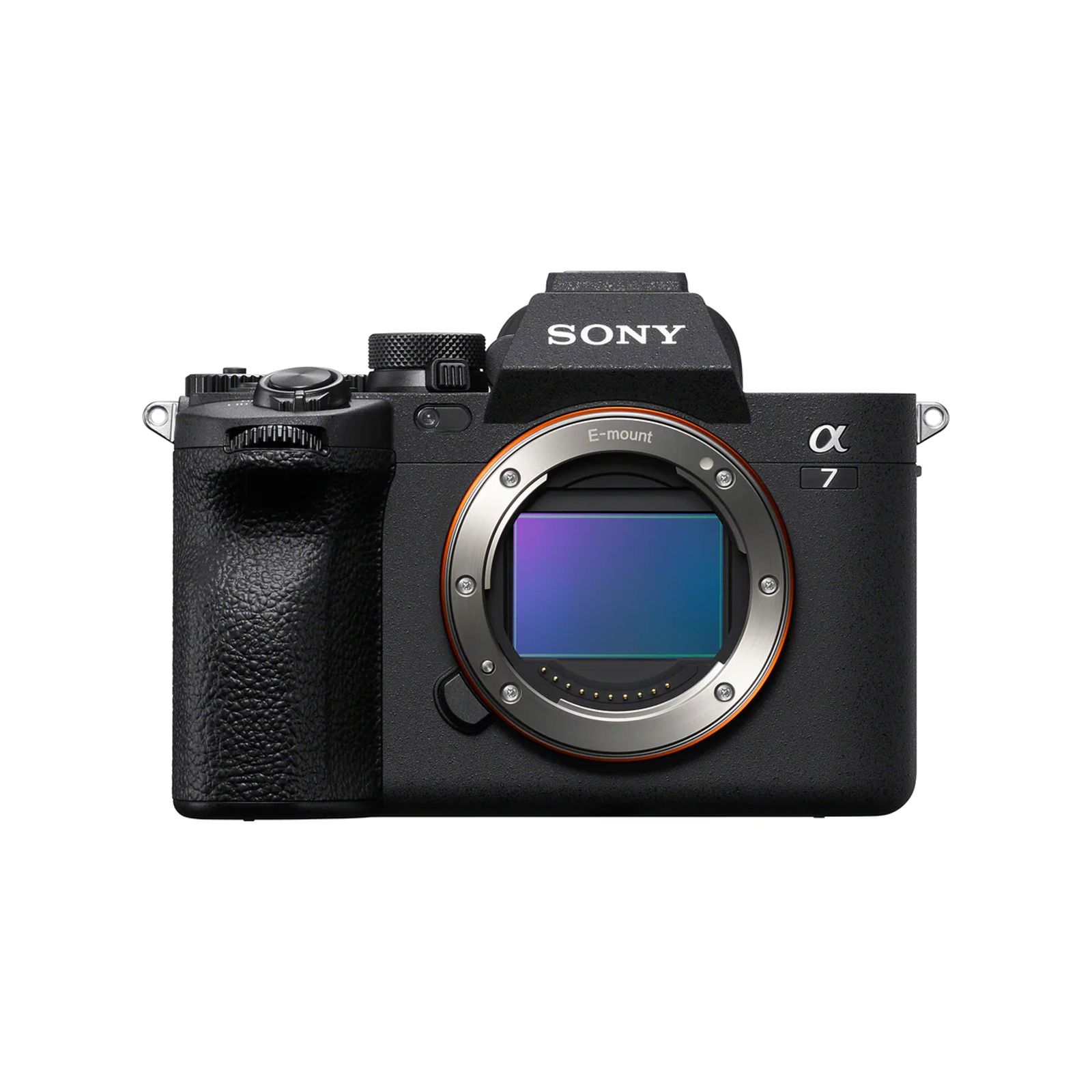
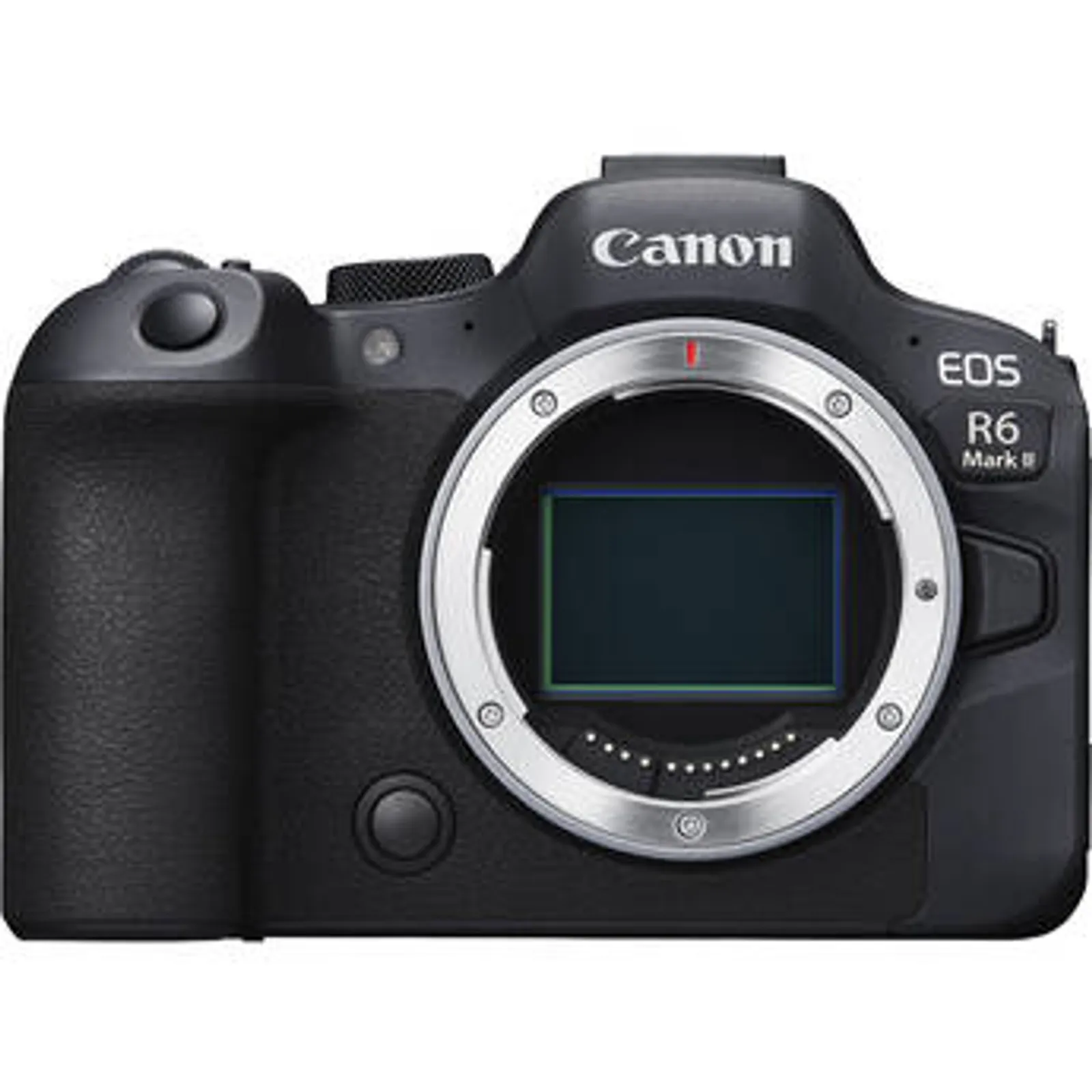
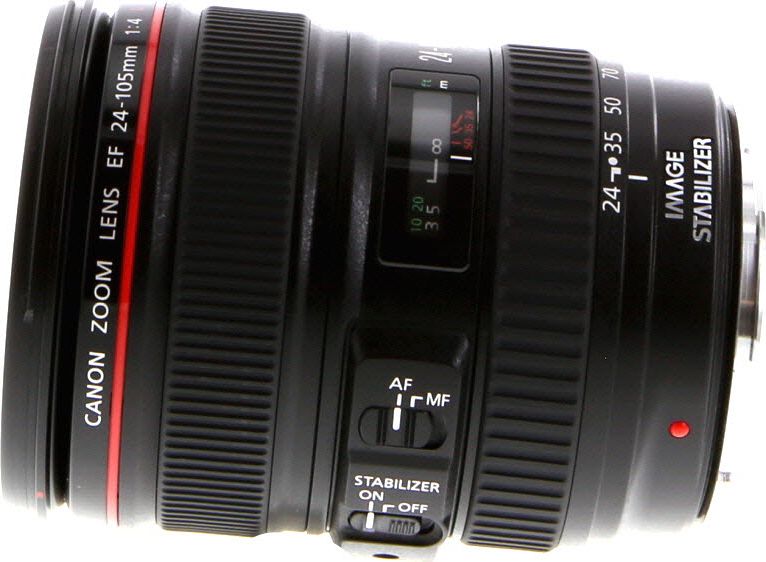
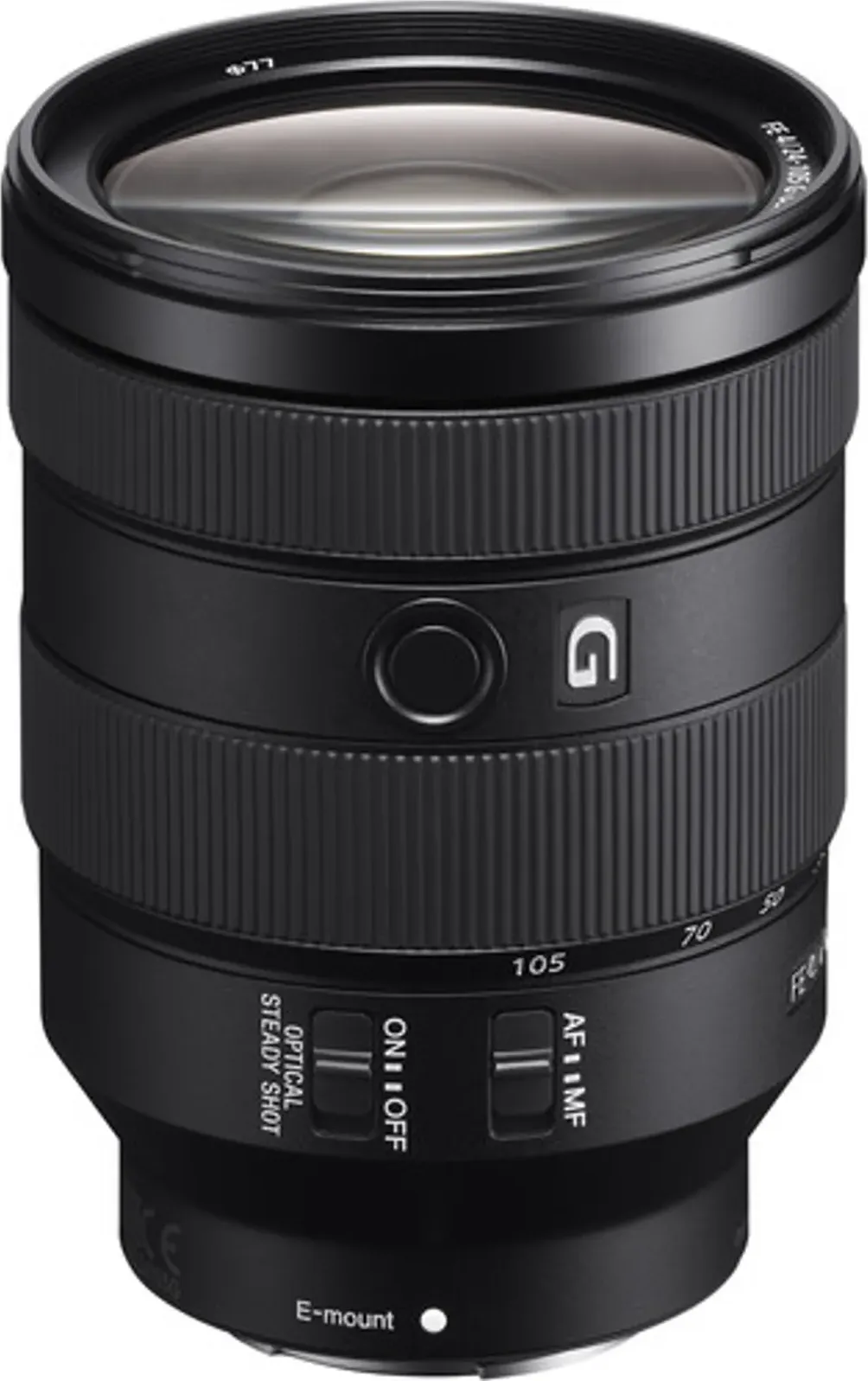
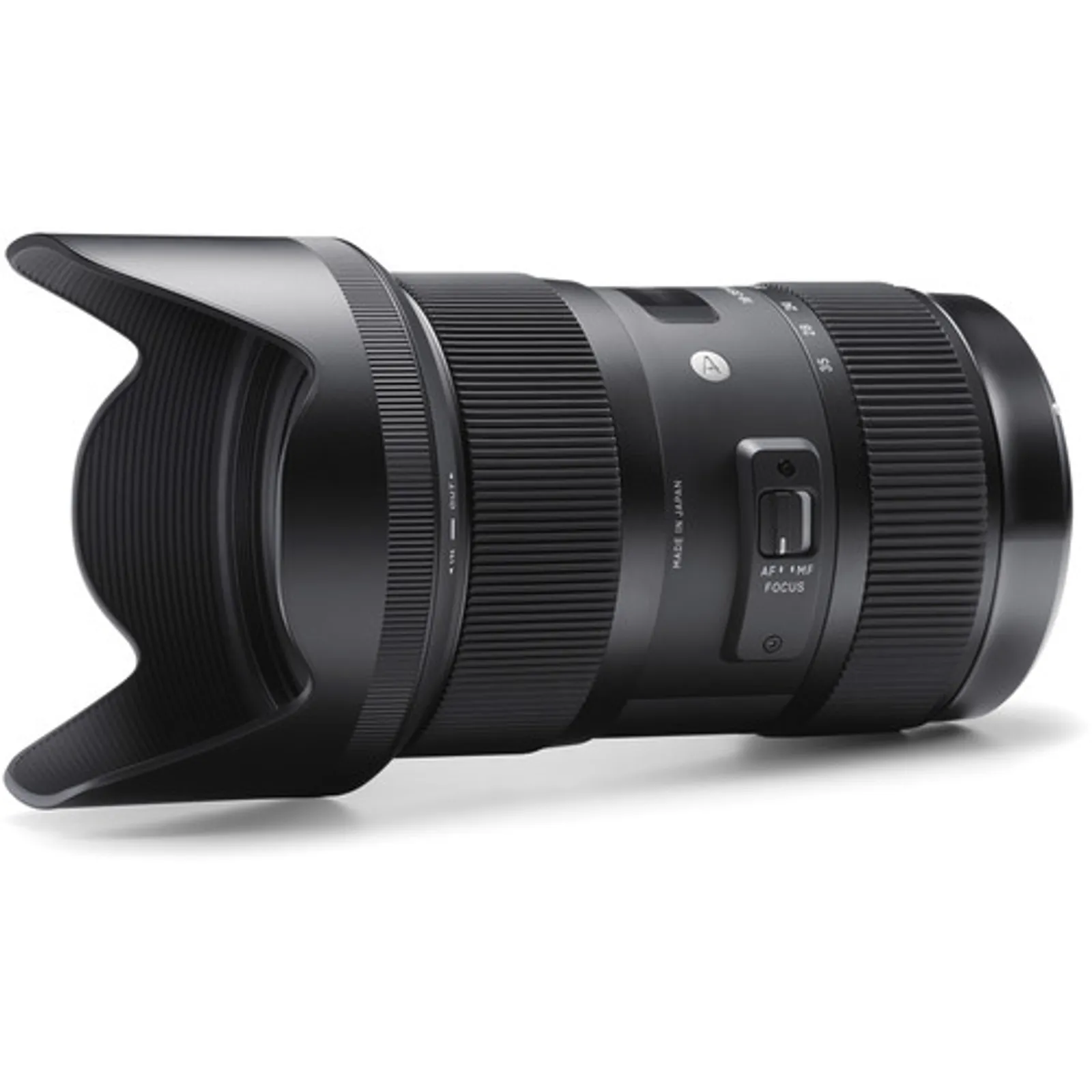
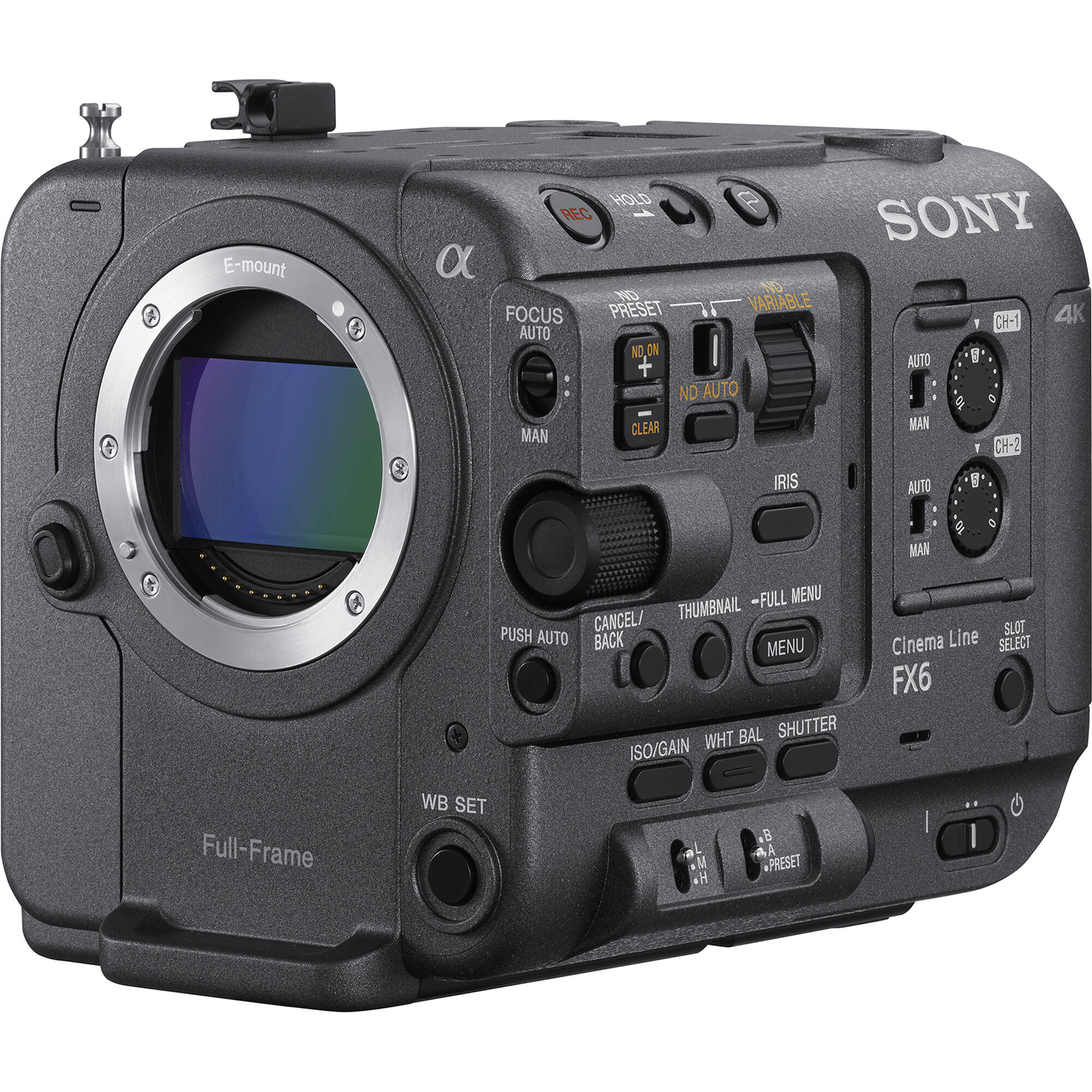
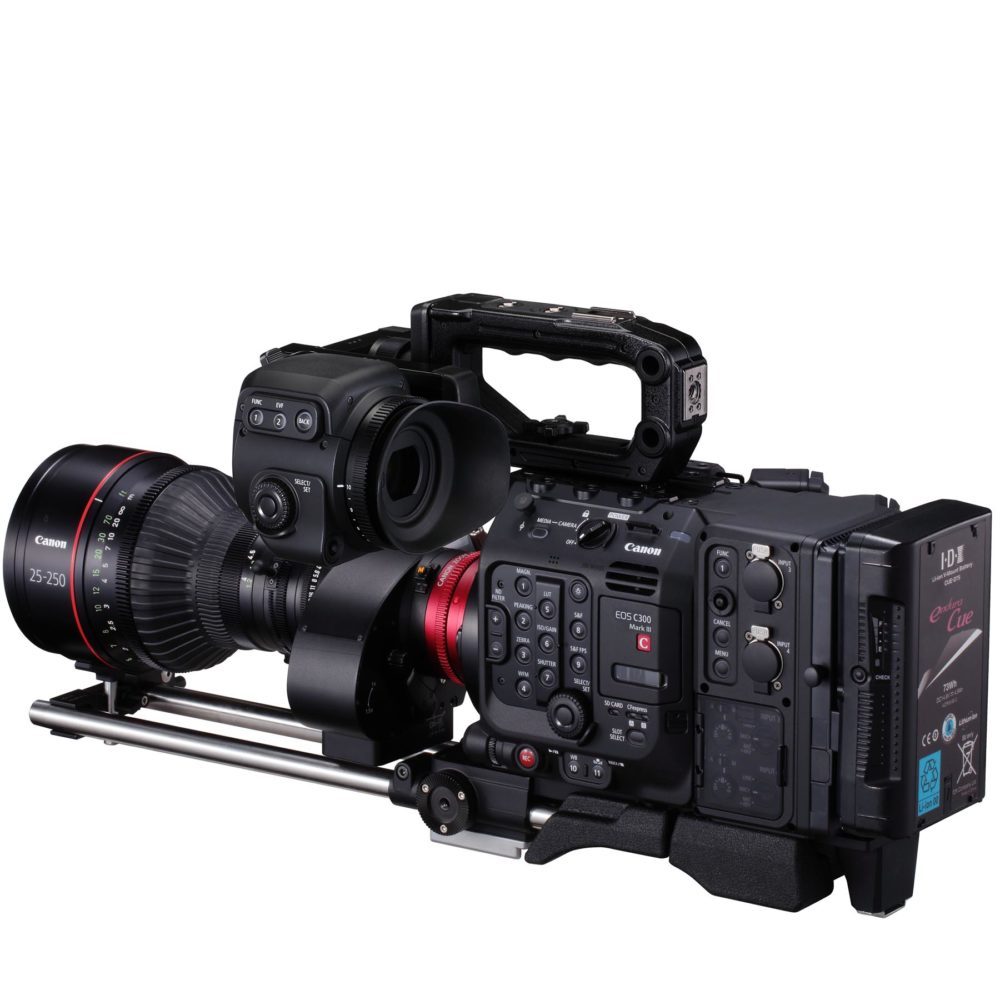
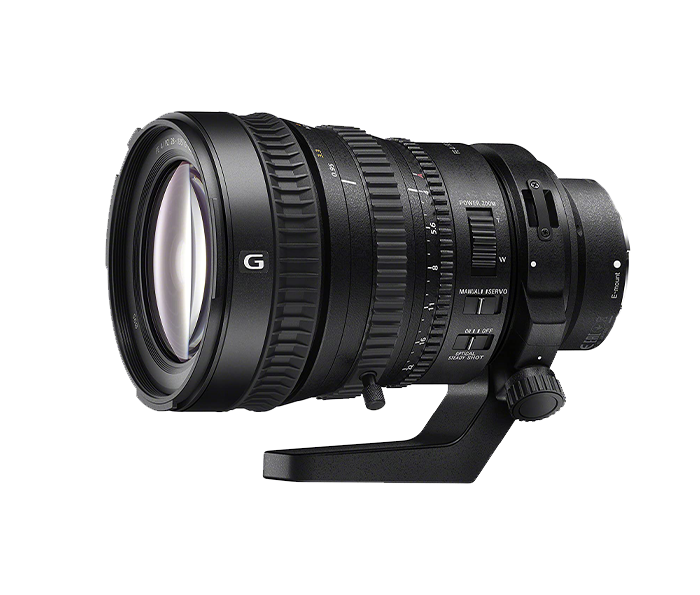
Documentary filmmaking places unique demands on equipment because you cannot control your subjects, light, or environment. The camera must be ready instantly, expose correctly in rapidly changing conditions, track subjects without camera operator intervention, and stay mounted on a shoulder rig or handheld for hours. At the budget tier, the Panasonic GH4, Sony A6300, and Nikon Z30 are capable field cameras for under $500 used. Pair them with a Canon EF-S 18-135mm or Sony E 18-105mm f/4 G for single-lens coverage across wide and medium telephoto distances. Mid-range documentary work has settled on the Sony A7 IV, Canon EOS R6 Mark II, and Blackmagic URSA Mini 4.6K as the sweet spot. The Sony FE 24-105mm f/4 G and Canon EF 24-105mm f/4L IS cover most interview and field scenarios in a single lens. For observational style, the Sigma 18-35mm f/1.8 gives you wide-to-standard coverage at f/1.8 — critical for available-light interior shooting. For broadcast and festival documentary work, the Canon EOS C300 Mark III, Sony FX6, and ARRI AMIRA are the professional standards. The Canon CN-E 18-80mm T4.4 is widely used for documentary because it covers a wide range in a single servo zoom. The Sony FE PZ 28-135mm f/4 G is the mirrorless equivalent — a power zoom covering 28-135mm with constant aperture. Reliable autofocus matters more in documentary than any other genre except sports. Canon's Dual Pixel AF and Sony's Real-Time Eye-AF are the two most trusted systems for tracking interview subjects, crowd scenes, and animals. The C70, FX3, and R6 Mark II excel in this regard. Audio: every documentary must have a primary boom (Sennheiser MKH 416 or equivalent) and a backup lavalier on every subject. Two channels minimum — never single-channel for anything that matters.
Recommended Documentary Filmmaking Gear
Budget Documentary Filmmaking Gear
Compact solutions, decent battery life, decent AF, minimal rigging needed
Cameras
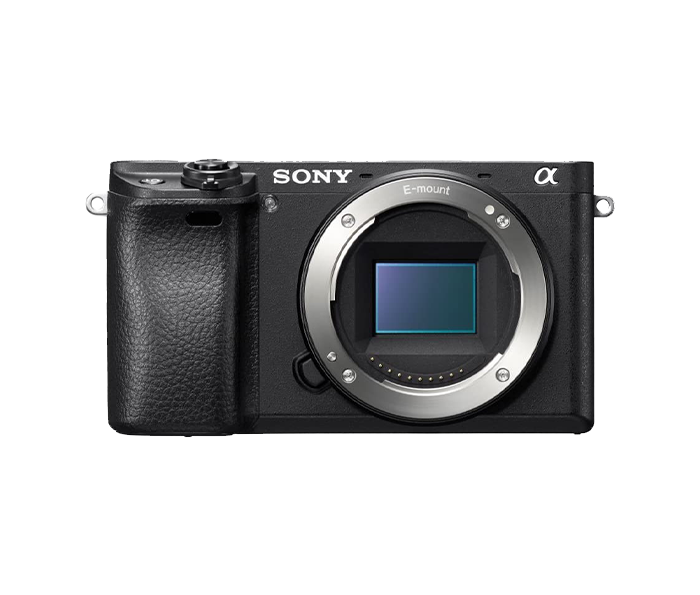
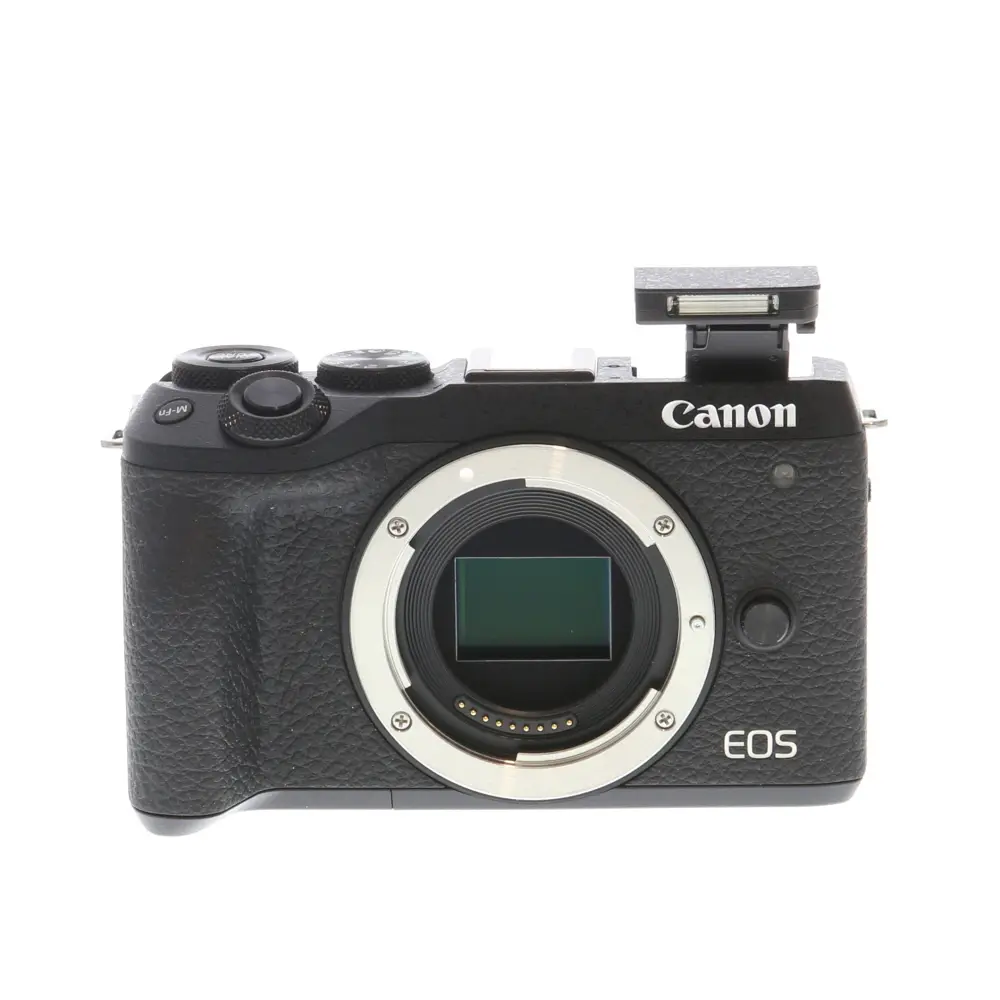
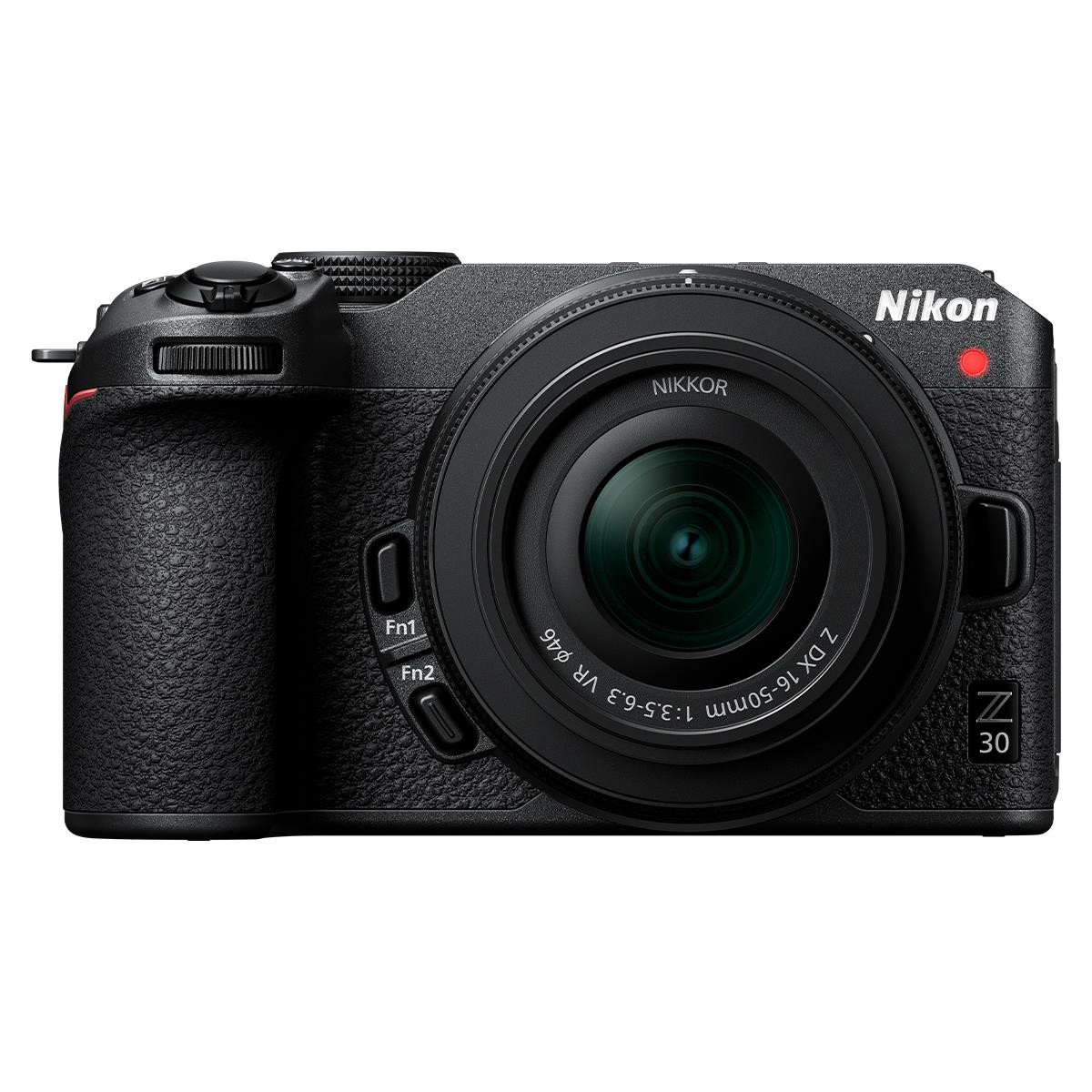
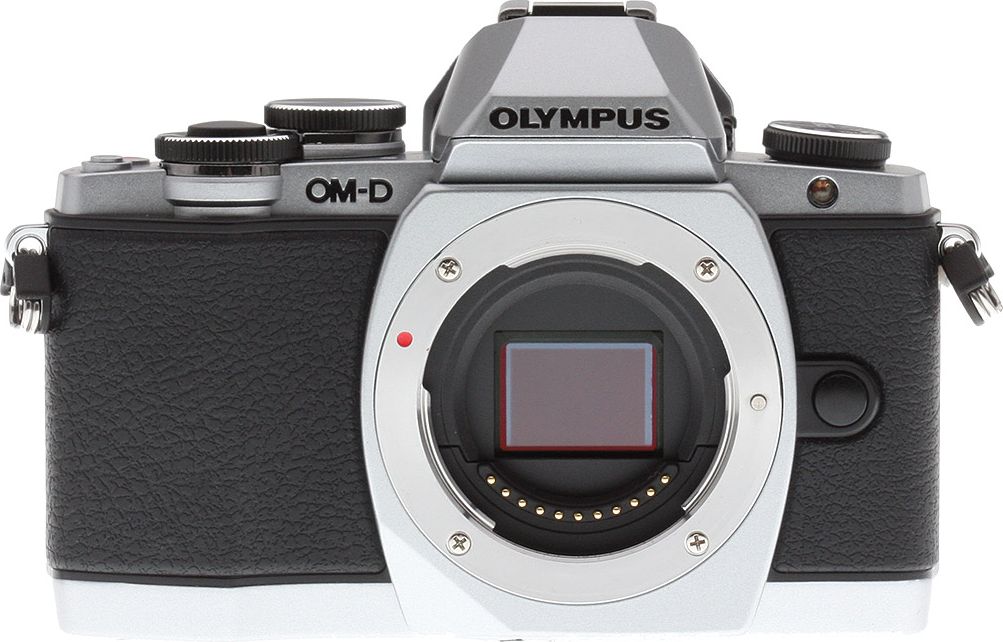
Lenses
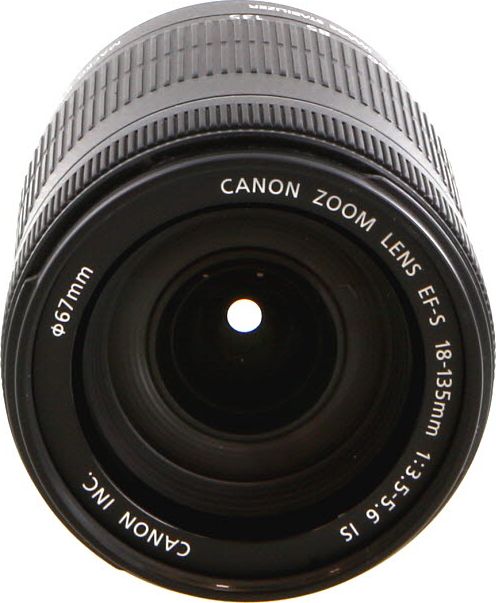
Canon EF-S 18-135mm f/3.5-5.6 IS Lens
View on GearFocus →Nikon AF-S 18-105mm f/3.5-5.6
Sony E 18-105mm f/4 G
Panasonic 14-140mm f/3.5-5.6
Fujifilm XC 16-50mm
Documentary Filmmaking Gear on GearFocus
Why Documentary Filmmaking Photographers Choose GearFocus
Documentary filmmakers need gear they can rely on across months of production in varied environments — and GearFocus gives you verified sellers and pricing data to build that kit without paying new retail. With market pricing data from thousands of real transactions, buyers can verify market pricing on workhorses like the Sony A7S III, Canon EOS C300 Mark III, and Blackmagic Pocket 6K before committing. Every seller undergoes identity verification, not just account rating — so condition descriptions on cameras that have shot in the field, in low light, and under physical duress come with accountability behind them. Unlike general marketplaces where professional video listings sit alongside consumer electronics from anonymous accounts, GearFocus is a camera-specific marketplace where documentary gear sellers understand what sustained professional use actually means for condition ratings.
Verified Sellers Only
Every seller on GearFocus undergoes identity verification before listing gear. You know who you're buying from — not just an anonymous account.
48-Hour Buyer Protection
Inspect your gear within 48 hours of delivery. If the item doesn't match the listing description, return shipping is covered.
5% Fee vs. 13.6% on eBay
GearFocus charges a 5% platform fee. eBay averages 13.6% in fees. Sellers keep more — which means more competitive pricing for buyers.
What to Look For in Documentary Filmmaking Gear
Camera Sensor
Super 35 or Full-Frame Sensor for Cinematic & Broadcast Quality
Resolution
4K Minimum, 6K+ Preferred for Future-Proofing & Cropping
Dynamic Range
At Least 13+ Stops for Handling High-Contrast Scenes
ISO Performance
Dual Native ISO for Low-Noise Performance in Mixed Lighting
Lens Type
Zoom & Prime Lenses (24-70mm, 70-200mm, 35mm, 50mm)
Aperture
Fast Aperture (f/2.8 or Lower for Low-Light Adaptability)
Shutter Speed
180° Shutter Angle Support for Natural Motion Capture
Stabilization
In-Body Image Stabilization (IBIS) / Optical Stabilization, Gimbal, or Shoulder Rig Support for Handheld Shooting
Screen Type
Fully Articulating LCD & External Monitor Support
Audio Input
XLR Inputs or 3.5mm Jack for Professional Audio Capture
Video Resolution
10-bit 4:2:2 Internal Recording for Broadcast Quality
Slow Motion
4K/60FPS or Higher for Cinematic B-Roll & Interviews
Log Profiles
LOG Recording (C-Log, S-Log3, V-Log) for Post-Production
External Recording
RAW Output via HDMI or SDI for Maximum Quality
Connectivity
WiFi, Ethernet & SDI for Remote Control & Streaming
Power Supply
USB-C or V-Mount Battery for Extended Shoots
Storage
CFExpress, SSD, or CFast 2.0 for High Bitrate Recording
Software Support
Compatible with DaVinci Resolve, Adobe Premiere Pro
Lighting Control
DMX Support & Remote-Controlled LED Lighting
Weather Sealing
Rugged & Weatherproof Build for Outdoor Filmmaking
Customization
Assignable Function Buttons & LUT Monitoring
Tripod Mount
Arca-Swiss & Quick-Release Plate Compatibility
FAQs
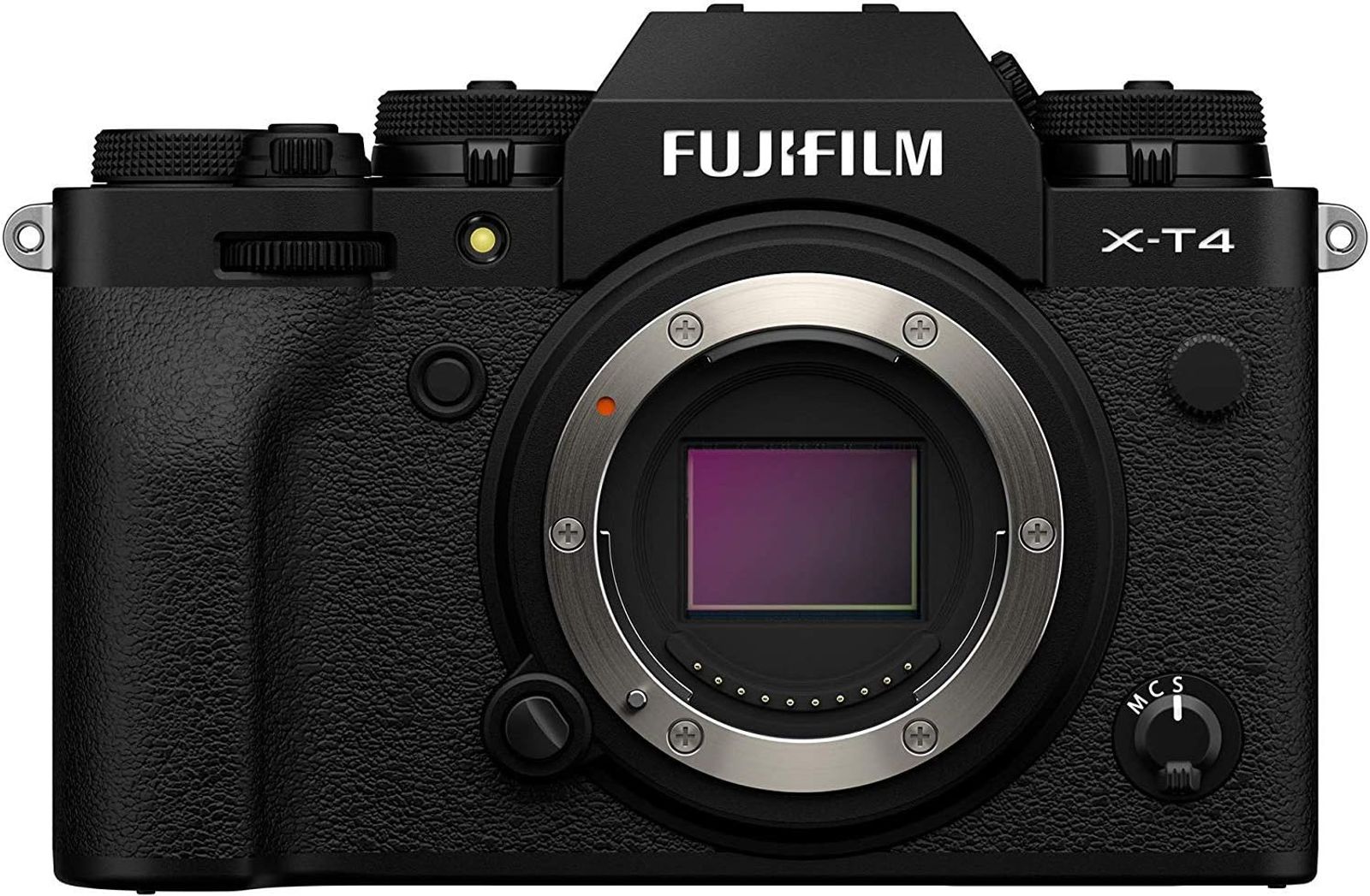
The best documentary cameras combine reliable autofocus, good stabilization, and broadcast-quality video in a form factor that doesn't intimidate subjects. Top choices include the Canon EOS C70 (Cinema RAW Light, built-in ND, Dual Pixel AF), Sony FX3 (full-frame sensor, compact, excellent Real-Time Eye-AF), and Blackmagic Pocket 6K Pro (6K RAW, Super 35, built-in ND). Mid-range documentary shooters use the Sony A7 IV and Canon EOS R6 Mark II. Budget documentary work is done successfully on the Panasonic GH4, Sony A6300, and Fujifilm X-T4.
The 24-105mm range covers most documentary scenarios — wide enough for establishing shots and handheld interiors, long enough for subject-distance medium shots without being conspicuous. The Canon EF 24-105mm f/4L IS, Sony FE 24-105mm f/4 G, and Nikon AF-S 24-120mm f/4 VR are the standard documentary zooms. For low-light observational work, the Sigma 18-35mm f/1.8 (f/1.8 throughout the range) is irreplaceable. A fast 50mm prime like the Canon EF 50mm f/1.4 or Sony FE 50mm f/1.8 is useful for available-light interview b-roll.
Low-light documentary shooting requires a camera with dual native ISO and a fast lens. Cameras like the Sony FX3 (dual native ISO 800/4000 in S-Cinetone), Canon EOS C70, and Panasonic S5 II handle ISO 6400 with minimal noise. Pair them with fast lenses — Sigma 18-35mm f/1.8, Sony FE 35mm f/1.4 GM, or Canon EF 50mm f/1.4 — to maximize available light. Avoid pushing ISO beyond dual native if possible; instead, open the aperture and accept shallower depth of field. If the scene requires it, a portable LED panel like an Aputure AL-MX provides clean, color-accurate fill without disrupting the subject.
It depends on your style. Observational documentaries often embrace handheld camera movement as evidence of presence — a gimbal can make footage feel too polished and distant. Strong in-body stabilization (IBIS) from cameras like the Sony A7 IV or Canon EOS R6 Mark II handles most handheld shooting without a gimbal. If your project requires smooth tracking shots — following subjects through spaces — a gimbal like the DJI RS 3 or Zhiyun Crane 3S is the right tool. A shoulder rig is often preferred over a gimbal for long shooting days because it distributes weight ergonomically and reads as more natural on-screen.
A documentary audio kit has three components: a boom operator-mounted directional microphone (Sennheiser MKH 416 or Rode NTG5), a lavalier microphone on every speaking subject (Sanken COS-11 or DPA 4060), and a portable audio recorder or camera with XLR inputs. The Canon EOS C70 and Sony FX3 have built-in XLR inputs for direct boom connection. For mirrorless cameras, a Zoom F3 or Sound Devices MixPre-3 as a separate recorder protects against camera audio failures. Never shoot important interviews without a backup audio source — camera mics are only for reference scratch audio.
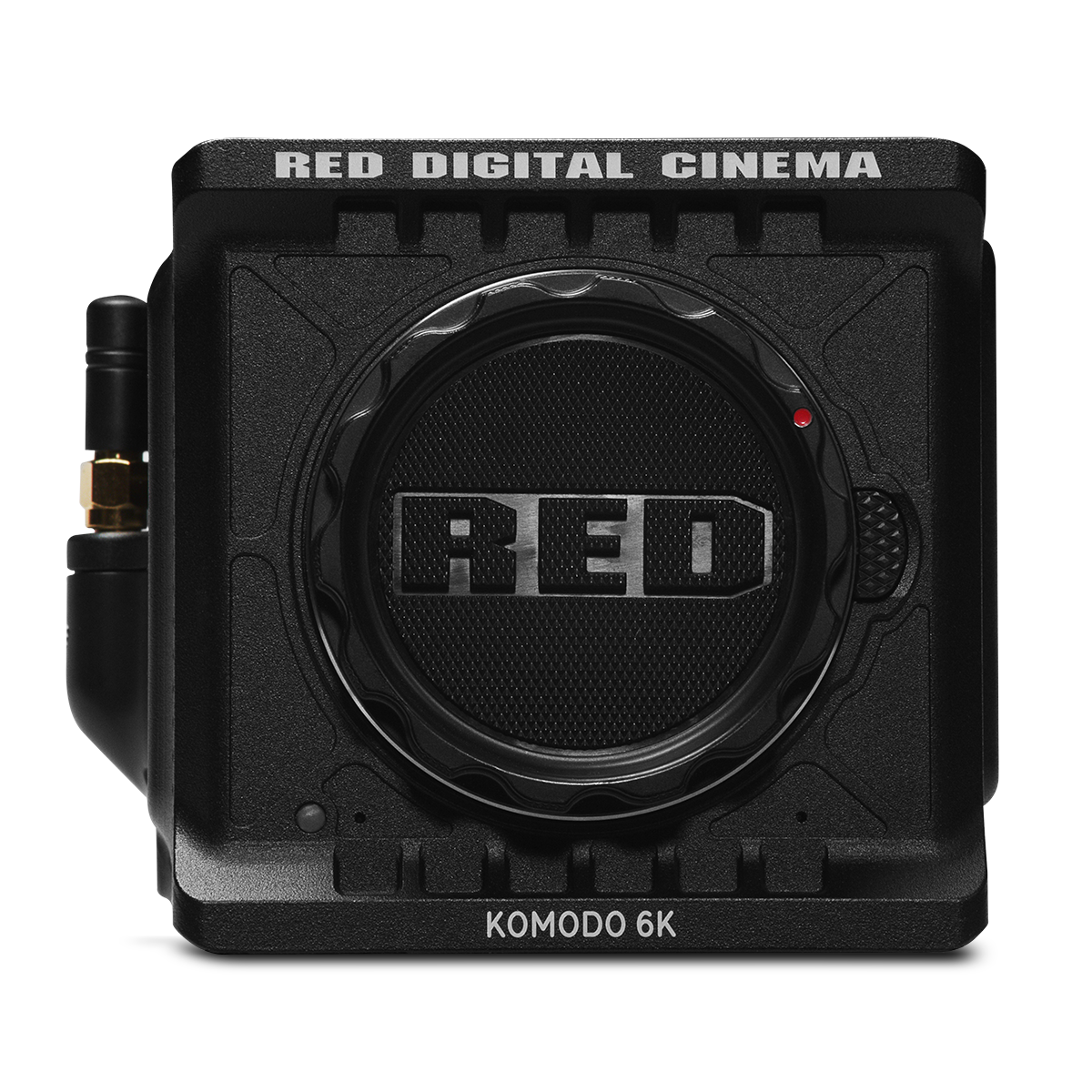
Documentary filmmaking prioritizes adaptability, speed, and minimal footprint — you use handheld rigs, fast autofocus, zoom lenses for versatility, and run lean crews that don't intimidate subjects. Narrative filmmaking prioritizes control and optical precision — you use prime lenses on follow-focus systems, manual focus, larger crews, and cameras selected for their cinema RAW quality. Documentary cameras like the Canon EOS C70 and Sony FX3 are designed for one-person operation with reliable autofocus. Narrative cinema cameras like the RED KOMODO or ARRI AMIRA are built for controlled environments with dedicated camera assistants pulling focus manually.
Yes, when buying from a verified marketplace. GearFocus requires identity verification for all sellers and includes 48-hour buyer protection on every purchase — if a Canon EOS C70 or Sony FX3 arrives with autofocus tracking issues, audio input problems, or stabilization below described condition, you get a full refund with seller-paid return shipping. Unlike general marketplaces, GearFocus sellers are part of the filmmaking community and accurately describe run-and-gun usability, XLR input condition, and field wear. Documentary projects often span months — buying a supplement body or backup lens on GearFocus between shoots keeps costs manageable without compromising reliability.