Used 360° and VR Camera Gear for VR Videographers
VR videographers need 360° cameras with minimum 8K resolution, dual-fisheye or multi-lens systems for seamless stitching, and at least 12 stops of dynamic range for HDR immersive content. The professional threshold for VR production is 8K resolution across the full 360° sphere, 60fps minimum for motion comfort in headsets, and a stitching pipeline that eliminates visible seams at arm's length — content below those specs is visibly degraded on modern headsets like Meta Quest 3 and Apple Vision Pro. The Insta360 ONE X2 and GoPro MAX anchor the budget tier, while the Insta360 Pro 2 and Kandao Obsidian R handle professional VR production. GearFocus connects you with verified sellers offering used 360° cameras starting from $150 with 48-hour buyer protection.
Browse 360° & VR Video GearUsed 360° and VR Camera Gear for VR Videographers
VR videographers need 360° cameras with minimum 8K resolution, dual-fisheye or multi-lens systems for seamless stitching, and at least 12 stops of dynamic range for HDR immersive content. The professional threshold for VR production is 8K resolution across the full 360° sphere, 60fps minimum for motion comfort in headsets, and a stitching pipeline that eliminates visible seams at arm's length — content below those specs is visibly degraded on modern headsets like Meta Quest 3 and Apple Vision Pro. The Insta360 ONE X2 and GoPro MAX anchor the budget tier, while the Insta360 Pro 2 and Kandao Obsidian R handle professional VR production. GearFocus connects you with verified sellers offering used 360° cameras starting from $150 with 48-hour buyer protection.
Browse 360° & VR Video GearWhat 360° & VR Video Photographers Need
VR and 360° video production has different demands than any other camera discipline — resolution and stitching quality are the primary concerns, not sensor size or lens selection. Because viewers can look in any direction, every corner of the frame must be sharp and correctly stitched at the seams. At the budget tier, the Insta360 ONE X2 and GoPro MAX are the dominant consumer choices. Both offer integrated dual-fisheye lenses, in-camera stitching, and 5.7K resolution — adequate for social VR platforms and basic immersive content. The Samsung Gear 360 and Vuze XR are older alternatives available at very low used prices for experimentation. Professional VR production requires stepping up to the Insta360 Pro 2 or Kandao Obsidian R. The Insta360 Pro 2 shoots 8K in six-lens stereo 3D — the standard for premium VR experiences on Oculus and other headsets. The Kandao Obsidian S is popular for live VR streaming at 8K. For highest-end productions, custom multi-camera rigs using RED or ARRI bodies with specialized fisheye lenses achieve resolutions that exceed any integrated 360° camera. Key considerations: stitching quality varies significantly between cameras and software — the Insta360 Pro 2 has the most mature pipeline. Stabilization matters because handheld 360° footage causes viewer disorientation. Look for cameras with built-in 6-axis stabilization or plan to mount on a monopod or tripod.
Recommended 360° & VR Video Gear
Budget 360° & VR Video Gear
Affordable 360 capture, simpler stitching, moderate resolution, single-lens solutions
Cameras
Ricoh Theta SC2
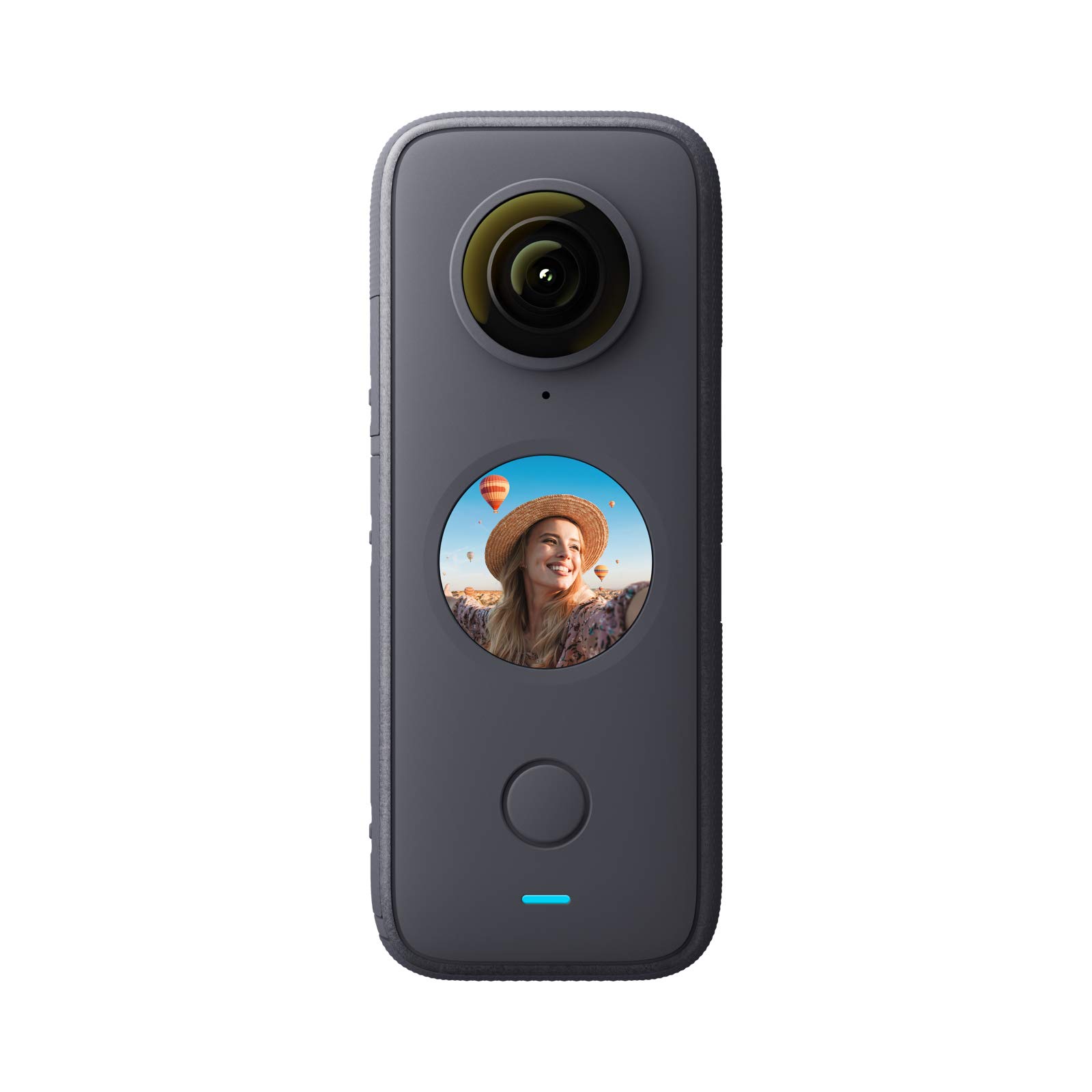
Insta360 ONE X2 360 Camera
Market value: ~$399.99
View on GearFocus →Samsung Gear 360
Vuze XR
GoPro Fusion
Lenses
Insta360 ONE X2 integrated
Ricoh Theta SC2 integrated
GoPro MAX integrated
Samsung Gear 360 integrated
Vuze XR integrated
360° & VR Video Gear on GearFocus
Why 360° & VR Video Photographers Choose GearFocus
360° and VR cameras — Insta360 Pro 2, Kandao Obsidian, Ricoh Theta Z1 — depreciate sharply as new models release, and GearFocus captures that turnover from verified sellers at a fraction of original retail. With 3,000+ identity-verified sellers on the platform, buyers sourcing professional VR production gear have accountability behind every listing that general marketplaces can't provide. GearFocus's 48-hour buyer protection with seller-paid return shipping means you can test stitching performance, verify all lens elements are functioning, and confirm firmware compatibility with your workflow before the return window closes. At 8.5% total fees versus eBay's 13.6%, sellers listing professional VR gear retain more per transaction — which means more complete professional systems reach buyers at competitive pricing.
Verified Sellers Only
Every seller on GearFocus undergoes identity verification before listing gear. You know who you're buying from — not just an anonymous account.
48-Hour Buyer Protection
Inspect your gear within 48 hours of delivery. If the item doesn't match the listing description, return shipping is covered.
5% Fee vs. 13.6% on eBay
GearFocus charges a 5% platform fee. eBay averages 13.6% in fees. Sellers keep more — which means more competitive pricing for buyers.
What to Look For in 360° & VR Video Gear
Camera Sensor
High-Resolution Sensors (8K+ for VR Production)
Resolution
8K Minimum, 12K Preferred for High-Quality VR Experiences
Dynamic Range
At Least 12+ Stops for Immersive HDR Footage
ISO Performance
Low-Noise ISO for Indoor & Outdoor VR Shoots
Lens Type
Dual-Fisheye or 360° Panoramic Lenses
Shutter Speed
Fast Electronic Shutter for Synchronized Multi-Lens Capture
Frame Rate
60FPS Minimum, 120FPS Preferred for Smooth VR Playback
Bit Depth
10-bit or Higher for HDR & Color Grading Flexibility
Stabilization
AI-Powered Digital Stabilization for Shake-Free VR Content
Video Format
LOG & RAW Video Support for Maximum Editing Control
Audio
Ambisonic & 3D Binaural Audio Support for Immersive Sound
External Recording
ProRes, BRAW, or High-Bitrate H.265 for VR Mastering
Connectivity
Live VR Streaming Capabilities via WiFi & 5G
Live Streaming
Direct 360° Broadcast Support for YouTube VR & Facebook 360
Editing Workflow
VR-Optimized Video Processing in Premiere Pro & Mistika VR
AI Features
Auto Horizon Leveling & Smart Reframing for 16:9 Exports
Lighting
360° Adaptive Lighting Compatibility for Studio & Outdoor Shoots
Power Supply
High-Capacity Battery Support for Extended 360° Shoots
Storage
High-Speed SSD or SDXC for Large Multi-Cam VR Files
Tripod Mount
Multi-Axis VR Mounts & Gimbal Compatibility for Motion Capture
FAQs
Consumer VR videographers use the Insta360 ONE X2 and GoPro MAX — both shoot 5.7K with integrated stitching and are the de facto standard for social VR content. Professional VR producers use the Insta360 Pro 2, which shoots 8K stereo 3D across six lenses with a mature stitching pipeline. The Kandao Obsidian R and Insta360 Titan are used for premium cinematic VR. High-end agency productions use custom multi-camera arrays built around RED or ARRI cinema cameras with fisheye lenses — these are the most expensive but yield the highest resolution and dynamic range.
Minimum 4K (4096x2048) for 360° monoscopic content, though this looks soft on modern headsets. 6K is better for social VR platforms. 8K is the current professional standard — the Insta360 Pro 2 and Kandao Obsidian shoot 8K and this resolution holds up on the latest Meta Quest and Apple Vision Pro headsets. 12K is preferred for future-proofing, as headset resolution continues to increase. Stereoscopic 3D VR doubles the resolution requirement because each eye receives a separate image stream.
The GoPro MAX is an excellent entry point for 360° video — it shoots 5.7K, has robust in-camera stabilization (MAX HyperSmooth), and integrates cleanly with GoPro's editing ecosystem. Its limitations are resolution (below the 8K professional threshold) and dynamic range in high-contrast environments. For social media 360° content, YouTube 360° uploads, and immersive travel documentation, the MAX is entirely adequate. For professional VR production intended for headset platforms, the Insta360 Pro 2 is the step up. Used GoPro MAX cameras are available on GearFocus.
Consumer cameras like the Insta360 ONE X2 and GoPro MAX stitch automatically in their companion apps — this is their primary advantage. Professional cameras require dedicated stitching software: Insta360's Stitcher, Kandao's Kolor Autopano Video, or Adobe Premiere Pro with the VR Comp Editor. Stitching quality depends on scene depth, lens calibration, and the distance of objects to the stitch line. Objects close to the camera at the seam lines cause 'ghosting' artifacts — keeping subjects in the middle of lenses rather than at the edges avoids most stitching problems.
360° video is a passive format — viewers can look in any direction but are not 'inside' the scene in an interactive sense. VR video is a category that includes 360° video but also encompasses stereoscopic 3D content that gives genuine depth perception, making it far more immersive. Most consumer 360° cameras (GoPro MAX, Insta360 ONE X2) shoot monoscopic 360° — the same image to both eyes. True VR production requires stereo 360° recording, where each eye receives a slightly different perspective. The Insta360 Pro 2 and Kandao Obsidian R are designed specifically for stereoscopic VR production.
60fps minimum for comfortable VR playback — lower frame rates cause motion sickness when viewers move their heads. 120fps is preferred for the smoothest experience on high-refresh headsets. The Insta360 ONE X2 supports 5.7K/30fps and 3K/100fps. The Insta360 Pro 2 supports 8K/30fps and 4K/120fps. For live VR streaming, 30fps at 4K or 6K is the practical limit given current encoding bandwidth. Always shoot higher than your delivery spec so you have downscale latitude.
Yes, when buying from a verified marketplace. GearFocus requires identity verification for all sellers and includes 48-hour buyer protection on every purchase — if an Insta360 Pro 2 or GoPro MAX arrives with stitching errors, damaged fisheye lenses, or stabilization issues, you get a full refund with seller-paid return shipping. Unlike general marketplaces, GearFocus sellers understand what stitching pipeline maturity and lens calibration mean to VR production. 360° cameras depreciate quickly as new models release, making GearFocus a practical source for professional VR gear like the Insta360 Pro 2 and Kandao Obsidian at verified used pricing.