Used Camera Gear for Wildlife Photographers
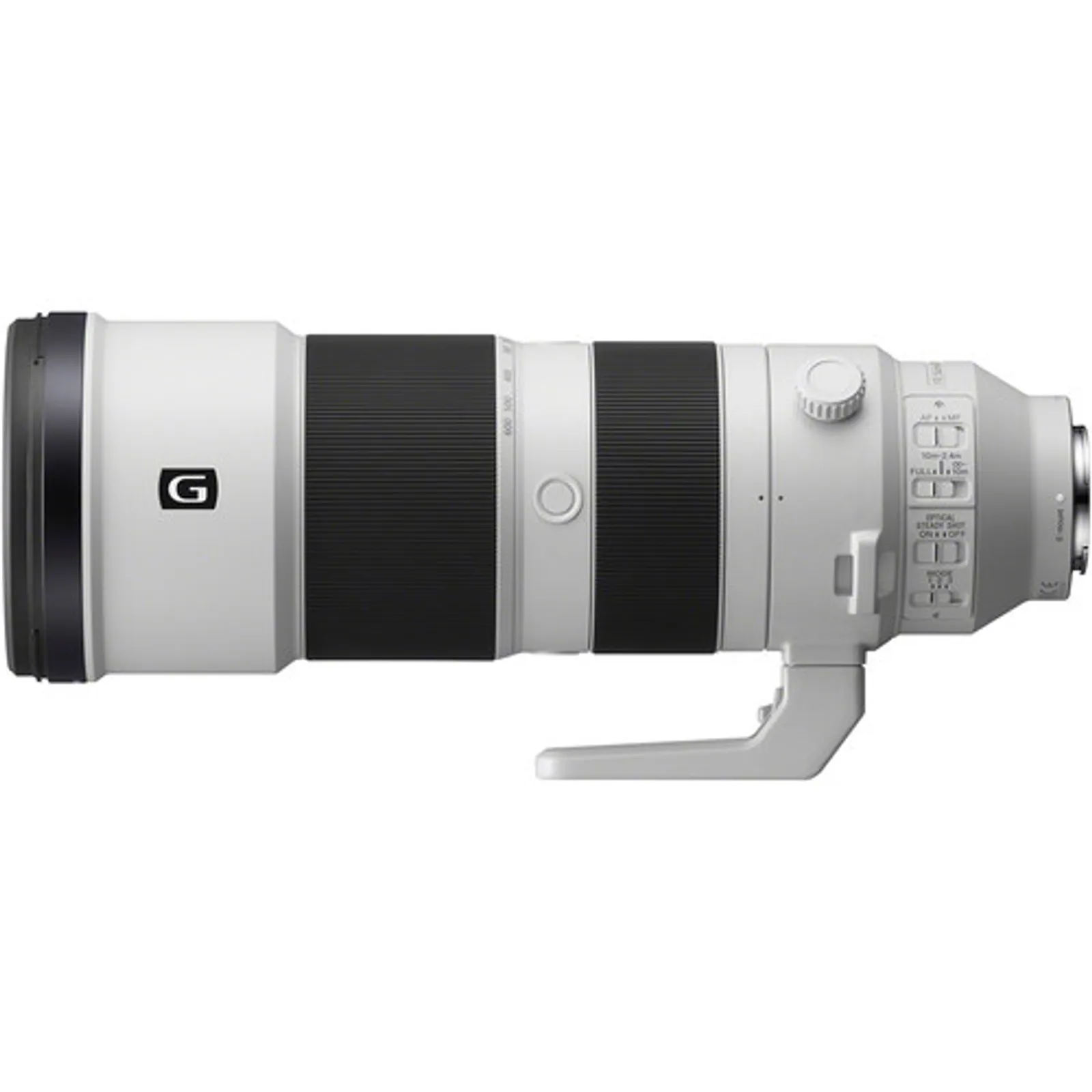
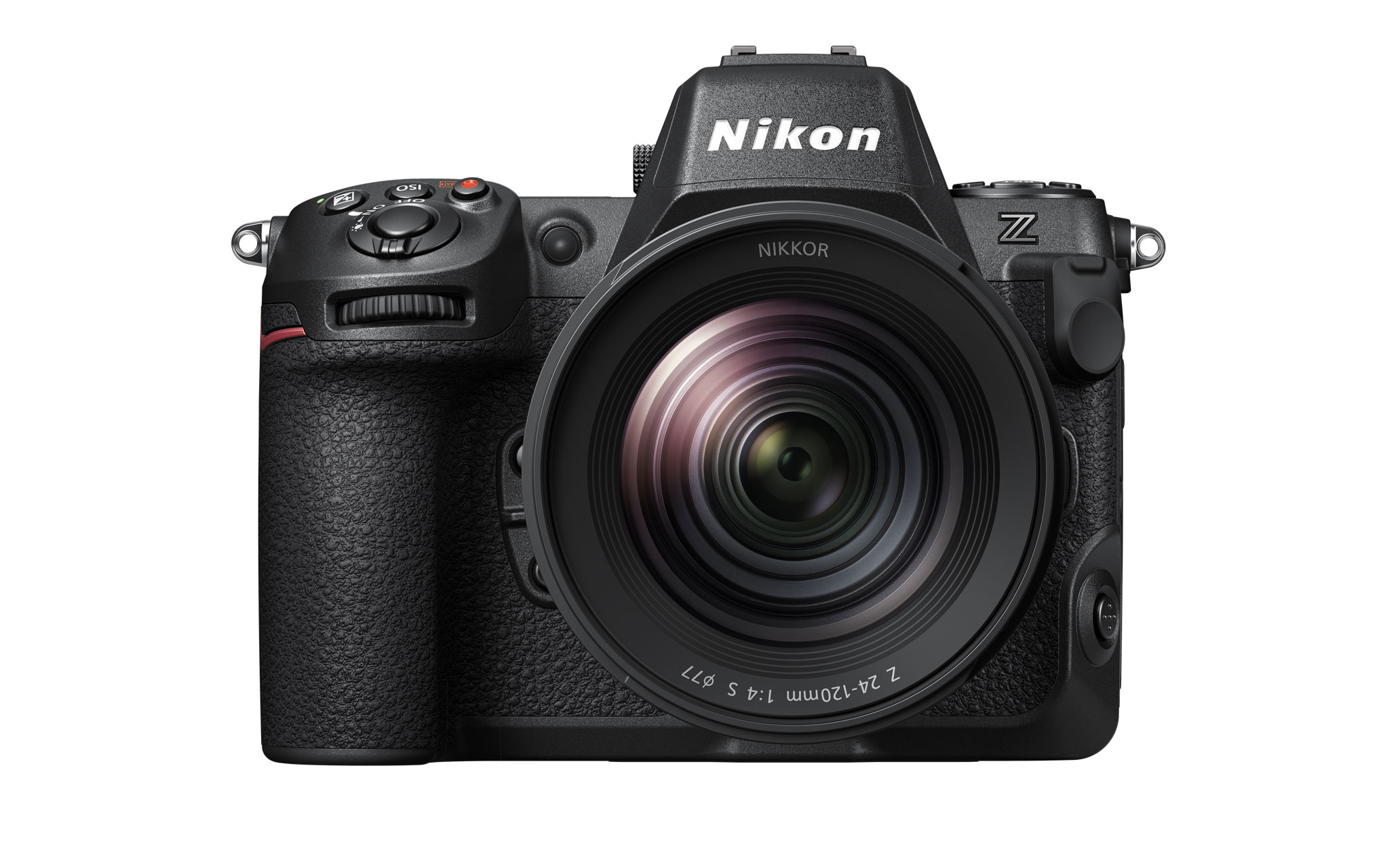
Wildlife photographers need fast autofocus, high burst rates, and long telephoto reach — typically a full-frame or APS-C body paired with a 100-400mm or 500mm+ lens. The practical minimum for field-ready wildlife work is 20 FPS continuous burst, 400mm equivalent reach, and a buffer that sustains 50+ raw frames — below those thresholds, keepers per session drop sharply. The Sony A1, Nikon Z9, and Canon EOS R3 are the benchmark bodies for tracking unpredictable subjects, while the Canon EF 100-400mm f/4.5-5.6L IS II and Sony FE 200-600mm f/5.6-6.3 G cover most field scenarios. GearFocus connects you with verified sellers offering used wildlife cameras and telephoto lenses starting from $800, with 48-hour buyer protection on every purchase.
Browse Wildlife Photography GearUsed Camera Gear for Wildlife Photographers
Wildlife photographers need fast autofocus, high burst rates, and long telephoto reach — typically a full-frame or APS-C body paired with a 100-400mm or 500mm+ lens. The practical minimum for field-ready wildlife work is 20 FPS continuous burst, 400mm equivalent reach, and a buffer that sustains 50+ raw frames — below those thresholds, keepers per session drop sharply. The Sony A1, Nikon Z9, and Canon EOS R3 are the benchmark bodies for tracking unpredictable subjects, while the Canon EF 100-400mm f/4.5-5.6L IS II and Sony FE 200-600mm f/5.6-6.3 G cover most field scenarios. GearFocus connects you with verified sellers offering used wildlife cameras and telephoto lenses starting from $800, with 48-hour buyer protection on every purchase.
Browse Wildlife Photography GearWhat Wildlife Photography Photographers Need
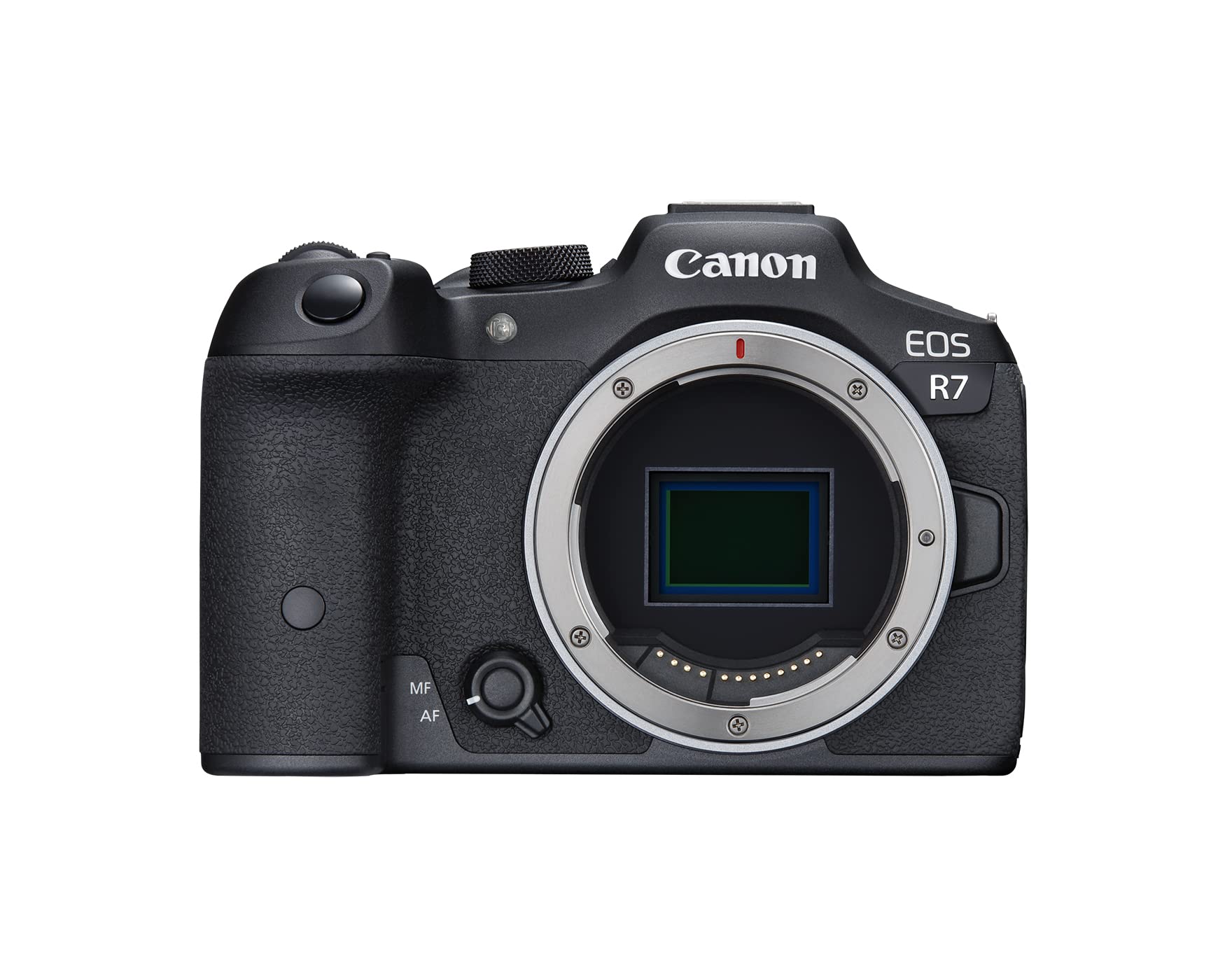
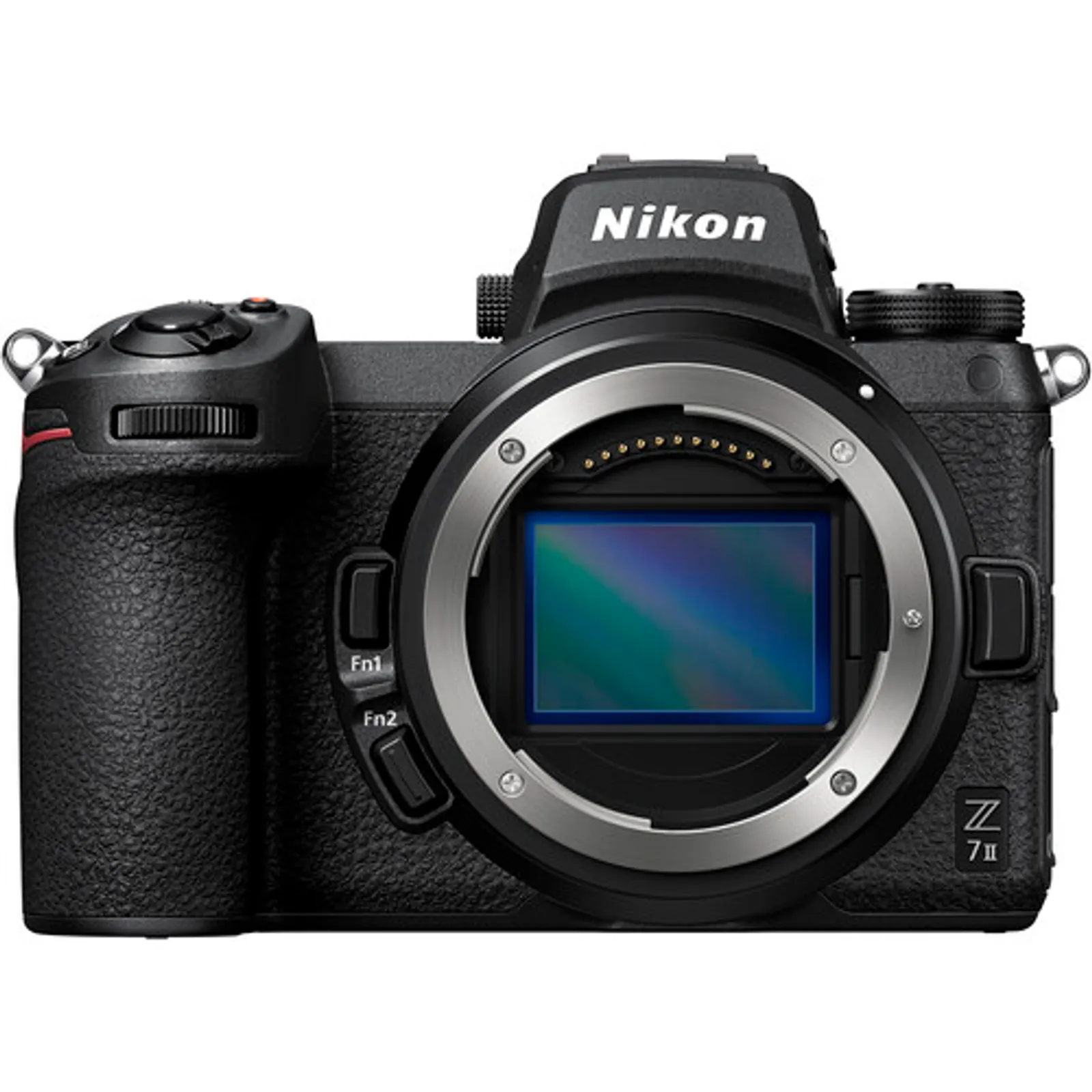
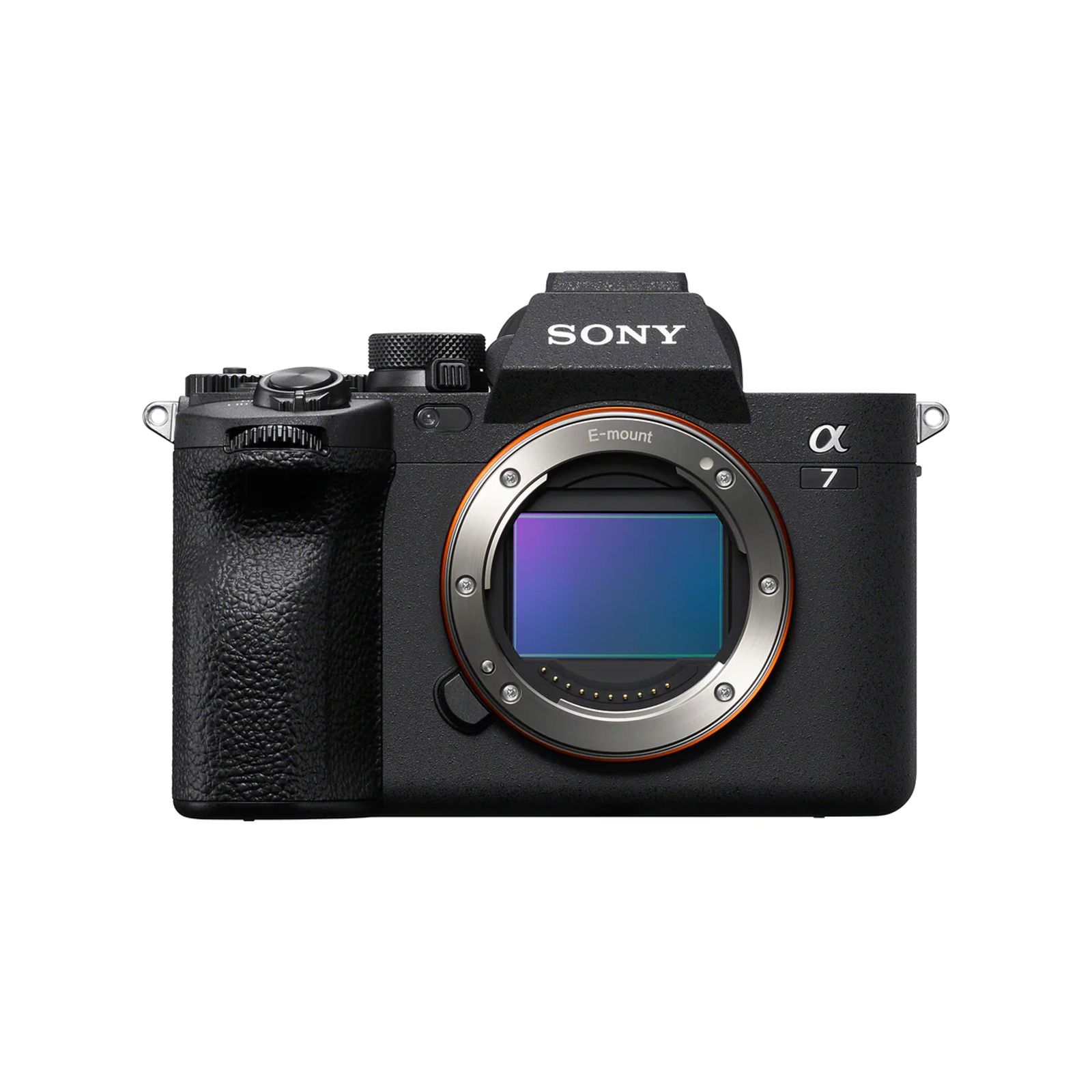
Wildlife photography demands a specific combination of speed, reach, and reliability. At the entry level, cameras like the Nikon Z6 II or Sony A7 III paired with a Sigma 100-400mm f/5-6.3 DG OS or Nikon AF-P 70-300mm f/4.5-6.3G VR give you a workable starting setup without the flagship price tag. As subjects get faster and farther — birds in flight, predators at distance — you'll want a body with 20+ FPS burst rates and deep buffer, plus a lens of at least 400mm. The midrange Fujifilm X-H2S and Canon EOS R7 punch above their price in AF speed due to APS-C crop factor giving extra effective reach. For serious field work, the Sony A1 or Nikon Z9 with a Canon EF 400mm f/2.8L IS III USM or Sony FE 200-600mm f/5.6-6.3 G OSS is the professional standard. Weather sealing matters — you'll be shooting at dawn in wet grass and noon in direct sun. Look for at least IPX4-rated bodies and lenses. Memory card write speed is also critical: you need cards that can keep up with 30+ RAW frames per second.
Recommended Wildlife Photography Gear
Budget Wildlife Photography Gear
Quick burst rates, reliable AF, moderate low-light performance
Cameras
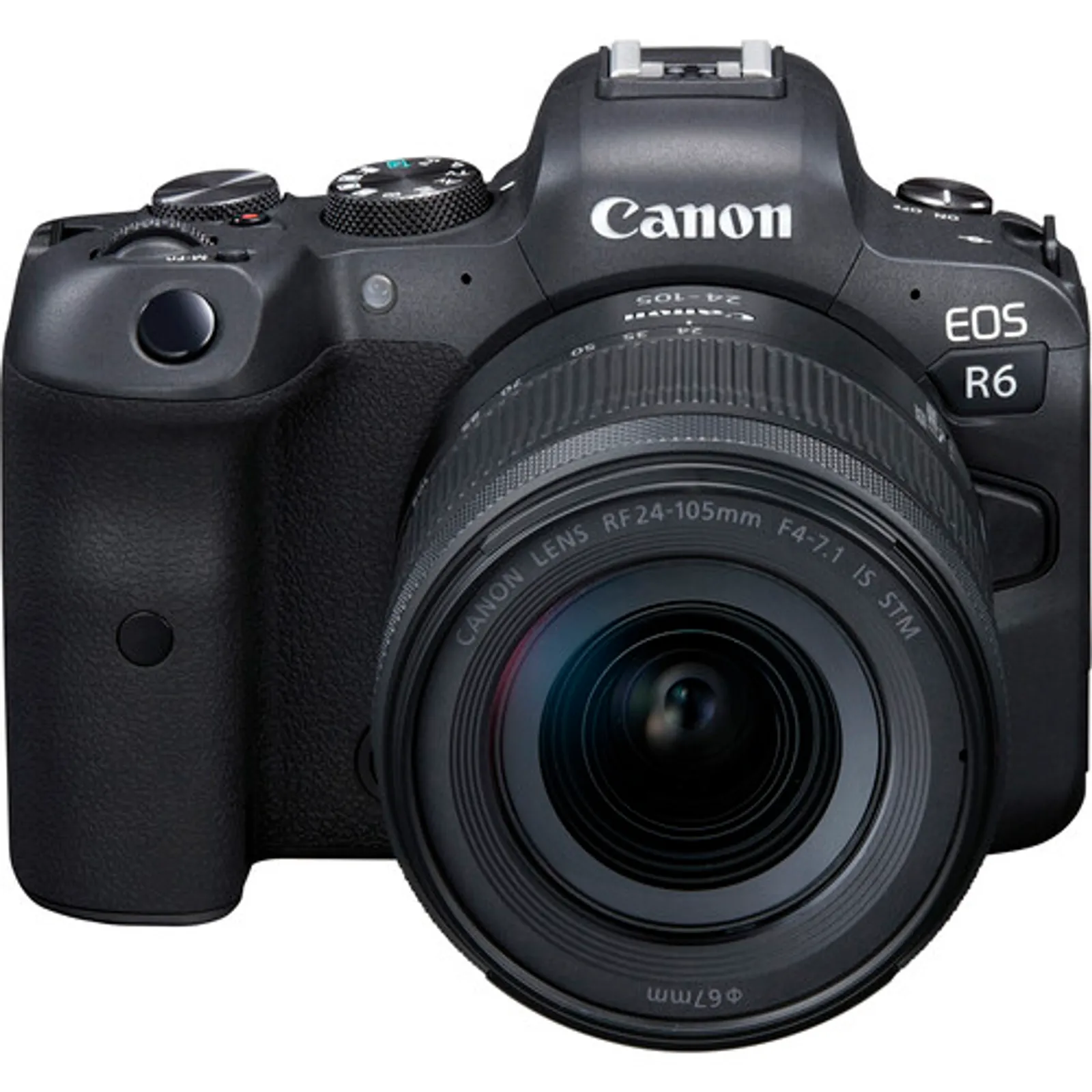
Canon EOS R6 Mirrorless Camera
Market value: ~$2,499
View on GearFocus →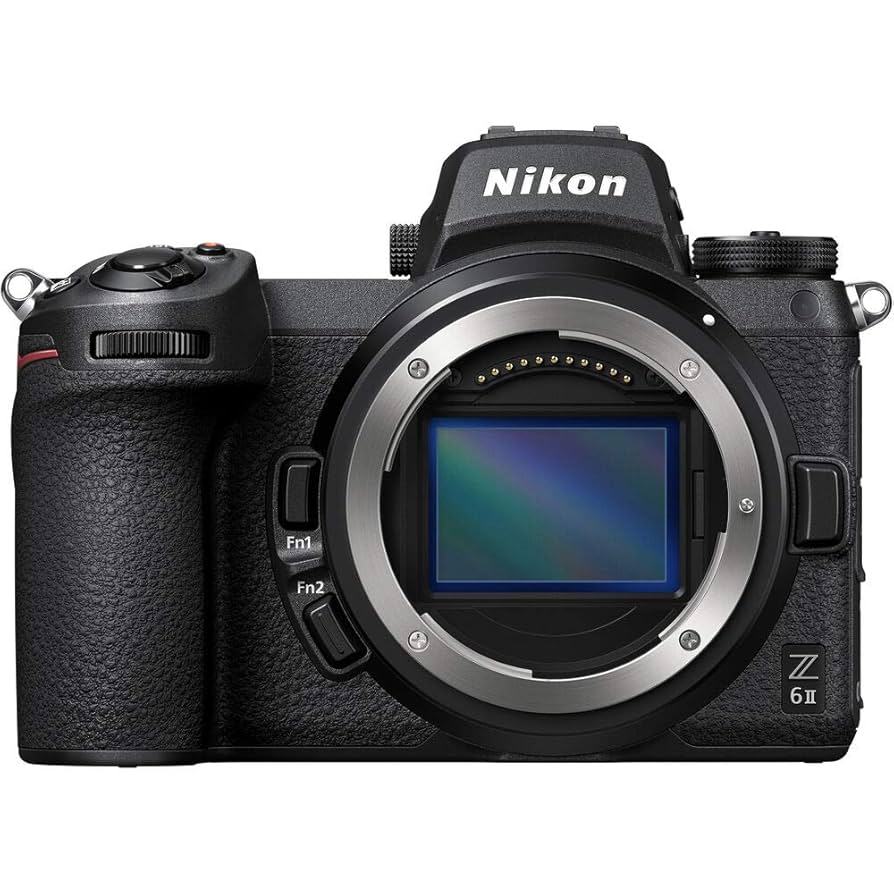
Nikon Z6II Mirrorless Camera
Market value: ~$1,999.95
View on GearFocus →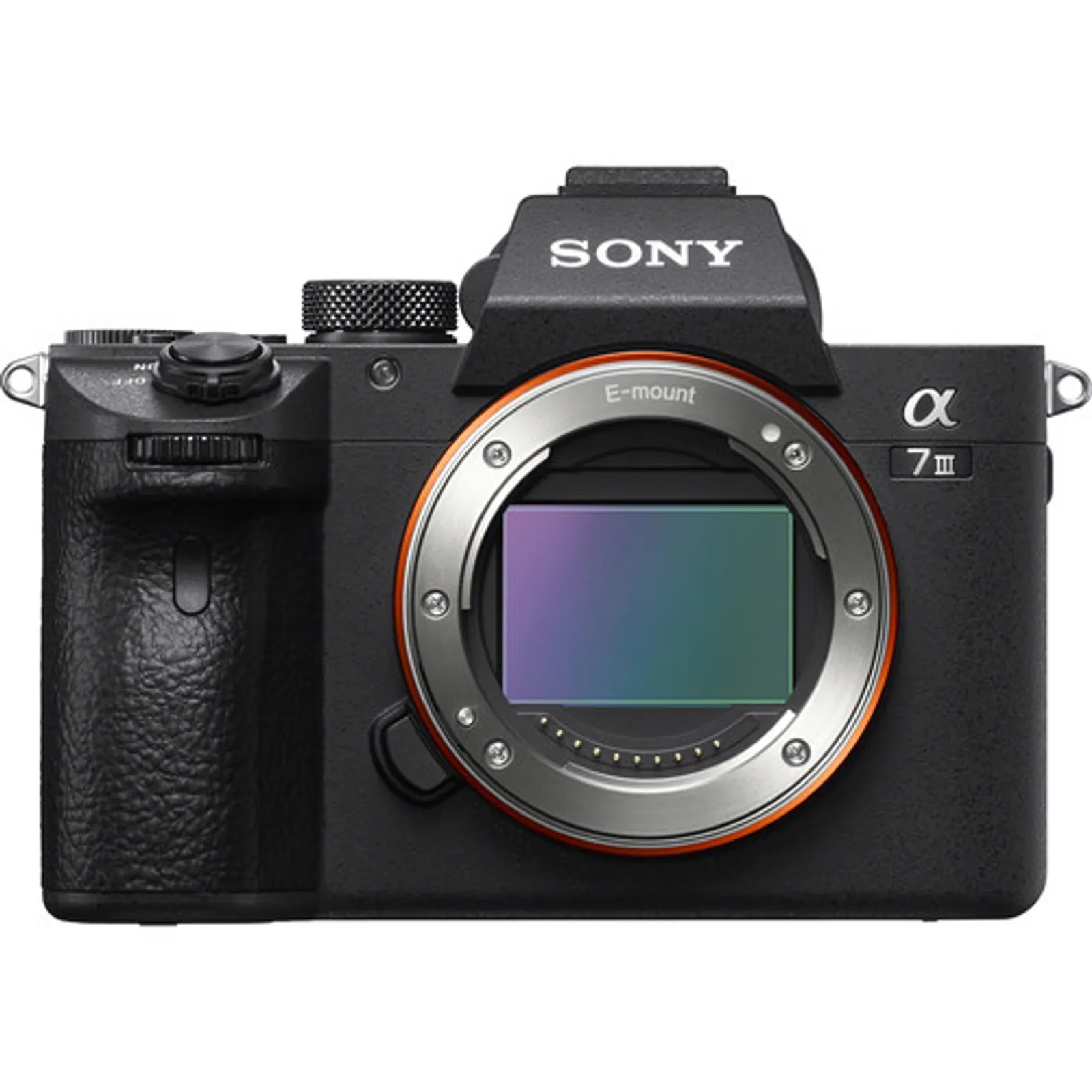
Sony Alpha 7 III Mirrorless Camera
Market value: ~$1,999
View on GearFocus →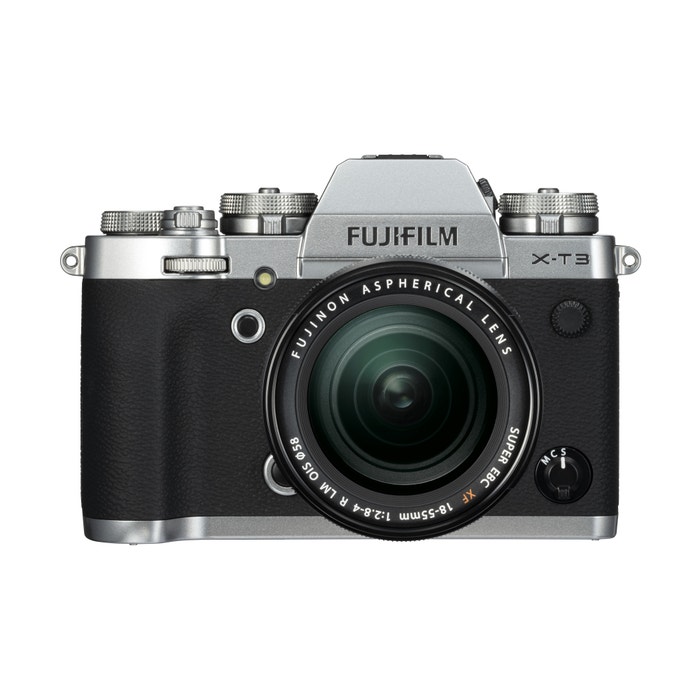
FUJIFILM X-T3 Mirrorless Camera
Market value: ~$1,499
View on GearFocus →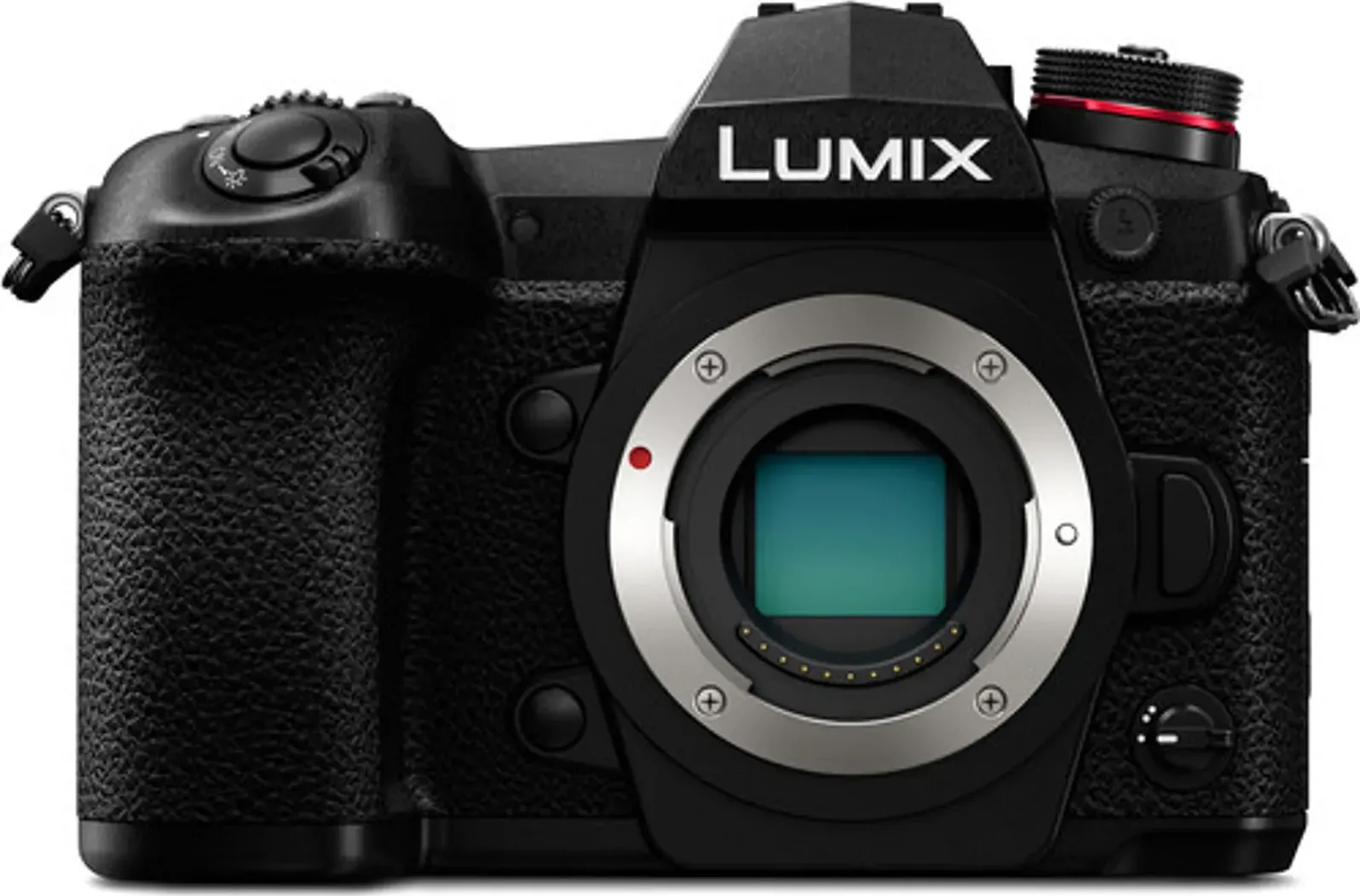
Panasonic LUMIX G9 Mirrorless Camera
Market value: ~$897
View on GearFocus →Lenses
Canon EF-S 55-250mm f/4-5.6 IS STM Lens
Market value: ~$299
View on GearFocus →Nikon AF-P 70-300mm f/4.5-6.3G VR
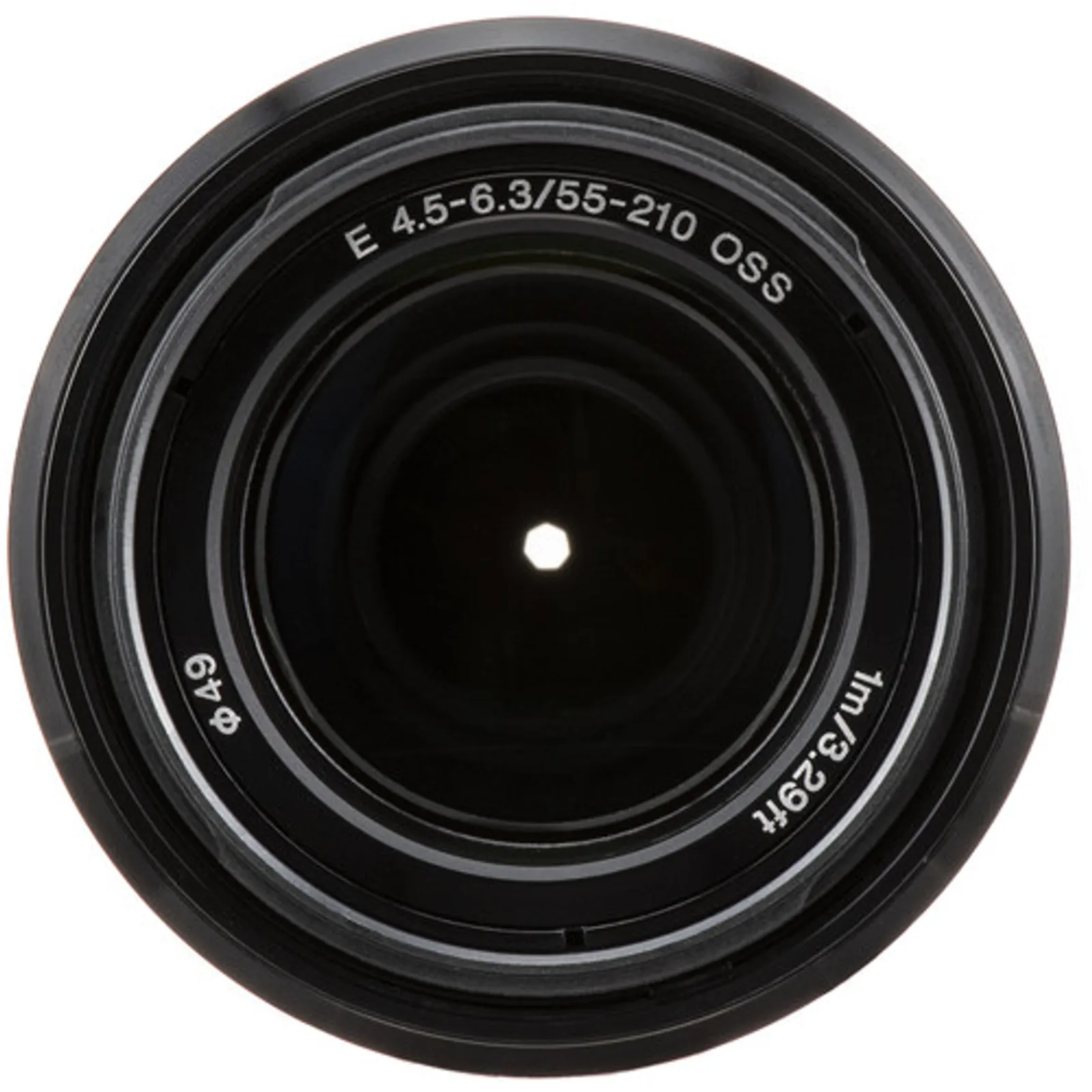
Sony E 55-210mm f/4.5-6.3 OSS Lens
Market value: ~$298
View on GearFocus →Sigma 100-400mm f/5-6.3 DG OS
Tamron 70-300mm f/4.5-6.3 Di III RXD
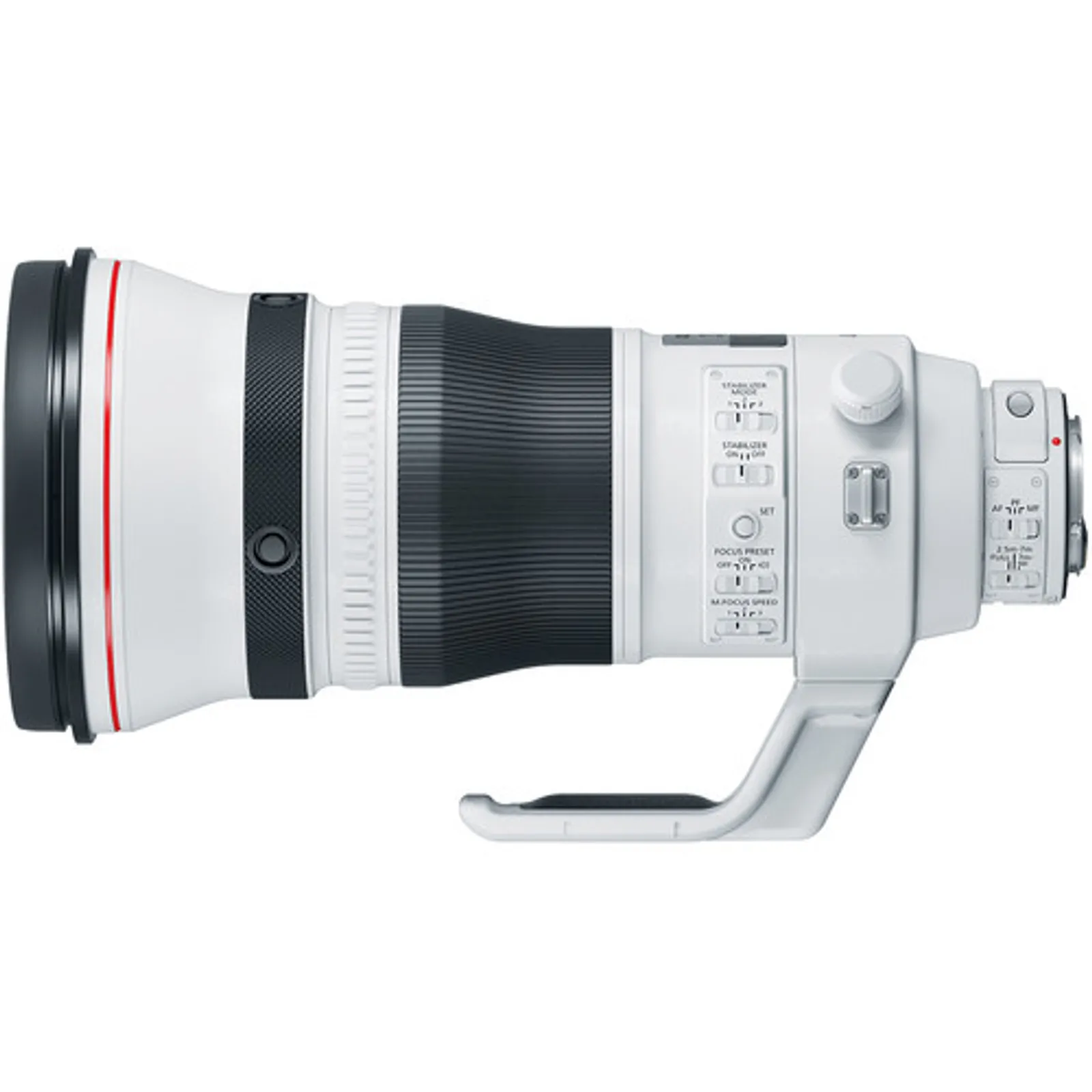
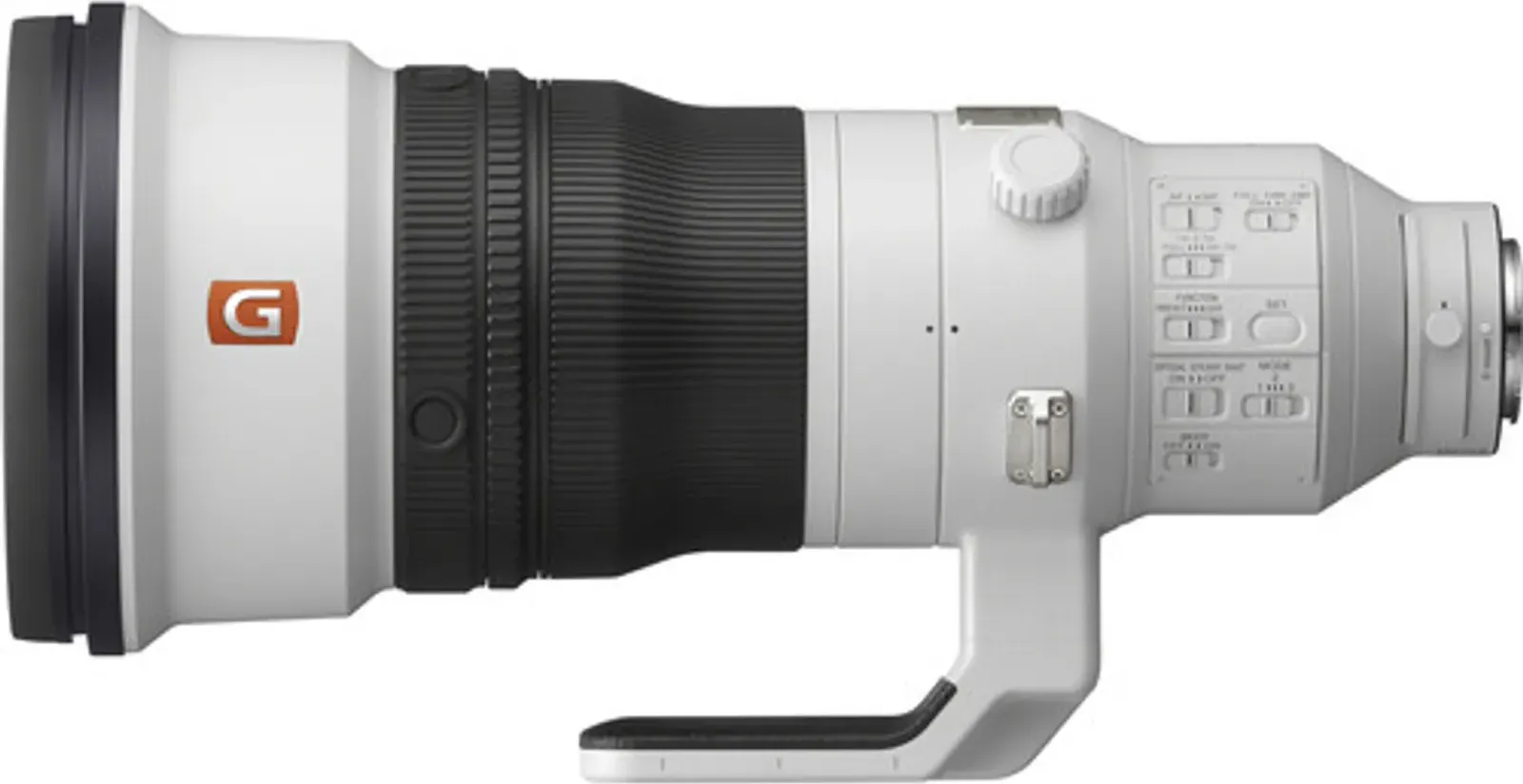
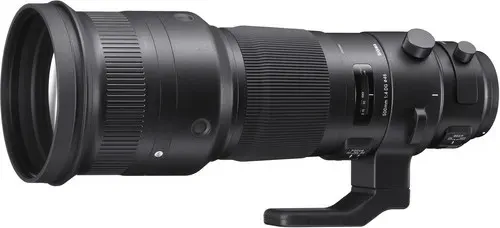
Wildlife Photography Gear on GearFocus
Why Wildlife Photography Photographers Choose GearFocus
Wildlife photographers need telephoto glass they can trust in the field — lenses that won't fail at dawn on a remote marsh or overheat at noon in direct sun. GearFocus has real market pricing data from thousands of verified transactions, giving buyers real pricing intelligence on telephoto lenses like the Sony FE 200-600mm and Canon EF 400mm f/2.8L before they commit. Every seller on GearFocus undergoes identity verification — not just account age or feedback scores — so you know who you're buying from when a lens costs more than a plane ticket to the location. Unlike eBay, where camera listings sit alongside electronics from anonymous accounts, GearFocus is a camera-specific marketplace where telephoto sellers understand condition in field contexts.
Verified Sellers Only
Every seller on GearFocus undergoes identity verification before listing gear. You know who you're buying from — not just an anonymous account.
48-Hour Buyer Protection
Inspect your gear within 48 hours of delivery. If the item doesn't match the listing description, return shipping is covered.
5% Fee vs. 13.6% on eBay
GearFocus charges a 5% platform fee. eBay averages 13.6% in fees. Sellers keep more — which means more competitive pricing for buyers.
What to Look For in Wildlife Photography Gear
Camera Sensor
Fast Full-Frame or APS-C Sensor (High-Speed Readout for Action)
Resolution
High Megapixel Count (24MP+ for Cropping Flexibility)
Autofocus
Advanced Animal Eye AF & Subject Tracking (Sony Real-Time Tracking, Canon Dual Pixel AF)
Frame Rate
High Burst Rate (10-30 FPS for Capturing Fast Motion)
Buffer Depth
Large Buffer for Continuous Shooting (RAW Burst Mode)
ISO Performance
Excellent Low-Light ISO Performance (ISO 100-12,800)
Lens Type
Super Telephoto Lenses (200mm-800mm Focal Length)
Aperture
Fast Aperture for Low Light (f/2.8 - f/5.6 for Light Gathering)
Stabilization
In-Body Image Stabilization (IBIS) / Optical Stabilization for Handheld Shooting
Weather Sealing
Weather-Sealed Body & Lens for Harsh Environments
Silent Shutter
Electronic Shutter for Noise-Free Shooting
EVF
High-Resolution Electronic Viewfinder (3.6M+ Dots for Precise Framing)
Shutter Speed
Fast Mechanical & Electronic Shutter (1/8000s+)
File Format
14-bit RAW Support for Maximum Editing Flexibility
Focus Limiter
Customizable Focus Limiter for Faster AF Performance
Connectivity
Built-in GPS for Geotagging & Wireless File Transfer
Battery Life
Long Battery Life (800+ Shots for Extended Shoots)
Storage
Dual Card Slots for Backup & Fast Write Speeds (CFExpress, SD UHS-II)
Customization
Custom Buttons for Quick AF, Focus Modes & Exposure Adjustments
Software Support
Compatibility with Adobe Lightroom & Capture One
Video Capabilities
4K/6K Video for Documenting Wildlife Behavior
Tripod Mount
Arca-Swiss Compatibility for Gimbals & Tripods
FAQs
The Sony A1, Nikon Z9, and Canon EOS R3 are the top-tier options, offering 20-30 FPS burst rates and AI-driven subject tracking capable of locking onto birds in flight. For budget-conscious wildlife shooters, the Nikon Z6 II and Fujifilm X-H2S offer strong performance at a fraction of the cost. Buying used on GearFocus can cut your entry cost significantly versus retail pricing.
A minimum of 400mm focal length is recommended for most bird photography, with 500-600mm preferred for small or skittish species. The Canon EF 400mm f/2.8L IS III USM, Sony FE 200-600mm f/5.6-6.3 G OSS, and Nikon AF-S 200-500mm f/5.6E are the most widely used professional options. Budget-minded photographers can start with the Sigma 100-400mm f/5-6.3 DG OS or Tamron 70-300mm f/4.5-6.3.
Yes — telephoto lenses hold value well and used examples in good condition perform identically to new. A used Sigma 500mm f/4 DG OS HSM or Sony FE 200-600mm f/5.6-6.3 G OSS purchased through a marketplace like GearFocus with verified seller ratings and buyer protection gives you professional results at a significantly lower cost.
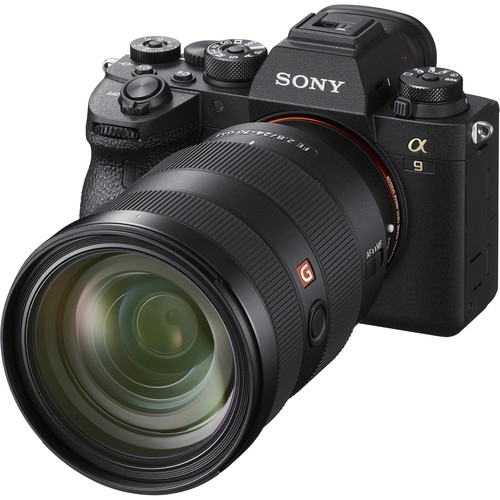
20MP is the practical minimum for wildlife work where you'll be cropping heavily. Bodies like the Sony A9 II (24MP), Nikon Z9 (45MP), and Canon EOS R3 (24MP) all offer enough resolution for cropped prints and editorial use. More important than raw megapixels is burst rate and AF speed — a 24MP image of a sharp in-focus bird beats a 45MP frame of a blurred one.
Strongly recommended. Field shooting exposes your gear to rain, humidity, dust, and extreme temperatures. The Nikon Z9, Sony A1, Canon EOS R3, and most pro telephoto lenses include extensive weather sealing. Entry-level bodies like the Nikon Z6 II and Sony A7 III have basic sealing adequate for light rain but should not be submerged or heavily exposed without additional protection.
Look for real-time subject tracking, animal/bird eye detection, and deep buffer — the ability to shoot 50+ RAW frames before the camera slows down. Sony's Real-Time Tracking, Canon's Dual Pixel AF II, and Nikon's 3D Tracking are the systems most field photographers rely on. These features are standard in the Canon EOS R3, Sony A1, and Nikon Z9.
A used Nikon Z6 II or Sony A7 III body paired with a used Sigma 100-400mm f/5-6.3 DG OS or Nikon AF-P 70-300mm f/4.5-6.3G VR gives you a capable wildlife kit under $1,500 total. The Z6 II's 14 FPS burst and solid AF tracking is enough for most wildlife scenarios, and the 300-400mm reach covers medium-distance subjects. Both cameras have basic weather sealing suitable for field use.
Yes, when buying from a verified marketplace. GearFocus requires identity verification for all sellers and includes 48-hour buyer protection on every purchase — if a 500mm prime arrives with autofocus issues or undisclosed weather seal damage, you get a full refund with seller-paid return shipping. Unlike general marketplaces like eBay or Facebook Marketplace, GearFocus is built exclusively for the photography community, so sellers accurately describe shutter counts, AF calibration status, and field condition history. Many wildlife lenses on GearFocus come from photographers upgrading to newer models, meaning they've been carefully maintained.