Used Camera Gear for Low-Light and Night Videographers
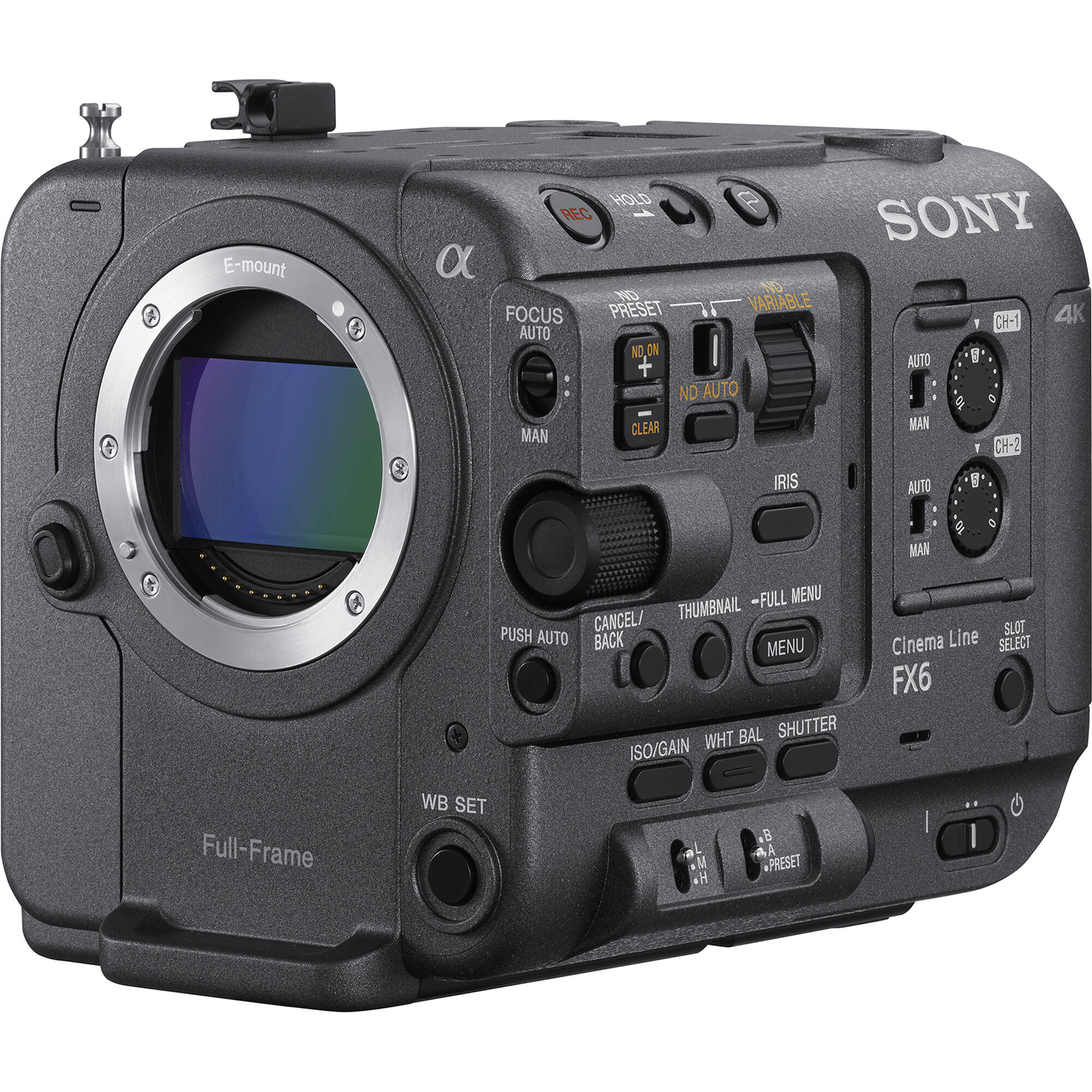
Low-light videographers need cameras with full-frame sensors, at least 14 stops of dynamic range, and fast lenses with apertures of f/1.4 or wider. The physics-based standard for low-light video is a full-frame or large-pixel APS-C sensor with clean output at ISO 12,800, paired with a lens at f/1.8 or wider — cameras that cannot hold usable signal-to-noise at ISO 6400 or lenses that max out at f/2.8 will force unacceptable noise or insufficient shutter speed in real low-light environments. The Sony A7S III leads the category with usable ISO up to 102,400, with the Canon EOS R6 Mark II, Nikon Z6 II, Sony FX6, and Canon EOS R3 rounding out the top tier at accessible price points. GearFocus connects you with verified sellers offering used low-light cameras starting from $500 with 48-hour buyer protection.
Browse Low-Light & Night Videography GearUsed Camera Gear for Low-Light and Night Videographers
Low-light videographers need cameras with full-frame sensors, at least 14 stops of dynamic range, and fast lenses with apertures of f/1.4 or wider. The physics-based standard for low-light video is a full-frame or large-pixel APS-C sensor with clean output at ISO 12,800, paired with a lens at f/1.8 or wider — cameras that cannot hold usable signal-to-noise at ISO 6400 or lenses that max out at f/2.8 will force unacceptable noise or insufficient shutter speed in real low-light environments. The Sony A7S III leads the category with usable ISO up to 102,400, with the Canon EOS R6 Mark II, Nikon Z6 II, Sony FX6, and Canon EOS R3 rounding out the top tier at accessible price points. GearFocus connects you with verified sellers offering used low-light cameras starting from $500 with 48-hour buyer protection.
Browse Low-Light & Night Videography GearWhat Low-Light & Night Videography Photographers Need
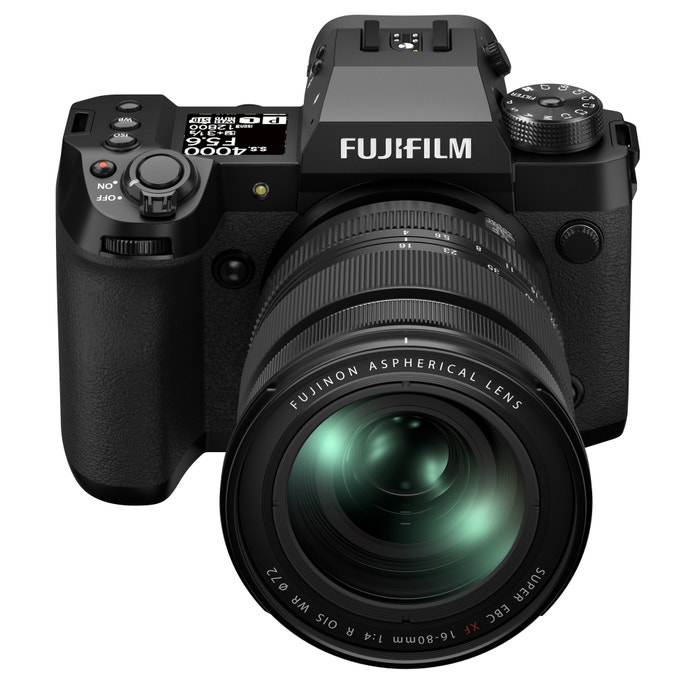
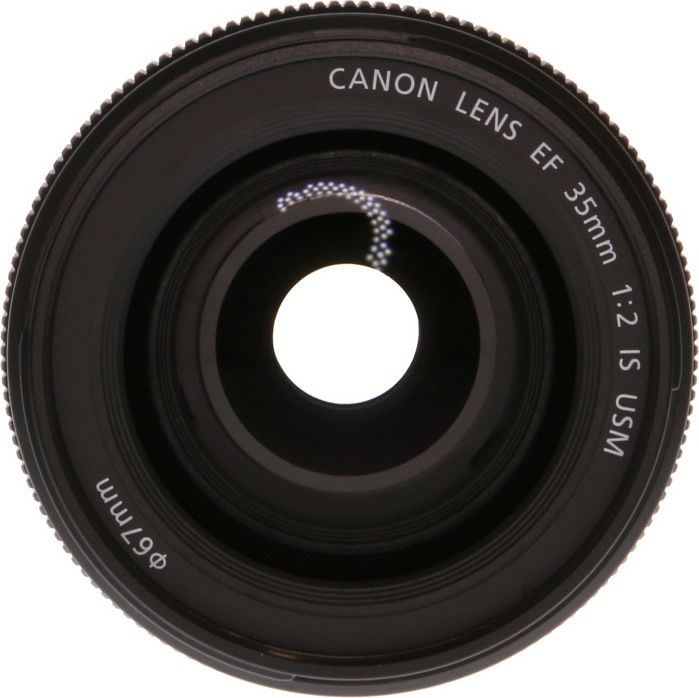
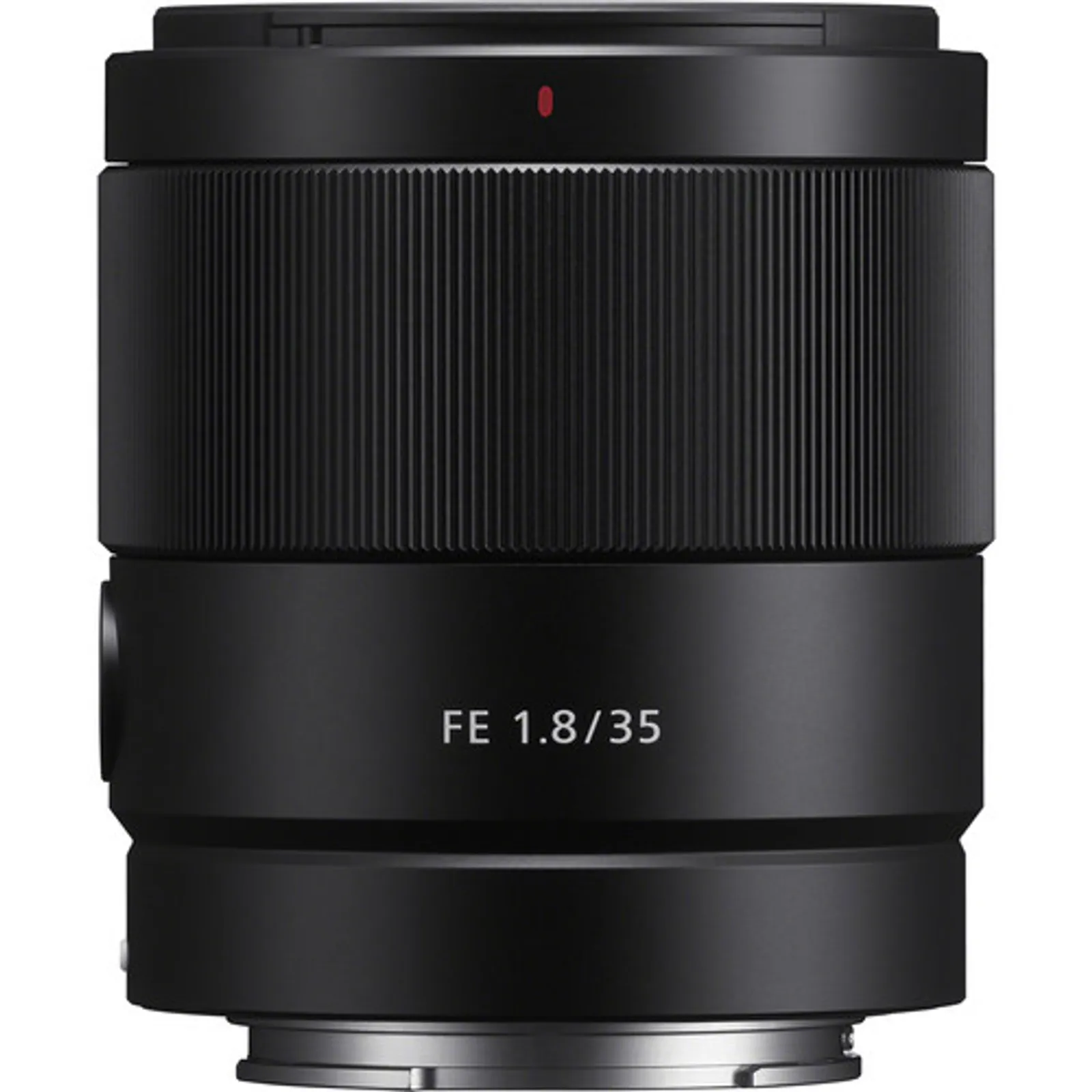
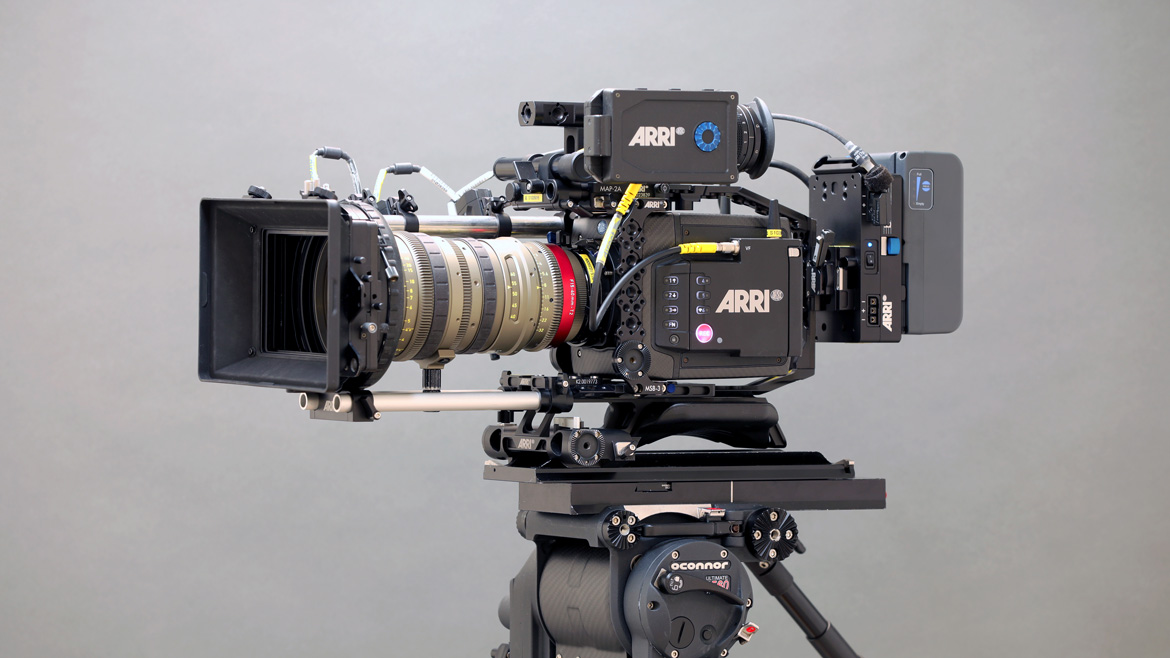
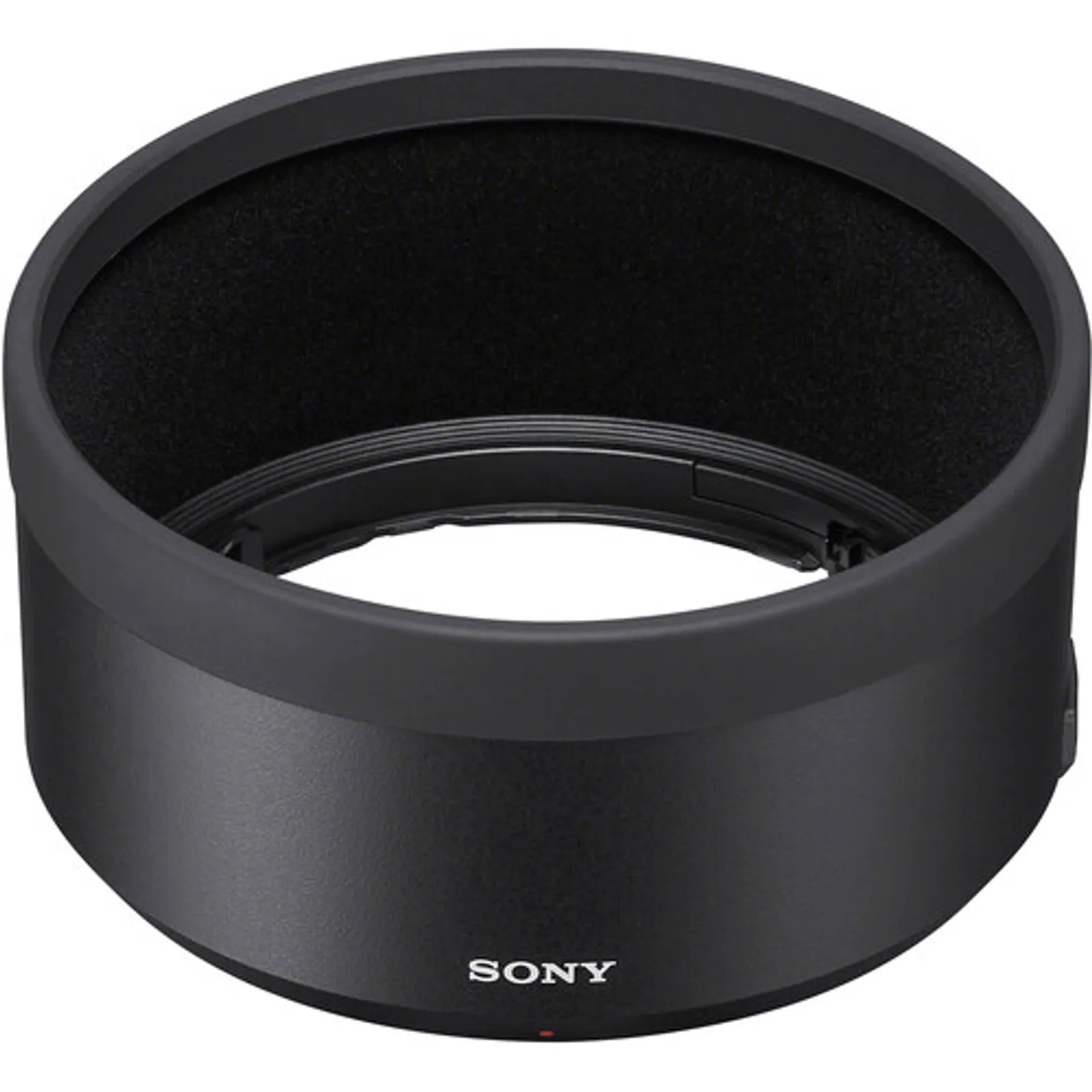
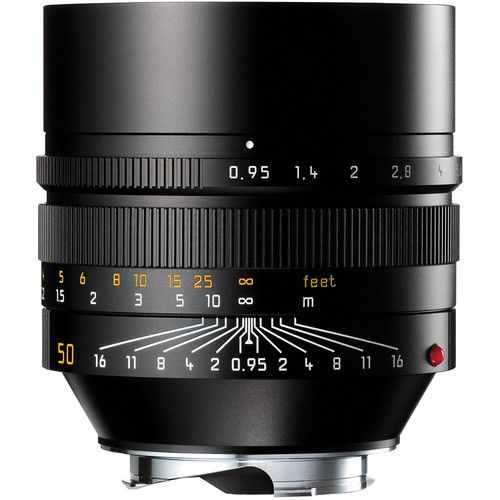
Low-light videography is fundamentally about sensor physics — larger photosites collect more light, and cameras designed around this principle outperform everything else when ambient light is scarce. At the budget tier, the Sony A7 II, Panasonic GH5S, and Fujifilm X-T3 offer workable high-ISO performance. The GH5S is notable for its 10.2MP sensor specifically tuned for low-light video — one of the few Micro Four Thirds cameras that performs well above ISO 3200. Pair any of these with a Canon EF 50mm f/1.8 STM or Nikon AF-S 35mm f/1.8G for an affordable low-light kit. The midrange is dominated by the Sony A7S III — its 12.1MP full-frame sensor delivers genuinely clean footage at ISO 12,800 with usable results extending to ISO 51,200. The Canon EOS R6 Mark II and Nikon Z6 II are competitive alternatives with better autofocus tracking. Lenses in this tier include the Sony FE 35mm f/1.8, Canon EF 35mm f/2 IS, and Panasonic Leica 25mm f/1.4. At the professional level, the Sony FX6 offers dual native ISO 800/12,800 with cinema-grade color science. The ARRI ALEXA Mini LF has the best dynamic range in the industry. For lenses, the Sony FE 50mm f/1.2 GM and Leica Noctilux-M 50mm f/0.95 represent the extreme end of light-gathering capability — the Noctilux at f/0.95 is the fastest production lens in widespread use.
Recommended Low-Light & Night Videography Gear
Budget Low-Light & Night Videography Gear
Good high ISO, budget-friendly, older sensors but workable noise control
Cameras
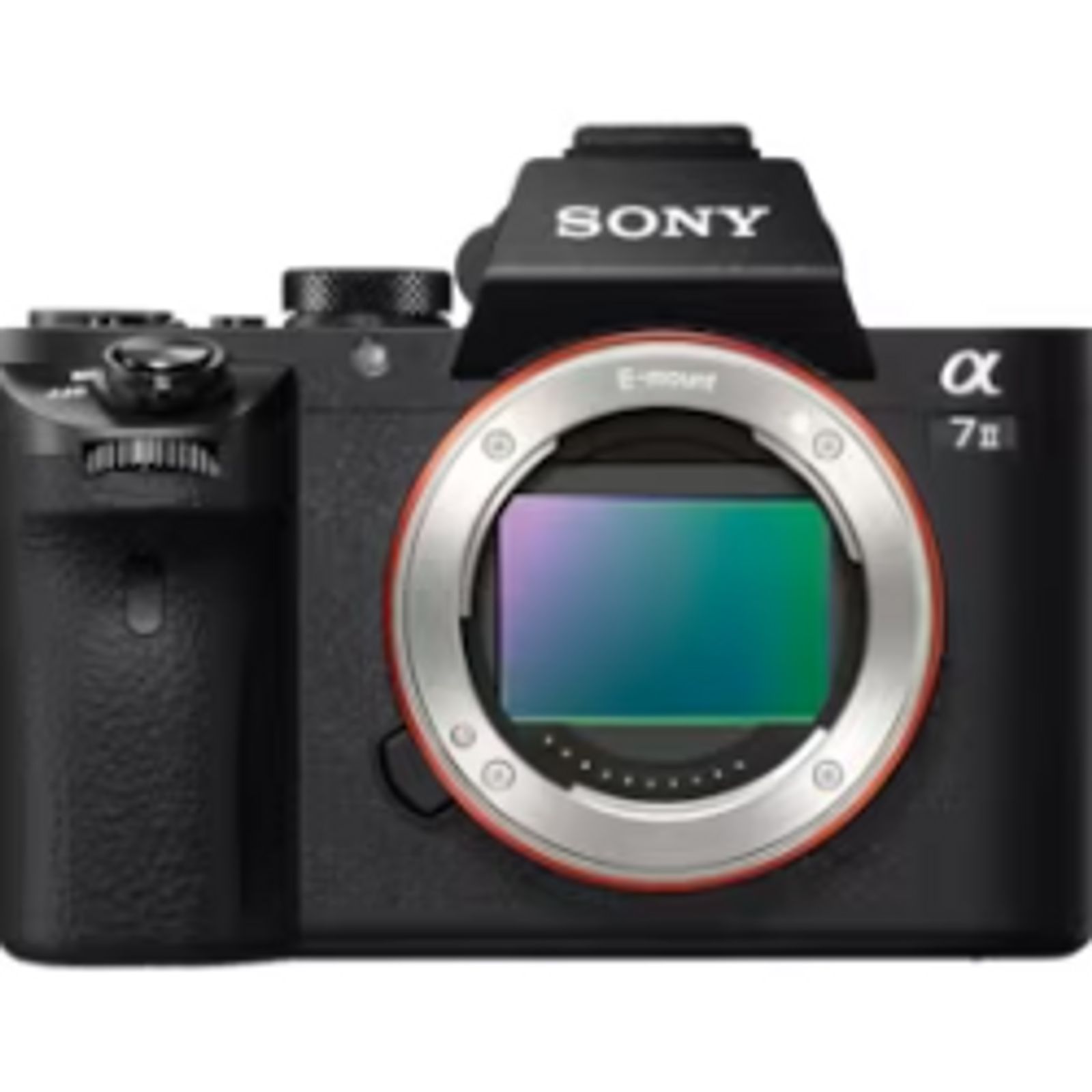
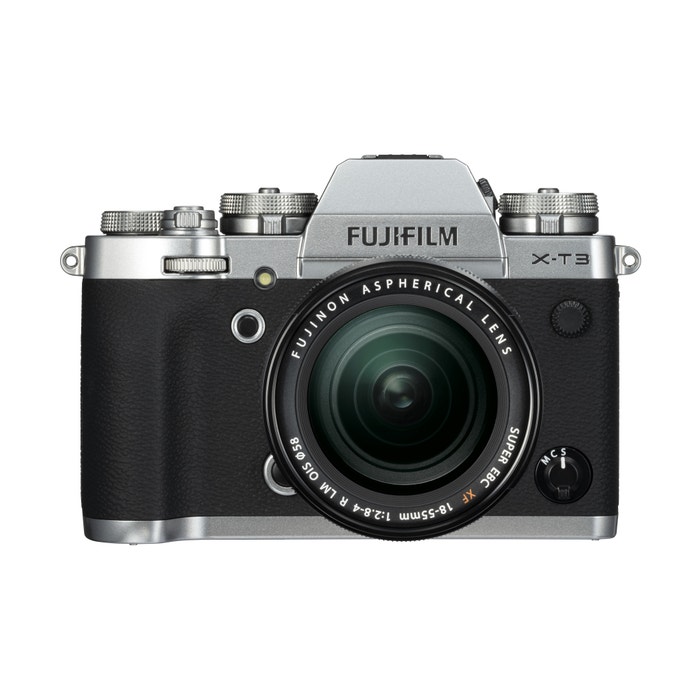
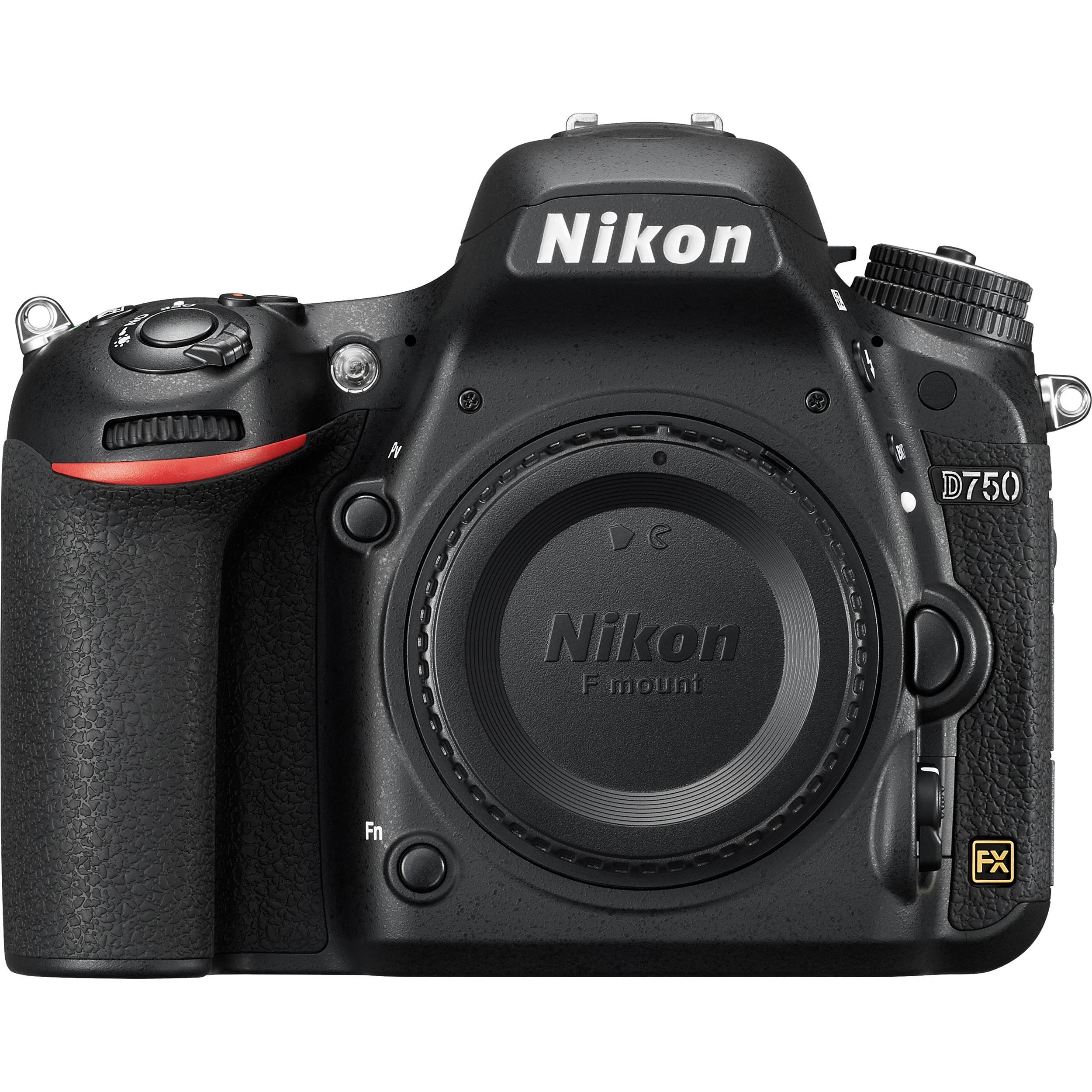
Lenses
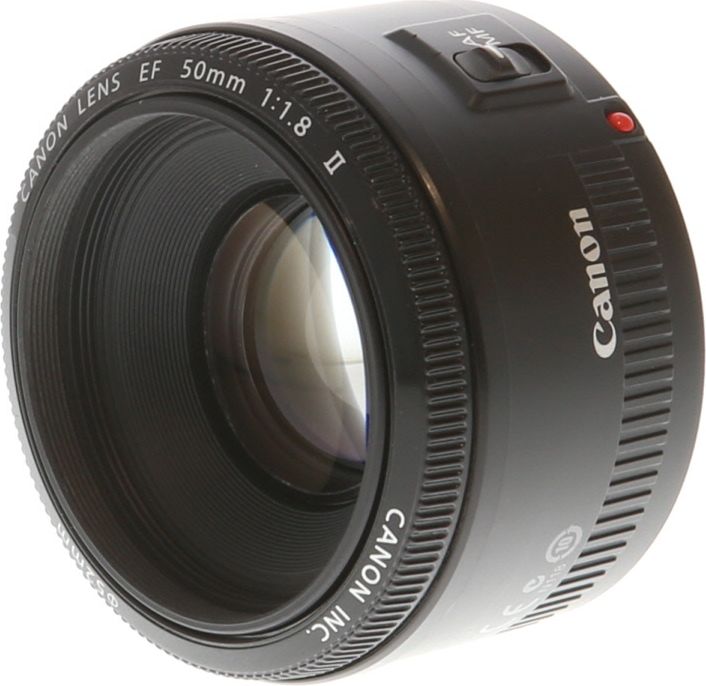
Canon EF 50mm f/1.8 STM Lens
View on GearFocus →Nikon AF-S 35mm f/1.8G
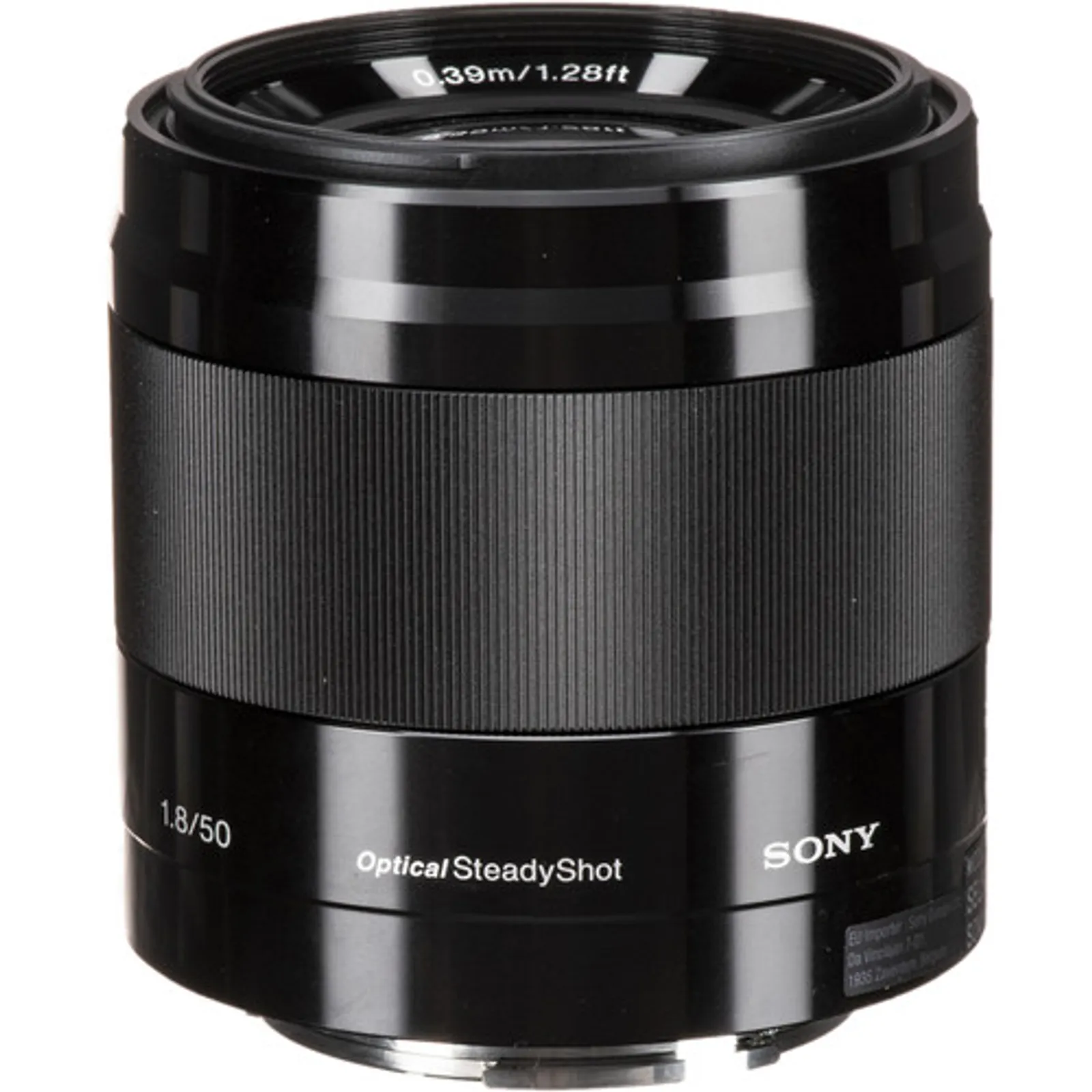
Sony E 50mm f/1.8 OSS Lens
Market value: ~$348
View on GearFocus →Sigma 30mm f/1.4 DC DN
Fujifilm XC 35mm f/2
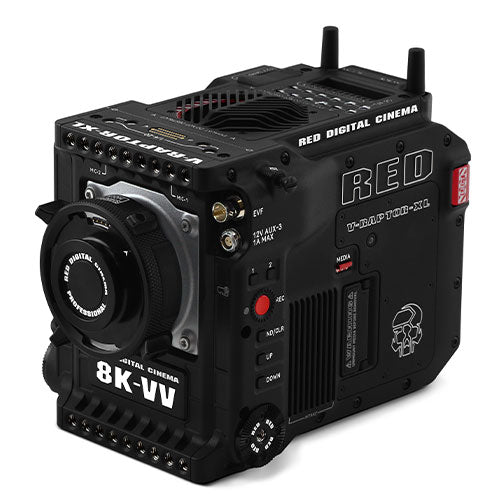
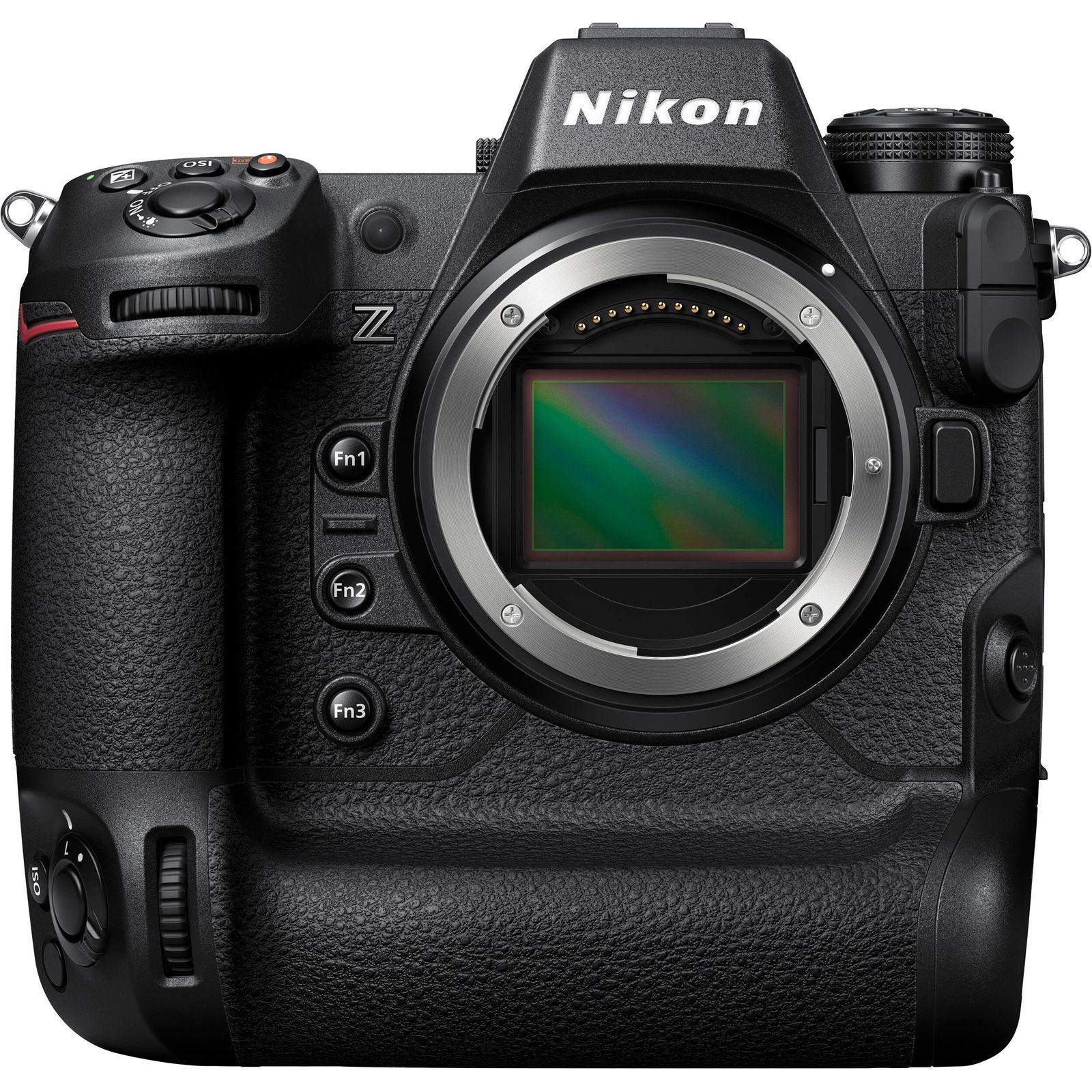
Low-Light & Night Videography Gear on GearFocus
Why Low-Light & Night Videography Photographers Choose GearFocus
The Sony A7S III, Canon EOS R6 Mark II, and Sony FX6 — the three best low-light video cameras on the market — are all available used on GearFocus from verified sellers, with buyer protection covering every transaction.
Verified Sellers Only
Every seller on GearFocus undergoes identity verification before listing gear. You know who you're buying from — not just an anonymous account.
48-Hour Buyer Protection
Inspect your gear within 48 hours of delivery. If the item doesn't match the listing description, return shipping is covered.
5% Fee vs. 13.6% on eBay
GearFocus charges a 5% platform fee. eBay averages 13.6% in fees. Sellers keep more — which means more competitive pricing for buyers.
What to Look For in Low-Light & Night Videography Gear
Camera Sensor
Full-Frame or Super 35 Sensor with High Sensitivity
Resolution
4K Minimum, 6K+ Preferred for Detail Retention in Shadows
Dynamic Range
At Least 14+ Stops for Highlight & Shadow Recovery
ISO Performance
Exceptional High ISO Performance (ISO 12,800-102,400)
Lens Type
Fast Prime Lenses (24mm, 35mm, 50mm, 85mm)
Aperture
Ultra-Wide Aperture (T1.5 - f/1.2 for Maximum Light Capture)
Shutter Speed
Adjustable Shutter Angle for Creative Motion Blur
Stabilization
In-Body Image Stabilization (IBIS) / Optical Stabilization, Gimbal, or Tripod Support for Reduced Motion Blur
Noise Reduction
Advanced In-Camera & Post-Processing Noise Reduction
Screen Type
External Monitor or EVF for Low-Light Visibility
Audio Input
XLR & 3.5mm Mic Input for Capturing Ambient Sound
Video Resolution
10-bit 4:2:2 or 12-bit RAW for Color Grading Flexibility
Slow Motion
4K/120FPS or Higher for Cinematic Slow Motion
Log Profiles
LOG & HDR Video Support for Maximum Dynamic Range
External Recording
RAW Output via HDMI/SDI for Maximum Data Retention
Connectivity
WiFi & Remote Monitoring for Night Shoots
Power Supply
USB-C or V-Mount Battery for Extended Filming
Storage
CFExpress, SSD, or CFast 2.0 for High Bitrate Footage
Software Support
Compatible with DaVinci Resolve, Adobe Premiere Pro
Lighting Control
DMX & Portable RGB LED Light Support
Weather Sealing
Rugged & Weatherproof Build for Outdoor Night Filming
Customization
Assignable Function Buttons for Quick Adjustments
Tripod Mount
Arca-Swiss & Quick-Release Compatibility for Long Exposures
FAQs
The Sony A7S III is the consensus best camera for low-light video. Its 12.1MP full-frame sensor is engineered for sensitivity, not resolution — producing usable footage at ISO 12,800 to 51,200 where other cameras struggle. The Canon EOS R6 Mark II and Nikon Z6 II are strong alternatives with better autofocus. At the cinema tier, the Sony FX6 adds dual native ISO and cinema-grade color science. The Panasonic GH5S is the best Micro Four Thirds option for low-light, with a larger pixel pitch than the standard GH5. All are available used on GearFocus.
Most low-light environments — bars, restaurants, evening events, dimly lit interiors — require ISO 3200 to ISO 12,800 for correct exposure with a fast prime lens. Night exteriors and dark venues push requirements to ISO 12,800 to ISO 51,200. The Sony A7S III is rated usable to ISO 102,400 by professionals. For practical purposes, a camera that performs cleanly to ISO 6400 covers the majority of low-light shooting scenarios; anything beyond that is specialty use for extreme darkness. Dual native ISO cameras (Sony FX6, Canon EOS C300 Mark III) switch to a second clean base ISO rather than amplifying noise.
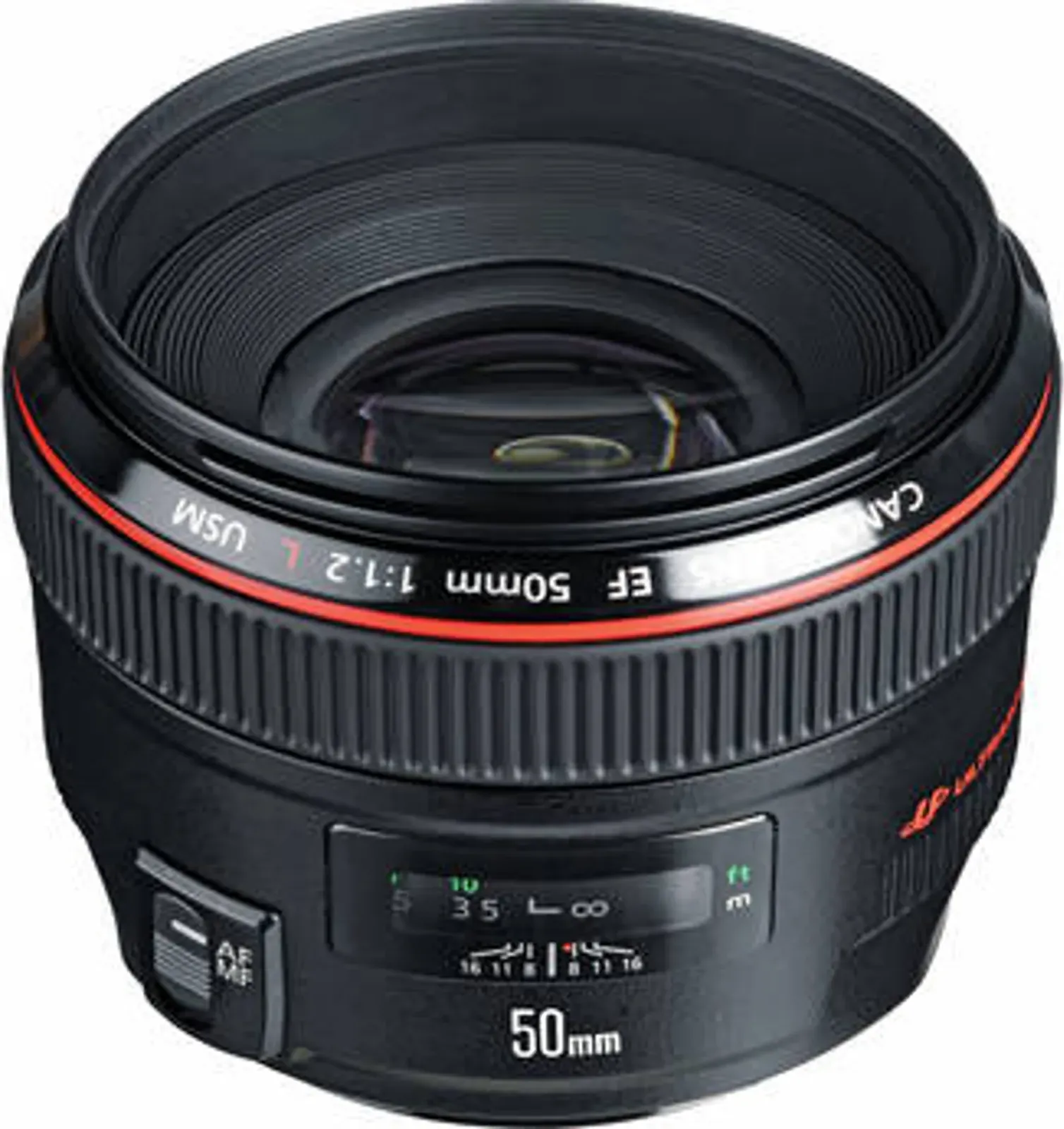
Fast primes with f/1.4 or wider apertures are the standard for low-light video. The Canon EF 50mm f/1.2L, Sony FE 50mm f/1.2 GM, and Nikon AF-S 58mm f/1.4G are professional choices that let in significantly more light than f/1.8 options. The Zeiss Otus 55mm f/1.4 and Leica Noctilux-M 50mm f/0.95 are the extreme end of the market. Budget shooters get strong results from the Canon EF 50mm f/1.8 STM and Sony E 50mm f/1.8 — both under $200 used. The key spec is the widest aperture the lens supports, not the maximum zoom range.
Full-frame sensors have a measurable low-light advantage over APS-C and Micro Four Thirds due to larger individual photosites. However, the Panasonic GH5S (Micro Four Thirds) and Fujifilm X-T3 (APS-C) demonstrate that sensor design matters as much as physical size — the GH5S's 10.2MP sensor performs better in low light than many APS-C cameras. Full-frame cameras like the Sony A7S III and Canon EOS R6 Mark II still lead the category. If budget is a constraint, a crop-sensor camera with a fast f/1.4 prime often outperforms a full-frame camera with a slower kit lens.
In-body image stabilization (IBIS) helps with low-light video in two ways: it allows you to use slower shutter speeds without introducing camera shake, and it reduces the need for gimbals in handheld shooting. The Sony A7S III, Canon EOS R6 Mark II, and Nikon Z6 II all have effective IBIS systems. However, IBIS does not improve sensor noise — it only helps with camera motion blur. In very dark environments where you're on a tripod, IBIS is irrelevant; sensor performance and lens aperture are what matter.
Dual native ISO is a sensor architecture where the camera has two natively clean base ISOs — typically one at a low value (ISO 800) and one at a high value (ISO 12,800). At each native ISO, the camera reads the sensor directly without amplification, producing cleaner results than cameras that amplify a single native ISO upward. Cameras with dual native ISO include the Sony FX6 (ISO 800/12,800), Canon EOS C300 Mark III (ISO 400/2500), Panasonic S5 II (ISO 640/4000), and Blackmagic Pocket 6K Pro (ISO 400/3200). These cameras are specifically engineered for low-light professional production.
The Blackmagic Pocket 6K Pro is a capable low-light camera but not a specialist. Its dual native ISO (400/3200) provides clean output in typical low-light conditions, and its 13 stops of dynamic range handles high-contrast nighttime scenes well. Where it falls short compared to the Sony A7S III or Canon EOS R6 Mark II is at extreme ISOs (12,800+) and in autofocus reliability in dark environments. For a cinematographer shooting on a tripod with manual focus, the Pocket 6K Pro's image quality in low light is excellent. For handheld run-and-gun in very dark venues, the Sony A7S III is the better tool.
Yes, when buying from a verified marketplace. GearFocus requires identity verification for all sellers and includes 48-hour buyer protection on every purchase — if a Sony A7S III or Canon EOS R6 Mark II arrives with hot pixels, dual native ISO performance below spec, or autofocus tracking issues in darkness, you get a full refund with seller-paid return shipping. Unlike general marketplaces, GearFocus sellers understand what dual native ISO, full-frame sensor size, and clean high-ISO output mean to low-light videographers. The Pricing Guide, built from real market pricing data, shows real market values for the specialized cameras this genre demands.