Used Camera Gear for Music Video Directors
Music video directors need cameras with 4K-minimum resolution, 13+ stops of dynamic range, LOG/RAW recording for color grading, and support for creative frame rates including 4K/120fps slow motion. The benchmark spec for music video production is 4K RAW or 10-bit log recording, 13+ stops of dynamic range for dramatic lighting setups, and 4K/60fps or higher for slow-motion sequences — below those thresholds, the image lacks the color depth and motion options that define the professional music video look. The Sony FX3, Blackmagic URSA Mini Pro, and Canon EOS R5C are the most popular midrange choices. For narrative-level production, the RED KOMODO and ARRI ALEXA Mini set the standard. GearFocus connects you with verified sellers offering used music video cameras starting from $500 with 48-hour buyer protection.
Browse Music Video Production GearUsed Camera Gear for Music Video Directors
Music video directors need cameras with 4K-minimum resolution, 13+ stops of dynamic range, LOG/RAW recording for color grading, and support for creative frame rates including 4K/120fps slow motion. The benchmark spec for music video production is 4K RAW or 10-bit log recording, 13+ stops of dynamic range for dramatic lighting setups, and 4K/60fps or higher for slow-motion sequences — below those thresholds, the image lacks the color depth and motion options that define the professional music video look. The Sony FX3, Blackmagic URSA Mini Pro, and Canon EOS R5C are the most popular midrange choices. For narrative-level production, the RED KOMODO and ARRI ALEXA Mini set the standard. GearFocus connects you with verified sellers offering used music video cameras starting from $500 with 48-hour buyer protection.
Browse Music Video Production GearWhat Music Video Production Photographers Need
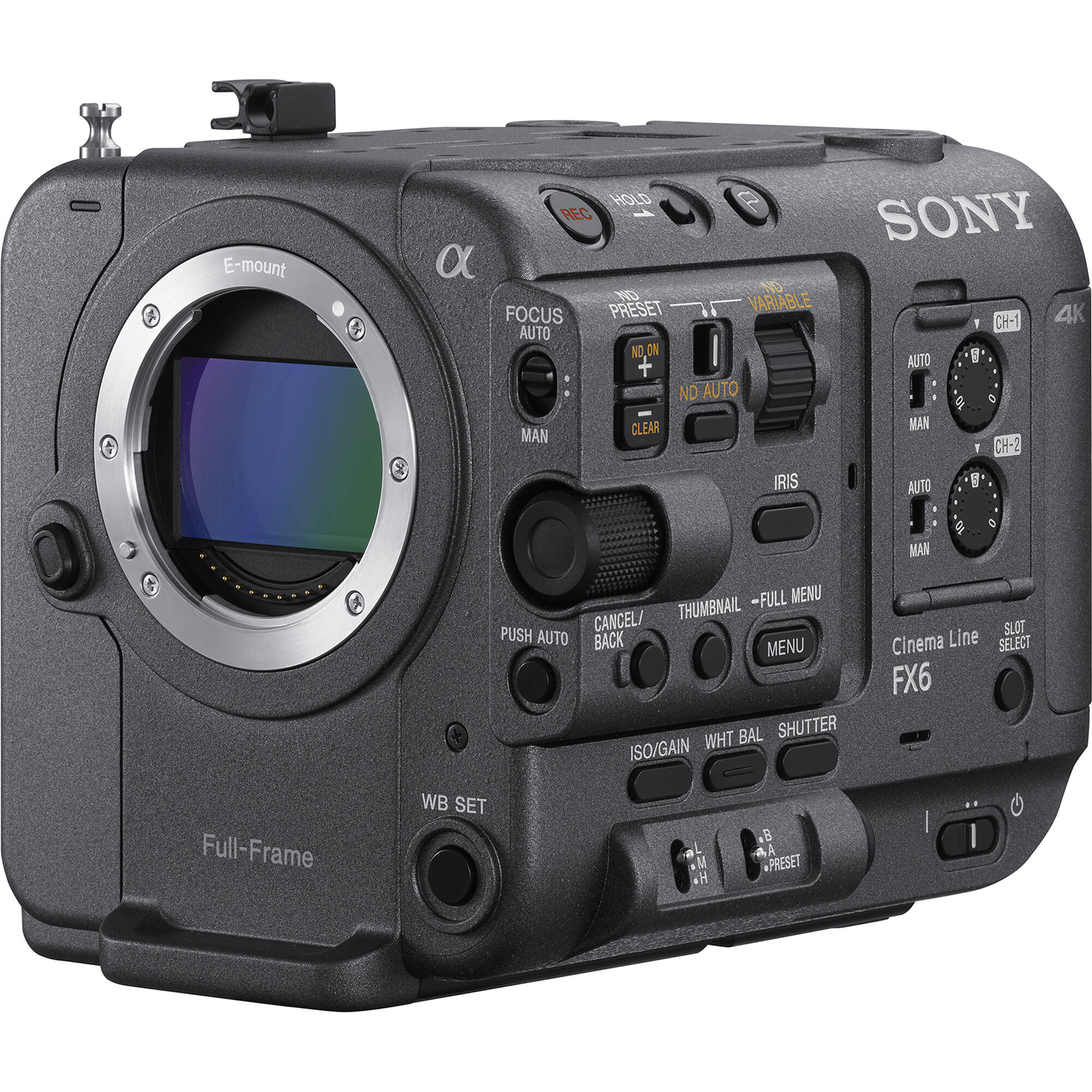
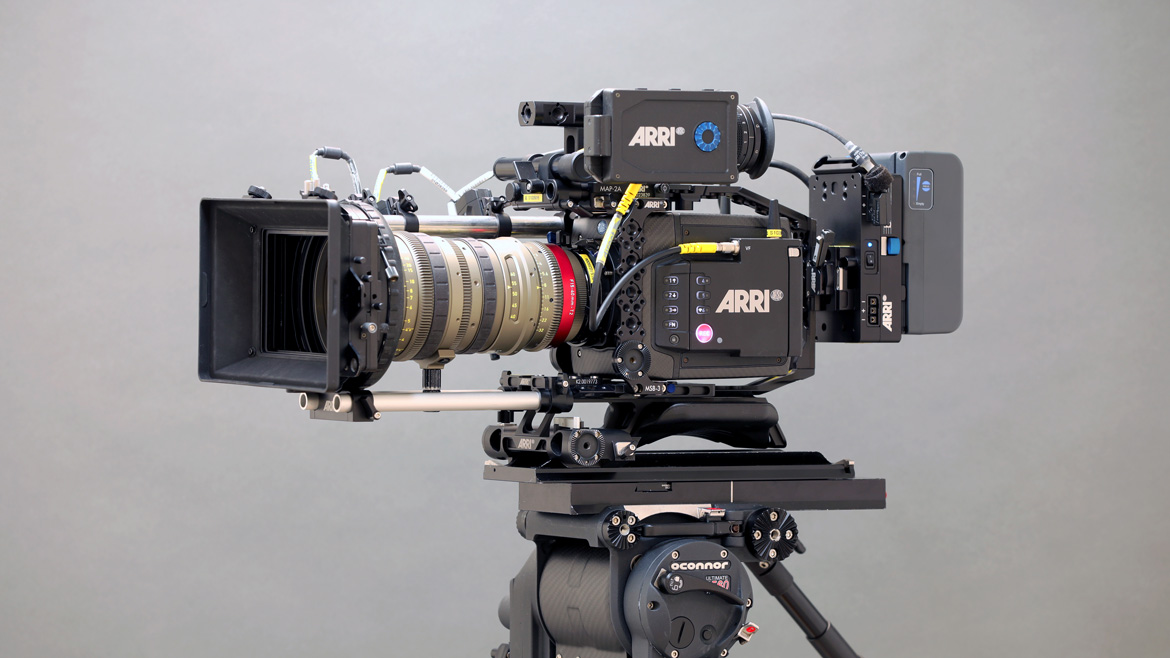
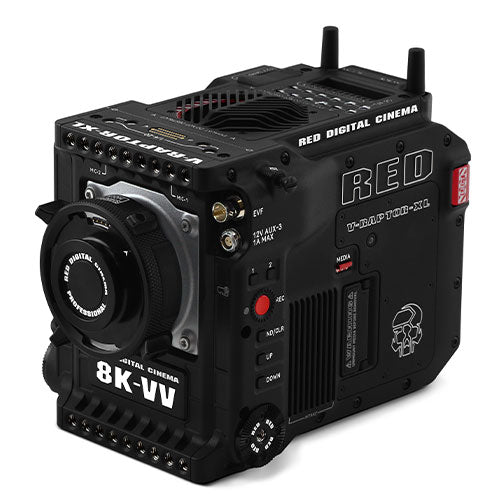
Music video production sits between commercial filmmaking and documentary — you need cinematic image quality, creative flexibility, and enough reliability to survive a full shoot day with a band that may or may not show up on schedule. At the budget level, the Panasonic GH5 and Blackmagic Pocket 4K are the two most popular starting points. The Pocket 4K records Cinema DNG RAW, giving you serious color grading latitude for under $500 used. Pair it with Rokinon Cine DS primes — the 24mm T1.5, 35mm T1.5, and 50mm T1.5 form a complete prime set for under $600 combined. The midrange is where most indie music video directors live. The Sony FX6 and Canon EOS C70 both offer 10-bit internal recording, dual native ISO, and Cinema gamut color science. The Blackmagic URSA 4.6K remains a popular rental-house staple that's now affordable used. Zeiss Milvus and Sigma Art lenses cover the 24–70mm range with excellent resolving power. For label-funded projects, the RED KOMODO and RED V-RAPTOR offer compact form factors with RAW sensor readout. The ARRI ALEXA Mini is the prestige choice — its color science is the industry standard for high-end music videos. Pair with Zeiss CP.3 cine primes or Cooke miniS4/i for the classic cinematic look. Anamorphic shooting is increasingly common for big-budget treatments — the Vintage Helios 44-2 is a budget anamorphic-adapted classic worth exploring.
Recommended Music Video Production Gear
Budget Music Video Production Gear
Good 4K, color profiles for grading, moderate slow-motion, cost-effective
Cameras
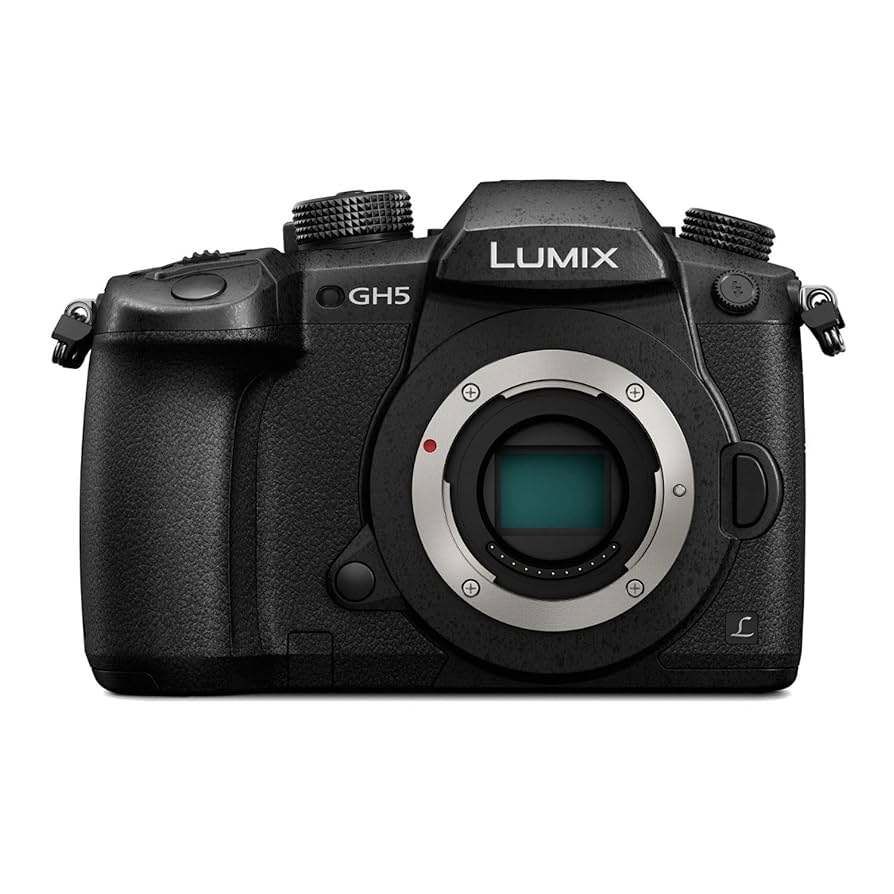
Panasonic LUMIX GH5 Mirrorless Camera
Market value: ~$1,999.99
View on GearFocus →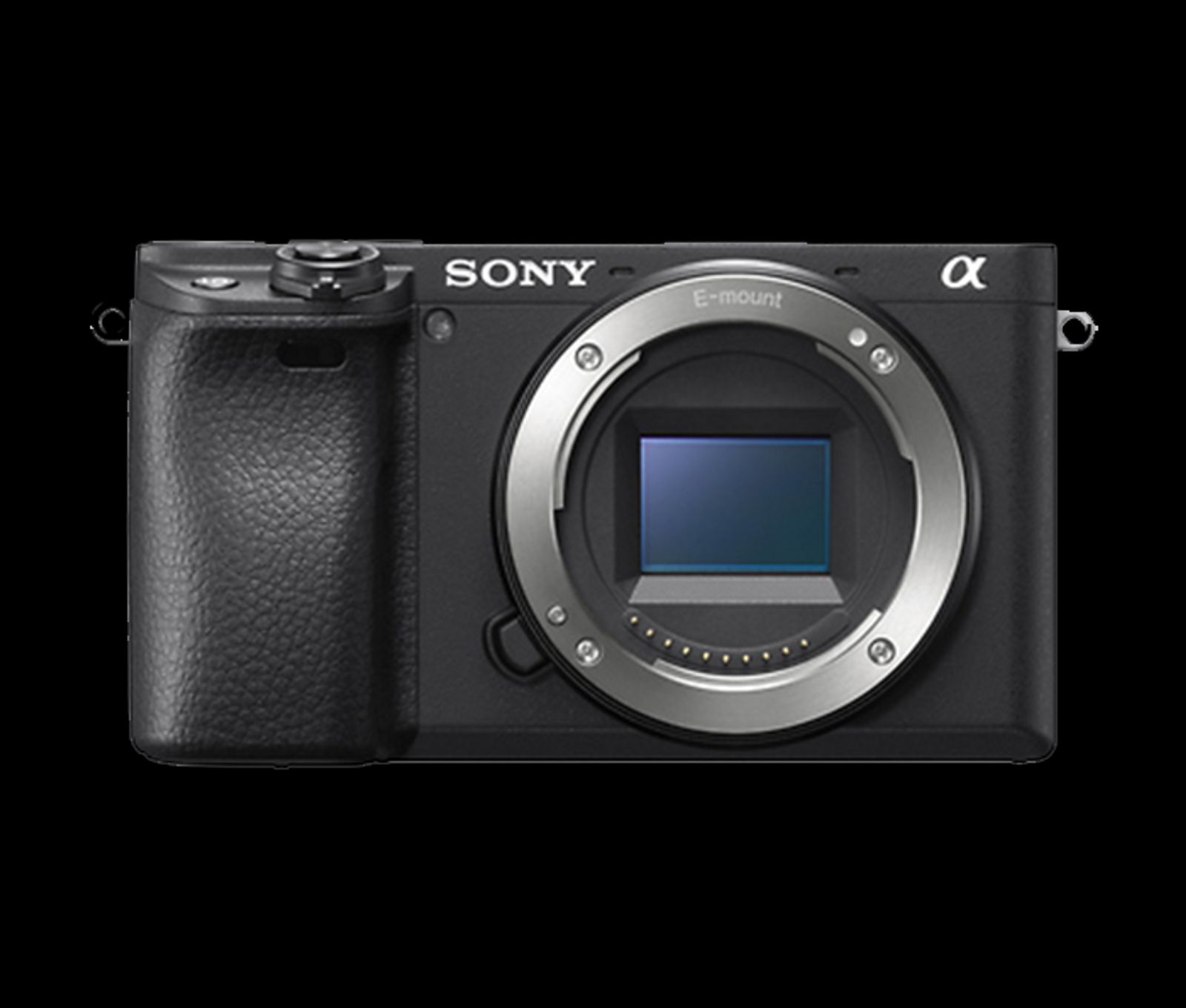
Sony a6400 Mirrorless Camera
Market value: ~$748
View on GearFocus →Blackmagic Pocket 4K
Canon EOS R Mirrorless Camera
Market value: ~$1,799
View on GearFocus →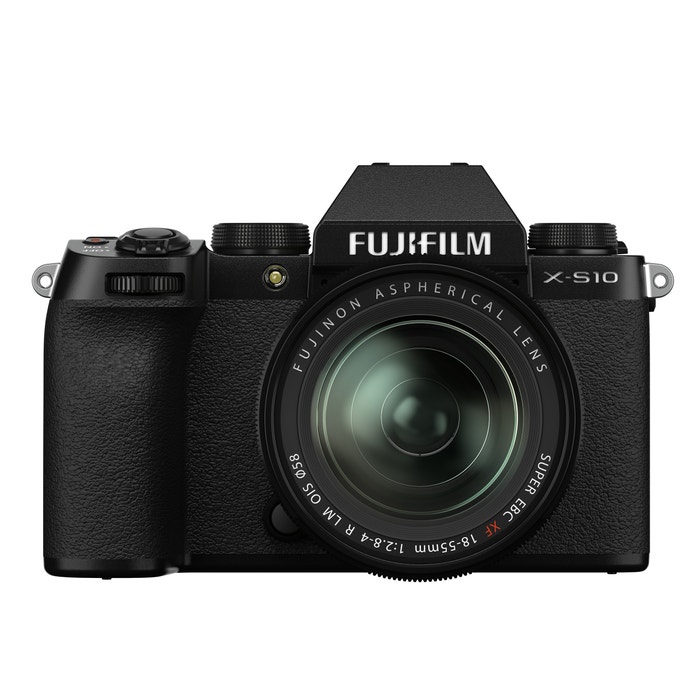
FUJIFILM X-S10 Mirrorless Camera
Market value: ~$999.99
View on GearFocus →Lenses
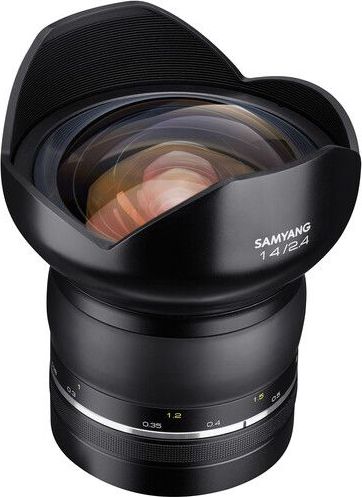
Rokinon Cine DS 24mm T1.5
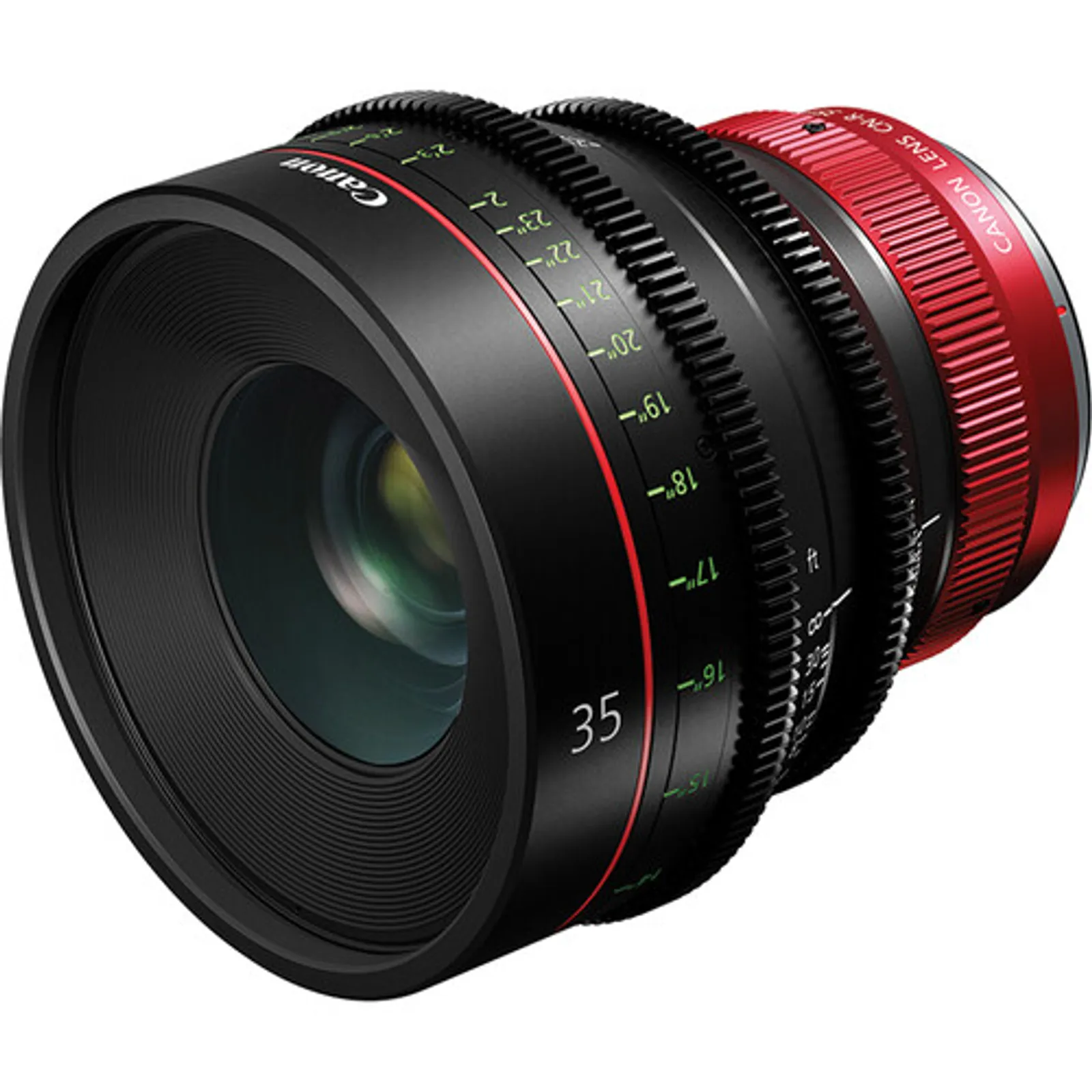
35mm T1.5
50mm T1.5
Meike Cine 25mm T2.2
Vintage Helios 44-2 58mm f/2
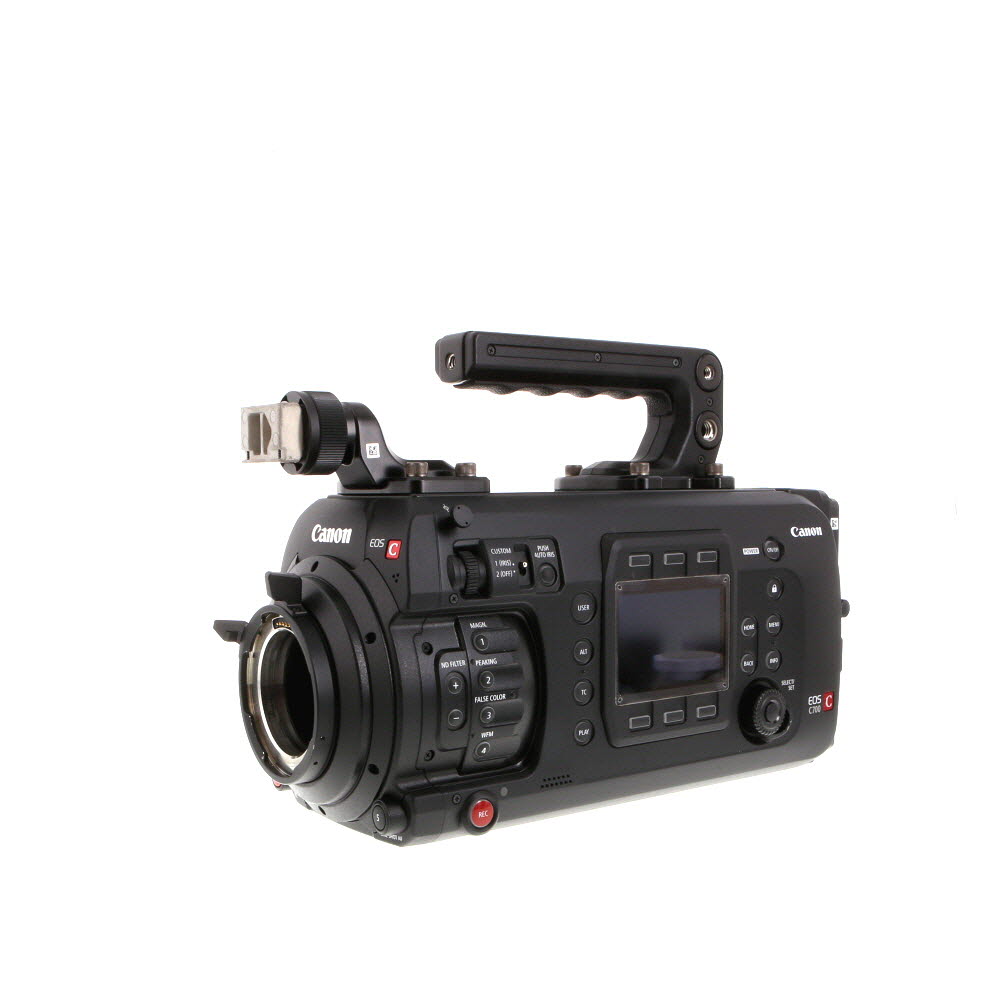
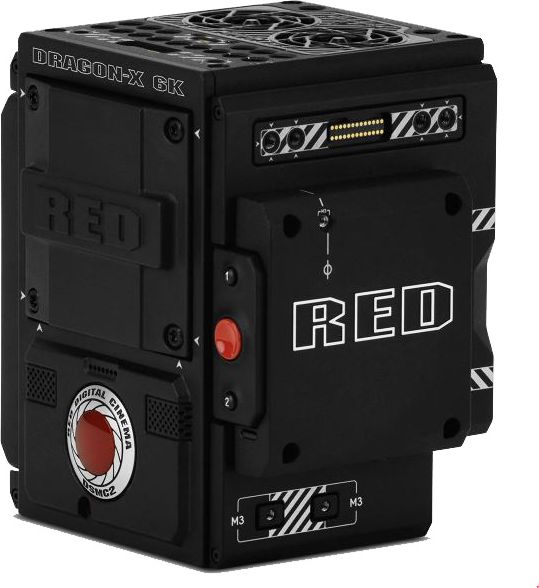
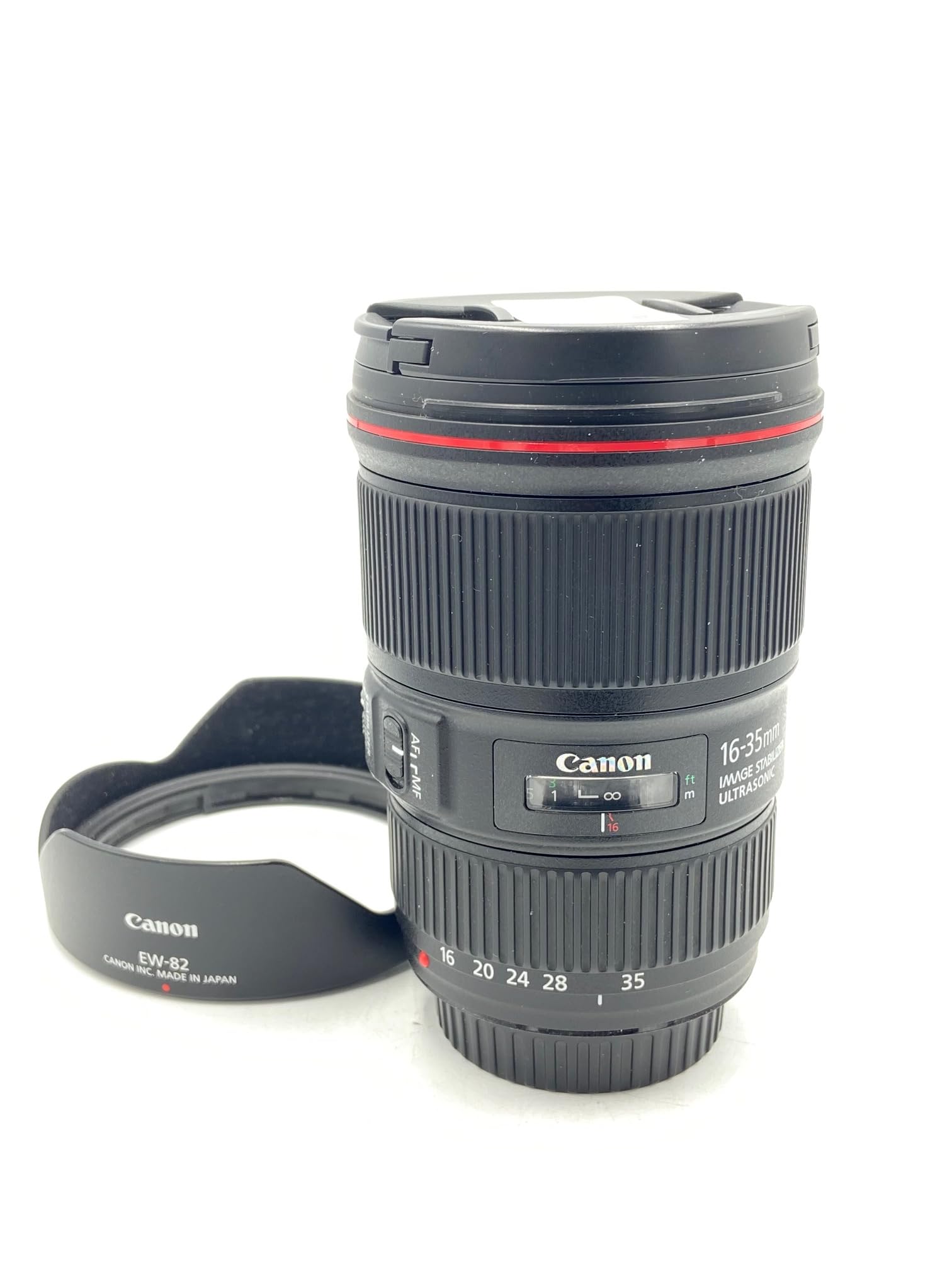
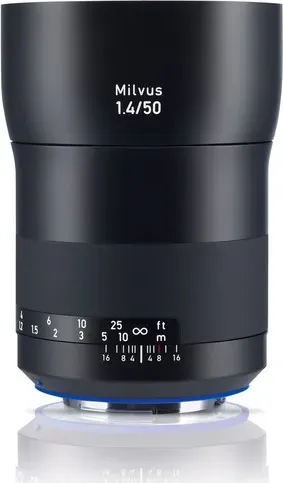
Music Video Production Gear on GearFocus
Why Music Video Production Photographers Choose GearFocus
Music video directors working between productions need access to professional cinema cameras — RED KOMODO, Blackmagic URSA, Sony FX9 — at prices that make ownership viable rather than rental-only. GearFocus has market pricing data from thousands of real transactions, giving directors real pricing benchmarks on cinema bodies as they come off completed projects from identity-verified sellers. Every seller is identity-verified by name, not just account-rated — which matters when a RED KOMODO listing needs to disclose firmware version, shutter actuations, and any dropped-frame history accurately. Unlike general marketplaces where cinema gear competes with consumer electronics from anonymous accounts, GearFocus is built specifically for photographers and filmmakers — so professional cinema listings come from people who understand production-grade condition standards.
Verified Sellers Only
Every seller on GearFocus undergoes identity verification before listing gear. You know who you're buying from — not just an anonymous account.
48-Hour Buyer Protection
Inspect your gear within 48 hours of delivery. If the item doesn't match the listing description, return shipping is covered.
5% Fee vs. 13.6% on eBay
GearFocus charges a 5% platform fee. eBay averages 13.6% in fees. Sellers keep more — which means more competitive pricing for buyers.
What to Look For in Music Video Production Gear
Camera Sensor
Full-Frame or Super 35 Sensor for Cinematic Depth of Field
Resolution
4K Minimum, 6K+ Preferred for High-Quality Mastering
Dynamic Range
At Least 13+ Stops for High-Contrast & Dramatic Lighting
ISO Performance
Dual Native ISO for Clean Low-Light Performance
Autofocus
Fast & Customizable Autofocus with Subject Tracking
Frame Rate
4K/120FPS or Higher for Cinematic Slow Motion
Shutter Angle
180° Shutter Rule Support for Natural Motion Blur
Color Science
LOG & RAW Recording for Professional Color Grading
Aspect Ratio
Anamorphic Lens Support for Widescreen Cinematic Look
External Recording
ProRes RAW, BRAW, or X-OCN Output via HDMI/SDI
Video Format
10-bit 4:2:2 Internal Recording for High-Fidelity Color
Stabilization
Gimbal & Steadicam Compatibility for Smooth Motion
Lighting Control
DMX & RGB LED Support for Creative Setups
Connectivity
WiFi & Bluetooth for Wireless Monitoring & Camera Control
Power Supply
V-Mount or Gold Mount Battery Support for Continuous Shooting
Storage
CFExpress, SSD, or CFast 2.0 for High-Bitrate 4K/6K Recording
Customization
Assignable Buttons & LUT Monitoring for On-Set Adjustments
Weather Sealing
Weather-Resistant Build for Outdoor & Studio Shoots
Post-Processing
AI-Based Color Grading & Noise Reduction Tools
Editing & Workflow
Compatibility with DaVinci Resolve, Adobe Premiere Pro
Tripod Mount
Arri Rosette & Quick-Release Plate Compatibility for Rigs
FAQs
At the independent level, the Sony FX3, Blackmagic URSA Mini Pro, and Canon EOS R5C are the most common choices. They offer cinema-grade dynamic range, LOG/RAW recording, and 4K/120fps slow motion at accessible price points. For major label productions, the RED KOMODO, RED V-RAPTOR, and ARRI ALEXA Mini are standard. The ARRI is the most requested camera for high-end music videos because of its color science — but it requires experienced operators. Used versions of all these cameras are available on GearFocus.
Cine prime sets are the professional standard — Zeiss CP.3, Cooke miniS4/i, and Canon CN-E primes all appear frequently in music video credits. At the independent level, the Rokinon Cine DS series (24mm, 35mm, 50mm T1.5) provides T-stops, de-clicked aperture, and a matched set for under $1,000 total used. The Zeiss Milvus 50mm f/1.4 and Sigma 24-70mm f/2.8 Art are popular stills lenses adapted for video. Anamorphic looks are achieved with adapters on vintage lenses like the Helios 44-2 or dedicated anamorphic primes.
Budget: $400–$800 used (Panasonic GH5, Blackmagic Pocket 4K, Canon EOS R, Fujifilm X-S10). Midrange: $1,500–$4,000 used (Sony FX6, Canon EOS C70, Blackmagic URSA 4.6K, Panasonic S5 II). Professional: $5,000–$15,000+ used (RED KOMODO, RED DSMC2, ARRI ALEXA Mini). Lenses are often a larger investment than the camera — a matched cine prime set costs more than the body. Buying used on GearFocus from verified sellers is standard practice for independent directors managing production budgets.
The Blackmagic Pocket 4K is the best value camera for low-budget music video production. Used versions sell for $500–$700 and record Cinema DNG RAW or BRAW — giving you genuinely professional color grading flexibility. The Panasonic GH5 is the other strong contender: it shoots 4K/60fps, has excellent video features, and accepts a huge range of adapted lenses. Both pair well with the Rokinon Cine DS 35mm T1.5 as a do-everything prime.
Yes, and the look is extremely popular for high-end treatments — the horizontal lens flares and 2.39:1 aspect ratio are characteristic of prestige music video aesthetics. Professional anamorphic lenses (Cooke Anamorphic/i, Hawk V-Lite) are expensive to rent and rarely bought. The accessible path is adapting vintage spherical lenses through anamorphic adapters, or using the Vintage Helios 44-2 58mm f/2 which produces bokeh and rendering that approximates anamorphic character. The Leica R cine-converted primes are another option for a distinctive rendering.
Deliver at 23.976fps for the cinematic standard look — this is what most music videos deliver to streaming platforms. Shoot B-roll and performance at 4K/120fps for slow-motion sequences, which are a staple of music video editing. The Sony FX3, Canon EOS R5C, and Blackmagic URSA 4.6K all support 4K/120fps. If the artist wants a live performance aesthetic, 29.97fps feels more immediate. Avoid 30fps for narrative music videos — it reads as video, not film.
LOG recording captures flat, low-contrast footage that maximizes the camera's dynamic range by distributing tonal information across the sensor's full latitude. In post, you apply a LUT or color grade to restore contrast and saturation — giving you significantly more control over highlights and shadows than shooting in a standard picture profile. For music videos with dramatic lighting (colored gels, high-contrast setups, outdoor day shoots), LOG recording is essentially required for professional results. S-Log3 (Sony), C-Log3 (Canon), V-Log (Panasonic), and BRAW (Blackmagic) are the common formats.
Yes, when buying from a verified marketplace. GearFocus requires identity verification for all sellers and includes 48-hour buyer protection on every purchase — if a Sony FX3, Blackmagic URSA, or RED KOMODO arrives with sensor issues, recording format limitations, or mount damage, you get a full refund with seller-paid return shipping. Unlike general marketplaces, GearFocus sellers are part of the production community and accurately describe RAW recording capability, dynamic range performance, and lens compatibility. Music video directors working between productions can find professional cinema cameras at post-production pricing — verified by real market pricing data in the Pricing Guide.