Used Cameras and Lenses for Studio Videographers
Studio videographers need cameras with 4K or higher resolution, professional audio inputs, reliable autofocus for interview work, and versatile 24-70mm zoom or prime lenses that deliver consistent exposure across a controlled environment. The professional standard for studio video is 4K internal recording with at least 10-bit 4:2:2 color, dual XLR audio inputs, and a log profile capable of 13+ stops of dynamic range — setups below that spec cannot meet broadcast or commercial color grading requirements. The Canon EOS C70, Sony FX3, Blackmagic Pocket 6K Pro, and Panasonic Lumix S1H are the dominant platforms for corporate, commercial, and product video work. GearFocus connects you with verified sellers offering used studio video cameras starting from under $400, with 48-hour buyer protection on every purchase.
Browse Studio & Commercial Video GearUsed Cameras and Lenses for Studio Videographers
Studio videographers need cameras with 4K or higher resolution, professional audio inputs, reliable autofocus for interview work, and versatile 24-70mm zoom or prime lenses that deliver consistent exposure across a controlled environment. The professional standard for studio video is 4K internal recording with at least 10-bit 4:2:2 color, dual XLR audio inputs, and a log profile capable of 13+ stops of dynamic range — setups below that spec cannot meet broadcast or commercial color grading requirements. The Canon EOS C70, Sony FX3, Blackmagic Pocket 6K Pro, and Panasonic Lumix S1H are the dominant platforms for corporate, commercial, and product video work. GearFocus connects you with verified sellers offering used studio video cameras starting from under $400, with 48-hour buyer protection on every purchase.
Browse Studio & Commercial Video GearWhat Studio & Commercial Video Photographers Need
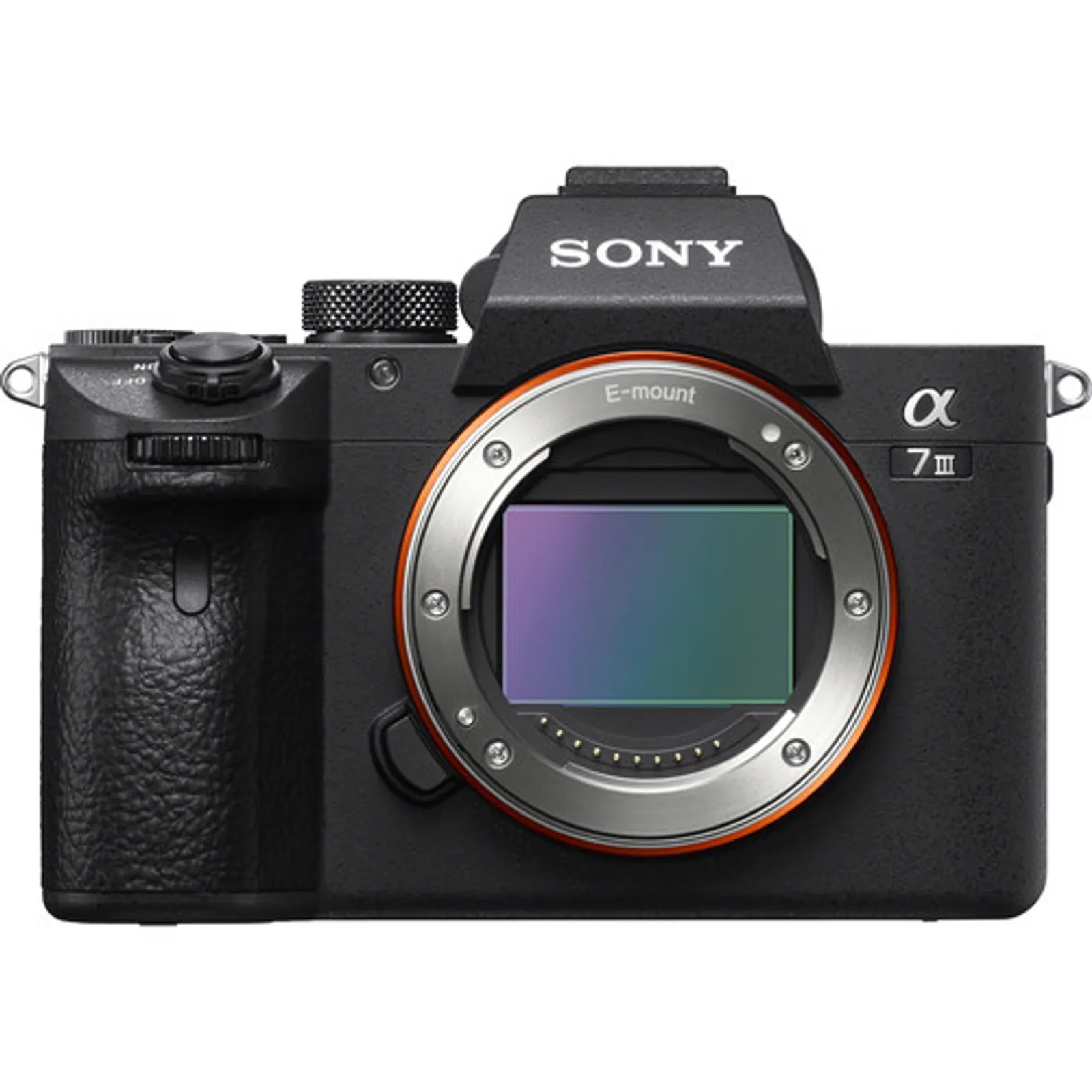
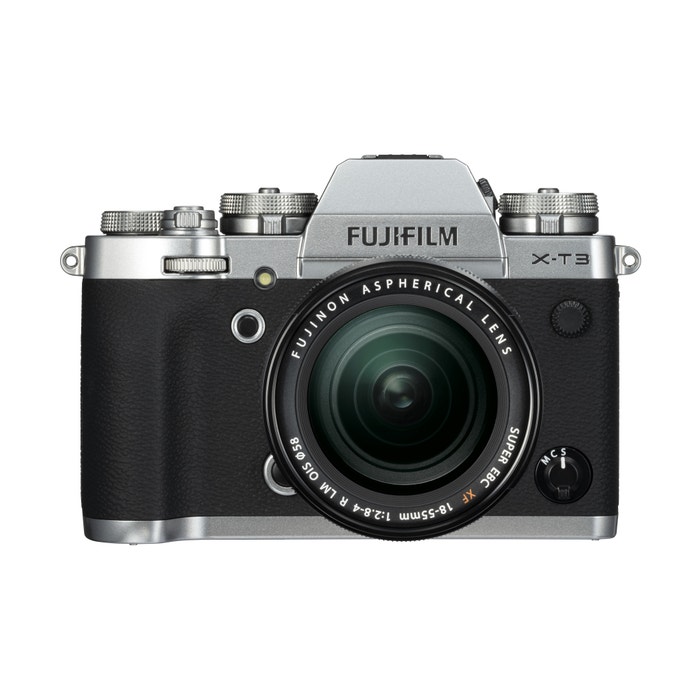
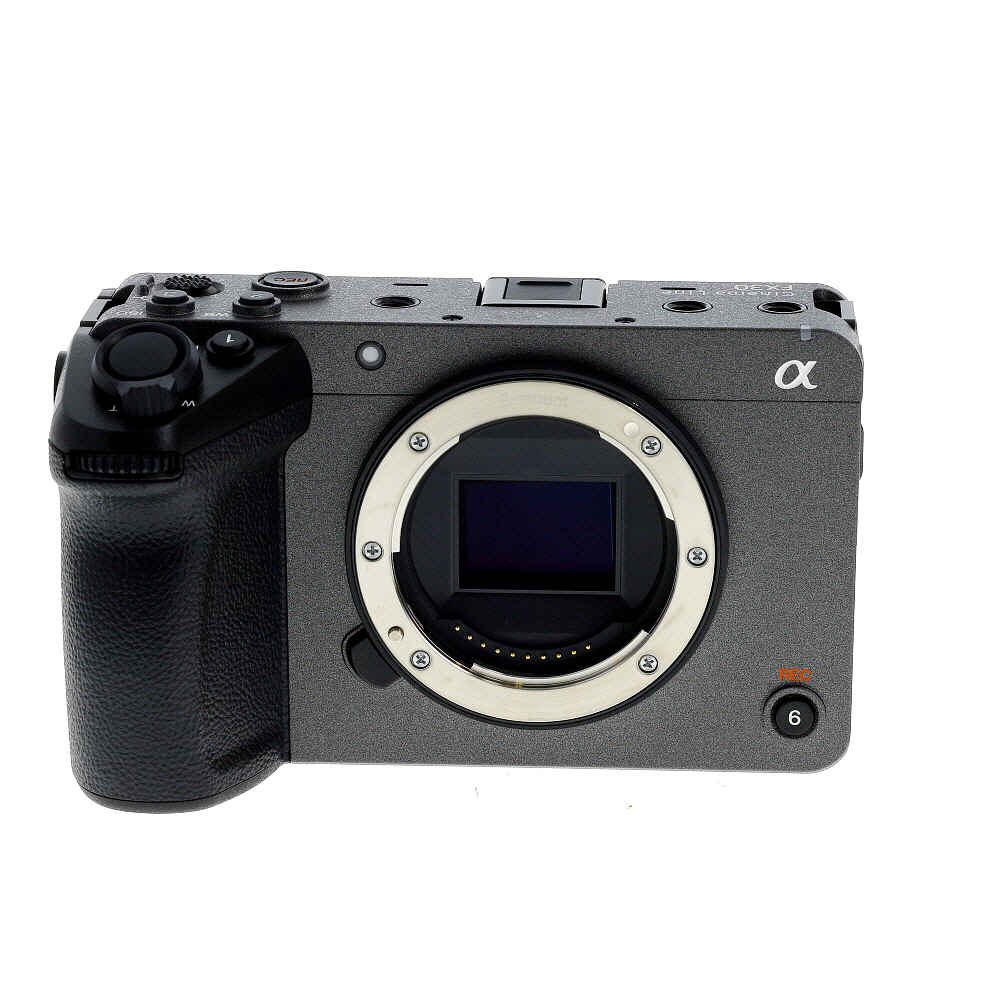
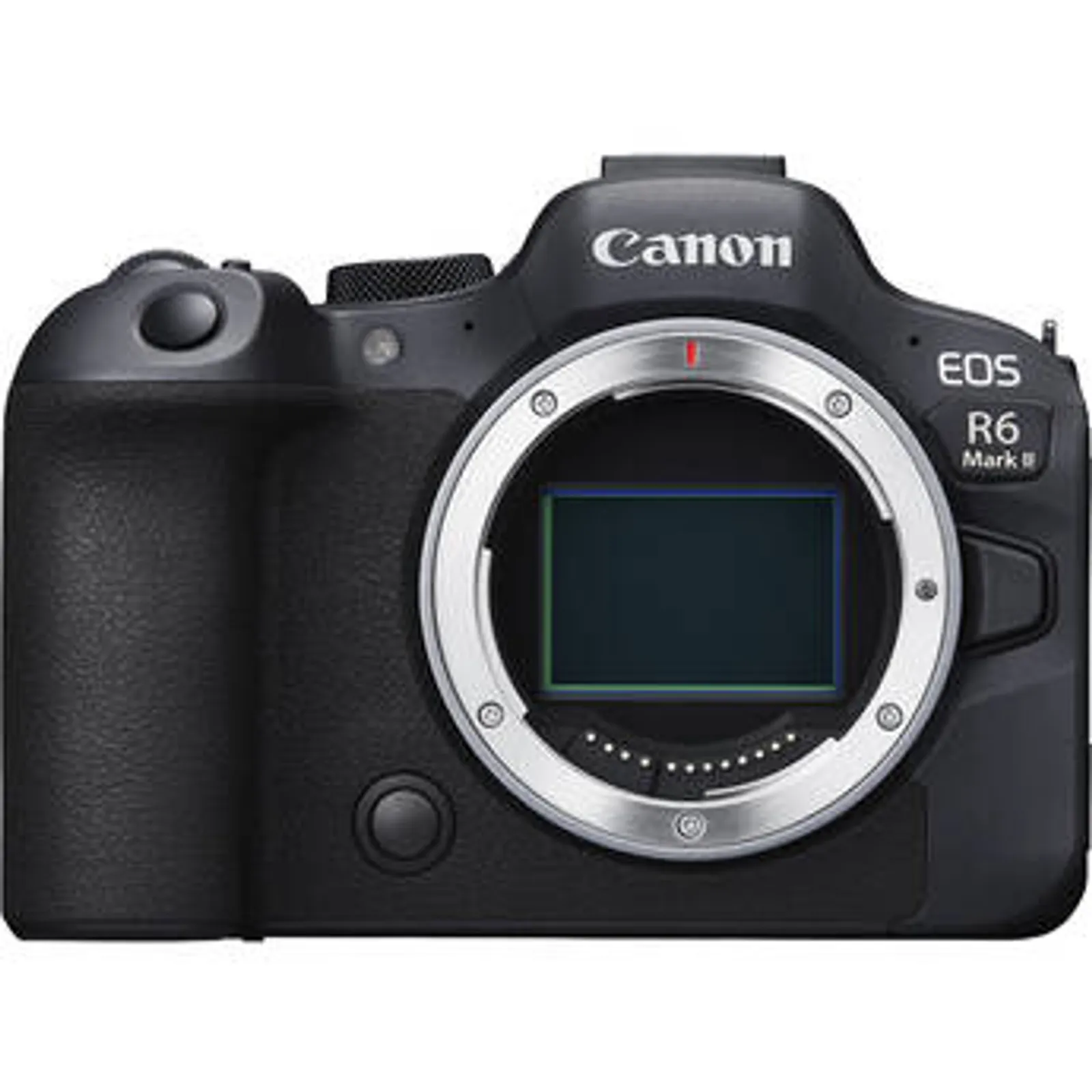
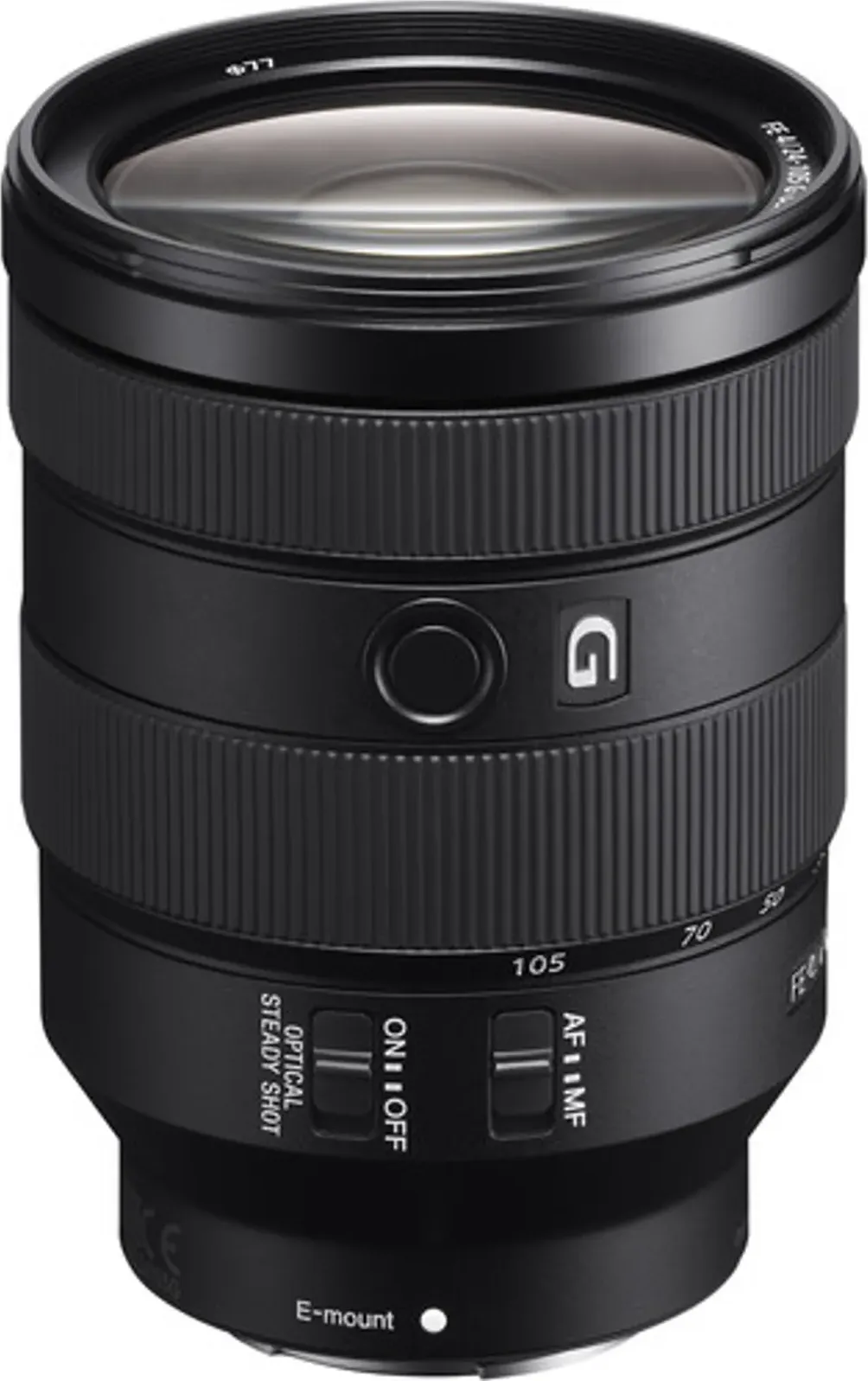
Studio videography is the most forgiving environment in filmmaking and the most demanding for technical consistency. You control the light, control the background, control the audio — which means there are no excuses for soft focus, color drift, or inconsistent exposure between setups. At the budget tier, the Canon EOS R, Sony A7 III, and Panasonic GH5 are proven studio workhorses. They handle 4K video, accept external audio via hot shoe adapters or XLR handles, and work with Canon EF-S 18-135mm or Sony E PZ 18-105mm G for versatile single-lens setups. Mid-range productions should seriously consider the Sony FX30, Blackmagic Pocket 6K, or Canon EOS R6 Mark II. The FX30 in particular is a purpose-built cinema camera — it has dual XLR inputs, log profiles for color grading, and full-frame coverage with Sony FE 24-105mm f/4 G OSS for interview and product work. For commercial productions with high delivery standards, the Canon EOS C70 delivers Cinema RAW Light to cards, has built-in ND filters, and pairs with the Canon EF 24-70mm f/2.8L for full creative control. The Panasonic Lumix S1H offers dual native ISO, 6K recording, and V-Log L for broadcast-quality output. Audio is often overlooked: in studio, a Sennheiser MKH 416 or Rode NTG series boom into an XLR input produces broadcast-quality audio. Budget setups can use a Rode VideoMicro II in the hot shoe with a lav for backup. Never rely solely on the camera's built-in microphone for commercial work.
Recommended Studio & Commercial Video Gear
Budget Studio & Commercial Video Gear
Basic 4K video, workable color profiles, single audio input or external recorders, no frills
Cameras
Lenses
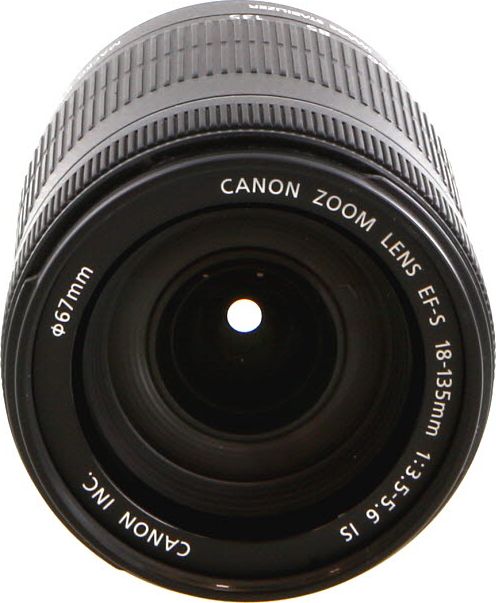
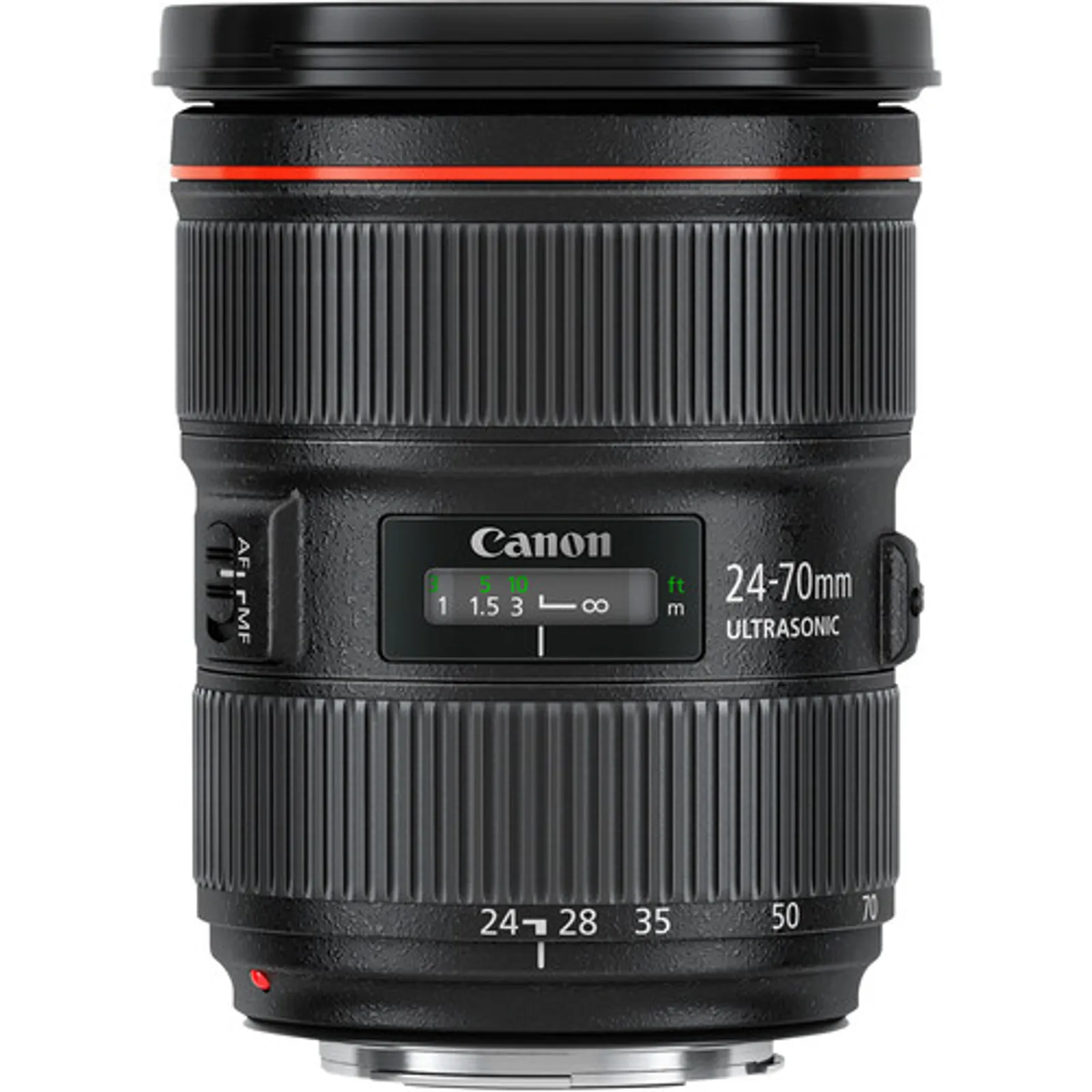
Canon EF-S 18-135mm f/3.5-5.6 IS Lens
View on GearFocus →Nikon AF-S 18-140mm f/3.5-5.6
Sony E PZ 18-105mm f/4 G OSS
Sigma 17-50mm f/2.8 DC
Fujifilm XC 16-50mm
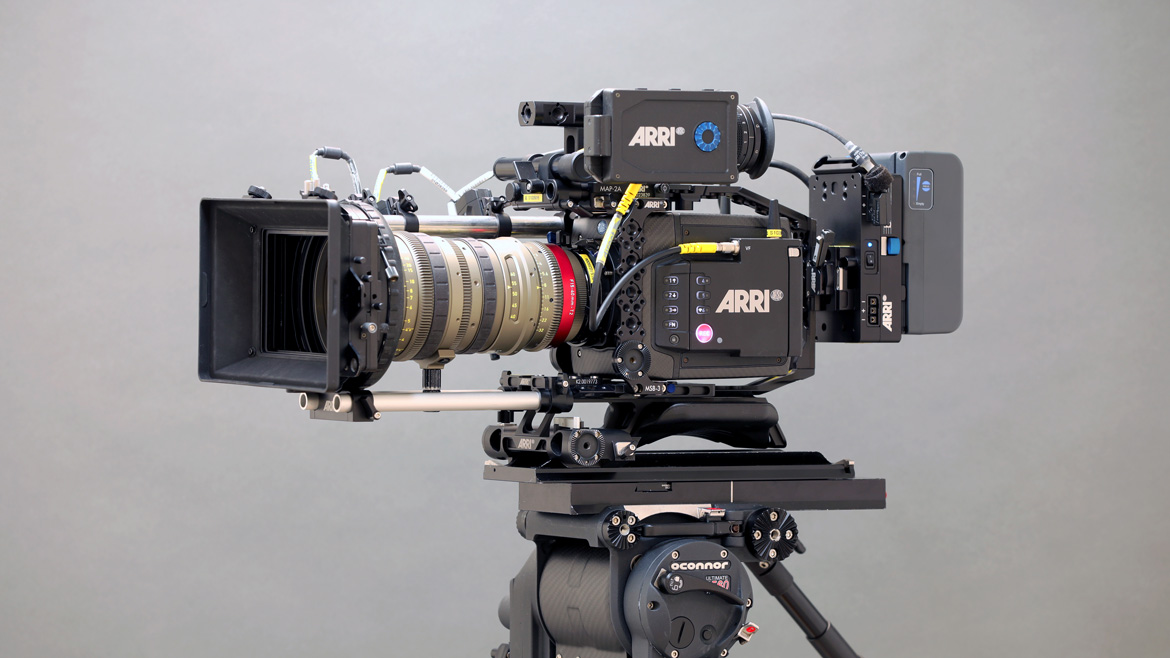
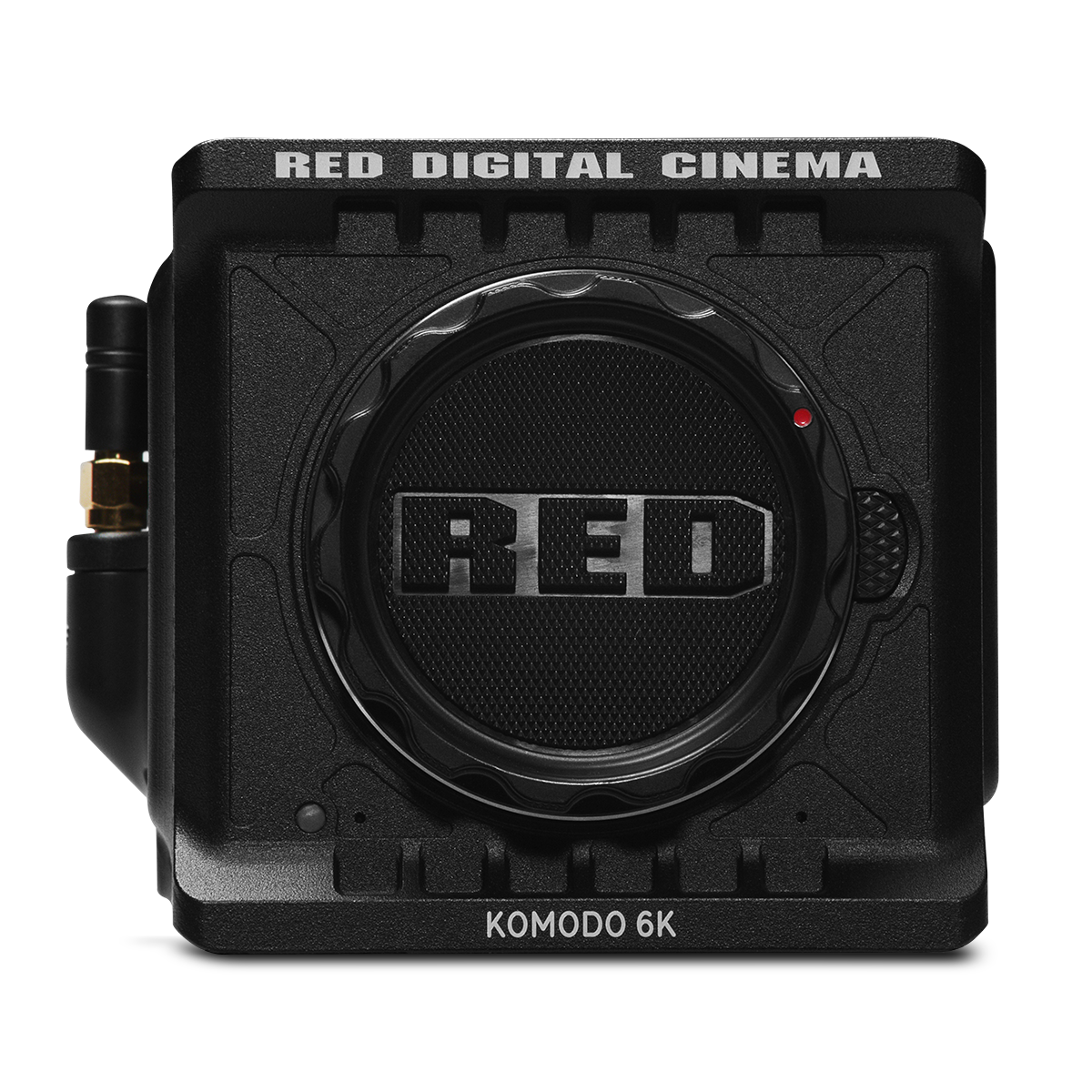
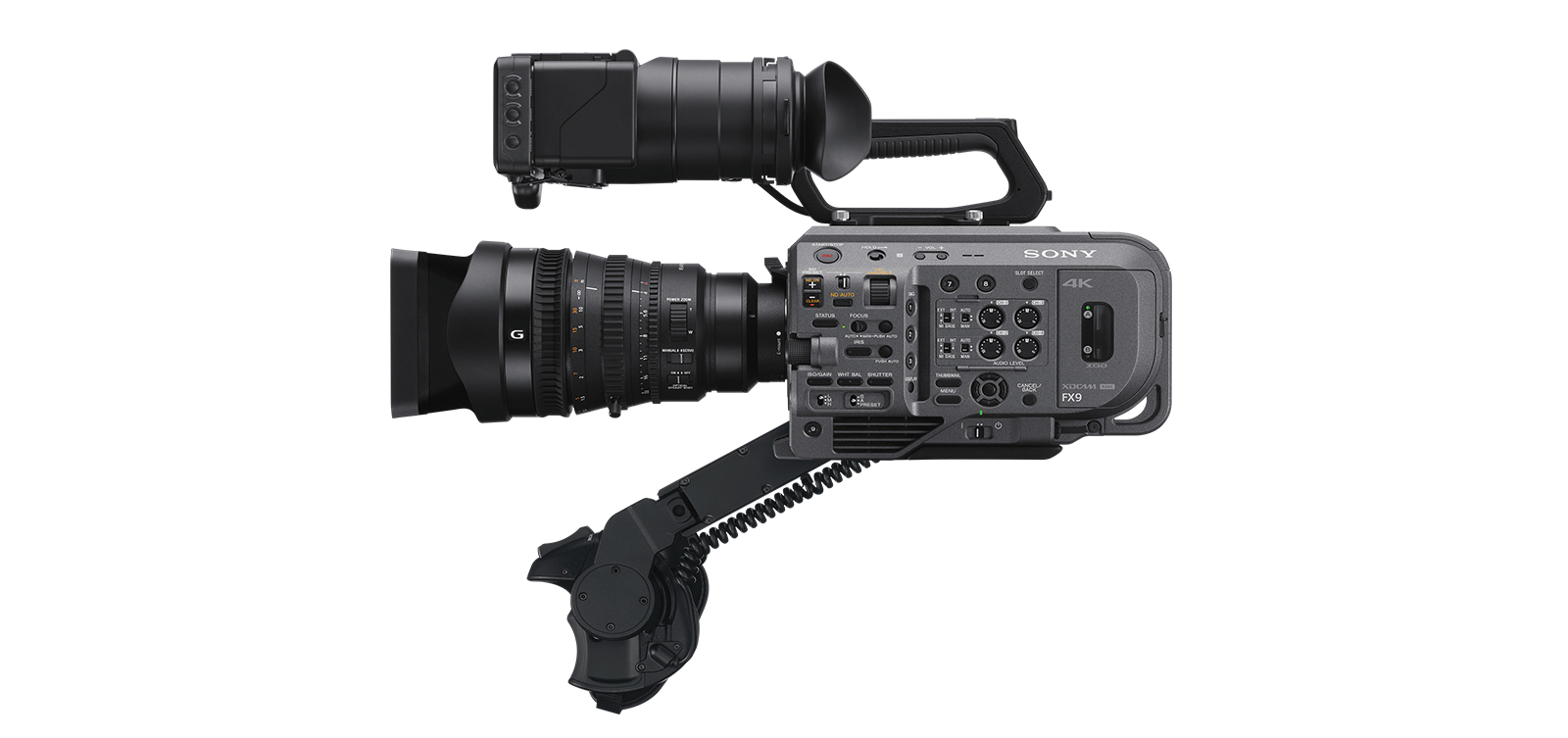
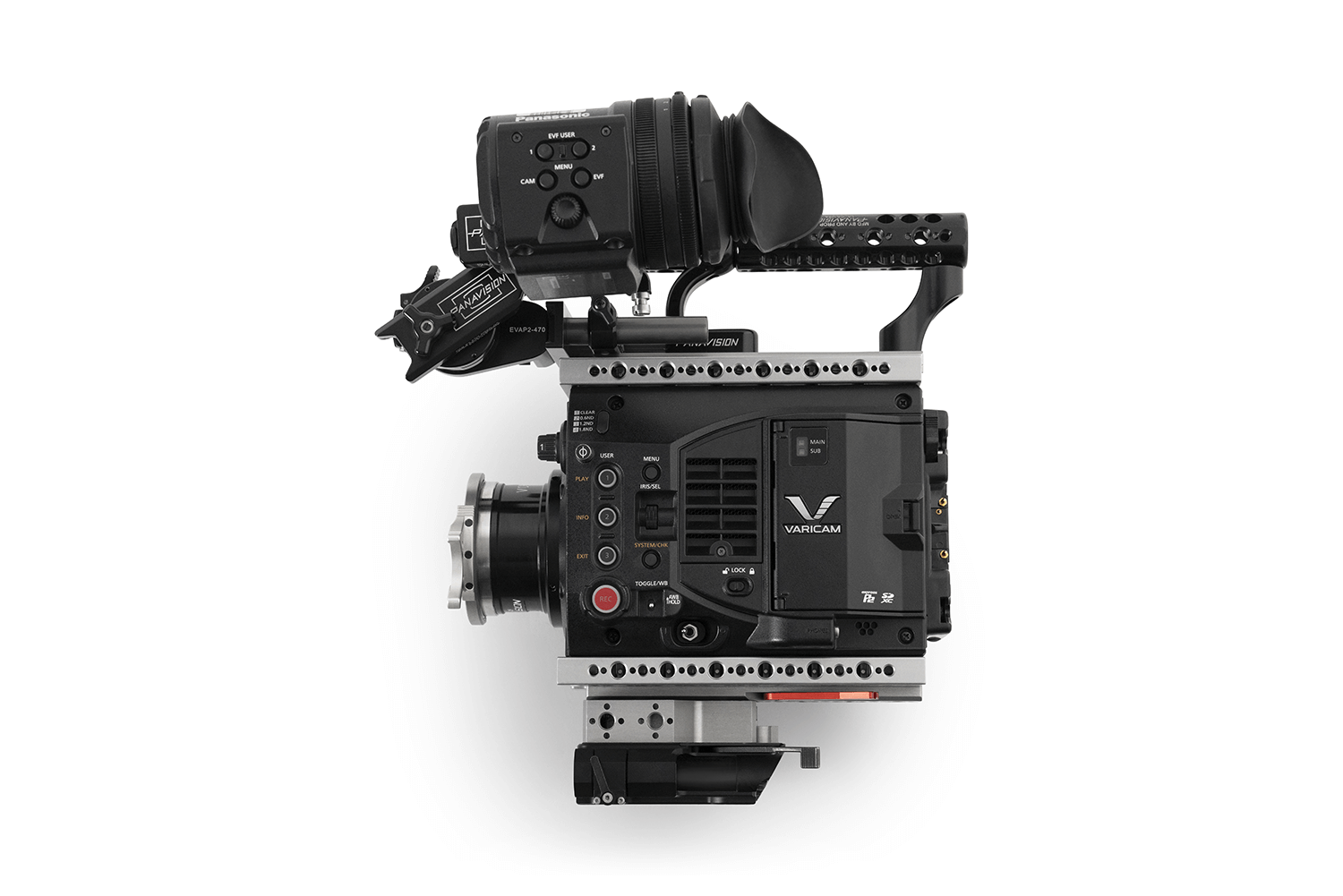
Studio & Commercial Video Gear on GearFocus
Why Studio & Commercial Video Photographers Choose GearFocus
Studio videographers build around professional cinema cameras — Canon C70, Sony FX3, Blackmagic Pocket 6K Pro — that hold value and trade actively between production companies completing projects. GearFocus has 6,763 GearMaster product pages covering professional video cameras with full specs, so buyers can verify codec support, dynamic range ratings, and mount compatibility before purchasing used. Every seller is identity-verified, meaning the production company or DP who owned that Canon EOS C300 Mark III is accountable by name — not an anonymous listing with vague condition notes. KEH and MPB buy professional video gear outright at 50-70% of market value; GearFocus sellers keep market-rate proceeds, which is why more studio-grade equipment flows through the platform at prices buyers can actually afford.
Verified Sellers Only
Every seller on GearFocus undergoes identity verification before listing gear. You know who you're buying from — not just an anonymous account.
48-Hour Buyer Protection
Inspect your gear within 48 hours of delivery. If the item doesn't match the listing description, return shipping is covered.
5% Fee vs. 13.6% on eBay
GearFocus charges a 5% platform fee. eBay averages 13.6% in fees. Sellers keep more — which means more competitive pricing for buyers.
What to Look For in Studio & Commercial Video Gear
Camera Sensor
Full-Frame or Super 35 Sensor for High Dynamic Range
Resolution
At Least 4K/60FPS, 6K+ Preferred for High-Resolution Output
Autofocus
Fast & Accurate Eye & Face Detection Autofocus
ISO Performance
Wide Dynamic Range with Low-Noise ISO 100-3200
Lens Type
Versatile Zoom & Prime Lenses (24-70mm, 35mm, 85mm)
Aperture
Fast Aperture (f/1.4 - f/2.8 for Cinematic Look)
Stabilization
Tripod & Gimbal Compatibility for Smooth Footage
Screen Type
Fully Articulating or External Monitor Support
Audio Input
XLR & 3.5mm Mic Input for Professional Audio Capture
Video Resolution
10-bit 4:2:2 Internal Recording for Color Grading
Slow Motion
4K/120FPS or Higher for Smooth Slow-Motion Footage
Log Profiles
Support for LOG (S-Log, C-Log, V-Log) for Post-Production
External Recording
RAW Output via HDMI or SDI for Maximum Quality
Connectivity
WiFi & Ethernet for Remote Monitoring & Live Streaming
USB Charging
USB-C Power & Continuous Power Options
Storage
CFExpress or SSD Support for High Bitrate Recording
Software Support
Compatibility with DaVinci Resolve, Adobe Premiere Pro
Lighting Control
DMX Support for Studio Lighting Integration
Weather Sealing
Weather-Resistant Build for Outdoor Commercial Shoots
Customization
Assignable Function Buttons for Workflow Efficiency
Tripod Mount
Arca-Swiss & V-Mount Battery Compatibility for Rigs
FAQs
The best studio video cameras depend on your deliverable requirements. For corporate and commercial work, the Canon EOS C70, Sony FX3, and Blackmagic Pocket 6K Pro are industry standards — all shoot RAW or high-quality Log video, have professional audio inputs, and deliver in broadcast-acceptable formats. Mid-range options include the Sony FX30, Canon EOS R6 Mark II, and Panasonic Lumix S5 II. The Panasonic S1H is the mirrorless camera most often used for studio work that requires maximum dynamic range (14+ stops) and broadcast 4K.
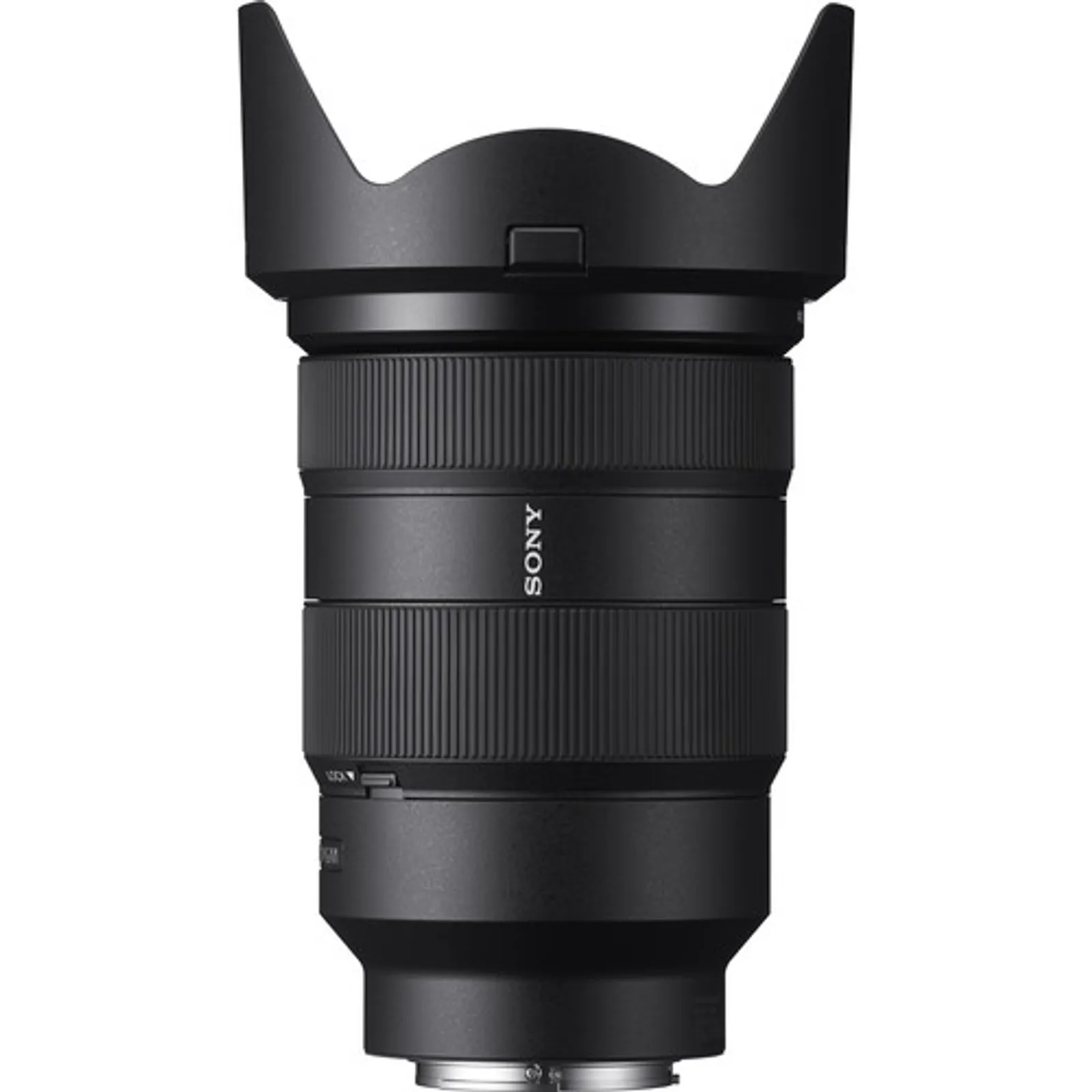
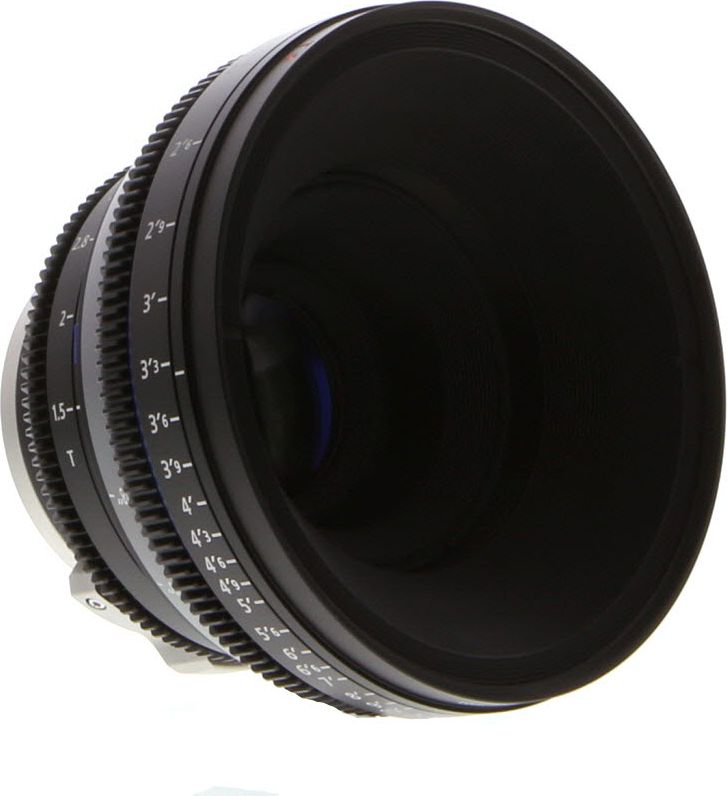
The 24-70mm f/2.8 is the industry-standard interview lens. At 50-70mm with f/2.8, it produces natural perspective with background separation. Strong choices include the Canon EF 24-70mm f/2.8L, Sony FE 24-70mm f/2.8 GM, and Nikon AF-S 24-70mm f/2.8E VR. For cinema work, the Zeiss CP.2 50mm T2.1 delivers consistent color matching across a prime set. On a budget, the Sony FE 24-105mm f/4 G OSS covers 24-105mm in a single lens and handles most interview and product scenarios.
RAW video is not required for most corporate and commercial studio work, but it is preferred for high-end productions. RAW preserves maximum data for color grading and exposure correction. Cameras like the Canon EOS C70 (Cinema RAW Light), Blackmagic Pocket 6K Pro (RAW), and RED KOMODO shoot RAW internally. For most corporate clients, high-bitrate H.265 or ProRes from cameras like the Sony FX3 or Canon R6 Mark II is more than sufficient — and much easier to edit and deliver. Match your format to your client's expectations and your edit system's capability.
24fps is the standard for cinematic and most commercial content. 25fps is used for broadcast in PAL regions (Europe, Australia). 30fps is common for corporate, news, and YouTube delivery in North America. If you need slow motion, 60fps or higher — cameras like the Sony FX3 shoot 4K 120fps, and the Blackmagic Pocket 6K Pro shoots 6K 50fps. Shoot at the highest frame rate your project requires, then conform down in post if needed. Never mix frame rates in a sequence without understanding how your NLE handles the conversion.
Professional studio video requires at minimum a shotgun microphone and one lavalier per speaker, recorded to separate channels via an XLR audio interface or camera with XLR inputs. Cameras like the Canon EOS C70, Sony FX3, and Blackmagic Pocket 6K Pro all have built-in XLR inputs. If using a mirrorless body, a portable XLR adapter (Deity Connect or Rode VXLR+) brings professional audio into the hot shoe. Budget setups use a Rode NTG series shotgun with a Zoom H5 recorder as a separate audio source, synced in post.
Cinema cameras like the Canon EOS C70, Sony FX3, and Blackmagic Pocket 6K Pro are purpose-built for video production — they have built-in ND filters, XLR audio inputs, fan cooling for extended recording, better heat dissipation, log profiles, and ergonomics optimized for video operation (side handles, top handles, monitor mounts). Mirrorless cameras like the Sony A7 IV or Canon EOS R6 Mark II are hybrid photo/video tools — excellent for short video production but may overheat in extended recording and have fewer professional I/O options. For dedicated studio work, a cinema camera is the right investment.
Yes, when buying from a verified marketplace. GearFocus requires identity verification for all sellers and includes 48-hour buyer protection on every purchase — if a Canon EOS C70 or Sony FX3 arrives with XLR input issues, recording format limitations, or sensor performance below the listing description, you get a full refund with seller-paid return shipping. Unlike general marketplaces, GearFocus sellers are part of the production community and accurately describe codec support, ND filter condition, and professional I/O functionality. Studio video gear holds its value and trades actively among production companies — the Pricing Guide, built from real market pricing data, shows real market rates.